
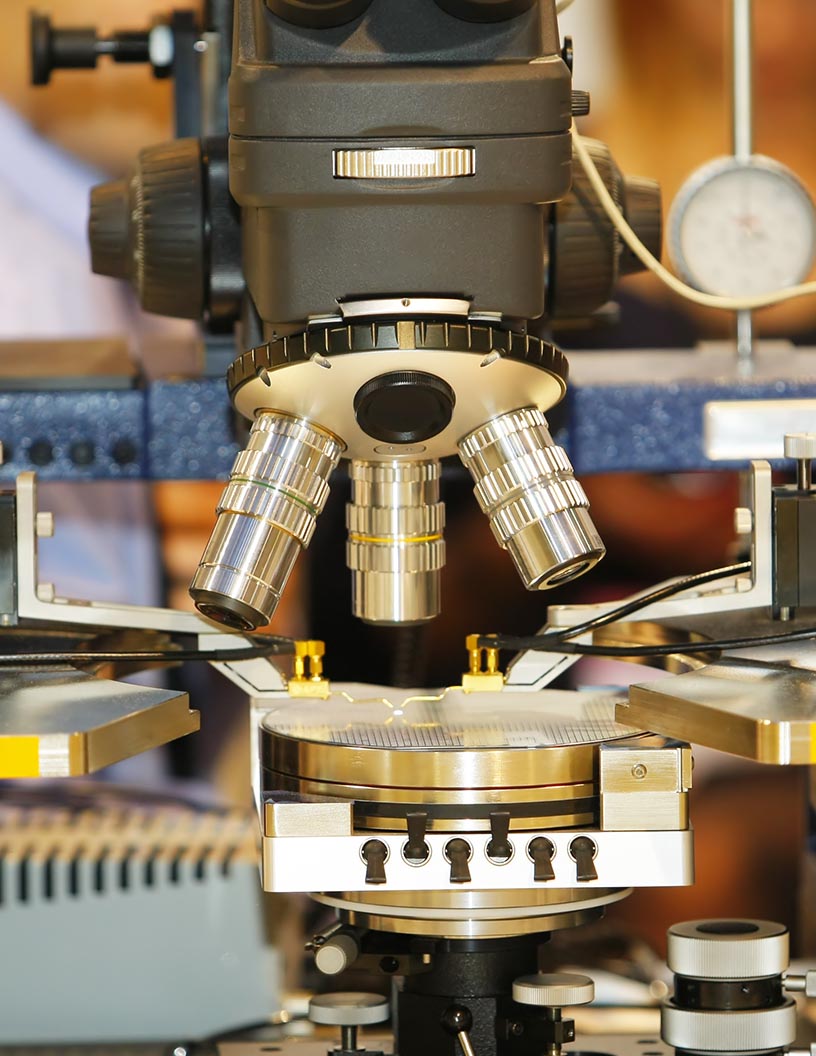


Automated Microscopy Market Size 2024-2028
The automated microscopy market size is forecast to increase by USD 1.84 billion at a CAGR of 10.87% between 2023 and 2028.
- The market is experiencing significant growth, driven by the increasing adoption of automated systems in laboratories to enhance efficiency and accuracy in various industries, including healthcare, pharmaceuticals, and academia. Advanced technologies, such as machine learning and artificial intelligence, are revolutionizing microscopy by enabling faster image analysis and diagnosis. However, the high cost of laboratory instruments remains a significant challenge for market growth, particularly for smaller organizations and research institutions. Despite this hurdle, the market is expected to continue expanding due to the increasing demand for automated solutions that offer improved productivity, standardization, and reduced human error.
- Companies seeking to capitalize on this trend should focus on developing cost-effective, user-friendly, and customizable automated microscopy systems to cater to the diverse needs of their customers. Effective collaboration and partnerships with industry leaders and research institutions can also provide valuable opportunities for market expansion and innovation.
What will be the Size of the Automated Microscopy Market during the forecast period?

- The market in the United States is experiencing significant growth due to the increasing demand for high-throughput analysis in various industries, including life sciences research and medical diagnostics. This trend is driven by the availability of sensitive detectors, high-resolution cameras, and advanced image acquisition technologies, such as confocal microscopy, super-resolution microscopy, and multiphoton microscopy. Automated microscopy systems offer motorized stages, machine learning capabilities, and data management solutions, enabling the efficient analysis of large volumes of high-resolution images. Moreover, the market is witnessing the miniaturization of microscopes, enabling remote diagnostics and telepathology solutions. The adoption of cloud-based solutions is also on the rise, facilitating the sharing and storage of vast amounts of data.
- The market's size is substantial, with applications ranging from drug discovery to image analysis and classification. Overall, the market is poised for continued growth, driven by technological advancements and the increasing demand for efficient and accurate analysis in various sectors.
How is this Automated Microscopy Industry segmented?
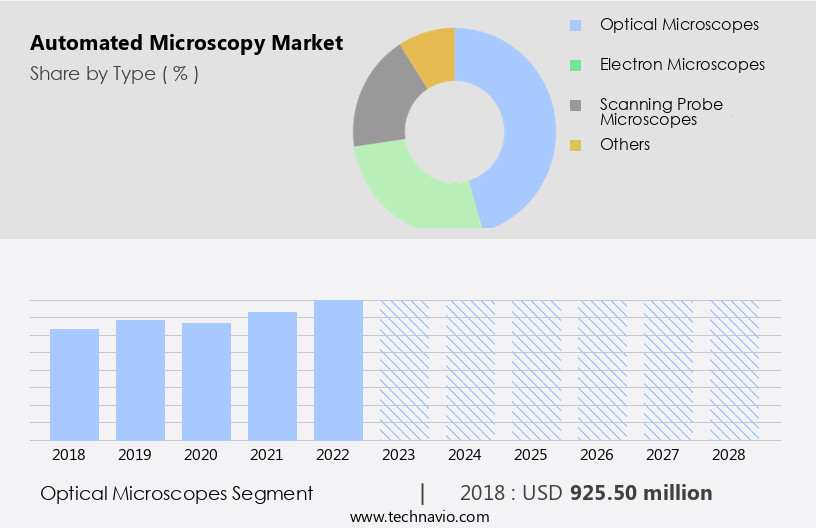
The automated microscopy industry research report provides comprehensive data (region-wise segment analysis), with forecasts and estimates in "USD million" for the period 2024-2028, as well as historical data from 2018-2022 for the following segments.
- Type
- Optical microscopes
- Electron microscopes
- Scanning probe microscopes
- Others
- End-user
- Hospitals
- Research facilities
- Diagnostic centers
- Geography
- North America
- US
- Canada
- Europe
- France
- Germany
- Asia
- China
- Rest of World (ROW)
- North America
By Type Insights
The optical microscopes segment is estimated to witness significant growth during the forecast period.
Automated optical microscopy is an advanced form of microscopy that integrates traditional optical microscopy with automation. This technique utilizes machine learning capabilities to analyze high-throughput data from various types of microscopes, such as confocal, digital, stereo, and fluorescence. Automated microscopy is applied extensively in biomedical research, including cryo-electron microscopy, forensics, pathology, super-resolution microscopy, diagnostic laboratories, genomics, and drug discovery. It offers motorized stages for automatic changing of observation conditions and diverse accessories, enabling high-throughput analysis, remote diagnostics, long-term experiments, and interoperability with advanced software and data management solutions. Machine learning algorithms are used for image acquisition, analysis, and classification, enhancing the diagnostic capabilities of medical institutions and research laboratories.
Automated microscopy also supports 3D imaging, time-lapse studies, and remote monitoring, making it an essential tool for the healthcare sector and the biotechnology industry. Additionally, cloud-based solutions, high-resolution cameras, and data security features ensure data collection, storage, and compatibility with various imaging technologies.
Get a glance at the market report of share of various segments Request Free Sample
The Optical microscopes segment was valued at USD 925.50 billion in 2018 and showed a gradual increase during the forecast period.
Regional Analysis
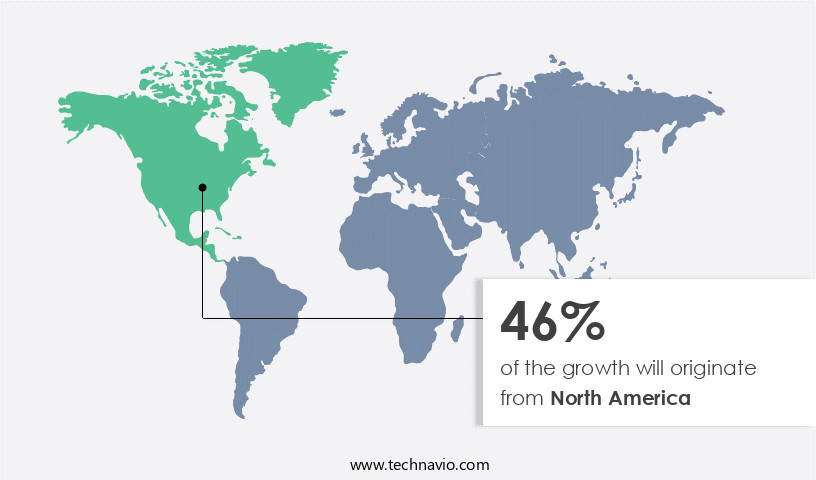
North America is estimated to contribute 46% to the growth of the global market during the forecast period.Technavio’s analysts have elaborately explained the regional trends and drivers that shape the market during the forecast period.
For more insights on the market size of various regions, Request Free Sample
The market in North America is primarily driven by the US, which hosts numerous renowned research institutions, including Harvard University, the US National Institutes of Health (NIH), Stanford University, Massachusetts Institute of Technology, the University of California, Yale University, and the University of Pennsylvania. These institutions collectively contribute significantly to life sciences research, with Harvard University accounting for approximately two-thirds of its output in this field. The US NIH, as the largest public funder of biomedical research globally, supports 27 distinct institutes and centers, fostering advancements in various biomedical disciplines. Machine learning capabilities, high-throughput analysis, and advanced software are transforming microscopy technologies, such as Cryo-Electron Microscopy, Confocal microscopy, Super-resolution microscopy, and Multiphoton microscopy, in biomedical research.
Automated microscopy enables high-speed image acquisition, data collection, and real-time data analysis, enhancing research efficiency and accuracy. In healthcare diagnostics, automated microscopy plays a pivotal role in cancer diagnosis, material science, and forensics. High-resolution cameras, motorized stages, and time-lapse studies contribute to non-destructive imaging and long-term experiments. Artificial intelligence (AI) and machine learning (ML) algorithms facilitate image analysis, classification, and data management solutions for diagnostic laboratories and hospitals. The market is further by high-throughput screening, remote diagnostics, and telepathology solutions, enabling data security and interoperability. The biotechnology industry and research laboratories benefit from cloud-based solutions, miniaturization, and scanning probe microscopes.
Automation, data analysis capabilities, and remote monitoring are essential aspects of the market's growth. In summary, the market in North America is experiencing substantial growth due to the presence of leading research institutions, technological advancements, and increasing demand for efficient and accurate diagnostic solutions.
Market Dynamics
Our researchers analyzed the data with 2023 as the base year, along with the key drivers, trends, and challenges. A holistic analysis of drivers will help companies refine their marketing strategies to gain a competitive advantage.
What are the key market drivers leading to the rise in the adoption of Automated Microscopy Industry?
- Growing adoption of automated systems in laboratories is the key driver of the market.
- The increasing demand for clinical and diagnostic testing has put significant pressure on life sciences laboratories and their workforce. Manually operated laboratory instruments have proven to be labor-intensive, time-consuming, and costly. In response, companies in the life sciences instrument market are turning to automated solutions, integrating high-throughput machines with automated sample collection and analysis techniques. These automated methods enable the delivery of rapid and high-precision results, while also increasing production and reducing test times without sacrificing quality and purity standards.
- As a result, there has been a notable rise in laboratory infrastructure upgrades, with the adoption of advanced and automated instruments such as automated analyzers and sample processors becoming increasingly common. Automation offers numerous benefits, including improved efficiency, enhanced accuracy, and reduced operational costs, making it an attractive solution for laboratories seeking to meet the growing demand for clinical and diagnostic testing services.
What are the market trends shaping the Automated Microscopy Industry?
- Advances in automated microscopy is the upcoming market trend.
- Automated microscopy, a critical component of high-throughput imaging, has revolutionized life sciences research by enabling researchers to interrogate cellular processes with greater detail and efficiency. Technological advancements in automation have played a pivotal role in the development of high-throughput imaging tools. These advancements allow for the rapid acquisition of multiple images without human intervention, facilitating large-scale screens. High-throughput microscopy (HTM) enables automatic image acquisition from a vast number of different treatments, performed overnight or over several days. This capability enables researchers to conduct large-scale, image-based screening to discover novel genes and new functions of familiar genes. Moreover, the integration of automated image capture and analysis has led to the emergence of high-throughput FLIM-FRET microscopy.
- This technology facilitates quick quantification of protein-protein interactions in cells, providing valuable insights into cellular processes. Automated microscopy's ability to process vast amounts of data in a short time makes it an indispensable tool for researchers in the life sciences industry.
What challenges does the Automated Microscopy Industry face during its growth?
- High cost of laboratory instruments is a key challenge affecting the industry growth.
- Advanced laboratory instruments play a crucial role in the research and development (R&D) activities of pharmaceutical and biotechnology companies. These instruments have significantly reduced errors during research processes, making them indispensable. However, the continuous innovation and addition of new features to these instruments have led to an increase in their prices. This price hike poses a challenge for life sciences tools and service providers, as pharmaceutical and biotech companies are increasingly focusing on controlling their R&D expenses. Lowering the prices of these instruments to boost market penetration could erode profit margins and hinder the development of future products. Consequently, a delicate balance must be struck between affordability and innovation to cater to the evolving needs of the life sciences industry.
Exclusive Customer Landscape
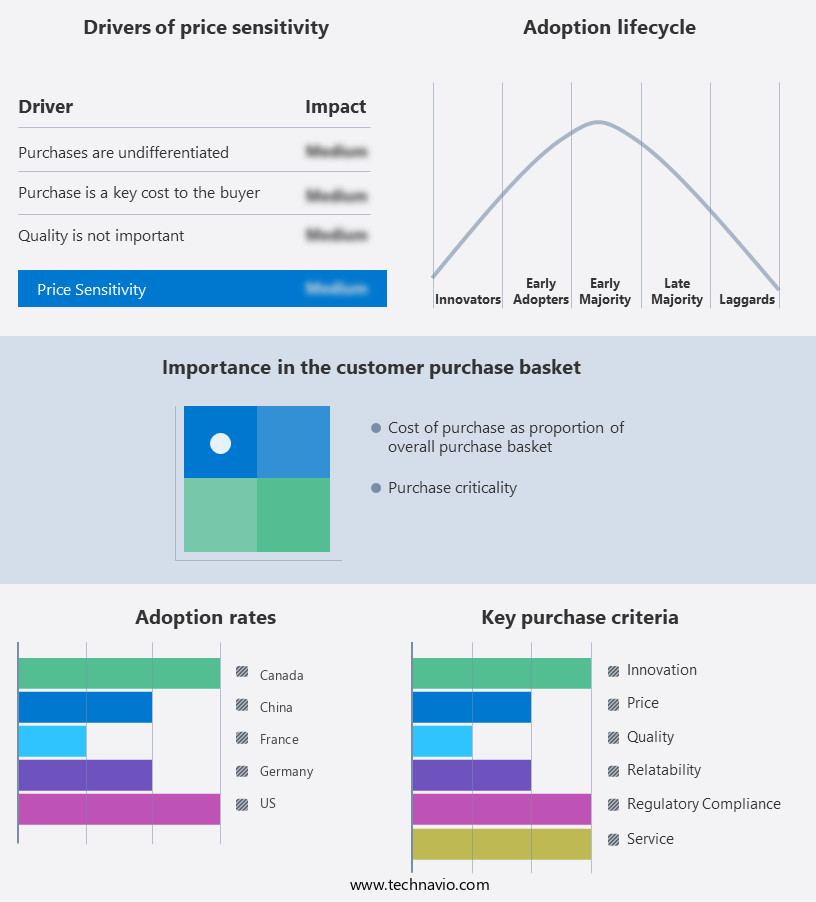
The automated microscopy market forecasting report includes the adoption lifecycle of the market, covering from the innovator’s stage to the laggard’s stage. It focuses on adoption rates in different regions based on penetration. Furthermore, the automated microscopy market report also includes key purchase criteria and drivers of price sensitivity to help companies evaluate and develop their market growth analysis strategies.
Customer Landscape
Key Companies & Market Insights
Companies are implementing various strategies, such as strategic alliances, automated microscopy market forecast, partnerships, mergers and acquisitions, geographical expansion, and product/service launches, to enhance their presence in the industry.
Agilent Technologies Inc. - The company specializes in automated microscopy solutions, featuring the BioTek lionheart FX and lionheart LX automated microscopes. These advanced instruments streamline microscopic analysis, enhancing research efficiency and accuracy. The BioTek lionheart FX and lionheart LX models offer versatile imaging capabilities, enabling users to capture high-resolution images and perform various assays with ease. Automation and standardized protocols ensure consistent results, making these products ideal for laboratories seeking to optimize their workflows.
The industry research and growth report includes detailed analyses of the competitive landscape of the market and information about key companies, including:
- Agilent Technologies Inc.
- Anton Paar GmbH
- Bruker Corp.
- Carl Zeiss AG
- Danaher Corp.
- Hitachi Ltd.
- HORIBA Ltd.
- JEOL Ltd.
- Nikon Corp.
- Olympus Corp.
- Oxford Instruments plc
- PAMAS PARTIKELMESS UND ANALYSESYSTEME GMBH
- Prior Scientific Instruments Ltd.
- PVA TePla AG
- Semilab Semiconductor Physics Laboratory Co. Ltd.
- Shimadzu Corp.
- Thermo Fisher Scientific Inc.
- Tibidabo Scientific Industries Ltd.
- Verder International BV
- Zaber Technologies Inc.
Qualitative and quantitative analysis of companies has been conducted to help clients understand the wider business environment as well as the strengths and weaknesses of key industry players. Data is qualitatively analyzed to categorize companies as pure play, category-focused, industry-focused, and diversified; it is quantitatively analyzed to categorize companies as dominant, leading, strong, tentative, and weak.
Research Analyst Overview
Automated microscopy is a burgeoning field that leverages advanced software and machine learning capabilities to enhance the analysis of images acquired through various microscopy techniques. This technology is revolutionizing biomedical research, enabling researchers to process vast amounts of data from high-throughput analysis in a more efficient and accurate manner. Cryo-electron microscopy, multiphoton microscopy, super-resolution microscopy, and confocal microscopy are some of the microscopy techniques that benefit from automated microscopy. These techniques offer unique insights into various fields, including biomedical research, materials science, and forensics. Automated microscopy systems utilize machine learning algorithms to classify and analyze images, providing valuable data for diagnostics, drug discovery, and research applications.
In the healthcare sector, automated microscopy is being adopted in diagnostic laboratories for cancer diagnosis and other medical conditions. High-throughput screening and remote diagnostics are other areas where automated microscopy is making a significant impact. Long-term experiments and time-lapse studies can be monitored remotely, allowing researchers to gather data without the need for constant supervision. Automated microscopy also offers benefits in terms of data management and security. Cloud-based solutions enable easy access to data from anywhere, while data storage and interoperability ensure that data can be shared and analyzed efficiently. The integration of machine learning and artificial intelligence in automated microscopy systems is leading to new possibilities in data analysis capabilities.
Sensitive detectors and high-resolution cameras enable the acquisition of high-quality images, which can be analyzed in real-time for improved accuracy and speed. The automation of motorized stages and sample analysis further enhances the efficiency of microscopy experiments. Miniaturization of microscopy systems and scanning probe microscopes offer new possibilities for non-destructive imaging in various industries, including biotechnology and life sciences research. Government funding and academic institutions are also investing in automated microscopy research, recognizing its potential to drive innovation and advance scientific knowledge. The future of automated microscopy is bright, with new applications and possibilities emerging in various fields. In , automated microscopy is transforming the way microscopy data is collected, analyzed, and utilized.
By leveraging advanced software, machine learning, and artificial intelligence, researchers can gain new insights and discoveries in various fields, from biomedical research to materials science and beyond. The benefits of automated microscopy extend to data management, security, and efficiency, making it an essential tool for researchers and diagnostic laboratories alike.
|
Market Scope |
|
|
Report Coverage |
Details |
|
Page number |
189 |
|
Base year |
2023 |
|
Historic period |
2018-2022 |
|
Forecast period |
2024-2028 |
|
Growth momentum & CAGR |
Accelerate at a CAGR of 10.87% |
|
Market growth 2024-2028 |
USD 1843.1 million |
|
Market structure |
Fragmented |
|
YoY growth 2023-2024(%) |
9.53 |
|
Key countries |
US, China, Germany, Canada, and France |
|
Competitive landscape |
Leading Companies, Market Positioning of Companies, Competitive Strategies, and Industry Risks |
What are the Key Data Covered in this Automated Microscopy Market Research and Growth Report?
- CAGR of the Automated Microscopy industry during the forecast period
- Detailed information on factors that will drive the growth and forecasting between 2024 and 2028
- Precise estimation of the size of the market and its contribution of the industry in focus to the parent market
- Accurate predictions about upcoming growth and trends and changes in consumer behaviour
- Growth of the market across North America, Europe, Asia, and Rest of World (ROW)
- Thorough analysis of the market’s competitive landscape and detailed information about companies
- Comprehensive analysis of factors that will challenge the automated microscopy market growth of industry companies
We can help! Our analysts can customize this automated microscopy market research report to meet your requirements.