
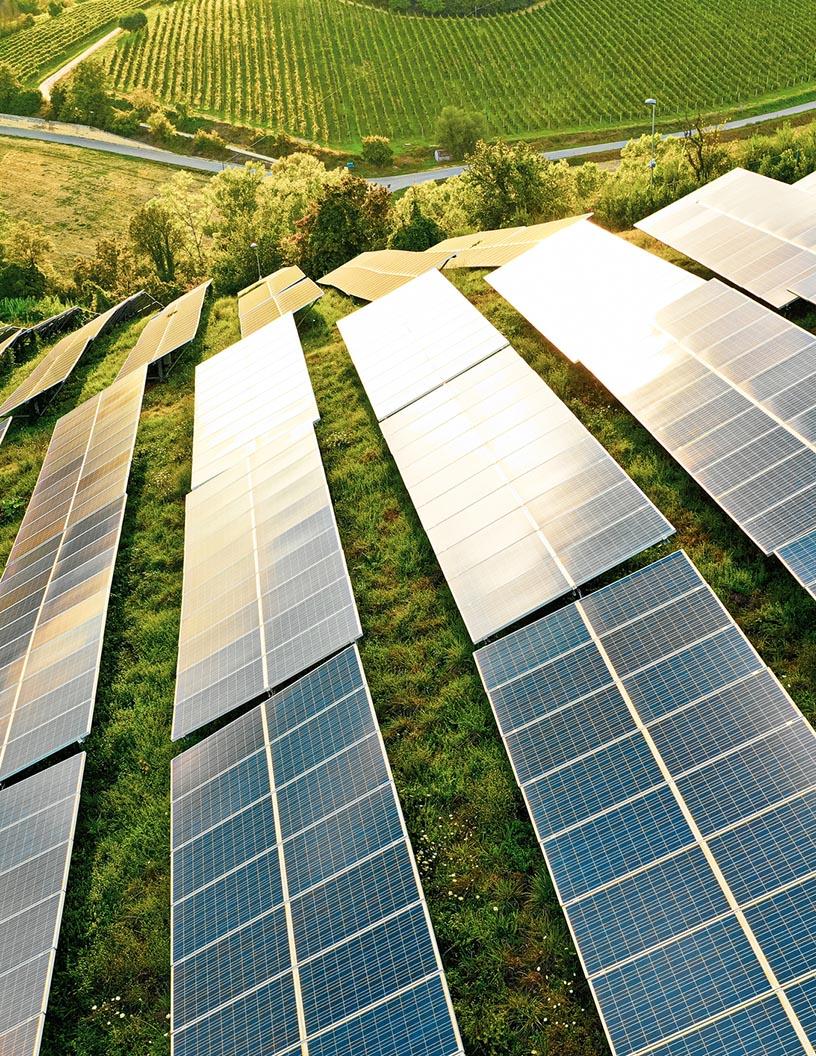

Energy Harvesting System Market Analysis Europe, North America, APAC, Middle East and Africa, South America - US, Germany, China, UK, The Netherlands - Size and Forecast 2024-2028

Energy Harvesting System Market Analysis Europe, North America, APAC, Middle East and Africa, South America - US, Germany, China, UK, The Netherlands - Size and Forecast 2024-2028

Published: Oct 2024 144 Pages SKU: IRTNTR71391

Market Overview at a Glance

$1.52 B
Market Opportunity
11.5%
CAGR
10.0
YoY growth 2023-2024(%)

Energy Harvesting System Market Size 2024-2028

The energy harvesting system market size is forecast to increase by USD 1.52 billion at a CAGR of 11.5% between 2023 and 2028.

  • The market is witnessing significant growth due to the increasing demand for safe, power-efficient, and durable energy harvesting systems. The adoption of wireless sensor networks equipped with energy harvesting systems is a major trend in this market, as these networks enable the collection and transmission of data without the need for external power sources. However, the market is also facing challenges such as the increase in design complexities due to miniaturization of energy harvesting devices. To address these challenges, market participants are focusing on developing advanced materials and technologies to enhance the efficiency and reliability of energy harvesting systems. Overall, the market is expected to grow steadily In the coming years, driven by these trends and growth factors.
  • What will be the Size of the Energy Harvesting System Market During the Forecast Period?
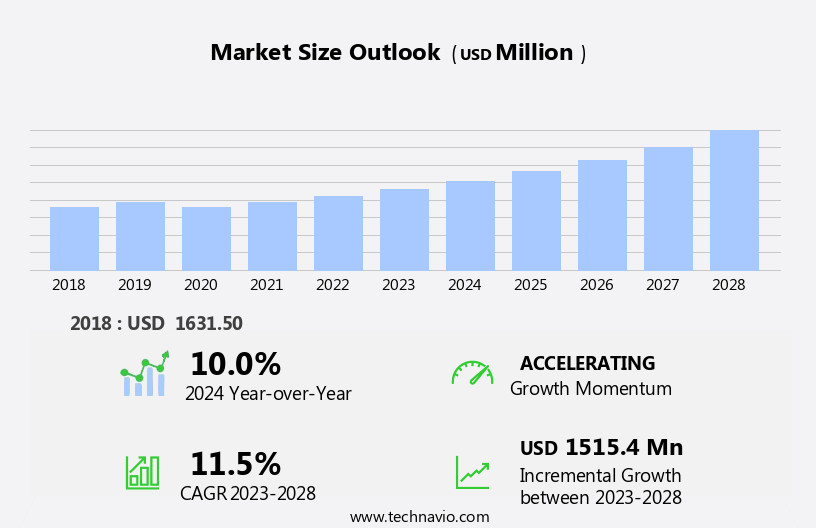
    Energy Harvesting System Market Size

     Request Free Sample

  • The market encompasses technologies that convert electrical power from various sources to supply energy to electronic devices. This market is driven by the increasing demand for wireless communication and the proliferation of Internet of Things (IoT) devices. Radiofrequency (RF) sources, such as Wi-Fi and cellular networks, and non-RF sources, including thermoelectric generators and piezoelectric harvesters, are key technologies in this market. RF energy harvesting utilizes electromagnetic radiation from RF sources, while non-RF methods harness energy from heat, motion, vibration, and light. Technologies like thermoelectric generators convert heat energy into electrical power, while piezoelectric harvesters generate electricity from mechanical stress. Solar cells, as a form of photovoltaic energy harvesting, convert light energy into electrical power.
  • Advancements in artificial intelligence (AI), machine learning, and data analysis are expected to boost the market growth by optimizing energy harvesting and management systems.
  • How is this Energy Harvesting System Industry segmented and which is the largest segment?

    The energy harvesting system industry research report provides comprehensive data (region-wise segment analysis), with forecasts and estimates in "USD million" for the period 2024-2028, as well as historical data from 2018-2022 for the following segments.

    • Application
      • Building and home automation
      • Industrial
      • Consumer electronics
      • Defense
      • Others
    • Geography
      • Europe
        • Germany
        • UK
      • North America
        • US
      • APAC
        • China
      • Middle East and Africa
        • South America

        By Application Insights

        • The building and home automation segment is estimated to witness significant growth during the forecast period.

        The market is experiencing significant growth due to the increasing energy demands from electrical power consumption in various electronic devices. Energy harvesting technologies, such as RF, thermoelectric, piezoelectric, and photovoltaic, are being utilized to convert ambient energy sources like RF energy from Wi-Fi signals and cellular networks, electromagnetic radiation from radio broadcasting and TV broadcasting, non-RF sources like solar cells and thermoelectric generators, and kinetic energy from vibration and motion into electrical power. Energy storage systems and optimization techniques, including AI, machine learning, data analysis, and energy conversion technologies, are essential components of these systems. The market's expansion is driven by the depletion of fossil fuel reserves, energy shortages, and the environmental impact of traditional energy sources.

        The integration of energy harvesting systems into low-power electronics, microcontrollers, and other ambient energy sources offers a sustainable and cost-effective solution to meet humanity's growing energy needs.
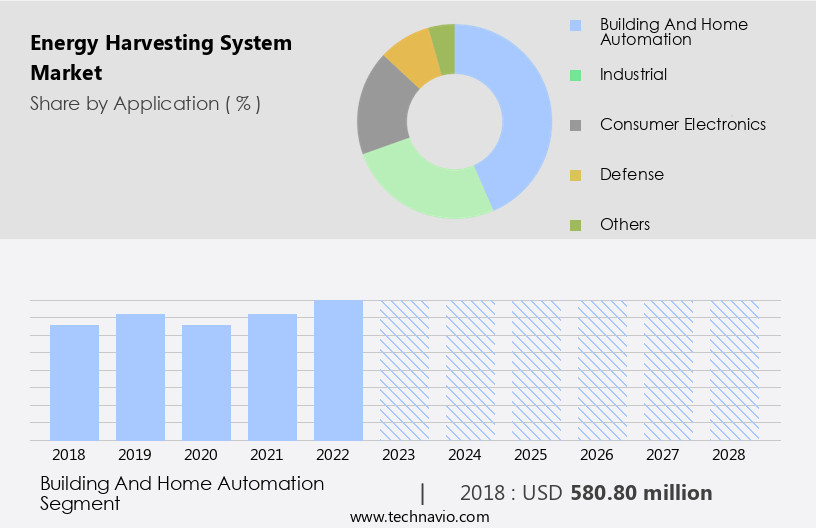
        Energy Harvesting System Market Size

        Get a glance at the  Energy Harvesting System Industry report of share of various segments Request Free Sample

        The Building and home automation segment was valued at USD 580.80 billion in 2018 and showed a gradual increase during the forecast period.

        Regional Analysis

        • North America is estimated to contribute 34% to the growth of the global market during the forecast period.

        Technavio’s analysts have elaborately explained the regional trends and drivers that shape the market during the forecast period.

        Energy Harvesting System Market Share by Geography

        For more insights on the market share of various regions, Request Free Sample

        The European the market is experiencing significant growth due to the increasing adoption of Industries 4.0, a German government initiative promoting computerization and automation in manufacturing. This integration of automation and data-sharing technologies in industrial facilities enables faster production with lower error rates. Industries 4.0, launched in 2010 as part of the High-Tech Strategy 2020, is driving the demand for energy harvesting systems. These systems convert ambient energy sources, such as RF energy from Wi-Fi and cellular networks, thermal energy, kinetic energy, and photovoltaic energy, into electrical power. This electrical power is essential for powering low-power electronic devices, including microcontrollers and LEDs, In these advanced manufacturing systems.

        Energy harvesting systems provide an eco-friendly alternative to traditional energy sources, addressing concerns over energy shortages, environmental impact, and fossil fuel reserves. Key technologies in energy harvesting include thermoelectric generators, electromagnetic generators, piezoelectric transducers, and solar cells. The market growth is further fueled by advancements in AI, machine learning, data analysis, energy storage systems, and optimization technologies.

        Market Dynamics

        Our  researchers analyzed the data with 2023 as the base year, along with the key drivers, trends, and challenges. A holistic analysis of drivers will help companies refine their marketing strategies to gain a competitive advantage.

        What are the key market drivers leading to the rise In the adoption of Energy Harvesting System Industry?

        Growing demand for safe, power-efficient, and durable energy harvesting systems is the key driver of the market.

      • Energy harvesting systems have gained significant attention In the US market due to the increasing energy demands and energy shortages, as well as the depletion of fossil fuel reserves and the environmental impact of traditional energy sources. To address these challenges, companies are focusing on improving the quality of their energy harvesting systems while increasing safety, efficiency, and eco-friendliness. Two primary categories of energy harvesting systems are RF sources and non-RF sources. RF sources include technologies such as Radiofrequency (RF) energy harvesting from Wi-Fi signals, cellular networks, Radio broadcasting, and TV broadcasting. Non-RF sources, on the other hand, include Solar cells, thermoelectric generators, and electromagnetic generators that convert light energy, heat energy, vibration, motion, and kinetic energy into electrical power.
      • Advancements in EH Technologies, such as the piezoelectric effect, thermoelectric energy harvesting, and photovoltaic effect, have led to the development of innovative electronic applications, including biomedical health monitoring sensors, pacemakers, watches, cell phones, self-powered wireless sensor nodes, self-powered water desalination, ocean navigation, surveillance, and structural monitoring. Moreover, the growth of rapid manufacturing technologies has revolutionized the perception of nano-mechanical energy harvesting In the past decade. Low-power nano-mechanical energy harvesting (3DP-NMEHs) systems have shown great potential in powering electronic devices with minimal energy expenditure. The increasing adoption of these energy-efficient systems is expected to drive the growth of the energy harvesting market during the forecast period.
      • Energy storage systems, optimization, artificial intelligence (AI), machine learning, data analysis, and energy conversion technologies are also playing a crucial role in enhancing the efficiency and functionality of energy harvesting systems. By converting ambient energy into electrical power, energy harvesting systems are helping humanity reduce its reliance on traditional energy sources and move towards a more sustainable future.
      • What are the market trends shaping the Energy Harvesting System Industry?

        Adoption of wireless sensor networks equipped with energy harvesting systems is the upcoming market trend.

      • The market encompasses technologies that convert Ambient energy, such as Electromagnetic radiation, RF sources, and Non-RF sources, into usable electrical power for powering Electronic devices. EH Technologies include Thermoelectric, Piezoelectric, and Photovoltaic systems. Thermoelectric generators convert Heat energy into electrical power, while Photovoltaic cells convert Light energy. Piezoelectric transducers convert mechanical energy from Vibration or Motion into electrical energy. The proliferation of IoT devices, including those utilizing Low-power electronics like Microcontrollers, is driving the demand for Energy Harvesting Systems. IoT devices rely on Wi-Fi signals and Cellular networks for connectivity and require minimal Energy expenditure. Energy Harvesting Systems enable these devices to operate without the need for frequent battery replacements or external power sources, reducing Energy shortage concerns and the Environmental impact of disposing of batteries.
      • EH Technologies are being integrated into various applications, such as RF energy harvesting from Wi-Fi signals and Cellular networks, and Thermoelectric energy harvesting from Electromagnetic radiation and Heat energy. Energy conversion technologies like Inductive coupling, Magnetic resonance, and Laser power beaming are also gaining popularity. Advancements in AI, Machine learning, and Data analysis are enabling Energy Harvesting Systems to optimize energy usage and storage through efficient Energy conversion and management. As the world's Energy demands continue to grow, Energy Harvesting Systems offer a sustainable solution to minimize reliance on Fossil fuel reserves and reduce the Environmental impact of traditional Energy sources.
      • What challenges does the Energy Harvesting System Industry face during its growth?

        Increase in design complexities due to miniaturization?of energy harvesting devices is a key challenge affecting the industry growth.

      • Energy harvesting systems have gained significant attention In the US market as electrical power from ambient sources becomes increasingly important for powering electronic devices. EH Technologies, including RF sources such as Radiofrequency, Wi-Fi signals, and cellular networks, as well as non-RF sources like thermoelectric generators, piezoelectric transducers, solar cells, and thermoelectric energy harvesting, are transforming the landscape of power generation. These systems convert various forms of energy, including electromagnetic radiation, heat energy, vibration, motion, and kinetic energy, into electrical power. The integration of advanced technologies like Artificial Intelligence (AI), Machine learning, and Data analysis, along with energy storage systems and optimization techniques, is enhancing the efficiency and functionality of energy harvesting systems.
      • The market dynamics are driven by the growing energy demands, energy shortage, and depletion of fossil fuel reserves, coupled with the environmental impact of traditional energy sources. The trend towards low-power electronics, including microcontrollers and LEDs (light-emitting diodes), necessitates the need for energy harvesting systems to power these devices. Component manufacturers are investing heavily in machinery and processes to meet the demands for smaller, more efficient energy harvesting devices. The pressure to reduce lead times and modify designs at short intervals is driving companies to optimize their manufacturing processes. Energy harvesting systems are revolutionizing the way we power our world, contributing to the advancement of humanity and civilization through technology, while minimizing energy expenditure and environmental impact.
      • Exclusive Customer Landscape

        The energy harvesting system market forecasting report includes the adoption lifecycle of the market, covering from the innovator’s stage to the laggard’s stage. It focuses on adoption rates in different regions based on penetration. Furthermore, the energy harvesting system market report also includes key purchase criteria and drivers of price sensitivity to help companies evaluate and develop their market growth analysis strategies.

        Energy Harvesting System Market Share by Geography

         Customer Landscape

        Key Companies & Market Insights

        Companies are implementing various strategies, such as strategic alliances, energy harvesting system market forecast, partnerships, mergers and acquisitions, geographical expansion, and product/service launches, to enhance their presence In the industry.

        ABB - The market encompasses technologies that convert ambient energy sources into electrical power for self-sustaining wireless sensors. One such offering in this domain is the WirelessHART temperature sensor TSP300-W, which integrates an energy harvester. This sensor harnesses energy from its environment, obviating the need for external power sources. The energy harvesting system converts various forms of ambient energy, such as thermal, vibrational, and kinetic, into electrical power. The integrated sensor, with its energy harvesting capability, enhances operational efficiency and reduces maintenance costs by eliminating the need for battery replacements.

        The industry research and growth report includes detailed analyses of the competitive landscape of the market and information about key companies, including:

        • ABB
        • Advanced Linear Devices Inc.
        • Analog Devices Inc.
        • Bionic Power Inc.
        • CEDRAT TECHNOLOGIES SA
        • Convergence Wireless
        • Cymbet Corp.
        • EnOcean GmbH
        • E-Peas SA
        • Fujitsu Ltd.
        • Microchip Technology Inc.
        • Mide Technology Corp.
        • Parker Hannifin Corp.
        • Physik Instrumente GmbH and Co. KG
        • Powercast Corp.
        • STMicroelectronics International N.V.
        • TEKCELEO SAS
        • Texas Instruments Inc.
        • XIDAS Inc.

        Qualitative and quantitative analysis of companies has been conducted to help clients understand the wider business environment as well as the strengths and weaknesses of key industry players. Data is qualitatively analyzed to categorize companies as pure play, category-focused, industry-focused, and diversified; it is quantitatively analyzed to categorize companies as dominant, leading, strong, tentative, and weak.

        Research Analyst Overview

        Energy harvesting systems have emerged as a promising solution to address the increasing energy demands of electrical devices while minimizing the reliance on traditional energy sources. These systems harness ambient energy from various sources, converting it into usable electricity. The market for energy harvesting technologies is driven by several factors, including the growing number of electronic devices, the need for low-power electronics, and the desire to reduce energy expenditure and minimize the environmental impact of fossil fuel reserves. EH technologies encompass a range of approaches, including radiofrequency (RF), thermoelectric, piezoelectric, photovoltaic, and non-RF sources. RF energy harvesting utilizes electromagnetic radiation from RF sources such as Wi-Fi signals, cellular networks, and radio broadcasting.

        Thermoelectric energy harvesting converts thermal energy into electrical energy, while piezoelectric energy harvesting harnesses mechanical energy from vibration or motion. Photovoltaic energy harvesting utilizes the photovoltaic effect to convert light energy into electricity. Energy harvesting systems employ transducers to convert the ambient energy into electrical energy. The interface circuit then conditions the electrical signal to match the requirements of the load. Kinetic energy and thermal energy are common sources of ambient energy that can be harnessed using energy harvesting systems. RF energy, on the other hand, can be harvested from various sources such as Wi-Fi signals, cellular networks, and radio broadcasting.

        The integration of energy harvesting systems into electrical devices has several benefits. Firstly, it enables the operation of low-power electronics, such as microcontrollers and LEDs (light-emitting diodes), without the need for an external power source. Secondly, it reduces the reliance on traditional energy sources, thereby minimizing energy expenditure and environmental impact. Lastly, it offers a cost-effective solution for powering electrical devices in remote locations or where access to a power grid is limited. The market for energy harvesting systems is expected to grow significantly In the coming years, driven by the increasing energy demands of electronic devices and the need to reduce energy expenditure and minimize the environmental impact of traditional energy sources.

        The integration of artificial intelligence (AI), machine learning, and data analysis in energy harvesting systems is also expected to drive growth, as these technologies enable the optimization of energy harvesting and energy storage systems. In conclusion, energy harvesting systems offer a promising solution to address the increasing energy demands of electrical devices while minimizing the reliance on traditional energy sources. These systems harness ambient energy from various sources, including RF, thermoelectric, piezoelectric, and photovoltaic, and convert it into usable electricity. The market for energy harvesting technologies is expected to grow significantly In the coming years, driven by the increasing energy demands of electronic devices and the need to reduce energy expenditure and minimize the environmental impact of traditional energy sources.

        Market Scope

        Report Coverage

        Details

        Page number

        144

        Base year

        2023

        Historic period

        2018-2022

        Forecast period

        2024-2028

        Growth momentum & CAGR

        Accelerate at a CAGR of 11.5%

        Market growth 2024-2028

        USD 1515.4 million

        Market structure

        Fragmented

        YoY growth 2023-2024(%)

        10.0

        Key countries

        US, Germany, China, UK, and The Netherlands

        Competitive landscape

        Leading Companies, Market Positioning of Companies, Competitive Strategies, and Industry Risks

        Request Free Sample

        What are the Key Data Covered in this Energy Harvesting System Market Research and Growth Report?

        • CAGR of the Energy Harvesting System industry during the forecast period
        • Detailed information on factors that will drive the growth and forecasting between 2024 and 2028
        • Precise estimation of the size of the market and its contribution of the industry in focus to the parent market
        • Accurate predictions about upcoming growth and trends and changes in consumer behaviour
        • Growth of the market across Europe, North America, APAC, Middle East and Africa, and South America
        • Thorough analysis of the market’s competitive landscape and detailed information about companies
        • Comprehensive analysis of factors that will challenge the energy harvesting system market growth of industry companies

        We can help! Our analysts can customize this energy harvesting system market research report to meet your requirements.

        Get in touch


        Table of Contents not available.

        Research Methodology

        Technavio presents a detailed picture of the market by way of study, synthesis, and summation of data from multiple sources. The analysts have presented the various facets of the market with a particular focus on identifying the key industry influencers. The data thus presented is comprehensive, reliable, and the result of extensive research, both primary and secondary.

        INFORMATION SOURCES

        Primary sources

        • Manufacturers and suppliers
        • Channel partners
        • Industry experts
        • Strategic decision makers

        Secondary sources

        • Industry journals and periodicals
        • Government data
        • Financial reports of key industry players
        • Historical data
        • Press releases

        DATA ANALYSIS

        Data Synthesis

        • Collation of data
        • Estimation of key figures
        • Analysis of derived insights

        Data Validation

        • Triangulation with data models
        • Reference against proprietary databases
        • Corroboration with industry experts

        REPORT WRITING

        Qualitative

        • Market drivers
        • Market challenges
        • Market trends
        • Five forces analysis

        Quantitative

        • Market size and forecast
        • Market segmentation
        • Geographical insights
        • Competitive landscape

        Interested in this report?

        Get your sample now to see our research methodology and insights!

        Download Now

        Frequently Asked Questions

        Energy Harvesting System market growth will increase by $ 1515.4 mn during 2024-2028.

        The Energy Harvesting System market is expected to grow at a CAGR of 11.5% during 2024-2028.

        Energy Harvesting System market is segmented by Application( Building and home automation, Industrial, Consumer electronics, Defense, Others)

        ABB, Advanced Linear Devices Inc., Analog Devices Inc., Bionic Power Inc., CEDRAT TECHNOLOGIES SA, Convergence Wireless, Cymbet Corp., EnOcean GmbH, E-Peas SA, Fujitsu Ltd., Microchip Technology Inc., Mide Technology Corp., Parker Hannifin Corp., Physik Instrumente GmbH and Co. KG, Powercast Corp., STMicroelectronics International N.V., TEKCELEO SAS, Texas Instruments Inc., XIDAS Inc. are a few of the key vendors in the Energy Harvesting System market.

        North America will register the highest growth rate of 34% among the other regions. Therefore, the Energy Harvesting System market in North America is expected to garner significant business opportunities for the vendors during the forecast period.

        US, Germany, China, UK, The Netherlands

        • Growing demand for safe is the driving factor this market.
        • power-efficient is the driving factor this market.
        • and durable energy harvesting systemsVendors are focusing on improving the quality of their products while increasing safety is the driving factor this market.
        • efficiency is the driving factor this market.
        • and eco-friendliness energy harvesting systems. Moreover is the driving factor this market.
        • the growth of rapid manufacturing technologies has revolutionized the perception of nano-mechanical energy harvesting in the past decade.Low-power nano-mechanical energy harvesting (3DP-NMEHs) systems have been extensively employed for innovative electronic applications such as biomedical health monitoring sensors is the driving factor this market.
        • pacemakers is the driving factor this market.
        • watches is the driving factor this market.
        • cell phones is the driving factor this market.
        • self-powered wireless sensor nodes is the driving factor this market.
        • self-powered water desalination is the driving factor this market.
        • ocean navigation is the driving factor this market.
        • surveillance is the driving factor this market.
        • and structural monitoring. Such power-efficient new harvesting will increase the demand of this market during the forecast period. is the driving factor this market.

        The Energy Harvesting System market vendors should focus on grabbing business opportunities from the Building and home automation segment as it accounted for the largest market share in the base year.