
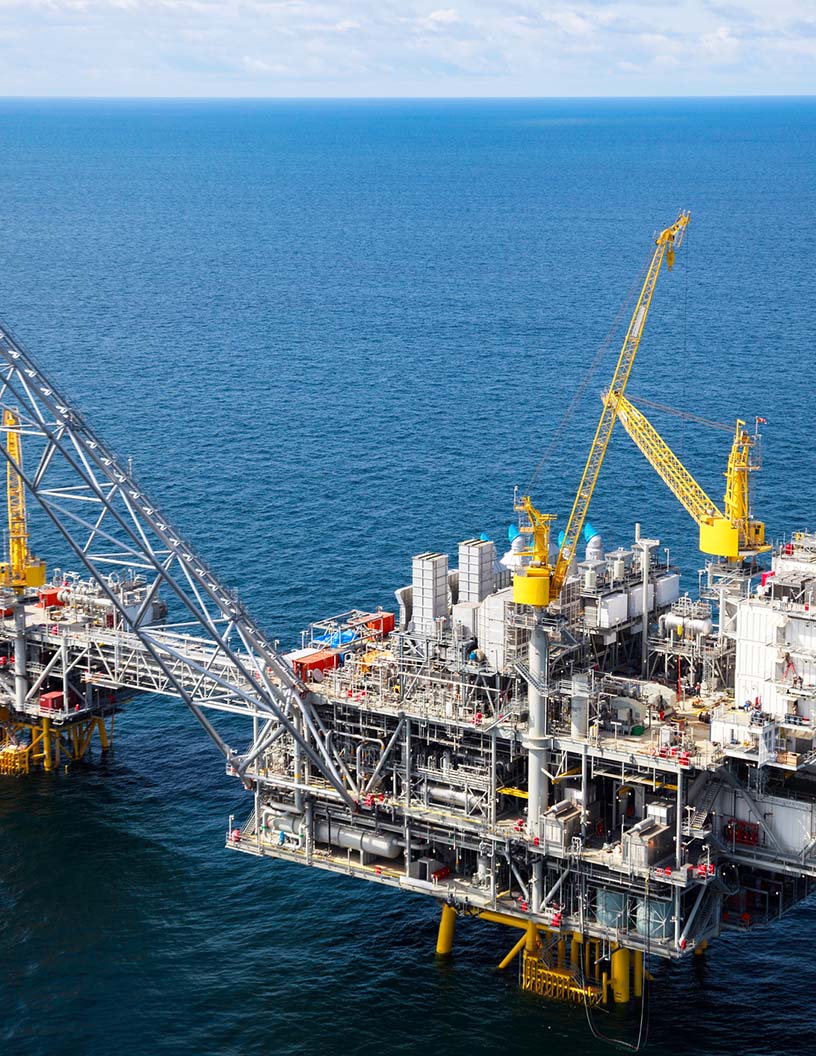


Marine Mining Market Size 2024-2028
The marine mining market size is forecast to increase by USD 8.25 billion at a CAGR of 33.98% between 2023 and 2028.
- The market is experiencing significant growth due to the depletion of terrestrial deposits and the increasing demand for resources used in the production of green technologies, such as underwater mining for marine phosphate and sand. The advantages of marine mining include access to vast deposits and reduced environmental impact compared to terrestrial mining. However, there are also disadvantages, including the high cost of underwater mining operations and the potential for negative environmental impacts. One trend driving the market is the growing focus on energy transition and renewable technologies, which require an increasing amount of raw materials. For instance, the production of smartphones, wind turbines, solar panels, and electric storage batteries relies heavily on minerals obtained from the seabed. Advancements in marine mining technologies, such as autonomous underwater vehicles and remote-operated mining systems, are helping to mitigate the environmental impact of these operations.
What will the size of the market be during the forecast period?

- The market encompasses the extraction of various minerals and metals from the sea and ocean floors. This practice has gained significant attention due to the depletion of terrestrial mineral deposits and the increasing demand for resources essential to modern industries. Mineral deposits in the marine environment include metals such as gold, silver, copper, manganese, and elements critical for green technologies like deep-sea phosphate, essential for fertilizers, and rare earth elements used in smartphones, wind turbines, solar panels, and electric storage batteries. The sea and ocean floors harbor vast reserves of these resources.
- For instance, the marine crust is estimated to contain over 16 billion tons of copper, 130 million tons of gold, and 1.5 billion tons of manganese. These reserves could potentially meet the world's demand for these resources for decades to come. Underwater mining techniques have evolved to cater to the extraction of these minerals from the deep-sea environment. Marine phosphate mining involves the extraction of phosphate nodules from the seabed, while marine sand mining targets sand and gravel deposits. Deep-sea mining, a relatively new concept, focuses on extracting minerals from the ocean floor at depths of over 200 meters.
How is this market segmented and which is the largest segment?
The market research report provides comprehensive data (region-wise segment analysis), with forecasts and estimates in "USD million" for the period 2024-2028, as well as historical data from 2018-2022 for the following segments.
- Application
- Precious metals
- Automotive
- Oil and gas
- Electronics
- Construction
- Technology
- Remotely operated vehicles (ROVs)
- Sonar
- Marine seismic methods
- Geography
- North America
- US
- Europe
- Germany
- France
- Norway
- APAC
- China
- South America
- Middle East and Africa
- North America
By Application Insights
- The precious metals segment is estimated to witness significant growth during the forecast period.
The expansion of economies worldwide has led to an escalating demand for precious metals, which are indispensable in numerous industries, including jewelry, electronics, automotive, and aerospace. As economies prosper, so does the requirement for commodities like gold, silver, and platinum, fueling curiosity about marine mining as a potential alternative source for these metals. Traditional terrestrial mines are experiencing depletion and dwindling ore grades, making it increasingly difficult and costly to extract precious metals from land. Consequently, the exploration and extraction of precious metals from marine environments represent a promising new avenue for fulfilling the global demand for these valuable elements.
Furthermore, the pricing of precious metals, including gold, silver, platinum, and palladium, is subject to market influences, including supply-demand fundamentals, investor sentiment, inflationary pressures, and geopolitical factors. The marine mining industry, specifically deep-sea mining, is gaining traction as a potential solution to address the supply constraints in terrestrial mines. This sector focuses on extracting precious metals and elements from the marine crust and deep-sea reserves. Deep-sea diamond mining is a subset of this industry, which has garnered significant attention due to the potential abundance of these precious gems on the ocean floor. The aftermarket industry for automobiles, which includes the sale of replacement parts and services, is another significant consumer of precious metals.

Get a glance at the market report of share of various segments Request Free Sample
The precious metals segment was valued at USD 277.40 million in 2018 and showed a gradual increase during the forecast period.
Regional Analysis
- North America is estimated to contribute 33% to the growth of the global market during the forecast period.
Technavio's analysts have elaborately explained the regional trends and drivers that shape the market during the forecast period.

For more insights on the market share of various regions Request Free Sample
The market is experiencing significant growth in North America due to the increasing demand for essential minerals and resources, particularly in the areas of electric vehicle batteries, renewable energy technologies, and electronic devices. As terrestrial sources of critical minerals such as cobalt, lithium, and nickel become depleted, the focus on deep-sea mining for alternatives has intensified. The seabed mining process involves the extraction of minerals from the sea floor, with various sites including polymetallic nodules, cobalt-rich ferromanganese crusts, and hydrothermal vents. Miniaturization of electronic devices and the shift towards renewable energy have increased the demand for these minerals, making marine mining a promising industry in North America. The depth of these mining sites can vary, with some reaching over 16,000 feet, requiring advanced technology and equipment for exploration and extraction.
Market Dynamics
Our researchers analyzed the data with 2023 as the base year, along with the key drivers, trends, and challenges. A holistic analysis of drivers will help companies refine their marketing strategies to gain a competitive advantage.
What are the key market drivers leading to the rise in the adoption of the Marine Mining Market?
Growing focus on energy transition and renewable technologies is the key driver of the market.
- Marine mining has emerged as a potential solution to meet the increasing demand for critical minerals, such as silver, gold, copper, manganese, and others, which are essential for the production of various metals and minerals used in industries and renewable energy technologies. The sea and ocean hold vast mineral deposits, including polymetallic nodules, seafloor massive sulfides (SMS), and cobalt-rich ferromanganese crusts.
- These deposits are crucial for manufacturing batteries, magnets, and other components of renewable energy systems, like wind turbines, solar panels, and electric vehicle. With the growing emphasis on renewable energy and sustainability, the demand for these minerals is expected to rise. Marine mining offers access to these strategic resources, enabling the advancement of energy transition initiatives and the achievement of sustainability goals.
What are the market trends shaping the Marine Mining Market?
Advancements in marine mining technologies is the upcoming trend in the market.
- Marine mining, specifically underwater mining of resources such as marine phosphate and sand, has gained significant attention due to the depletion of terrestrial deposits. The use of advanced technologies, including ROVs and Autonomous Underwater Vehicles (AUVs), has improved the efficiency and safety of these mining operations. ROVs, remotely operated underwater vehicles, offer enhanced maneuverability, endurance, and capabilities, enabling precise exploration, mapping, and extraction of mineral deposits in deep-sea environments. AUVs, self-propelled, untethered vehicles, operate autonomously without human intervention, equipped with sensors and navigation systems that enable data collection, surveys, and seabed mapping with high accuracy.
- The expansion of AUV technology has broadened its applications in marine mining, environmental monitoring, and resource assessment, fueling the demand for marine mining. ROVs and AUVs equipped with advanced sensors, cameras, and manipulator arms are indispensable tools for exploring and extracting mineral resources from the seabed. The integration of green technologies, such as wind turbines, solar panels, and electric storage batteries, in marine mining operations further enhances their sustainability and reduces their environmental impact. Despite the advantages, marine mining faces challenges, including regulatory frameworks, high capital costs, and potential environmental concerns. However, ongoing research and technological advancements continue to address these challenges and drive the growth of the market.
What challenges does the Marine Mining Market face during the growth?
The environmental impact of marine mining operations is a key challenge affecting the market growth.
- Marine mining for resources such as Cobalt and Zinc in the Pacific and Indian Oceans, as well as the Mid-Atlantic Ridge, involves various activities including exploration, contracts, and extraction. However, these operations can pose significant risks to marine ecosystems. Seabed mining techniques like dredging and sediment removal can destroy and alter benthic habitats, including coral reefs, sponge beds, and deep-sea vent ecosystems. Sediment plumes generated from these activities can smother benthic organisms, change sediment composition, and decrease water clarity, negatively impacting marine species that thrive in clear waters.
- Additionally, biodiversity loss can occur due to the removal or disturbance of habitat-forming species and disrupted ecological processes. Furthermore, marine mining activities generate noise from equipment, vessels, and operations, which can disturb marine life and interfere with their communication, navigation, and behavior. It is crucial to consider the potential environmental consequences and implement measures to minimize the adverse impacts on marine ecosystems and the species they support.
Exclusive Customer Landscape
The market forecasting report includes the adoption lifecycle of the market, covering from the innovator's stage to the laggard's stage. It focuses on adoption rates in different regions based on penetration. Furthermore, the market report also includes key purchase criteria and drivers of price sensitivity to help companies evaluate and develop their market growth analysis strategies.

Customer Landscape
Key Companies & Market Insights
Companies are implementing various strategies, such as strategic alliances, market forecast, partnerships, mergers and acquisitions, geographical expansion, and product/service launches, to enhance their presence in the market. The market research and growth report includes detailed analyses of the competitive landscape of the market and information about key companies, including:
- AP Moller Maersk AS
- China Minmetals Corp.
- Collier Consulting Inc.
- De Beers Corp.
- Deep Ocean Engineering Inc.
- DEME NV
- DFR Gold Inc.
- Groupe Gorge
- Loke Marine Minerals AS
- Ocean Minerals LLC
- RJE International Inc.
- Royal IHC
- SAMS Enterprise Ltd
- Specialist Machine Developments Ltd.
- TMC The Metal Co. Inc.
Qualitative and quantitative analysis of companies has been conducted to help clients understand the wider business environment as well as the strengths and weaknesses of key market players. Data is qualitatively analyzed to categorize companies as pure play, category-focused, industry-focused, and diversified; it is quantitatively analyzed to categorize companies as dominant, leading, strong, tentative, and weak.
Research Analyst Overview
Marine mining refers to the process of extracting minerals and metals from the ocean floor. The sea and ocean hold vast mineral deposits, including silver, gold, copper, manganese, cobalt, zinc, and other elements. These deposits are found in various locations, such as the Pacific Ocean, Indian Ocean, and mid-atlantic ridge. Underwater mining techniques include marine phosphate mining and marine sand mining. The depleting terrestrial deposits have led to an increased interest in marine mining for various applications, including the production of electronic components, green technologies, and materials for industries like automobile manufacturing and the aftermarket industry. Advantages of marine mining include the availability of large mineral reserves, reduced environmental impact compared to terrestrial mines, and the potential for discovering rare metals like yttrium and rare earth elements.
Furthermore, disadvantages include the high costs of exploration and the challenges of operating in deep-sea environments, such as extreme pressure and temperature conditions. The expansion of economies worldwide has led to an escalating demand for precious metals, which are indispensable in numerous industries, including jewelry, consumer electronics, automotive, and aerospace. Deep-sea mining techniques include the mining of polymetallic nodules, polymetallic sulfides, and cobalt-rich ferromanganese crusts. The mineral extraction process involves using autonomous vehicles, drills, and cutting tools to extract minerals from the ocean floor. Hydrothermal vents, magma, seawater, sediment, and precipitate are all used in the mining process to obtain solids and concentrations of valuable minerals and metals.
|
Market Scope |
|
|
Report Coverage |
Details |
|
Page number |
160 |
|
Base year |
2023 |
|
Historic period |
2018-2022 |
|
Forecast period |
2024-2028 |
|
Growth momentum & CAGR |
Accelerate at a CAGR of 33.98% |
|
Market Growth 2024-2028 |
USD 8.25 billion |
|
Market structure |
Fragmented |
|
YoY growth 2023-2024(%) |
33.73 |
|
Key countries |
US, China, Germany, Norway, and France |
|
Competitive landscape |
Leading Companies, Market Positioning of Companies, Competitive Strategies, and Industry Risks |
What are the Key Data Covered in this Market Research and Growth Report?
- CAGR of the market during the forecast period
- Detailed information on factors that will drive the market growth and forecasting between 2024 and 2028
- Precise estimation of the size of the market and its contribution of the market in focus to the parent market
- Accurate predictions about upcoming market growth and trends and changes in consumer behaviour
- Growth of the market across North America, Europe, APAC, South America, and Middle East and Africa
- Thorough analysis of the market's competitive landscape and detailed information about companies
- Comprehensive analysis of factors that will challenge the growth of market companies
We can help! Our analysts can customize this market research report to meet your requirements. Get in touch