

Pesto Sauces Market Size 2026-2030
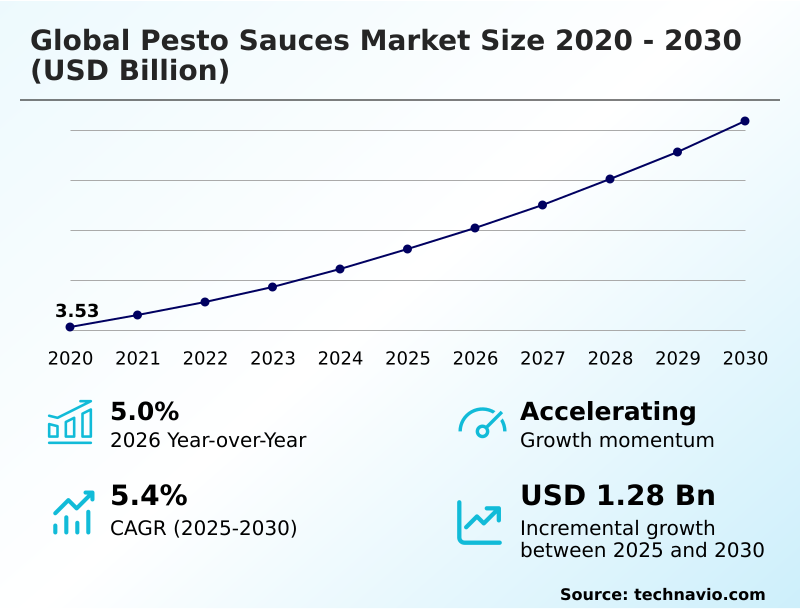
The pesto sauces market size is valued to increase by USD 1.28 billion, at a CAGR of 5.4% from 2025 to 2030. Introduction of innovative and value-added pesto variants will drive the pesto sauces market.
Major Market Trends & Insights
- Europe dominated the market and accounted for a 51% growth during the forecast period.
- By End-user - Retail segment was valued at USD 2.55 billion in 2024
- By Packaging - Glass bottles segment accounted for the largest market revenue share in 2024
Market Size & Forecast
- Market Opportunities: USD 2.05 billion
- Market Future Opportunities: USD 1.28 billion
- CAGR from 2025 to 2030 : 5.4%
Market Summary
- The pesto sauces market is experiencing dynamic growth, driven by a convergence of consumer demand for convenience, healthier food options, and authentic global flavors. This expansion is not merely about increasing volumes but also about diversification, as manufacturers innovate beyond traditional basil formulations.
- The market is seeing a surge in products catering to specific dietary needs, including plant-based, dairy-free, and allergen-conscious variants. This aligns with a broader consumer shift toward clean-label products with transparent sourcing and minimal processing. One key business scenario involves supply chain optimization for core ingredients like basil and pine nuts, which are subject to significant price and supply volatility.
- Companies are exploring strategies such as controlled-environment agriculture and long-term supplier partnerships to mitigate these risks, ensuring consistent product quality and cost stability. The versatility of pesto as a cooking ingredient, extending its use from pasta to sandwiches, marinades, and dips, further underpins its sustained growth and integration into daily meal preparation across diverse global markets.
- The competitive landscape compels continuous investment in both product development and sustainable practices to capture consumer loyalty.
What will be the Size of the Pesto Sauces Market during the forecast period?
Get Key Insights on Market Forecast (PDF) Get Free Sample
How is the Pesto Sauces Market Segmented?
The pesto sauces industry research report provides comprehensive data (region-wise segment analysis), with forecasts and estimates in "USD million" for the period 2026-2030, as well as historical data from 2020-2024 for the following segments.
- End-user
- Retail
- Food service
- Packaging
- Glass bottles
- PET
- Cans
- Pouches
- Cartons
- Product type
- Traditional basil pesto
- Red pesto
- Flavored and specialty pesto
- Geography
- Europe
- Italy
- Germany
- France
- North America
- US
- Canada
- Mexico
- South America
- Brazil
- Argentina
- APAC
- China
- India
- Japan
- Middle East and Africa
- UAE
- South Africa
- Saudi Arabia
- Rest of World (ROW)
- Europe
By End-user Insights
The retail segment is estimated to witness significant growth during the forecast period.
The retail segment is the primary sales channel, shaped by robust retail channel expansion and the consumer shift toward home cooking solutions.
Ready-to-use sauces meet the demand for convenient meal solutions, available through diverse modern retail formats from hypermarkets to a rapidly growing online grocery platform. Competition is intense, with established brands vying against increasingly sophisticated private-label brands.
A key competitive vector is product innovation, with a focus on differentiated formulations that address evolving consumer health perceptions. This has driven a surge in clean-label product offerings, including vegan pesto and sauces with sustainable packaging.
This focus on value-added attributes helps brands justify premium positioning, as products with organic or free-from claims demonstrate sales velocities up to 40% higher in certain categories.
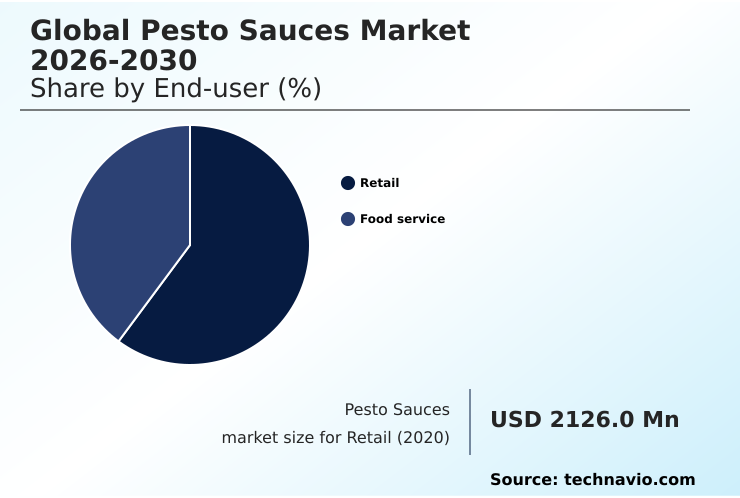
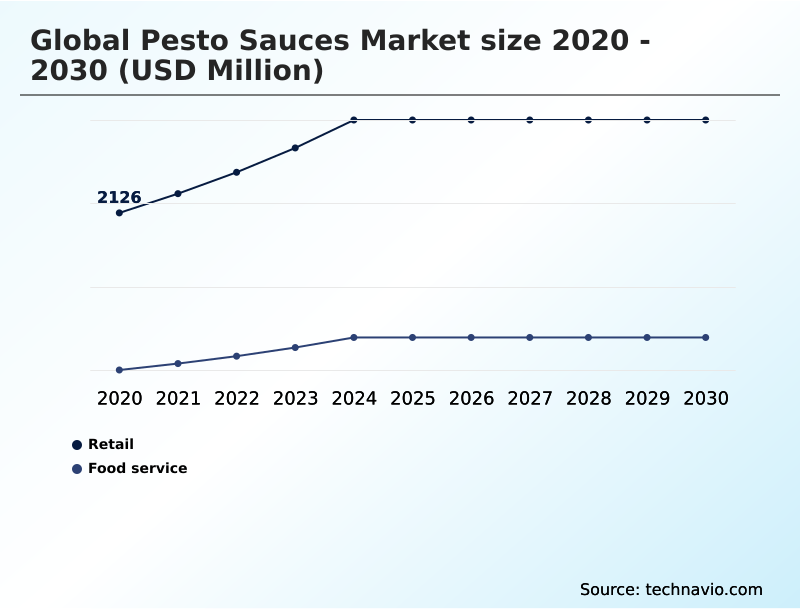
The Retail segment was valued at USD 2.55 billion in 2024 and showed a gradual increase during the forecast period.
Regional Analysis
Europe is estimated to contribute 51% to the growth of the global market during the forecast period.Technavio’s analysts have elaborately explained the regional trends and drivers that shape the market during the forecast period.
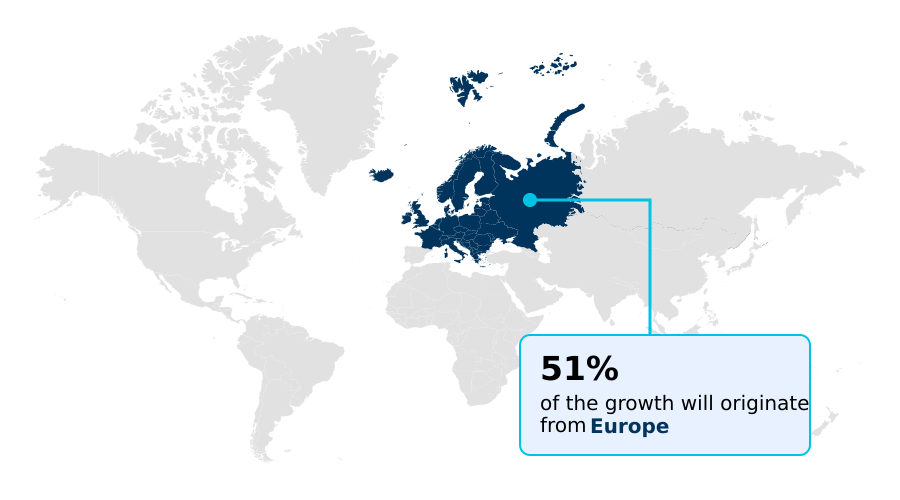
See How Pesto Sauces Market Demand is Rising in Europe Get Free Sample
Europe remains the dominant market, where traditional basil pesto made with ingredients like Pecorino Romano and extra virgin olive oil is a staple. The region accounts for over 50% of the market's incremental growth, driven by deep culinary traditions.
In North America, which exhibits a strong growth rate of 6.5%, demand is fueled by convenience and health trends, with a significant appetite for dairy-free formulation and gluten-free options.
Consumers here embrace pesto as a versatile cooking ingredient, with refrigerated fresh pesto sales growing faster than shelf-stable pesto.
APAC is an emerging region, with westernization of diets driving interest in flavors like roasted red peppers and premium varieties such as truffle-infused pesto, available through expanding modern retail formats and used increasingly in the pesto for food service channel.
Market Dynamics
Our researchers analyzed the data with 2025 as the base year, along with the key drivers, trends, and challenges. A holistic analysis of drivers will help companies refine their marketing strategies to gain a competitive advantage.
- The global pesto sauces market 2026-2030 is increasingly shaped by nuanced consumer demands that go far beyond basic sauce applications. The health benefits of traditional pesto sauce are a key consideration, but consumers are also actively searching for low-calorie pesto sauce alternatives and options that fit specific dietary needs.
- This has fueled demand for products like pesto sauce without pine nuts and the development of the best pesto sauce for gourmet pasta that uses premium, artisanal ingredients. Many home cooks want to know how to make authentic genovese pesto, which drives interest in high-quality, ready-made versions that replicate that taste.
- On the manufacturing side, sustainable packaging for pesto sauces has become a critical differentiator, with some companies reporting a 15% higher brand-favorability rating after switching to recyclable materials. The rise of veganism has made the dairy-free pesto cheese substitute a major area of innovation, with vegan pesto with nutritional yeast becoming a popular search term.
- Producers must also manage the shelf life of refrigerated pesto, with technologies like high-pressure processing for pesto extending freshness. Questions around sourcing pdo genovese basil for production and navigating the challenges in pesto supply chain, including the cost analysis of pesto ingredients, are central to operational strategy.
- Finally, the market is diversifying with pesto applications beyond pasta dishes, such as using pesto as a meat marinade, and creating red pesto with sun-dried tomatoes to achieve a specific umami flavor, while private label pesto market trends and the availability of allergen-free pesto for food service continue to reshape the competitive landscape and organic basil pesto brands review sites guide consumer choice.
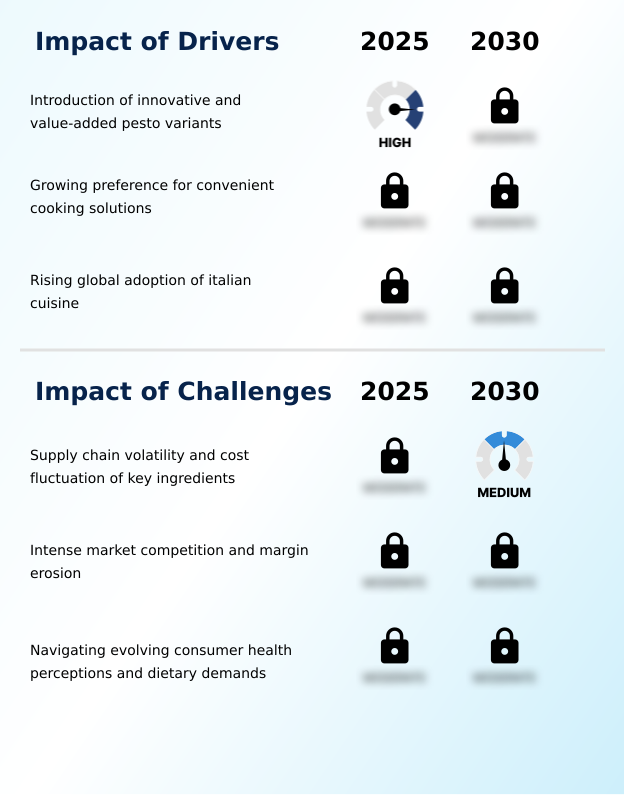
What are the key market drivers leading to the rise in the adoption of Pesto Sauces Industry?
- The introduction of innovative and value-added pesto variants, driven by evolving consumer preferences for flavor diversity and premium ingredients, is a significant driver of market growth.
- A primary driver is continuous pesto flavor innovation, which expands the market beyond traditional recipes. The integration of sun-dried tomatoes, kale pesto, and wild garlic pesto reflects a broader trend toward culinary experimentation.
- Premium pesto brands are leveraging premium ingredient integration, using high-quality plant-based oils and cold-pressed oils to create distinctive value-added offerings.
- This diversification appeals to consumers exploring Mediterranean diet ingredients and broadens the product's placement within the ethnic food category in retail.
- The versatility of these sauces has boosted their adoption in foodservice distribution, where chefs use them to create novel dishes, leading to a 20% increase in menu penetration in casual dining. This innovation cycle is essential for maintaining consumer engagement.
What are the market trends shaping the Pesto Sauces Industry?
- A pronounced and accelerating consumer shift toward organic and natural food products is a paramount trend stimulating growth. This movement is rooted in a burgeoning collective consciousness surrounding health, wellness, and environmental stewardship.
- The market is profoundly influenced by clean eating trends and heightened consumer demand for food transparency. This accelerates the adoption of organic ingredients and non-GMO formulations, with products featuring these labels seeing adoption rates increase by over 15% in key demographics.
- The rise of plant-based diet options has spurred innovation in allergen-conscious variants and nut-free pesto alternatives, where ingredients like nutritional yeast are used to replicate savory flavors. Advanced preservation methods such as high-pressure processing for refrigerated lines and aseptic carton technology for shelf-stable goods extend freshness without chemical additives.
- These trends are moving beyond niche specialty food stores and small-batch production into mainstream retail, supported by sourcing innovations like hydroponic farming.
What challenges does the Pesto Sauces Industry face during its growth?
- The global pesto sauces market is confronted by the inherent volatility in the supply chain and cost fluctuations of its core agricultural ingredients.
- The market grapples with significant supply chain volatility and ingredient cost fluctuation, especially for core components of authentic italian pesto like PDO Genovese basil and Parmigiano Reggiano. This makes sustainable pesto sourcing a critical operational focus.
- Artisanal pesto producers creating gourmet pesto sauces are particularly vulnerable to price swings, which can compress margins by up to 10% in a single season. Furthermore, navigating complex food safety regulations and meeting consumer expectations for environmentally friendly practices—such as carbon-neutral production and regenerative agriculture—adds layers of operational complexity.
- Balancing these demands while catering to diverse regional taste preferences for ready-to-eat condiments remains a central challenge for manufacturers across the board.
Exclusive Technavio Analysis on Customer Landscape
The pesto sauces market forecasting report includes the adoption lifecycle of the market, covering from the innovator’s stage to the laggard’s stage. It focuses on adoption rates in different regions based on penetration. Furthermore, the pesto sauces market report also includes key purchase criteria and drivers of price sensitivity to help companies evaluate and develop their market growth analysis strategies.
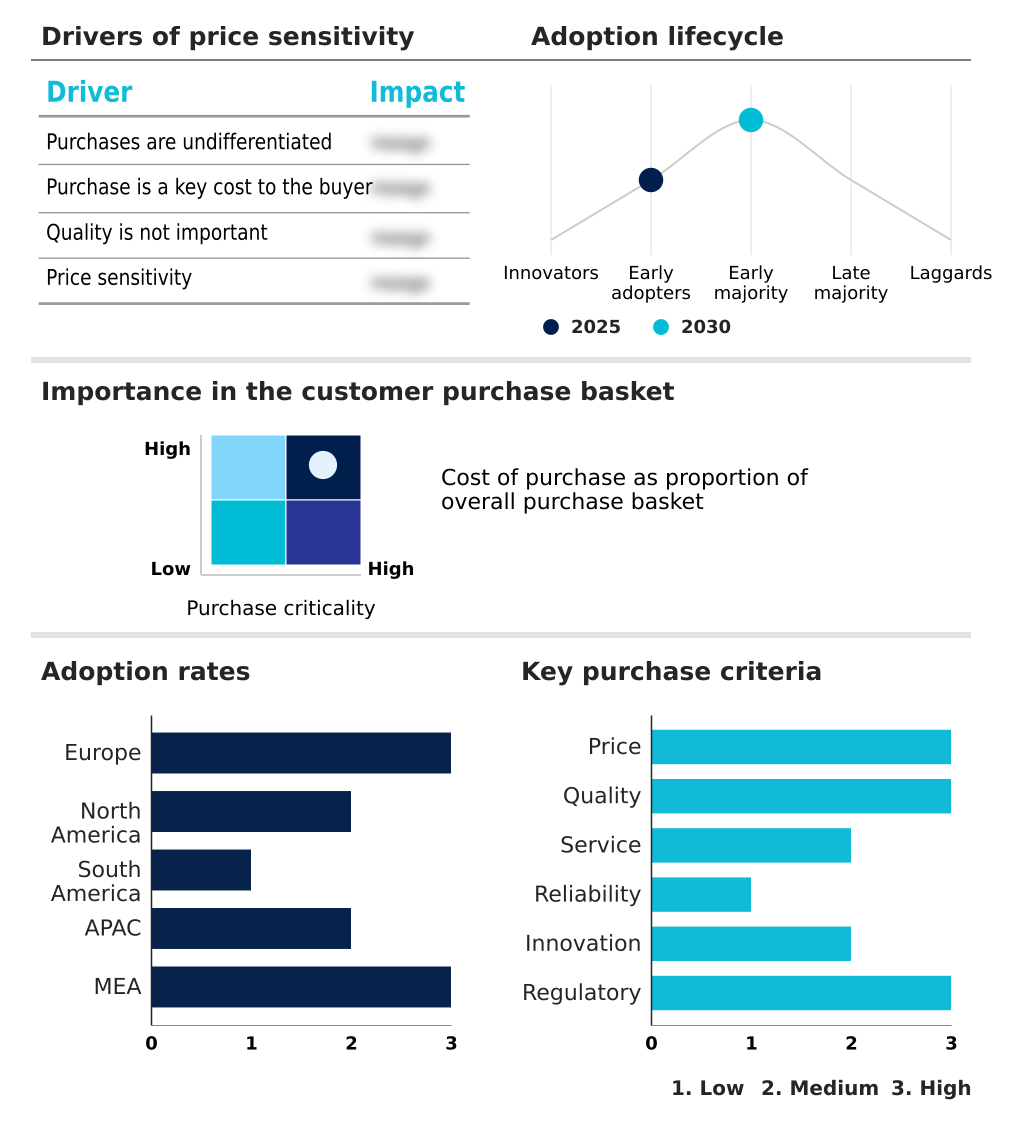
Customer Landscape of Pesto Sauces Industry
Competitive Landscape
Companies are implementing various strategies, such as strategic alliances, pesto sauces market forecast, partnerships, mergers and acquisitions, geographical expansion, and product/service launches, to enhance their presence in the industry.
Barilla G and R Fratelli SpA - Key offerings include an extensive portfolio of authentic pastas, versatile sauces, and premium Mediterranean food products designed for both retail and foodservice channels.
The industry research and growth report includes detailed analyses of the competitive landscape of the market and information about key companies, including:
- Barilla G and R Fratelli SpA
- Belazu Ingredient Co.
- Bioitalia SrL
- Buitoni Food Co.
- F.lli De Cecco di Filippo SpA
- F.lli Sacla SpA
- Fattorie Umbre SrL
- Filippo Berio USA Ltd.
- G. L. Mezzetta Inc.
- George DeLallo Co. Inc.
- La Favorita Fish SrL
- Mutti SpA
- Panzani SAS
- Pastene Companies Ltd.
- Pastificio Rana SpA
- Raos Specialty Foods Inc.
- Roland Foods LLC
- Star Stabilimento SpA
- Unilever PLC
Qualitative and quantitative analysis of companies has been conducted to help clients understand the wider business environment as well as the strengths and weaknesses of key industry players. Data is qualitatively analyzed to categorize companies as pure play, category-focused, industry-focused, and diversified; it is quantitatively analyzed to categorize companies as dominant, leading, strong, tentative, and weak.
Recent Development and News in Pesto sauces market
- In September 2024, Barilla expanded its pesto portfolio with the launch of Creamy Tomato Pesto, Sweet and Spicy Pepper Pesto, and Vegan Pesto.
- In October 2024, Sacla introduced Walnut and Basil Pesto and Spicy Chili Pesto, focusing on premium flavors and culinary experimentation.
- In March 2025, Verde Vanguard, a European food innovator, launched a new line of plant-based pesto sauces, featuring ingredients such as avocado oil, kale, and nutritional yeast.
- In May 2025, Genovese Gusto entered a strategic partnership with a prominent supermarket chain in Southeast Asia to introduce its range of classic and artisanal pesto sauces.
Dive into Technavio’s robust research methodology, blending expert interviews, extensive data synthesis, and validated models for unparalleled Pesto Sauces Market insights. See full methodology.
| Market Scope | |
|---|---|
| Page number | 295 |
| Base year | 2025 |
| Historic period | 2020-2024 |
| Forecast period | 2026-2030 |
| Growth momentum & CAGR | Accelerate at a CAGR of 5.4% |
| Market growth 2026-2030 | USD 1283.4 million |
| Market structure | Fragmented |
| YoY growth 2025-2026(%) | 5.0% |
| Key countries | Italy, Germany, France, UK, Spain, The Netherlands, US, Canada, Mexico, Brazil, Argentina, Chile, China, India, Japan, Australia, South Korea, Indonesia, UAE, South Africa, Saudi Arabia, Kuwait and Egypt |
| Competitive landscape | Leading Companies, Market Positioning of Companies, Competitive Strategies, and Industry Risks |
Research Analyst Overview
- The pesto sauces market is defined by a dynamic interplay between tradition and innovation. Demand for traditional basil pesto remains strong, yet growth is increasingly fueled by clean-label product development and diversification into vegan pesto and dairy-free formulation to meet modern dietary preferences.
- Manufacturers are using high-quality ingredients like PDO Genovese basil, Parmigiano Reggiano, and extra virgin olive oil, while also exploring novel additions such as sun-dried tomatoes and roasted red peppers. The industry is addressing production challenges through regenerative agriculture, hydroponic farming, and carbon-neutral production methods.
- Technologies such as high-pressure processing and aseptic carton technology are crucial for maintaining freshness and extending shelf life, with HPP shown to improve color retention by over 30% compared to traditional thermal methods. The focus on organic ingredients, non-GMO status, gluten-free certification, and allergen-conscious variants is now standard for premium offerings.
- This commitment to quality and innovation extends to sustainable packaging and adapting to supply chain volatility and ingredient cost fluctuation, which are critical for navigating competition from private-label brands and maintaining market position.
What are the Key Data Covered in this Pesto Sauces Market Research and Growth Report?
-
What is the expected growth of the Pesto Sauces Market between 2026 and 2030?
-
USD 1.28 billion, at a CAGR of 5.4%
-
-
What segmentation does the market report cover?
-
The report is segmented by End-user (Retail, and Food service), Packaging (Glass bottles, PET, Cans, Pouches, and Cartons), Product Type (Traditional basil pesto, Red pesto, and Flavored and specialty pesto) and Geography (Europe, North America, South America, APAC, Middle East and Africa)
-
-
Which regions are analyzed in the report?
-
Europe, North America, South America, APAC and Middle East and Africa
-
-
What are the key growth drivers and market challenges?
-
Introduction of innovative and value-added pesto variants, Supply chain volatility and cost fluctuation of key ingredients
-
-
Who are the major players in the Pesto Sauces Market?
-
Barilla G and R Fratelli SpA, Belazu Ingredient Co., Bioitalia SrL, Buitoni Food Co., F.lli De Cecco di Filippo SpA, F.lli Sacla SpA, Fattorie Umbre SrL, Filippo Berio USA Ltd., G. L. Mezzetta Inc., George DeLallo Co. Inc., La Favorita Fish SrL, Mutti SpA, Panzani SAS, Pastene Companies Ltd., Pastificio Rana SpA, Raos Specialty Foods Inc., Roland Foods LLC, Star Stabilimento SpA and Unilever PLC
-
Market Research Insights
- The market is shaped by a confluence of evolving consumer demands for convenient meal solutions and plant-based diet options. The strategic focus on pesto flavor innovation and premium ingredient integration allows premium pesto brands to stand apart from a competitive private-label pesto strategy.
- Adoption of value-added offerings has resulted in a 15% uplift in basket value for retailers dedicating shelf space to this category. As consumers increasingly seek authentic italian pesto and products that align with clean eating trends, manufacturers are investing in food transparency. This has led to a 25% improvement in consumer trust scores for brands that provide clear sourcing information.
- The expansion into the ethnic food category and availability on every online grocery platform further fuel accessibility and growth.
We can help! Our analysts can customize this pesto sauces market research report to meet your requirements.
 RIA -
RIA -