
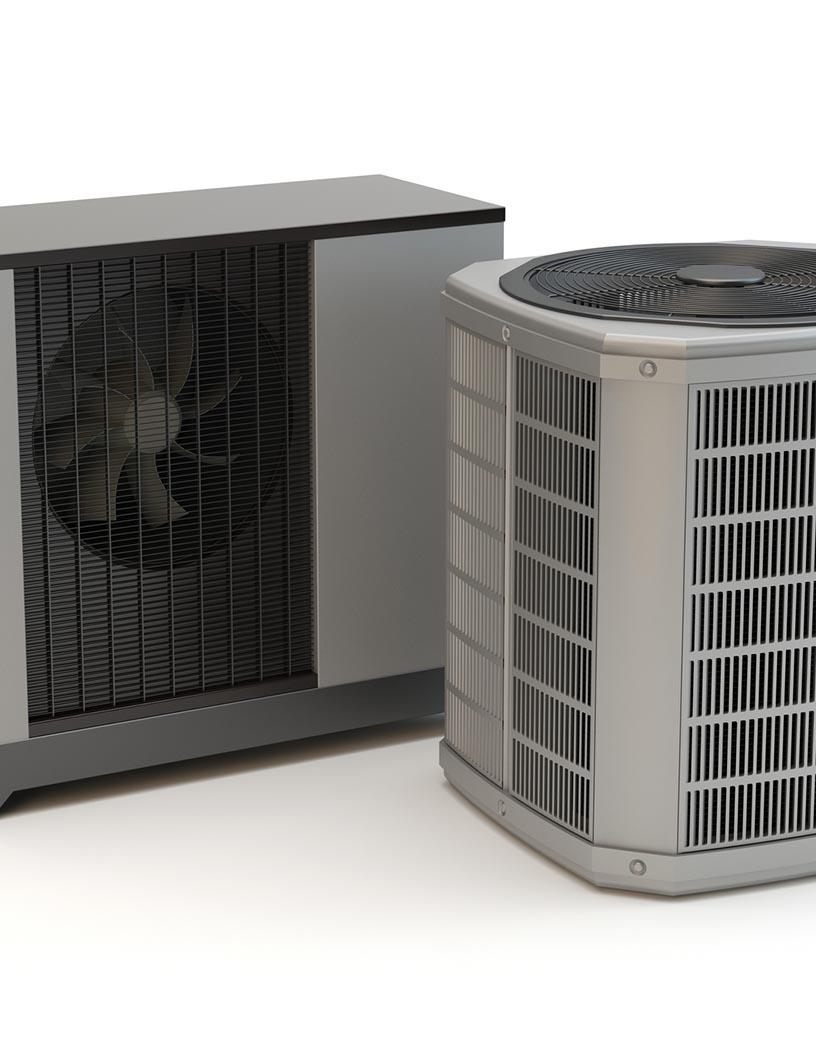


Residential Air To Water Heat Pump Market Size 2025-2029
The residential air to water heat pump market size is forecast to increase by USD 9.5 billion at a CAGR of 6.9% between 2024 and 2029.
- The market is experiencing significant growth due to the increasing demand for energy-efficient heating solutions. With rising energy costs and growing awareness of sustainability, homeowners are increasingly turning to air to water heat pumps as an alternative to traditional heating systems. These pumps offer energy savings of up to 50% compared to conventional heating methods, making them an attractive option for both new constructions and retrofits. However, the market is not without challenges. The introduction of new products from various players is intensifying competition, leading to price wars and a need for differentiation through innovation.
- Furthermore, alternative heating systems, such as electric and hydronic heating, also pose a threat to market growth. To capitalize on opportunities and navigate these challenges effectively, companies must focus on product innovation, cost competitiveness, and expanding their geographical reach. By offering energy-efficient, cost-effective, and technologically advanced solutions, players can differentiate themselves in the market and tap into the growing demand for sustainable heating systems.
What will be the Size of the Residential Air To Water Heat Pump Market during the forecast period?

- The residential air-to-water heat pump market in the US is experiencing significant growth due to increasing energy efficiency demands and the adoption of renewable heating solutions. These systems, which include both outdoor and indoor units, provide both heating and cooling functions with a high coefficient of performance. The market's size is driven by the growing popularity of HVAC systems that supply water temperature for radiant panel heating, bathroom water heaters, and even energy management systems. The use of glycol mixtures in these systems allows for operation in colder outdoor temperatures.
- EnergyPlus simulation tools are increasingly being used to optimize system design and efficiency. Consumers are also attracted to the quiet operation and environmental concerns associated with these devices, which utilize refrigerant copper lines instead of traditional fossil fuels. Overall, the market's direction is towards more energy-efficient and sustainable heating and cooling solutions.
How is this Residential Air To Water Heat Pump Industry segmented?
The residential air to water heat pump industry research report provides comprehensive data (region-wise segment analysis), with forecasts and estimates in "USD million" for the period 2025-2029, as well as historical data from 2019-2023 for the following segments.
- Type
- Domestic hot water
- Room heat pump
- Distribution Channel
- Offline
- Online
- Geography
- APAC
- China
- Japan
- South Korea
- North America
- US
- Europe
- France
- Germany
- Italy
- Norway
- Sweden
- UK
- South America
- Middle East and Africa
- APAC
By Type Insights
The domestic hot water segment is estimated to witness significant growth during the forecast period.
The market is experiencing significant growth, particularly in the domestic hot water (DHW) segment. These systems effectively meet household hot water requirements for activities like bathing, cooking, and cleaning, by extracting heat from ambient air and storing it in tanks. The energy efficiency and sustainability of air to water heat pumps make them an appealing choice for energy-conscious consumers, who are seeking ways to reduce energy consumption and heating costs. The DHW segment is gaining momentum due to increasing consumer awareness and the need for eco-friendly solutions. The infrastructure development for these systems is also becoming more accessible, making installation and maintenance easier.
Air to water heat pumps offer all-weather comfort with quiet operation and space savings, making them a popular alternative to traditional heating systems like boilers and gas engines. Additionally, these devices can be integrated with an energy management system, radiant panel heating, and cooling functions, providing users with greater control over their indoor climate. The market's growth is driven by regional climate variations, the availability of renewable heating sources, and the increasing demand for energy efficiency in residential retrofitting. Consumers are also attracted to the durability of these systems, which include fan coils, glycol mixtures, and energy efficiency ratings. The market is expected to continue growing as consumers prioritize energy management and environmental concerns in their urban living spaces.
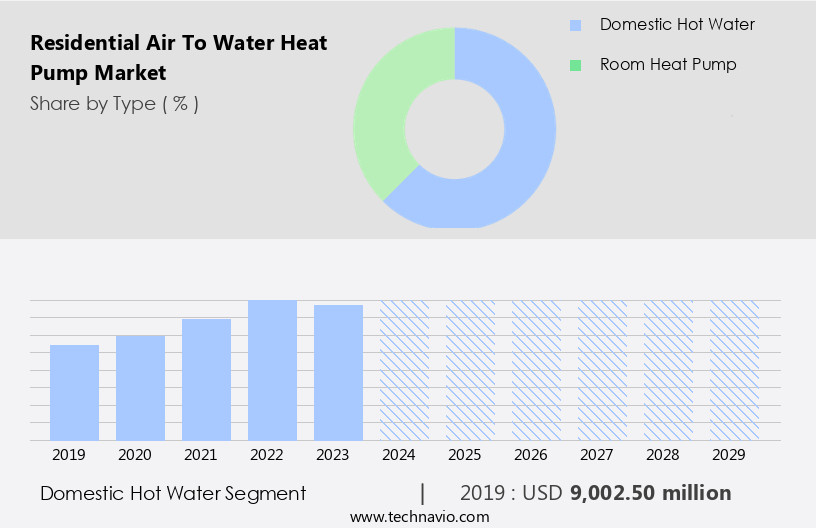
Get a glance at the market report of share of various segments Request Free Sample
The Domestic hot water segment was valued at USD 9 billion in 2019 and showed a gradual increase during the forecast period.
Regional Analysis
APAC is estimated to contribute 53% to the growth of the global market during the forecast period.Technavio’s analysts have elaborately explained the regional trends and drivers that shape the market during the forecast period.
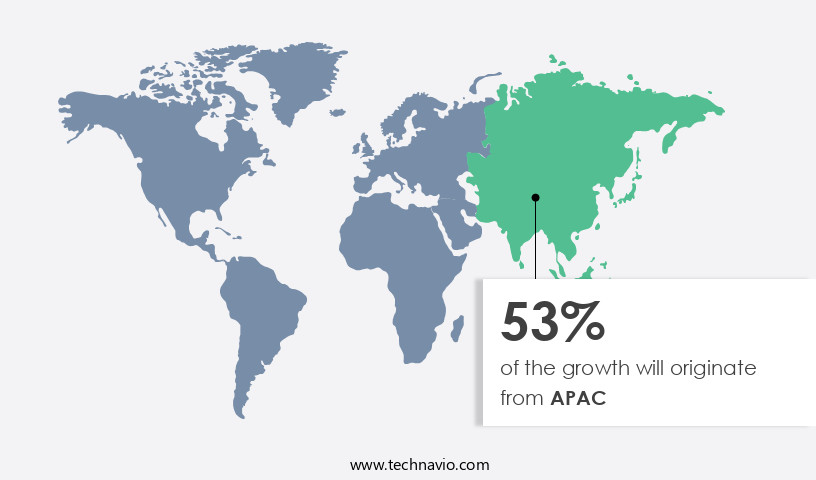
For more insights on the market size of various regions, Request Free Sample
The market in Asia-Pacific (APAC) is experiencing significant growth due to urbanization, increasing disposable income, and government initiatives promoting energy-efficient technologies. In 2023, China, in particular, saw a 6.3% year-on-year increase in per capita disposable income, reaching approximately USD5,511, fueling the demand for advanced heating solutions. With a high urbanization rate of around 66% in 2023, China is the largest market for heat pumps in buildings, accounting for over a quarter of global sales. In 2023, heat pump sales in China grew by 12%, making it the only major market to experience growth. These heating solutions offer all-weather comfort, quiet operation, and energy efficiency.
The use of compressor technology and glycol mixtures enhances their performance, even in extreme temperatures. Rising energy costs have made consumers more aware of energy management systems, leading to the adoption of heat pumps. The devices' space-saving design and ease of installation also contribute to their popularity. Heat pumps can be integrated with various systems, such as radiators, fan coils, and even energy-efficient HVAC systems. They can also serve as bathroom water heaters, providing eco-friendly alternatives to traditional gas boilers. The cooling function is an added advantage, making them suitable for both heating and cooling applications.
The market's growth is influenced by regional climate variations, with outdoor unit designs catering to diverse weather conditions. Noise level is a crucial factor, with manufacturers focusing on producing quieter models. Heat pumps are also gaining traction in commercial applications, offering cost savings and environmental benefits. Infrastructure development and the integration of renewable heating sources further enhance the market's potential. Despite their initial investment, the durability and energy savings offered by heat pumps make them a long-term investment.
Market Dynamics
Our researchers analyzed the data with 2024 as the base year, along with the key drivers, trends, and challenges. A holistic analysis of drivers will help companies refine their marketing strategies to gain a competitive advantage.
What are the key market drivers leading to the rise in the adoption of Residential Air To Water Heat Pump Industry?
- Rising demand for energy efficiency is the key driver of the market.
- The market experiences significant growth due to the increasing demand for energy-efficient solutions in the global heating and cooling industry. With escalating energy costs and growing environmental concerns, homeowners are prioritizing heating systems that minimize energy consumption while ensuring comfort. Air to water heat pumps cater to this need by utilizing ambient air as a renewable energy source, offering higher efficiency compared to conventional heating systems such as boilers and electric heaters. These systems can achieve a Coefficient of Performance (COP) of 3 to 5, generating three to five units of heat for every unit of electricity consumed.
- This energy efficiency, coupled with the ability to provide both heating and hot water, makes air to water heat pumps an attractive alternative for homeowners seeking to reduce their carbon footprint and save on energy bills.
What are the market trends shaping the Residential Air To Water Heat Pump Industry?
- Introduction of new products is the upcoming market trend.
- The market is experiencing significant growth due to technological advancements and the increasing priority given to energy efficiency and sustainability. Manufacturers are introducing innovative heat pump systems designed specifically for residential applications. For instance, on November 20, 2024, Daikin launched the EWYE-CZ air to water inverter heat pump. This model offers high efficiency, low carbon emissions, and superior performance, making it an attractive option for residential users.
- It utilizes Daikin Inverter Scroll compressor technology and the low-GWP R-454C refrigerant. The EWYE-CZ can generate hot water up to 70 degrees Celsius, making it a suitable replacement for traditional boilers. This trend underscores the market's potential, as more homeowners seek eco-friendly and cost-effective heating solutions.
What challenges does the Residential Air To Water Heat Pump Industry face during its growth?
- Competition from alternative heating systems is a key challenge affecting the industry growth.
- The market encounters substantial competition from traditional heating systems, including gas boilers, electric heaters, and ground-source heat pumps. These alternatives cater to various consumer preferences and conditions. For instance, gas boilers, which are well-entrenched in numerous regions, offer lower initial costs and are renowned for their reliability and consistent heating performance, particularly in colder climates. Their widespread availability and familiarity make them a formidable competitor in the residential heating sector.
- Each heating system boasts unique advantages and disadvantages, influencing consumer choices based on their specific requirements and circumstances.
Exclusive Customer Landscape
The residential air to water heat pump market forecasting report includes the adoption lifecycle of the market, covering from the innovator’s stage to the laggard’s stage. It focuses on adoption rates in different regions based on penetration. Furthermore, the residential air to water heat pump market report also includes key purchase criteria and drivers of price sensitivity to help companies evaluate and develop their market growth analysis strategies.
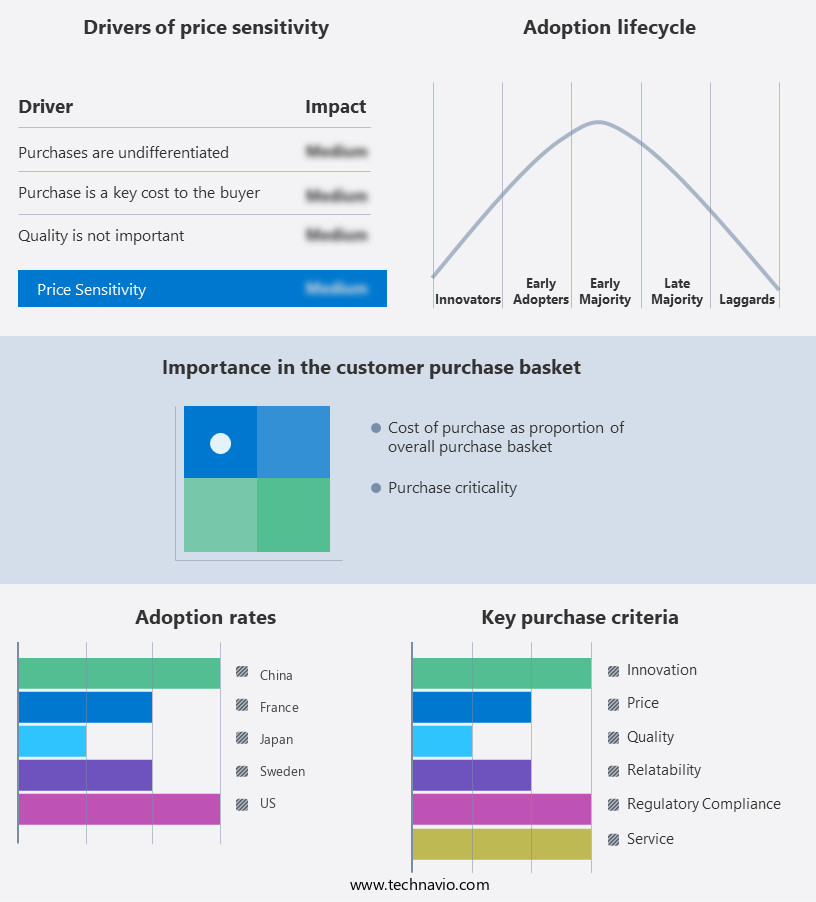
Customer Landscape
Key Companies & Market Insights
Companies are implementing various strategies, such as strategic alliances, residential air to water heat pump market forecast, partnerships, mergers and acquisitions, geographical expansion, and product/service launches, to enhance their presence in the industry.
A. O. Smith Corp. - The company specializes in providing advanced residential air-to-water heat pump solutions, including the HPW 80, HPI Series, CAHP 1.5 DI Series, CAHP 3HP, and more. These innovative systems offer energy efficiency and cost savings by heating water using ambient air, reducing reliance on traditional energy sources. By integrating air-source heat pump technology with water heating, these solutions contribute significantly to sustainable living and eco-friendly practices.
The industry research and growth report includes detailed analyses of the competitive landscape of the market and information about key companies, including:
- A. O. Smith Corp.
- Aermec S.p.A.
- Aquatherm Systems
- Carrier Global Corp.
- Daikin Industries Ltd.
- Danfoss AS
- EcoTech Solutions
- Fujitsu General Ltd.
- Guangdong PHNIX Eco-energy Solution Ltd.
- Guangzhou SPRSUN New Energy Technology Development Co. Ltd.
- Johnson Controls International Plc
- LG Corp.
- Midea Group Co. Ltd.
- Mitsubishi Electric Corp.
- NIBE Industrier AB
- Panasonic Holdings Corp.
- Robert Bosch GmbH
- Samsung Electronics Co. Ltd.
- Sanden Corp.
- STIEBEL ELTRON GmbH and Co. KG
- Vaillant Group
- Viessmann Werke GmbH and Co. KG
Qualitative and quantitative analysis of companies has been conducted to help clients understand the wider business environment as well as the strengths and weaknesses of key industry players. Data is qualitatively analyzed to categorize companies as pure play, category-focused, industry-focused, and diversified; it is quantitatively analyzed to categorize companies as dominant, leading, strong, tentative, and weak.
Research Analyst Overview
The residential air-to-water heat pump market is witnessing significant growth due to various factors. Rising energy costs have encouraged homeowners to seek more energy-efficient solutions for their heating and hot water needs. Air-to-water heat pumps offer an attractive alternative to traditional heating systems, providing all-weather comfort with quiet operation and space savings. One of the key advantages of air-to-water heat pumps is their high coefficient of performance (CoP). This metric measures the amount of heat output produced by the device relative to the energy input. Air-to-water heat pumps can achieve a CoP of up to 4, meaning they produce four units of heat for every unit of electric energy consumed.
This level of energy efficiency is a significant draw for consumers seeking to reduce their energy consumption and lower their carbon footprint. Another factor driving the growth of the market is consumer awareness. As homeowners become more conscious of their environmental impact and the need to reduce energy consumption, air-to-water heat pumps are gaining popularity. These systems offer an eco-friendly solution for heating and hot water, using renewable energy sources and producing minimal greenhouse gas emissions. Infrastructure development is also playing a role in the growth of the market. Governments and utilities are investing in the development of energy management systems and smart grid technologies, which can optimize the performance of air-to-water heat pumps and other renewable heating systems.
This investment in infrastructure is making these systems more accessible and affordable for homeowners. The ease of installation and maintenance of air-to-water heat pumps is another factor contributing to their growth. These systems can be integrated with existing HVAC systems and require minimal maintenance, making them an attractive option for homeowners seeking a convenient and hassle-free heating solution. Air-to-water heat pumps offer a range of applications beyond just heating. They can also be used for cooling functions, making them a versatile solution for all-season comfort. Additionally, they can be used in commercial applications, such as office buildings and hotels, where energy efficiency and sustainability are key considerations.
Despite their advantages, there are challenges facing the residential air-to-water heat pump market. The high upfront cost of these systems can be a barrier to adoption for some homeowners. However, the long-term energy savings and environmental benefits make them a worthwhile investment for those seeking to reduce their carbon footprint and lower their energy bills. The durability of air-to-water heat pumps is another consideration. These systems use compressor technology, which can be prone to wear and tear over time. However, advancements in technology and materials are improving the durability and reliability of these systems, making them a more attractive option for homeowners.
In , the residential air-to-water heat pump market is experiencing significant growth due to a range of factors, including rising energy costs, consumer awareness, infrastructure development, and the versatility and efficiency of these systems. While there are challenges to overcome, such as upfront costs and durability concerns, the long-term benefits make air-to-water heat pumps an attractive option for homeowners seeking all-weather comfort and energy savings.
|
Market Scope |
|
|
Report Coverage |
Details |
|
Page number |
206 |
|
Base year |
2024 |
|
Historic period |
2019-2023 |
|
Forecast period |
2025-2029 |
|
Growth momentum & CAGR |
Accelerate at a CAGR of 6.9% |
|
Market growth 2025-2029 |
USD 9495.9 million |
|
Market structure |
Fragmented |
|
YoY growth 2024-2025(%) |
5.5 |
|
Key countries |
US, China, Japan, Germany, Sweden, UK, France, Italy, Norway, and South Korea |
|
Competitive landscape |
Leading Companies, Market Positioning of Companies, Competitive Strategies, and Industry Risks |
What are the Key Data Covered in this Residential Air To Water Heat Pump Market Research and Growth Report?
- CAGR of the Residential Air To Water Heat Pump industry during the forecast period
- Detailed information on factors that will drive the growth and forecasting between 2025 and 2029
- Precise estimation of the size of the market and its contribution of the industry in focus to the parent market
- Accurate predictions about upcoming growth and trends and changes in consumer behaviour
- Growth of the market across APAC, North America, Europe, South America, and Middle East and Africa
- Thorough analysis of the market’s competitive landscape and detailed information about companies
- Comprehensive analysis of factors that will challenge the residential air to water heat pump market growth of industry companies
We can help! Our analysts can customize this residential air to water heat pump market research report to meet your requirements.