


Anti-Obesity Drugs Market Size 2025-2029
The anti-obesity drugs market size is forecast to increase by USD 22.91 billion at a CAGR of 15.7% between 2024 and 2029.
- The market is experiencing significant growth due to several key factors. The rising obesity population, particularly in North America, is a major driver for this market. Additionally, research and development efforts are focused on creating drugs that can effectively manage both obesity and type 2 diabetes mellitus. This dual-action approach is gaining popularity as many obese individuals are also at risk for developing type 2 diabetes. Furthermore, the availability of telemedicine services and anti-obesity devices is making weight management more accessible and convenient for individuals. These trends are expected to continue fueling the growth of the market In the coming years. The use of anti-obesity drugs can help regulate insulin production and manage weight by reducing appetite and increasing metabolism. These drugs can have a positive impact on overall health and well-being, making them an essential tool In the fight against obesity and related health conditions.
What will be the Size of the Anti-Obesity Drugs Market During the Forecast Period?
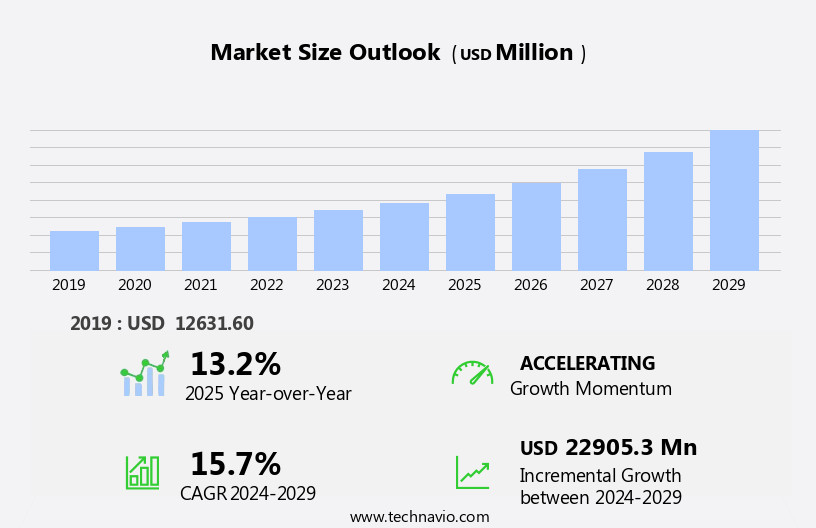
- The market encompasses a range of medicines designed to assist individuals struggling with weight management, targeting conditions such as obesity and overweight. These conditions are often linked to chronic diseases, including insulin resistance, glucose intolerance, hypertension, sleep apnea, diabetes mellitus, arthritis, and various lifestyle-related illnesses. The prevalence of obesity and overweight continues to rise globally, driven by energy imbalance, with calories consumed exceeding calories expended. Factors contributing to this imbalance include appetite stimulation, metabolic disorders, and fat absorption. The market for anti-obesity drugs is expected to grow significantly due to the increasing burden of obesity and its associated health complications.
- This trend is driven by the growing awareness of the health risks associated with obesity and the desire for effective weight loss solutions. The market caters to both adults and children and adolescents, addressing the rising prevalence of obesity across all age groups. The market's growth is further fueled by the increasing incidence of lifestyle-related factors, such as stress, smoking, and drinking, which contribute to weight gain.
How is this Anti-Obesity Drugs Industry segmented and which is the largest segment?
The anti-obesity drugs industry research report provides comprehensive data (region-wise segment analysis), with forecasts and estimates in "USD million" for the period 2025-2029, as well as historical data from 2019-2023 for the following segments.
- Type
- Class III
- Class II anti-obesity drugs
- Class I anti-obesity drugs
- Drug Class
- Peripherally acting drugs
- Centrally acting drugs
- Distribution Channel
- Hospital pharmacies
- Retail pharmacies
- Drug stores
- E-commerce
- Route Of Administration
- Oral route
- Subcutaneous route
- Geography
- North America
- Canada
- Mexico
- US
- Europe
- Germany
- UK
- France
- Italy
- Asia
- China
- Japan
- Rest of World (ROW)
- North America
By Type Insights
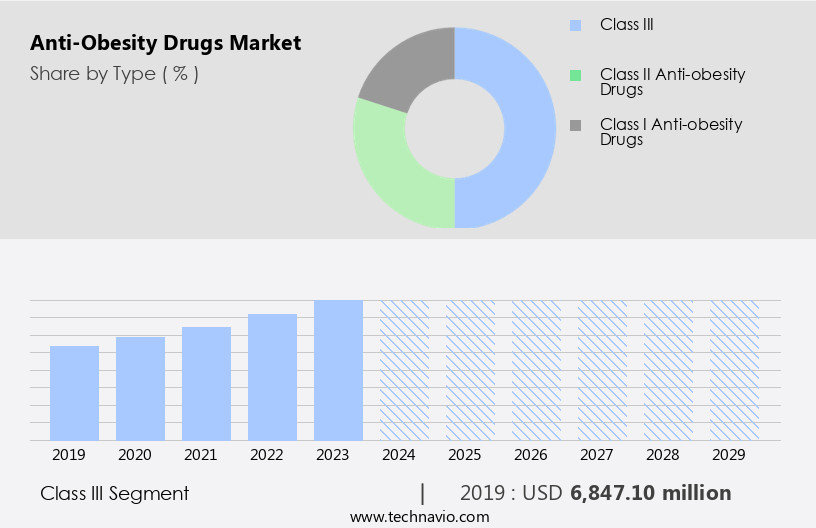
- The class III segment is estimated to witness significant growth during the forecast period. The Class III segment dominates The market due to its focus on addressing severe obesity cases. This segment accounts for a significant market share and is expected to continue its leadership during the forecast period. The rise in research and development initiatives by pharmaceutical companies for novel anti-obesity drugs contributes to market expansion. However, it's important to note that pharmacotherapy for obesity can only achieve a certain reduction in Body Mass Index (BMI). Consequently, the Class III anti-obesity drugs segment may witness a decline during the forecast period as patients may require additional measures for sustained weight loss.
- Obesity is a chronic condition with a global prevalence that fuels the demand for weight-loss medicines. These medicines target various mechanisms such as appetite suppression, metabolism enhancement, and fat absorption inhibition. Prevalent conditions associated with obesity include cardiovascular diseases, cancers, type-2 diabetes, and sleep apnea. The market caters to various distribution channels, including retail pharmacies, online pharmacies, and hospital pharmacies. Anti-obesity drugs can be administered through oral and subcutaneous routes.
Get a glance at the market report of share of various segments Request Free Sample
- The class III segment was valued at USD 6.85 billion in 2019 and showed a gradual increase during the forecast period.
Regional Analysis
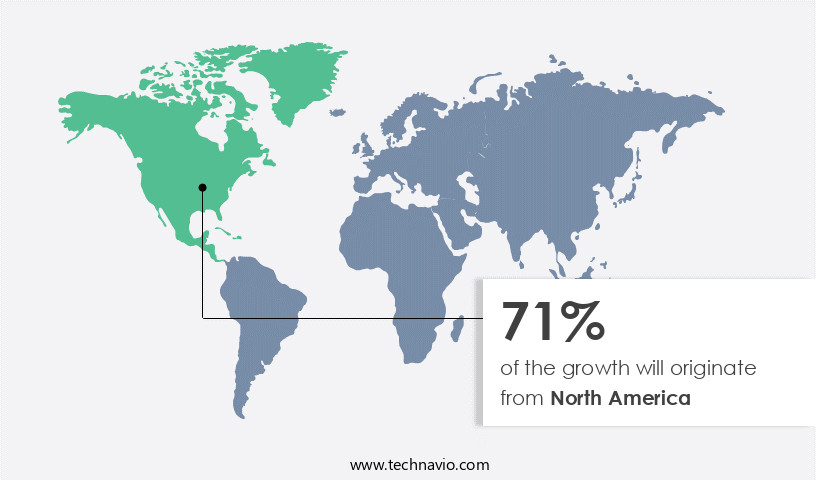
- North America is estimated to contribute 71% to the growth of the global market during the forecast period. Technavio's analysts have elaborately explained the regional trends and drivers that shape the market during the forecast period. The market in North America is the largest and is expected to maintain its leading position due to the prevalence of obesity and overweight conditions. According to the World Obesity Federation, approximately 36.2% of the US population and 35.7% of the Mexican population were classified as obese in 2020. The market growth is driven by the availability of prescription drugs like Qsymia, Saxenda, and BELVIQ, which have shown significant results in weight loss. These drugs target appetite suppression, metabolism enhancement, and fat absorption inhibition. The market is segmented into oral and subcutaneous routes of administration, with retail pharmacies and online pharmacies being the major distribution channels.
For more insights on the market size of various regions, Request Free Sample
- The obesity epidemic is linked to lifestyle-related illnesses such as heart disease, diabetes, and certain types of cancer. Key factors contributing to obesity include unhealthy diets, sedentary lifestyles, stress, smoking, and drinking. The market is expected to grow moderately due to the increasing prevalence of obesity-related chronic diseases, including hypertension, sleep apnea, diabetes mellitus, arthritis, gall bladder diseases, and obesity-associated cancers such as breast and colorectal cancer. Telemedicine is also emerging as a potential distribution channel for weight-loss medicines. The market is in various pipeline phases, with companies focusing on dopamine, norepinephrine, and serotonin activity to develop new drugs. The ideal anti-obesity medicine should facilitate sustained weight loss naturally while addressing underlying health conditions.
- The market growth is influenced by factors such as increasing healthcare expenditures, rising awareness of obesity-related health risks, and the availability of over-the-counter (OTC) drugs. However, concerns regarding drug safety, side effects, and cost remain significant challenges. The market is expected to grow significantly due to the increasing burden of obesity-related diseases and the need for effective weight management solutions.
Market Dynamics
Our researchers analyzed the data with 2024 as the base year, along with the key drivers, trends, and challenges. A holistic analysis of drivers will help companies refine their marketing strategies to gain a competitive advantage.
What are the key market drivers leading to the rise In the adoption of Anti-Obesity Drugs Industry?
- The growing obese population is the key driver of the market. Obesity, a significant global health concern, is linked to chronic conditions such as diabetes, hypertension, and cancer. The prevalence of obesity has risen due to unhealthy diets, sedentary lifestyles, and stressors like smoking and drinking. This trend has led to an increased focus on weight loss medicines. These drugs target various mechanisms, including appetite suppression, metabolism enhancement, and fat absorption inhibition. Prescription drugs like those that increase dopamine, norepinephrine, or serotonin activity are under investigation In the pipeline phase. Weight loss medicines can be administered through oral or subcutaneous routes and are available at retail pharmacies and online. However, the challenge lies in achieving sustained weight loss and managing potential side effects, such as changes in heart rate and blood pressure. Obesity is a major contributor to chronic diseases, including heart disease, diabetes, and certain cancers. The World Obesity Federation reports that obesity-related illnesses account for a substantial proportion of death and disability worldwide. The market for weight-loss medicines is expanding as consumers seek effective solutions to manage their weight and improve overall health. Energy imbalance, characterized by consuming more calories than are expended, is a primary cause of obesity.
- Children and adolescents are particularly susceptible to the negative effects of obesity, which can lead to lifestyle-related illnesses. Telemedicine and digital health solutions are emerging as convenient options for obesity care, providing access to professional advice and support for weight management. The ideal anti-obesity medicine would promote sustained weight loss while minimizing side effects. The market for these drugs is diverse, with offerings from various sources, including hospital pharmacies, online pharmacies, and over-the-counter (OTC) drugs. The challenge for consumers is to navigate the various options and make informed decisions based on their individual needs and preferences. Obesity is a complex condition with far-reaching consequences, including increased risk for cardiovascular disease, cancers, type-2 diabetes, and other severe illnesses. The need for effective weight loss solutions is pressing, and ongoing research and innovation In the field hold promise for improving the lives of those affected by obesity.
What are the market trends shaping the Anti-Obesity Drugs Industry?
- The research on drugs that target both obesity and type 2 diabetes mellitus is the upcoming market trend. The global obesity epidemic is a significant public health concern, leading to an increased prevalence of type 2 diabetes, cardiovascular diseases, and other chronic conditions such as hypertension, sleep apnea, arthritis, and certain cancers. Obesity is characterized by an energy imbalance, resulting from consuming more calories than are expended. This imbalance can be caused by various factors, including unhealthy diets, sedentary lifestyles, stress, smoking, and drinking. To address this issue, the market for weight-loss medicines is witnessing significant growth. These medicines work by targeting various mechanisms, including appetite suppression, metabolism enhancement, and fat absorption inhibition. Some drugs, like Johnson & Johnson's JNJ-64565111, which is in phase II of development, target both obesity and type 2 diabetes mellitus. These drugs act on neurotransmitters like dopamine, norepinephrine, and serotonin to regulate appetite and energy consumption. Weight-loss medicines can be administered through various routes, including oral and subcutaneous, and are available through retail pharmacies, online pharmacies, and hospital pharmacies. The pipeline for new weight-loss medicines, with several drugs in various stages of development. These drugs offer the potential for sustained weight loss and improved health outcomes for those struggling with obesity and its associated comorbidities.
- The obesity care segment is a growing market, with organizations like the World Obesity Federation advocating for better access to weight-loss treatments. The prevalence of obesity and its related illnesses, including heart disease, diabetes, cancer, and sleep apnea, necessitates the development of effective weight-loss medicines. With the increasing burden of lifestyle-related illnesses, the demand for these drugs is expected to continue growing. Weight-loss medicines can help address the energy imbalance that leads to obesity and its associated health risks. By targeting various mechanisms, these drugs offer a multi-faceted approach to weight loss and improved health outcomes. The ongoing research and development in this area hold great promise for those struggling with obesity and its related conditions.
What challenges does the Anti-Obesity Drugs Industry face during its growth?
- Availability of anti-obesity devices is a key challenge affecting the industry growth. Obesity, a significant lifestyle-related illness, increases the risk of chronic conditions such as cardiovascular diseases, hypertension, diabetes, and certain types of cancer. Prevention measures include physical activities and over-the-counter (OTC) weight loss supplements. However, for individuals with severe obesity, prescription drugs offer potential solutions. These medicines target appetite suppression, metabolism enhancement, and fat absorption reduction. The market for weight-loss medicines comprises various drug types, including those that increase dopamine, norepinephrine, and serotonin activity. These drugs can be administered through the oral route or subcutaneous injection. Retail pharmacies and online pharmacies provide easy access to these medications. The prevalence of obesity continues to rise globally, leading to a growing demand for effective weight loss solutions.
- Obesity is linked to numerous health issues, including high blood pressure, heart disease, sleep apnea, and insulin resistance. The ideal anti-obesity medicine should facilitate sustained weight loss while minimizing side effects. Obesity care segment organizations like the World Obesity Federation advocate for improved access to weight loss treatments. The market pipeline includes several drugs in various phases, with some in late-stage clinical trials. These advancements offer hope for individuals seeking effective obesity treatments. Energy imbalance, caused by consuming more calories than expended, is a primary contributor to obesity. Unhealthy diets, stress, smoking, and drinking are common causes. Telemedicine platforms provide a convenient way to consult healthcare professionals and access weight loss treatments. Hence, the obesity treatment landscape offers various options, from lifestyle modifications and OTC drugs to prescription medications and devices. The ongoing research and development efforts aim to provide effective and safe solutions for individuals struggling with obesity.
Exclusive Customer Landscape
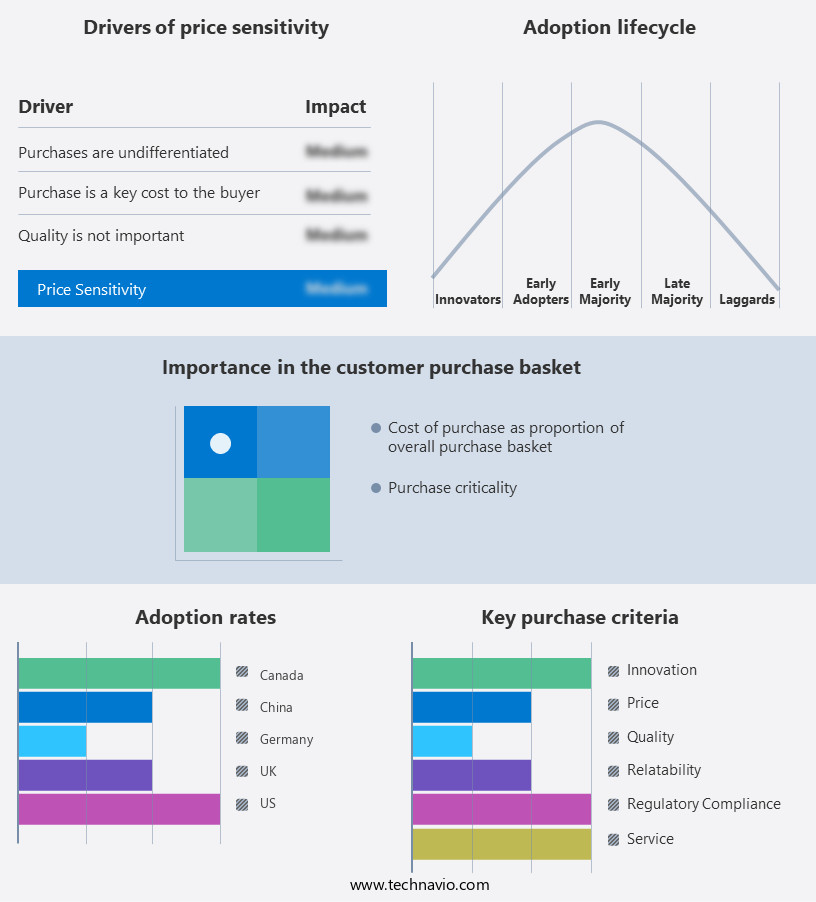
The anti-obesity drugs market forecasting report includes the adoption lifecycle of the market, covering from the innovator's stage to the laggard's stage. It focuses on adoption rates in different regions based on penetration. Furthermore, the anti-obesity drugs market report also includes key purchase criteria and drivers of price sensitivity to help companies evaluate and develop their market growth analysis strategies.
Customer Landscape
Key Companies & Market Insights
Companies are implementing various strategies, such as strategic alliances, anti-obesity drugs market forecast, partnerships, mergers and acquisitions, geographical expansion, and product/service launches, to enhance their presence In the industry.
SCOHIA PHARMA Inc. - The company offers IMCIVREE treatment which is designed to cure obesity disease as its key offering under the anti-obesity drug segment.
The industry research and growth report includes detailed analyses of the competitive landscape of the market and information about key companies, including:
- Alvogen Inc
- Amgen Inc.
- AstraZeneca Plc
- Boehringer Ingelheim International GmbH
- Eli Lilly and Co.
- Empros Pharma AB
- ERX Pharmaceuticals Inc.
- Gelesis Inc.
- GlaxoSmithKline Plc
- Innovent Biologics Inc.
- LG Chem Ltd.
- Novo Nordisk AS
- Rhythm Pharmaceuticals Inc.
- SCOHIA PHARMA Inc.
- VIVUS LLC
- Zydus Lifesciences Ltd.
Qualitative and quantitative analysis of companies has been conducted to help clients understand the wider business environment as well as the strengths and weaknesses of key industry players. Data is qualitatively analyzed to categorize companies as pure play, category-focused, industry-focused, and diversified; it is quantitatively analyzed to categorize companies as dominant, leading, strong, tentative, and weak.
Research Analyst Overview
The global market continues to expand as the prevalence of obesity and overweight individuals increases worldwide. Obesity is a chronic condition characterized by an excess accumulation of body fat, leading to various health complications such as heart disease, diabetes, and certain types of cancer. The primary causes of obesity are an energy imbalance between calories consumed and calories expended, often due to unhealthy diets, sedentary lifestyles, and genetic factors. Appetite regulation plays a significant role in weight management. Several drugs targeting appetite suppression and metabolism modification are under development to address this issue. These drugs work by influencing neurotransmitters such as dopamine, norepinephrine, and serotonin, which regulate appetite and energy consumption. The pipeline for weight-loss medicines includes various drug types, with some undergoing clinical trials in different phases. Some drugs are designed for oral administration, while others are intended for subcutaneous delivery. Retail pharmacies and online pharmacies are key distribution channels for these medications. Obesity is associated with numerous chronic diseases, including cardiovascular diseases, hypertension, sleep apnea, diabetes mellitus, arthritis, and gall bladder diseases. Obesity-associated cancers, such as breast cancer and colorectal cancer, are also significant health concerns. The economic burden of these conditions is substantial, with obesity contributing to a considerable portion of healthcare costs. Telemedicine is gaining popularity in obesity care, providing remote consultations and medication delivery to patients.
This approach is particularly beneficial for individuals in rural areas or those with mobility issues. The obesity care segment is expected to grow significantly due to the increasing awareness of the health risks associated with obesity and the availability of effective weight-loss treatments. The World Obesity Federation reports that over 2.1 billion adults are overweight or obese, with more than 340 million children and adolescents at risk. Lifestyle-related illnesses, such as stress, smoking, and drinking, contribute to the prevalence of obesity. The global obesity epidemic necessitates the development and availability of effective weight-loss medicines. The ideal anti-obesity medicine should promote sustained weight loss while minimizing side effects.
Some over-the-counter (OTC) drugs are available for weight loss, but their efficacy and safety are often questionable. Prescription drugs, on the other hand, require medical consultation and regular monitoring due to potential side effects and interactions with other medications. Weight loss medicines can have various side effects, including increased heart rate and blood pressure, constipation, insomnia, and nervousness. These side effects can limit their use and adherence. Continuous research and development efforts are underway to create safer and more effective weight-loss medicines. Hence, the market for weight loss medicines is growing due to the increasing prevalence of obesity and the associated health risks. Appetite suppression and metabolism modification drugs are in development, with various drug types and delivery methods. Telemedicine is gaining popularity in obesity care, and the obesity care segment is expected to grow significantly. The ideal anti-obesity medicine should promote sustained weight loss with minimal side effects. Continuous research and development efforts are necessary to address the global obesity epidemic effectively.
|
Market Scope |
|
|
Report Coverage |
Details |
|
Page number |
228 |
|
Base year |
2024 |
|
Historic period |
2019-2023 |
|
Forecast period |
2025-2029 |
|
Growth momentum & CAGR |
Accelerate at a CAGR of 15.7% |
|
Market growth 2025-2029 |
USD 22.91 billion |
|
Market structure |
Fragmented |
|
YoY growth 2024-2025(%) |
13.2 |
|
Key countries |
US, Canada, Germany, UK, France, Italy, Mexico, China, Brazil, and Japan |
|
Competitive landscape |
Leading Companies, Market Positioning of Companies, Competitive Strategies, and Industry Risks |
What are the Key Data Covered in this Anti-Obesity Drugs Market Research and Growth Report?
- CAGR of the Anti-Obesity Drugs industry during the forecast period
- Detailed information on factors that will drive the growth and forecasting between 2025 and 2029
- Precise estimation of the size of the market and its contribution of the industry in focus to the parent market
- Accurate predictions about upcoming growth and trends and changes in consumer behaviour
- Growth of the market across North America, Europe, Asia, and Rest of World (ROW)
- Thorough analysis of the market's competitive landscape and detailed information about companies
- Comprehensive analysis of factors that will challenge the anti-obesity drugs market growth of industry companies
We can help! Our analysts can customize this anti-obesity drugs market research report to meet your requirements.
 RIA -
RIA -