
Dried Food Market Analysis, Size, and Forecast 2026-2030: APAC (China, India, and Japan), North America (US, Canada, and Mexico), Europe (Germany, UK, and France), Middle East and Africa (Saudi Arabia, UAE, and South Africa), South America (Brazil and Argentina), and Rest of World (ROW)

Dried Food Market Analysis, Size, and Forecast 2026-2030:
APAC (China, India, and Japan), North America (US, Canada, and Mexico), Europe (Germany, UK, and France), Middle East and Africa (Saudi Arabia, UAE, and South Africa), South America (Brazil and Argentina), and Rest of World (ROW)

Published: Mar 2026 335 Pages SKU: IRTNTR75325

Market Overview at a Glance

$8.75 B
Market Opportunity
7%
CAGR 2025 - 2030
38.2%
APAC Growth
$7.32 B
Fruits segment 2024

Dried Food Market Size 2026-2030

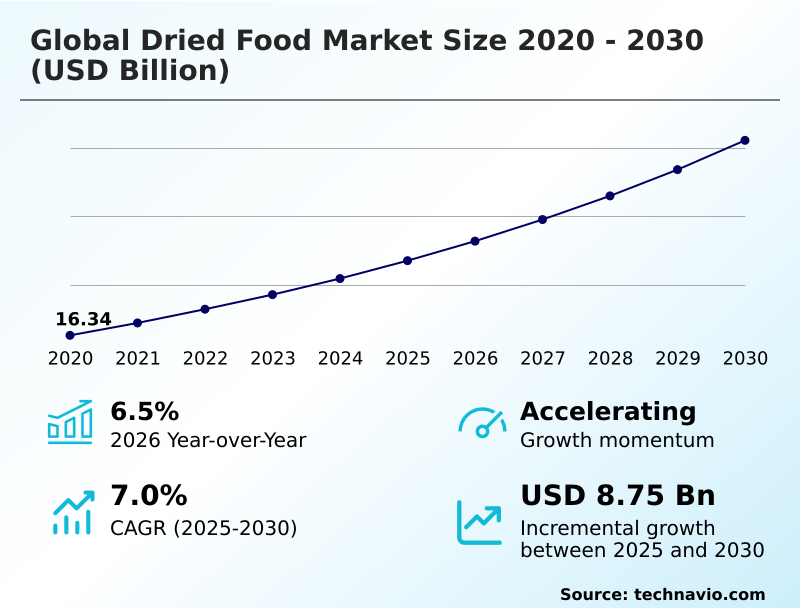
The dried food market size is valued to increase by USD 8.75 billion, at a CAGR of 7% from 2025 to 2030. Intensifying demand for convenience and on-the-go nutrition will drive the dried food market.

Major Market Trends & Insights

  • APAC dominated the market and accounted for a 38.2% growth during the forecast period.
  • By Product - Fruits segment was valued at USD 7.32 billion in 2024
  • By Distribution Channel - Supermarkets and hypermarkets segment accounted for the largest market revenue share in 2024

Market Size & Forecast

  • Market Opportunities: USD 14.18 billion
  • Market Future Opportunities: USD 8.75 billion
  • CAGR from 2025 to 2030 : 7%

Market Summary

  • The dried food market is shaped by the convergence of consumer demand for convenience and heightened health awareness. Key drivers include the need for portable, on-the-go nutrition and the logistical benefits of shelf-stable products, which significantly aid in food waste mitigation.
  • A primary trend is the premiumization of offerings, with a focus on organic certification, clean-label formulations, and innovative flavor profiles. This movement is pushing manufacturers to adopt advanced dehydration technology that better preserves nutrient density and sensory appeal.
  • For instance, a food manufacturer can leverage freeze-drying processes to launch a new line of high-quality, ready-to-eat meal kits, optimizing their supply chain logistics by reducing the need for cold chain infrastructure. However, the industry faces challenges from the high capital investment required for such technologies and the persistent consumer preference for fresh alternatives.
  • Success hinges on effectively communicating the value proposition of dried foods, which includes their convenience, long shelf life, and concentrated nutritional benefits, while navigating raw material volatility and evolving food safety regulations.

What will be the Size of the Dried Food Market during the forecast period?
Get Key Insights on Market Forecast (PDF) Request Free Sample

How is the Dried Food Market Segmented?

The dried food industry research report provides comprehensive data (region-wise segment analysis), with forecasts and estimates in "USD million" for the period 2026-2030, as well as historical data from 2020-2024 for the following segments.

  • Product
    • Fruits
    • Vegetables
    • Meat
    • Poultry and seafood
  • Distribution channel
    • Supermarkets and hypermarkets
    • Convenience stores
    • Online
  • Product type
    • Conventional
    • Organic
  • Geography
    • APAC
      • China
      • India
      • Japan
    • North America
      • US
      • Canada
      • Mexico
    • Europe
      • Germany
      • UK
      • France
    • Middle East and Africa
      • Saudi Arabia
      • UAE
      • South Africa
    • South America
      • Brazil
      • Argentina
    • Rest of World (ROW)

By Product Insights

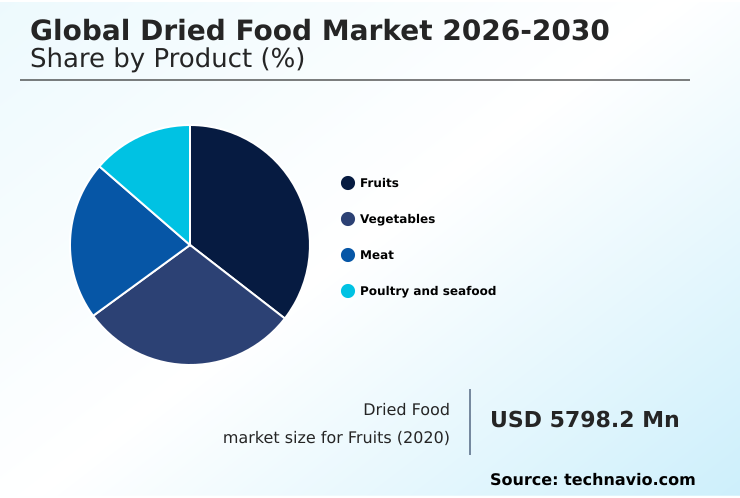
The fruits segment is estimated to witness significant growth during the forecast period.

The fruits segment is driven by demand for healthy snacks and a clean label formulation. This category's growth hinges on product differentiation and flavor profile innovation.

Manufacturers are using dehydration technology to create nutrient-dense options, focusing on sensory appeal to compete with fresh alternatives. This premiumization strategy appeals to consumers seeking value-added products.

Adherence to organic certification standards has become crucial, with advanced drying techniques improving nutrient retention by over 15% compared to traditional methods.

The use of fortified dried food and ethnic flavor profiles is expanding, as companies leverage brand loyalty and on-the-go nutrition formats like single-serving packs to capture market share. These factors underscore the shift towards sophisticated, convenient food solutions.
Request Free Sample

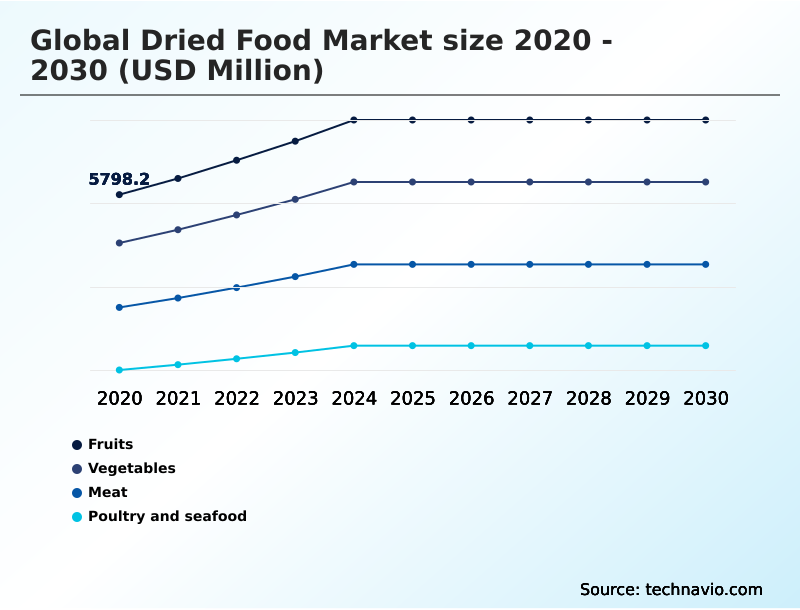
The Fruits segment was valued at USD 7.32 billion in 2024 and showed a gradual increase during the forecast period.
Request Free Sample

Regional Analysis

APAC is estimated to contribute 38.2% to the growth of the global market during the forecast period.Technavio’s analysts have elaborately explained the regional trends and drivers that shape the market during the forecast period.
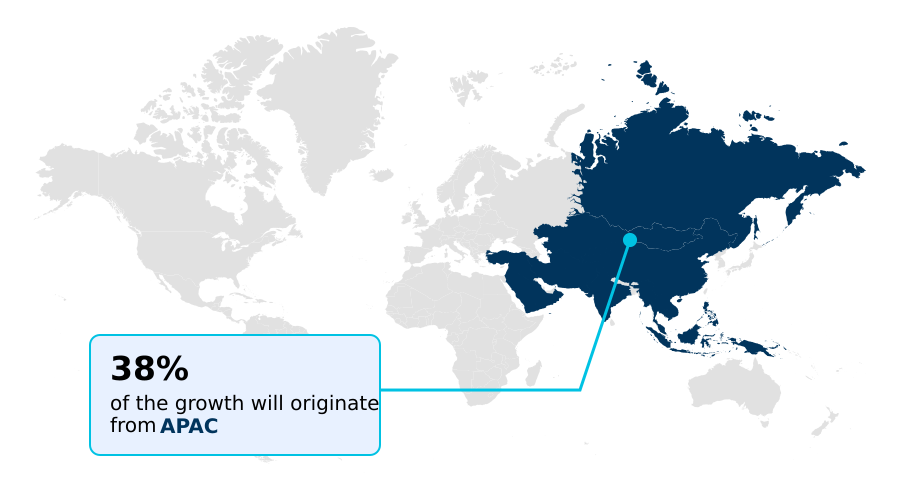
See How Dried Food Market Demand is Rising in APAC Request Free Sample

The geographic landscape is led by APAC, which accounts for 38.2% of incremental growth, driven by demand for convenience food solutions and ready-to-eat meal kits. North America's market focuses on plant-based protein source items and snackification.

Europe’s market is diverse, emphasizing sustainable sourcing and food waste mitigation in its supply chain logistics. In the Middle East, shelf stability is key, with developments in cold chain infrastructure reducing spoilage by up to 25%.

The rise of the direct-to-consumer model is changing retail, supported by digital marketing strategy and customer data analytics. This shift requires robust food traceability and ethical sourcing certification to build trust.

Market Dynamics

Our researchers analyzed the data with 2025 as the base year, along with the key drivers, trends, and challenges. A holistic analysis of drivers will help companies refine their marketing strategies to gain a competitive advantage.

  • A comprehensive analysis of the global dried food market 2026-2030 requires examining the technical and strategic nuances that define its trajectory. The discussion around the impact of dehydration on vitamins is central to consumer education, directly countering the perception that processing diminishes nutritional value.
  • Similarly, the freeze-drying vs air-drying quality debate influences capital expenditure decisions, as superior quality often justifies higher costs. A key operational focus is reducing energy costs in dehydration, which can account for a significant portion of production expenses. On the product front, clean label jerky formulation trends and advanced plant-based protein texturization methods are driving innovation.
  • The market is not without its risks; supply chain risks for dried fruit and raw material price hedging strategies are critical boardroom topics. Overcoming negative consumer perception of dried vegetables and addressing the sensory gaps in dried food are ongoing marketing challenges. Furthermore, navigating food safety regulations globally and overcoming market entry barriers for dehydrators are essential for new players.
  • The growth of the direct-to-consumer dried food business, fueled by effective e-commerce strategies for food brands and sustainable packaging for dried snacks, is reshaping the competitive landscape. Improving the rehydration properties of vegetables and the fortification of dried food products are key R&D goals.
  • Meanwhile, the upcycling produce for dried ingredients and the role of dried foods in food security highlight the market's alignment with sustainability, while innovations in on-the-go nutrition and premiumization trends in dried foods cater to modern consumer demands. Firms adopting advanced planning have seen a 20% greater alignment with these evolving market dynamics compared to those using traditional forecasting.
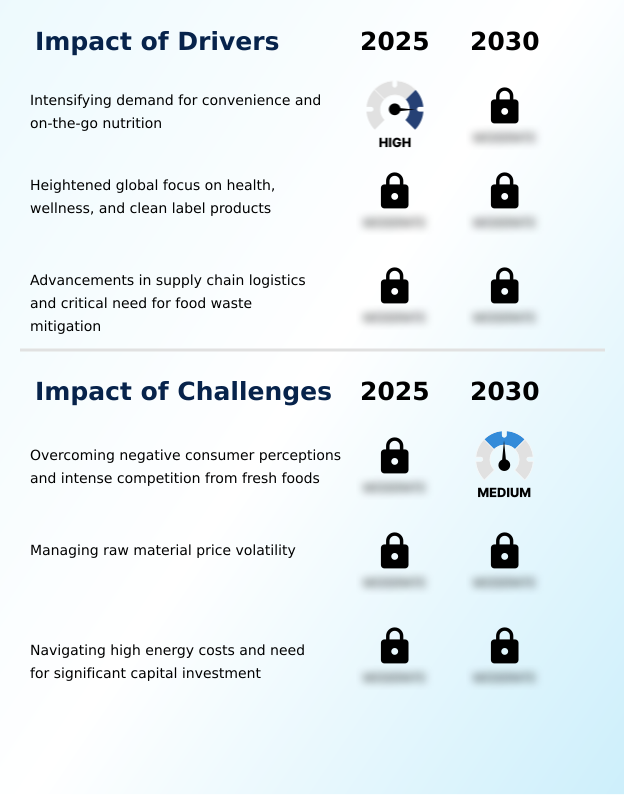
What are the key market drivers leading to the rise in the adoption of Dried Food Industry?

  • The market's primary driver is the intensifying consumer demand for convenience and on-the-go nutritional solutions that align with modern, fast-paced lifestyles.

  • Market drivers are centered on food preservation science, focusing on moisture content analysis and microbial growth inhibition for enhanced shelf stability. This helps manage raw material volatility linked to agricultural seasonality.
  • Processes like osmotic dehydration and microwave-vacuum drying increase processing throughput by over 30%. Contract farming agreements and commodity price hedging further stabilize supply.
  • The development of nutrient-enriched powder, ingredient upcycling, and a focus on ingredient traceability supports the clean label movement and a transparent supply chain.
  • This has led to a 10% rise in repeat purchases for compliant brands, proving the value of capital investment in quality systems.

What are the market trends shaping the Dried Food Industry?

  • A defining market trend is the accelerated innovation in product formulation, coupled with a distinct movement toward premium offerings.

  • Key trends are changing consumer perception, with a focus on nutrient density and the adoption of texturized vegetable protein, reflecting broader market fragmentation. Innovation includes plant-based jerky and gourmet snacking options using vacuum-frying technology. This premiumization is supported by co-packing services for new value-added products.
  • Packaging is also evolving, with sustainable packaging solutions and resealable pouches becoming standard, reducing material waste by up to 18%. The adoption of a subscription box model and e-commerce platform integration drives growth, with some brands seeing a 40% increase in customer retention through improved energy efficiency in logistics.

What challenges does the Dried Food Industry face during its growth?

  • A key industry challenge is overcoming negative consumer perceptions of nutritional value and navigating intense competition from the fresh food sector.

  • Key challenges include navigating stringent food safety regulations and the high capital investment for advanced dehydration technology like the freeze-drying process. The industry must address consumer perceptions related to rehydration ratio and water activity level, which impact brand loyalty. Adhering to front-of-pack labeling rules while communicating benefits requires effective brand narrative control.
  • Companies are implementing robust HACCP systems, reducing compliance incidents by over 50%. Managing first-party data collection and customer data analytics without violating privacy is another hurdle. The cost of the freeze-drying process requires significant efficiencies, with some targeting a 20% reduction in cycle times, often through private label manufacturing contracts.

Exclusive Technavio Analysis on Customer Landscape

The dried food market forecasting report includes the adoption lifecycle of the market, covering from the innovator’s stage to the laggard’s stage. It focuses on adoption rates in different regions based on penetration. Furthermore, the dried food market report also includes key purchase criteria and drivers of price sensitivity to help companies evaluate and develop their market growth analysis strategies.
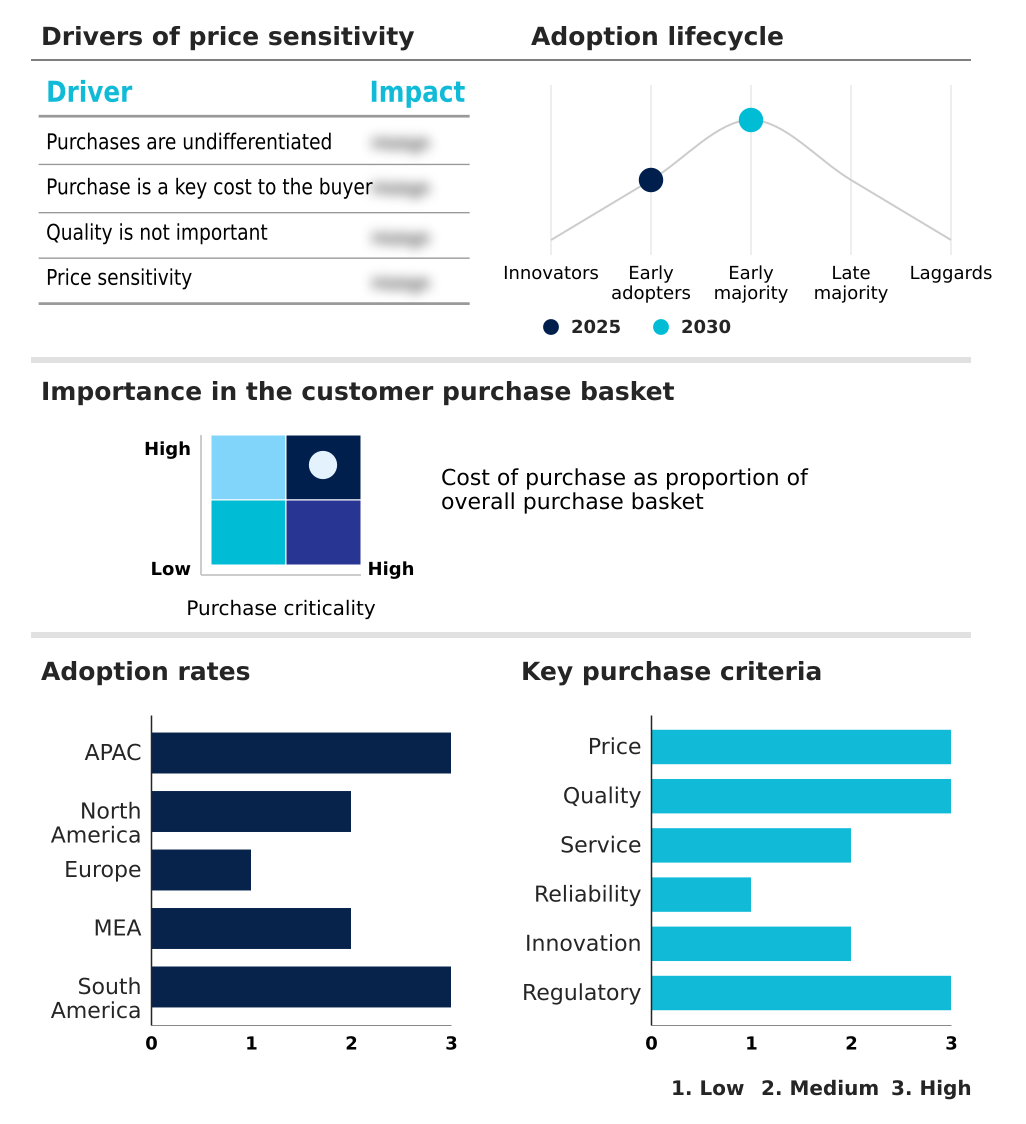
Customer Landscape of Dried Food Industry

Competitive Landscape

Companies are implementing various strategies, such as strategic alliances, dried food market forecast, partnerships, mergers and acquisitions, geographical expansion, and product/service launches, to enhance their presence in the industry.

Ajinomoto Co. Inc. - A provider of dehydrated food ingredients, focusing on flavor, nutrition, and functional properties for food manufacturing applications.

The industry research and growth report includes detailed analyses of the competitive landscape of the market and information about key companies, including:

  • Ajinomoto Co. Inc.
  • Asahi Group Holdings Ltd.
  • B and G Foods Inc.
  • Barilla G and R Fratelli SpA
  • Bobs Red Mill Natural Foods
  • Chaucer Foods Ltd.
  • Conagra Brands Inc.
  • European Freeze Dry
  • General Mills Inc.
  • Hormel Foods Corp.
  • Kerry Group Plc
  • Link Snacks Inc.
  • McCormick and Co. Inc.
  • Mercer Foods LLC
  • Nestle SA
  • Nissin Foods Holdings Co. Ltd.
  • Ocean Spray Cranberries Inc.
  • Saraf Foods Pvt. Ltd.
  • The Kraft Heinz Co.
  • Unilever PLC

Qualitative and quantitative analysis of companies has been conducted to help clients understand the wider business environment as well as the strengths and weaknesses of key industry players. Data is qualitatively analyzed to categorize companies as pure play, category-focused, industry-focused, and diversified; it is quantitatively analyzed to categorize companies as dominant, leading, strong, tentative, and weak.

Recent Development and News in Dried food market

  • In February, 2025, Kraft Heinz initiated a major reformulation of its dehydrated and powdered product lines, targeting the removal of all artificial preservatives and synthetic additives to meet clean-label demands.
  • In March, 2025, Nestle's European division responded to new EU sustainability labeling regulations by committing to source 100% of vegetables for its Maggi brand from regenerative agriculture farms by 2030.
  • In April, 2025, Agthia Group PJSC, in partnership with the UAE Ministry of Climate Change and Environment, began construction on a large-scale, solar-powered food dehydration facility to process surplus local vegetables.
  • In May, 2025, Olam International entered a joint venture with Indonesian super-app Gojek to integrate and distribute a new line of fortified dried food products via the GoFood and GoMart platforms.

Dive into Technavio’s robust research methodology, blending expert interviews, extensive data synthesis, and validated models for unparalleled Dried Food Market insights. See full methodology.

Market Scope
Page number 335
Base year 2025
Historic period 2020-2024
Forecast period 2026-2030
Growth momentum & CAGR Accelerate at a CAGR of 7%
Market growth 2026-2030 USD 8745.4 million
Market structure Fragmented
YoY growth 2025-2026(%) 6.5%
Key countries China, India, Japan, South Korea, Australia, Indonesia, US, Canada, Mexico, Germany, UK, France, Italy, Spain, The Netherlands, Saudi Arabia, UAE, South Africa, Egypt, Turkey, Brazil, Argentina and Chile
Competitive landscape Leading Companies, Market Positioning of Companies, Competitive Strategies, and Industry Risks

Request Free Sample

Research Analyst Overview

  • The dried food market's evolution is defined by a strategic pivot towards value-added products and enhanced operational efficiency. Boardroom decisions are increasingly shaped by the need for significant capital investment in advanced dehydration technology, such as the freeze-drying process, which improves nutrient density and sensory appeal.
  • This focus on quality addresses consumer perception and strengthens brand loyalty through superior product differentiation. Adherence to stringent food safety regulations and achieving organic certification are no longer optional but essential for market access. Managing raw material volatility through a transparent supply chain and sustainable sourcing is critical for maintaining stable production.
  • Firms that successfully integrate these elements, from controlling water activity level to optimizing rehydration ratio, are better positioned. For example, investment in systems that improve moisture content analysis has been shown to reduce batch rejection rates by up to 30%.
  • The landscape is also characterized by market fragmentation and the rise of private label manufacturing, pushing brands to innovate in flavor profile and convenience food solutions to remain competitive.

What are the Key Data Covered in this Dried Food Market Research and Growth Report?

  • What is the expected growth of the Dried Food Market between 2026 and 2030?

    • USD 8.75 billion, at a CAGR of 7%

  • What segmentation does the market report cover?

    • The report is segmented by Product (Fruits, Vegetables, Meat, and Poultry and seafood), Distribution Channel (Supermarkets and hypermarkets, Convenience stores, and Online), Product Type (Conventional, and Organic) and Geography (APAC, North America, Europe, Middle East and Africa, South America)

  • Which regions are analyzed in the report?

    • APAC, North America, Europe, Middle East and Africa and South America

  • What are the key growth drivers and market challenges?

    • Intensifying demand for convenience and on-the-go nutrition, Overcoming negative consumer perceptions and intense competition from fresh foods

  • Who are the major players in the Dried Food Market?

    • Ajinomoto Co. Inc., Asahi Group Holdings Ltd., B and G Foods Inc., Barilla G and R Fratelli SpA, Bobs Red Mill Natural Foods, Chaucer Foods Ltd., Conagra Brands Inc., European Freeze Dry, General Mills Inc., Hormel Foods Corp., Kerry Group Plc, Link Snacks Inc., McCormick and Co. Inc., Mercer Foods LLC, Nestle SA, Nissin Foods Holdings Co. Ltd., Ocean Spray Cranberries Inc., Saraf Foods Pvt. Ltd., The Kraft Heinz Co. and Unilever PLC

Market Research Insights

  • Market dynamics are increasingly influenced by strategic shifts in distribution and product development. The integration of e-commerce platforms and the adoption of a direct-to-consumer model, underpinned by sophisticated digital marketing strategy and first-party data collection, have allowed brands to gain greater brand narrative control. This shift improves customer retention by an average of 25% compared to traditional retail models.
  • In product innovation, the focus on fortified dried food and nutrient-enriched powder is growing, especially within the gourmet snacking category. The development of plant-based jerky and ready-to-eat meal kits using advanced drying techniques has expanded offerings.
  • Concurrently, the implementation of sustainable packaging solutions and resealable pouches has become a key differentiator, with some companies reporting a 15% reduction in packaging-related costs.

We can help! Our analysts can customize this dried food market research report to meet your requirements.

Get in touch

1. Executive Summary

1.1 Market overview

Executive Summary - Chart on Market Overview
Executive Summary - Data Table on Market Overview
Executive Summary - Chart on Global Market Characteristics
Executive Summary - Chart on Market by Geography
Executive Summary - Chart on Market Segmentation by Product
Executive Summary - Chart on Market Segmentation by Distribution Channel
Executive Summary - Chart on Market Segmentation by Product Type
Executive Summary - Chart on Incremental Growth
Executive Summary - Data Table on Incremental Growth
Executive Summary - Chart on Company Market Positioning

2. Technavio Analysis

2.1 Analysis of price sensitivity, lifecycle, customer purchase basket, adoption rates, and purchase criteria

2.2 Criticality of inputs and Factors of differentiation

Chart on Overview on criticality of inputs and factors of differentiation

2.3 Factors of disruption

Chart on Overview on factors of disruption

2.4 Impact of drivers and challenges

Chart on Impact of drivers and challenges in 2025 and 2030

3. Market Landscape

3.1 Market ecosystem

Chart on Parent Market
Data Table on - Parent Market

3.2 Market characteristics

Chart on Market characteristics analysis

3.3 Value chain analysis

Chart on Value chain analysis

4. Market Sizing

4.1 Market definition

Data Table on Offerings of companies included in the market definition

4.2 Market segment analysis

Market segments

4.3 Market size 2025

4.4 Market outlook: Forecast for 2025-2030

Chart on Global - Market size and forecast 2025-2030 ($ million)
Data Table on Global - Market size and forecast 2025-2030 ($ million)
Chart on Global Market: Year-over-year growth 2025-2030 (%)
Data Table on Global Market: Year-over-year growth 2025-2030 (%)

5. Historic Market Size

5.1 Global Dried Food Market 2020 - 2024

Historic Market Size - Data Table on Global Dried Food Market 2020 - 2024 ($ million)

5.2 Product segment analysis 2020 - 2024

Historic Market Size - Product Segment 2020 - 2024 ($ million)

5.3 Distribution Channel segment analysis 2020 - 2024

Historic Market Size - Distribution Channel Segment 2020 - 2024 ($ million)

5.4 Product Type segment analysis 2020 - 2024

Historic Market Size - Product Type Segment 2020 - 2024 ($ million)

5.5 Geography segment analysis 2020 - 2024

Historic Market Size - Geography Segment 2020 - 2024 ($ million)

5.6 Country segment analysis 2020 - 2024

Historic Market Size - Country Segment 2020 - 2024 ($ million)

6. Qualitative Analysis

6.1 Impact of AI on global dried food market

6.2 Impact of geopolitical conflicts on global dried food market

7. Five Forces Analysis

7.1 Five forces summary

Five forces analysis - Comparison between 2025 and 2030

7.2 Bargaining power of buyers

Bargaining power of buyers - Impact of key factors 2025 and 2030

7.3 Bargaining power of suppliers

Bargaining power of suppliers - Impact of key factors in 2025 and 2030

7.4 Threat of new entrants

Threat of new entrants - Impact of key factors in 2025 and 2030

7.5 Threat of substitutes

Threat of substitutes - Impact of key factors in 2025 and 2030

7.6 Threat of rivalry

Threat of rivalry - Impact of key factors in 2025 and 2030

7.7 Market condition

Chart on Market condition - Five forces 2025 and 2030

8. Market Segmentation by Product

8.1 Market segments

Chart on Product - Market share 2025-2030 (%)
Data Table on Product - Market share 2025-2030 (%)

8.2 Comparison by Product

Chart on Comparison by Product
Data Table on Comparison by Product

8.3 Fruits - Market size and forecast 2025-2030

Chart on Fruits - Market size and forecast 2025-2030 ($ million)
Data Table on Fruits - Market size and forecast 2025-2030 ($ million)
Chart on Fruits - Year-over-year growth 2025-2030 (%)
Data Table on Fruits - Year-over-year growth 2025-2030 (%)

8.4 Vegetables - Market size and forecast 2025-2030

Chart on Vegetables - Market size and forecast 2025-2030 ($ million)
Data Table on Vegetables - Market size and forecast 2025-2030 ($ million)
Chart on Vegetables - Year-over-year growth 2025-2030 (%)
Data Table on Vegetables - Year-over-year growth 2025-2030 (%)

8.5 Meat - Market size and forecast 2025-2030

Chart on Meat - Market size and forecast 2025-2030 ($ million)
Data Table on Meat - Market size and forecast 2025-2030 ($ million)
Chart on Meat - Year-over-year growth 2025-2030 (%)
Data Table on Meat - Year-over-year growth 2025-2030 (%)

8.6 Poultry and seafood - Market size and forecast 2025-2030

Chart on Poultry and seafood - Market size and forecast 2025-2030 ($ million)
Data Table on Poultry and seafood - Market size and forecast 2025-2030 ($ million)
Chart on Poultry and seafood - Year-over-year growth 2025-2030 (%)
Data Table on Poultry and seafood - Year-over-year growth 2025-2030 (%)

8.7 Market opportunity by Product

Market opportunity by Product ($ million)
Data Table on Market opportunity by Product ($ million)

9. Market Segmentation by Distribution Channel

9.1 Market segments

Chart on Distribution Channel - Market share 2025-2030 (%)
Data Table on Distribution Channel - Market share 2025-2030 (%)

9.2 Comparison by Distribution Channel

Chart on Comparison by Distribution Channel
Data Table on Comparison by Distribution Channel

9.3 Supermarkets and hypermarkets - Market size and forecast 2025-2030

Chart on Supermarkets and hypermarkets - Market size and forecast 2025-2030 ($ million)
Data Table on Supermarkets and hypermarkets - Market size and forecast 2025-2030 ($ million)
Chart on Supermarkets and hypermarkets - Year-over-year growth 2025-2030 (%)
Data Table on Supermarkets and hypermarkets - Year-over-year growth 2025-2030 (%)

9.4 Convenience stores - Market size and forecast 2025-2030

Chart on Convenience stores - Market size and forecast 2025-2030 ($ million)
Data Table on Convenience stores - Market size and forecast 2025-2030 ($ million)
Chart on Convenience stores - Year-over-year growth 2025-2030 (%)
Data Table on Convenience stores - Year-over-year growth 2025-2030 (%)

9.5 Online - Market size and forecast 2025-2030

Chart on Online - Market size and forecast 2025-2030 ($ million)
Data Table on Online - Market size and forecast 2025-2030 ($ million)
Chart on Online - Year-over-year growth 2025-2030 (%)
Data Table on Online - Year-over-year growth 2025-2030 (%)

9.6 Market opportunity by Distribution Channel

Market opportunity by Distribution Channel ($ million)
Data Table on Market opportunity by Distribution Channel ($ million)

10. Market Segmentation by Product Type

10.1 Market segments

Chart on Product Type - Market share 2025-2030 (%)
Data Table on Product Type - Market share 2025-2030 (%)

10.2 Comparison by Product Type

Chart on Comparison by Product Type
Data Table on Comparison by Product Type

10.3 Conventional - Market size and forecast 2025-2030

Chart on Conventional - Market size and forecast 2025-2030 ($ million)
Data Table on Conventional - Market size and forecast 2025-2030 ($ million)
Chart on Conventional - Year-over-year growth 2025-2030 (%)
Data Table on Conventional - Year-over-year growth 2025-2030 (%)

10.4 Organic - Market size and forecast 2025-2030

Chart on Organic - Market size and forecast 2025-2030 ($ million)
Data Table on Organic - Market size and forecast 2025-2030 ($ million)
Chart on Organic - Year-over-year growth 2025-2030 (%)
Data Table on Organic - Year-over-year growth 2025-2030 (%)

10.5 Market opportunity by Product Type

Market opportunity by Product Type ($ million)
Data Table on Market opportunity by Product Type ($ million)

11. Customer Landscape

11.1 Customer landscape overview

Analysis of price sensitivity, lifecycle, customer purchase basket, adoption rates, and purchase criteria

12. Geographic Landscape

12.1 Geographic segmentation

Chart on Market share by geography 2025-2030 (%)
Data Table on Market share by geography 2025-2030 (%)

12.2 Geographic comparison

Chart on Geographic comparison
Data Table on Geographic comparison

12.3 APAC - Market size and forecast 2025-2030

Chart on APAC - Market size and forecast 2025-2030 ($ million)
Data Table on APAC - Market size and forecast 2025-2030 ($ million)
Chart on APAC - Year-over-year growth 2025-2030 (%)
Data Table on APAC - Year-over-year growth 2025-2030 (%)
Chart on Regional Comparison - APAC
Data Table on Regional Comparison - APAC

12.3.1 China - Market size and forecast 2025-2030

Chart on China - Market size and forecast 2025-2030 ($ million)
Data Table on China - Market size and forecast 2025-2030 ($ million)
Chart on China - Year-over-year growth 2025-2030 (%)
Data Table on China - Year-over-year growth 2025-2030 (%)

12.3.2 India - Market size and forecast 2025-2030

Chart on India - Market size and forecast 2025-2030 ($ million)
Data Table on India - Market size and forecast 2025-2030 ($ million)
Chart on India - Year-over-year growth 2025-2030 (%)
Data Table on India - Year-over-year growth 2025-2030 (%)

12.3.3 Japan - Market size and forecast 2025-2030

Chart on Japan - Market size and forecast 2025-2030 ($ million)
Data Table on Japan - Market size and forecast 2025-2030 ($ million)
Chart on Japan - Year-over-year growth 2025-2030 (%)
Data Table on Japan - Year-over-year growth 2025-2030 (%)

12.3.4 South Korea - Market size and forecast 2025-2030

Chart on South Korea - Market size and forecast 2025-2030 ($ million)
Data Table on South Korea - Market size and forecast 2025-2030 ($ million)
Chart on South Korea - Year-over-year growth 2025-2030 (%)
Data Table on South Korea - Year-over-year growth 2025-2030 (%)

12.3.5 Australia - Market size and forecast 2025-2030

Chart on Australia - Market size and forecast 2025-2030 ($ million)
Data Table on Australia - Market size and forecast 2025-2030 ($ million)
Chart on Australia - Year-over-year growth 2025-2030 (%)
Data Table on Australia - Year-over-year growth 2025-2030 (%)

12.3.6 Indonesia - Market size and forecast 2025-2030

Chart on Indonesia - Market size and forecast 2025-2030 ($ million)
Data Table on Indonesia - Market size and forecast 2025-2030 ($ million)
Chart on Indonesia - Year-over-year growth 2025-2030 (%)
Data Table on Indonesia - Year-over-year growth 2025-2030 (%)

12.4 North America - Market size and forecast 2025-2030

Chart on North America - Market size and forecast 2025-2030 ($ million)
Data Table on North America - Market size and forecast 2025-2030 ($ million)
Chart on North America - Year-over-year growth 2025-2030 (%)
Data Table on North America - Year-over-year growth 2025-2030 (%)
Chart on Regional Comparison - North America
Data Table on Regional Comparison - North America

12.4.1 US - Market size and forecast 2025-2030

Chart on US - Market size and forecast 2025-2030 ($ million)
Data Table on US - Market size and forecast 2025-2030 ($ million)
Chart on US - Year-over-year growth 2025-2030 (%)
Data Table on US - Year-over-year growth 2025-2030 (%)

12.4.2 Canada - Market size and forecast 2025-2030

Chart on Canada - Market size and forecast 2025-2030 ($ million)
Data Table on Canada - Market size and forecast 2025-2030 ($ million)
Chart on Canada - Year-over-year growth 2025-2030 (%)
Data Table on Canada - Year-over-year growth 2025-2030 (%)

12.4.3 Mexico - Market size and forecast 2025-2030

Chart on Mexico - Market size and forecast 2025-2030 ($ million)
Data Table on Mexico - Market size and forecast 2025-2030 ($ million)
Chart on Mexico - Year-over-year growth 2025-2030 (%)
Data Table on Mexico - Year-over-year growth 2025-2030 (%)

12.5 Europe - Market size and forecast 2025-2030

Chart on Europe - Market size and forecast 2025-2030 ($ million)
Data Table on Europe - Market size and forecast 2025-2030 ($ million)
Chart on Europe - Year-over-year growth 2025-2030 (%)
Data Table on Europe - Year-over-year growth 2025-2030 (%)
Chart on Regional Comparison - Europe
Data Table on Regional Comparison - Europe

12.5.1 Germany - Market size and forecast 2025-2030

Chart on Germany - Market size and forecast 2025-2030 ($ million)
Data Table on Germany - Market size and forecast 2025-2030 ($ million)
Chart on Germany - Year-over-year growth 2025-2030 (%)
Data Table on Germany - Year-over-year growth 2025-2030 (%)

12.5.2 UK - Market size and forecast 2025-2030

Chart on UK - Market size and forecast 2025-2030 ($ million)
Data Table on UK - Market size and forecast 2025-2030 ($ million)
Chart on UK - Year-over-year growth 2025-2030 (%)
Data Table on UK - Year-over-year growth 2025-2030 (%)

12.5.3 France - Market size and forecast 2025-2030

Chart on France - Market size and forecast 2025-2030 ($ million)
Data Table on France - Market size and forecast 2025-2030 ($ million)
Chart on France - Year-over-year growth 2025-2030 (%)
Data Table on France - Year-over-year growth 2025-2030 (%)

12.5.4 Italy - Market size and forecast 2025-2030

Chart on Italy - Market size and forecast 2025-2030 ($ million)
Data Table on Italy - Market size and forecast 2025-2030 ($ million)
Chart on Italy - Year-over-year growth 2025-2030 (%)
Data Table on Italy - Year-over-year growth 2025-2030 (%)

12.5.5 Spain - Market size and forecast 2025-2030

Chart on Spain - Market size and forecast 2025-2030 ($ million)
Data Table on Spain - Market size and forecast 2025-2030 ($ million)
Chart on Spain - Year-over-year growth 2025-2030 (%)
Data Table on Spain - Year-over-year growth 2025-2030 (%)

12.5.6 The Netherlands - Market size and forecast 2025-2030

Chart on The Netherlands - Market size and forecast 2025-2030 ($ million)
Data Table on The Netherlands - Market size and forecast 2025-2030 ($ million)
Chart on The Netherlands - Year-over-year growth 2025-2030 (%)
Data Table on The Netherlands - Year-over-year growth 2025-2030 (%)

12.6 Middle East and Africa - Market size and forecast 2025-2030

Chart on Middle East and Africa - Market size and forecast 2025-2030 ($ million)
Data Table on Middle East and Africa - Market size and forecast 2025-2030 ($ million)
Chart on Middle East and Africa - Year-over-year growth 2025-2030 (%)
Data Table on Middle East and Africa - Year-over-year growth 2025-2030 (%)
Chart on Regional Comparison - Middle East and Africa
Data Table on Regional Comparison - Middle East and Africa

12.6.1 Saudi Arabia - Market size and forecast 2025-2030

Chart on Saudi Arabia - Market size and forecast 2025-2030 ($ million)
Data Table on Saudi Arabia - Market size and forecast 2025-2030 ($ million)
Chart on Saudi Arabia - Year-over-year growth 2025-2030 (%)
Data Table on Saudi Arabia - Year-over-year growth 2025-2030 (%)

12.6.2 UAE - Market size and forecast 2025-2030

Chart on UAE - Market size and forecast 2025-2030 ($ million)
Data Table on UAE - Market size and forecast 2025-2030 ($ million)
Chart on UAE - Year-over-year growth 2025-2030 (%)
Data Table on UAE - Year-over-year growth 2025-2030 (%)

12.6.3 South Africa - Market size and forecast 2025-2030

Chart on South Africa - Market size and forecast 2025-2030 ($ million)
Data Table on South Africa - Market size and forecast 2025-2030 ($ million)
Chart on South Africa - Year-over-year growth 2025-2030 (%)
Data Table on South Africa - Year-over-year growth 2025-2030 (%)

12.6.4 Egypt - Market size and forecast 2025-2030

Chart on Egypt - Market size and forecast 2025-2030 ($ million)
Data Table on Egypt - Market size and forecast 2025-2030 ($ million)
Chart on Egypt - Year-over-year growth 2025-2030 (%)
Data Table on Egypt - Year-over-year growth 2025-2030 (%)

12.6.5 Turkey - Market size and forecast 2025-2030

Chart on Turkey - Market size and forecast 2025-2030 ($ million)
Data Table on Turkey - Market size and forecast 2025-2030 ($ million)
Chart on Turkey - Year-over-year growth 2025-2030 (%)
Data Table on Turkey - Year-over-year growth 2025-2030 (%)

12.7 South America - Market size and forecast 2025-2030

Chart on South America - Market size and forecast 2025-2030 ($ million)
Data Table on South America - Market size and forecast 2025-2030 ($ million)
Chart on South America - Year-over-year growth 2025-2030 (%)
Data Table on South America - Year-over-year growth 2025-2030 (%)
Chart on Regional Comparison - South America
Data Table on Regional Comparison - South America

12.7.1 Brazil - Market size and forecast 2025-2030

Chart on Brazil - Market size and forecast 2025-2030 ($ million)
Data Table on Brazil - Market size and forecast 2025-2030 ($ million)
Chart on Brazil - Year-over-year growth 2025-2030 (%)
Data Table on Brazil - Year-over-year growth 2025-2030 (%)

12.7.2 Argentina - Market size and forecast 2025-2030

Chart on Argentina - Market size and forecast 2025-2030 ($ million)
Data Table on Argentina - Market size and forecast 2025-2030 ($ million)
Chart on Argentina - Year-over-year growth 2025-2030 (%)
Data Table on Argentina - Year-over-year growth 2025-2030 (%)

12.7.3 Chile - Market size and forecast 2025-2030

Chart on Chile - Market size and forecast 2025-2030 ($ million)
Data Table on Chile - Market size and forecast 2025-2030 ($ million)
Chart on Chile - Year-over-year growth 2025-2030 (%)
Data Table on Chile - Year-over-year growth 2025-2030 (%)

12.8 Market opportunity by geography

Market opportunity by geography ($ million)
Data Tables on Market opportunity by geography ($ million)

13. Drivers, Challenges, and Opportunity

13.1 Market drivers

Intensifying demand for convenience and on-the-go nutrition
Heightened global focus on health, wellness, and clean label products
Advancements in supply chain logistics and critical need for food waste mitigation

13.2 Market challenges

Overcoming negative consumer perceptions and intense competition from fresh foods
Managing raw material price volatility
Navigating high energy costs and need for significant capital investment

13.3 Impact of drivers and challenges

Impact of drivers and challenges in 2025 and 2030

13.4 Market opportunities

Accelerated innovation in product formulation and premium offerings
Increasing prominence of plant-based and alternative protein sources
Strategic shift towards e-commerce and direct-to-consumer models

14. Competitive Landscape

14.1 Overview

14.2

Overview on criticality of inputs and factors of differentiation

14.3 Landscape disruption

Overview on factors of disruption

14.4 Industry risks

Impact of key risks on business

15. Competitive Analysis

15.1 Companies profiled

Companies covered

15.2 Company ranking index

15.3 Market positioning of companies

Matrix on companies position and classification

15.4 Ajinomoto Co. Inc.

Ajinomoto Co. Inc. - Overview
Ajinomoto Co. Inc. - Business segments
Ajinomoto Co. Inc. - Key news
Ajinomoto Co. Inc. - Key offerings
Ajinomoto Co. Inc. - Segment focus
SWOT

15.5 Asahi Group Holdings Ltd.

Asahi Group Holdings Ltd. - Overview
Asahi Group Holdings Ltd. - Business segments
Asahi Group Holdings Ltd. - Key news
Asahi Group Holdings Ltd. - Key offerings
Asahi Group Holdings Ltd. - Segment focus
SWOT

15.6 B and G Foods Inc.

B and G Foods Inc. - Overview
B and G Foods Inc. - Business segments
B and G Foods Inc. - Key offerings
B and G Foods Inc. - Segment focus
SWOT

15.7 Barilla G and R Fratelli SpA

Barilla G and R Fratelli SpA - Overview
Barilla G and R Fratelli SpA - Product / Service
Barilla G and R Fratelli SpA - Key offerings
SWOT

15.8 Chaucer Foods Ltd.

Chaucer Foods Ltd. - Overview
Chaucer Foods Ltd. - Product / Service
Chaucer Foods Ltd. - Key offerings
SWOT

15.9 Conagra Brands Inc.

Conagra Brands Inc. - Overview
Conagra Brands Inc. - Business segments
Conagra Brands Inc. - Key offerings
Conagra Brands Inc. - Segment focus
SWOT

15.10 General Mills Inc.

General Mills Inc. - Overview
General Mills Inc. - Business segments
General Mills Inc. - Key offerings
General Mills Inc. - Segment focus
SWOT

15.11 Hormel Foods Corp.

Hormel Foods Corp. - Overview
Hormel Foods Corp. - Business segments
Hormel Foods Corp. - Key news
Hormel Foods Corp. - Key offerings
Hormel Foods Corp. - Segment focus
SWOT

15.12 Kerry Group Plc

Kerry Group Plc - Overview
Kerry Group Plc - Business segments
Kerry Group Plc - Key offerings
Kerry Group Plc - Segment focus
SWOT

15.13 Link Snacks Inc.

Link Snacks Inc. - Overview
Link Snacks Inc. - Product / Service
Link Snacks Inc. - Key offerings
SWOT

15.14 McCormick and Co. Inc.

McCormick and Co. Inc. - Overview
McCormick and Co. Inc. - Business segments
McCormick and Co. Inc. - Key news
McCormick and Co. Inc. - Key offerings
McCormick and Co. Inc. - Segment focus
SWOT

15.15 Nestle SA

Nestle SA - Overview
Nestle SA - Business segments
Nestle SA - Key news
Nestle SA - Key offerings
Nestle SA - Segment focus
SWOT

15.16 Ocean Spray Cranberries Inc.

Ocean Spray Cranberries Inc. - Overview
Ocean Spray Cranberries Inc. - Product / Service
Ocean Spray Cranberries Inc. - Key offerings
SWOT

15.17 The Kraft Heinz Co.

The Kraft Heinz Co. - Overview
The Kraft Heinz Co. - Business segments
The Kraft Heinz Co. - Key news
The Kraft Heinz Co. - Key offerings
The Kraft Heinz Co. - Segment focus
SWOT

15.18 Unilever PLC

Unilever PLC - Overview
Unilever PLC - Business segments
Unilever PLC - Key offerings
Unilever PLC - Segment focus
SWOT

16. Appendix

16.1 Scope of the report

Market definition
Objectives
Notes and caveats

16.2 Inclusions and exclusions checklist

Inclusions checklist
Exclusions checklist

16.3 Currency conversion rates for US$

16.4 Research methodology

16.5 Data procurement

Information sources

16.6 Data validation

16.7 Validation techniques employed for market sizing

16.8 Data synthesis

16.9 360 degree market analysis

16.10 List of abbreviations

Research Methodology

Technavio presents a detailed picture of the market by way of study, synthesis, and summation of data from multiple sources. The analysts have presented the various facets of the market with a particular focus on identifying the key industry influencers. The data thus presented is comprehensive, reliable, and the result of extensive research, both primary and secondary.

INFORMATION SOURCES

Primary sources

  • Manufacturers and suppliers
  • Channel partners
  • Industry experts
  • Strategic decision makers

Secondary sources

  • Industry journals and periodicals
  • Government data
  • Financial reports of key industry players
  • Historical data
  • Press releases

DATA ANALYSIS

Data Synthesis

  • Collation of data
  • Estimation of key figures
  • Analysis of derived insights

Data Validation

  • Triangulation with data models
  • Reference against proprietary databases
  • Corroboration with industry experts

REPORT WRITING

Qualitative

  • Market drivers
  • Market challenges
  • Market trends
  • Five forces analysis

Quantitative

  • Market size and forecast
  • Market segmentation
  • Geographical insights
  • Competitive landscape

Interested in this report?

Get your sample now to see our research methodology and insights!

Download Now

Frequently Asked Questions

Dried Food market growth will increase by USD 8745.4 million during 2026-2030.

The Dried Food market is expected to grow at a CAGR of 7% during 2026-2030.

Dried Food market is segmented by Product (Fruits, Vegetables, Meat, Poultry and seafood) Distribution channel (Supermarkets and hypermarkets, Convenience stores, Online) Product type (Conventional, Organic)

Ajinomoto Co. Inc., Asahi Group Holdings Ltd., B and G Foods Inc., Barilla G and R Fratelli SpA, Bobs Red Mill Natural Foods, Chaucer Foods Ltd., Conagra Brands Inc., European Freeze Dry, General Mills Inc., Hormel Foods Corp., Kerry Group Plc, Link Snacks Inc., McCormick and Co. Inc., Mercer Foods LLC, Nestle SA, Nissin Foods Holdings Co. Ltd., Ocean Spray Cranberries Inc., Saraf Foods Pvt. Ltd., The Kraft Heinz Co., Unilever PLC are a few of the key vendors in the Dried Food market.

APAC will register the highest growth rate of 38.2% among the other regions. Therefore, the Dried Food market in APAC is expected to garner significant business opportunities for the vendors during the forecast period.

China, India, Japan, South Korea, Australia, Indonesia, US, Canada, Mexico, Germany, UK, France, Italy, Spain, The Netherlands, Saudi Arabia, UAE, South Africa, Egypt, Turkey, Brazil, Argentina, Chile

  • Intensifying demand for convenience and on-the-go nutrition is the driving factor this market.

The Dried Food market vendors should focus on grabbing business opportunities from the Product segment as it accounted for the largest market share in the base year.