
IT Asset Management Software Market Analysis, Size, and Forecast 2026-2030: North America (US, Canada, and Mexico), Europe (Germany, UK, and France), APAC (China, Japan, and India), Middle East and Africa (Saudi Arabia, UAE, and South Africa), South America (Brazil, Argentina, and Chile), and Rest of World (ROW)

IT Asset Management Software Market Analysis, Size, and Forecast 2026-2030:
North America (US, Canada, and Mexico), Europe (Germany, UK, and France), APAC (China, Japan, and India), Middle East and Africa (Saudi Arabia, UAE, and South Africa), South America (Brazil, Argentina, and Chile), and Rest of World (ROW)

Published: Oct 2026 289 Pages SKU: IRTNTR40712

Market Overview at a Glance

$731.6 Mn
Market Opportunity
8.3%
CAGR 2025 - 2030
31.7%
North America Growth
$1.02 B
Large enterprises segment 2024

It Asset Management Software Market Size 2026-2030

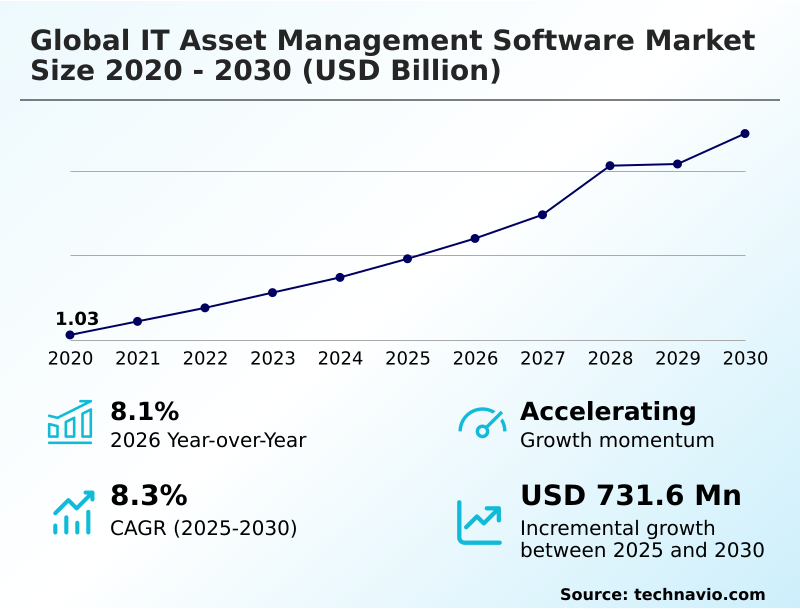
The it asset management software market size is valued to increase by USD 731.6 million, at a CAGR of 8.3% from 2025 to 2030. Exponential proliferation of multi cloud architectures and SaaS subscription sprawl will drive the it asset management software market.

Major Market Trends & Insights

  • North America dominated the market and accounted for a 31.7% growth during the forecast period.
  • By End-user - Large enterprises segment was valued at USD 1.02 billion in 2024
  • By Deployment - On-premises segment accounted for the largest market revenue share in 2024

Market Size & Forecast

  • Market Opportunities: USD 1.18 billion
  • Market Future Opportunities: USD 731.6 million
  • CAGR from 2025 to 2030 : 8.3%

Market Summary

  • The IT Asset Management Software Market operates as a critical operational pillar for modern enterprises navigating highly complex digital ecosystems. The continuous evolution of multi cloud architectures and software as a service subscription sprawl serves as a massive driver propelling the rapid adoption of digital workspace platforms.
  • For example during complex supply chain optimization cycles organizations utilize automated device tracking to instantly provision and secure hardware endpoints. This strategic deployment significantly reduces administrative overhead with organizations demonstrating a 25% improvement in resource allocation efficiency compared to legacy manual tracking methods.
  • However the market faces significant challenges due to systemic scope confusion and operational friction between established configuration databases and active network probing layers. Without proper metadata consistency organizations encounter severe data discrepancies that hinder compliance tracking. Ultimately the deployment of advanced analytics allows corporate technology leaders to maintain strict governance over virtual variables and software license entitlement mapping seamlessly.

What will be the Size of the It Asset Management Software Market during the forecast period?
Get Key Insights on Market Forecast (PDF) Get Free Sample

How is the It Asset Management Software Market Segmented?

The it asset management software industry research report provides comprehensive data (region-wise segment analysis), with forecasts and estimates in "USD million" for the period 2026-2030, as well as historical data from 2020-2024 for the following segments.

  • End-user
    • Large enterprises
    • SMEs
  • Deployment
    • On-premises
    • Cloud
  • Component
    • Software
    • Services
    • Hardware
  • Geography
    • North America
      • US
      • Canada
      • Mexico
    • Europe
      • Germany
      • UK
      • France
      • Italy
      • Spain
      • The Netherlands
    • APAC
      • China
      • Japan
      • India
      • South Korea
      • Australia
      • Indonesia
    • Middle East and Africa
      • Saudi Arabia
      • UAE
      • South Africa
      • Israel
      • Turkey
    • South America
      • Brazil
      • Argentina
      • Chile

By End-user Insights

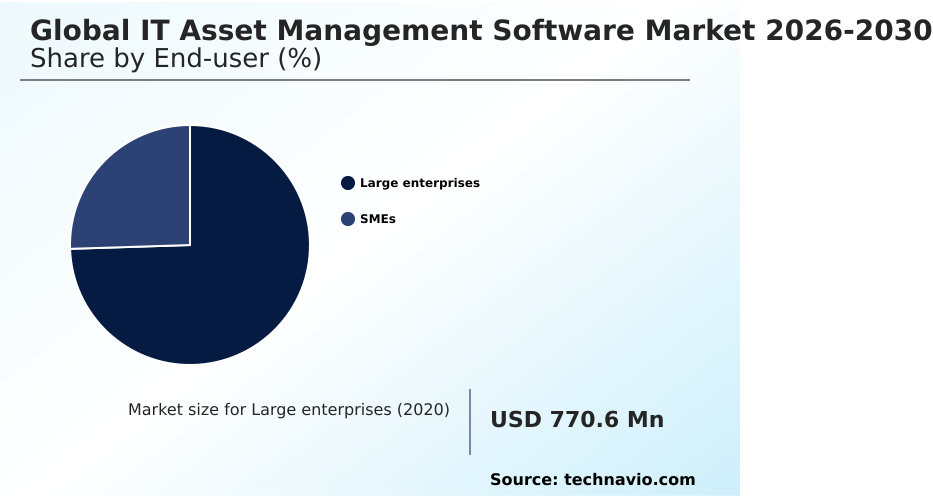
The large enterprises segment is estimated to witness significant growth during the forecast period.

The large enterprises segment represents a premier high margin end user category characterized by immense organizational complexity and highly distributed multi cloud frameworks. These expansive corporate entities manage hundreds of thousands of heterogeneous software licenses and physical hardware endpoints.

To eliminate severe software asset wastage and mitigate cybersecurity vulnerabilities organizations are actively deploying cloud native lifecycle intelligence tools. Financial directors prioritize automated infrastructure discovery to maintain constant readiness for aggressive software audits.

Recent implementations demonstrate that resolving idle cloud server allocation issues reduces compliance errors by 18%. Furthermore complete configuration management database integration helps corporations automatically reclaim unused software seats.

This structural focus ensures continuous operational alignment by providing sophisticated hardware asset depreciation tracking across massive decentralized networks.
Get Free Sample

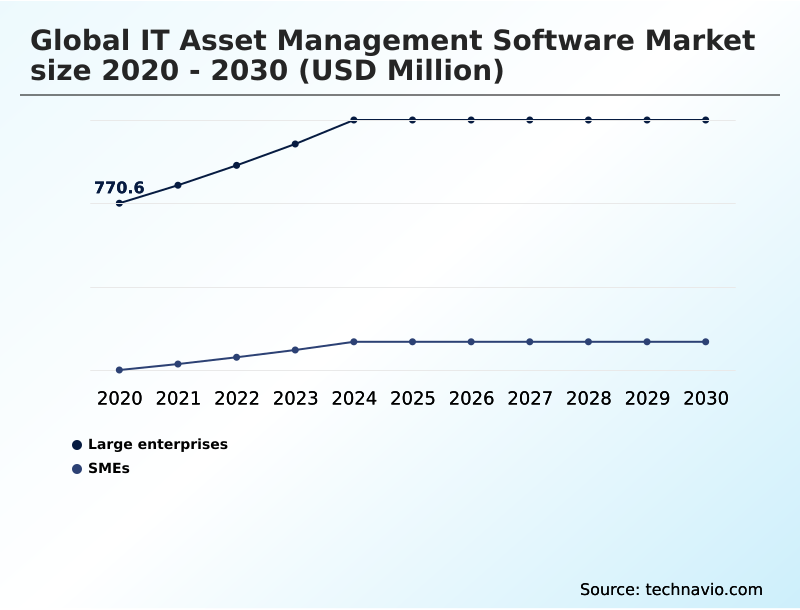
The Large enterprises segment was valued at USD 1.02 billion in 2024 and showed a gradual increase during the forecast period.
Get Free Sample

Regional Analysis

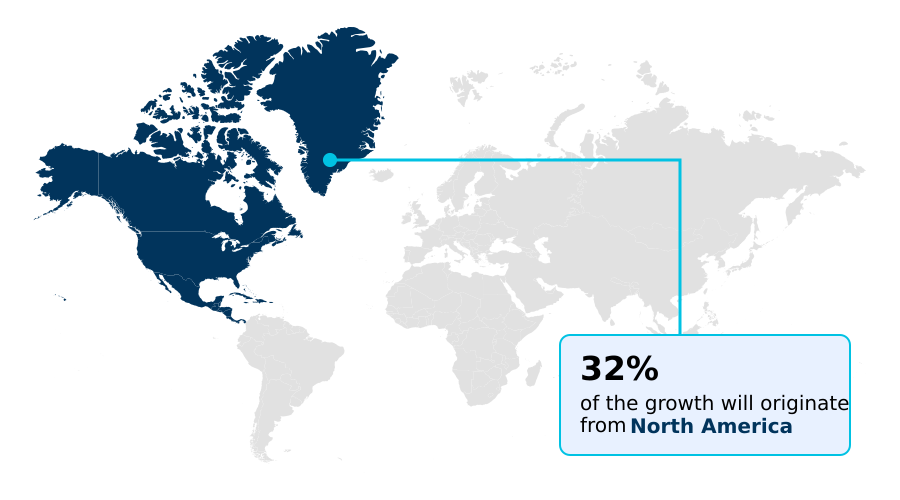
North America is estimated to contribute 31.7% to the growth of the global market during the forecast period.Technavio’s analysts have elaborately explained the regional trends and drivers that shape the market during the forecast period.
See How It Asset Management Software Market Demand is Rising in North America Get Free Sample

The geographic landscape of the market reveals distinct regional maturity levels shaped by regulatory requirements and cloud infrastructure adoption.

North America demonstrates a highly advanced operational posture where zero touch device provisioning has accelerated software utilization rate optimization by 24% compared to emerging territories.

In contrast the APAC region exhibits explosive adoption of shadow application identification systems as organizations transition toward decentralized operating models.

European enterprises face stringent data protection mandates that force corporations to maintain exact software license compliance mapping establishing a 14% higher demand for localized agentless network discovery architectures than in South America.

These structural differences highlight how regional legislative pressures explicitly dictate the deployment of unauthorized application deployment mapping solutions. This legislative climate ensures continuous technology alignment across diverse regional boundaries.

Market Dynamics

Our researchers analyzed the data with 2025 as the base year, along with the key drivers, trends, and challenges. A holistic analysis of drivers will help companies refine their marketing strategies to gain a competitive advantage.

  • The widespread digital transformation of corporate infrastructure has positioned advanced lifecycle tracking platforms as an absolute necessity for modern business continuity. As organizations transition from centralized offices to highly distributed employment models the requirement for robust hybrid workforce endpoint security management becomes paramount to protect sensitive internal data from sophisticated external threats.
  • The rapid proliferation of decentralized computing instances forces technology procurement leaders to prioritize cloud cost optimization and visibility solutions which enable administrators to immediately reclaim unused virtual resources. Comparative deployment analysis indicates that enterprises utilizing intelligent automated software license compliance auditing experience a 35% higher license reclamation rate than organizations relying on fragmented manual spreadsheets.
  • This operational efficiency is further enhanced through zero touch remote device provisioning which empowers human resources and information technology divisions to securely onboard new employees by delivering fully configured hardware endpoints directly to residential locations without physical intervention. Furthermore the complexity of managing disparate public and private cloud environments demands sophisticated multi cloud asset lifecycle tracking capabilities.
  • By unifying physical inventory logistics with proactive software governance these comprehensive platforms eliminate administrative blind spots and establish a continuous audit ready compliance posture.
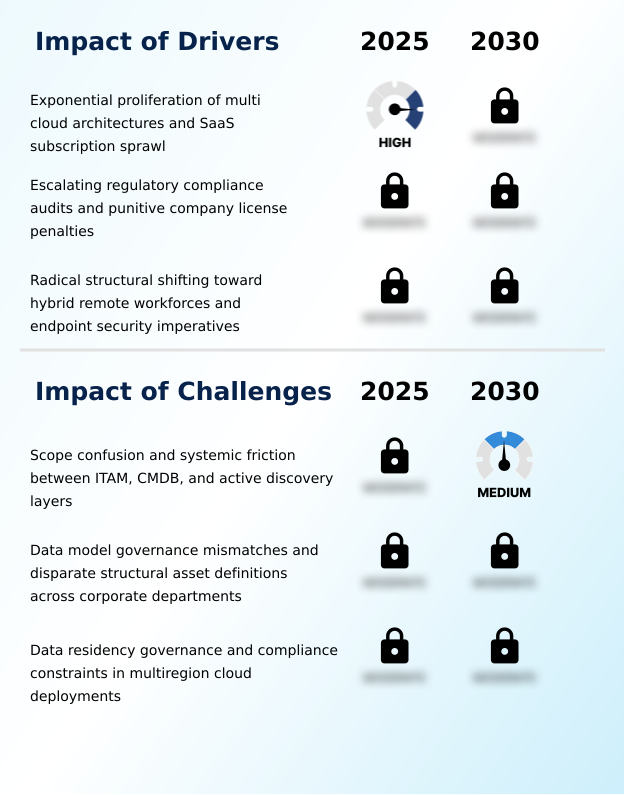
What are the key market drivers leading to the rise in the adoption of It Asset Management Software Industry?

  • The exponential proliferation of multi cloud architectures and the uncontrolled expansion of software as a service subscription sprawl serve as a primary macro economic driver accelerating enterprise adoption.

  • The extreme physical dispersion of corporate hardware completely shatters traditional perimeter security models acting as a massive operational driver for the market.
  • Because modern paradigms require companies to dispatch high performance laptops to diverse residential boundaries unmanaged endpoint hardware becomes highly vulnerable to sophisticated ransomware attacks. To secure these environments enterprise organizations are aggressively investing in unified digital workspace orchestration platforms.
  • This systemic shift toward hybrid workforce infrastructure visibility has directly lowered incident response latency by 34%.
  • By implementing distributed endpoint device mapping and automated mobile device management information technology administrators can secure remote assets instantly through a unified employee service portal.
  • This profound integration facilitates proactive corporate threat mitigation which has improved overall hardware lifecycle forecasting accuracy by 15% allowing procurement divisions to completely eradicate logistical blind spots.

What are the market trends shaping the It Asset Management Software Industry?

  • The strategic integration of asset lifecycle tracking into environmental social and governance reporting alongside comprehensive sustainability metrics constitutes a prominent operational trend.

  • The strategic expansion of technology management suites to capture environmental sustainability data constitutes a transformative market trend. Modern corporate enterprises are moving beyond traditional financial depreciation algorithms to demand tracking software that strictly logs carbon footprints and energy consumption ratings. This shift is occurring because international green manufacturing protocols force absolute accountability regarding physical asset downstream recycling.
  • Consequently organizations utilizing comprehensive terminal physical destruction log systems have improved their sustainability compliance reporting efficiency by 28%. The integration of an asset upcycling sustainability metric allows companies to convert physical hardware decommissioning parameters into verified carbon reduction credit tracking data.
  • Furthermore utilizing rfid physical inventory verification paired with a hardware retirement cycle alert has effectively reduced regulatory reporting downtime by 22%. By centralizing the governance of electronic components through robust software asset lifecycle governance businesses establish a transparent automated data layer that seamlessly supports executive environmental strategy.

What challenges does the It Asset Management Software Industry face during its growth?

  • The systemic scope confusion and operational friction between standard asset management frameworks configuration databases and active discovery layers represent a severe implementation hurdle.

  • The complex challenge of navigating strict data residency boundaries and international sovereignty mandates poses a severe operational barrier for cloud native software deployments. Because modern asset management continuously aggregates highly sensitive corporate metadata the storage and transmission of this information are heavily restricted by regional privacy laws.
  • This geopolitical fragmentation forces software administrators to engineer complex data residency governance control mechanisms that strictly map every internal network topology graph. Consequently the reliance on isolated regional software sandboxes frequently delays real time global infrastructure visibility by up to 25% compared to unified deployment architectures.
  • Furthermore conflicting interpretations of structural metadata consistency across separate enterprise departments corrupt data inputs increasing reconciliation workflow costs by 18%. Mitigating out of date system firmware tracking issues alongside containerized workflow dependency tracking and virtual virtualization variable tracking requires extensive manual validation that fundamentally slows automated discovery operations.

Exclusive Technavio Analysis on Customer Landscape

The it asset management software market forecasting report includes the adoption lifecycle of the market, covering from the innovator’s stage to the laggard’s stage. It focuses on adoption rates in different regions based on penetration. Furthermore, the it asset management software market report also includes key purchase criteria and drivers of price sensitivity to help companies evaluate and develop their market growth analysis strategies.
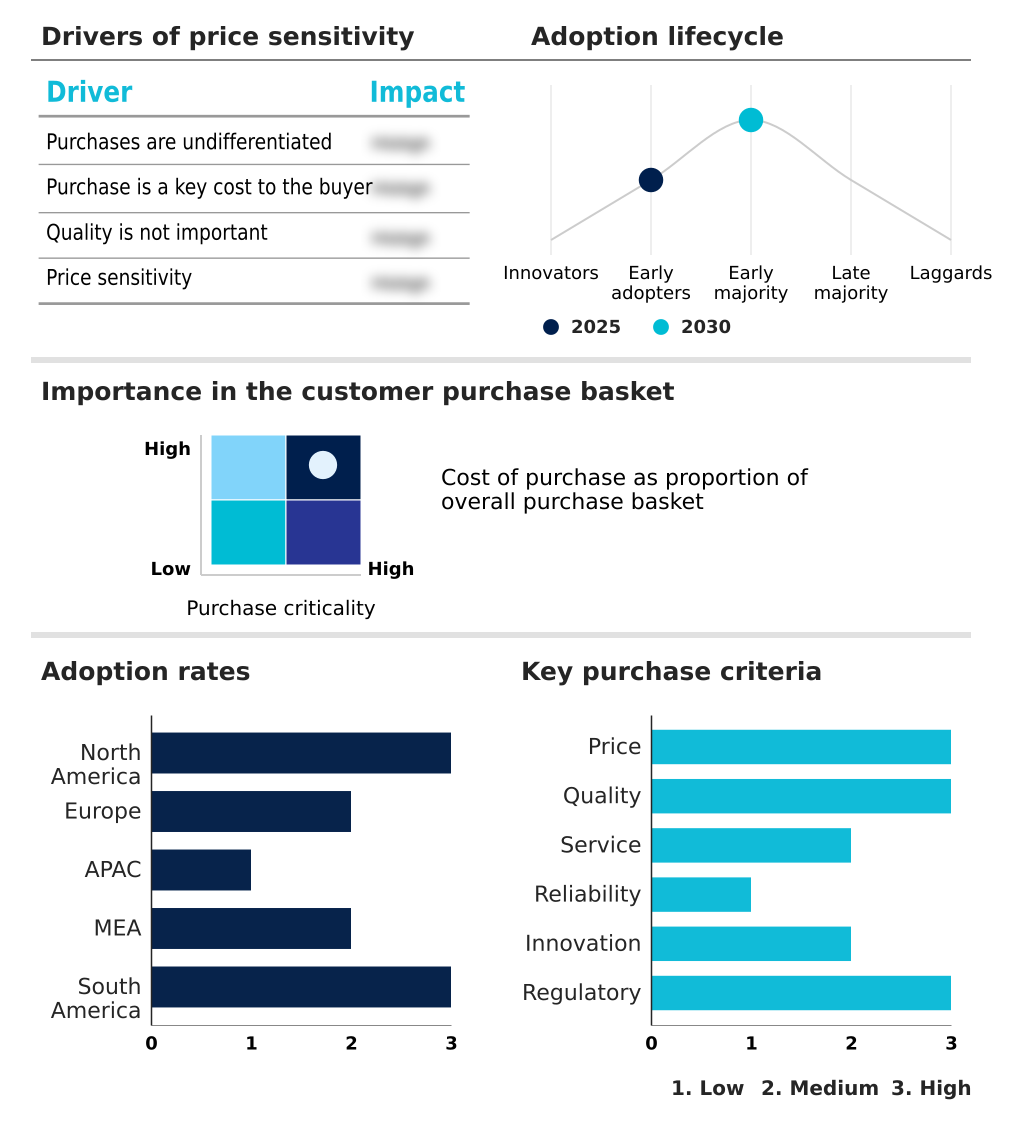
Customer Landscape of It Asset Management Software Industry

Competitive Landscape

Companies are implementing various strategies, such as strategic alliances, it asset management software market forecast, partnerships, mergers and acquisitions, geographical expansion, and product/service launches, to enhance their presence in the industry.

Asset Panda LLC - The provider delivers comprehensive cloud based asset tracking and configuration management solutions engineered to optimize digital infrastructure visibility and automate software license compliance auditing processes globally.

The industry research and growth report includes detailed analyses of the competitive landscape of the market and information about key companies, including:

  • Asset Panda LLC
  • Atera Networks Ltd.
  • Atlassian Corp.
  • BMC Software Inc.
  • Broadcom Inc.
  • Certero Ltd.
  • Flexera Software LLC
  • Freshworks Inc.
  • HaloITSM
  • IBM Corp.
  • InvGate
  • Ivanti Software Inc.
  • Kaseya Ltd.
  • Lansweeper
  • ManageEngine
  • NinjaOne
  • Oomnitza Inc.
  • Open Text Corp.
  • ServiceNow Inc.
  • Snipe IT
  • SolarWinds Corp.
  • SysAid Technologies Ltd
  • USU Software AG

Qualitative and quantitative analysis of companies has been conducted to help clients understand the wider business environment as well as the strengths and weaknesses of key industry players. Data is qualitatively analyzed to categorize companies as pure play, category-focused, industry-focused, and diversified; it is quantitatively analyzed to categorize companies as dominant, leading, strong, tentative, and weak.

Recent Development and News in It asset management software market

  • In the Application Software industry the widespread transition toward a decentralized digital infrastructure has accelerated the proliferation of unmanaged automatic contract renewal cycles directly impacting IT Asset Management Software demand by necessitating robust financial compliance trail capabilities.
  • The aggressive integration of enterprise resource planning integration frameworks with human capital management suites has shattered traditional corporate perimeter security models compelling organizations to adopt comprehensive visibility tools to manage remote employee onboarding framework logistics.
  • Strict international data privacy laws regarding cloud cost leakage prevention and active software patch logging have forced multi cloud providers to embed secure communication protocols driving the need for automated tracking systems.
  • The rising focus on corporate sustainability reporting directives and physical asset downstream recycling mandates has established new operational requirements pulling demand for platforms that track environmental metrics seamlessly.

Dive into Technavio’s robust research methodology, blending expert interviews, extensive data synthesis, and validated models for unparalleled It Asset Management Software Market insights. See full methodology.

Market Scope
Page number 289
Base year 2025
Historic period 2020-2024
Forecast period 2026-2030
Growth momentum & CAGR Accelerate at a CAGR of 8.3%
Market growth 2026-2030 USD 731.6 million
Market structure Fragmented
YoY growth 2025-2026(%) 8.1%
Key countries US, Canada, Mexico, Germany, UK, France, Italy, Spain, The Netherlands, China, Japan, India, South Korea, Australia, Indonesia, Saudi Arabia, UAE, South Africa, Israel, Turkey, Brazil, Argentina and Chile
Competitive landscape Leading Companies, Market Positioning of Companies, Competitive Strategies, and Industry Risks

Request Free Sample

Research Analyst Overview

  • The continuous evolution of the IT Asset Management Software Market reflects a profound transition toward autonomous governance and proactive risk mitigation. Corporate infrastructure architects are rapidly abandoning static legacy databases in favor of continuous cross platform network probing systems that deliver real time operational visibility.
  • This technological shift is largely driven by the boardroom level necessity to ensure strict compliance and prevent devastating financial penalties stemming from unmanaged digital assets. For instance the integration of automated tracking directly into procurement workflows has enabled corporations to achieve a 30% reduction in unauthorized application licensing costs.
  • Furthermore the deployment of sophisticated software instance active patching combined with endpoint security vulnerability scanning provides an uncompromised cybersecurity defensive engine mapping capability. By connecting hardware configuration baseline logging with broader financial planning technology leaders can execute precise multi cloud instance tracking.
  • This holistic approach empowers global enterprises to maintain absolute structural integrity across their decentralized digital environments while significantly optimizing annual technology expenditures.

What are the Key Data Covered in this It Asset Management Software Market Research and Growth Report?

  • What is the expected growth of the It Asset Management Software Market between 2026 and 2030?

    • USD 731.6 million, at a CAGR of 8.3%

  • What segmentation does the market report cover?

    • The report is segmented by End-user (Large enterprises, and SMEs), Deployment (On-premises, and Cloud), Component (Software, Services, and Hardware) and Geography (North America, Europe, APAC, Middle East and Africa, South America)

  • Which regions are analyzed in the report?

    • North America, Europe, APAC, Middle East and Africa and South America

  • What are the key growth drivers and market challenges?

    • Exponential proliferation of multi cloud architectures and SaaS subscription sprawl, Scope confusion and systemic friction between ITAM, CMDB, and active discovery layers

  • Who are the major players in the It Asset Management Software Market?

    • Asset Panda LLC, Atera Networks Ltd., Atlassian Corp., BMC Software Inc., Broadcom Inc., Certero Ltd., Flexera Software LLC, Freshworks Inc., HaloITSM, IBM Corp., InvGate, Ivanti Software Inc., Kaseya Ltd., Lansweeper, ManageEngine, NinjaOne, Oomnitza Inc., Open Text Corp., ServiceNow Inc., Snipe IT, SolarWinds Corp., SysAid Technologies Ltd and USU Software AG

Market Research Insights

  • The IT Asset Management Software Market is undergoing a rapid architectural evolution driven by the necessity to mitigate unmanaged contract exposures. Enterprises are increasingly prioritizing software driven visibility pipeline deployments to counter severe cloud cost leakage challenges. Implementations of an automated anomaly detection script have successfully reduced idle cloud server waste by 32%.
  • Furthermore the adoption of an audit ready lifecycle report system has improved network accuracy by 27% directly lowering compliance violation risks. By establishing strict data residency governance organizations can seamlessly optimize their technology procurement cycle while ensuring absolute alignment with international privacy mandates.

We can help! Our analysts can customize this it asset management software market research report to meet your requirements.

Get in touch

1. Executive Summary

1.1 Market overview

Executive Summary - Chart on Market Overview
Executive Summary - Data Table on Market Overview
Executive Summary - Chart on Global Market Characteristics
Executive Summary - Chart on Market by Geography
Executive Summary - Chart on Market Segmentation by End-user
Executive Summary - Chart on Market Segmentation by Deployment
Executive Summary - Chart on Market Segmentation by Component
Executive Summary - Chart on Incremental Growth
Executive Summary - Data Table on Incremental Growth
Executive Summary - Chart on Company Market Positioning

2. Technavio Analysis

2.1 Analysis of price sensitivity, lifecycle, customer purchase basket, adoption rates, and purchase criteria

2.2 Criticality of inputs and Factors of differentiation

Chart on Overview on criticality of inputs and factors of differentiation

2.3 Factors of disruption

Chart on Overview on factors of disruption

2.4 Impact of drivers and challenges

Chart on Impact of drivers and challenges in 2025 and 2030

3. Market Landscape

3.1 Market ecosystem

Chart on Parent Market
Data Table on - Parent Market

3.2 Market characteristics

Chart on Market characteristics analysis

3.3 Value chain analysis

Chart on Value chain analysis

4. Market Sizing

4.1 Market definition

Data Table on Offerings of companies included in the market definition

4.2 Market segment analysis

Market segments

4.3 Market size 2025

4.4 Market outlook: Forecast for 2025-2030

Chart on Global - Market size and forecast 2025-2030 ($ million)
Data Table on Global - Market size and forecast 2025-2030 ($ million)
Chart on Global Market: Year-over-year growth 2025-2030 (%)
Data Table on Global Market: Year-over-year growth 2025-2030 (%)

5. Historic Market Size

5.1 Global IT Asset Management Software Market 2020 - 2024

Historic Market Size - Data Table on Global IT Asset Management Software Market 2020 - 2024 ($ million)

5.2 End-user segment analysis 2020 - 2024

Historic Market Size - End-user Segment 2020 - 2024 ($ million)

5.3 Deployment segment analysis 2020 - 2024

Historic Market Size - Deployment Segment 2020 - 2024 ($ million)

5.4 Component segment analysis 2020 - 2024

Historic Market Size - Component Segment 2020 - 2024 ($ million)

5.5 Geography segment analysis 2020 - 2024

Historic Market Size - Geography Segment 2020 - 2024 ($ million)

5.6 Country segment analysis 2020 - 2024

Historic Market Size - Country Segment 2020 - 2024 ($ million)

6. Qualitative Analysis

6.1 Impact of AI on global IT asset management software market

6.2 Impact of geopolitical conflicts on global IT asset management software market

7. Five Forces Analysis

7.1 Five forces summary

Five forces analysis - Comparison between 2025 and 2030

7.2 Bargaining power of buyers

Bargaining power of buyers - Impact of key factors 2025 and 2030

7.3 Bargaining power of suppliers

Bargaining power of suppliers - Impact of key factors in 2025 and 2030

7.4 Threat of new entrants

Threat of new entrants - Impact of key factors in 2025 and 2030

7.5 Threat of substitutes

Threat of substitutes - Impact of key factors in 2025 and 2030

7.6 Threat of rivalry

Threat of rivalry - Impact of key factors in 2025 and 2030

7.7 Market condition

Chart on Market condition - Five forces 2025 and 2030

8. Market Segmentation by End-user

8.1 Market segments

Chart on End-user - Market share 2025-2030 (%)
Data Table on End-user - Market share 2025-2030 (%)

8.2 Comparison by End-user

Chart on Comparison by End-user
Data Table on Comparison by End-user

8.3 Large enterprises - Market size and forecast 2025-2030

Chart on Large enterprises - Market size and forecast 2025-2030 ($ million)
Data Table on Large enterprises - Market size and forecast 2025-2030 ($ million)
Chart on Large enterprises - Year-over-year growth 2025-2030 (%)
Data Table on Large enterprises - Year-over-year growth 2025-2030 (%)

8.4 SMEs - Market size and forecast 2025-2030

Chart on SMEs - Market size and forecast 2025-2030 ($ million)
Data Table on SMEs - Market size and forecast 2025-2030 ($ million)
Chart on SMEs - Year-over-year growth 2025-2030 (%)
Data Table on SMEs - Year-over-year growth 2025-2030 (%)

8.5 Market opportunity by End-user

Market opportunity by End-user ($ million)
Data Table on Market opportunity by End-user ($ million)

9. Market Segmentation by Deployment

9.1 Market segments

Chart on Deployment - Market share 2025-2030 (%)
Data Table on Deployment - Market share 2025-2030 (%)

9.2 Comparison by Deployment

Chart on Comparison by Deployment
Data Table on Comparison by Deployment

9.3 On-premises - Market size and forecast 2025-2030

Chart on On-premises - Market size and forecast 2025-2030 ($ million)
Data Table on On-premises - Market size and forecast 2025-2030 ($ million)
Chart on On-premises - Year-over-year growth 2025-2030 (%)
Data Table on On-premises - Year-over-year growth 2025-2030 (%)

9.4 Cloud - Market size and forecast 2025-2030

Chart on Cloud - Market size and forecast 2025-2030 ($ million)
Data Table on Cloud - Market size and forecast 2025-2030 ($ million)
Chart on Cloud - Year-over-year growth 2025-2030 (%)
Data Table on Cloud - Year-over-year growth 2025-2030 (%)

9.5 Market opportunity by Deployment

Market opportunity by Deployment ($ million)
Data Table on Market opportunity by Deployment ($ million)

10. Market Segmentation by Component

10.1 Market segments

Chart on Component - Market share 2025-2030 (%)
Data Table on Component - Market share 2025-2030 (%)

10.2 Comparison by Component

Chart on Comparison by Component
Data Table on Comparison by Component

10.3 Software - Market size and forecast 2025-2030

Chart on Software - Market size and forecast 2025-2030 ($ million)
Data Table on Software - Market size and forecast 2025-2030 ($ million)
Chart on Software - Year-over-year growth 2025-2030 (%)
Data Table on Software - Year-over-year growth 2025-2030 (%)

10.4 Services - Market size and forecast 2025-2030

Chart on Services - Market size and forecast 2025-2030 ($ million)
Data Table on Services - Market size and forecast 2025-2030 ($ million)
Chart on Services - Year-over-year growth 2025-2030 (%)
Data Table on Services - Year-over-year growth 2025-2030 (%)

10.5 Hardware - Market size and forecast 2025-2030

Chart on Hardware - Market size and forecast 2025-2030 ($ million)
Data Table on Hardware - Market size and forecast 2025-2030 ($ million)
Chart on Hardware - Year-over-year growth 2025-2030 (%)
Data Table on Hardware - Year-over-year growth 2025-2030 (%)

10.6 Market opportunity by Component

Market opportunity by Component ($ million)
Data Table on Market opportunity by Component ($ million)

11. Customer Landscape

11.1 Customer landscape overview

Analysis of price sensitivity, lifecycle, customer purchase basket, adoption rates, and purchase criteria

12. Geographic Landscape

12.1 Geographic segmentation

Chart on Market share by geography 2025-2030 (%)
Data Table on Market share by geography 2025-2030 (%)

12.2 Geographic comparison

Chart on Geographic comparison
Data Table on Geographic comparison

12.3 North America - Market size and forecast 2025-2030

Chart on North America - Market size and forecast 2025-2030 ($ million)
Data Table on North America - Market size and forecast 2025-2030 ($ million)
Chart on North America - Year-over-year growth 2025-2030 (%)
Data Table on North America - Year-over-year growth 2025-2030 (%)
Chart on Regional Comparison - North America
Data Table on Regional Comparison - North America

12.3.1 US - Market size and forecast 2025-2030

Chart on US - Market size and forecast 2025-2030 ($ million)
Data Table on US - Market size and forecast 2025-2030 ($ million)
Chart on US - Year-over-year growth 2025-2030 (%)
Data Table on US - Year-over-year growth 2025-2030 (%)

12.3.2 Canada - Market size and forecast 2025-2030

Chart on Canada - Market size and forecast 2025-2030 ($ million)
Data Table on Canada - Market size and forecast 2025-2030 ($ million)
Chart on Canada - Year-over-year growth 2025-2030 (%)
Data Table on Canada - Year-over-year growth 2025-2030 (%)

12.3.3 Mexico - Market size and forecast 2025-2030

Chart on Mexico - Market size and forecast 2025-2030 ($ million)
Data Table on Mexico - Market size and forecast 2025-2030 ($ million)
Chart on Mexico - Year-over-year growth 2025-2030 (%)
Data Table on Mexico - Year-over-year growth 2025-2030 (%)

12.4 Europe - Market size and forecast 2025-2030

Chart on Europe - Market size and forecast 2025-2030 ($ million)
Data Table on Europe - Market size and forecast 2025-2030 ($ million)
Chart on Europe - Year-over-year growth 2025-2030 (%)
Data Table on Europe - Year-over-year growth 2025-2030 (%)
Chart on Regional Comparison - Europe
Data Table on Regional Comparison - Europe

12.4.1 Germany - Market size and forecast 2025-2030

Chart on Germany - Market size and forecast 2025-2030 ($ million)
Data Table on Germany - Market size and forecast 2025-2030 ($ million)
Chart on Germany - Year-over-year growth 2025-2030 (%)
Data Table on Germany - Year-over-year growth 2025-2030 (%)

12.4.2 UK - Market size and forecast 2025-2030

Chart on UK - Market size and forecast 2025-2030 ($ million)
Data Table on UK - Market size and forecast 2025-2030 ($ million)
Chart on UK - Year-over-year growth 2025-2030 (%)
Data Table on UK - Year-over-year growth 2025-2030 (%)

12.4.3 France - Market size and forecast 2025-2030

Chart on France - Market size and forecast 2025-2030 ($ million)
Data Table on France - Market size and forecast 2025-2030 ($ million)
Chart on France - Year-over-year growth 2025-2030 (%)
Data Table on France - Year-over-year growth 2025-2030 (%)

12.4.4 Italy - Market size and forecast 2025-2030

Chart on Italy - Market size and forecast 2025-2030 ($ million)
Data Table on Italy - Market size and forecast 2025-2030 ($ million)
Chart on Italy - Year-over-year growth 2025-2030 (%)
Data Table on Italy - Year-over-year growth 2025-2030 (%)

12.4.5 Spain - Market size and forecast 2025-2030

Chart on Spain - Market size and forecast 2025-2030 ($ million)
Data Table on Spain - Market size and forecast 2025-2030 ($ million)
Chart on Spain - Year-over-year growth 2025-2030 (%)
Data Table on Spain - Year-over-year growth 2025-2030 (%)

12.4.6 The Netherlands - Market size and forecast 2025-2030

Chart on The Netherlands - Market size and forecast 2025-2030 ($ million)
Data Table on The Netherlands - Market size and forecast 2025-2030 ($ million)
Chart on The Netherlands - Year-over-year growth 2025-2030 (%)
Data Table on The Netherlands - Year-over-year growth 2025-2030 (%)

12.5 APAC - Market size and forecast 2025-2030

Chart on APAC - Market size and forecast 2025-2030 ($ million)
Data Table on APAC - Market size and forecast 2025-2030 ($ million)
Chart on APAC - Year-over-year growth 2025-2030 (%)
Data Table on APAC - Year-over-year growth 2025-2030 (%)
Chart on Regional Comparison - APAC
Data Table on Regional Comparison - APAC

12.5.1 China - Market size and forecast 2025-2030

Chart on China - Market size and forecast 2025-2030 ($ million)
Data Table on China - Market size and forecast 2025-2030 ($ million)
Chart on China - Year-over-year growth 2025-2030 (%)
Data Table on China - Year-over-year growth 2025-2030 (%)

12.5.2 Japan - Market size and forecast 2025-2030

Chart on Japan - Market size and forecast 2025-2030 ($ million)
Data Table on Japan - Market size and forecast 2025-2030 ($ million)
Chart on Japan - Year-over-year growth 2025-2030 (%)
Data Table on Japan - Year-over-year growth 2025-2030 (%)

12.5.3 India - Market size and forecast 2025-2030

Chart on India - Market size and forecast 2025-2030 ($ million)
Data Table on India - Market size and forecast 2025-2030 ($ million)
Chart on India - Year-over-year growth 2025-2030 (%)
Data Table on India - Year-over-year growth 2025-2030 (%)

12.5.4 South Korea - Market size and forecast 2025-2030

Chart on South Korea - Market size and forecast 2025-2030 ($ million)
Data Table on South Korea - Market size and forecast 2025-2030 ($ million)
Chart on South Korea - Year-over-year growth 2025-2030 (%)
Data Table on South Korea - Year-over-year growth 2025-2030 (%)

12.5.5 Australia - Market size and forecast 2025-2030

Chart on Australia - Market size and forecast 2025-2030 ($ million)
Data Table on Australia - Market size and forecast 2025-2030 ($ million)
Chart on Australia - Year-over-year growth 2025-2030 (%)
Data Table on Australia - Year-over-year growth 2025-2030 (%)

12.5.6 Indonesia - Market size and forecast 2025-2030

Chart on Indonesia - Market size and forecast 2025-2030 ($ million)
Data Table on Indonesia - Market size and forecast 2025-2030 ($ million)
Chart on Indonesia - Year-over-year growth 2025-2030 (%)
Data Table on Indonesia - Year-over-year growth 2025-2030 (%)

12.6 Middle East and Africa - Market size and forecast 2025-2030

Chart on Middle East and Africa - Market size and forecast 2025-2030 ($ million)
Data Table on Middle East and Africa - Market size and forecast 2025-2030 ($ million)
Chart on Middle East and Africa - Year-over-year growth 2025-2030 (%)
Data Table on Middle East and Africa - Year-over-year growth 2025-2030 (%)
Chart on Regional Comparison - Middle East and Africa
Data Table on Regional Comparison - Middle East and Africa

12.6.1 Saudi Arabia - Market size and forecast 2025-2030

Chart on Saudi Arabia - Market size and forecast 2025-2030 ($ million)
Data Table on Saudi Arabia - Market size and forecast 2025-2030 ($ million)
Chart on Saudi Arabia - Year-over-year growth 2025-2030 (%)
Data Table on Saudi Arabia - Year-over-year growth 2025-2030 (%)

12.6.2 UAE - Market size and forecast 2025-2030

Chart on UAE - Market size and forecast 2025-2030 ($ million)
Data Table on UAE - Market size and forecast 2025-2030 ($ million)
Chart on UAE - Year-over-year growth 2025-2030 (%)
Data Table on UAE - Year-over-year growth 2025-2030 (%)

12.6.3 South Africa - Market size and forecast 2025-2030

Chart on South Africa - Market size and forecast 2025-2030 ($ million)
Data Table on South Africa - Market size and forecast 2025-2030 ($ million)
Chart on South Africa - Year-over-year growth 2025-2030 (%)
Data Table on South Africa - Year-over-year growth 2025-2030 (%)

12.6.4 Israel - Market size and forecast 2025-2030

Chart on Israel - Market size and forecast 2025-2030 ($ million)
Data Table on Israel - Market size and forecast 2025-2030 ($ million)
Chart on Israel - Year-over-year growth 2025-2030 (%)
Data Table on Israel - Year-over-year growth 2025-2030 (%)

12.6.5 Turkey - Market size and forecast 2025-2030

Chart on Turkey - Market size and forecast 2025-2030 ($ million)
Data Table on Turkey - Market size and forecast 2025-2030 ($ million)
Chart on Turkey - Year-over-year growth 2025-2030 (%)
Data Table on Turkey - Year-over-year growth 2025-2030 (%)

12.7 South America - Market size and forecast 2025-2030

Chart on South America - Market size and forecast 2025-2030 ($ million)
Data Table on South America - Market size and forecast 2025-2030 ($ million)
Chart on South America - Year-over-year growth 2025-2030 (%)
Data Table on South America - Year-over-year growth 2025-2030 (%)
Chart on Regional Comparison - South America
Data Table on Regional Comparison - South America

12.7.1 Brazil - Market size and forecast 2025-2030

Chart on Brazil - Market size and forecast 2025-2030 ($ million)
Data Table on Brazil - Market size and forecast 2025-2030 ($ million)
Chart on Brazil - Year-over-year growth 2025-2030 (%)
Data Table on Brazil - Year-over-year growth 2025-2030 (%)

12.7.2 Argentina - Market size and forecast 2025-2030

Chart on Argentina - Market size and forecast 2025-2030 ($ million)
Data Table on Argentina - Market size and forecast 2025-2030 ($ million)
Chart on Argentina - Year-over-year growth 2025-2030 (%)
Data Table on Argentina - Year-over-year growth 2025-2030 (%)

12.7.3 Chile - Market size and forecast 2025-2030

Chart on Chile - Market size and forecast 2025-2030 ($ million)
Data Table on Chile - Market size and forecast 2025-2030 ($ million)
Chart on Chile - Year-over-year growth 2025-2030 (%)
Data Table on Chile - Year-over-year growth 2025-2030 (%)

12.8 Market opportunity by geography

Market opportunity by geography ($ million)
Data Tables on Market opportunity by geography ($ million)

13. Drivers, Challenges, and Opportunity

13.1 Market drivers

Exponential proliferation of multi cloud architectures and SaaS subscription sprawl
Escalating regulatory compliance audits and punitive company license penalties
Radical structural shifting toward hybrid remote workforces and endpoint security imperatives

13.2 Market challenges

Scope confusion and systemic friction between ITAM, CMDB, and active discovery layers
Data model governance mismatches and disparate structural asset definitions across corporate departments
Data residency governance and compliance constraints in multiregion cloud deployments

13.3 Impact of drivers and challenges

Impact of drivers and challenges in 2025 and 2030

13.4 Market opportunities

Integration of asset lifecycle tracking into ESG reporting and sustainability metrics
Convergence of asset governance with cybersecurity vulnerability operations
Adoption of zero touch provisioning and automated lifecycle workspace workflows

14. Competitive Landscape

14.1 Overview

14.2

Overview on criticality of inputs and factors of differentiation

14.3 Landscape disruption

Overview on factors of disruption

14.4 Industry risks

Impact of key risks on business

15. Competitive Analysis

15.1 Companies profiled

Companies covered

15.2 Company ranking index

15.3 Market positioning of companies

Matrix on companies position and classification

15.4 Atera Networks Ltd.

Atera Networks Ltd. - Overview
Atera Networks Ltd. - Product / Service
Atera Networks Ltd. - Key offerings
SWOT

15.5 Atlassian Corp.

Atlassian Corp. - Overview
Atlassian Corp. - Product / Service
Atlassian Corp. - Key offerings
SWOT

15.6 BMC Software Inc.

BMC Software Inc. - Overview
BMC Software Inc. - Product / Service
BMC Software Inc. - Key offerings
SWOT

15.7 Broadcom Inc.

Broadcom Inc. - Overview
Broadcom Inc. - Business segments
Broadcom Inc. - Key offerings
Broadcom Inc. - Segment focus
SWOT

15.8 Freshworks Inc.

Freshworks Inc. - Overview
Freshworks Inc. - Business segments
Freshworks Inc. - Key offerings
Freshworks Inc. - Segment focus
SWOT

15.9 HaloITSM

HaloITSM - Overview
HaloITSM - Product / Service
HaloITSM - Key offerings
SWOT

15.10 IBM Corp.

IBM Corp. - Overview
IBM Corp. - Business segments
IBM Corp. - Key news
IBM Corp. - Key offerings
IBM Corp. - Segment focus
SWOT

15.11 Ivanti Software Inc.

Ivanti Software Inc. - Overview
Ivanti Software Inc. - Product / Service
Ivanti Software Inc. - Key offerings
SWOT

15.12 Kaseya Ltd.

Kaseya Ltd. - Overview
Kaseya Ltd. - Product / Service
Kaseya Ltd. - Key offerings
SWOT

15.13 ManageEngine

ManageEngine - Overview
ManageEngine - Product / Service
ManageEngine - Key offerings
SWOT

15.14 NinjaOne

NinjaOne - Overview
NinjaOne - Product / Service
NinjaOne - Key offerings
SWOT

15.15 Open Text Corp.

Open Text Corp. - Overview
Open Text Corp. - Business segments
Open Text Corp. - Key offerings
Open Text Corp. - Segment focus
SWOT

15.16 ServiceNow Inc.

ServiceNow Inc. - Overview
ServiceNow Inc. - Product / Service
ServiceNow Inc. - Key news
ServiceNow Inc. - Key offerings
SWOT

15.17 SolarWinds Corp.

SolarWinds Corp. - Overview
SolarWinds Corp. - Product / Service
SolarWinds Corp. - Key offerings
SWOT

15.18 SysAid Technologies Ltd

SysAid Technologies Ltd - Overview
SysAid Technologies Ltd - Product / Service
SysAid Technologies Ltd - Key offerings
SWOT

16. Appendix

16.1 Scope of the report

Market definition
Objectives
Notes and caveats

16.2 Inclusions and exclusions checklist

Inclusions checklist
Exclusions checklist

16.3 Currency conversion rates for US$

16.4 Research methodology

16.5 Data procurement

Information sources

16.6 Data validation

16.7 Validation techniques employed for market sizing

16.8 Data synthesis

16.9 360 degree market analysis

16.10 List of abbreviations

Research Methodology

Technavio presents a detailed picture of the market by way of study, synthesis, and summation of data from multiple sources. The analysts have presented the various facets of the market with a particular focus on identifying the key industry influencers. The data thus presented is comprehensive, reliable, and the result of extensive research, both primary and secondary.

INFORMATION SOURCES

Primary sources

  • Manufacturers and suppliers
  • Channel partners
  • Industry experts
  • Strategic decision makers

Secondary sources

  • Industry journals and periodicals
  • Government data
  • Financial reports of key industry players
  • Historical data
  • Press releases

DATA ANALYSIS

Data Synthesis

  • Collation of data
  • Estimation of key figures
  • Analysis of derived insights

Data Validation

  • Triangulation with data models
  • Reference against proprietary databases
  • Corroboration with industry experts

REPORT WRITING

Qualitative

  • Market drivers
  • Market challenges
  • Market trends
  • Five forces analysis

Quantitative

  • Market size and forecast
  • Market segmentation
  • Geographical insights
  • Competitive landscape

Interested in this report?

Get your sample now to see our research methodology and insights!

Download Now

Frequently Asked Questions

It Asset Management Software market growth will increase by USD 731.6 million during 2026-2030.

The It Asset Management Software market is expected to grow at a CAGR of 8.3% during 2026-2030.

It Asset Management Software market is segmented by End-user (Large enterprises, SMEs) Deployment (On-premises, Cloud) Component (Software, Services, Hardware)

Asset Panda LLC, Atera Networks Ltd., Atlassian Corp., BMC Software Inc., Broadcom Inc., Certero Ltd., Flexera Software LLC, Freshworks Inc., HaloITSM, IBM Corp., InvGate, Ivanti Software Inc., Kaseya Ltd., Lansweeper, ManageEngine, NinjaOne, Oomnitza Inc., Open Text Corp., ServiceNow Inc., Snipe IT, SolarWinds Corp., SysAid Technologies Ltd, USU Software AG are a few of the key vendors in the It Asset Management Software market.

North America will register the highest growth rate of 31.7% among the other regions. Therefore, the It Asset Management Software market in North America is expected to garner significant business opportunities for the vendors during the forecast period.

US, Canada, Mexico, Germany, UK, France, Italy, Spain, The Netherlands, China, Japan, India, South Korea, Australia, Indonesia, Saudi Arabia, UAE, South Africa, Israel, Turkey, Brazil, Argentina, Chile

  • Exponential proliferation of multi cloud architectures and SaaS subscription sprawl is the driving factor this market.

The It Asset Management Software market vendors should focus on grabbing business opportunities from the End-user segment as it accounted for the largest market share in the base year.
RIA - Research AI Assistant
Ask RIA