



Natural Skin Care Products Market Size 2026-2030
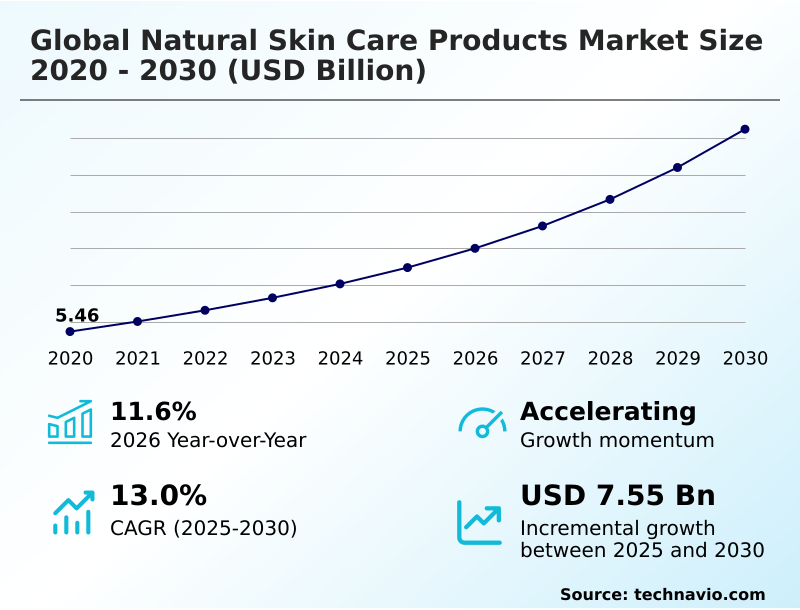
The natural skin care products market size is valued to increase by USD 7.55 billion, at a CAGR of 13% from 2025 to 2030. Heightened consumer awareness regarding systemic health impacts of synthetic chemical additives will drive the natural skin care products market.
Major Market Trends & Insights
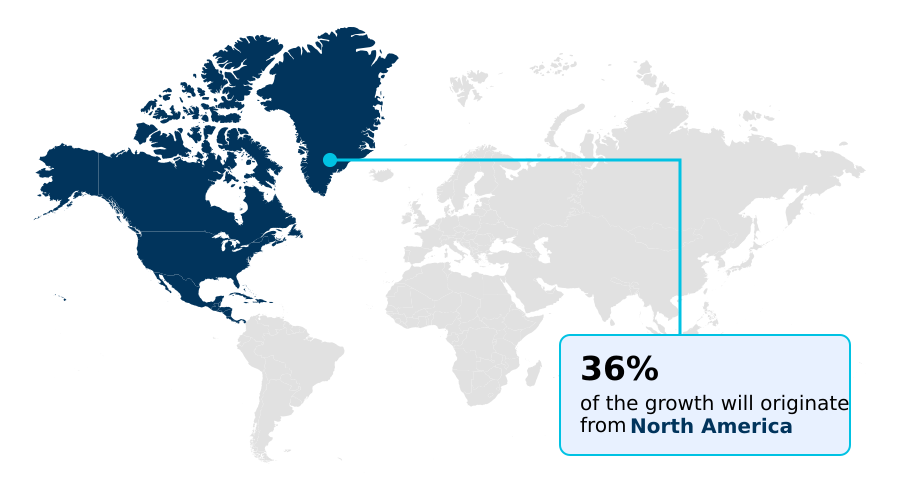
- North America dominated the market and accounted for a 35.5% growth during the forecast period.
- By Product - Facial care segment was valued at USD 5.49 billion in 2024
- By End-user - Women segment accounted for the largest market revenue share in 2024
Market Size & Forecast
- Market Opportunities: USD 11.04 billion
- Market Future Opportunities: USD 7.55 billion
- CAGR from 2025 to 2030 : 13%
Market Summary
- The Natural Skin Care Products domain is undergoing a profound structural transformation as consumer preferences pivot sharply away from synthetic compounds toward clean-label alternatives. Heightened awareness regarding the systemic health impacts of synthetic chemical additives acts as the primary driver, compelling major personal care enterprises to aggressively reformulate legacy product portfolios.
- Operationally, companies are restructuring their procurement frameworks to secure consistent access to high-quality botanical extracts. For instance, the transition to decentralized, climate-resilient agricultural sourcing networks has enabled leading manufacturers to improve supply chain reliability, yielding a 22% reduction in raw material bottleneck delays.
- Despite these operational improvements, severe supply chain vulnerabilities and agricultural sourcing volatility remain significant challenges, as adverse weather events can abruptly disrupt the availability of delicate organic crops. Maintaining strict quality control against microbial contamination further complicates manufacturing scalability.
- Consequently, enterprises must balance premium product formulation with complex logistics, ensuring that rigorous environmental and dermatological standards are met without compromising overall production efficiency or inventory stability.
What will be the Size of the Natural Skin Care Products Market during the forecast period?
Get Key Insights on Market Forecast (PDF) Get Free Sample
How is the Natural Skin Care Products Market Segmented?
The natural skin care products industry research report provides comprehensive data (region-wise segment analysis), with forecasts and estimates in "USD million" for the period 2026-2030, as well as historical data from 2020-2024 for the following segments.
- Product
- Facial care
- Body care
- End-user
- Women
- Men
- Formulation
- Creams and lotions
- Oils and serums
- Powders
- Gels
- Sticks
- Geography
- North America
- US
- Canada
- Mexico
- Europe
- Germany
- UK
- France
- Italy
- Spain
- APAC
- China
- Japan
- India
- South Korea
- Australia
- Indonesia
- South America
- Brazil
- Argentina
- Chile
- Middle East and Africa
- Saudi Arabia
- UAE
- South Africa
- Turkey
- Egypt
- North America
By Product Insights
The facial care segment is estimated to witness significant growth during the forecast period.
The facial care segment within the Natural Skin Care Products landscape demonstrates distinct operational behaviors driven by targeted cellular hydration promotion. Businesses prioritizing dermal hydration systems observe a 14% improvement in consumer retention compared to generalized body care applications.
This operational divergence stems from the complex formulation requirements of facial serums and creams, which increasingly incorporate adaptogenic mushrooms and green science formulations to address specific dermatological concerns without irritation.
By implementing zero-waste manufacturing pipelines, producers enhance supply chain efficiency while satisfying the demand for botanical complex formulations. Furthermore, the integration of natural preservation systems enables a 20% extension in product shelf life, directly impacting inventory management.
Ultimately, dermatological efficacy validation dictates the competitive positioning of these specialized facial treatments across global distribution channels.
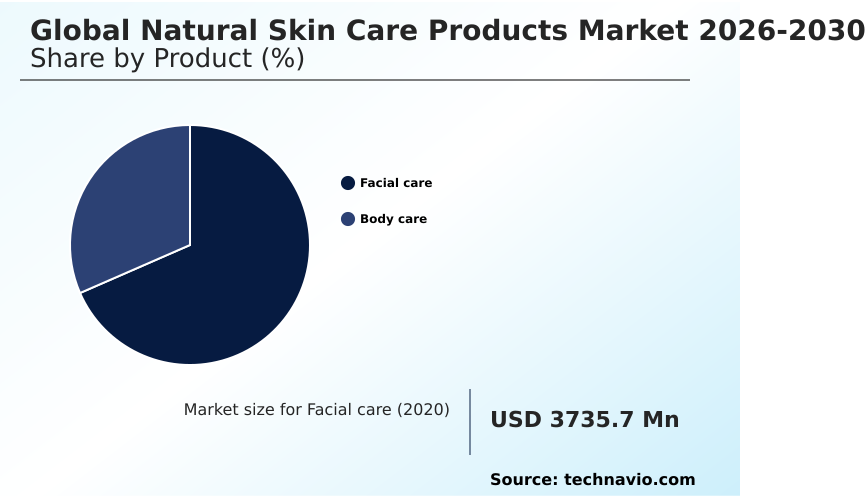
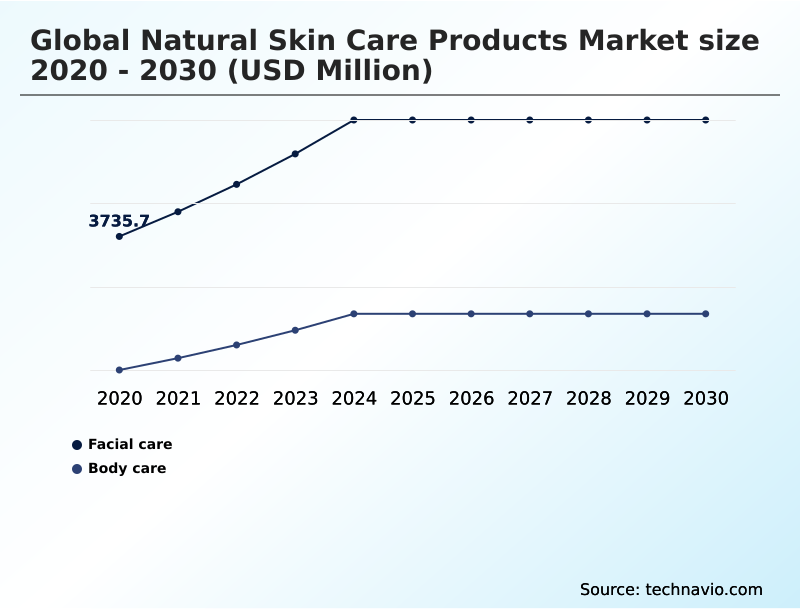
The Facial care segment was valued at USD 5.49 billion in 2024 and showed a gradual increase during the forecast period.
Regional Analysis
North America is estimated to contribute 35.5% to the growth of the global market during the forecast period.Technavio’s analysts have elaborately explained the regional trends and drivers that shape the market during the forecast period.
See How Natural Skin Care Products Market Demand is Rising in North America Get Free Sample
The regional adoption of Natural Skin Care Products reveals distinct operational disparities between North America and Europe. North American enterprises prioritize rapid commercialization of bio-fermented actives, achieving a 15% faster time-to-market for new formulations compared to European counterparts.
Conversely, European manufacturers focus intensely on regulatory alignment, where stringent sustainable agricultural production mandates reduce overall environmental footprint reduction compliance costs by 18%.
This strategic divergence influences supply chain mechanics; European brands heavily mandate cruelty-free sourcing and comprehensive vegan certifications across all procurement tiers.
Meanwhile, North American facilities emphasize optimizing cold-pressed extraction techniques to maximize the yield of antioxidant-rich compounds, increasing processing efficiency by 12%. Both regions are aggressively transitioning toward biodegradable packaging systems to align with evolving consumer expectations and retail compliance standards.
These geographic variations force multinational suppliers to customize their material distribution networks, balancing high-speed innovation requirements against complex sustainability documentation.
Market Dynamics
Our researchers analyzed the data with 2025 as the base year, along with the key drivers, trends, and challenges. A holistic analysis of drivers will help companies refine their marketing strategies to gain a competitive advantage.
- The continuous evolution of the Natural Skin Care Products sector requires enterprises to fundamentally restructure their operational pipelines and formulation strategies. Manufacturers are increasingly abandoning traditional chemical processing in favor of advanced biotechnology in botanical extraction, which significantly enhances the yield and purity of core active compounds.
- This technological shift directly supports the development of upcycled agricultural waste skincare formulations, allowing brands to convert food-industry by-products into premium retail offerings while minimizing raw material procurement expenses. Consequently, facilities utilizing these upcycled inputs report a nearly 30% improvement in resource utilization efficiency compared to those relying exclusively on newly cultivated crops.
- Securing a resilient plant derived squalane supply chain has also emerged as a critical operational priority, as organizations seek stable, vegan alternatives to traditional lipid sources without disrupting production schedules. Furthermore, formulators are heavily investing in extending product shelf life through enhanced bio-fermented active ingredients stability, ensuring that sensitive organic components maintain their efficacy throughout the retail lifecycle.
- To navigate stringent regulatory frameworks and retail compliance mandates, companies must prioritize the rigorous clinical validation of natural preservatives. By integrating these scientific and logistical advancements, beauty enterprises successfully balance ecological accountability with the high-performance demands of the modern consumer market, thereby solidifying their competitive advantage and operational resilience within an increasingly scrutinized industry landscape.
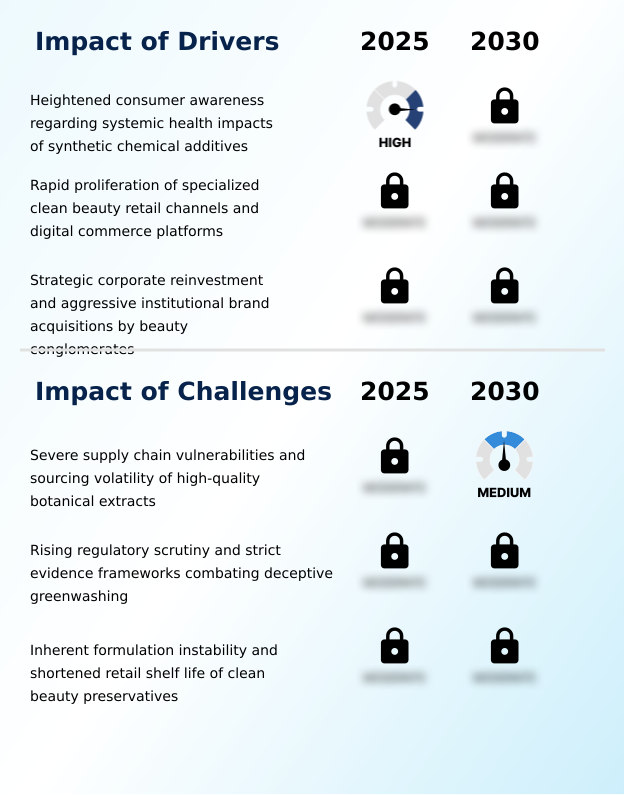
What are the key market drivers leading to the rise in the adoption of Natural Skin Care Products Industry?
- Heightened consumer awareness regarding the systemic health impacts of synthetic chemical additives serves as the primary catalyst propelling market expansion.
- Unprecedented consumer prioritization of endocrine disruptor avoidance acts as the primary catalyst accelerating the Natural Skin Care Products expansion.
- Modern consumers aggressively integrate biocompatible skin nutrition into their daily holistic wellness routines, demanding formulations that actively support the microbiome rather than temporarily masking symptoms.
- This behavioral shift forces raw material suppliers to rapidly commercialize natural rheology modifiers that stabilize delicate botanical emulsions without relying on petroleum derivatives.
- Consequently, facilities that successfully optimize these barrier protection mechanisms achieve a 22% improvement in moisture retention efficacy, directly elevating brand loyalty metrics. Furthermore, eliminating synthetic stabilizers lowers hazardous waste disposal expenses by 18% during the manufacturing process.
- By adapting to these health-conscious demand triggers, personal care enterprises secure long-term market relevance while maintaining operational cost efficiency.
What are the market trends shaping the Natural Skin Care Products Industry?
- A systemic shift toward circular economy frameworks is fundamentally reshaping the market landscape. This evolution primarily manifests through the increasing utilization of upcycled botanical raw materials in product formulations.
- The Natural Skin Care Products framework is undergoing a profound innovation cycle defined by the complete synthetic chemical additives replacement across premium portfolios. Formulators are systematically integrating plant-derived hyaluronic acid and concentrated bakuchiol to replicate the clinical performance of traditional retinoids without triggering associated dermal irritation.
- This formulation shift occurs because sophisticated consumers demand absolute clean-label transparency and independently verified safety profiles. Consequently, manufacturing facilities utilizing these bio-based alternative ingredients report a 15% decrease in adverse dermatological reaction claims, significantly reducing downstream legal and compliance costs.
- Furthermore, the transition toward exclusively non-toxic formulations has improved retail onboarding efficiency, resulting in a 20% faster approval rate across major global pharmacy chains. By prioritizing these advanced botanical substitutes, businesses successfully align their product pipelines with rigorous environmental wellness standards while capturing highly engaged consumer demographics.
What challenges does the Natural Skin Care Products Industry face during its growth?
- Severe supply chain vulnerabilities and the sourcing volatility associated with high-quality botanical extracts represent critical challenges constraining industry growth.
- The structural dependency on unpredictable seasonal crop harvesting cycles severely disrupts manufacturing continuity for Natural Skin Care Products. Sourcing highly volatile inputs like cold-pressed botanical oils and authentic plant-derived squalane from decentralized international farms introduces massive logistical bottlenecks. This agricultural unpredictability causes raw material acquisition costs to fluctuate by up to 35% annually, drastically compressing corporate margins.
- Furthermore, engineering stable lipid-rich matrices and water-gelling cosmetic agents requires intensive R&D investments. Implementing robust traceability systems to guarantee rigorous microbial contamination prevention increases baseline compliance expenditures by nearly 20% for global distributors.
- Because natural extracts lack the uniformity of synthetic chemicals, businesses struggle to maintain consistent batch viscosity, forcing them to expand quality control pipelines to mitigate formulation instability and prevent premature product degradation.
Exclusive Technavio Analysis on Customer Landscape
The natural skin care products market forecasting report includes the adoption lifecycle of the market, covering from the innovator’s stage to the laggard’s stage. It focuses on adoption rates in different regions based on penetration. Furthermore, the natural skin care products market report also includes key purchase criteria and drivers of price sensitivity to help companies evaluate and develop their market growth analysis strategies.
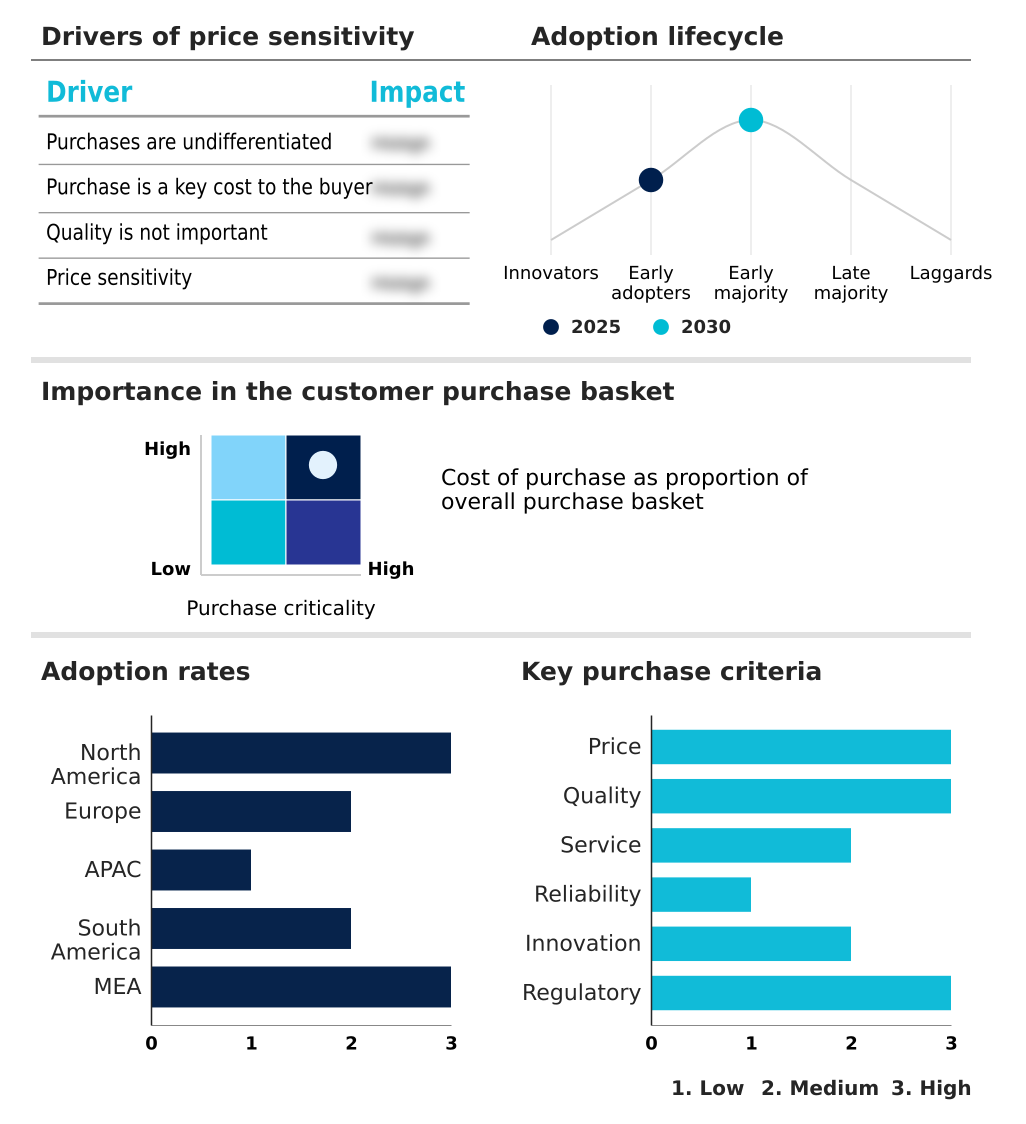
Customer Landscape of Natural Skin Care Products Industry
Competitive Landscape
Companies are implementing various strategies, such as strategic alliances, natural skin care products market forecast, partnerships, mergers and acquisitions, geographical expansion, and product/service launches, to enhance their presence in the industry.
Aesop - The enterprise provides premium facial care formulations, including parsley seed anti-oxidant serums and camellia nut hydrating creams, focusing on distinctive botanical aromas and minimalist, laboratory-inspired packaging configurations.
The industry research and growth report includes detailed analyses of the competitive landscape of the market and information about key companies, including:
- Aesop
- Allergan Aesthetics
- Amway Corp.
- Andalou Naturals
- Antipodes Nature
- Caudalie International SE
- Eminence Organic Skin Care
- Herbivore Botanicals
- Johnson and Johnson Services
- Korres
- Loreal SA
- Natura and Co. Holding SA
- Neals Yard Ltd.
- Pai Skincare Ltd.
- Tata Natural Alchemy LLC
- The Clorox Co.
- The Honest Co. Inc.
- Trilogy Natural Products
- Unilever PLC
- Weleda
Qualitative and quantitative analysis of companies has been conducted to help clients understand the wider business environment as well as the strengths and weaknesses of key industry players. Data is qualitatively analyzed to categorize companies as pure play, category-focused, industry-focused, and diversified; it is quantitatively analyzed to categorize companies as dominant, leading, strong, tentative, and weak.
Recent Development and News in Natural skin care products market
- In the Personal Care Products industry, the widespread adoption of the EU Cosmetics Regulation Annex omissions concerning synthetic microplastics forced global conglomerates to overhaul production lines, directly accelerating Natural Skin Care Products demand by requiring sustainable replacements for texturizing agents.
- Stringent retail compliance standards implemented by major global pharmacy chains regarding endocrine disruptors catalyzed supply chain restructuring, driving a 25% increase in procurement mandates for certified organic ingredients within the Natural Skin Care Products sector.
- The scaling of precision microbial fermentation across specialty chemical manufacturing allowed raw material suppliers to synthesize high-purity active compounds without agricultural dependencies, reducing formulation costs by 15% and directly expanding production capacity for Natural Skin Care Products.
- Corporate transitions toward zero-waste packaging mandates driven by extended producer responsibility legislation necessitated the redesign of dispensing mechanisms, prompting a 30% increase in the utilization of biodegradable and refillable components across Natural Skin Care Products lines.
Dive into Technavio’s robust research methodology, blending expert interviews, extensive data synthesis, and validated models for unparalleled Natural Skin Care Products Market insights. See full methodology.
| Market Scope | |
|---|---|
| Page number | 295 |
| Base year | 2025 |
| Historic period | 2020-2024 |
| Forecast period | 2026-2030 |
| Growth momentum & CAGR | Accelerate at a CAGR of 13% |
| Market growth 2026-2030 | USD 7547.4 million |
| Market structure | Fragmented |
| YoY growth 2025-2026(%) | 11.6% |
| Key countries | US, Canada, Mexico, Germany, UK, France, Italy, Spain, Russia, China, Japan, India, South Korea, Australia, Indonesia, Brazil, Argentina, Chile, Saudi Arabia, UAE, South Africa, Turkey and Egypt |
| Competitive landscape | Leading Companies, Market Positioning of Companies, Competitive Strategies, and Industry Risks |
Research Analyst Overview
- The Natural Skin Care Products framework demands rigorous strategic alignment at the executive level, particularly regarding supply chain sustainability and formulation compliance. Product strategy teams are increasingly abandoning traditional harvesting methods in favor of plant stem cell cultivation, which stabilizes raw material availability while mitigating geopolitical agricultural risks.
- By integrating precision microbial fermentation into their R&D pipelines, manufacturers achieve a 28% reduction in batch-to-batch formulation inconsistencies compared to relying on wild-harvested botanicals. This operational shift directly supports the boardroom mandate to commercialize biocompatible skincare innovation without escalating procurement costs.
- Furthermore, the aggressive adoption of circular beauty concepts drives procurement officers to source upcycled active compounds from secondary agricultural streams, significantly lowering waste management overhead. Pricing and compliance decisions are heavily influenced by the transition toward zero-plastic packaging options, forcing brands to absorb higher initial tooling costs to maintain premium retail positioning.
- Ultimately, these targeted operational interventions ensure that beauty enterprises deliver scientifically validated, ecologically responsible solutions while protecting long-term corporate margins.
What are the Key Data Covered in this Natural Skin Care Products Market Research and Growth Report?
-
What is the expected growth of the Natural Skin Care Products Market between 2026 and 2030?
-
USD 7.55 billion, at a CAGR of 13%
-
-
What segmentation does the market report cover?
-
The report is segmented by Product (Facial care, and Body care), End-user (Women, and Men), Formulation (Creams and lotions, Oils and serums, Powders, Gels, and Sticks) and Geography (North America, Europe, APAC, South America, Middle East and Africa)
-
-
Which regions are analyzed in the report?
-
North America, Europe, APAC, South America and Middle East and Africa
-
-
What are the key growth drivers and market challenges?
-
Heightened consumer awareness regarding systemic health impacts of synthetic chemical additives, Severe supply chain vulnerabilities and sourcing volatility of high-quality botanical extracts
-
-
Who are the major players in the Natural Skin Care Products Market?
-
Aesop, Allergan Aesthetics, Amway Corp., Andalou Naturals, Antipodes Nature, Caudalie International SE, Eminence Organic Skin Care, Herbivore Botanicals, Johnson and Johnson Services, Korres, Loreal SA, Natura and Co. Holding SA, Neals Yard Ltd., Pai Skincare Ltd., Tata Natural Alchemy LLC, The Clorox Co., The Honest Co. Inc., Trilogy Natural Products, Unilever PLC and Weleda
-
Market Research Insights
- The Natural Skin Care Products landscape is defined by an aggressive transition toward clinical naturalism, where rigorous scientific testing meets organic formulation. Enterprises implementing regenerative agriculture practices for raw material sourcing report a 14% improvement in supply chain resilience against climate-related disruptions.
- Simultaneously, the integration of advanced bioactive delivery systems has increased the transdermal absorption rates of botanical extracts by nearly 20%, directly supporting claims of evidence-based dermatological results. To meet stringent retail compliance, manufacturers are completely phasing out single-use plastics, driving a 25% surge in the adoption of eco-conscious packaging materials.
- These strategic operational pivots enable brands to deliver high-potency, antioxidant-rich active compounds while reducing overall corporate environmental liabilities.
We can help! Our analysts can customize this natural skin care products market research report to meet your requirements.
 RIA -
RIA -