

What is the Size of Non-Alcohol Hand Sanitizer Market?
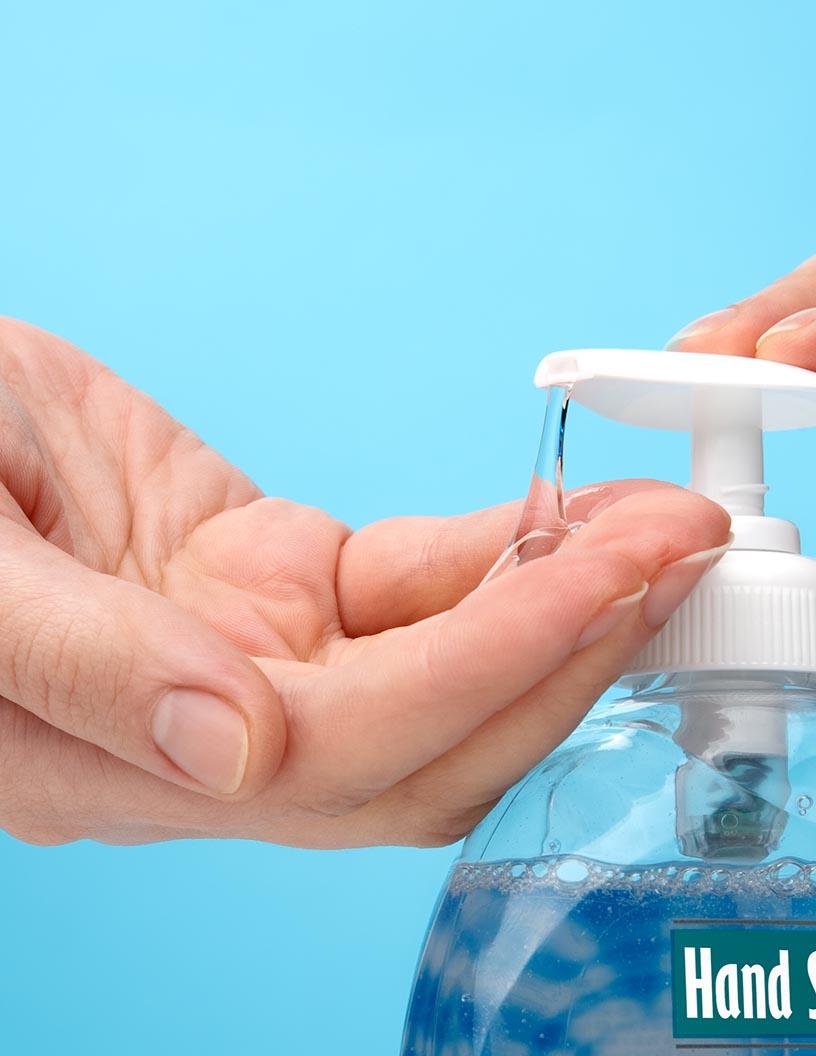
The Non-Alcohol Hand Sanitizer Market size is forecast to increase by USD 506.2 million, at a CAGR of 7.4% between 2023 and 2028. The market is witnessing significant growth due to the increasing concerns over contamination and infection prevention. Antiseptic solutions, in the form of gels or liquids, have gained popularity as an effective alternative to traditional soap and water. The market is driven by the high prevalence of flu and other infectious diseases, leading to a greater demand for antiseptic hand sanitizers. Additionally, the use of fragrances and perfume in hand sanitizers has made them more appealing to consumers. However, challenges such as safety concerns due to the use of isopropanol and glycerine, disruptions in the supply chain, and price fluctuations of raw materials pose significant challenges to market growth. Despite these challenges, the market is expected to continue its growth trajectory due to the increasing awareness of hygiene and infection prevention.

Request Free Non-Alcohol Hand Sanitizer Market Sample
Market Segmentation
The market research report provides comprehensive data (region-wise segment analysis), with forecasts and estimates in "USD million" for the period 2024-2028, as well as historical data from 2018 - 2022 for the following segments.
- Type
- Gel
- Foam
- Liquid
- Wipes
- Distribution Channel
- Offline
- Online
- Geography
- APAC
- China
- India
- Japan
- North America
- Canada
- US
- Europe
- Germany
- UK
- France
- Italy
- South America
- Brazil
- Middle East and Africa
- APAC
Which is the Largest Segment Driving Market Growth?
The gel segment is estimated to witness significant growth during the forecast period. The market is witnessing significant growth due to heightened sanitary awareness and the need for effective hand hygiene solutions. Alcohol-free hand sanitizers, such as those provided by Safe Hands, have gained popularity as they offer a safer alternative to traditional alcohol-based sanitizers. These gels are formulated with antibacterial agents and a lipid-based coat that helps eliminate disease-causing germs. The convenience and ease of use of non-alcohol hand sanitizer gels make them an attractive option for various sectors, including educational institutions and offices. These gels come in various packaging options, including bottles, dispensers, and refills, catering to diverse consumer needs.

Get a glance at the market share of various regions Download the PDF Sample
The gel segment was valued at USD 465.10 million in 2018. The no-rinse requirement of these gels makes them highly user-friendly and suitable for on-the-go use, enhancing their appeal among consumers seeking quick and efficient hand hygiene solutions. Non-alcohol hand sanitizer gels are a preferred choice for individuals who want to maintain clean hands without the need for water. Formulated by medical professionals, these gels provide a safer hand-cleaning solution that avoids the adverse effects associated with alcohol-based sanitizers. In summary, the non-alcohol hand sanitizer market in the US is experiencing growth due to the increasing demand for effective and convenient hand hygiene solutions.
Which Region is Leading the Market?

For more insights on the market share of various regions Request Free Sample
APAC is estimated to contribute 31% to the growth of the global market during the forecast period. Technavio's analysts have elaborately explained the regional trends and drivers that shape the market during the forecast period. The Asia Pacific region is a major contributor to the global non-alcohol hand sanitizer market due to the increasing focus on maintaining hygiene and the prevalence of infectious diseases. According to data from the National Centre for Disease Control (NCDC) in India, states like Punjab, Gujarat, and Kerala reported the highest number of deaths from influenza A (H1N1) as of September 2024. Delhi and Gujarat recorded the highest number of cases by the end of July 2024. These statistics highlight the importance of effective hand hygiene solutions, leading to an increased demand for non-alcohol hand sanitizers. Proper hand hygiene is crucial in various settings, including hotels, machinery industries, and even among children, to prevent the transmission of germs and keep illnesses at bay. Non-alcohol hand sanitizers offer a convenient and effective solution for maintaining clean hands in these situations.
How do Technavio's company ranking index and market positioning come to your aid?
Companies are implementing various strategies, such as strategic alliances, partnerships, mergers and acquisitions, geographical expansion, and product/service launches, to enhance their presence in the market.
Betco Corp - The company offers mild non-alcohol hand sanitizers with emollients that help avoid dryness and irritation, making them ideal for repeated use.
Technavio provides the ranking index for the top 20 companies along with insights on the market positioning of:
- Cleansmart Products and Services
- Cleenol Group Ltd.
- Contec Inc.
- Dalrada Financial Corp.
- DubiChem Marine International
- Fine Guard
- GOJO Industries Inc.
- Hand Stations
- Kutol Products Co.
- S.C. Johnson and Son Inc.
- safeHands
- Soapopular Inc.
- Zoono USA
Explore our company rankings and market positioning Request Free Sample
How can Technavio Assist you in Making Critical Decisions?
What is the Market Structure and Year-over-Year growth of the Market?
|
Market structure |
Fragmented |
|
YoY growth 2023-2024 |
6.0 |
Market Dynamic
The market holds a crucial position in the realm of public health and hygiene. With an increasing awareness of germ transmission and the importance of maintaining personal cleanliness, the demand for effective hand sanitizers has been on the rise. Germs can spread through various means, including respiratory ailments and bacterial infections. In light of this, hand hygiene practices have emerged as a critical component of infection prevention and disease control. The Centers for Disease Control and Prevention (CDC) recommends regular handwashing with soap and water or using a hand sanitizer when soap and water are not available. Hand sanitizers are essential in various settings, such as healthcare facilities, schools, workplaces, and public places. They play a significant role in food safety, ensuring that food handlers maintain proper hygiene to prevent the spread of illnesses. Moreover, hand sanitizers have become indispensable during viral outbreaks and epidemic prevention efforts. The effectiveness of hand sanitizers lies in their ability to eliminate microorganisms, including viruses and bacteria, from the hands. The market is driven by several factors, including hygiene awareness, with consumers increasingly seeking out hand sanitizers as a convenient and effective means of maintaining cleanliness. Infection prevention, particularly in healthcare settings, where the risk of infection transmission is high, also drives demand. Non-alcohol hand sanitizers are gentler on the skin compared to their alcohol-based counterparts, making them a popular choice for individuals with sensitive skin.
They are also effective in preventing the transmission of viruses, making them a crucial component of pandemic preparedness and epidemic prevention efforts. Additionally, biodegradable sanitizers are gaining popularity due to their eco-friendly nature, further fueling the growth of the non-alcohol hand sanitizer market. In conclusion, the non-alcohol hand sanitizer market is a significant player in the realm of public health and hygiene. Driven by factors such as hygiene awareness, infection prevention, and skin irritation concerns, the market is poised for growth. With the ongoing threat of viral outbreaks and the importance of maintaining cleanliness, hand sanitizers will continue to be an essential tool in disease prevention and infection control. Our researchers analyzed the data with 2023 as the base year, along with the key drivers, trends, and challenges. A holistic analysis of drivers will help companies refine their marketing strategies to gain a competitive advantage.
What are the Primary Factors Driving the Market Growth?
The high prevalence of flu is notably driving market growth. The prevalence of influenza in the US continues to pose a significant health concern, with the Centers for Disease Control and Prevention (CDC) reporting at least 34 million flu-related illnesses during the 2023-2024 season. This led to approximately 380,000 hospitalizations and 17,000 deaths, including 199 pediatric fatalities. These statistics highlight the severity of various influenza strains, including A, B, C, and D, and the urgent need for effective preventive measures. Non-alcohol hand sanitizers have gained popularity due to their ability to provide protection against pathogens without the harsh effects of alcohol-based alternatives.
This demand is further fueled by the increasing focus on hand cleanliness in various settings, such as schools and healthcare facilities, where infections can easily spread. Non-alcoholic hand sanitizers come in various forms, including gel-based and foaming, offering convenience and ease of use. Effective disinfection is crucial in preventing the spread of infections, particularly during surgical procedures and other high-risk situations. Non-alcohol hand sanitizers provide a reliable solution for maintaining hand cleanliness and reducing the risk of infections. Thus, such factors are driving the growth of the market during the forecast period.
What are the Significant Trends being Witnessed in the Market?
High levels of investment are the key trend in the market. The market is witnessing substantial growth due to the heightened emphasis on safety and infection prevention. This trend is reflected in the increasing production of antiseptic solutions, with a focus on liquid and gel formats. Perfumes and fragrances are also being incorporated to enhance consumer experience. Glycerine is a common ingredient in these products, adding to their moisturizing properties. Isopropanol is a widely used antiseptic in non-alcohol hand sanitizers, ensuring effective contamination removal.
The market's expansion is driven by the rising demand for convenient and portable hygiene solutions, particularly in healthcare settings and workplaces. The safety concerns surrounding alcohol-based hand sanitizers have further boosted the market's growth. Manufacturers are investing in research and development to produce more efficient and eco-friendly hand sanitizers. This includes the use of renewable raw materials and the implementation of sustainable production processes. The non-alcohol hand sanitizer market is expected to continue its upward trajectory, offering significant opportunities for investors and businesses. Thus, such trends will shape the growth of the market during the forecast period.
What are the Major Market Challenges?
Disruptions in supply chain is the major challenge that affects the growth of the market. The market faces disruptions due to challenges in the global supply chain. The Red Sea, a vital trade route linking Asia, Africa, and Europe, has experienced security issues since 2023, with incidents affecting industrial ships leading to concerns within the transportation, logistics, and supply chain sectors. These concerns include potential freight cost increases, extended shipping times, and the possibility of the bullwhip effect resurfacing. The ongoing Israel-Hamas conflict further complicates matters, as tensions escalate and threaten broader disruptions to trade and supply chains. In November 2023, Iran-backed Houthi rebels seized a ship owned by an Israeli businessman and redirected it towards the Yemeni coast, increasing fears of targeted attacks on vessels in the Red Sea. In response to these challenges, the non-alcohol hand sanitizer industry is adapting by focusing on alternative production methods and sourcing strategies.
For instance, some manufacturers are exploring the use of natural colors and thickening agents in their products to cater to consumers' preferences for more natural options. Additionally, the incorporation of natural oils and emollients in hand sanitizers is gaining popularity to address concerns related to skin dryness, a common side effect of frequent hand sanitizer use. These innovations aim to maintain the effectiveness of hand sanitizers against gastrointestinal ailments and bacteria while addressing consumer concerns related to skin dryness and the use of ethanol. Hence, the above factors will impede the growth of the market during the forecast period.
Exclusive Customer Landscape
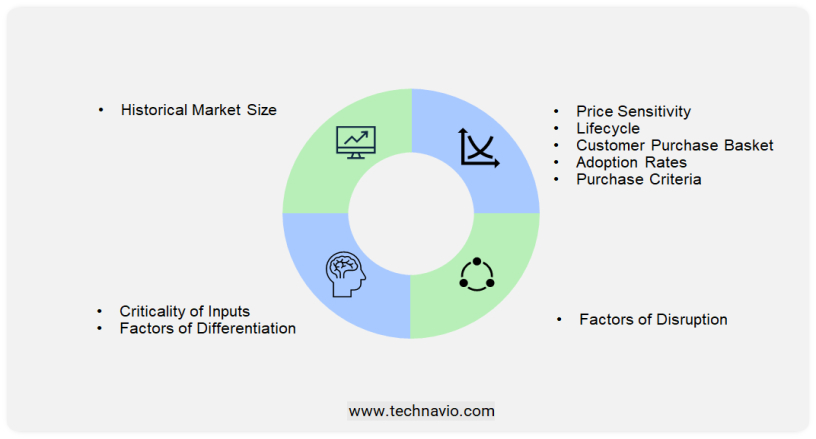
The market forecasting report includes the adoption lifecycle of the market research and growth, covering from the innovator's stage to the laggard's stage. It focuses on adoption rates in different regions based on penetration. Furthermore, the report also includes key purchase criteria and drivers of price sensitivity to help companies evaluate and develop their market growth analysis strategies.

Customer Landscape
Market Analyst Overview
Non-alcoholic hand sanitizers have gained significant popularity in recent times due to the growing awareness of hand hygiene and the need for safe and effective alternatives to alcohol-based hand sanitizers. These sanitizers offer a solution for individuals and businesses looking to maintain cleanliness and prevent the transmission of germs, especially in settings where water and soap are not readily available. Non-alcoholic hand sanitizers come in various forms, including foaming and gel-based options. They contain antiseptic solutions that help eliminate bacteria and viruses, making them an essential tool for maintaining hand cleanliness in schools, offices, healthcare facilities, and other institutions. These sanitizers are free from alcohol, making them a safer option for children and individuals with sensitive skin. They do not cause irritation or dryness, making them an ideal choice for frequent use. Natural colors, thickening agents, and natural oils are often added to enhance the look and feel of these sanitizers. Non-alcoholic hand sanitizers are effective against a wide range of disease-causing germs, including those responsible for gastrointestinal ailments and infectious diseases.
They are available in various sizes, including travel-sized containers, making them convenient for use on the go. Safety is a top priority for non-alcoholic hand sanitizers, and they are free from perfumes, glycerin, and other harsh chemicals that can cause contamination or skin irritation. They are also available in pump bottles and gel hand sanitizers, making them easy to use and apply. Non-alcoholic hand sanitizers play a crucial role in preventing the spread of infections and maintaining good hygiene practices in various settings, including educational institutions, offices, and businesses. They are an essential tool for promoting sanitary awareness and preventing the transmission of diseases caused by microorganisms, including viruses and bacteria.
|
Market Scope |
|
|
Report Coverage |
Details |
|
Page number |
200 |
|
Base year |
2023 |
|
Historic period |
2018 - 2022 |
|
Forecast period |
2024-2028 |
|
Growth momentum & CAGR |
Accelerate at a CAGR of 7.4% |
|
Market Growth 2024-2028 |
USD 506.2 million |
|
Regional analysis |
APAC, North America, Europe, South America, and Middle East and Africa |
|
Performing market contribution |
APAC at 31% |
|
Key countries |
US, China, India, Germany, UK, Canada, Brazil, France, Japan, and Italy |
|
Competitive landscape |
Leading Companies, Market Positioning of Companies, Competitive Strategies, and Industry Risks |
|
Key companies profiled |
Betco Corp, Cleansmart Products and Services, Cleenol Group Ltd., Contec Inc., Dalrada Financial Corp., DubiChem Marine International, Fine Guard, GOJO Industries Inc., Hand Stations, Kutol Products Co., S.C. Johnson and Son Inc., safeHands, Soapopular Inc., and Zoono USA |
|
Market dynamics |
Parent market analysis, market growth inducers and obstacles, fast-growing and slow-growing segment analysis, AI impact on market trends, COVID-19 impact and recovery analysis and future consumer dynamics, and market condition analysis for the market forecast period. |
|
Customization purview |
If our market report has not included the data that you are looking for, you can reach out to our analysts and get segments customized. |
What are the Key Data Covered in this Market Research Report?
- CAGR of the market during the forecast period
- Detailed information on factors that will drive the market growth and forecasting between 2024 and 2028
- Precise estimation of the size of the market and its contribution of the market in focus to the parent market
- Accurate predictions about upcoming market growth and trends and changes in consumer behaviour
- Growth of the market across APAC, North America, Europe, South America, and Middle East and Africa
- Thorough analysis of the market's competitive landscape and detailed information about companies
- Comprehensive analysis of factors that will challenge the growth of market companies
 RIA -
RIA -