

Sodium Chlorite Market Size 2025-2029
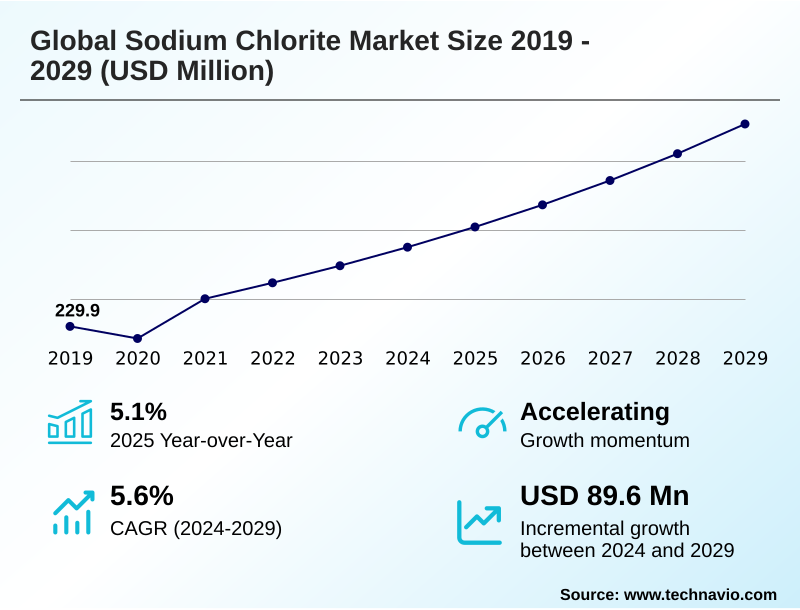
The sodium chlorite market size is valued to increase by USD 89.6 million, at a CAGR of 5.6% from 2024 to 2029. Heightened demand for water treatment and purification propels market growth will drive the sodium chlorite market.
Major Market Trends & Insights
- APAC dominated the market and accounted for a 46.9% growth during the forecast period.
- By Application - Water treatment segment was valued at USD 152.7 million in 2023
- By Grade Type - Industrial grade segment accounted for the largest market revenue share in 2023
Market Size & Forecast
- Market Opportunities: USD 147.2 million
- Market Future Opportunities: USD 89.6 million
- CAGR from 2024 to 2029 : 5.6%
Market Summary
- The sodium chlorite market is fundamentally shaped by its critical role as a precursor for chlorine dioxide, a powerful disinfectant and bleaching agent. Growth is closely tied to the global emphasis on water quality, driving demand in municipal and industrial water treatment for its superior biocidal efficacy against a broad spectrum of pathogens.
- Simultaneously, the pulp and paper industry relies on it for elemental chlorine free bleaching processes that meet modern environmental standards. A key dynamic involves navigating stringent regulations surrounding disinfection byproduct control and hazardous material handling.
- For instance, a paper mill might implement an advanced chlorine dioxide generation system to optimize its pulp bleaching chemical usage, achieving a higher brightness standard while reducing effluent treatment loads, thereby balancing operational efficiency with environmental compliance.
- This interplay between industrial necessity, regulatory pressure, and the push for sustainable practices defines the market's trajectory, compelling continuous innovation in high purity sodium chlorite formulations and application technologies.
What will be the Size of the Sodium Chlorite Market during the forecast period?
Get Key Insights on Market Forecast (PDF) Get Free Sample
How is the Sodium Chlorite Market Segmented?
The sodium chlorite industry research report provides comprehensive data (region-wise segment analysis), with forecasts and estimates in "USD million" for the period 2025-2029, as well as historical data from 2019-2023 for the following segments.
- Application
- Water treatment
- Paper
- Others
- Grade type
- Industrial grade
- Food grade
- Pharmaceutical grade
- Raw material
- Sodium hydroxide
- Hydrogen peroxide
- Chlorine dioxide
- Geography
- APAC
- China
- India
- Japan
- North America
- US
- Canada
- Mexico
- Europe
- Germany
- UK
- France
- South America
- Brazil
- Argentina
- Middle East and Africa
- South Africa
- Saudi Arabia
- UAE
- Rest of World (ROW)
- APAC
By Application Insights
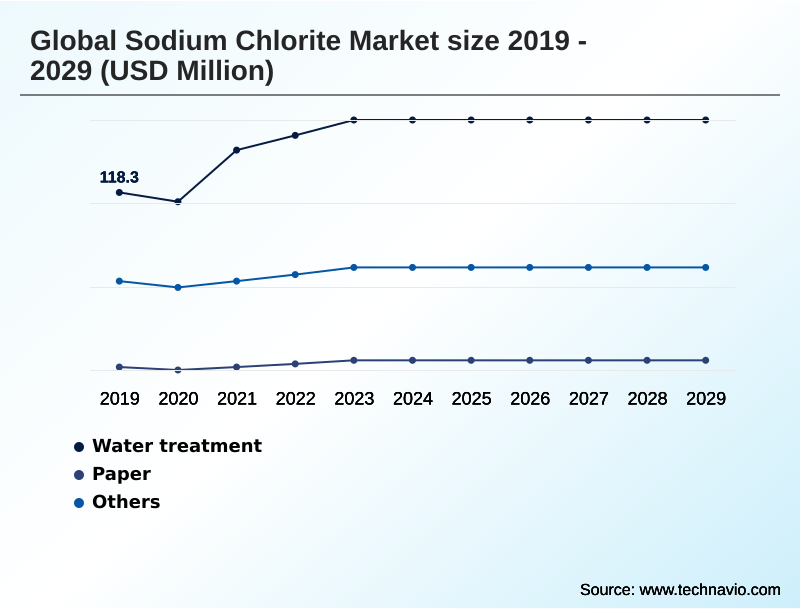
The water treatment segment is estimated to witness significant growth during the forecast period.
The water treatment segment leverages sodium chlorite for its potent oxidizing agent properties, particularly for on-site chemical generation of chlorine dioxide.
Demand is driven by the need to manage public health risks in water systems, where it functions as an effective algaecide for cooling towers and aids in legionella control in plumbing.
The use of high purity sodium chlorite is critical in applications requiring direct food contact surface sanitizer capabilities or as a disinfectant for the beverage industry. Formulations are also developed for corrosion inhibitor formulation.
The effectiveness of these solutions has led to utilities reporting up to a 15% reduction in certain microbial contaminants compared to legacy treatments, reinforcing its importance for odor control in wastewater and ensuring safe water distribution.
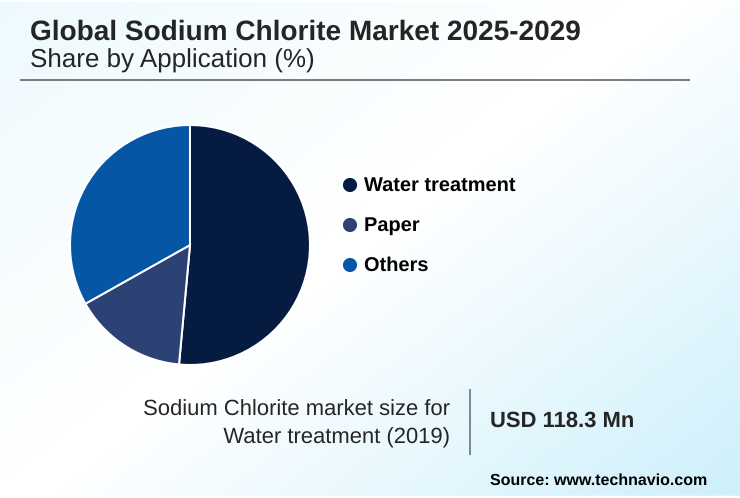
The Water treatment segment was valued at USD 152.7 million in 2023 and showed a gradual increase during the forecast period.
Regional Analysis
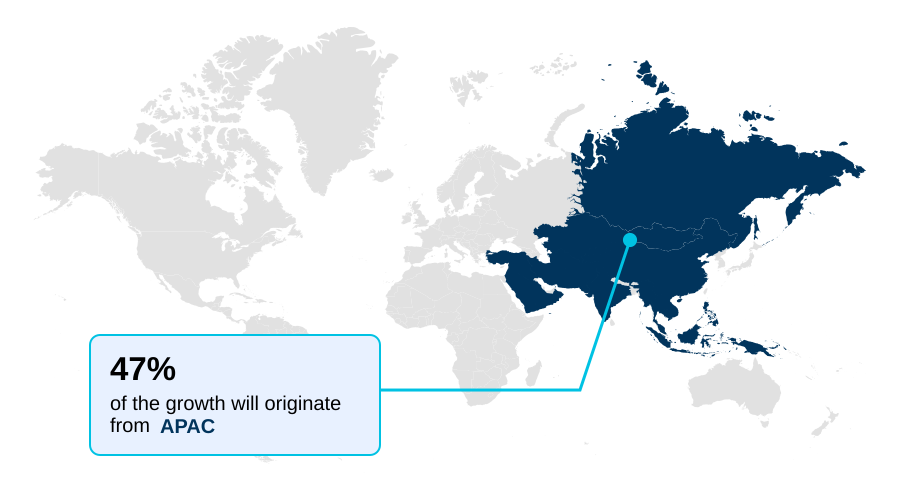
APAC is estimated to contribute 46.9% to the growth of the global market during the forecast period.Technavio’s analysts have elaborately explained the regional trends and drivers that shape the market during the forecast period.
See How Sodium Chlorite Market Demand is Rising in APAC Get Free Sample
The Asia-Pacific region, accounting for over 46% of incremental market growth, is central to the global landscape. This dominance is driven by extensive industrial activity, particularly in textile finishing process applications and the demand for elemental chlorine free bleaching.
The use of aqueous sodium chlorite solution as a bactericide formulation is widespread in the region's rapidly expanding food processing sanitation sector.
Key applications such as its role as a leather processing chemical and for TOC reduction in water treatment systems are also significant.
For example, industrial facilities in the region have achieved an 18% improvement in wastewater deodorizer efficiency by adopting stabilized chlorine dioxide systems for biofilm removal from surfaces, showcasing the drive for operational and environmental performance improvements.
Market Dynamics
Our researchers analyzed the data with 2024 as the base year, along with the key drivers, trends, and challenges. A holistic analysis of drivers will help companies refine their marketing strategies to gain a competitive advantage.
- The global sodium chlorite market is shaped by a diverse range of specific applications and grades. The use of sodium chlorite for municipal water treatment remains a primary driver, where its role as a disinfectant precursor is critical for public health. In parallel, industrial grade sodium chlorite for paper manufacturing enables cleaner bleaching processes.
- Understanding sodium chlorite as a disinfectant precursor is key to its adoption across industries. The demand for both food grade sodium chlorite uses and pharmaceutical grade sodium chlorite applications is growing, driven by stricter hygiene and safety standards. Consequently, adherence to sodium chlorite handling and safety protocols is paramount.
- Businesses are increasingly evaluating the cost-effectiveness of chlorine dioxide generation, often making a direct comparison between sodium chlorite versus sodium hypochlorite, where the former offers superior performance in certain conditions. The environmental impact of sodium chlorite and associated regulatory standards for sodium chlorite are significant considerations for producers and end-users alike.
- Its role in sodium chlorite in textile bleaching and using sodium chlorite for odor control highlights its versatility. Furthermore, its application in sodium chlorite for food processing sanitation is expanding.
- The reliability of high purity sodium chlorite suppliers and the integrity of the supply chain for sodium chlorite are crucial, as organizations that master this can achieve logistics costs that are 5% lower than their competitors. The technical nuances of sodium chlorite solution concentration effects and the bleaching performance of acidified sodium chlorite are vital for process optimization.
- Finally, niche but important applications include controlling chlorate in drinking water, its use in sodium chlorite for oilfield water treatment, and its function in the sodium chlorite in leather tanning industry.
What are the key market drivers leading to the rise in the adoption of Sodium Chlorite Industry?
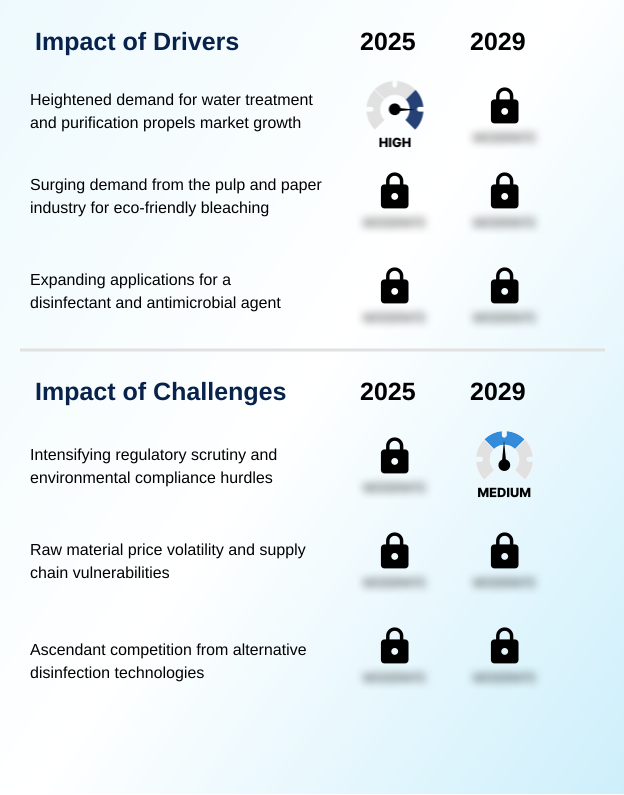
- Heightened demand for effective water treatment and industrial purification applications serves as a key driver for market growth.
- The market's primary driver remains its indispensable function as a chlorine dioxide precursor, which is foundational to modern disinfection and bleaching operations.
- The demand for an effective water disinfection agent for safe drinking water act compliance propels its use in chlorine dioxide generation system setups.
- In the industrial sector, its role as a pulp bleaching chemical is critical for the delignification in pulp and achieving high brightness in pulp mill bleaching sequence processes.
- Growth in the energy sector also contributes, where it is used as a microbial control formulation and slime control agent in applications like secondary oil recovery biocide.
- The healthcare industry's need for reliable sterilization methods supports its use as a chemosterilant for medical devices. Across these sectors, firms focused on wastewater treatment compliance have seen a 20% improvement in meeting regulatory targets through optimized industrial disinfectant application.
What are the market trends shaping the Sodium Chlorite Industry?
- An intensified focus on water purification and disinfection is a prominent market trend, driven by increasingly stringent water quality standards and growing public health concerns globally.
- Emerging trends are expanding the utility of sodium chlorite beyond traditional uses, focusing on its high biocidal efficacy. Innovations in paper pulp bleaching technology are leveraging its properties for cleaner production, while its role as an industrial water treatment chemical is growing, especially as a cooling water system biocide for microbiological contamination control.
- The demand for crystalline sodium chlorite form as a virucidal agent for specialized sanitation is increasing. The effectiveness of this textile bleaching compound in the bleaching of textiles has led to process optimizations that reduce water consumption by up to 10%. Furthermore, its application in aseptic packaging sterilization is gaining traction.
- The market is also adapting to stricter environmental compliance for chemicals, prompting research into more efficient oxidative decomposition pathways and better management of water quality parameters, particularly in municipal water purification.
What challenges does the Sodium Chlorite Industry face during its growth?
- Intensifying regulatory scrutiny and the complexities of environmental compliance hurdles present a key challenge to industry growth.
- Navigating the complex regulatory landscape is a central challenge, particularly concerning disinfection byproduct control and the need for chlorate formation minimization. Adherence to stringent disinfection byproduct regulations requires precise management of this selective oxidizing agent to prevent unwanted chemical reactions.
- The inherent risks associated with its classification as a hazardous material demand strict safe chemical handling protocols, adding operational complexity and cost. For example, implementing compliant handling procedures can increase operational overhead by 5-8%. Furthermore, the development of acidified sodium chlorite applications must account for these safety and regulatory factors.
- The market also faces competition from alternative technologies in sectors such as biosecurity in agriculture and as a biocide for oil and gas, pushing for greater efficiency and cost-effectiveness in areas like tannery waste treatment and overall microbiological contamination control.
Exclusive Technavio Analysis on Customer Landscape
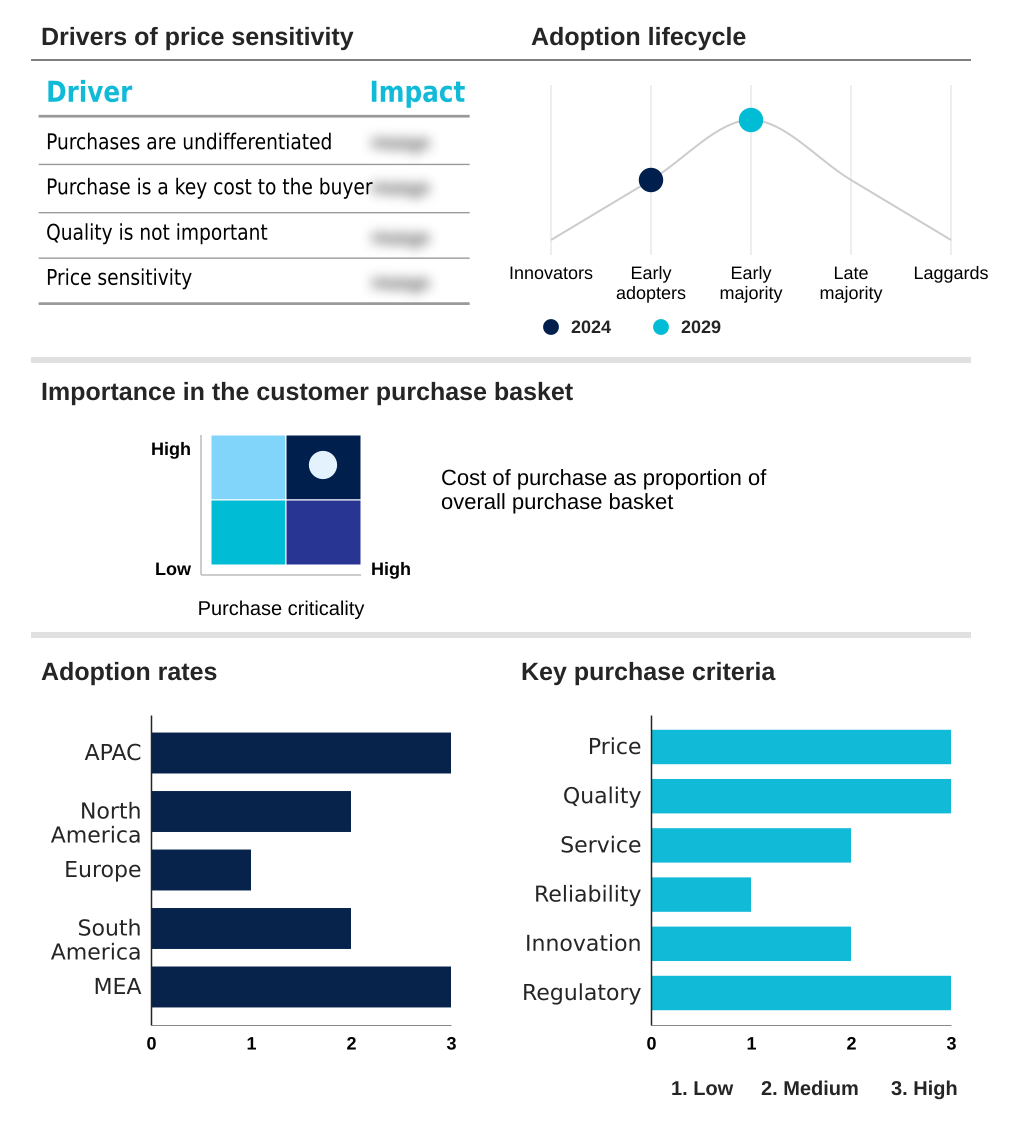
The sodium chlorite market forecasting report includes the adoption lifecycle of the market, covering from the innovator’s stage to the laggard’s stage. It focuses on adoption rates in different regions based on penetration. Furthermore, the sodium chlorite market report also includes key purchase criteria and drivers of price sensitivity to help companies evaluate and develop their market growth analysis strategies.
Customer Landscape of Sodium Chlorite Industry
Competitive Landscape
Companies are implementing various strategies, such as strategic alliances, sodium chlorite market forecast, partnerships, mergers and acquisitions, geographical expansion, and product/service launches, to enhance their presence in the industry.
Airedale Group - Provides specialized sodium chlorite solutions catering to industrial and water treatment sectors, emphasizing tailored concentrations for diverse applications.
The industry research and growth report includes detailed analyses of the competitive landscape of the market and information about key companies, including:
- Airedale Group
- American Elements Inc.
- Carlit Co. Ltd.
- Dongying Shengya Chemical Co. Ltd.
- ERCO Worldwide
- Ercros SA
- Fengchen Group Co. Ltd.
- International Dioxcide Inc.
- Occidental Petroleum Corp.
- OSAKA SODA CO. Ltd.
- Otto Chemie Pvt. Ltd.
- Sabara Group
- Shandong Gaomi Gaoyuan Chemical Industry Co. Ltd.
- Shree Chlorates Pvt. Ltd.
- Sigma Aldrich Chemicals Ltd.
- Thermo Fisher Scientific Inc.
Qualitative and quantitative analysis of companies has been conducted to help clients understand the wider business environment as well as the strengths and weaknesses of key industry players. Data is qualitatively analyzed to categorize companies as pure play, category-focused, industry-focused, and diversified; it is quantitatively analyzed to categorize companies as dominant, leading, strong, tentative, and weak.
Recent Development and News in Sodium chlorite market
- In September 2024, Occidental Petroleum Corp. announced the acquisition of a regional chemical producer to enhance its production capacity for high-purity sodium chlorite solutions, aiming to better serve the North American water treatment market.
- In November 2024, ERCO Worldwide launched a new-generation chlorine dioxide generator optimized for small-to-medium-sized municipal water facilities, improving the efficiency of on-site chemical generation by 15%.
- In January 2025, Ercros SA formed a strategic partnership with a leading food safety technology firm to develop and market advanced acidified sodium chlorite formulations for antimicrobial applications in food processing.
- In April 2025, OSAKA SODA CO. Ltd. completed the expansion of its primary manufacturing plant, increasing its output of industrial-grade sodium chlorite by 20% to meet growing demand from the pulp and paper sector in APAC.
Dive into Technavio’s robust research methodology, blending expert interviews, extensive data synthesis, and validated models for unparalleled Sodium Chlorite Market insights. See full methodology.
| Market Scope | |
|---|---|
| Page number | 284 |
| Base year | 2024 |
| Historic period | 2019-2023 |
| Forecast period | 2025-2029 |
| Growth momentum & CAGR | Accelerate at a CAGR of 5.6% |
| Market growth 2025-2029 | USD 89.6 million |
| Market structure | Fragmented |
| YoY growth 2024-2025(%) | 5.1% |
| Key countries | China, India, Japan, South Korea, Vietnam, Australia, US, Canada, Mexico, Germany, UK, France, Italy, Spain, The Netherlands, Brazil, Argentina, Chile, South Africa, Saudi Arabia, UAE, Egypt and Morocco |
| Competitive landscape | Leading Companies, Market Positioning of Companies, Competitive Strategies, and Industry Risks |
Research Analyst Overview
- The sodium chlorite market is defined by its core function as a chlorine dioxide precursor, with its utility spanning multiple critical sectors. Strategic decisions hinge on balancing the biocidal efficacy and oxidizing agent properties of various formulations against stringent regulatory requirements for disinfection byproduct control.
- The choice between a crystalline sodium chlorite form and an aqueous sodium chlorite solution often depends on logistics and on-site chemical generation capabilities. In industrial settings, it serves as a vital pulp bleaching chemical for elemental chlorine free bleaching and a versatile textile bleaching compound.
- As a water disinfection agent and microbial control formulation, its applications are extensive, from being an algaecide for cooling towers to a chemosterilant for medical devices. A key boardroom consideration is the investment in technologies that support chlorate formation minimization and the sodium chlorate reduction process.
- For instance, advanced water treatment facilities have demonstrated a 25% improvement in managing byproduct levels through precise dosing of this selective oxidizing agent. The market's complexity is further highlighted by its roles as a food contact surface sanitizer, biocide for oil and gas, and its use in delignification in pulp, demanding rigorous hazardous material handling protocols.
What are the Key Data Covered in this Sodium Chlorite Market Research and Growth Report?
-
What is the expected growth of the Sodium Chlorite Market between 2025 and 2029?
-
USD 89.6 million, at a CAGR of 5.6%
-
-
What segmentation does the market report cover?
-
The report is segmented by Application (Water treatment, Paper, and Others), Grade Type (Industrial grade, Food grade, and Pharmaceutical grade), Raw Material (Sodium hydroxide, Hydrogen peroxide, and Chlorine dioxide) and Geography (APAC, North America, Europe, South America, Middle East and Africa)
-
-
Which regions are analyzed in the report?
-
APAC, North America, Europe, South America and Middle East and Africa
-
-
What are the key growth drivers and market challenges?
-
Heightened demand for water treatment and purification propels market growth, Intensifying regulatory scrutiny and environmental compliance hurdles
-
-
Who are the major players in the Sodium Chlorite Market?
-
Airedale Group, American Elements Inc., Carlit Co. Ltd., Dongying Shengya Chemical Co. Ltd., ERCO Worldwide, Ercros SA, Fengchen Group Co. Ltd., International Dioxcide Inc., Occidental Petroleum Corp., OSAKA SODA CO. Ltd., Otto Chemie Pvt. Ltd., Sabara Group, Shandong Gaomi Gaoyuan Chemical Industry Co. Ltd., Shree Chlorates Pvt. Ltd., Sigma Aldrich Chemicals Ltd. and Thermo Fisher Scientific Inc.
-
Market Research Insights
- Market dynamics are increasingly influenced by efficiency gains tied to specific applications. The adoption of modern chlorine dioxide generation system technology allows for better oxidant demand management, with some industrial disinfectant application users reporting a 10% reduction in chemical consumption. In the context of wastewater treatment compliance, optimized systems contribute to more consistent outcomes, aligning with stringent discharge limits.
- For pulp and paper producers, advanced paper pulp bleaching technology shortens processing times by up to 5%, directly impacting production throughput. This focus on operational efficiency and regulatory adherence, including safe drinking water act compliance, shapes investment decisions and technology adoption across key industrial sectors.
We can help! Our analysts can customize this sodium chlorite market research report to meet your requirements.
 RIA -
RIA -