


Human Resource Outsourcing (HRO) Market Size 2026-2030
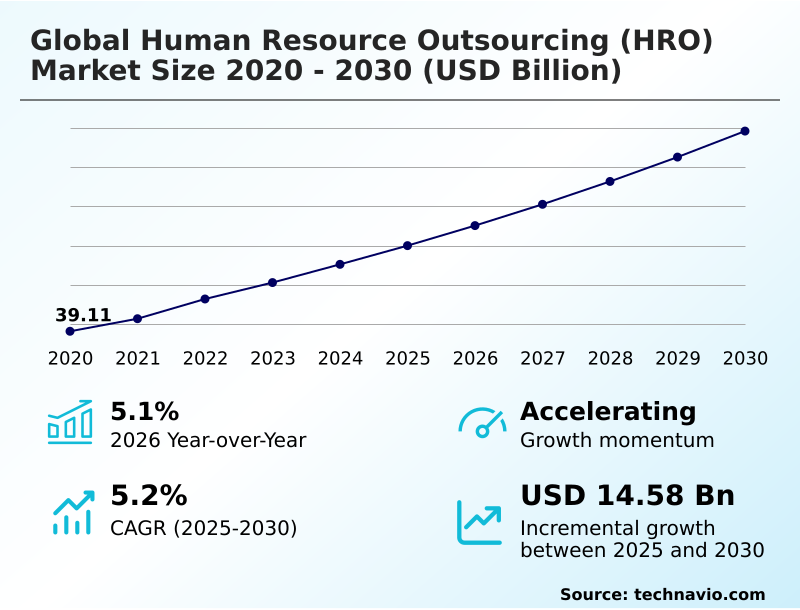
The human resource outsourcing (hro) market size is valued to increase by USD 14.58 billion, at a CAGR of 5.2% from 2025 to 2030. Strategic integration of agentic AI and process automation will drive the human resource outsourcing (hro) market.
Major Market Trends & Insights
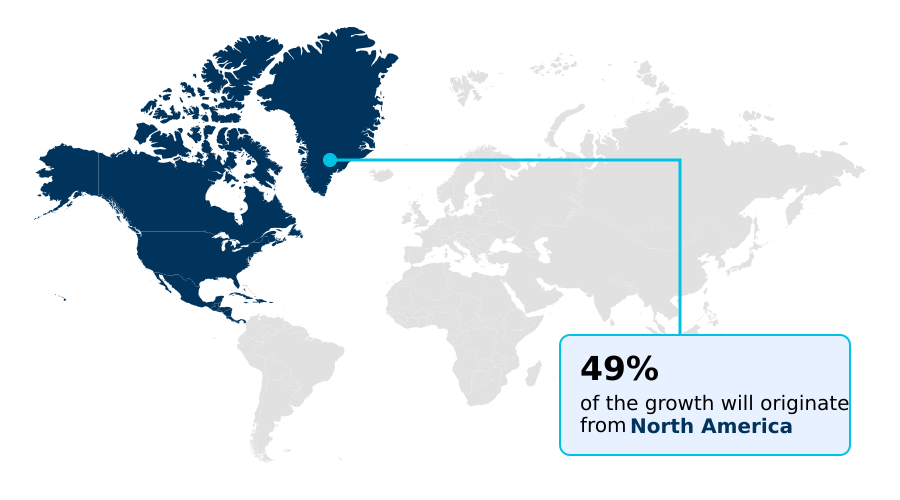
- North America dominated the market and accounted for a 48.8% growth during the forecast period.
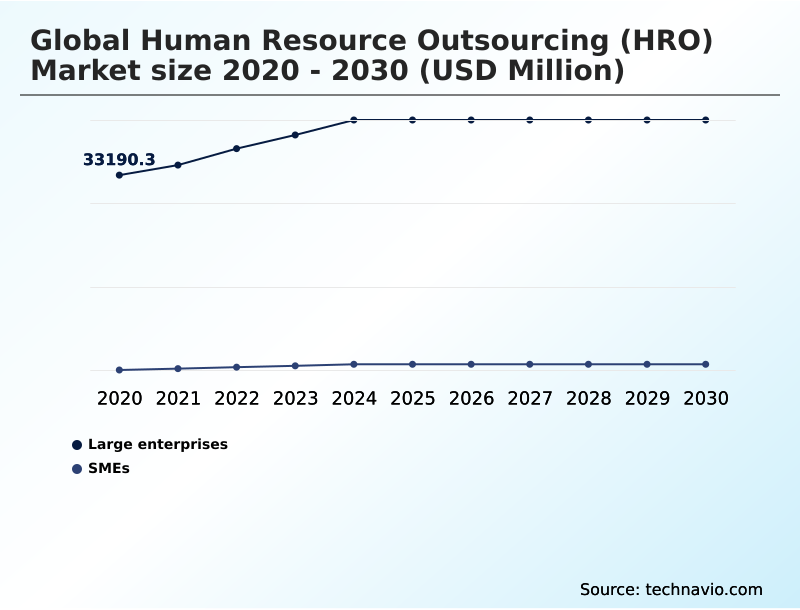
- By End-user - Large enterprises segment was valued at USD 40.90 billion in 2024
- By Service - PO segment accounted for the largest market revenue share in 2024
Market Size & Forecast
- Market Opportunities: USD 25.48 billion
- Market Future Opportunities: USD 14.58 billion
- CAGR from 2025 to 2030 : 5.2%
Market Summary
- The human resource outsourcing (HRO) market is undergoing a profound evolution, moving beyond transactional support to become a strategic partner in digital HR transformation. A primary driver is the integration of agentic AI in HR, which automates complex workflows like multi-country payroll compliance and benefits administration outsourcing, significantly reducing administrative overhead.
- This technological shift is complemented by a strategic focus on the employee value proposition, leveraging employee experience platforms and robust talent retention strategies. However, the industry faces challenges, including the need for stringent algorithmic bias mitigation and adherence to cross-border data sovereignty laws.
- For instance, a multinational firm expanding into new territories utilizes an HRO provider for managed service provider (MSP) models to handle contingent workforce management and ensure compliance with local labor laws, including the complexities of a co-employment legal framework.
- This allows the firm's internal HR to focus on strategic succession planning outsourcing and building a resilient organizational culture, demonstrating the market's shift toward high-value, technology-enabled partnerships.
What will be the Size of the Human Resource Outsourcing (HRO) Market during the forecast period?
Get Key Insights on Market Forecast (PDF) Get Free Sample
How is the Human Resource Outsourcing (HRO) Market Segmented?
The human resource outsourcing (hro) industry research report provides comprehensive data (region-wise segment analysis), with forecasts and estimates in "USD million" for the period 2026-2030, as well as historical data from 2020-2024 for the following segments.
- End-user
- Large enterprises
- SMEs
- Service
- PO
- BAO
- MPHRO
- RPO
- LSO
- Delivery mode
- Offshore
- Onshore
- Nearshore
- Geography
- North America
- US
- Canada
- Mexico
- Europe
- Germany
- UK
- France
- APAC
- China
- India
- Japan
- South America
- Brazil
- Argentina
- Colombia
- Middle East and Africa
- UAE
- Saudi Arabia
- South Africa
- Rest of World (ROW)
- North America
By End-user Insights
The large enterprises segment is estimated to witness significant growth during the forecast period.
The large enterprises segment represents the most significant portion of the human resource outsourcing market, driven by the need to manage complex, global workforces.
For these organizations, outsourcing is a strategic imperative to standardize processes, ensure statutory compliance requirements across jurisdictions, and achieve economies of scale.
The adoption of multi-process HRO (MPHRO) and cloud-based hris solutions allows for the consolidation of payroll outsourcing (po), benefits administration outsourcing (bao), and talent management. This integration provides superior data visibility for workforce analytics and planning.
By leveraging professional employer organization (PEO) and administrative service organization (ASO) models, large firms can expand internationally while mitigating risks.
This focus on strategic partnership, rather than just cost-cutting, is critical, as nearly 91% of companies view AI as a catalyst for workforce transformation, underscoring the demand for advanced, integrated HRO services.
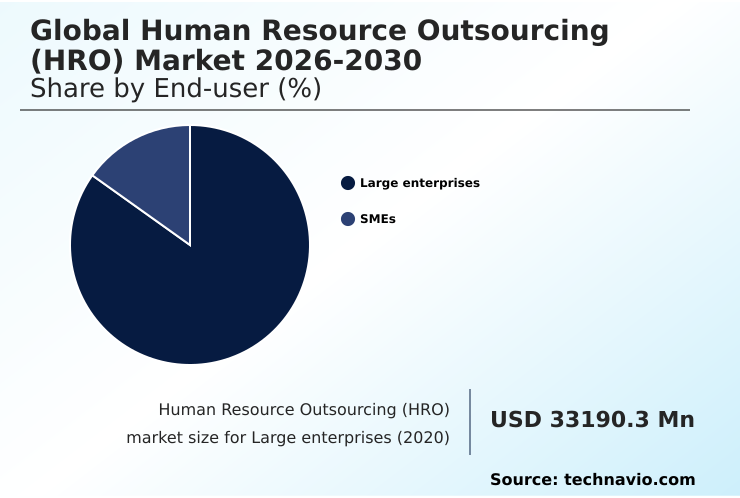
The Large enterprises segment was valued at USD 40.90 billion in 2024 and showed a gradual increase during the forecast period.
Regional Analysis
North America is estimated to contribute 48.8% to the growth of the global market during the forecast period.Technavio’s analysts have elaborately explained the regional trends and drivers that shape the market during the forecast period.
See How Human Resource Outsourcing (HRO) Market Demand is Rising in North America Get Free Sample
The geographic landscape of the market is characterized by distinct regional drivers and varying maturity levels.
North America, contributing nearly 48.8% of the incremental growth, leads in adoption, driven by complex regulatory environments and a high demand for sophisticated managed service provider (MSP) models and professional employer organization (PEO) structures.
In contrast, APAC is the fastest-growing region, with a 6.5% growth rate, fueled by rapid digitalization and the need for scalable global payroll solutions to support an expanding workforce.
Europe's market is shaped by stringent data privacy laws, emphasizing the need for compliant cross-border data sovereignty and robust HR data security protocols.
South America is formalizing HR practices, while the Middle East and Africa show potential in niche areas like global mobility services, reflecting a global industry adapting to localized demands for talent acquisition and compliance.
Market Dynamics
Our researchers analyzed the data with 2025 as the base year, along with the key drivers, trends, and challenges. A holistic analysis of drivers will help companies refine their marketing strategies to gain a competitive advantage.
- Navigating the human resource outsourcing (HRO) market requires a deep understanding of its evolving service models and technological underpinnings. Businesses considering how to outsource global payroll compliance must evaluate providers on their ability to manage complex statutory requirements across multiple jurisdictions.
- The benefits of PEO for small business are significant, offering access to enterprise-level benefits and risk mitigation, which often makes it a superior choice when comparing PEO vs ASO service models. However, the industry is grappling with the challenges of AI in recruitment screening, necessitating best practices for HR data security and strategies for mitigating algorithmic bias in HR.
- Choosing a recruitment process outsourcing provider is a critical decision, with a direct impact on improving talent acquisition with RPO. Organizations are also focused on implementing an employee experience platform and automating employee onboarding process to boost engagement. Managing remote workforce compliance issues has become a top priority, alongside navigating data sovereignty in HRO.
- The role of AI in predictive workforce analytics is transforming how companies approach talent management, enabling them to use analytics for talent retention more effectively. The impact of generative AI on HR roles, the trends in learning services outsourcing, and the drive to build a skills-based talent strategy are reshaping the cost of human resource outsourcing services.
- HRO solutions for multinational corporations now increasingly involve integrating HCM platforms with payroll systems and achieving compliance-as-a-service in HR, a strategic shift that has boosted operational efficiency by over 15% compared to legacy, siloed approaches.
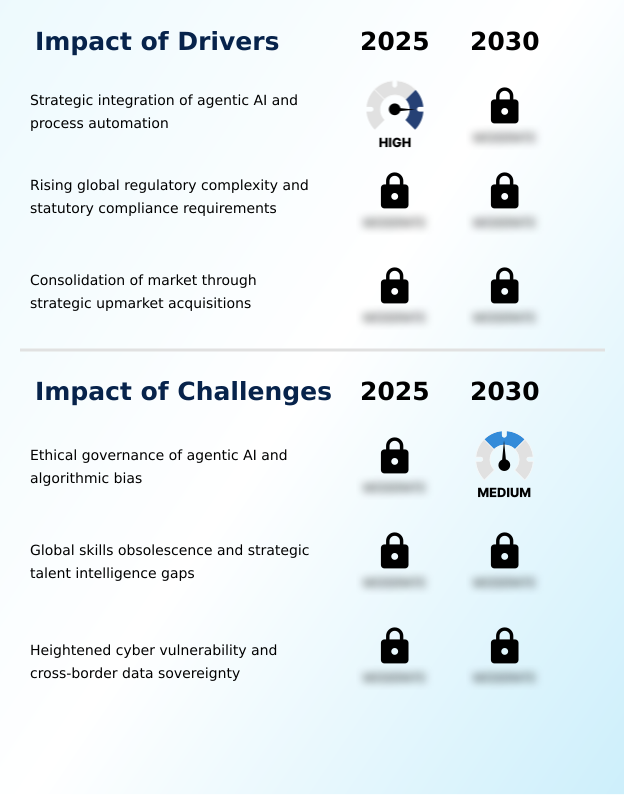
What are the key market drivers leading to the rise in the adoption of Human Resource Outsourcing (HRO) Industry?
- The strategic integration of agentic AI and process automation serves as a key driver, revolutionizing human capital management and operational efficiency.
- A primary driver for the market is the strategic integration of agentic AI systems, which is moving HR functions from simple automation to autonomous execution of multi-step workflows.
- This evolution enables a radical reduction in administrative overhead, with early adopters reporting up to a 40% decrease in manual errors in payroll processing and benefits administration. For global organizations, these systems provide unprecedented scalability and precision.
- Another key driver is the escalating complexity of global labor regulations, creating massive demand for specialized providers who can guarantee compliance.
- This has turned outsourcing partners into strategic risk mitigators, a crucial factor for mid-sized and large enterprises seeking international expansion.
- The ability of a provider to offer 'compliance-as-a-service' insulates clients from significant financial penalties, making it a baseline requirement for global operations.
What are the market trends shaping the Human Resource Outsourcing (HRO) Industry?
- The market is witnessing a strategic transition toward AI-enabled predictive workforce analytics. This shift enables organizations to proactively manage talent and anticipate future labor needs.
- The market is undergoing a significant transformation, moving beyond administrative support to integrate sophisticated predictive workforce analytics. This trend is driven by the need for multinational organizations to manage complex, distributed workforces, with firms using such analytics reporting a 15% improvement in forecasting accuracy for talent needs.
- Outsourcing partners are leveraging machine learning to analyze vast datasets, enabling enterprises to anticipate future skill gaps and identify high-potential employees. This shift ensures HRO functions as a strategic lever for business growth. The modernization of analytic capabilities, with some platforms now providing real-time labor market insights, empowers businesses to navigate the volatile international labor landscape.
- This data-driven approach is becoming essential, as it allows for more accurate workforce planning and budget allocation, with companies anticipating recruitment needs up to six months in advance.
What challenges does the Human Resource Outsourcing (HRO) Industry face during its growth?
- Ethical governance of agentic AI and the mitigation of algorithmic bias present a key challenge to sustainable industry growth and adoption.
- A profound challenge facing the market is the ethical governance of agentic AI and the mitigation of algorithmic bias. As these systems are tasked with high-stakes decisions like candidate screening and performance scoring, the risk of perpetuating systemic discrimination is significant, creating legal liability.
- This is compounded by a lack of confidence among IT leaders, with fewer than 50% feeling secure in the guardrails for these autonomous agents. Another critical challenge is the rapid obsolescence of professional skills.
- Traditional outsourcing models are insufficient, as nearly 91% of companies now view AI as a primary catalyst for workforce transformation, requiring HRO partners to provide sophisticated, skills-powered talent intelligence. Finally, heightened cyber vulnerability remains a persistent threat, with over 52% of CHROs prioritizing security concerns amidst rising cross-border data sovereignty complexities.
Exclusive Technavio Analysis on Customer Landscape
The human resource outsourcing (hro) market forecasting report includes the adoption lifecycle of the market, covering from the innovator’s stage to the laggard’s stage. It focuses on adoption rates in different regions based on penetration. Furthermore, the human resource outsourcing (hro) market report also includes key purchase criteria and drivers of price sensitivity to help companies evaluate and develop their market growth analysis strategies.
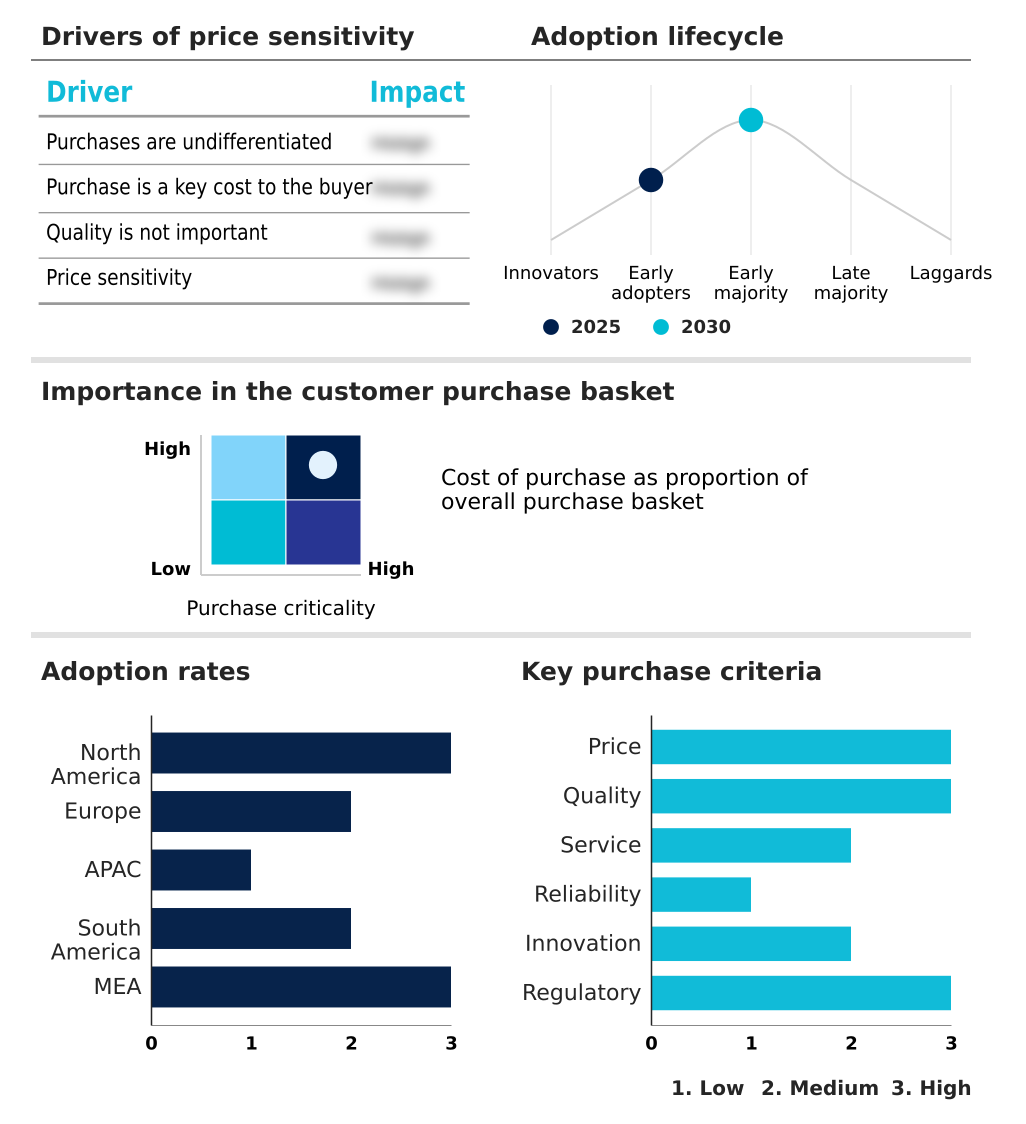
Customer Landscape of Human Resource Outsourcing (HRO) Industry
Competitive Landscape
Companies are implementing various strategies, such as strategic alliances, human resource outsourcing (hro) market forecast, partnerships, mergers and acquisitions, geographical expansion, and product/service launches, to enhance their presence in the industry.
Accenture Plc - Provides strategic human resource outsourcing (HRO) encompassing HR transformation, payroll management, and comprehensive talent management services to drive enterprise-level operational efficiency.
The industry research and growth report includes detailed analyses of the competitive landscape of the market and information about key companies, including:
- Accenture Plc
- Adecco Group AG
- Automatic Data Processing Inc.
- Alight Inc.
- Aon plc
- Bambee Inc.
- Cognizant Technology Solution
- Deel Inc.
- Deloitte Touche Tohmatsu Ltd.
- IBM Corp.
- Infosys Ltd.
- Insperity Inc.
- Justworks Inc.
- ManpowerGroup Inc.
- Mercer LLC
- Paychex Inc.
- Payoneer Global Inc.
- Randstad NV
- TriNet Group Inc.
- Wipro Ltd.
Qualitative and quantitative analysis of companies has been conducted to help clients understand the wider business environment as well as the strengths and weaknesses of key industry players. Data is qualitatively analyzed to categorize companies as pure play, category-focused, industry-focused, and diversified; it is quantitatively analyzed to categorize companies as dominant, leading, strong, tentative, and weak.
Recent Development and News in Human resource outsourcing (hro) market
- In April, 2025, Paychex, Inc. successfully completed its $4.1 billion acquisition of Paycor HCM, Inc., a strategic move designed to unite two industry leaders and enhance their competitive position in the upmarket segment.
- In April, 2025, the international software group Visma successfully acquired the Argentina-based human resource technology firm Lara AI, a move intended to strengthen its presence in the Latin American market.
- In November, 2024, Automatic Data Processing Inc. launched its new AI-powered global compliance platform, designed to help multinational corporations navigate complex cross-border labor laws and data privacy regulations.
- In January, 2025, Deel Inc. announced a strategic partnership with a leading global payments platform to streamline cross-border payroll for remote workers, enhancing payment speed and currency conversion efficiency.
Dive into Technavio’s robust research methodology, blending expert interviews, extensive data synthesis, and validated models for unparalleled Human Resource Outsourcing (HRO) Market insights. See full methodology.
| Market Scope | |
|---|---|
| Page number | 309 |
| Base year | 2025 |
| Historic period | 2020-2024 |
| Forecast period | 2026-2030 |
| Growth momentum & CAGR | Accelerate at a CAGR of 5.2% |
| Market growth 2026-2030 | USD 14579.2 million |
| Market structure | Fragmented |
| YoY growth 2025-2026(%) | 5.1% |
| Key countries | US, Canada, Mexico, Germany, UK, France, Italy, Spain, The Netherlands, China, India, Japan, Australia, South Korea, Singapore, Brazil, Argentina, Colombia, UAE, Saudi Arabia, South Africa, Egypt and Nigeria |
| Competitive landscape | Leading Companies, Market Positioning of Companies, Competitive Strategies, and Industry Risks |
Research Analyst Overview
- The human resource outsourcing market is at a pivotal juncture, defined by a rapid pivot toward digital HR transformation and technology-led service delivery. The integration of agentic AI in HR is automating core functions, from payroll processing outsourcing to the entire talent acquisition lifecycle, creating a new paradigm for HR service delivery models.
- Boardroom decisions are now heavily influenced by the capabilities of human capital management platforms to deliver actionable workforce analytics and planning. Key offerings like benefits administration outsourcing (bao) and payroll outsourcing (po) are now baseline expectations, with differentiation coming from advanced capabilities such as predictive attrition modeling and skills-based talent management.
- Firms are leveraging multi-process HRO (MPHRO) and learning services outsourcing (LSO) to build a resilient employee value proposition. However, challenges persist; over 52% of HR leaders cite HR data security protocols and cross-border data sovereignty as major concerns.
- The adoption of employee self-service portals and automated compliance monitoring is essential for managing statutory compliance requirements and the complexities of a co-employment legal framework.
- The market's evolution is centered on providing holistic solutions that encompass everything from global mobility services and succession planning outsourcing to onboarding process automation and employee relations management, all while navigating the complexities of algorithmic bias mitigation.
What are the Key Data Covered in this Human Resource Outsourcing (HRO) Market Research and Growth Report?
-
What is the expected growth of the Human Resource Outsourcing (HRO) Market between 2026 and 2030?
-
USD 14.58 billion, at a CAGR of 5.2%
-
-
What segmentation does the market report cover?
-
The report is segmented by End-user (Large enterprises, and SMEs), Service (PO, BAO, MPHRO, RPO, and LSO), Delivery Mode (Offshore, Onshore, and Nearshore) and Geography (North America, Europe, APAC, South America, Middle East and Africa)
-
-
Which regions are analyzed in the report?
-
North America, Europe, APAC, South America and Middle East and Africa
-
-
What are the key growth drivers and market challenges?
-
Strategic integration of agentic AI and process automation, Ethical governance of agentic AI and algorithmic bias
-
-
Who are the major players in the Human Resource Outsourcing (HRO) Market?
-
Accenture Plc, Adecco Group AG, Automatic Data Processing Inc., Alight Inc., Aon plc, Bambee Inc., Cognizant Technology Solution, Deel Inc., Deloitte Touche Tohmatsu Ltd., IBM Corp., Infosys Ltd., Insperity Inc., Justworks Inc., ManpowerGroup Inc., Mercer LLC, Paychex Inc., Payoneer Global Inc., Randstad NV, TriNet Group Inc. and Wipro Ltd.
-
Market Research Insights
- The market's dynamism is fueled by a strategic pivot toward data-driven HR decisions and scalable HR solutions. HRO service providers are leveraging predictive workforce analytics and talent intelligence platforms to offer more than just administrative support, with adoption rates for such advanced services increasing by over 20% in competitive sectors.
- The consolidation of global payroll and the rise of PEO co-employment models are central to this shift, allowing outsourced HR for SMEs to access enterprise-grade cloud-based HCM systems. This HR technology integration is crucial, as firms utilizing integrated talent management platforms report up to a 30% improvement in employee engagement metrics.
- Concurrently, managing cybersecurity in HRO and ensuring GDPR in HR data compliance are paramount, influencing vendor selection. The focus on a holistic employee experience, supported by employee well-being programs and AI-driven candidate screening, defines the competitive landscape.
We can help! Our analysts can customize this human resource outsourcing (hro) market research report to meet your requirements.
 RIA -
RIA -