

Tumor Ablation Market Analysis North America, Europe, Asia, Rest of World (ROW) - US, Canada, Germany, UK, China - Size and Forecast 2024-2028

Tumor Ablation Market Analysis North America, Europe, Asia, Rest of World (ROW) - US, Canada, Germany, UK, China - Size and Forecast 2024-2028

Published: May 2024 180 Pages SKU: IRTNTR77902

Market Overview at a Glance

$1.43 B
Market Opportunity
14.62%
CAGR
14.42
YoY growth 2023-2024(%)

Tumor Ablation Market Size 2024-2028

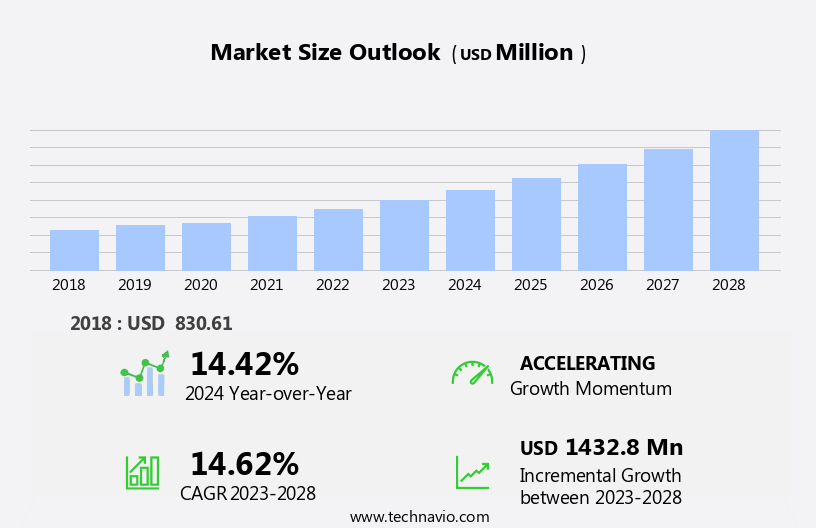
The tumor ablation market size is forecast to increase by USD 1.43 billion, at a CAGR of 14.62% between 2023 and 2028.

  • The market is witnessing significant growth, driven by the increasing preference for minimally invasive procedures in cancer treatment. This trend is fueled by the advantages of tumor ablation over traditional surgical methods, such as reduced recovery time, lower risk of complications, and minimal scarring. Another key driver is the increasing adoption of image-guided tumor ablation techniques, which offer improved accuracy and precision in targeting tumors, enhancing treatment efficacy. However, the market also faces challenges, primarily due to the technological complexities associated with tumor ablation. These complexities include the need for specialized equipment and skilled personnel, which can increase the cost of treatment and limit its accessibility.
  • Additionally, the lack of standardization in tumor ablation procedures and the need for ongoing research to improve treatment outcomes pose further challenges. Companies seeking to capitalize on market opportunities must invest in research and development to address these challenges and offer innovative, cost-effective solutions. By focusing on improving the accessibility and affordability of tumor ablation treatments, while maintaining high levels of accuracy and precision, these companies can effectively navigate the market landscape and meet the evolving needs of patients and healthcare providers.

What will be the Size of the Tumor Ablation Market during the forecast period?
Tumor Ablation Market Size

Explore in-depth regional segment analysis with market size data - historical 2018-2022 and forecasts 2024-2028 - in the full report.  
Request Free Sample

The market continues to evolve, driven by advancements in technology and growing demand for minimally invasive treatment options. The use of ablation techniques, such as radiofrequency, microwave, and laser, is expanding across various sectors, including oncology and interventional radiology. Cooling systems and tissue response analysis play crucial roles in ensuring effective ablation and minimizing complications. Ablation catheters, guided by image technology, enable precise electrode placement, while laparoscopic ablation offers advantages in terms of reduced invasiveness and quicker recovery times. Tumor ablation monitoring and temperature monitoring systems facilitate real-time assessment of treatment progress, ensuring optimal ablation efficacy. Percutaneous ablation, with its minimal incision requirements, is gaining popularity due to its convenience and cost-effectiveness.

Ablation needle design and energy source parameters are continually being refined to enhance ablation zone assessment and improve safety protocols. Complication management and recurrence rate reduction are key areas of focus, with ongoing research aimed at minimizing risks and optimizing treatment outcomes. Local tumor control is a primary goal, with thermal dose calculation and necrosis induction being essential aspects of ablation procedures. The design of ablation devices continues to evolve, with a focus on enhancing patient selection criteria and improving treatment protocols. High-intensity focused ultrasound is another emerging technology in the tumor ablation landscape, offering potential benefits in terms of precision and efficacy.

The market's continuous dynamism is underpinned by ongoing research and development efforts, ensuring the delivery of innovative solutions for effective tumor ablation.

How is this Tumor Ablation Industry segmented?

The tumor ablation industry research report provides comprehensive data (region-wise segment analysis), with forecasts and estimates in "USD million" for the period 2024-2028, as well as historical data from 2018-2022 for the following segments.

  • Type
    • Radiofrequency ablation
    • Microwave ablation
    • Cryoablation
    • Others
  • Application
    • Liver cancer
    • Lung cancer
    • Kidney cancer
    • Breast and others
  • Geography
    • North America
      • US
      • Canada
    • Europe
      • Germany
      • UK
    • APAC
      • China
    • Rest of World (ROW)

By Type Insights

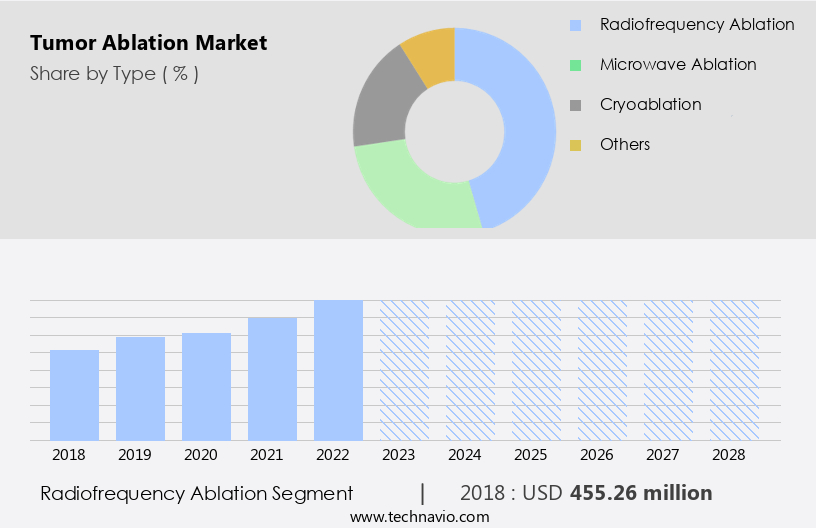
The radiofrequency ablation segment is estimated to witness significant growth during the forecast period.

Radiofrequency ablation is a minimally invasive tumor treatment that utilizes image-guided electrode placement to deliver thermal energy and induce necrosis in targeted tumor areas. This procedure, which employs radiofrequency pulses, is favored by patients due to its shorter hospital stays, quicker recovery times, and lower risk of complications compared to traditional open surgeries. Radiofrequency ablation has demonstrated efficacy in treating various tumor types, including liver, lung, kidney, and bone metastases. Clinical studies indicate that this procedure can achieve successful tumor ablation, leading to significant lesion volume reduction and improved patient outcomes. Treatment planning software and electrode placement are crucial components of radiofrequency ablation, ensuring precise energy delivery and minimizing the risk of complications.

Safety protocols, including cooling systems and tissue response analysis, are implemented to mitigate potential risks. Ablation catheters and needles are designed to optimize energy delivery and thermal dose calculation for local tumor control. High-intensity focused ultrasound and microwave ablation are alternative thermal ablation techniques. Thermal ablation procedures, including radiofrequency ablation, rely on energy source parameters and ablation temperature monitoring to ensure proper tissue coagulation. Ablation zone assessment and complication management are essential aspects of these treatments. Patient selection criteria and energy delivery systems are critical factors in procedure success rate and recurrence rate. Innovations in ablation device design, such as image-guided and laparoscopic ablation, have expanded the application of these minimally invasive procedures.

Radiofrequency ablation's minimally invasive nature, high ablation efficacy, and favorable patient outcomes continue to drive its popularity and growth in the market.
Tumor Ablation Market Size

Request Free Sample

The Radiofrequency ablation segment was valued at USD 455.26 billion in 2018 and showed a gradual increase during the forecast period.

Regional Analysis

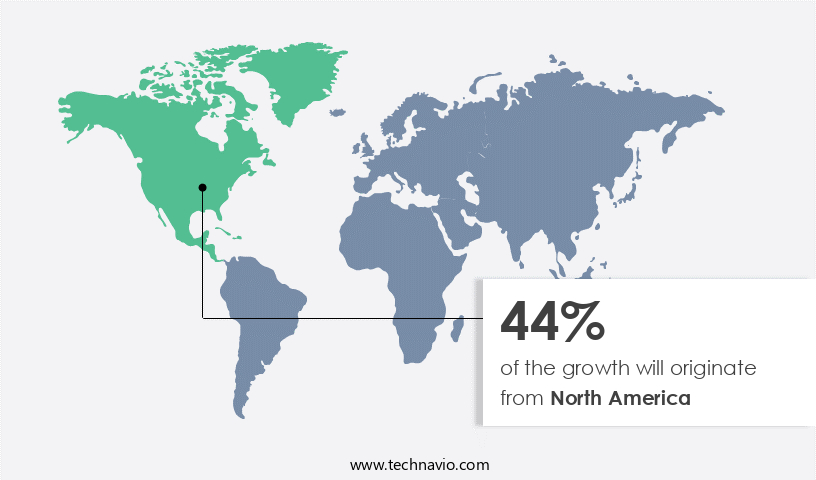
North America is estimated to contribute 44% to the growth of the global market during the forecast period. Technavio's analysts have elaborately explained the regional trends and drivers that shape the market during the forecast period.
Tumor Ablation Market Share by Geography

 Request Free Sample

The market in North America is experiencing significant growth due to the rising prevalence of cancer, particularly in conditions such as liver, lung, and renal cancer. With an aging population and persistent risk factors like obesity and smoking, the incidence of cancer continues to increase, expanding the patient base for ablation treatments. In 2022, approximately 1.92 million new cancer cases and 609,360 cancer deaths were reported in the US, equating to around 1,670 deaths daily. Lung cancer, with approximately 350 deaths per day, is the leading cause of cancer-related fatalities. The increasing healthcare expenditure in North America, coupled with favorable reimbursement policies for cancer treatments, is further fueling the adoption of minimally invasive ablation procedures, including laser ablation, radiofrequency ablation, microwave ablation, and high-intensity focused ultrasound.

These techniques offer advantages such as shorter treatment duration, reduced lesion volume, improved procedure success rate, and enhanced patient safety through the use of treatment planning software, tissue coagulation, safety protocols, cooling systems, tissue response analysis, ablation catheters, image-guided ablation, electrode placement, laparoscopic ablation, tumor ablation monitoring, ablation temperature monitoring, percutaneous ablation, ablation needle design, energy source parameters, ablation zone assessment, complication management, recurrence rate, and necrosis induction. Ablation devices are designed with advanced features, such as thermal dose calculation and energy delivery systems, to ensure optimal ablation efficacy and local tumor control.

Market Dynamics

Our researchers analyzed the data with 2023 as the base year, along with the key drivers, trends, and challenges. A holistic analysis of drivers will help companies refine their marketing strategies to gain a competitive advantage.

What are the key market drivers leading to the rise in the adoption of Tumor Ablation Industry?

  • The increasing demand for minimally invasive procedures serves as the primary market driver. 
  • Minimally invasive tumor ablation techniques, including radiofrequency ablation, microwave ablation, cryoablation, and high intensity focused ultrasound (HIFU) ablation, offer cancer patients less invasive alternatives to traditional open surgery. These procedures utilize tissue coagulation, heat, or cold to destroy tumors, resulting in reduced morbidity and mortality rates compared to surgical resection. Treatment planning software aids in the precise targeting of lesions, ensuring optimal treatment duration and ablation efficacy. The safety protocols implemented during these procedures minimize the risk of complications, making minimally invasive tumor ablation an attractive option for patients with comorbidities or advanced-stage disease. Procedure success rates are high, with many patients experiencing quicker recovery times and shorter hospital stays.
  • The benefits of minimally invasive tumor ablation extend beyond improved patient outcomes. These procedures offer less postoperative pain, quicker return to normal activities, and an overall enhancement of patient satisfaction. As technology advances, the use of laser ablation and other innovative ablation techniques continues to evolve, further increasing the potential for successful treatment and improved patient care.

What are the market trends shaping the Tumor Ablation Industry?

  • The increasing adoption of image-guided tumor ablation is a significant market trend in the healthcare industry. This advanced medical technique allows for precise and effective tumor destruction, making it a preferred option for patients seeking alternative treatments to surgery.
  • Image-guided tumor ablation procedures, utilizing technologies such as ultrasound, CT, Magnetic Resonance Imaging (MRI), and fluoroscopy, offer real-time visualization of tumors and surrounding structures. This enhances treatment precision by enabling accurate energy delivery to the tumor, minimizing damage to healthy tissue, and improving treatment efficacy. Real-time imaging guidance during ablation procedures ensures safe and effective execution, allowing physicians to monitor the extent of the tumor and make necessary adjustments to optimize outcomes while minimizing risks. The integration of image-guided ablation with navigation systems and software platforms further enhances treatment precision and workflow efficiency. Cooling systems play a crucial role in tumor ablation procedures, mitigating the risk of thermal damage to surrounding healthy tissue.
  • Tissue response analysis is another essential aspect of tumor ablation, ensuring the ablation temperature remains within the therapeutic range for optimal treatment efficacy. Ablation catheters, used in both laparoscopic and percutaneous ablation procedures, facilitate the delivery of energy to the tumor site. Ablation temperature monitoring is essential for ensuring the efficacy and safety of the procedure, providing real-time feedback to the physician. In conclusion, image-guided tumor ablation, cooling systems, tissue response analysis, ablation catheters, and ablation temperature monitoring are key components of successful tumor ablation procedures. These technologies enhance treatment precision, minimize risks, and optimize treatment outcomes.

What challenges does the Tumor Ablation Industry face during its growth?

  • The technological complexities surrounding tumor ablation represent a significant challenge to the industry's growth, as this minimally invasive cancer treatment requires precise and effective application of thermal or chemical energy to destroy tumors while minimizing damage to healthy surrounding tissue. 
  • Tumor ablation, a minimally invasive procedure for treating various types of tumors, involves the precise delivery of energy to destroy cancerous cells. Advanced ablation techniques, including microwave ablation, irreversible electroporation (IRE), and high-intensity focused ultrasound (HIFU), require specialized equipment and devices for effective tumor targeting. The complexity of these devices poses challenges for healthcare providers in terms of setup, operation, and maintenance. Successful tumor ablation depends on the accurate selection of patient criteria, appropriate energy source parameters, and effective ablation zone assessment. Healthcare providers must possess a deep understanding of different ablation modalities and their principles to ensure safe and effective treatment.
  • Real-time imaging guidance, such as ultrasound, CT, or MRI, plays a crucial role in visualizing the tumor and monitoring treatment progress. Complication management is another critical aspect of tumor ablation procedures. Healthcare providers must be prepared to address potential complications, such as bleeding, infection, and damage to surrounding healthy tissues. Recurrence rate is also a significant concern, emphasizing the importance of proper patient selection, appropriate treatment parameters, and effective ablation zone assessment. In conclusion, tumor ablation is a complex and specialized procedure that demands the expertise and proficiency of healthcare providers. By understanding the principles of various ablation modalities, selecting appropriate treatment parameters, and utilizing real-time imaging guidance, providers can ensure the safe and effective delivery of tumor ablation treatments.

Exclusive Customer Landscape

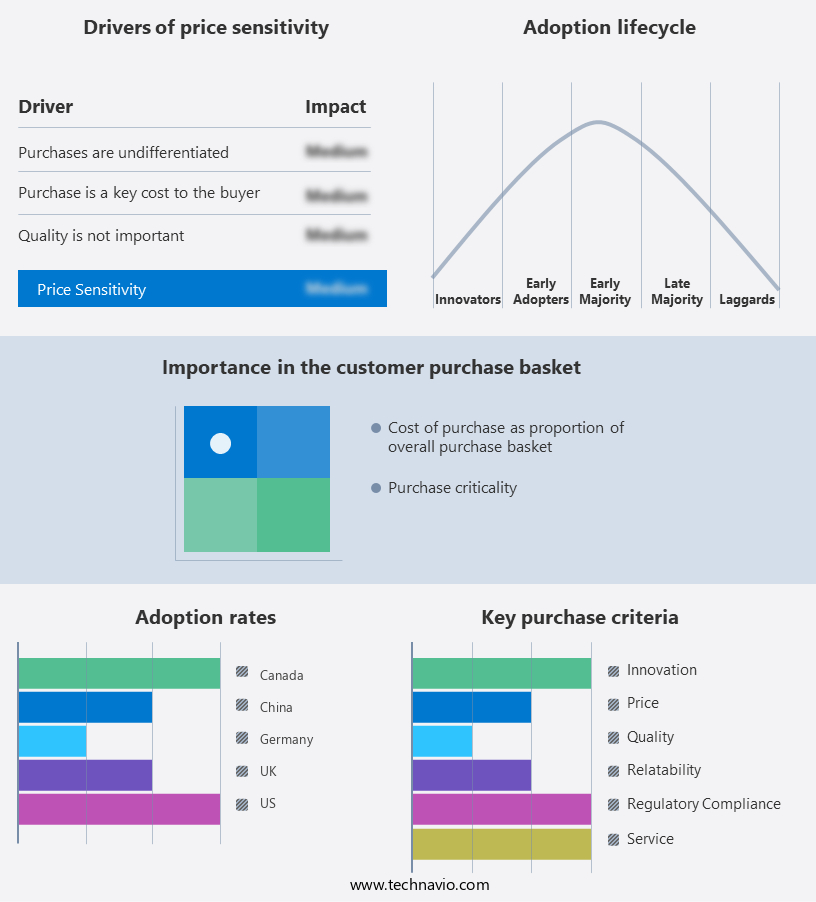
The tumor ablation market forecasting report includes the adoption lifecycle of the market, covering from the innovator's stage to the laggard's stage. It focuses on adoption rates in different regions based on penetration. Furthermore, the tumor ablation market report also includes key purchase criteria and drivers of price sensitivity to help companies evaluate and develop their market growth analysis strategies.
Tumor Ablation Market Share by Geography

 Customer Landscape

Key Companies & Market Insights

Companies are implementing various strategies, such as strategic alliances, tumor ablation market forecast, partnerships, mergers and acquisitions, geographical expansion, and product/service launches, to enhance their presence in the industry.

Alpinion Medical Systems Co. Ltd. - The StarBurst Radiofrequency Ablation System, a leading tumor ablation technology, sets itself apart with real-time tissue monitoring at the ablation margin. 

The industry research and growth report includes detailed analyses of the competitive landscape of the market and information about key companies, including:

  • Alpinion Medical Systems Co. Ltd.
  • AngioDynamics Inc.
  • Apyx Medical Corp.
  • Bioventus LLC
  • Boston Scientific Corp.
  • BVM Medical Ltd.
  • EDAP TMS
  • ForTec Medical
  • IceCure Medical Ltd.
  • Johnson and Johnson Services Inc.
  • Medtronic Plc
  • Merit Medical Systems Inc.
  • Mermaid Medical Group
  • Monteris Medical Corp.
  • Olympus Europa SE and Co. KG
  • Profound Medical Corp.
  • Smith and Nephew plc
  • Stryker Corp.
  • TechsoMed Medical Technologies Ltd.
  • Terumo Corp.
  • Varian Medical Systems Inc.

Qualitative and quantitative analysis of companies has been conducted to help clients understand the wider business environment as well as the strengths and weaknesses of key industry players. Data is qualitatively analyzed to categorize companies as pure play, category-focused, industry-focused, and diversified; it is quantitatively analyzed to categorize companies as dominant, leading, strong, tentative, and weak.

Recent Development and News in Tumor Ablation Market

  • In January 2024, Medtronic plc, a global healthcare solutions company, announced the U.S. Food and Drug Administration (FDA) approval of its new Microwave Ablation System, expanding its tumor ablation portfolio (Medtronic Press Release, 2024). This approval marked a significant technological advancement in the market, offering an alternative to traditional surgical methods.
  • In March 2024, Merit Medical Systems, Inc. and AngioDynamics, Inc. entered into a definitive agreement to merge, creating a leading interventional medical devices company. The merger aimed to strengthen their positions in the market by combining their complementary product portfolios and expanding their global reach (Merit Medical Systems, Inc. Press Release, 2024).
  • In April 2025, Boston Scientific Corporation received FDA approval for its ExAblate 2100 system, a high-intensity focused ultrasound (HIFU) ablation system for the ablation of soft tissue, including liver and kidney tumors. This approval represented a significant strategic partnership between Boston Scientific and Insightec Ltd., the developer of the ExAblate technology (Boston Scientific Corporation Press Release, 2025).
  • In May 2025, AngioDynamics, Inc. completed the acquisition of BioSphere Medical, a privately held medical device company specializing in the development and commercialization of innovative ablation technologies. The acquisition aimed to strengthen AngioDynamics' position in the market by adding BioSphere's proprietary Sphereablation technology to its portfolio (AngioDynamics, Inc. Press Release, 2025).

Research Analyst Overview

  • The market encompasses various minimally invasive procedures used to destroy targeted cancerous tissues, including lung and prostate ablation. Ablation systems employ different techniques such as thermal injury, real-time imaging, and temperature mapping to ensure precise lesion tracking and treatment planning. Oncological ablation and neurological ablation are gaining traction due to their effectiveness in treating various types of malignancies and neurological conditions. Targeted ablation procedures, like kidney and liver ablation, rely on advanced imaging techniques and monitoring systems to optimize energy deposition and treatment efficacy. Ablation complications, such as tissue damage and thermal injury, are minimized through advanced ablation technology and heat transfer modeling.
  • Interventional radiology plays a crucial role in the ablation procedure, ensuring accurate and safe ablation outcomes. The market is driven by the increasing demand for less invasive cancer treatments and advancements in ablation technology. Patient outcomes are a key focus, with ongoing research exploring the impact of tissue characteristics on ablation effectiveness. Bone ablation is another emerging application, offering an alternative to surgical ablation for certain conditions. The market is expected to grow as the benefits of ablation procedures become more widely recognized and accepted by the medical community. In the realm of ablation technology, advancements in targeted ablation systems and imaging techniques are driving innovation and improving patient outcomes.
  • The integration of advanced monitoring systems and treatment optimization strategies is further enhancing the efficacy of ablation procedures. Ablation power output and energy deposition are critical factors in the success of ablation procedures, with ongoing research aimed at optimizing these parameters for various applications. The future of the market lies in the continued development of advanced ablation systems and the integration of these technologies into clinical practice.

Dive into Technavio's robust research methodology, blending expert interviews, extensive data synthesis, and validated models for unparalleled Tumor Ablation Market insights. See full methodology.

Market Scope

Report Coverage

Details

Page number

180

Base year

2023

Historic period

2018-2022

Forecast period

2024-2028

Growth momentum & CAGR

Accelerate at a CAGR of 14.62%

Market growth 2024-2028

USD 1432.8 million

Market structure

Fragmented

YoY growth 2023-2024(%)

14.42

Key countries

US, Canada, Germany, UK, and China

Competitive landscape

Leading Companies, Market Positioning of Companies, Competitive Strategies, and Industry Risks

Request Free Sample

What are the Key Data Covered in this Tumor Ablation Market Research and Growth Report?

  • CAGR of the Tumor Ablation industry during the forecast period
  • Detailed information on factors that will drive the growth and forecasting between 2024 and 2028
  • Precise estimation of the size of the market and its contribution of the industry in focus to the parent market
  • Accurate predictions about upcoming growth and trends and changes in consumer behaviour
  • Growth of the market across North America, Europe, Asia, and Rest of World (ROW)
  • Thorough analysis of the market's competitive landscape and detailed information about companies
  • Comprehensive analysis of factors that will challenge the tumor ablation market growth of industry companies

We can help! Our analysts can customize this tumor ablation market research report to meet your requirements.

Get in touch

1 Executive Summary

  • 1.1 Market overview
    • Exhibit 01: Executive Summary – Chart on Market Overview
    • Exhibit 02: Executive Summary – Data Table on Market Overview
    • Exhibit 03: Executive Summary – Chart on Global Market Characteristics
    • Exhibit 04: Executive Summary – Chart on Market by Geography
    • Exhibit 05: Executive Summary – Chart on Market Segmentation by Type
    • Exhibit 06: Executive Summary – Chart on Market Segmentation by Application
    • Exhibit 07: Executive Summary – Chart on Incremental Growth
    • Exhibit 08: Executive Summary – Data Table on Incremental Growth
    • Exhibit 09: Executive Summary – Chart on Vendor Market Positioning

2 Market Landscape

  • 2.1 Market ecosystem
    • Exhibit 10: Parent market
    • Exhibit 11: Market Characteristics

3 Market Sizing

  • 3.1 Market definition
    • Exhibit 12: Offerings of vendors included in the market definition
  • 3.2 Market segment analysis
    • Exhibit 13: Market segments
  • 3.3 Market size 2023
    • 3.4 Market outlook: Forecast for 2023-2028
      • Exhibit 14: Chart on Global - Market size and forecast 2023-2028 ($ million)
      • Exhibit 15: Data Table on Global - Market size and forecast 2023-2028 ($ million)
      • Exhibit 16: Chart on Global Market: Year-over-year growth 2023-2028 (%)
      • Exhibit 17: Data Table on Global Market: Year-over-year growth 2023-2028 (%)

    4 Historic Market Size

    • 4.1 Global tumor ablation market 2018 - 2022
      • Exhibit 18: Historic Market Size – Data Table on global tumor ablation market 2018 - 2022 ($ million)
    • 4.2 Type Segment Analysis 2018 - 2022
      • Exhibit 19: Historic Market Size – Type Segment 2018 - 2022 ($ million)
    • 4.3 Application Segment Analysis 2018 - 2022
      • Exhibit 20: Historic Market Size – Application Segment 2018 - 2022 ($ million)
    • 4.4 Geography Segment Analysis 2018 - 2022
      • Exhibit 21: Historic Market Size – Geography Segment 2018 - 2022 ($ million)
    • 4.5 Country Segment Analysis 2018 - 2022
      • Exhibit 22: Historic Market Size – Country Segment 2018 - 2022 ($ million)

    5 Five Forces Analysis

    • 5.1 Five forces summary
      • Exhibit 23: Five forces analysis - Comparison between 2023 and 2028
    • 5.2 Bargaining power of buyers
      • Exhibit 24: Chart on Bargaining power of buyers – Impact of key factors 2023 and 2028
    • 5.3 Bargaining power of suppliers
      • Exhibit 25: Bargaining power of suppliers – Impact of key factors in 2023 and 2028
    • 5.4 Threat of new entrants
      • Exhibit 26: Threat of new entrants – Impact of key factors in 2023 and 2028
    • 5.5 Threat of substitutes
      • Exhibit 27: Threat of substitutes – Impact of key factors in 2023 and 2028
    • 5.6 Threat of rivalry
      • Exhibit 28: Threat of rivalry – Impact of key factors in 2023 and 2028
    • 5.7 Market condition
      • Exhibit 29: Chart on Market condition - Five forces 2023 and 2028

    6 Market Segmentation by Type

    • 6.1 Market segments
      • Exhibit 30: Chart on Type - Market share 2023-2028 (%)
      • Exhibit 31: Data Table on Type - Market share 2023-2028 (%)
    • 6.2 Comparison by Type
      • Exhibit 32: Chart on Comparison by Type
      • Exhibit 33: Data Table on Comparison by Type
    • 6.3 Radiofrequency ablation - Market size and forecast 2023-2028
      • Exhibit 34: Chart on Radiofrequency ablation - Market size and forecast 2023-2028 ($ million)
      • Exhibit 35: Data Table on Radiofrequency ablation - Market size and forecast 2023-2028 ($ million)
      • Exhibit 36: Chart on Radiofrequency ablation - Year-over-year growth 2023-2028 (%)
      • Exhibit 37: Data Table on Radiofrequency ablation - Year-over-year growth 2023-2028 (%)
    • 6.4 Microwave ablation - Market size and forecast 2023-2028
      • Exhibit 38: Chart on Microwave ablation - Market size and forecast 2023-2028 ($ million)
      • Exhibit 39: Data Table on Microwave ablation - Market size and forecast 2023-2028 ($ million)
      • Exhibit 40: Chart on Microwave ablation - Year-over-year growth 2023-2028 (%)
      • Exhibit 41: Data Table on Microwave ablation - Year-over-year growth 2023-2028 (%)
    • 6.5 Cryoablation - Market size and forecast 2023-2028
      • Exhibit 42: Chart on Cryoablation - Market size and forecast 2023-2028 ($ million)
      • Exhibit 43: Data Table on Cryoablation - Market size and forecast 2023-2028 ($ million)
      • Exhibit 44: Chart on Cryoablation - Year-over-year growth 2023-2028 (%)
      • Exhibit 45: Data Table on Cryoablation - Year-over-year growth 2023-2028 (%)
    • 6.6 Others - Market size and forecast 2023-2028
      • Exhibit 46: Chart on Others - Market size and forecast 2023-2028 ($ million)
      • Exhibit 47: Data Table on Others - Market size and forecast 2023-2028 ($ million)
      • Exhibit 48: Chart on Others - Year-over-year growth 2023-2028 (%)
      • Exhibit 49: Data Table on Others - Year-over-year growth 2023-2028 (%)
    • 6.7 Market opportunity by Type
      • Exhibit 50: Market opportunity by Type ($ million)
      • Exhibit 51: Data Table on Market opportunity by Type ($ million)

    7 Market Segmentation by Application

    • 7.1 Market segments
      • Exhibit 52: Chart on Application - Market share 2023-2028 (%)
      • Exhibit 53: Data Table on Application - Market share 2023-2028 (%)
    • 7.2 Comparison by Application
      • Exhibit 54: Chart on Comparison by Application
      • Exhibit 55: Data Table on Comparison by Application
    • 7.3 Liver cancer - Market size and forecast 2023-2028
      • Exhibit 56: Chart on Liver cancer - Market size and forecast 2023-2028 ($ million)
      • Exhibit 57: Data Table on Liver cancer - Market size and forecast 2023-2028 ($ million)
      • Exhibit 58: Chart on Liver cancer - Year-over-year growth 2023-2028 (%)
      • Exhibit 59: Data Table on Liver cancer - Year-over-year growth 2023-2028 (%)
    • 7.4 Lung cancer - Market size and forecast 2023-2028
      • Exhibit 60: Chart on Lung cancer - Market size and forecast 2023-2028 ($ million)
      • Exhibit 61: Data Table on Lung cancer - Market size and forecast 2023-2028 ($ million)
      • Exhibit 62: Chart on Lung cancer - Year-over-year growth 2023-2028 (%)
      • Exhibit 63: Data Table on Lung cancer - Year-over-year growth 2023-2028 (%)
    • 7.5 Kidney cancer - Market size and forecast 2023-2028
      • Exhibit 64: Chart on Kidney cancer - Market size and forecast 2023-2028 ($ million)
      • Exhibit 65: Data Table on Kidney cancer - Market size and forecast 2023-2028 ($ million)
      • Exhibit 66: Chart on Kidney cancer - Year-over-year growth 2023-2028 (%)
      • Exhibit 67: Data Table on Kidney cancer - Year-over-year growth 2023-2028 (%)
    • 7.6 Breast and others - Market size and forecast 2023-2028
      • Exhibit 68: Chart on Breast and others - Market size and forecast 2023-2028 ($ million)
      • Exhibit 69: Data Table on Breast and others - Market size and forecast 2023-2028 ($ million)
      • Exhibit 70: Chart on Breast and others - Year-over-year growth 2023-2028 (%)
      • Exhibit 71: Data Table on Breast and others - Year-over-year growth 2023-2028 (%)
    • 7.7 Market opportunity by Application
      • Exhibit 72: Market opportunity by Application ($ million)
      • Exhibit 73: Data Table on Market opportunity by Application ($ million)

    8 Customer Landscape

    • 8.1 Customer landscape overview
      • Exhibit 74: Analysis of price sensitivity, lifecycle, customer purchase basket, adoption rates, and purchase criteria

    9 Geographic Landscape

    • 9.1 Geographic segmentation
      • Exhibit 75: Chart on Market share by geography 2023-2028 (%)
      • Exhibit 76: Data Table on Market share by geography 2023-2028 (%)
    • 9.2 Geographic comparison
      • Exhibit 77: Chart on Geographic comparison
      • Exhibit 78: Data Table on Geographic comparison
    • 9.3 North America - Market size and forecast 2023-2028
      • Exhibit 79: Chart on North America - Market size and forecast 2023-2028 ($ million)
      • Exhibit 80: Data Table on North America - Market size and forecast 2023-2028 ($ million)
      • Exhibit 81: Chart on North America - Year-over-year growth 2023-2028 (%)
      • Exhibit 82: Data Table on North America - Year-over-year growth 2023-2028 (%)
    • 9.4 Europe - Market size and forecast 2023-2028
      • Exhibit 83: Chart on Europe - Market size and forecast 2023-2028 ($ million)
      • Exhibit 84: Data Table on Europe - Market size and forecast 2023-2028 ($ million)
      • Exhibit 85: Chart on Europe - Year-over-year growth 2023-2028 (%)
      • Exhibit 86: Data Table on Europe - Year-over-year growth 2023-2028 (%)
    • 9.5 Asia - Market size and forecast 2023-2028
      • Exhibit 87: Chart on Asia - Market size and forecast 2023-2028 ($ million)
      • Exhibit 88: Data Table on Asia - Market size and forecast 2023-2028 ($ million)
      • Exhibit 89: Chart on Asia - Year-over-year growth 2023-2028 (%)
      • Exhibit 90: Data Table on Asia - Year-over-year growth 2023-2028 (%)
    • 9.6 Rest of World (ROW) - Market size and forecast 2023-2028
      • Exhibit 91: Chart on Rest of World (ROW) - Market size and forecast 2023-2028 ($ million)
      • Exhibit 92: Data Table on Rest of World (ROW) - Market size and forecast 2023-2028 ($ million)
      • Exhibit 93: Chart on Rest of World (ROW) - Year-over-year growth 2023-2028 (%)
      • Exhibit 94: Data Table on Rest of World (ROW) - Year-over-year growth 2023-2028 (%)
    • 9.7 US - Market size and forecast 2023-2028
      • Exhibit 95: Chart on US - Market size and forecast 2023-2028 ($ million)
      • Exhibit 96: Data Table on US - Market size and forecast 2023-2028 ($ million)
      • Exhibit 97: Chart on US - Year-over-year growth 2023-2028 (%)
      • Exhibit 98: Data Table on US - Year-over-year growth 2023-2028 (%)
    • 9.8 Germany - Market size and forecast 2023-2028
      • Exhibit 99: Chart on Germany - Market size and forecast 2023-2028 ($ million)
      • Exhibit 100: Data Table on Germany - Market size and forecast 2023-2028 ($ million)
      • Exhibit 101: Chart on Germany - Year-over-year growth 2023-2028 (%)
      • Exhibit 102: Data Table on Germany - Year-over-year growth 2023-2028 (%)
    • 9.9 China - Market size and forecast 2023-2028
      • Exhibit 103: Chart on China - Market size and forecast 2023-2028 ($ million)
      • Exhibit 104: Data Table on China - Market size and forecast 2023-2028 ($ million)
      • Exhibit 105: Chart on China - Year-over-year growth 2023-2028 (%)
      • Exhibit 106: Data Table on China - Year-over-year growth 2023-2028 (%)
    • 9.10 UK - Market size and forecast 2023-2028
      • Exhibit 107: Chart on UK - Market size and forecast 2023-2028 ($ million)
      • Exhibit 108: Data Table on UK - Market size and forecast 2023-2028 ($ million)
      • Exhibit 109: Chart on UK - Year-over-year growth 2023-2028 (%)
      • Exhibit 110: Data Table on UK - Year-over-year growth 2023-2028 (%)
    • 9.11 Canada - Market size and forecast 2023-2028
      • Exhibit 111: Chart on Canada - Market size and forecast 2023-2028 ($ million)
      • Exhibit 112: Data Table on Canada - Market size and forecast 2023-2028 ($ million)
      • Exhibit 113: Chart on Canada - Year-over-year growth 2023-2028 (%)
      • Exhibit 114: Data Table on Canada - Year-over-year growth 2023-2028 (%)
    • 9.12 Market opportunity by geography
      • Exhibit 115: Market opportunity by geography ($ million)
      • Exhibit 116: Data Tables on Market opportunity by geography ($ million)

    10 Drivers, Challenges, and Trends

    • 10.1 Market drivers
      • 10.2 Market challenges
        • 10.3 Impact of drivers and challenges
          • Exhibit 117: Impact of drivers and challenges in 2023 and 2028
        • 10.4 Market trends

          11 Vendor Landscape

          • 11.1 Overview
            • 11.2 Vendor landscape
              • Exhibit 118: Overview on Criticality of inputs and Factors of differentiation
            • 11.3 Landscape disruption
              • Exhibit 119: Overview on factors of disruption
            • 11.4 Industry risks
              • Exhibit 120: Impact of key risks on business

            12 Vendor Analysis

            • 12.1 Vendors covered
              • Exhibit 121: Vendors covered
            • 12.2 Market positioning of vendors
              • Exhibit 122: Matrix on vendor position and classification
            • 12.3 AngioDynamics Inc.
              • Exhibit 123: AngioDynamics Inc. - Overview
              • Exhibit 124: AngioDynamics Inc. - Business segments
              • Exhibit 125: AngioDynamics Inc. - Key news
              • Exhibit 126: AngioDynamics Inc. - Key offerings
              • Exhibit 127: AngioDynamics Inc. - Segment focus
            • 12.4 Bioventus LLC
              • Exhibit 128: Bioventus LLC - Overview
              • Exhibit 129: Bioventus LLC - Business segments
              • Exhibit 130: Bioventus LLC - Key news
              • Exhibit 131: Bioventus LLC - Key offerings
              • Exhibit 132: Bioventus LLC - Segment focus
            • 12.5 Boston Scientific Corp.
              • Exhibit 133: Boston Scientific Corp. - Overview
              • Exhibit 134: Boston Scientific Corp. - Business segments
              • Exhibit 135: Boston Scientific Corp. - Key news
              • Exhibit 136: Boston Scientific Corp. - Key offerings
              • Exhibit 137: Boston Scientific Corp. - Segment focus
            • 12.6 BVM Medical Ltd.
              • Exhibit 138: BVM Medical Ltd. - Overview
              • Exhibit 139: BVM Medical Ltd. - Product / Service
              • Exhibit 140: BVM Medical Ltd. - Key offerings
            • 12.7 EDAP TMS
              • Exhibit 141: EDAP TMS - Overview
              • Exhibit 142: EDAP TMS - Business segments
              • Exhibit 143: EDAP TMS - Key offerings
              • Exhibit 144: EDAP TMS - Segment focus
            • 12.8 ForTec Medical
              • Exhibit 145: ForTec Medical - Overview
              • Exhibit 146: ForTec Medical - Product / Service
              • Exhibit 147: ForTec Medical - Key offerings
            • 12.9 Johnson and Johnson Services Inc.
              • Exhibit 148: Johnson and Johnson Services Inc. - Overview
              • Exhibit 149: Johnson and Johnson Services Inc. - Business segments
              • Exhibit 150: Johnson and Johnson Services Inc. - Key news
              • Exhibit 151: Johnson and Johnson Services Inc. - Key offerings
              • Exhibit 152: Johnson and Johnson Services Inc. - Segment focus
            • 12.10 Medtronic Plc
              • Exhibit 153: Medtronic Plc - Overview
              • Exhibit 154: Medtronic Plc - Business segments
              • Exhibit 155: Medtronic Plc - Key news
              • Exhibit 156: Medtronic Plc - Key offerings
              • Exhibit 157: Medtronic Plc - Segment focus
            • 12.11 Merit Medical Systems Inc.
              • Exhibit 158: Merit Medical Systems Inc. - Overview
              • Exhibit 159: Merit Medical Systems Inc. - Business segments
              • Exhibit 160: Merit Medical Systems Inc. - Key offerings
              • Exhibit 161: Merit Medical Systems Inc. - Segment focus
            • 12.12 Monteris Medical Corp.
              • Exhibit 162: Monteris Medical Corp. - Overview
              • Exhibit 163: Monteris Medical Corp. - Product / Service
              • Exhibit 164: Monteris Medical Corp. - Key offerings
            • 12.13 Olympus Europa SE and Co. KG
              • Exhibit 165: Olympus Europa SE and Co. KG - Overview
              • Exhibit 166: Olympus Europa SE and Co. KG - Product / Service
              • Exhibit 167: Olympus Europa SE and Co. KG - Key offerings
            • 12.14 Smith and Nephew plc
              • Exhibit 168: Smith and Nephew plc - Overview
              • Exhibit 169: Smith and Nephew plc - Business segments
              • Exhibit 170: Smith and Nephew plc - Key news
              • Exhibit 171: Smith and Nephew plc - Key offerings
              • Exhibit 172: Smith and Nephew plc - Segment focus
            • 12.15 Stryker Corp.
              • Exhibit 173: Stryker Corp. - Overview
              • Exhibit 174: Stryker Corp. - Business segments
              • Exhibit 175: Stryker Corp. - Key news
              • Exhibit 176: Stryker Corp. - Key offerings
              • Exhibit 177: Stryker Corp. - Segment focus
            • 12.16 Terumo Corp.
              • Exhibit 178: Terumo Corp. - Overview
              • Exhibit 179: Terumo Corp. - Business segments
              • Exhibit 180: Terumo Corp. - Key offerings
              • Exhibit 181: Terumo Corp. - Segment focus
            • 12.17 Varian Medical Systems Inc.
              • Exhibit 182: Varian Medical Systems Inc. - Overview
              • Exhibit 183: Varian Medical Systems Inc. - Business segments
              • Exhibit 184: Varian Medical Systems Inc. - Key offerings
              • Exhibit 185: Varian Medical Systems Inc. - Segment focus

            13 Appendix

            • 13.1 Scope of the report
              • 13.2 Inclusions and exclusions checklist
                • Exhibit 186: Inclusions checklist
                • Exhibit 187: Exclusions checklist
              • 13.3 Currency conversion rates for US$
                • Exhibit 188: Currency conversion rates for US$
              • 13.4 Research methodology
                • Exhibit 189: Research methodology
                • Exhibit 190: Validation techniques employed for market sizing
                • Exhibit 191: Information sources
              • 13.5 List of abbreviations
                • Exhibit 192: List of abbreviations

              Research Methodology

              Technavio presents a detailed picture of the market by way of study, synthesis, and summation of data from multiple sources. The analysts have presented the various facets of the market with a particular focus on identifying the key industry influencers. The data thus presented is comprehensive, reliable, and the result of extensive research, both primary and secondary.

              INFORMATION SOURCES

              Primary sources

              • Manufacturers and suppliers
              • Channel partners
              • Industry experts
              • Strategic decision makers

              Secondary sources

              • Industry journals and periodicals
              • Government data
              • Financial reports of key industry players
              • Historical data
              • Press releases

              DATA ANALYSIS

              Data Synthesis

              • Collation of data
              • Estimation of key figures
              • Analysis of derived insights

              Data Validation

              • Triangulation with data models
              • Reference against proprietary databases
              • Corroboration with industry experts

              REPORT WRITING

              Qualitative

              • Market drivers
              • Market challenges
              • Market trends
              • Five forces analysis

              Quantitative

              • Market size and forecast
              • Market segmentation
              • Geographical insights
              • Competitive landscape

              Interested in this report?

              Get your sample now to see our research methodology and insights!

              Download Now

              Frequently Asked Questions

              Tumor Ablation market growth will increase by $ 1432.8 mn during 2024-2028.

              The Tumor Ablation market is expected to grow at a CAGR of 14.62% during 2024-2028.

              Tumor Ablation market is segmented by Type( Radiofrequency ablation, Microwave ablation, Cryoablation, Others) Application( Liver cancer, Lung cancer, Kidney cancer, Breast and others)

              Alpinion Medical Systems Co. Ltd., AngioDynamics Inc., Apyx Medical Corp., Bioventus LLC, Boston Scientific Corp., BVM Medical Ltd., EDAP TMS, ForTec Medical, IceCure Medical Ltd., Johnson and Johnson Services Inc., Medtronic Plc, Merit Medical Systems Inc., Mermaid Medical Group, Monteris Medical Corp., Olympus Europa SE and Co. KG, Profound Medical Corp., Smith and Nephew plc, Stryker Corp., TechsoMed Medical Technologies Ltd., Terumo Corp., Varian Medical Systems Inc. are a few of the key vendors in the Tumor Ablation market.

              North America will register the highest growth rate of 44% among the other regions. Therefore, the Tumor Ablation market in North America is expected to garner significant business opportunities for the vendors during the forecast period.

              US, Canada, Germany, UK, China

              • Growing preference for minimally invasive proceduresMinimally invasive tumor ablation techniques is the driving factor this market.
              • such as radiofrequency ablation is the driving factor this market.
              • microwave ablation is the driving factor this market.
              • cryoablation is the driving factor this market.
              • and HIFU ablation is the driving factor this market.
              • offer less invasive alternatives to traditional open surgery. These procedures typically result in reduced morbidity and mortality rates when compared to open surgical resection is the driving factor this market.
              • making them attractive options for cancer patients is the driving factor this market.
              • particularly those with comorbidities or advanced-stage disease. Additionally is the driving factor this market.
              • minimally invasive tumor ablation procedures are associated with shorter hospital stays and faster recovery times when compared with traditional open surgery. Cancer patients undergoing minimally invasive tumor ablation techniques often experience less postoperative pain is the driving factor this market.
              • reduced risk of complications is the driving factor this market.
              • and quicker return to normal activities is the driving factor this market.
              • thereby improving the overall quality of life and patient satisfaction. For instance is the driving factor this market.
              • AngioDynamics Inc. offers ablation products for vascular is the driving factor this market.
              • peripheral vascular is the driving factor this market.
              • and oncology and offers three tumor ablation systems is the driving factor this market.
              • including StarBurst RFA is the driving factor this market.
              • Solero Microwave Tissue Ablation System is the driving factor this market.
              • and NanoKnife 3.0 System. StarBurst RFA is a radiofrequency interstitial tissue ablation system that uses a thin needle electrode to deliver electrical energy to lesions in the liver. The energy heats the cells around the electrode. The StarBurst RFA electrode can monitor tissue ablation in real time. The Solero Microwave Tissue Ablation System is a microwave tissue ablation system that is specially developed to complete a 5 cm ablation within six minutes at maximum power output using a single applicator. Furthermore is the driving factor this market.
              • minimally invasive tumor ablation techniques enable the targeted destruction of tumor tissues while preserving surrounding healthy tissues and organ function. This is particularly important for tumors located in critical or anatomically complex regions where surgical resection may pose risks to adjacent structures or organs. The preservation of organ function enhances outcomes and the quality of life for patients is the driving factor this market.
              • driving the demand for minimally invasive tumor ablation procedures. Thus is the driving factor this market.
              • the growing preference for minimally invasive procedures in oncology is the driving factor this market.
              • driven by their benefits in terms of reduced morbidity is the driving factor this market.
              • faster recovery is the driving factor this market.
              • lower costs is the driving factor this market.
              • outpatient treatment options is the driving factor this market.
              • and preservation of organ function is the driving factor this market.
              • is fueling the growth of the global tumor ablation market during the forecast period. is the driving factor this market.

              The Tumor Ablation market vendors should focus on grabbing business opportunities from the Radiofrequency ablation segment as it accounted for the largest market share in the base year.