

5G IoT Roaming Market Analysis North America, Europe, APAC, South America, Middle East and Africa - US, Japan, China, Germany, UK - Size and Forecast 2024-2028

5G IoT Roaming Market Analysis North America, Europe, APAC, South America, Middle East and Africa - US, Japan, China, Germany, UK - Size and Forecast 2024-2028

Published: Jul 2024 139 Pages SKU: IRTNTR74272

Market Overview at a Glance

$4.39 B
Market Opportunity
66.04%
CAGR
47.71
YoY growth 2023-2024(%)

5G IoT Roaming Market Size 2024-2028 

The 5G IoT roaming market size is forecast to increase by USD 4.39 billion, at a CAGR of 66.04% between 2023 and 2028.

  • The market is experiencing significant growth, driven by the development of advanced wireless technologies and the emergence of private networks. These trends are enabling seamless connectivity for Internet of Things devices across different networks and geographies. However, the lack of standardization in IoT protocols poses a challenge to market growth. To address this issue, industry players are collaborating to establish common standards and interoperability frameworks. Additionally, the increasing adoption of edge computing and the integration of AI and machine learning technologies are expected to create new opportunities in the market. Overall, these factors are shaping the future growth trajectory of the market.

What will be the size of the 5G IoT Roaming Market During the Forecast Period?

5G IoT Roaming Market Size

 Request Free Sample

  • The market is experiencing significant growth as the global population of IoT devices continues to expand. Operators are seeking to provide seamless connectivity for IoT devices across borders through roaming agreements, enabling businesses to expand their reach and enhance their value proposition. Standalone 5G networks offer improved network functionality, including faster network speeds and reduced latency, making them ideal for supporting IoT roaming connections. Roaming models for 5G IoT devices vary, with some operators offering dedicated 5G roaming strategies while others leverage existing 4G networks. Network cores and roaming analytics tools, powered by AI, play a crucial role in optimizing network performance and reducing revenue leakage.
  • As 5G becomes more prevalent, the importance of 5G IoT roaming will only grow, offering businesses increased flexibility and efficiency in managing their global IoT deployments. 5G roaming strategies provide a valuable business model for operators, enabling them to tap into new revenue streams while ensuring high-quality service for their customers. With the increasing number of IoT users, the demand for reliable and efficient roaming solutions is expected to remain strong.

How is this 5G IoT Roaming Industry segmented and which is the largest segment?

The 5g IoT roaming industry research report provides comprehensive data (region-wise segment analysis), with forecasts and estimates in "USD million" for the period 2024-2028, as well as historical data from 2018-2022 for the following segments.

  • End-user
    • Consumer
    • Enterprise
  • Geography
    • North America
      • US
    • Europe
      • Germany
      • UK
    • APAC
      • China
      • Japan
    • South America
    • Middle East and Africa

By End-user Insights

  • The consumer segment is estimated to witness significant growth during the forecast period.

The market refers to the ability for Internet of Things (IoT) devices to seamlessly connect and access associated services across multiple countries and mobile networks, even when moving out of their home network's geographical coverage area. This market encompasses Low Power Wide Area (LPWA) technologies such as LTE-M and NB-IoT. NB-IoT, with its low bandwidth range of up to 10 km, is ideal for devices installed in areas beyond the typical reach of cellular networks, such as indoors and deep indoors. Roaming agreements enable IoT subscribers to maintain connectivity using their service provider's SIM, ensuring uninterrupted access to IoT services.

Standalone 5G networks and network cores provide improved network functionality, including network performance, latency, and network speeds, enhancing the overall IoT user experience. Roaming models and 5G roaming strategies enable operators to minimize revenue leakage and optimize roaming analytics through AI and real-time data. Key verticals, including autonomous vehicles, fleet management, and M2M communications, benefit from the data-centric nature of 5G networks and the availability of platforms and network operators for reconciliation.

5G IoT Roaming Market Size

Get a glance at the  5G IoT Roaming Industry report of share of various segments Request Free Sample

The consumer segment was valued at USD 82.80 million in 2018 and showed a gradual increase during the forecast period.

Regional Analysis

  • North America is estimated to contribute 48% to the growth of the global market during the forecast period.

Technavio's analysts have elaborately explained the regional trends and drivers that shape the market during the forecast period.
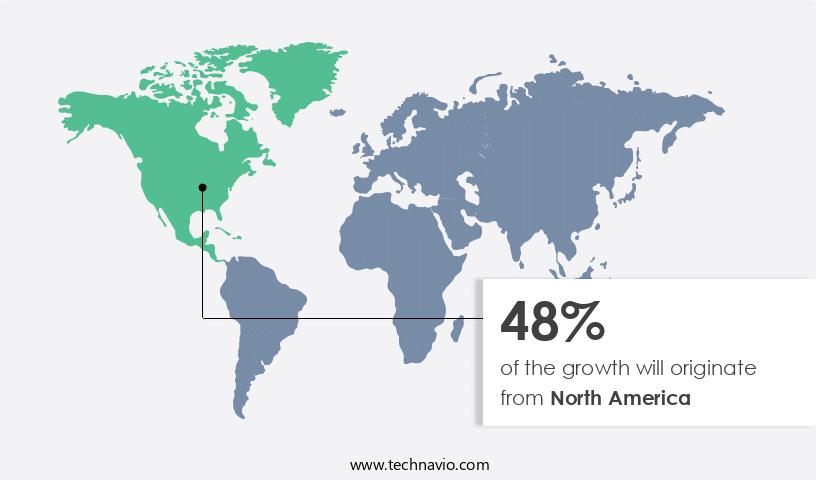
5G IoT Roaming Market Share by Geography

For more insights on the market share of various regions, Request Free Sample

The market in North America, specifically in the US and Canada, is experiencing significant growth due to the increasing adoption of wireless technologies in the US. With the US being a major market in the region, the telecom sector is anticipated to undergo substantial expansion during the forecast period. The demand for high-speed and high-bandwidth networks to manage the escalating data traffic is a primary driver for the growth of the market in North America. The region, particularly the US, is at the vanguard of technology adoption. This trend underscores the necessity of advanced network functionality, including network cores, network performance, and roaming agreements, to ensure seamless connectivity for IoT devices. Network operators are focusing on 5G roaming strategies, such as Standalone networks, to cater to the evolving demands of IoT users. The market's growth is further fueled by the data-centric nature of IoT applications in key verticals like autonomous vehicles, fleet management, and M2M communications.

Roaming revenues, a critical aspect of the market, are expected to increase due to real-time roaming analytics tools powered by AI and machine learning. Network operators are also focusing on reconciliation and SLAs to mitigate revenue leakage. Operators are exploring roaming/interconnect agreements and edge computing to enhance network performance and reduce latency for UHD Video streaming, AR/VR, and other data-intensive services. WiFi and public networks, in addition to 5G, are also playing a crucial role in providing connectivity to IoT devices. The market's business model is expected to evolve as the number of subscribers increases, with potential opportunities for OTTs and Telegram to enter the fray.

Market Dynamics

Our 5g IoT roaming market researchers analyzed the data with 2023 as the base year, along with the key drivers, trends, and challenges. A holistic analysis of drivers will help companies refine their marketing strategies to gain a competitive advantage.

What are the key market drivers leading to the rise in the adoption of the 5G IoT Roaming Industry?

The development of wireless technologies is the key driver of the market.

  • The Internet of Things (IoT) market is witnessing significant growth as the global population of connected IoT devices continues to increase. The demand for IoT devices is driving the need for advanced wireless technologies, such as 5G, to support the increased data exchange rate among a vast number of connected devices. With its low latency and high-speed capabilities, 5G is becoming a key driver for IoT, enabling communication between data centers, mobile and IoT devices, and public or private cloud platforms. 5G networks offer several advantages for IoT roaming connections. They provide high network performance, ensuring reliable and consistent service for IoT users.
  • Roaming agreements between network operators are essential for seamless connectivity across home markets and international borders. These agreements enable IoT devices to switch between networks while maintaining uninterrupted service. Network functionality, such as home network selection, International Roaming packs, and roaming operator selection, plays a crucial role in the IoT roaming market. Network cores, such as Home Location Register (HLR), Home Subscriber Server (HSS), and Interconnect Exchange (GRX), are essential components of roaming agreements. These network cores enable real-time roaming analytics tools, powered by AI, to optimize roaming revenue and reduce revenue leakage. Key verticals, such as fleet management, autonomous vehicles, UHD Video streaming, and M2M communications, are expected to benefit significantly from the deployment of 5G networks.

What are the market trends shaping the 5G IoT Roaming Industry?

The emergence of private networks is the upcoming market trend.

  • The market is experiencing significant growth as home markets continue to value the proposition of roaming agreements with network operators for Standalone networks. These networks offer enhanced network functionality, including network cores, network speeds, and reduced latency, which are essential for IoT roaming connections. Roaming models, such as 5G Roaming Strategies, enable seamless connectivity for IoT users across different networks, providing a business model opportunity for operators to generate roaming revenue. Roaming analytics tools, including AI, are essential for network operators to manage and reconcile roaming data in real-time, ensuring service performance and minimizing revenue leakage.
  • Key verticals, such as autonomous vehicles, fleet management, and M2M communications, require high-performance networks for real-time data processing and UHD Video streaming. Network operators must ensure SLAs, QoS, and AR/VR experiences for their subscribers, necessitating the need for roaming/interconnect agreements. Edge computing plays a crucial role in enhancing network performance, enabling IoT devices to process data locally and reducing the need for extensive roaming. WiFi and public networks also contribute to the 5G IoT roaming ecosystem, providing additional connectivity options for IoT devices. Overall, the market presents a significant opportunity for network operators to capitalize on the data-centric nature of IoT platforms and deliver innovative services to their customers

What challenges does the 5G IoT Roaming Industry face during its growth?

Lack of standardization in IoT protocols is a key challenge affecting the industry growth.

  • The IoT roaming market is a significant aspect of the 5G era, enabling seamless connectivity for IoT devices as they travel across home markets and international borders. With the increasing number of IoT users and the data-centric nature of these devices, value proposition for roaming agreements between operators becomes crucial. Standalone networks and network functionality, including network cores, network speeds, and latency, are key considerations for IoT roaming connections. Roaming models, such as home network-based and international roaming packs, play a vital role in managing roaming revenue and preventing revenue leakage. 5G roaming strategies are essential for operators to provide optimal network performance and ensure service continuity for IoT devices.
  • Roaming analytics tools, including AI and real-time data, help operators reconcile roaming data and maintain SLAs and QoS. Key verticals, including autonomous vehicles, fleet management, and M2M communications, require reliable and high-performance IoT roaming connections. Roaming/Interconnect agreements and edge computing platforms enable seamless integration of IoT devices across networks. Network operators must address the IoT interoperability challenge by facilitating communication between various devices, sensors, and remote server interfaces. Existing interoperability standards, such as MTConnect, MCS-DCS Interface Standardization (MDIS), Ethernet for Control Automation Technology (EtherCAT), Master Control System (MCS), Distributed Control System (DCS), and Interface Standardization, provide a foundation for data interchange across disparate domains and industries.

Exclusive Customer Landscape

The 5g iot roaming market forecasting report includes the adoption lifecycle of the market, covering from the innovator's stage to the laggard's stage. It focuses on adoption rates in different regions based on penetration. Furthermore, the 5g iot roaming market report also includes key purchase criteria and drivers of price sensitivity to help companies evaluate and develop their market growth analysis strategies.
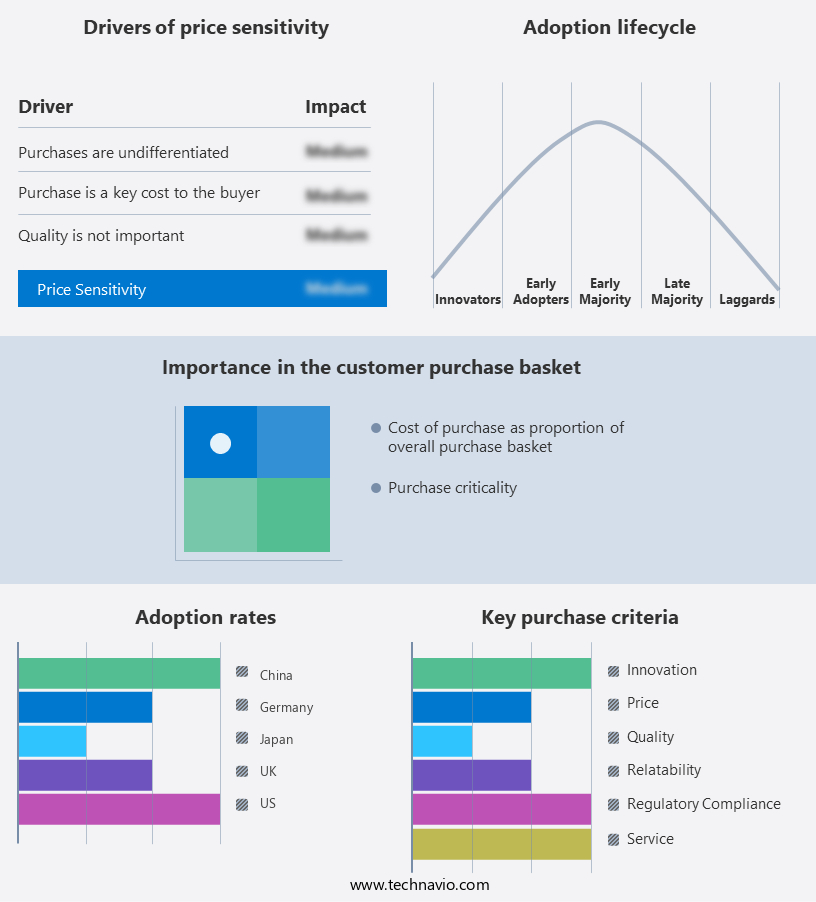
5G IoT Roaming Market Share by Geography

 Customer Landscape

Key Companies & Market Insights

Companies are implementing various strategies, such as strategic alliances, 5g IoT roaming market forecast, partnerships, mergers and acquisitions, geographical expansion, and product/service launches, to enhance their presence in the industry.

The industry research and growth report includes detailed analyses of the competitive landscape of the market and information about key companies, including:

  • AT and T Inc.
  • China Mobile Ltd.
  • Cisco Systems Inc.
  • Deutsche Telekom AG
  • Huawei Technologies Co. Ltd.
  • Neoway Technology Co. Ltd
  • Nokia Corp.
  • Orange SA
  • Quectel Wireless Solutions Co. Ltd.
  • Samsung Electronics Co. Ltd.
  • Sierra Wireless Inc.
  • SIMCom Wireless Solutions Ltd.
  • SK Inc.
  • Telefonaktiebolaget LM Ericsson
  • Telefonica SA
  • Telit
  • Thales Group
  • Verizon Communications Inc.
  • Vodafone Group Plc

Qualitative and quantitative analysis of companies has been conducted to help clients understand the wider business environment as well as the strengths and weaknesses of key industry players. Data is qualitatively analyzed to categorize companies as pure play, category-focused, industry-focused, and diversified; it is quantitatively analyzed to categorize companies as dominant, leading, strong, tentative, and weak.

Research Analyst Overview

The market represents a significant growth opportunity for network operators and IoT device manufacturers alike. As the global population of connected devices continues to expand, the need for seamless and reliable roaming capabilities becomes increasingly crucial. In this context, 5G technology offers several advantages over previous generations, enabling faster network speeds, lower latency, and improved network functionality. The home markets for 5G IoT roaming are diverse, encompassing various industries and applications. The hi-tech communications sector, for instance, is expected to benefit significantly from the deployment of 5G networks due to the data-centric nature of its services. Autonomous vehicles, a key vertical in this sector, require real-time connectivity and low latency to ensure safe and efficient operations.

Further, network operators are exploring various strategies to capitalize on the market. One approach involves standalone networks, which offer dedicated infrastructure for IoT devices, ensuring optimal network performance and reducing revenue leakage. Another strategy is the implementation of roaming agreements, which allow IoT devices to connect to other networks when roaming internationally. The 5G roaming model presents unique challenges for network operators. Roaming agreements must be carefully managed to ensure seamless connectivity and interoperability between networks. Network cores, HLRs (Home Location Registers), HSSs (Home Subscriber Servers), IMSI (International Mobile Subscriber Identity), UE (User Equipment), GRX (Gateway Router), IPX (IP Exchange), SLAs (Service Level Agreements), QoS (Quality of Service), AR (Autonomous Response), and VR (Virtual Reality) are essential components of the roaming ecosystem that require careful consideration.

In addition, the market is expected to grow significantly in the coming years, driven by the increasing number of IoT users and the growing importance of roaming revenues for network operators. The market is also influenced by the adoption of roaming analytics tools, which enable operators to monitor and optimize their roaming performance in real-time. The market is not limited to traditional cellular networks. Wifi and public networks also play a role in providing connectivity for IoT devices, especially in densely populated areas. Subscribers expect seamless connectivity across all networks, creating a need for effective roaming/interconnect agreements between network operators. The market is a complex and dynamic ecosystem. Network operators must navigate a range of challenges, from managing roaming agreements to optimizing network performance and ensuring interoperability between networks.

5G IoT Roaming Market Scope

Report Coverage

Details

Page number

139

Base year

2023

Historic period

2018-2022

Forecast period

2024-2028

Growth momentum & CAGR

Accelerate at a CAGR of 66.04%

Market Growth 2024-2028

USD 4.39 billion

Market structure

Concentrated

YoY growth 2023-2024(%)

47.71

Key countries

US, Japan, China, Germany, and UK

Competitive landscape

Leading Companies, Market Positioning of Companies, Competitive Strategies, and Industry Risks

Request Free Sample

What are the Key Data Covered in this 5G IoT Roaming Market Research and Growth Report?

  • CAGR of the 5G IoT Roaming industry during the forecast period
  • Detailed information on factors that will drive the 5G IoT Roaming Market growth and forecasting between 2024 and 2028
  • Precise estimation of the size of the market and its contribution of the industry in focus to the parent market
  • Accurate predictions about upcoming growth and trends and changes in consumer behaviour
  • Growth of the market across North America, Europe, APAC, South America, and Middle East and Africa
  • Thorough analysis of the market's competitive landscape and detailed information about companies
  • Comprehensive analysis of factors that will challenge the 5g iot roaming market growth of industry companies

We can help! Our analysts can customize this 5g iot roaming market research report to meet your requirements.

Get in touch

1 Executive Summary

  • 1.1 Market overview
    • Executive Summary - Chart on Market Overview
    • Executive Summary - Data Table on Market Overview
    • Executive Summary - Chart on Global Market Characteristics
    • Executive Summary - Chart on Market by Geography
    • Executive Summary - Chart on Market Segmentation by End-user
    • Executive Summary - Chart on Incremental Growth
    • Executive Summary - Data Table on Incremental Growth
    • Executive Summary - Chart on Company Market Positioning

2 Market Landscape

  • 2.1 Market ecosystem
    • Parent Market
    • Data Table on - Parent Market
  • 2.2 Market characteristics
    • Market characteristics analysis
  • 2.3 Value chain analysis
    • Value Chain Analysis

3 Market Sizing

  • 3.1 Market definition
    • Offerings of companies included in the market definition
  • 3.2 Market segment analysis
    • Market segments
  • 3.3 Market size 2023
    • 3.4 Market outlook: Forecast for 2023-2028
      • Chart on Global - Market size and forecast 2023-2028 ($ million)
      • Data Table on Global - Market size and forecast 2023-2028 ($ million)
      • Chart on Global Market: Year-over-year growth 2023-2028 (%)
      • Data Table on Global Market: Year-over-year growth 2023-2028 (%)

    4 Historic Market Size

    • 4.1 Global 5G IoT Roaming Market 2018 - 2022
      • Historic Market Size - Data Table on Global 5G IoT Roaming Market 2018 - 2022 ($ million)
    • 4.2 End-user segment analysis 2018 - 2022
      • Historic Market Size - End-user Segment 2018 - 2022 ($ million)
    • 4.3 Geography segment analysis 2018 - 2022
      • Historic Market Size - Geography Segment 2018 - 2022 ($ million)
    • 4.4 Country segment analysis 2018 - 2022
      • Historic Market Size - Country Segment 2018 - 2022 ($ million)

    5 Five Forces Analysis

    • 5.1 Five forces summary
      • Five forces analysis - Comparison between 2023 and 2028
    • 5.2 Bargaining power of buyers
      • Bargaining power of buyers - Impact of key factors 2023 and 2028
    • 5.3 Bargaining power of suppliers
      • Bargaining power of suppliers - Impact of key factors in 2023 and 2028
    • 5.4 Threat of new entrants
      • Threat of new entrants - Impact of key factors in 2023 and 2028
    • 5.5 Threat of substitutes
      • Threat of substitutes - Impact of key factors in 2023 and 2028
    • 5.6 Threat of rivalry
      • Threat of rivalry - Impact of key factors in 2023 and 2028
    • 5.7 Market condition
      • Chart on Market condition - Five forces 2023 and 2028

    6 Market Segmentation by End-user

    • 6.1 Market segments
      • Chart on End-user - Market share 2023-2028 (%)
      • Data Table on End-user - Market share 2023-2028 (%)
    • 6.2 Comparison by End-user
      • Chart on Comparison by End-user
      • Data Table on Comparison by End-user
    • 6.3 Consumer - Market size and forecast 2023-2028
      • Chart on Consumer - Market size and forecast 2023-2028 ($ million)
      • Data Table on Consumer - Market size and forecast 2023-2028 ($ million)
      • Chart on Consumer - Year-over-year growth 2023-2028 (%)
      • Data Table on Consumer - Year-over-year growth 2023-2028 (%)
    • 6.4 Enterprise - Market size and forecast 2023-2028
      • Chart on Enterprise - Market size and forecast 2023-2028 ($ million)
      • Data Table on Enterprise - Market size and forecast 2023-2028 ($ million)
      • Chart on Enterprise - Year-over-year growth 2023-2028 (%)
      • Data Table on Enterprise - Year-over-year growth 2023-2028 (%)
    • 6.5 Market opportunity by End-user
      • Market opportunity by End-user ($ million)
      • Data Table on Market opportunity by End-user ($ million)

    7 Customer Landscape

    • 7.1 Customer landscape overview
      • Analysis of price sensitivity, lifecycle, customer purchase basket, adoption rates, and purchase criteria

    8 Geographic Landscape

    • 8.1 Geographic segmentation
      • Chart on Market share by geography 2023-2028 (%)
      • Data Table on Market share by geography 2023-2028 (%)
    • 8.2 Geographic comparison
      • Chart on Geographic comparison
      • Data Table on Geographic comparison
    • 8.3 North America - Market size and forecast 2023-2028
      • Chart on North America - Market size and forecast 2023-2028 ($ million)
      • Data Table on North America - Market size and forecast 2023-2028 ($ million)
      • Chart on North America - Year-over-year growth 2023-2028 (%)
      • Data Table on North America - Year-over-year growth 2023-2028 (%)
    • 8.4 Europe - Market size and forecast 2023-2028
      • Chart on Europe - Market size and forecast 2023-2028 ($ million)
      • Data Table on Europe - Market size and forecast 2023-2028 ($ million)
      • Chart on Europe - Year-over-year growth 2023-2028 (%)
      • Data Table on Europe - Year-over-year growth 2023-2028 (%)
    • 8.5 APAC - Market size and forecast 2023-2028
      • Chart on APAC - Market size and forecast 2023-2028 ($ million)
      • Data Table on APAC - Market size and forecast 2023-2028 ($ million)
      • Chart on APAC - Year-over-year growth 2023-2028 (%)
      • Data Table on APAC - Year-over-year growth 2023-2028 (%)
    • 8.6 South America - Market size and forecast 2023-2028
      • Chart on South America - Market size and forecast 2023-2028 ($ million)
      • Data Table on South America - Market size and forecast 2023-2028 ($ million)
      • Chart on South America - Year-over-year growth 2023-2028 (%)
      • Data Table on South America - Year-over-year growth 2023-2028 (%)
    • 8.7 Middle East and Africa - Market size and forecast 2023-2028
      • Chart on Middle East and Africa - Market size and forecast 2023-2028 ($ million)
      • Data Table on Middle East and Africa - Market size and forecast 2023-2028 ($ million)
      • Chart on Middle East and Africa - Year-over-year growth 2023-2028 (%)
      • Data Table on Middle East and Africa - Year-over-year growth 2023-2028 (%)
    • 8.8 US - Market size and forecast 2023-2028
      • Chart on US - Market size and forecast 2023-2028 ($ million)
      • Data Table on US - Market size and forecast 2023-2028 ($ million)
      • Chart on US - Year-over-year growth 2023-2028 (%)
      • Data Table on US - Year-over-year growth 2023-2028 (%)
    • 8.9 Japan - Market size and forecast 2023-2028
      • Chart on Japan - Market size and forecast 2023-2028 ($ million)
      • Data Table on Japan - Market size and forecast 2023-2028 ($ million)
      • Chart on Japan - Year-over-year growth 2023-2028 (%)
      • Data Table on Japan - Year-over-year growth 2023-2028 (%)
    • 8.10 China - Market size and forecast 2023-2028
      • Chart on China - Market size and forecast 2023-2028 ($ million)
      • Data Table on China - Market size and forecast 2023-2028 ($ million)
      • Chart on China - Year-over-year growth 2023-2028 (%)
      • Data Table on China - Year-over-year growth 2023-2028 (%)
    • 8.11 Germany - Market size and forecast 2023-2028
      • Chart on Germany - Market size and forecast 2023-2028 ($ million)
      • Data Table on Germany - Market size and forecast 2023-2028 ($ million)
      • Chart on Germany - Year-over-year growth 2023-2028 (%)
      • Data Table on Germany - Year-over-year growth 2023-2028 (%)
    • 8.12 UK - Market size and forecast 2023-2028
      • Chart on UK - Market size and forecast 2023-2028 ($ million)
      • Data Table on UK - Market size and forecast 2023-2028 ($ million)
      • Chart on UK - Year-over-year growth 2023-2028 (%)
      • Data Table on UK - Year-over-year growth 2023-2028 (%)
    • 8.13 Market opportunity by geography
      • Market opportunity by geography ($ million)
      • Data Tables on Market opportunity by geography ($ million)

    9 Drivers, Challenges, and Opportunity/Restraints

    • 9.1 Market drivers
      • 9.2 Market challenges
        • 9.3 Impact of drivers and challenges
          • Impact of drivers and challenges in 2023 and 2028
        • 9.4 Market opportunities/restraints

          10 Competitive Landscape

          • 10.1 Overview
            • 10.2 Competitive Landscape
              • Overview on criticality of inputs and factors of differentiation
            • 10.3 Landscape disruption
              • Overview on factors of disruption
            • 10.4 Industry risks
              • Impact of key risks on business

            11 Competitive Analysis

            • 11.1 Companies profiled
              • Companies covered
            • 11.2 Market positioning of companies
              • Matrix on companies position and classification
            • 11.3 AT and T Inc.
              • AT and T Inc. - Overview
              • AT and T Inc. - Business segments
              • AT and T Inc. - Key news
              • AT and T Inc. - Key offerings
              • AT and T Inc. - Segment focus
            • 11.4 China Mobile Ltd.
              • China Mobile Ltd. - Overview
              • China Mobile Ltd. - Product / Service
              • China Mobile Ltd. - Key offerings
            • 11.5 Deutsche Telekom AG
              • Deutsche Telekom AG - Overview
              • Deutsche Telekom AG - Business segments
              • Deutsche Telekom AG - Key offerings
              • Deutsche Telekom AG - Segment focus
            • 11.6 Orange SA
              • Orange SA - Overview
              • Orange SA - Product / Service
              • Orange SA - Key offerings
            • 11.7 Samsung Electronics Co. Ltd.
              • Samsung Electronics Co. Ltd. - Overview
              • Samsung Electronics Co. Ltd. - Business segments
              • Samsung Electronics Co. Ltd. - Key news
              • Samsung Electronics Co. Ltd. - Key offerings
              • Samsung Electronics Co. Ltd. - Segment focus
            • 11.8 SK Inc.
              • SK Inc. - Overview
              • SK Inc. - Product / Service
              • SK Inc. - Key offerings
            • 11.9 Telefonaktiebolaget LM Ericsson
              • Telefonaktiebolaget LM Ericsson - Overview
              • Telefonaktiebolaget LM Ericsson - Business segments
              • Telefonaktiebolaget LM Ericsson - Key news
              • Telefonaktiebolaget LM Ericsson - Key offerings
              • Telefonaktiebolaget LM Ericsson - Segment focus
            • 11.10 Telefonica SA
              • Telefonica SA - Overview
              • Telefonica SA - Business segments
              • Telefonica SA - Key news
              • Telefonica SA - Key offerings
              • Telefonica SA - Segment focus
            • 11.11 Verizon Communications Inc.
              • Verizon Communications Inc. - Overview
              • Verizon Communications Inc. - Business segments
              • Verizon Communications Inc. - Key news
              • Verizon Communications Inc. - Key offerings
              • Verizon Communications Inc. - Segment focus
            • 11.12 Vodafone Group Plc
              • Vodafone Group Plc - Overview
              • Vodafone Group Plc - Business segments
              • Vodafone Group Plc - Key news
              • Vodafone Group Plc - Key offerings
              • Vodafone Group Plc - Segment focus

            12 Appendix

            • 12.1 Scope of the report
              • 12.2 Inclusions and exclusions checklist
                • Inclusions checklist
                • Exclusions checklist
              • 12.3 Currency conversion rates for US$
                • Currency conversion rates for US$
              • 12.4 Research methodology
                • Research methodology
              • 12.5 Data procurement
                • Information sources
              • 12.6 Data validation
                • Data validation
              • 12.7 Validation techniques employed for market sizing
                • Validation techniques employed for market sizing
              • 12.8 Data synthesis
                • Data synthesis
              • 360 degree market analysis
                • 360 degree market analysis
              • 12.10 List of abbreviations
                • List of abbreviations

              Research Methodology

              Technavio presents a detailed picture of the market by way of study, synthesis, and summation of data from multiple sources. The analysts have presented the various facets of the market with a particular focus on identifying the key industry influencers. The data thus presented is comprehensive, reliable, and the result of extensive research, both primary and secondary.

              INFORMATION SOURCES

              Primary sources

              • Manufacturers and suppliers
              • Channel partners
              • Industry experts
              • Strategic decision makers

              Secondary sources

              • Industry journals and periodicals
              • Government data
              • Financial reports of key industry players
              • Historical data
              • Press releases

              DATA ANALYSIS

              Data Synthesis

              • Collation of data
              • Estimation of key figures
              • Analysis of derived insights

              Data Validation

              • Triangulation with data models
              • Reference against proprietary databases
              • Corroboration with industry experts

              REPORT WRITING

              Qualitative

              • Market drivers
              • Market challenges
              • Market trends
              • Five forces analysis

              Quantitative

              • Market size and forecast
              • Market segmentation
              • Geographical insights
              • Competitive landscape

              Interested in this report?

              Get your sample now to see our research methodology and insights!

              Download Now

              Frequently Asked Questions

              5G Iot Roaming market growth will increase by $ 4388.5 mn during 2024-2028.

              The 5G Iot Roaming market is expected to grow at a CAGR of 66.04% during 2024-2028.

              5G Iot Roaming market is segmented by End-user( Consumer, Enterprise)

              AT and T Inc., China Mobile Ltd., Cisco Systems Inc., Deutsche Telekom AG, Huawei Technologies Co. Ltd., Neoway Technology Co. Ltd, Nokia Corp., Orange SA, Quectel Wireless Solutions Co. Ltd., Samsung Electronics Co. Ltd., Sierra Wireless Inc., SIMCom Wireless Solutions Ltd., SK Inc., Telefonaktiebolaget LM Ericsson, Telefonica SA, Telit, Thales Group, Verizon Communications Inc., Vodafone Group Plc are a few of the key vendors in the 5G Iot Roaming market.

              North America will register the highest growth rate of 48% among the other regions. Therefore, the 5G Iot Roaming market in North America is expected to garner significant business opportunities for the vendors during the forecast period.

              US, Japan, China, Germany, UK

              • Development of wireless technologiesIoT devices are connected using a wide variety of wireless technologies is the driving factor this market.
              • and these technologies offer different benefits. The increasing adoption of LPWAN is the driving factor this market.
              • long-range wide area network (LoRaWAN) is the driving factor this market.
              • 5G is the driving factor this market.
              • wireless sensor networks is the driving factor this market.
              • and Internet Protocol version 6 (IPv6) is expected to drive the demand for IoT devices is the driving factor this market.
              • which would increase the requirement for wireless technologies over the next two years. With the increased data exchange rate among a large number of connected devices is the driving factor this market.
              • the need to provide increased capacity is the driving factor this market.
              • high data rate is the driving factor this market.
              • and high connectivity has also increased. Thus is the driving factor this market.
              • 5G wireless networks are considered a key driver for IoT as 5G is the driving factor this market.
              • which supports low latency applications at the network edge is the driving factor this market.
              • thereby enabling CSPs and enterprises to connect data centers is the driving factor this market.
              • mobile and IoT devices is the driving factor this market.
              • and public or private cloud platforms. The evolution of LTE to 5G is expected to gain pace to support these needs of emerging IoT applications is the driving factor this market.
              • which are categorized into massive machine-type communication and mission-critical applications. Such factors are expected to drive the growth of the 5G IoT roaming market in focus during the forecast period. is the driving factor this market.

              The 5G Iot Roaming market vendors should focus on grabbing business opportunities from the Consumer segment as it accounted for the largest market share in the base year.