

Amino Acid Analyzer for Industrial, Preclinical, and Clinical Usage Market 2024-2028
The global amino acid analyzer for industrial, preclinical, and clinical usage market size is estimated to grow by USD 33.43 million, at a CAGR of 5.76% between 2023 and 2028.
The global usage of amino acid analyzers across industrial, pre-clinical, and clinical settings is driven by the increasing application of amino acid analysis for food quality testing. These analyzers play a pivotal role in accurately determining amino acid compositions in various substances, particularly in food products, ensuring their quality and safety. Furthermore, amino acid analysis aids in assessing nutritional value, substantiating product labeling claims, and supporting informed consumer choices. In pre-clinical and clinical settings, the analyzers contribute to research, diagnosis, and treatment, helping identify metabolic disorders and monitor patients' nutritional status during specialized diets or specific health conditions. This multifaceted role is anticipated to drive the growth of the market during the forecast period.
Technavio has segmented the market into Application, Type, and Geography
- The application segment is classified into clinical and pharmaceutical, food and beverages, and others
- The type segment is classified into automatic and manual
- The geography segment includes key regions such as North America, Europe, Asia, and Rest of World (ROW)
It also includes an in-depth analysis of drivers, market trends and analysis, and challenges. Our report examines historic data from 2018-2022, besides analyzing the current market scenario.
What will be the Size of the Market During the Forecast Period?
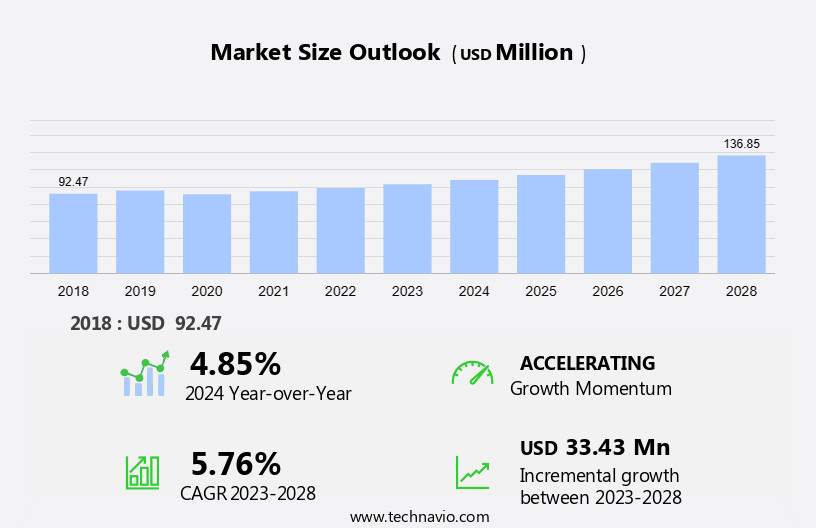
To learn more about this report, Download Report Sample
Segmentation by Application, Type and Geography Analysis
Application Analysis
Clinical and pharmaceutical
The market share growth by the clinical and pharmaceutical segment will be significant during the forecast period. Global manufacturers of amino acid analyzers are focusing on drug R&D, owing to the wide-ranging applications of amino acid analysis in drug screening and the isolation and purification of proteins with the help of various reagents. Amino acid analyzers have enabled pharmaceutical and biotechnology product manufacturers to achieve difficult and faster separation, remove specific contaminants, and attain high purity standards for protein synthesis, usually in a single step in the R&D of drug molecules and biosimilars.
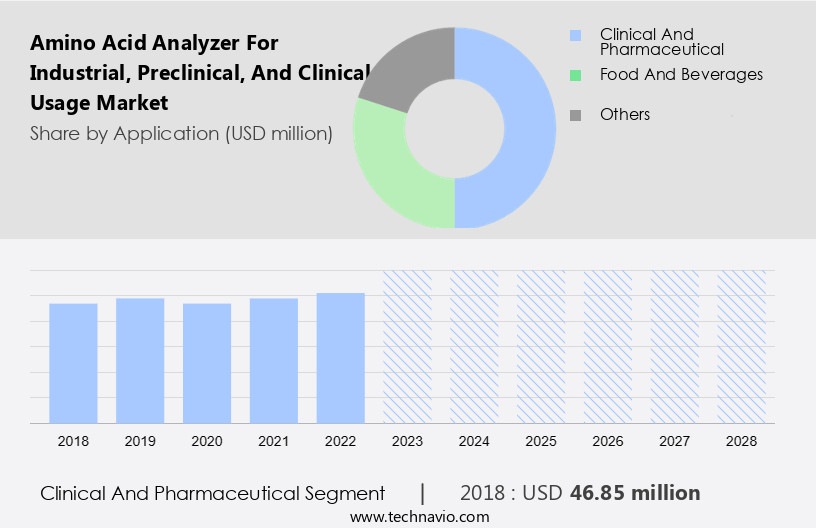
Get a glance at the market contribution of various segments Download PDF Sample
The clinical and pharmaceutical was the largest and was valued at USD 46.85 million in 2018. The significant growth in drug R&D and the rising number of clinical trials are propelling the demand for amino acid analyzers from the pharmaceutical and biotechnology industries. Furthermore, medical professionals use amino acids present in patients as a diagnostic measure to identify several diseases. For instance, phenylketonuria (PKU), a rare inherited disorder, is caused by the deficiency of phenylalanine amino acids. Analyzing the presence of phenylalanine amino acid to diagnose whether a patient has PKU requires the use of an amino acid analyzer. Thus, the use and importance of amino acid analyzers in clinical, pre-clinical, diagnostic, and pharmaceutical research is expected to drive the growth of the market during the forecast period.
Type Analysis
Automatic
Automation is an important feature in amino acid analyzer equipment. Automated solutions can interpret structured and unstructured data and rely on machine learning techniques to identify specific patterns and make predictions based on that data. Moreover, automatic amino acid analyzers that use artificial intelligence (AI) technology can eliminate errors that are common in manually operated equipment. Automatic amino acid analyzers can refine their findings through the programs installed. Moreover, automatic amino acid analyzers must be operated by skilled professionals who have expertise in performing the process correctly. However, the high accuracy and time-saving advantages are the key attributes that encourage users to utilize automatic amino acid analyzers, which will boost market growth during the forecast period.
Manual
The manual amino acid analyzer also uses the ion exchange method in combination with HPLC, using a manual injection valve. These systems do not have an autosampler. A manual analyzer has several separate test columns that are combined with a ready-to-use buffer and chemical solutions to perform the analysis. The advantages of a manual automatic amino acid analyzer are its high precision and reproducibility. Additionally, these systems prove to be cost-effective for laboratories that work with small quantities of samples. However, compared with an automatic amino acid analyzer, the manual amino acid analyzer is less effective as there are high chances of obvious human errors, which can lead to inaccurate analysis of the amino acid-sequencing samples. Thus, the increased demand for manual amino acid analyzers will drive the growth of the market during the forecast period.
Regional Analysis
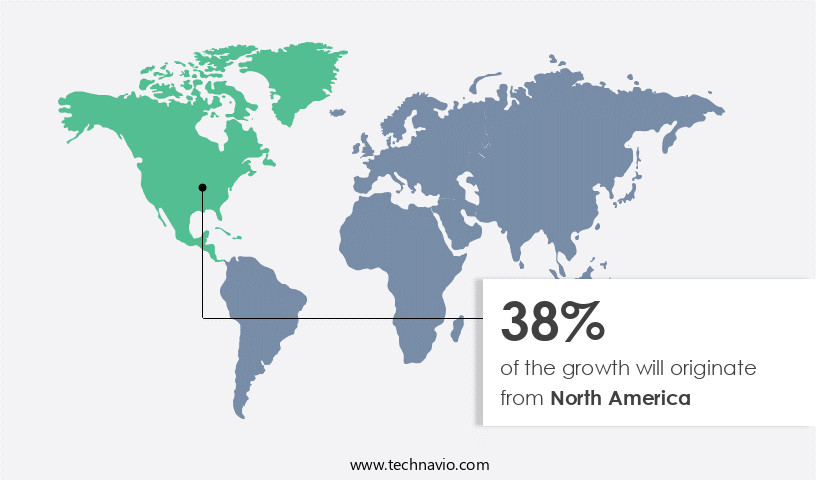
For more insights about the market share of various regions Download PDF Sample now!
North America is estimated to contribute 38% to the growth of the global market during the forecast period. Technavio’s analysts have elaborately explained the regional trends and drivers will shape the market during the forecast period. Factors such as the increasing applications of amino acid analyzers in drug discovery research, their growing use in food quality testing, and increasing public health awareness are expected to drive the growth of the market during the forecast period. Some of the key manufacturers are ACCULAB Corp., Agilent Technologies Inc., Danaher Corp., Harvard Bioscience Inc., Thermo Fisher Scientific Inc., Waters Corp., Zef Scientific Inc., and others. In this region, these companies are concentrating on offering advanced automatic amino acid analyzers. North America accounts for a major share of the revenue generated by the aforementioned vendors.
In addition, the increasing demand for amino acid analyzers is mainly from the clinical, pharmaceutical, and biotechnology sectors, owing to the increasing research activities and growing investments in R&D. Due to the increasing global population, the demand for food and beverages is expected to grow rapidly. The increasing health consciousness and awareness about metabolic syndrome and malnutrition among the public have encouraged people to consume dietary supplements that contain amino acids. Thus, amino acid analyzers play a prominent role in regulating the use of amino acids in food and beverage products. Such factors are expected to drive the regional market growth during the forecast period.
Key Market Players
Companies are implementing various strategies, such as strategic alliances, partnerships, mergers and acquisitions, geographical expansion, and product/service launches, to enhance their presence in the market. The report also includes detailed analyses of the competitive landscape of the market and information about 15 market companies, including:
ACCULAB Corp. - The company offers amino acid analyzer for industrial, preclinical, and clinical usage such as AAA 4000SYS amino acid analyzer system that automatically displays, prints, exports, and starts other programs after the completion of a measurement.
- Agilent Technologies Inc.
- Danaher Corp.
- Harvard Bioscience Inc.
- Hitachi Ltd
- INGOS Sro
- JASCO International Co. Ltd.
- JEOL Ltd.
- Kunash Instruments Pvt. Ltd.
- Labtron Equipment Ltd.
- MembraPure GmbH
- Metrohm AG
- Shimadzu Corp.
- Sykam GmbH
- Thermo Fisher Scientific Inc.
Qualitative and quantitative analysis of companies has been conducted to help clients understand the wider business environment as well as the strengths and weaknesses of key market players. Data is qualitatively analyzed to categorize companies as pure play, category-focused, industry-focused, and diversified; it is quantitatively analyzed to categorize companies as dominant, leading, strong, tentative, and weak.
Key Drivers, Trends, Challenges, and Customer Landscape
There are multiple factors influencing market growth. Our researchers analyzed the data with 2023 as the base year, along with the key drivers, market growth and trends, and challenges.
Key Drivers
Increased application in drug discovery research is notably driving market growth. Amino acid analysis techniques, particularly ion-exchange liquid chromatography, have become crucial in pharmaceutical research and development (R&D), aiding the separation of biomolecules based on function and structure. The pharmaceutical industry's shift toward proteomics applications in clinical research has transformed drug discovery processes, employing purified protein libraries for efficient screening of small molecule drug precursors. The rising emphasis on novel drug research by pharmaceutical and biotechnology companies has increased the utilization of amino acid analyzers for drug analysis and protein-based studies. This facilitates the isolation and identification of target amino acids in bioactive compounds, contributing to the discovery of new drugs.
Moreover, with global pharmaceutical R&D spending reaching nearly USD 140 - USD 150 billion annually, the surge in drug research activities, new drug approvals, and advancements in peptide screening technology, exemplified by Hitachi Ltd.'s high-speed amino acid analyzer, propel the adoption of amino acid analyzers in drug discovery research. Thus, the increasing investments in R&D, as well as drug approvals, contribute to the higher adoption of amino acid analyzers for drug discovery research during the forecast period
Significant Trends
Increasing demand for protein supplements is an emerging trend shaping the market growth. Proteins are made of amino acids and are the main component of the muscles in the body. Proteins form an important part of the dietary supplements taken by athletes. The most important three proteins needed by athletes are leucine, isoleucine, and valine, which are together known as branched-chain amino acids (BCAAs). These amino acids cannot be injected into the body and must be obtained through the diet. BCAAs need to be taken 30 minutes before exercise so that they can be absorbed by the body.
Furthermore, amino acids are also widely used in animal feed. Lysine and methionine are the key amino acids used in poultry feed. Lysine is a very cost-effective animal nutrition supplement, which can be used in feed for aquaculture, dairy cattle, and pet food. Therefore, the increasing demand for amino acid supplements is contributing to the use of amino acid analyzers to test the presence of the required amino acids in the prescribed concentration, which is anticipated to drive the growth of the market during the forecast period.
Major Challenges
A shortage of skilled professionals in using amino acid analyzers is a significant challenge hindering market growth. Electronic equipment and instruments such as analyzers and HPLCs should be used by people who have expertise in chemical and instrumentation engineering. Such equipment is used in the analysis, manufacturing, or production process of pharmaceutical drugs, food, and beverages. A person who uses sophisticated equipment, such as an amino acid analyzer, needs to have an overall understanding of the testing and analysis processes for protein samples to operate the equipment efficiently. Additionally, advanced automatic amino acid analyzers are extremely sensitive and must be operated by skilled workers to obtain an accurate evaluation of the amino acid content in the samples with a minimal margin for error.
Moreover, the shortage of skilled professionals also affects R&D activities in pharmaceutical and biotechnology companies, while the lack of practical knowledge to work on automated amino acid analyzers hinders the drug development process. Thus, all these factors have the potential to impede the market growth and forecasting during the market forecast period.
Key Market Customer Landscape
The market report includes the adoption lifecycle of the market, covering from the innovator’s stage to the laggard’s stage. It focuses on adoption rates in different regions based on penetration. Furthermore, the market analysis and report also includes market research and growth, key purchase criteria and drivers of price sensitivity to help companies evaluate and develop their market growth analysis strategies.
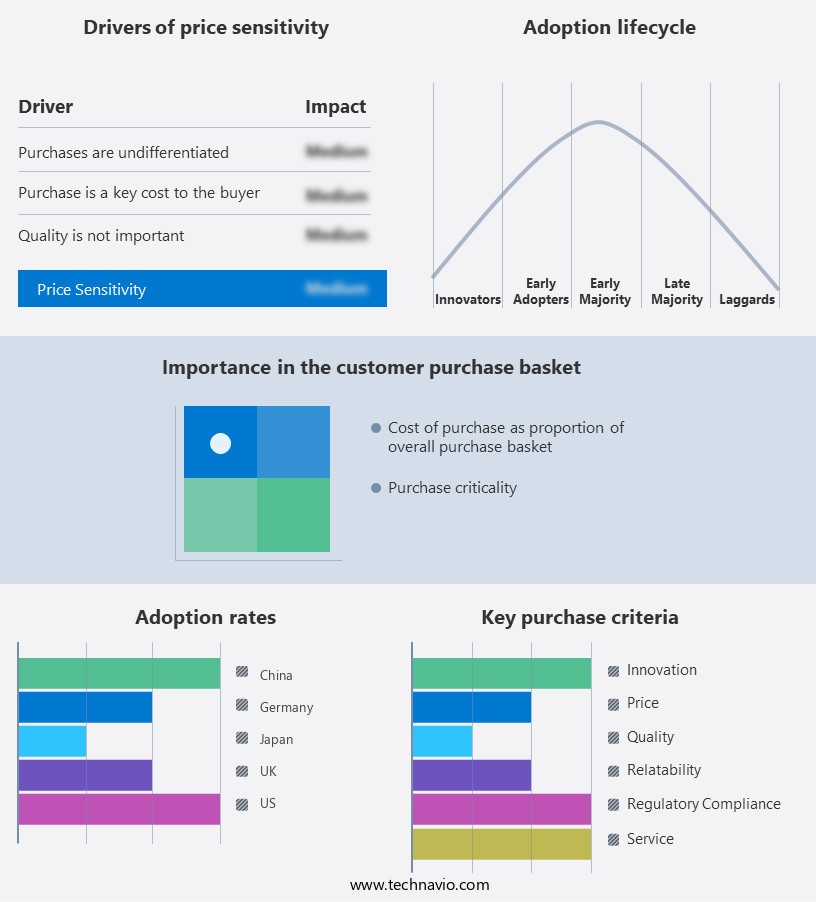
Customer Landscape
Segment Overview
The market report forecasts market growth by revenue at global, regional & country levels and provides an analysis of the latest trends and growth opportunities from 2018 to 2028.
- Application Outlook
- Clinical and pharmaceutical
- Food and beverages
- Others
- Type Outlook
- Automatic
- Manual
- Region Outlook
- North America
- The U.S.
- Canada
- Europe
- The U.K.
- Germany
- France
- Rest of Europe
- Asia
- China
- India
- Rest of World (ROW)
- Brazil
- Argentina
- Australia
- North America
|
Amino Acid Analyzer for Industrial, Preclinical, and Clinical Usage Market Scope |
|
|
Report Coverage |
Details |
|
Page number |
173 |
|
Base year |
2023 |
|
Historic period |
2018-2022 |
|
Market forecasting period |
2024-2028 |
|
Growth momentum & CAGR |
Accelerate at a CAGR of 5.76% |
|
Market Growth 2024-2028 |
USD 33.43 million |
|
Market structure |
Fragmented |
|
YoY growth 2023-2024(%) |
4.85 |
|
Regional analysis |
North America, Europe, Asia, and Rest of World (ROW) |
|
Performing market contribution |
North America at 38% |
|
Key countries |
US, Germany, UK, China, and Japan |
|
Competitive landscape |
Leading Companies, Market Positioning of Companies, Competitive Strategies, and Industry Risks |
|
Key companies profiled |
ACCULAB Corp., Agilent Technologies Inc., Danaher Corp., Harvard Bioscience Inc., Hitachi Ltd., INGOS Sro, JASCO International Co. Ltd., JEOL Ltd., Kunash Instruments Pvt. Ltd., Labtron Equipment Ltd., MembraPure GmbH, Metrohm AG, Shimadzu Corp., Sykam GmbH, Thermo Fisher Scientific Inc., Waters Corp., Zef Scientific Inc., and Zivak Technologies |
|
Market dynamics |
Parent market analysis, Market growth inducers and obstacles, Fast-growing and slow-growing segment analysis, COVID-19 impact and recovery analysis and future consumer dynamics, Market condition analysis for the forecast period. |
|
Customization purview |
If our report has not included the data that you are looking for, you can reach out to our analysts and get segments customized. |
Download Sample PDF at your Fingertips
What are the Key Data Covered in this Amino Acid Analyzer for Industrial, Preclinical, and Clinical Usage Market Research Report?
- CAGR of the market during the forecast period
- Detailed information on factors that will drive the growth of the market between 2024 and 2028
- Precise estimation of the size and its contribution to the market in focus to the parent market
- Detailed analysis of customer landscape covering Diver of price sensitivity, Adoption of the lifecycle, and key purchase criteria
- Companies landscape comparing criticality of inputs and factors of differentiation
- Exclusive Matrix on companies position and classification
- Accurate predictions about upcoming trends and changes in consumer behavior
- Growth of the market across North America, Europe, Asia, and Rest of World (ROW)
- A thorough analysis of the market’s competitive landscape and detailed information about companies
- Comprehensive analysis of factors that will challenge the growth of companies
We can help! Our analysts can customize this market research report to meet your requirements. Get in touch
 RIA -
RIA -