

APAC Industrial Coatings Market Size 2026-2030
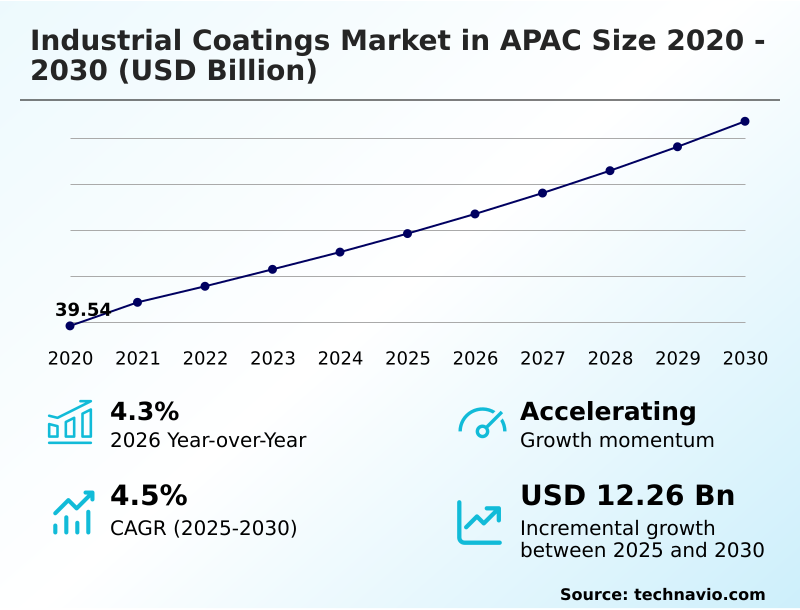
The apac industrial coatings market size is valued to increase by USD 12.26 billion, at a CAGR of 4.5% from 2025 to 2030. Aerospace industry growth and defense modernization will drive the apac industrial coatings market.
Major Market Trends & Insights
- By Technology - Waterborne segment was valued at USD 19.73 billion in 2024
- By Application - General industrial segment accounted for the largest market revenue share in 2024
Market Size & Forecast
- Market Opportunities: USD 22.33 billion
- Market Future Opportunities: USD 12.26 billion
- CAGR from 2025 to 2030 : 4.5%
Market Summary
- The Industrial Coatings Market in APAC is characterized by a rapid transition toward high-performance, environmentally compliant surface protection technologies across diverse manufacturing sectors. Facility operators continuously upgrade their application lines to mitigate severe environmental degradation and mechanical wear on critical assets.
- For example, large-scale fabricators have integrated automated spray systems, which reduced paint overspray and material waste by 22% compared to traditional manual application methods. The market is primarily driven by massive investments in pipeline infrastructure, where operators require heavy-duty formulations to prevent catastrophic structural wall thinning in hyper-saline environments.
- Conversely, persistent raw material price volatility presents a significant operational challenge, as sudden fluctuations in petrochemical derivative costs directly compress profit margins for regional formulators. Advancements in nano-engineered barrier properties remain essential for maximizing asset longevity under extreme weathering conditions.
- Furthermore, strict enforcement of regional emission standards forces manufacturing enterprises to heavily prioritize aqueous dispersions over conventional solvent-heavy products to maintain regulatory compliance.
What will be the Size of the APAC Industrial Coatings Market during the forecast period?
Get Key Insights on Market Forecast (PDF) Get Free Sample
How is the APAC Industrial Coatings Market Segmented?
The apac industrial coatings industry research report provides comprehensive data (region-wise segment analysis), with forecasts and estimates in "USD million" for the period 2026-2030, as well as historical data from 2020-2024 for the following segments.
- Technology
- Waterborne
- Solvent-borne
- Powdered coatings
- UV-cured
- Application
- General industrial
- Automotive OEMs
- Automotive refinishes
- Others
- Product type
- Acrylic
- Epoxy
- Polyurethane
- Alkyd
- Others
- Geography
- APAC
- China
- Japan
- South Korea
- India
- APAC
By Technology Insights
The waterborne segment is estimated to witness significant growth during the forecast period.
The transition toward aqueous formulations fundamentally alters asset protection, driven by stringent emission mandates prioritizing low-solvent technologies. Waterborne systems utilize water as the primary solvent, substantially lowering hazardous air pollutants and improving workplace safety profiles for operators.
Advancements in chemical-resistant linings and moisture-curing polyurethane allow modern aqueous dispersions to achieve mechanical parity with traditional solvent-heavy counterparts. Industrial facilities deploying these eco-friendly formulations report that defect rates during application decreased by 14%, streamlining high-throughput lines.
Furthermore, compliance-related downtime is reduced significantly, yielding a 20% improvement in continuous operational output compared to legacy systems.
This shift is particularly evident across automotive collision repair and food container varnishes, where manufacturers demand bisphenol-free lacquers that maintain robust cathodic protection compatibility and superior barrier integrity for heavy-duty metal furniture finishing and high-temperature industrial exhaust stacks.
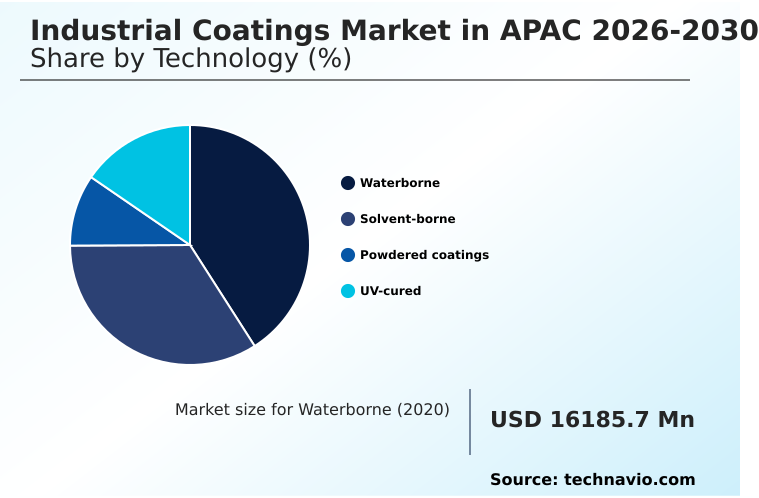
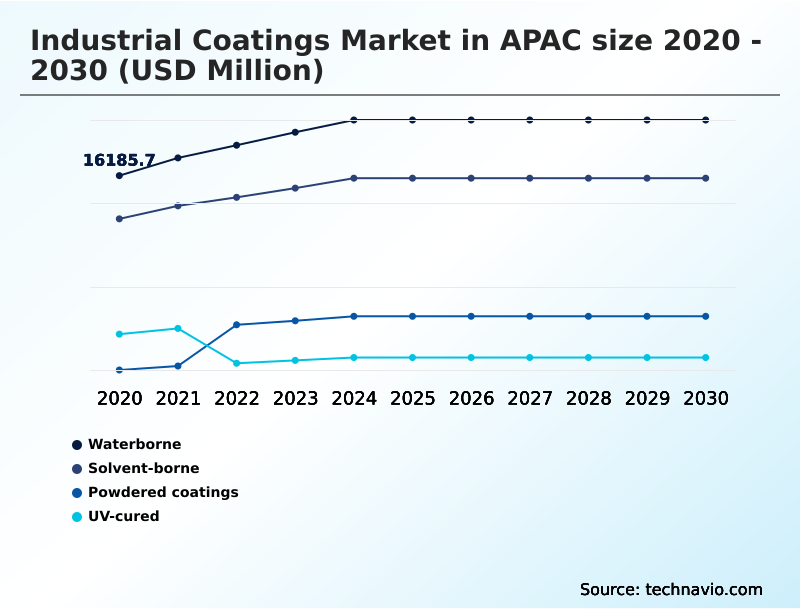
The Waterborne segment was valued at USD 19.73 billion in 2024 and showed a gradual increase during the forecast period.
Market Dynamics
Our researchers analyzed the data with 2025 as the base year, along with the key drivers, trends, and challenges. A holistic analysis of drivers will help companies refine their marketing strategies to gain a competitive advantage.
- The ongoing evolution of surface engineering places a massive emphasis on balancing extreme durability with strict environmental governance. Regulatory authorities increasingly scrutinize volatile organic compound emissions, pushing industrial manufacturers to adopt low emission waterborne automotive primers that deliver flawless aesthetic finishes while adhering to new compliance thresholds.
- In demanding environments such as thermal processing plants and industrial exhaust systems, engineers specify high temperature resistant silicone coatings to prevent structural degradation under continuous heat stress. Comparatively, facilities that transitioned to these advanced high-temperature barriers observed a 40% drop in heat-induced coating failure, radically optimizing their long-term operational planning and maintenance schedules.
- Simultaneously, the push for manufacturing efficiency accelerates the deployment of sustainable powder coating spray automation, which captures and recycles overshoot material, thereby drastically lowering supply chain waste and raw material procurement costs. Asset protection remains paramount for offshore assets, where marine grade anti fouling surface protection is essential to prevent biofouling organisms from increasing hydrodynamic drag on commercial vessels.
- Furthermore, operators managing vast overland energy networks heavily rely on heavy duty pipeline corrosion resistance to safeguard subterranean steel assets from highly acidic soil environments. By integrating these specialized formulations, industrial stakeholders ensure that critical infrastructure maintains structural integrity over extended lifecycles, ultimately reducing operational overhead and supporting sustainable industrial development.
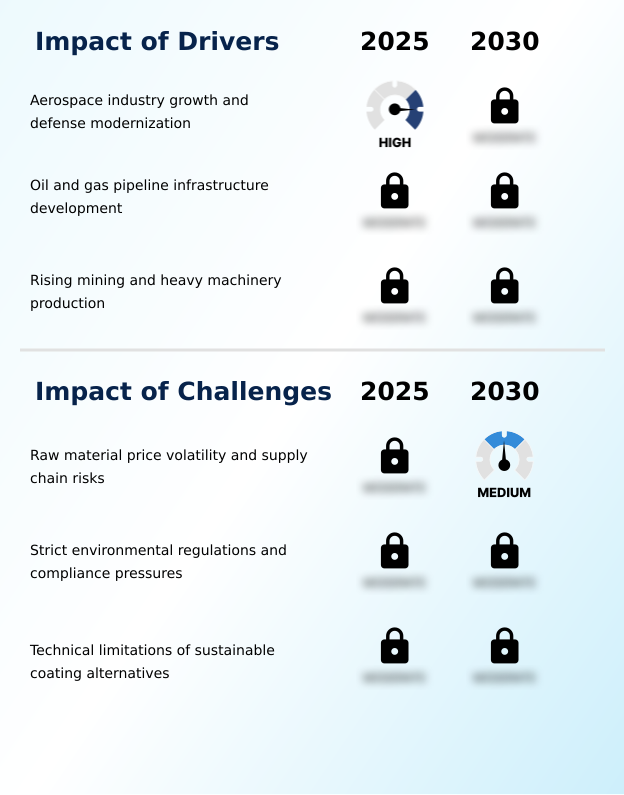
What are the key market drivers leading to the rise in the adoption of APAC Industrial Coatings Industry?
- The rapid expansion of commercial aerospace fleets and the continuous modernization of defense infrastructure serve as primary catalysts propelling the demand for high-performance protective solutions.
- Massive regional investments in offshore pipeline infrastructure and complex aerospace maintenance applications generate substantial demand for advanced protective barrier systems.
- Original equipment manufacturers urgently require heavy-duty fusion-bonded epoxy coatings and multi-layer polyethylene systems to safeguard subterranean assets and active petrochemical processing facilities against hyper-saline environments and aggressive soil stress.
- Applying these specialized layers has allowed energy operators to extend pipeline inspection intervals, effectively lowering reactive maintenance expenditures by 22%.
- Furthermore, the incorporation of abrasion-resistant polyurethane in heavy earthmoving equipment and agricultural equipment production minimizes deep gouging from mineral slurries, which has decreased unexpected machinery downtime by 16%.
- The critical necessity to deploy thermal barrier systems and robust anti-corrosive primer layers forces industrial stakeholders to systematically upgrade their protective surface specifications to maintain uninterrupted daily operations.
What are the market trends shaping the APAC Industrial Coatings Industry?
- The continuous integration of nanotechnology within surface chemistry represents a transformative industry shift. This development drastically enhances barrier properties and scratch resistance for specialized protective applications.
- The widespread integration of nanotechnology surface modifications represents a transformative shift in how industrial assets are shielded from severe environmental degradation. Manufacturers are actively formulating ultraviolet-curable technologies and radiation-cured systems to accelerate manufacturing throughput for electronic component housing and sensitive appliance manufacturing lines.
- By replacing traditional application methods with automated electrostatic spray equipment, factory operators have reduced material overspray by 20%. Furthermore, prioritizing cross-linking density optimization ensures that protective layers applied to solar panel mounting structures and expansive renewable energy installations withstand prolonged ultraviolet exposure.
- This rapid curing and enhanced barrier integrity allow energy operators to maximize wind turbine blade protection, empowering original equipment manufacturers to increase hourly production yields by 18% and drastically lower lifecycle maintenance overhead.
What challenges does the APAC Industrial Coatings Industry face during its growth?
- The severe volatility of foundational petrochemical prices and persistent logistical vulnerabilities within supply networks create significant structural challenges for manufacturing profitability.
- The aggressive enforcement of strict environmental mandates presents a formidable structural barrier for chemical formulators relying on legacy production methods across commercial building facades and heavy machinery fabrication. Regulatory frameworks demanding significant volatile organic compound reduction compel manufacturers to re-engineer product lines with advanced waterborne epoxy dispersions and innovative low-temperature cure technologies.
- However, these sustainable alternatives frequently exhibit extended drying periods and heightened sensitivity to ambient humidity, which can increase surface application defects by 15% during large-scale structural steel fabrication. Additionally, achieving mechanical parity with traditional high-solids solvent-borne systems and proven zinc-rich epoxy primers requires the integration of expensive specialty additives, increasing raw material procurement costs by 18%.
- Consequently, contractors working on marine transport fleets and bridge construction anti-corrosion projects struggle to balance mandatory ecological compliance with uncompromising mechanical durability.
Exclusive Technavio Analysis on Customer Landscape
The apac industrial coatings market forecasting report includes the adoption lifecycle of the market, covering from the innovator’s stage to the laggard’s stage. It focuses on adoption rates in different regions based on penetration. Furthermore, the apac industrial coatings market report also includes key purchase criteria and drivers of price sensitivity to help companies evaluate and develop their market growth analysis strategies.
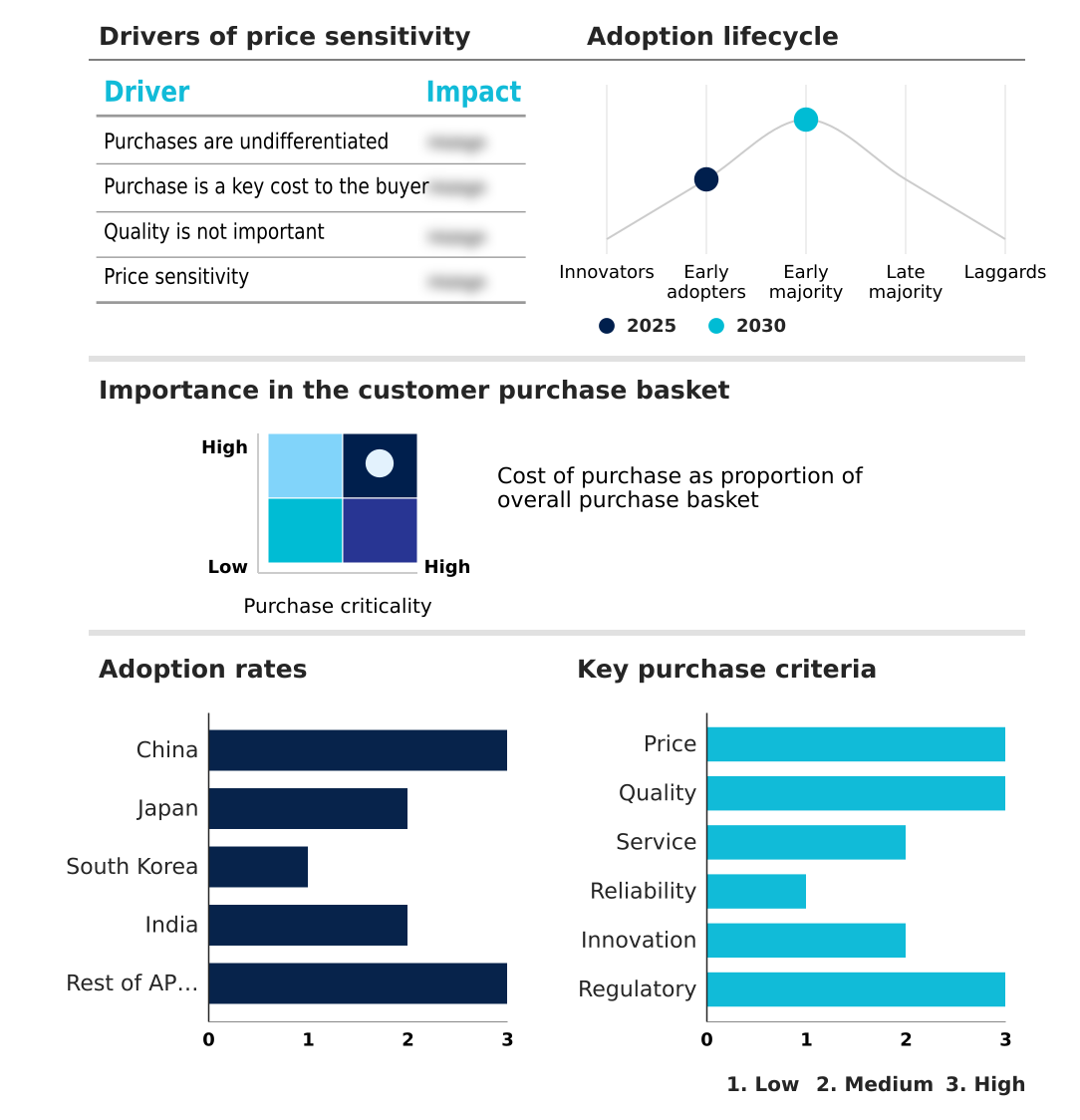
Customer Landscape of APAC Industrial Coatings Industry
Competitive Landscape
Companies are implementing various strategies, such as strategic alliances, apac industrial coatings market forecast, partnerships, mergers and acquisitions, geographical expansion, and product/service launches, to enhance their presence in the industry.
3M Co. - The vendor provides advanced protective surface solutions, including specialized polyurethane and ceramic systems designed to deliver superior abrasion resistance and long-term corrosion prevention for critical manufacturing infrastructure.
The industry research and growth report includes detailed analyses of the competitive landscape of the market and information about key companies, including:
- 3M Co.
- Akzo Nobel NV
- Asian Paints Ltd.
- Axalta Coating Systems Ltd.
- BASF SE
- Berger Paints India Ltd.
- Dow Chemical Co.
- Evonik Industries AG
- H.B. Fuller Co.
- Hempel AS
- Jotun AS
- Kansai Paint Co. Ltd.
- KCC Co. Ltd.
- Nippon Paint Holdings Co Ltd.
- NOROO Paint and Coatings Co
- PPG Industries Inc.
- RPM International Inc.
- Sika AG
- Teknos Group Oy
- The Sherwin Williams Co.
- Wacker Chemie AG
Qualitative and quantitative analysis of companies has been conducted to help clients understand the wider business environment as well as the strengths and weaknesses of key industry players. Data is qualitatively analyzed to categorize companies as pure play, category-focused, industry-focused, and diversified; it is quantitatively analyzed to categorize companies as dominant, leading, strong, tentative, and weak.
Recent Development and News in Apac industrial coatings market
- In the Specialty Chemicals industry, the widespread adoption of REACH compliance standards accelerated the phase-out of highly toxic heavy metal catalysts, directly impacting Industrial Coatings formulations by increasing the utilization of alternative bio-based accelerators by 25%.
- The transition toward hydrometallurgical recycling processes in heavy machinery fabrication triggered a shift in anti-corrosion requirements, forcing protective layer suppliers to optimize fusion-bonded formulations to withstand highly acidic extraction environments over extended lifecycles.
- Strict implementation of the EU CBAM framework penalized carbon-intensive material imports, pushing architectural metal coil producers to demand low-temperature cure technologies that effectively reduced baking oven energy consumption by 18%.
- Advancements in direct lithium extraction technology expanded battery processing infrastructure, creating a sustained 30% increase in demand for dielectric barrier systems used to insulate electric vehicle battery packs from severe thermal stress.
Dive into Technavio’s robust research methodology, blending expert interviews, extensive data synthesis, and validated models for unparalleled APAC Industrial Coatings Market insights. See full methodology.
| Market Scope | |
|---|---|
| Page number | 239 |
| Base year | 2025 |
| Historic period | 2020-2024 |
| Forecast period | 2026-2030 |
| Growth momentum & CAGR | Accelerate at a CAGR of 4.5% |
| Market growth 2026-2030 | USD 12256.2 million |
| Market structure | Fragmented |
| YoY growth 2025-2026(%) | 4.3% |
| Key countries | China, Japan, South Korea, India and Rest of APAC |
| Competitive landscape | Leading Companies, Market Positioning of Companies, Competitive Strategies, and Industry Risks |
Research Analyst Overview
- The continuous evolution of surface protection technologies requires manufacturing executives to structurally realign their operational planning and product strategies. Industrial formulators increasingly shift their portfolios toward advanced radiation-cured systems to achieve instantaneous polymerization, allowing high-volume fabrication lines to eliminate thermal drying ovens entirely.
- Executive boards prioritizing carbon footprint reduction have leveraged these systems to lower total energy consumption by 28%, significantly optimizing production line throughput. Advanced zinc-rich epoxy primers provide an impenetrable barrier against moisture permeation, preserving the structural integrity of heavy equipment exposed to severe environmental stressors.
- High-solids solvent-borne systems remain indispensable for petrochemical infrastructure, where rapid curing and extreme barrier resilience are non-negotiable for asset preservation. Companies that integrated nanotechnology surface modifications achieved a 35% improvement in scratch resistance, drastically lowering warranty claims on consumer goods.
- Furthermore, the strategic adoption of cross-linking density optimization ensures that emerging formulations maintain exceptional chemical resistance, enabling industrial original equipment manufacturers to satisfy rigorous technical specifications while insulating their supply chains against the volatility of traditional raw material pricing.
What are the Key Data Covered in this APAC Industrial Coatings Market Research and Growth Report?
-
What is the expected growth of the APAC Industrial Coatings Market between 2026 and 2030?
-
USD 12.26 billion, at a CAGR of 4.5%
-
-
What segmentation does the market report cover?
-
The report is segmented by Technology (Waterborne, Solvent-borne, Powdered coatings, and UV-cured), Application (General industrial, Automotive OEMs, Automotive refinishes, and Others), Product Type (Acrylic, Epoxy, Polyurethane, Alkyd, and Others) and Geography (APAC)
-
-
Which regions are analyzed in the report?
-
APAC
-
-
What are the key growth drivers and market challenges?
-
Aerospace industry growth and defense modernization, Raw material price volatility and supply chain risks
-
-
Who are the major players in the APAC Industrial Coatings Market?
-
3M Co., Akzo Nobel NV, Asian Paints Ltd., Axalta Coating Systems Ltd., BASF SE, Berger Paints India Ltd., Dow Chemical Co., Evonik Industries AG, H.B. Fuller Co., Hempel AS, Jotun AS, Kansai Paint Co. Ltd., KCC Co. Ltd., Nippon Paint Holdings Co Ltd., NOROO Paint and Coatings Co, PPG Industries Inc., RPM International Inc., Sika AG, Teknos Group Oy, The Sherwin Williams Co. and Wacker Chemie AG
-
Market Research Insights
- The Industrial Coatings sector continuously adapts to rigorous operational demands and tightening environmental regulations. Original equipment manufacturers increasingly deploy automated application systems, which have successfully improved transfer efficiency by 35%. This transition to precision spraying ensures uniform film deposition while minimizing hazardous chemical waste.
- Additionally, the rapid expansion of renewable infrastructure has driven a 40% increase in the utilization of specialized elastomers for wind turbine blade protection. By optimizing surface resilience against aerodynamic wear, asset managers extend maintenance intervals and achieve a 15% reduction in overall lifecycle operating costs.
- These technical advancements enable producers to align with sustainability mandates without sacrificing the durable performance required for heavy-duty metal furniture finishing and aerospace maintenance applications.
We can help! Our analysts can customize this apac industrial coatings market research report to meet your requirements.
 RIA -