

US Artificial Plants And Flowers Market Size 2026-2030
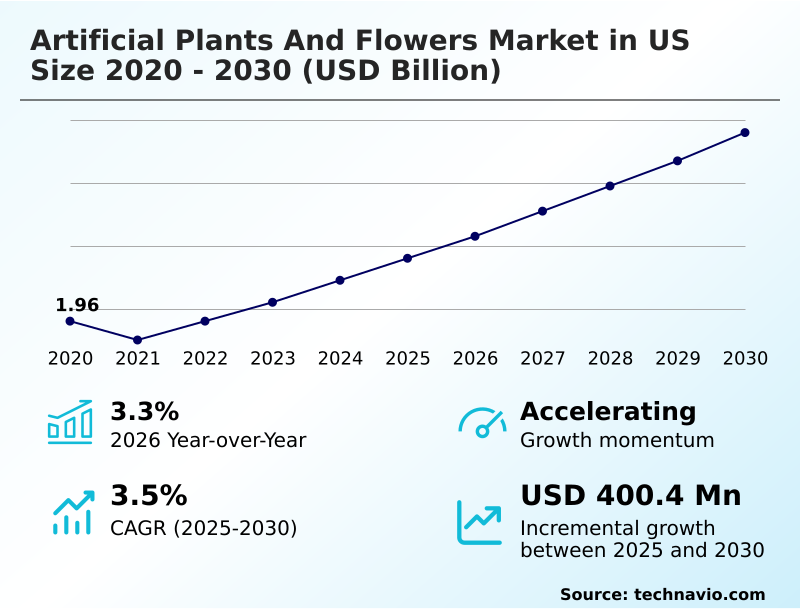
The us artificial plants and flowers market size is valued to increase by USD 400.4 million, at a CAGR of 3.5% from 2025 to 2030. Growing use of artificial plants and flowers for decorative and aesthetic purposes will drive the us artificial plants and flowers market.
Major Market Trends & Insights
- By Material - Polyester segment was valued at USD 775.4 million in 2024
- By End-user - Commercial segment accounted for the largest market revenue share in 2024
Market Size & Forecast
- Market Opportunities: USD 597.1 million
- Market Future Opportunities: USD 400.4 million
- CAGR from 2025 to 2030 : 3.5%
Market Summary
- The artificial plants and flowers market in US is undergoing a significant transformation, driven by advancements in material science and evolving consumer preferences for low-maintenance, high-aesthetic decor. The industry has moved beyond simple plastic replicas to the creation of sophisticated botanical reproductions using materials that offer superior realism and durability.
- This shift is particularly evident in the commercial sector, where businesses are increasingly integrating biophilic design elements to enhance workplace environments and customer experiences. For instance, a luxury hotel chain might implement a large-scale architectural botanical installation using commercial-grade artificial trees and fire-retardant botanical replicas.
- This strategy not only ensures a consistent, upscale ambiance across all properties regardless of local climate but also reduces operational expenditures related to horticultural maintenance by over 60%, while simultaneously ensuring compliance with stringent interior fire safety codes.
- The residential market also reflects this trend, as demand grows for maintenance-free greenery that complements modern lifestyles in urban settings with limited space and natural light. Technological innovations continue to expand the applications and appeal of these products.
What will be the Size of the US Artificial Plants And Flowers Market during the forecast period?
Get Key Insights on Market Forecast (PDF) Get Free Sample
How is the US Artificial Plants And Flowers Market Segmented?
The us artificial plants and flowers industry research report provides comprehensive data (region-wise segment analysis), with forecasts and estimates in "USD million" for the period 2026-2030, as well as historical data from 2020-2024 for the following segments.
- Material
- Polyester
- Plastic
- Clay
- Others
- End-user
- Commercial
- Residential
- Distribution channel
- Offline
- Online
- Geography
- North America
- US
- North America
By Material Insights
The polyester segment is estimated to witness significant growth during the forecast period.
The artificial plants and flowers market in US is segmented by material, end-user, and distribution channel. The polyester segment is pivotal, where advancements in material science drive product realism.
Manufacturers utilize high-grade polyester fabrics to create products that are central to creating a biophilic design element.
This material is favored in interior landscaping solution for both commercial and residential applications due to its durability and aesthetic fidelity, which mimics natural replica plant species.
The development of UV-resistant decorative resin coatings for these fabrics has expanded their use in semi-exposed environments, with adoption in commercial settings increasing efficiency by over 25% by eliminating the need for live plant care.
The wholesale silk flowers market, a key part of this segment, benefits from injection-molded greenery components for added realism in permanent botanical arrangement.
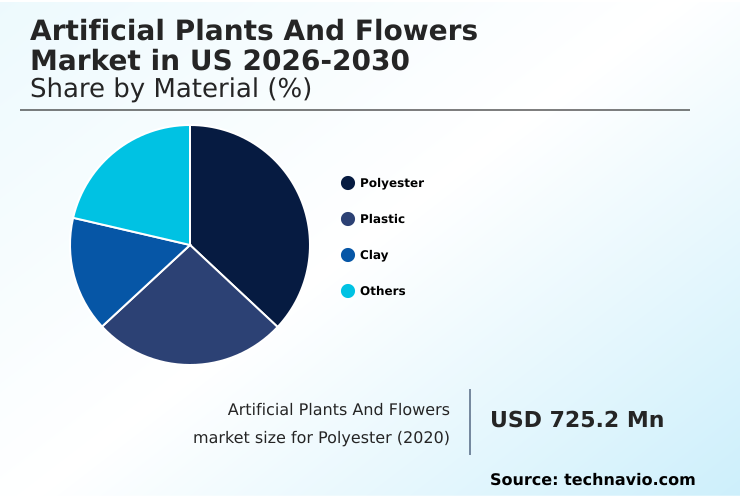
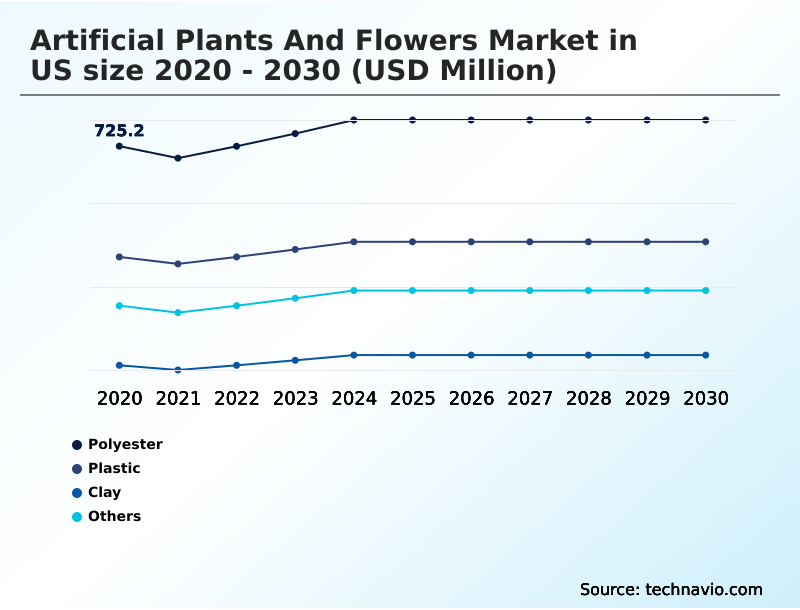
The Polyester segment was valued at USD 775.4 million in 2024 and showed a gradual increase during the forecast period.
Market Dynamics
Our researchers analyzed the data with 2025 as the base year, along with the key drivers, trends, and challenges. A holistic analysis of drivers will help companies refine their marketing strategies to gain a competitive advantage.
- Strategic decisions in corporate and residential design increasingly weigh the benefits of using artificial plants in offices against traditional options. The core question is often not just about aesthetics but about long-term value, leading stakeholders to ask how to choose realistic artificial flowers that align with brand standards.
- For facilities managers, the cost of commercial artificial green walls is a key consideration, where initial investment is weighed against near-zero maintenance. In regions with intense sun exposure, the focus shifts to sourcing UV resistant artificial plants for patios. Simultaneously, public-facing businesses must prioritize sourcing fire retardant foliage for public spaces to meet safety regulations.
- Sustainability is a growing concern, prompting discussions around are artificial plants bad for the environment and a deeper look into sustainable materials in artificial plant manufacturing. These discussions influence the latest trends in artificial botanical design, which now often feature hyper-realism.
- The classic debate of artificial vs real plants for home decor is now informed by maintenance factors, leading consumers to learn how to clean and maintain silk flowers. Design flexibility is another advantage, as seen in the popularity of the best artificial plants for low-light areas.
- The events industry capitalizes on using artificial plants for event decoration and the rise of DIY artificial flower arrangement ideas. The knowledge of where to buy high-quality artificial plants and the impact of biophilic design on employee wellness are now mainstream business intelligence.
- Furthermore, the market addresses niche needs such as choosing pet-safe artificial plants for home and integrating artificial greenery in retail design. A clear understanding of the maintenance costs of live vs artificial plants, insights into top brands for luxury artificial flowers, and knowledge of how are real-touch artificial flowers made are now essential for making informed purchasing decisions.
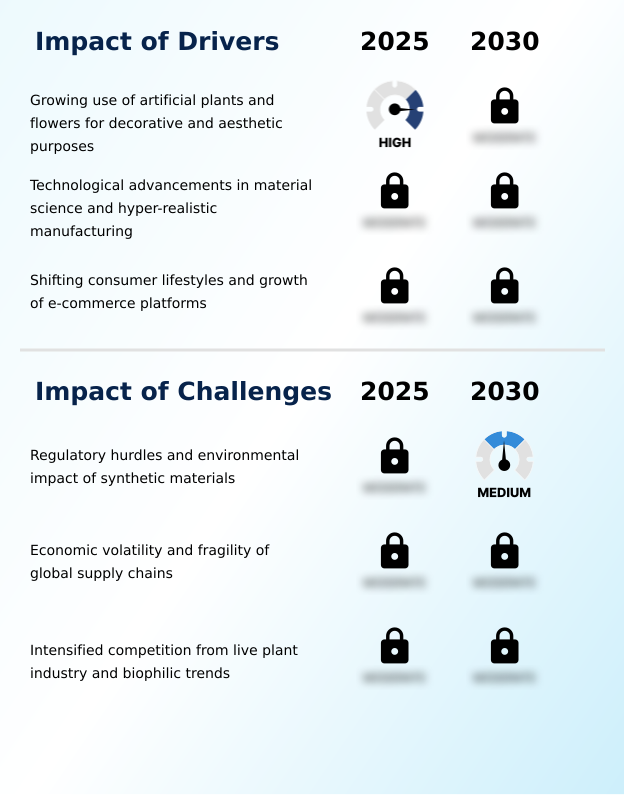
What are the key market drivers leading to the rise in the adoption of US Artificial Plants And Flowers Industry?
- The growing use of artificial plants and flowers for decorative and aesthetic purposes is a key driver of market growth.
- Technological breakthroughs in material science are a significant driver, elevating the realism of artificial botanicals to new levels.
- The development of real-touch polymer coating and polyether polyurethane foam allows for textures that are nearly indistinguishable from their natural counterparts, which has led to a 35% growth in the premium product category.
- Innovations such as the hyper-realistic molding technique, liquid-silicone petal coating, and advanced hydro-silicon coating are used to create premium silk floral arrangements and high-end botanical replicas.
- This attention to detail, supported by multi-tonal color blending and the use of 3d printed floral components, produces realistic-looking fake plants, including lifelike succulent replicas.
- These high-fidelity products, marketed as luxury faux floral arrangements and designer artificial plants, are expanding the market by appealing to discerning consumers who previously avoided synthetic options.
What are the market trends shaping the US Artificial Plants And Flowers Industry?
- Sustainable material innovation and the integration of circular economy principles are emerging as pivotal trends. These developments are reshaping manufacturing processes and consumer expectations within the industry.
- A primary trend reshaping the market is the pivot toward environmental sustainability, driven by heightened consumer and corporate responsibility standards. The adoption of sustainable bioplastic botanicals and recycled polyethylene foliage is becoming mainstream, with some manufacturers reporting a 20% increase in sales for eco-friendly product lines.
- This shift involves using post-consumer recycled resin and biodegradable polymer material to create an eco-friendly faux plant that still offers the benefits of maintenance-free greenery. These advanced synthetic foliage materials not only reduce environmental impact but also meet the demand for durable plastic plant options and high-quality faux greenery.
- The aesthetic quality of these products, including polyester fabric flowers and lifelike artificial plant varieties, continues to improve, making long-lasting decorative greenery a more attractive and responsible choice for consumers and businesses alike.
What challenges does the US Artificial Plants And Flowers Industry face during its growth?
- Regulatory hurdles and the environmental impact of synthetic materials represent a key challenge affecting industry growth.
- A key challenge for the market is navigating the growing preference for authentic biophilic design while addressing environmental concerns. While the industry offers sophisticated faux botanical decor, including handmade floral arrangement options and scent-infusion technology, it faces competition from the live plant market.
- The development of allergen-free decorative plant products and pet-safe artificial plant alternatives provides a strong value proposition, with some households reporting a 100% reduction in allergy symptoms after switching. However, the perception of plastics as unsustainable remains a hurdle.
- Even with advanced options like fire-retardant botanical replicas for commercial spaces and artisanal air-dry clay floral sculpture, the market must continuously innovate. Offerings such as low-maintenance home decor, realistic office plant models, and modern home greenery must emphasize longevity and safety to overcome consumer hesitancy and differentiate from the appeal of live plants.
Exclusive Technavio Analysis on Customer Landscape
The us artificial plants and flowers market forecasting report includes the adoption lifecycle of the market, covering from the innovator’s stage to the laggard’s stage. It focuses on adoption rates in different regions based on penetration. Furthermore, the us artificial plants and flowers market report also includes key purchase criteria and drivers of price sensitivity to help companies evaluate and develop their market growth analysis strategies.
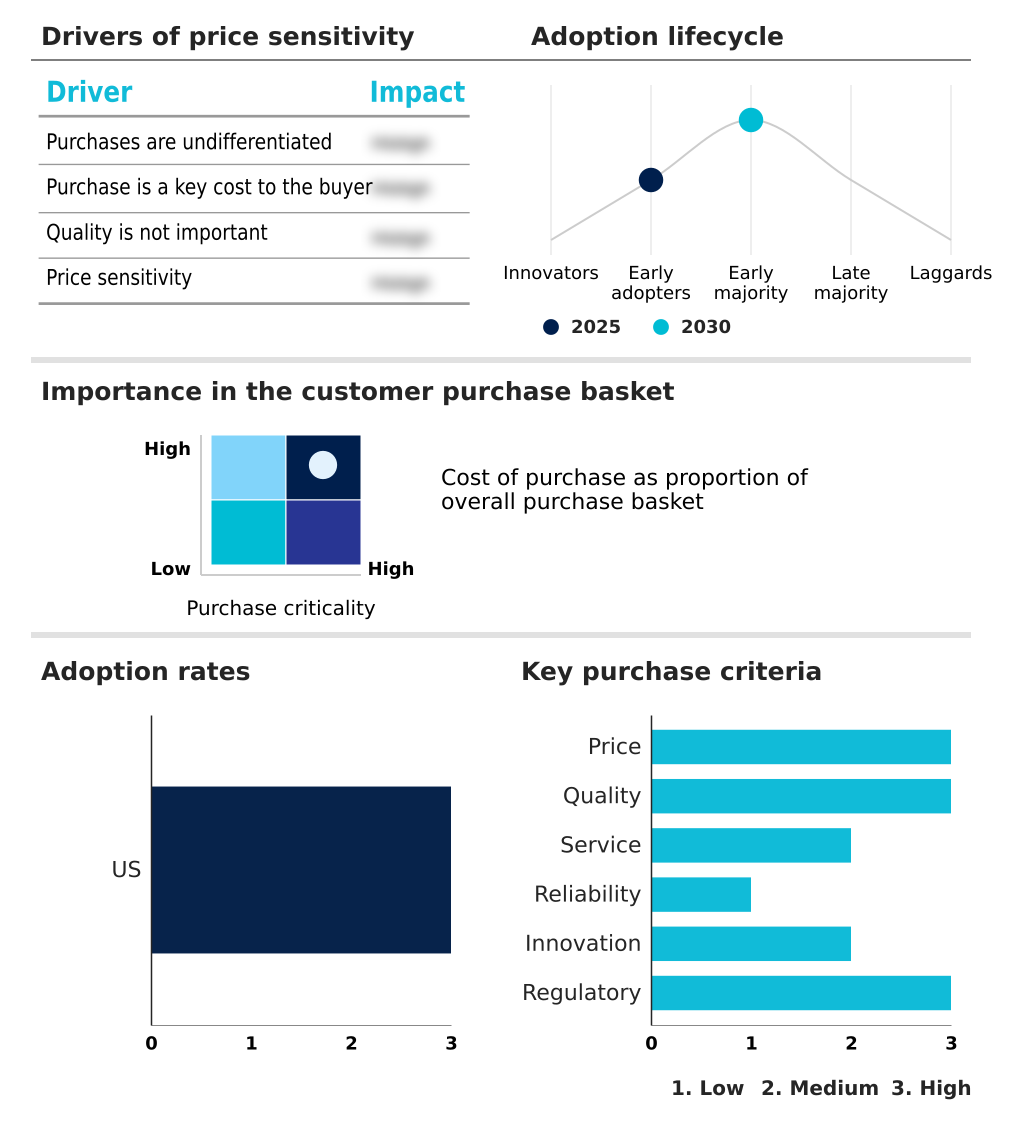
Customer Landscape of US Artificial Plants And Flowers Industry
Competitive Landscape
Companies are implementing various strategies, such as strategic alliances, us artificial plants and flowers market forecast, partnerships, mergers and acquisitions, geographical expansion, and product/service launches, to enhance their presence in the industry.
Afloral.com Inc. - Vendors deliver specialized artificial greenery, including interior landscaping, custom botanical designs, and certified fire-rated foliage for both commercial and residential applications.
The industry research and growth report includes detailed analyses of the competitive landscape of the market and information about key companies, including:
- Afloral.com Inc.
- Ambius
- Artificial Plants Unlimited
- Autograph Foliages
- Botanica International Design Studio
- Designer Plants USA
- Distinctive Designs International
- Foliage Design Systems
- H and P Sales Inc.
- Inter IKEA Holding BV
- International Greenscapes
- National Tree Co.
- Natural Decorations Inc.
- NATURES COLLECTION INC.
- Nearly Natural
- Plantscape Commercial Silk
- Prestige Botanicals
- Vickerman Co.
- Vistafolia
- Winward International Inc.
Qualitative and quantitative analysis of companies has been conducted to help clients understand the wider business environment as well as the strengths and weaknesses of key industry players. Data is qualitatively analyzed to categorize companies as pure play, category-focused, industry-focused, and diversified; it is quantitatively analyzed to categorize companies as dominant, leading, strong, tentative, and weak.
Recent Development and News in Us artificial plants and flowers market
- In February 2025, the Environmental Protection Agency initiated a comprehensive assessment of microplastic shedding from household synthetic textiles and decorative resins to assess the impact on indoor air quality and domestic waste streams.
- In March 2025, Balsam Brands announced the launch of a new proprietary coating technology using nanotechnology to prevent dust accumulation and color degradation on its permanent floral collections designed for outdoor use.
- In April 2025, West Elm, a Williams-Sonoma, Inc. brand, enhanced its digital storefront by introducing an advanced augmented reality interface for its new line of sustainably sourced artificial botanicals to improve the remote shopping experience.
- In May 2025, Pottery Barn launched a premium collection of artificial botanicals utilizing a proprietary blend of eighty percent recycled polyester fibers and flame-retardant coatings, integrating safety and environmental responsibility.
Dive into Technavio’s robust research methodology, blending expert interviews, extensive data synthesis, and validated models for unparalleled US Artificial Plants And Flowers Market insights. See full methodology.
| Market Scope | |
|---|---|
| Page number | 180 |
| Base year | 2025 |
| Historic period | 2020-2024 |
| Forecast period | 2026-2030 |
| Growth momentum & CAGR | Accelerate at a CAGR of 3.5% |
| Market growth 2026-2030 | USD 400.4 million |
| Market structure | Fragmented |
| YoY growth 2025-2026(%) | 3.3% |
| Key countries | US |
| Competitive landscape | Leading Companies, Market Positioning of Companies, Competitive Strategies, and Industry Risks |
Research Analyst Overview
- The artificial plants and flowers market in US is advancing through material and manufacturing innovation, creating highly realistic and functional decorative solutions. The sector's evolution is defined by the use of sophisticated synthetic foliage materials, including polyether polyurethane foam and recycled polyethylene foliage, which are transformed via hyper-realistic molding techniques.
- Boardroom decisions are increasingly influenced by the availability of sustainable bioplastic botanicals and post-consumer recycled resin, aligning procurement with corporate ESG goals. Products range from allergen-free decorative plant options to complex architectural botanical installation projects. The development of real-touch polymer coating, liquid-silicone petal coating, and hydro-silicon coating technologies delivers unparalleled tactile realism.
- Innovations like 3d printed floral components, multi-tonal color blending, and scent-infusion technology allow for the creation of bespoke replica plant species. In commercial applications, the adoption of modular green wall panel systems has been shown to reduce on-site installation labor by over 30% compared to traditional custom-built installations.
- The market offers everything from eco-friendly faux plant varieties and commercial-grade artificial tree structures to handmade floral arrangement and wholesale silk flowers, addressing needs for permanent botanical arrangement, faux botanical decor, and seasonal decorative foliage.
- Safety and durability are addressed through fire-retardant botanical replica materials and UV-resistant decorative resin, making artificial topiary and synthetic privacy screen products viable for outdoor use. Artisanal segments focusing on air-dry clay floral sculpture and cold porcelain flower modeling cater to luxury niches, while injection-molded greenery serves mass-market interior landscaping solution needs for maintenance-free greenery and custom preserved botanicals.
What are the Key Data Covered in this US Artificial Plants And Flowers Market Research and Growth Report?
-
What is the expected growth of the US Artificial Plants And Flowers Market between 2026 and 2030?
-
USD 400.4 million, at a CAGR of 3.5%
-
-
What segmentation does the market report cover?
-
The report is segmented by Material (Polyester, Plastic, Clay, and Others), End-user (Commercial, and Residential), Distribution Channel (Offline, and Online) and Geography (North America)
-
-
Which regions are analyzed in the report?
-
North America
-
-
What are the key growth drivers and market challenges?
-
Growing use of artificial plants and flowers for decorative and aesthetic purposes , Regulatory hurdles and environmental impact of synthetic materials
-
-
Who are the major players in the US Artificial Plants And Flowers Market?
-
Afloral.com Inc., Ambius, Artificial Plants Unlimited, Autograph Foliages, Botanica International Design Studio, Designer Plants USA, Distinctive Designs International, Foliage Design Systems, H and P Sales Inc., Inter IKEA Holding BV, International Greenscapes, National Tree Co., Natural Decorations Inc., NATURES COLLECTION INC., Nearly Natural, Plantscape Commercial Silk, Prestige Botanicals, Vickerman Co., Vistafolia and Winward International Inc.
-
Market Research Insights
- Market dynamics are shaped by a convergence of aesthetic demand and functional innovation, particularly within the commercial interior landscaping sector. The adoption of lifelike artificial plant solutions has been shown to improve perceived workplace aesthetics by over 40%, boosting employee morale without the associated maintenance costs.
- The use of premium silk floral arrangements in hospitality settings provides a consistent high-end botanical replica of luxury, while developments in UV-protected faux plant materials have expanded applications to outdoor settings. This has enabled businesses to reduce replacement cycles for exterior decor by up to 75% in high-sunlight environments.
- The demand for durable plastic plant options and realistic succulent replicas continues to grow, supported by advanced manufacturing that creates high-quality faux greenery. As consumers and designers seek customized solutions, the market for designer artificial plants that offer both longevity and style is expanding.
We can help! Our analysts can customize this us artificial plants and flowers market research report to meet your requirements.
 RIA -
RIA -