


Attention Deficit Hyperactivity Disorder (Adhd) Drugs Market Size and Growth Forecast 2026-2030
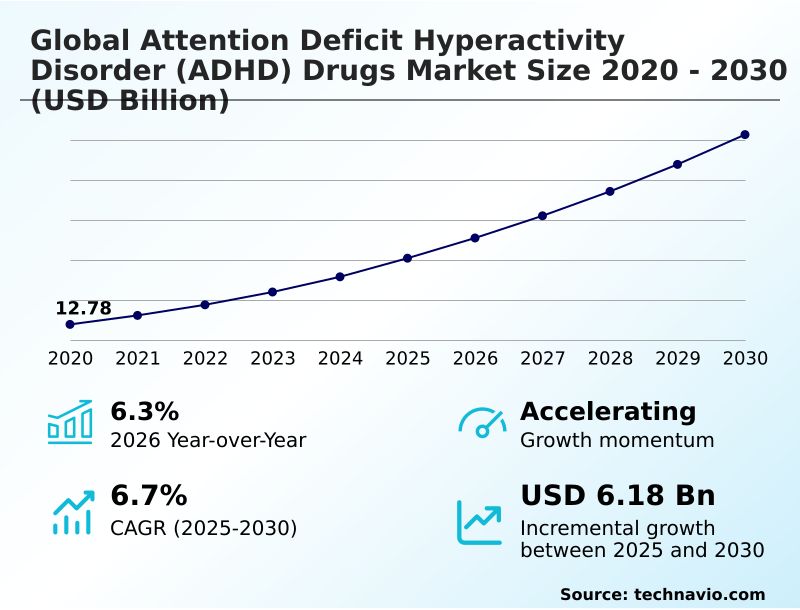
The Attention Deficit Hyperactivity Disorder (Adhd) Drugs Market size was valued at USD 16.09 billion in 2025 growing at a CAGR of 6.7% during the forecast period 2026-2030.
North America accounts for 31.6% of incremental growth during the forecast period. The Stimulant segment by Product was valued at USD 10.15 billion in 2024, while the Children segment holds the largest revenue share by End-user.
The market is projected to grow by USD 9.49 billion from 2020 to 2030, with USD 6.18 billion of the growth expected during the forecast period of 2025 to 2030.
Get Key Insights on Market Forecast (PDF) Request Free Sample
Attention Deficit Hyperactivity Disorder (Adhd) Drugs Market Overview
The attention deficit hyperactivity disorder (ADHD) drugs market is progressing beyond its traditional pediatric psychiatric care focus, driven by a significant increase in adult ADHD diagnosis. This demographic shift is fueling demand for more sophisticated pharmacological intervention options, including advanced non-stimulant pharmacotherapy and patient-centric drug design. Innovations in extended-release formulations are critical for ensuring medication adherence. For example, a large healthcare system implementing telepsychiatry prescription services alongside digital pharmacy networks can improve outcomes for its patient population by leveraging real-time data for therapeutic dosage optimization, a strategy particularly effective in North America, which accounts for nearly a third of the market's growth momentum. This evolution demands that manufacturers refine their central nervous system agents to meet the distinct needs of adults, often requiring management of psychiatric comorbidity and long-term cognitive function enhancement, while navigating an environment of robust generic drug competition.
Drivers, Trends, and Challenges in the Attention Deficit Hyperactivity Disorder (Adhd) Drugs Market
Strategic decisions in the attention deficit hyperactivity disorder (ADHD) drugs market are increasingly complex, balancing clinical needs with regulatory and commercial pressures. Pharmaceutical firms must weigh the R&D investment in extended-release vs sustained-release ADHD drugs against the market's demand for managing side effects of stimulant medications.
The rise of non-stimulant options for adult ADHD is a direct response to this, particularly for patients with comorbidities where a different risk profile is required. A key operational challenge involves navigating the intricate supply chain challenges for ADHD medications, which are often subject to strict quotas under regulations like the U.S. Controlled Substances Act.
For instance, a specialty pharmacy's ability to provide consistent access to medication is directly tied to the manufacturer's supply chain resilience; facilities with diversified active pharmaceutical ingredient suppliers experience significantly fewer stockouts than those reliant on a single source. This directly impacts long-term outcomes and the economic impact of untreated adult ADHD.
Furthermore, improving adherence to ADHD treatment plans and navigating insurance for ADHD treatment coverage under frameworks like the Mental Health Parity and Addiction Equity Act (MHPAEA) are critical for realizing the full therapeutic and commercial potential of new drug delivery systems.
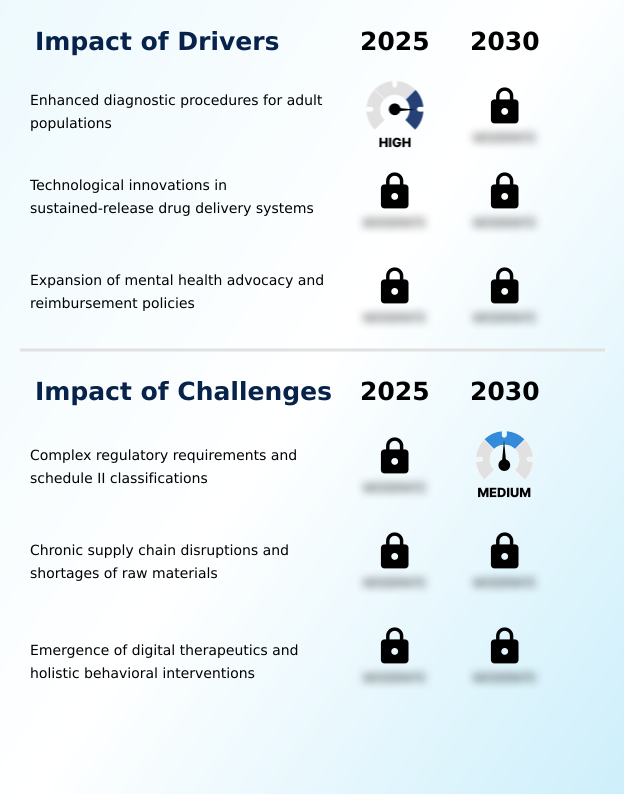
Primary Growth Driver: Enhanced diagnostic procedures and growing awareness of attention deficit hyperactivity disorder in adult populations are key drivers expanding the patient base and fueling market growth.
Market expansion is primarily fueled by the sustained increase in adult ADHD diagnosis, a demographic that now represents the fastest-growing patient segment.
This trend is driven by enhanced diagnostic procedures for adult populations and diminishing social stigma, leading more individuals to seek pharmacological intervention for symptoms affecting their professional and personal lives.
The adult segment's growth, which outpaces the pediatric sector with a year-over-year expansion rate of over 8%, creates strong demand for specific therapeutic profiles.
Consequently, innovations in sustained-release drug delivery and convenient extended-release formulations are critical, as these technologies support the consistent, once-daily dosing required for workplace productivity and improved medication adherence, reinforcing the market's growth trajectory.
Emerging Market Trend: The market is observing a significant trend toward the proliferation of non-stimulant pharmacological alternatives. This shift is driven by clinical demand for treatments with lower abuse potential and different side-effect profiles.
A defining trend is the rapid integration of digital platforms into treatment pathways, fundamentally altering patient access and management. The adoption of telepsychiatry prescription services and dedicated digital pharmacy networks is streamlining care, particularly for the expanding adult ADHD diagnosis demographic.
These platforms offer more than just convenience; they are becoming integral to providing medication adherence solutions and enabling clinicians to perform therapeutic dosage optimization based on real-world data. While retail pharmacies still constitute the largest distribution channel by a significant margin, the online segment's growth reflects a broader shift toward consumer-centric healthcare models.
This digital transformation is fostering a more data-driven approach to pharmacological intervention, aligning treatment more closely with individual patient needs and lifestyles.
Key Industry Challenge: Complex regulatory requirements, including the Schedule II classification of many stimulant medications, present a significant challenge to manufacturing, distribution, and prescription access, thereby affecting industry growth.
A critical structural issue constraining the market is the combination of stringent regulatory oversight and fragile supply chains. The Schedule II substance classification for most stimulant medications by agencies like the U.S. DEA imposes rigid manufacturing quotas and creates a high barrier for active pharmaceutical ingredient sourcing, frequently leading to chronic supply chain disruptions.
The recent recall of 1.48 million units of a non-stimulant pharmacotherapy by a single manufacturer underscores the vulnerability across the entire product landscape. Concurrently, the emergence of digital therapeutics for attention, cleared by regulatory bodies as prescription medical devices, introduces a new competitive dynamic.
This challenges the traditional pharmacological model by offering non-drug alternatives for cognitive function enhancement, forcing pharmaceutical companies to reconsider their long-term strategic positioning.
Explore Full Market Dynamics Analysis Request Free Sample
Attention Deficit Hyperactivity Disorder (Adhd) Drugs Market Segmentation
The attention deficit hyperactivity disorder (adhd) drugs industry research report provides comprehensive data including region-wise segment analysis, with forecasts and analysis for the period 2026-2030, as well as historical data from 2020-2024 for the following segments.
Product Segment Analysis
The stimulant segment is estimated to witness significant growth during the forecast period.
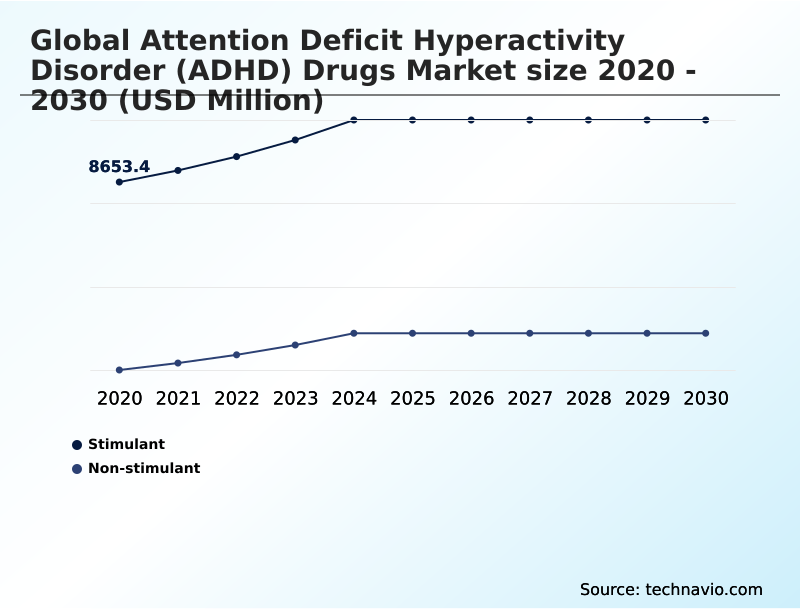
The stimulant sub-segment maintains its dominant position within the attention deficit hyperactivity disorder (ADHD) drugs market, accounting for more than double the revenue of its non-stimulant counterpart.
This leadership is due to the established clinical efficacy of stimulant medications as a first-line pharmacological intervention.
Manufacturers focus on balancing the potency of these central nervous system agents with advanced safety features and patient-centric drug design to mitigate risks associated with their Schedule II substance classification.
Continuous innovation in extended-release formulations and sustained-release drug delivery is crucial for maintaining market share, as these technologies enhance therapeutic dosage optimization and improve medication adherence for patients requiring long-term dopamine regulation therapy and neurodevelopmental symptom management.
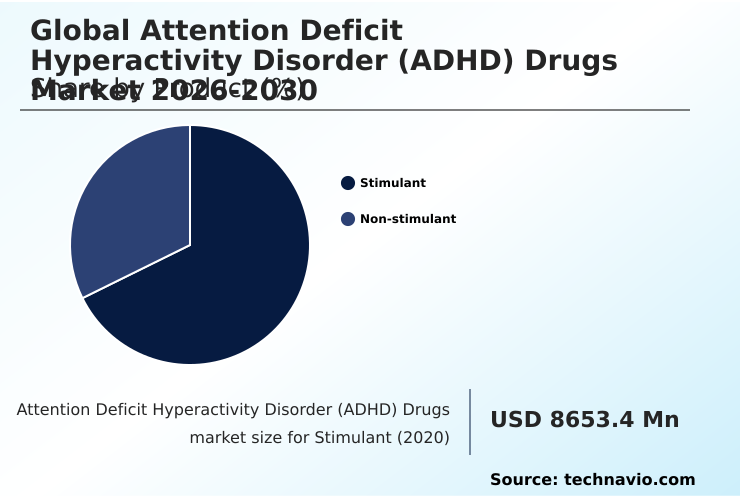
The Stimulant segment was valued at USD 10.15 billion in 2024 and showed a gradual increase during the forecast period.
Attention Deficit Hyperactivity Disorder (Adhd) Drugs Market by Region: North America Leads with 31.6% Growth Share
North America is estimated to contribute 31.6% to the growth of the global market during the forecast period.
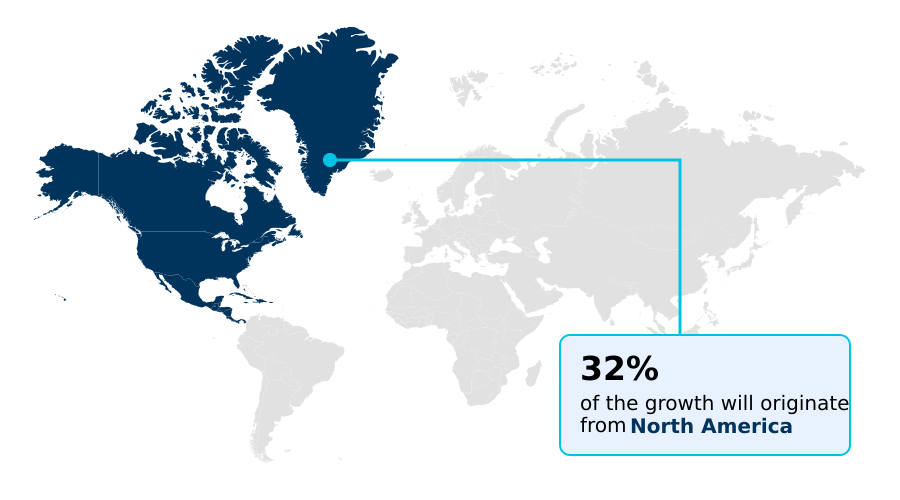
The geographic landscape of the attention deficit hyperactivity disorder (ADHD) drugs market is characterized by mature, high-volume regions and rapidly emerging growth territories.
North America, contributing 31.6% of the market's incremental growth, remains the largest segment due to high diagnostic rates and widespread pharmacological intervention. This region's focus is on optimizing long-acting stimulant formulations and managing psychiatric comorbidity.
In contrast, Asia is the fastest-growing region, with its expansion fueled by rising awareness, improving healthcare infrastructure, and an increasing acceptance of neurodevelopmental symptom management.
This growth is fostering a competitive environment for both branded pharmaceutical development and generic drug competition, expanding access to essential central nervous system agents across diverse economic landscapes and changing the approach to pediatric psychiatric care.
Customer Landscape Analysis for the Attention Deficit Hyperactivity Disorder (Adhd) Drugs Market
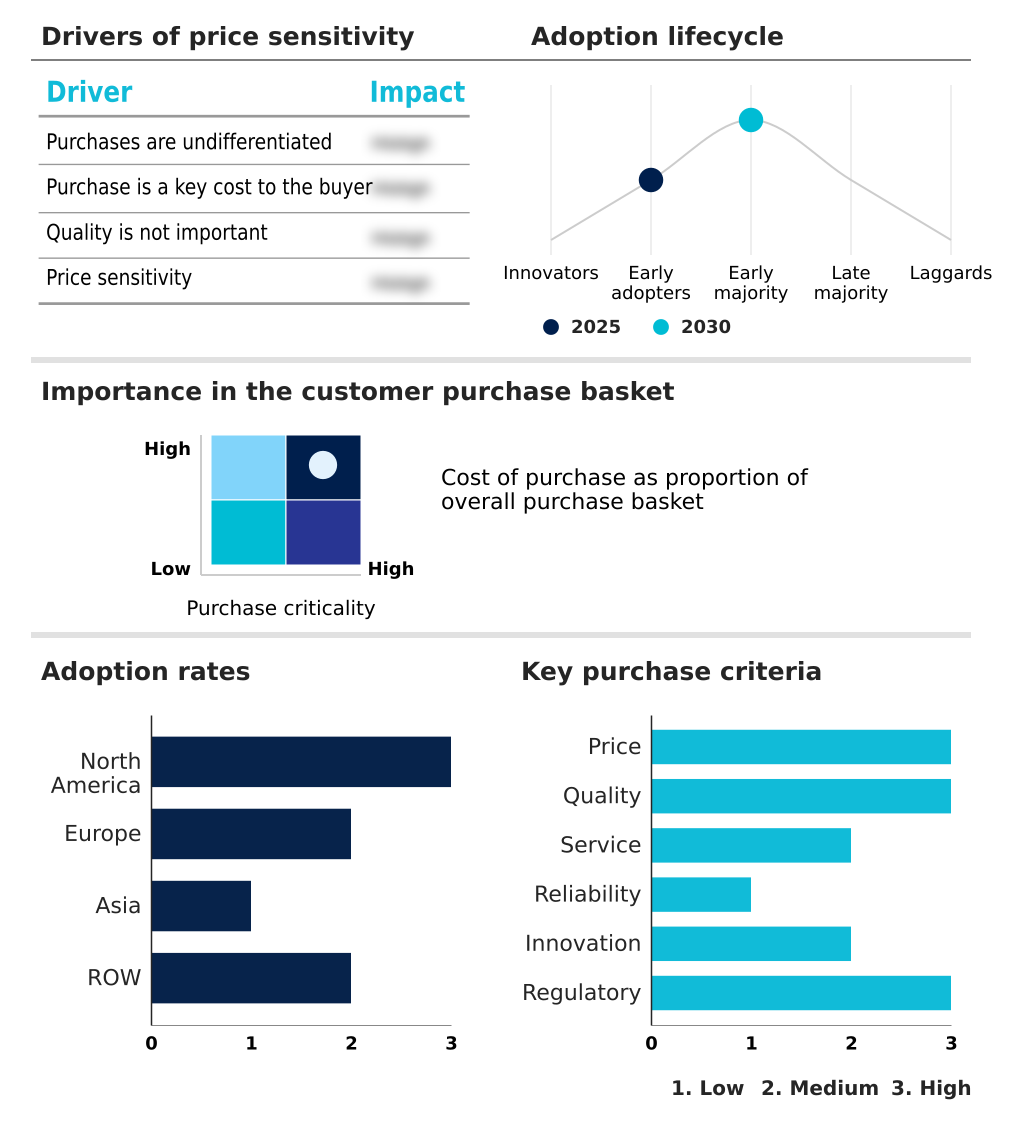
The attention deficit hyperactivity disorder (adhd) drugs market forecasting report includes the adoption lifecycle of the market, covering from the innovator’s stage to the laggard’s stage. It focuses on adoption rates in different regions based on penetration. Furthermore, the attention deficit hyperactivity disorder (adhd) drugs market report also includes key purchase criteria and drivers of price sensitivity to help companies evaluate and develop their market growth analysis strategies.
Competitive Landscape of the Attention Deficit Hyperactivity Disorder (Adhd) Drugs Market
Companies are implementing various strategies, such as strategic alliances, partnerships, mergers and acquisitions, geographical expansion, and product/service launches, to enhance their presence in the attention deficit hyperactivity disorder (adhd) drugs market industry.
AJENAT PHARMACEUTICALS - This firm's expertise lies in developing novel liquid and chewable extended-release formulations, enhancing patient adherence for complex central nervous system treatment regimens.
The industry research and growth report includes detailed analyses of the competitive landscape of the market and information about key companies, including:
- AJENAT PHARMACEUTICALS
- Amneal Pharmaceuticals Inc.
- Aurobindo Pharma Ltd.
- Aytu BioPharma Inc.
- Azurity Pharmaceuticals Inc.
- Camber Pharmaceuticals Inc.
- Dr. Reddys Laboratories Ltd.
- Eli Lilly and Co.
- Glenmark Pharmaceuticals Ltd.
- Granules India Ltd.
- Johnson and Johnson Services
- Novartis AG
- Otsuka Holdings Co. Ltd.
- Sandoz Group AG
- SHIONOGI Co. Ltd.
- Supernus Pharmaceuticals Inc.
- Takeda Pharmaceutical Ltd.
- Teva Pharmaceutical Ltd.
- Tris Pharma Inc.
- Viatris Inc.
Qualitative and quantitative analysis of companies has been conducted to help clients understand the wider business environment as well as the strengths and weaknesses of key industry players. Data is qualitatively analyzed to categorize companies as pure play, category-focused, industry-focused, and diversified; it is quantitatively analyzed to categorize companies as dominant, leading, strong, tentative, and weak.
Recent Developments in the Attention Deficit Hyperactivity Disorder (Adhd) Drugs Market
- In January 2025, ABVC BioPharma expanded its global patent portfolio for ABV-1505, a botanical-based ADHD investigational treatment, reinforcing its intellectual property position for mid-stage clinical development.
- In March 2025, Glenmark Pharmaceuticals Inc. recalled approximately 1.48 million bottles of atomoxetine, a non-stimulant ADHD medication, from the U.S. market due to manufacturing concerns.
- In March 2025, Kye Pharmaceuticals Inc. received Health Canada approval for Dyanavel XR, an amphetamine extended-release tablet and oral suspension, for treating ADHD in both children and adults.
- In April 2025, Sun Pharmaceutical Industries Inc. initiated a nationwide recall of multiple lots of lisdexamfetamine dimesylate, a widely used stimulant for ADHD treatment, citing quality control issues.
Research Analyst Overview: Attention Deficit Hyperactivity Disorder (Adhd) Drugs Market
The attention deficit hyperactivity disorder (ADHD) drugs market is defined by a strategic pivot in R&D, moving beyond incremental improvements in stimulant medications to a broader focus on patient-centric drug design. Boardroom decisions now center on diversifying portfolios with non-stimulant pharmacotherapy to mitigate risks associated with the strict Schedule II substance classification of traditional treatments.
While the stimulant segment still commands over two-thirds of the market revenue, investment in central nervous system agents with novel mechanisms of action is a response to both clinical demand and regulatory pressure. This involves significant capital for extensive clinical trial data analysis to prove the efficacy of these new approaches to neurodevelopmental symptom management.
The development of unique sustained-release drug delivery and osmotic-controlled release systems is no longer just a value-add but a core competitive differentiator, crucial for securing market access and ensuring long-term medication adherence solutions across a growing adult patient population.
Dive into Technavio’s robust research methodology, blending expert interviews, extensive data synthesis, and validated models for unparalleled Attention Deficit Hyperactivity Disorder (Adhd) Drugs Market insights. See full methodology.
| Market Scope | |
|---|---|
| Page number | 283 |
| Base year | 2025 |
| Historic period | 2020-2024 |
| Forecast period | 2026-2030 |
| Growth momentum & CAGR | Accelerate at a CAGR of 6.7% |
| Market growth 2026-2030 | USD 6181.7 million |
| Market structure | Fragmented |
| YoY growth 2025-2026(%) | 6.3% |
| Key countries | US, Canada, Mexico, Germany, UK, France, Italy, The Netherlands, Spain, Russia, China, India, Japan, South Korea, Indonesia, Thailand, Singapore, Australia, Brazil, South Africa, UAE, Saudi Arabia and Turkey |
| Competitive landscape | Leading Companies, Market Positioning of Companies, Competitive Strategies, and Industry Risks |
Attention Deficit Hyperactivity Disorder (Adhd) Drugs Market: Key Questions Answered in This Report
-
What is the expected growth of the Attention Deficit Hyperactivity Disorder (Adhd) Drugs Market between 2026 and 2030?
-
The Attention Deficit Hyperactivity Disorder (Adhd) Drugs Market is expected to grow by USD 6.18 billion during 2026-2030, registering a CAGR of 6.7%. Year-over-year growth in 2026 is estimated at 6.3%%. This acceleration is shaped by enhanced diagnostic procedures for adult populations, which is intensifying demand across multiple end-use verticals covered in the report.
-
-
What segmentation does the market report cover?
-
The report is segmented by Product (Stimulant, and Non-stimulant), End-user (Children, and Adults), Distribution Channel (Retail pharmacy, Hospital pharmacy, and Online) and Geography (North America, Europe, Asia, Rest of World (ROW)). Among these, the Stimulant segment is estimated to witness significant growth during the forecast period, driven by rising adoption across key application areas. Each segment includes detailed qualitative and quantitative analysis, along with historical data from 2020-2024 and forecasts through 2030 with year-over-year growth rates.
-
-
Which regions are analyzed in the report?
-
The report covers North America, Europe, Asia and Rest of World (ROW). North America is estimated to contribute 31.6% to market growth during the forecast period. Country-level analysis includes US, Canada, Mexico, Germany, UK, France, Italy, The Netherlands, Spain, Russia, China, India, Japan, South Korea, Indonesia, Thailand, Singapore, Australia, Brazil, South Africa, UAE, Saudi Arabia and Turkey, with dedicated market size tables and year-over-year growth for each.
-
-
What are the key growth drivers and market challenges?
-
The primary driver is enhanced diagnostic procedures for adult populations, which is accelerating investment and industry demand. The main challenge is complex regulatory requirements and schedule ii classifications, creating operational barriers for key market participants. The report quantifies the impact of each driver and challenge across 2026 and 2030 with comparative analysis.
-
-
Who are the major players in the Attention Deficit Hyperactivity Disorder (Adhd) Drugs Market?
-
Key vendors include AJENAT PHARMACEUTICALS, Amneal Pharmaceuticals Inc., Aurobindo Pharma Ltd., Aytu BioPharma Inc., Azurity Pharmaceuticals Inc., Camber Pharmaceuticals Inc., Dr. Reddys Laboratories Ltd., Eli Lilly and Co., Glenmark Pharmaceuticals Ltd., Granules India Ltd., Johnson and Johnson Services, Novartis AG, Otsuka Holdings Co. Ltd., Sandoz Group AG, SHIONOGI Co. Ltd., Supernus Pharmaceuticals Inc., Takeda Pharmaceutical Ltd., Teva Pharmaceutical Ltd., Tris Pharma Inc. and Viatris Inc.. The report provides qualitative and quantitative analysis categorizing companies as dominant, leading, strong, tentative, and weak based on their market positioning. Company profiles include business segment analysis, SWOT assessment, key offerings, and recent strategic developments.
-
Attention Deficit Hyperactivity Disorder (Adhd) Drugs Market Research Insights
Market dynamics are shaped by the dual pressures of increasing access and stringent regulatory control. The expansion of mental health parity laws compels insurers to broaden reimbursement policies for mental health, directly supporting patient access programs.
This driver is counterbalanced by the significant drug abuse potential of certain treatments, which necessitates tight regulatory oversight of the supply chain for controlled substances. ADHD treatment guidelines now increasingly incorporate telehealth for ADHD management, creating new commercial pathways but also requiring investment in medication management technology.
The clinical efficacy of non-stimulants is a key factor as providers weigh treatment options, especially with rising adult diagnoses. This complex interplay influences everything from R&D investment to pricing strategies for both pediatric and adult pharmacotherapy.
We can help! Our analysts can customize this attention deficit hyperactivity disorder (adhd) drugs market research report to meet your requirements.
 RIA -
RIA -