
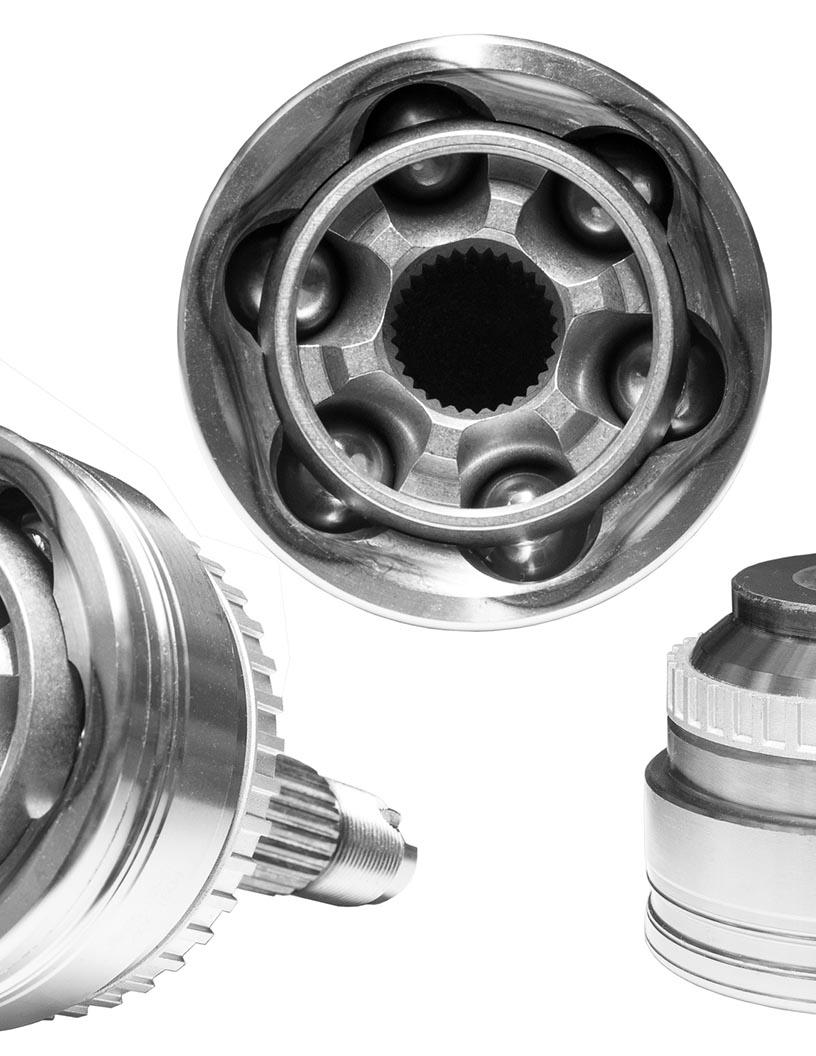


Automotive Constant Velocity Joint Market Size 2024-2028
The automotive constant velocity joint (CVJ) market size is forecast to increase by USD 147.5 million at a CAGR of 5.35% between 2023 and 2028.
- The market is experiencing significant growth due to several key factors. One of the primary drivers is the increasing demand for SUVs and pickup trucks, which utilize a higher number of CV joints compared to passenger cars. The demand for lightweight and advanced composite materials in drivetrain requirements is also driving the market growth. Additionally, advancements in CVJ design have led to improved durability and performance, making them an attractive option for automakers. However, the high repair and replacement costs of CV joints remain a challenge for consumers, potentially limiting market growth. Despite this, the market is expected to continue expanding as automakers prioritize fuel efficiency and vehicle performance In their product offerings. Overall, the CVJ market presents both opportunities and challenges for stakeholders, making it an intriguing area of study for industry analysts.
What will be the Size of the Automotive Constant Velocity Joint (CVJ) Market During the Forecast Period?
_market_size_abstract_2024_v1.jpg)
- The Constant Velocity Joint (CVJ) market plays a crucial role in mechanical power transmission in four-wheeled vehicles, enabling smooth and efficient transfer of power from the engine to the wheels. CVJs are essential components of car suspension systems, ensuring consistent output velocity despite varying input velocities. The global market for CVJs is driven by the increasing production of passenger vehicles and commercial vehicles, as well as the growing trend towards fuel-efficient and electric vehicles. Factors such as weight reduction and drivetrain requirements are key considerations In the CVJ market. Raw materials, friction management, and installation issues are critical challenges.
- Moreover, the market is also influenced by the recycling rates of end-of-life vehicles and the increasing adoption of autonomous vehicles and electric vehicles. CVJ exports are significant, with key exporting countries including those with high vehicle production and strong automotive industries. The CVJ market is also affected by the impact of CO2 emissions regulations and the shift towards lightweight vehicle designs. The market dynamics are influenced by various factors, including the type of CVJ, the specific vehicle type, and the propulsion system. The market is expected to grow, driven by the increasing vehicle population and the ongoing demand for improved vehicle efficiency.
How is this Automotive Constant Velocity Joint (CVJ) Industry segmented and which is the largest segment?
The automotive constant velocity joint (CVJ) industry research report provides comprehensive data (region-wise segment analysis), with forecasts and estimates in "USD million" for the period 2024-2028, as well as historical data from 2018-2022 for the following segments.
- Application
- Passenger cars
- Commercial vehicles
- End-user
- OEMs
- Aftermarket
- Geography
- APAC
- China
- India
- Japan
- South Korea
- Europe
- North America
- US
- South America
- Middle East and Africa
- APAC
By Application Insights
- The passenger cars segment is estimated to witness significant growth during the forecast period.
The market is driven by the increasing sales of passenger cars due to urbanization and rising disposable income in emerging economies. According to the World Bank Group, the GNI per capita in countries like China, India, Brazil, and Middle Eastern nations has seen significant growth, leading to a growth in demand for passenger vehicles. This trend is expected to continue, given the increasing focus on fuel efficiency and pollution reduction In the transportation sector. The CVJ market is crucial in mechanical power transmission for four-wheeled vehicles, including passenger cars, pick-up trucks, and commercial vehicles. These joints facilitate torque transfer between the vehicle's chassis and wheels, ensuring consistent output velocity despite varying input velocities.
Additionally, CVJs are also essential in car suspension systems and are used in front-wheel-drive vehicles, hybrid vehicles, and electric vehicles. The market is influenced by various factors, including vehicle efficiency, temperature range, installation factors, wear and tear, and lubrication requirements. The CVJ market is further expected to be impacted by emission norms, hub motors, and the aftermarket segment. The market is significant for industrial production, e-commerce, and delivery solutions, particularly in heavy-duty vehicles and logistics applications.

Get a glance at the Automotive Constant Velocity Joint (CVJ) Industry report of share of various segments Request Free Sample
The passenger cars segment was valued at USD 300.50 million in 2018 and showed a gradual increase during the forecast period.
Regional Analysis
- APAC is estimated to contribute 75% to the growth of the global market during the forecast period.
Technavio's analysts have elaborately explained the regional trends and drivers that shape the market during the forecast period.
_market_regions_abstract_2023_geo_v2.jpg)
For more insights on the market share of various regions, Request Free Sample
The Asia Pacific market for Constant Velocity Joints (CVJs) is experiencing significant growth due to the increasing purchasing power of consumers in economies such as China, India, Indonesia, and Thailand. With improving per capita income, there has been a growth in automobile sales In these countries. Strict emission norms, derived from Euro standards, have been implemented In the region, necessitating the use of advanced CVJs to reduce emissions. For instance, India introduced BS-VI norms in April 2020, which are based on Euro 6 emission standards. The demand for CVJs is further driven by the increasing production of passenger vehicles, commercial vehicles, and heavy-duty vehicles In the region.
Additionally, the shift towards fuel-efficient and electric vehicles, as well as the demand for lightweight and advanced composite materials, is expected to boost the market growth. The market is expected to witness growth due to the increasing demand for CVJs in various vehicle types, including front-wheel-drive vehicles, pick-up trucks, and hybrid vehicles, as well as In the aftermarket segment. The market is also driven by the demand for drivetrain requirements, hub motors, and power density in various industries, including logistics, transportation, construction, and e-commerce. The market is expected to face challenges due to installation issues and raw material availability, but the demand is expected to outweigh these challenges.
Thus, the market for CVJs is expected to grow due to the increasing vehicle population, CV joint exports, and the need to reduce CO2 emissions and improve recycling rates. The market is also expected to be influenced by trends such as the adoption of electric vehicles (EVs), autonomous vehicles (AVs), and the increasing demand for lightweight materials and temperature range compatibility.
Market Dynamics
Our researchers analyzed the data with 2023 as the base year, along with the key drivers, trends, and challenges. A holistic analysis of drivers will help companies refine their marketing strategies to gain a competitive advantage.
What are the key market drivers leading to the rise In the adoption of Automotive Constant Velocity Joint (CVJ) Industry?
Growing demand for SUVs and pickup trucks is the key driver of the market.
- The Constant Velocity Joints (CVJs) market encompasses mechanical power transmission components essential for four-wheeled vehicles, including passenger cars, pick-up trucks, and commercial vehicles. CVJs facilitate torque transfer from the vehicle's drivetrain to the wheels while maintaining a consistent output velocity, regardless of the input velocity changes. This technology enhances vehicle efficiency, reducing fuel consumption and carbon emissions in fuel-efficient vehicles and electric cars. CVJs are crucial for car suspension systems, especially in front-wheel-drive vehicles, and are also vital in heavy vehicles, such as construction equipment and heavy-duty trucks. The demand for CVJs is influenced by various factors, including vehicle population growth, purchasing power, and emission norms. The market is driven by the increasing demand for lightweight and advanced composite materials in vehicle production.
- Additionally, the adoption of electric and hybrid vehicles, autonomous vehicles, and hub motors is expected to boost the CVJs market. However, installation issues and raw material availability may pose challenges to market growth. CVJs are integral to drivetrain requirements and are used in various vehicle types, including fuel-efficient vehicles, light commercial vehicles, and heavy commercial vehicles. The market's power density, temperature range, and wear and tear resistance are crucial factors affecting its performance. The CVJs market is expected to experience significant growth due to the increasing demand for lightweight, improved vehicle efficiency, and the rising popularity of electric and autonomous vehicles.
- However, the market may face challenges due to installation issues, raw material availability, and the high cost of advanced materials. In summary, the Constant Velocity Joints market plays a vital role In the mechanical power transmission of various types of vehicles, including passenger cars, pick-up trucks, and commercial vehicles. The market's growth is driven by factors such as the increasing demand for lightweight, improved vehicle efficiency, and the rising popularity of electric and autonomous vehicles. However, challenges such as installation issues, raw material availability, and the high cost of advanced materials may pose challenges to market growth.
What are the market trends shaping the Automotive Constant Velocity Joint (CVJ) Industry?
Advancements in design are the upcoming market trends.
- The Constant-velocity joints (CVJs) market is experiencing significant growth due to the increasing demand for mechanical power transmission components in four-wheeled vehicles. CVJs play a crucial role in torque transfer between the vehicle's drivetrain and the wheels, ensuring consistent output velocity despite varying input velocities. This contributes to improved vehicle efficiency, particularly in passenger vehicles, pick-up trucks, and heavy commercial vehicles. CVJ manufacturers are introducing innovative designs to meet stringent emission norms and regulations. For instance, GKN's VL3 series CVJ, adopted by BMW in 2016, reduced more than 4kg weight In the BMW rear-wheel-drive platform through its S-shape track design. This innovation evenly distributes torque between bearings, enhancing joint strength and refinement. The automotive industry's competitive landscape is undergoing substantial changes, necessitating continuous advancements in CVJ designs. These advancements include the adoption of lightweight materials, such as advanced composite materials, and the integration of hub motors in electric and hybrid vehicles.
- Furthermore, the market's growth is influenced by factors like vehicle population growth, demand for fuel-efficient vehicles, and the increasing focus on pollution reduction. CVJs are essential for various vehicle types, including front-wheel-drive vehicles, heavy vehicles, and commercial vehicles. Installation issues and raw material availability may pose challenges to the market's growth, but the increasing purchasing power and global vehicle production are expected to offset these challenges. Additionally, the market's growth is driven by the increasing demand for e-commerce, delivery solutions, and industrial production, as well as the transition towards electric and autonomous vehicles. The CVJs market's future outlook includes the development of high-performance joints capable of operating in extreme temperature ranges and high speeds.
- Thus, the market's growth is also influenced by factors like wear and tear, lubrication requirements, and the need for lightweight and durable joints. Overall, the CVJs market is expected to continue growing due to its crucial role In the mechanical power transmission of vehicles and the increasing demand for fuel-efficient and eco-friendly vehicles.
What challenges does the Automotive Constant Velocity Joint (CVJ) Industry face during its growth?
High repair and replacement costs of CV joints are a key challenge affecting the industry growth.
- Constant-velocity joints (CVJs) are essential components in mechanical power transmission systems for four-wheeled vehicles, including passenger cars and heavy commercial vehicles. CVJs facilitate torque transfer from the vehicle's drivetrain to the wheels while maintaining a consistent output velocity despite varying input velocities. This technology enhances vehicle efficiency, reducing fuel consumption and carbon emissions in various applications, such as car suspension systems, front-wheel-drive vehicles, and hybrid and electric vehicles. Damage to CVJs can lead to significant issues, including noise while turning, bouncy driving, and grease marks on tire edges. These symptoms indicate the need for replacement or repair. In addition, the increasing demand for fuel-efficient and lightweight vehicles, as well as the growing popularity of electric and autonomous vehicles, is driving the market for CVJs.
- The CVJ market encompasses various joint types, including tripod and ball-type joints, and caters to diverse vehicle types, such as passenger vehicles, commercial vehicles, and heavy-duty vehicles. The market is influenced by factors like installation issues, raw materials, and emission norms. Moreover, the aftermarket segment plays a crucial role In the CVJ industry, with a significant portion of sales coming from vehicle owners seeking to maintaIn their vehicles' performance and longevity. CVJs are also essential in industrial production, logistics, and delivery solutions, as they contribute to the power density, temperature range, and wear and tear resistance required in heavy-duty applications. The market for CVJs is expected to grow due to the increasing demand for lightweight materials, advanced composite materials, and hub motors in electric and autonomous vehicles. However, the market may face challenges due to demand contraction in specific industries and installation issues related to new drivetrain requirements.
- Additionally, the recycling rates for CVJs and the availability of alternative materials, such as carbon fiber, may impact the market dynamics. Overall, the CVJ market is expected to remain a vital player In the automotive and industrial sectors, driven by the need for efficient, reliable, and sustainable power transmission solutions.
Exclusive Customer Landscape
The automotive constant velocity joint (CVJ) market forecasting report includes the adoption lifecycle of the market, market growth and forecasting, covering from the innovator's stage to the laggard's stage. It focuses on adoption rates in different regions based on penetration. Furthermore, the automotive constant velocity joint (CVJ) market report also includes key purchase criteria and drivers of price sensitivity to help companies evaluate and develop their market growth analysis strategies.
_market_customer_landscape_abstract_2023_geo_v1.jpg)
Customer Landscape
Key Companies & Market Insights
Companies are implementing various strategies, such as strategic alliances, automotive constant velocity joint (CVJ) market forecast, partnerships, mergers and acquisitions, geographical expansion, and product/service launches, to enhance their presence In the industry.
The industry research and growth report includes detailed analyses of the competitive landscape of the market and information about key companies, including:
- AB SKF
- AIKOKU ALPHA
- American Axle and Manufacturing Holdings Inc.
- Comer Industries Spa
- Comline Auto Parts Ltd.
- Cummins Inc.
- Dana Inc.
- ECO SHAFT (M) SDN BHD
- GKN Automotive Ltd.
- GSP Automotive Group Wenzhou Co. Ltd.
- Hartford Technologies Inc.
- Hyundai Motor Group
- IFA Holding GmbH
- JTEKT Corp.
- Melrose Industries Plc
- Nexteer Automotive Group Ltd.
- NTN Corp.
- Nuova Tecnodelta Spa
- Taizhou Heri Auto Parts Co. Ltd.
- United Components Inc.
Qualitative and quantitative analysis of companies has been conducted to help clients understand the wider business environment as well as the strengths and weaknesses of key industry players. Data is qualitatively analyzed to categorize companies as pure play, category-focused, industry-focused, and diversified; it is quantitatively analyzed to categorize companies as dominant, leading, strong, tentative, and weak.
Research Analyst Overview
The constant velocity joint (CVJ) market encompasses the production and supply of mechanical components essential for transmitting power from the vehicle's engine to its wheels. These joints facilitate smooth and consistent velocity transfer between the input and output shafts, enabling efficient power transmission in various vehicle types. CVJs play a vital role in mechanical power transmission systems, particularly in four-wheeled vehicles. They are integral to car suspension systems, ensuring optimal vehicle performance and efficiency. The demand for CVJs is influenced by several factors, including the growing popularity of fuel-efficient vehicles and the increasing trend towards reducing carbon emissions. The use of CVJs extends beyond passenger vehicles. They are also crucial in heavy vehicles, such as construction equipment and commercial vehicles, where torque transfer and weight reduction are critical factors. In the context of industrial production, CVJs contribute to the efficiency of logistics and delivery solutions, enabling the smooth operation of heavy-duty vehicles.
Moreover, CVJs come in various types, including tripod joints and ball-type joints, each designed to meet specific drivetrain requirements. The aftermarket segment for CVJs is significant, with many vehicles requiring replacement joints due to wear and tear over time. The production of CVJs involves the use of raw materials, such as rubber and grease, which can impact the overall cost and performance of the joints. The global vehicles market's size and growth rate influence the demand for CVJs, with an increasing vehicle population leading to a higher need for replacement parts. The adoption of advanced composite materials and lightweight strategies in vehicle manufacturing has led to the development of more efficient and durable CVJs. Additionally, the increasing popularity of electric and hybrid vehicles, as well as autonomous vehicles, presents new opportunities for the CVJ market. The CVJ market is subject to various market dynamics, including demand contraction due to economic factors, such as changes in personal disposable income and fuel prices. Emission norms and the shift towards fuel-efficient and green vehicles also impact the market's growth.
Hence, CVJs are subject to wear and tear, requiring regular lubrication and maintenance. High-speed applications and industrial production environments can further increase the demand for durable and temperature-resistant CVJs. In summary, the constant velocity joint market is a crucial component of the mechanical power transmission industry, enabling efficient power transfer in various vehicle types and applications. The market is influenced by several factors, including vehicle types, production rates, and environmental regulations, making it a dynamic and evolving sector.
|
Market Scope |
|
|
Report Coverage |
Details |
|
Page number |
170 |
|
Base year |
2023 |
|
Historic period |
2018-2022 |
|
Forecast period |
2024-2028 |
|
Growth momentum & CAGR |
Accelerate at a CAGR of 5.35% |
|
Market growth 2024-2028 |
USD 147.5 million |
|
Market structure |
Fragmented |
|
YoY growth 2023-2024(%) |
4.78 |
|
Key countries |
China, US, Japan, India, and South Korea |
|
Competitive landscape |
Leading Companies, Market Positioning of Companies, Competitive Strategies, and Industry Risks |
What are the Key Data Covered in this Automotive Constant Velocity Joint (CVJ) Market Research and Growth Report?
- CAGR of the Automotive Constant Velocity Joint (CVJ) industry during the forecast period
- Detailed information on factors that will drive the growth and forecasting between 2024 and 2028
- Precise estimation of the size of the market and its contribution of the industry in focus to the parent market
- Accurate predictions about upcoming growth and trends and changes in consumer behaviour
- Growth of the market across APAC, Europe, North America, South America, and Middle East and Africa
- Thorough analysis of the market's competitive landscape and detailed information about companies
- Comprehensive analysis of factors that will challenge the automotive constant velocity joint (CVJ) market growth of industry companies
We can help! Our analysts can customize this automotive constant velocity joint (CVJ) market research report to meet your requirements.