
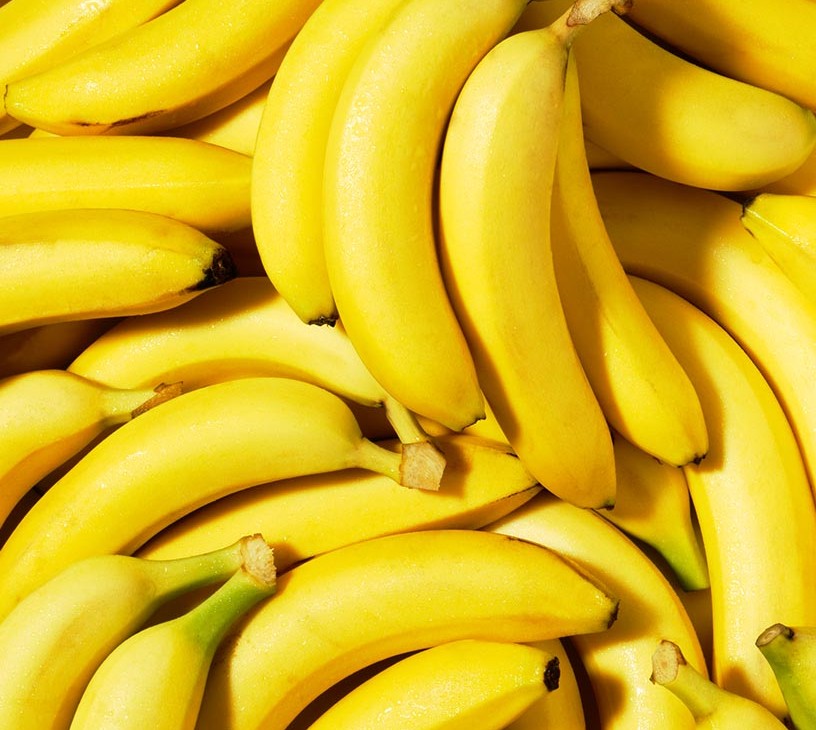


Banana Market Size 2026-2030
The banana market size is valued to increase by USD 1.59 billion, at a CAGR of 9.9% from 2025 to 2030. Increasing adoption of banana flour in baking industry will drive the banana market.
Major Market Trends & Insights
- North America dominated the market and accounted for a 40.4% growth during the forecast period.
- By Distribution Channel - Offline segment was valued at USD 1.73 billion in 2024
- By Type - Conventional segment accounted for the largest market revenue share in 2024
Market Size & Forecast
- Market Opportunities: USD 2.46 billion
- Market Future Opportunities: USD 1.59 billion
- CAGR from 2025 to 2030 : 9.9%
Market Summary
- The banana market is a cornerstone of the global fresh fruit industry, characterized by consistent demand and complex supply chain dynamics. Growth is supported by the fruit's affordability and nutritional value, but the sector faces significant operational hurdles. A major operational focus is on mitigating the risks associated with Cavendish banana monoculture, which is highly susceptible to diseases.
- To counter this, companies are investing in disease-resistant banana cultivars and precision agriculture methods to improve resilience. A key business scenario involves optimizing the supply chain to achieve post-harvest loss reduction, which can be significant. This requires sophisticated cold chain management, from farm to retail, and precise ethylene-induced ripening processes.
- Efforts in climate-smart agriculture and the development of specialty banana varieties are also shaping future production strategies to ensure long-term sustainability and meet evolving consumer preferences for diversity and quality in the face of challenges like achieving Panama disease resistance.
What will be the Size of the Banana Market during the forecast period?

Get Key Insights on Market Forecast (PDF) Get Free Sample
How is the Banana Market Segmented?
The banana industry research report provides comprehensive data (region-wise segment analysis), with forecasts and estimates in "USD million" for the period 2026-2030, as well as historical data from 2020-2024 for the following segments.
- Distribution channel
- Offline
- Online
- Type
- Conventional
- Organic
- Form factor
- Fresh bananas
- Processed bananas
- Geography
- North America
- US
- Canada
- Mexico
- Europe
- Germany
- UK
- France
- APAC
- India
- China
- Indonesia
- South America
- Brazil
- Colombia
- Middle East and Africa
- South Africa
- Rest of World (ROW)
- North America
By Distribution Channel Insights
The offline segment is estimated to witness significant growth during the forecast period.
The banana market is segmented by distribution channel, with offline retail representing the primary revenue stream, accounting for over 70% of total sales.
This channel's dominance relies on sophisticated logistics, where technologies like ripening room technology and efficient farm mechanization are crucial for maintaining product quality and availability. Success hinges on optimized export logistics optimization and effective fruit grading standards.
Vendors are increasingly adopting digital farming platforms to improve coordination. Innovations in banana packaging technology and the use of fruit coating technology are being implemented to enhance shelf-life extension.
Additionally, the application of biopesticide application and understanding banana plant genetics are key for sustainable production that meets retail standards.

The Offline segment was valued at USD 1.73 billion in 2024 and showed a gradual increase during the forecast period.

Regional Analysis
North America is estimated to contribute 40.4% to the growth of the global market during the forecast period.Technavio’s analysts have elaborately explained the regional trends and drivers that shape the market during the forecast period.

See How Banana Market Demand is Rising in North America Get Free Sample
The market's geographic landscape is defined by a strong import-export dynamic. The APAC region is projected to show the highest growth at 13.5%, driven by rising incomes and demand for fresh produce.
This contrasts with more mature markets like Europe, growing at 7.9%. In these regions, the focus is on optimizing supply chains through automated irrigation control and utilizing drone crop surveillance. Effective post-harvest treatment is crucial for long-distance shipping.
Investments in agricultural biotech are aimed at crop yield enhancement and developing hardier fruit varieties.
Success in these diverse regions depends on managing food safety protocols and implementing efficient plantation irrigation systems, along with advanced controlled atmosphere storage and exploring the potential of genetically engineered bananas to combat disease, while focusing on soil nutrient management.
Market Dynamics
Our researchers analyzed the data with 2025 as the base year, along with the key drivers, trends, and challenges. A holistic analysis of drivers will help companies refine their marketing strategies to gain a competitive advantage.
- The global banana market is navigating a complex transition, balancing high consumer demand with significant production and logistical hurdles. Key discussions revolve around sustainable practices in banana farming, which are becoming central to brand strategy and consumer trust.
- This includes better water management and reduced chemical inputs, directly addressing the supply chain challenges in fresh banana export like maintaining quality over long distances. The industry is actively seeking technological innovations in the banana supply chain to improve efficiency and transparency from farm to shelf.
- A major focus is on managing panama disease in banana plantations, a threat that has spurred significant investment in resistant varieties and new cultivation methods. Simultaneously, the market is exploring new applications for the fruit, particularly the gluten-free applications for banana flour, which opens up new consumer segments in the health and wellness space.
- Companies that successfully integrate these strategies are demonstrating greater supply chain resilience, with some reporting a 10% lower incidence of spoilage compared to those using traditional methods.

What are the key market drivers leading to the rise in the adoption of Banana Industry?
- The increasing adoption of banana flour within the baking industry stands as a key market driver.
- Key market drivers are centered on health trends and food innovation, leading to a year-over-year market expansion of 9.4%. The rising popularity of banana flour production is a prime example, with its use as a gluten-free baking ingredient growing significantly.
- This is tied to the demand for functional food formulation, leveraging the fruit's high resistant starch content. These products address a consumer segment that has grown by over 30% in the last five years.
- Simultaneously, expansion in commercial banana cultivation supports this demand.
- The push for healthier alternatives is also fueling the creation of dehydrated banana products and banana puree production, which offer convenience and extended shelf life, contributing to food security contribution and requiring adherence to GlobalG.A.P. certification.
What are the market trends shaping the Banana Industry?
- The growth of the banana production industry emerges as a key trend augmenting market prosperity. This expansion is fueled by advancements in cultivation and rising global demand.
- The market is witnessing a significant shift toward value-added products and sustainable practices. A key trend is the growth in organic banana farming, which has seen a production increase of over 15% in some regions, outpacing conventional growth. This aligns with consumer demand for greater supply chain visibility and ethically sourced goods.
- Innovations in value-added processing are creating new revenue streams beyond fresh fruit, such as with banana fiber paper. This trend is supported by technologies that ensure export quality control. Furthermore, the focus on sustainability is driving advancements in reducing the agricultural carbon footprint, with some certified farms achieving a 20% lower footprint.
- This is complemented by a push for better irrigation efficiency and the exploration of banana waste-to-energy solutions, along with robotic harvesting systems and achieving supply chain transparency.
What challenges does the Banana Industry face during its growth?
- The significant impact of natural calamities on banana production poses a key challenge to the industry's growth and stability.
- Despite strong demand, the market faces significant challenges from environmental and biological threats. The reliance on specific cultivars creates vulnerabilities, where a single disease outbreak can impact up to 40% of a region's output. Effective Black Sigatoka management and developing Panama disease resistance are therefore critical R&D priorities.
- The industry is responding through investment in sustainable agriculture and achieving fair trade compliance. To manage logistics, advancements in refrigerated container shipping are crucial, as are efficiencies gained from automated packaging lines. Still, disruptions can increase transport costs by 15-20%.
- Implementing robust farm management software helps growers use tools for fruit maturity assessment and Brix level testing to optimize harvests and improve resilience against these systemic risks.
Exclusive Technavio Analysis on Customer Landscape
The banana market forecasting report includes the adoption lifecycle of the market, covering from the innovator’s stage to the laggard’s stage. It focuses on adoption rates in different regions based on penetration. Furthermore, the banana market report also includes key purchase criteria and drivers of price sensitivity to help companies evaluate and develop their market growth analysis strategies.

Customer Landscape of Banana Industry
Competitive Landscape
Companies are implementing various strategies, such as strategic alliances, banana market forecast, partnerships, mergers and acquisitions, geographical expansion, and product/service launches, to enhance their presence in the industry.
AgroFair Benelux B.V. - A specialized importer and distributor of ethically sourced tropical fruits, including certified organic and fair trade bananas, ensuring sustainable supply chain integrity.
The industry research and growth report includes detailed analyses of the competitive landscape of the market and information about key companies, including:
- AgroFair Benelux B.V.
- BanaBay Ltd.
- Chiquita Panama LLC
- Compagnie Fruitiere
- Compagnie Fruitiere Cameroun
- Del Monte Philippines Inc.
- Dole Plc
- Favorita Fruit Co. Ltd.
- Fresh Del Monte Produce Inc.
- Fyffes Ltd.
- Fyffes North America Inc.
- Grupo HAME
- Grupo Noboa S.A.
- Noboa Export
- Pacific Fruit Inc.
- Reybanpac
- Sunshine Export S.A.
- Tropical Fruit Export S.A.
- Uniban
Qualitative and quantitative analysis of companies has been conducted to help clients understand the wider business environment as well as the strengths and weaknesses of key industry players. Data is qualitatively analyzed to categorize companies as pure play, category-focused, industry-focused, and diversified; it is quantitatively analyzed to categorize companies as dominant, leading, strong, tentative, and weak.
Recent Development and News in Banana market
- In May, 2025, Dole Plc announced a strategic partnership with an agritech firm to deploy AI-driven crop monitoring across its Latin American plantations, aiming to improve yield predictions.
- In March, 2025, Fresh Del Monte Produce Inc. completed the acquisition of a leading organic banana producer in Ecuador, expanding its portfolio of sustainably sourced fruits for the European market.
- In December, 2024, Chiquita Brands International launched a new line of value-added products, including gluten-free banana flour and packaged banana snacks, to capitalize on healthy snacking trends.
- In September, 2024, Fyffes Ltd. opened a new state-of-the-art ripening and distribution center in Singapore to enhance its supply chain capabilities and better serve the growing demand in the APAC region.
Dive into Technavio’s robust research methodology, blending expert interviews, extensive data synthesis, and validated models for unparalleled Banana Market insights. See full methodology.
| Market Scope | |
|---|---|
| Page number | 277 |
| Base year | 2025 |
| Historic period | 2020-2024 |
| Forecast period | 2026-2030 |
| Growth momentum & CAGR | Accelerate at a CAGR of 9.9% |
| Market growth 2026-2030 | USD 1585.9 million |
| Market structure | Fragmented |
| YoY growth 2025-2026(%) | 9.4% |
| Key countries | US, Canada, Mexico, Germany, UK, France, Italy, Spain, The Netherlands, India, China, Indonesia, The Philippines, Japan, Vietnam, Brazil, Colombia, Peru, Nigeria, Egypt, South Africa, Angola and Kenya |
| Competitive landscape | Leading Companies, Market Positioning of Companies, Competitive Strategies, and Industry Risks |
Research Analyst Overview
- The banana market's evolution is increasingly shaped by technological integration and sustainability mandates. Boardroom decisions now frequently focus on securing supply chains through investments in banana tissue culture and integrated pest control, which are critical for long-term viability.
- A key focus is improving operational efficiency; for example, farms adopting comprehensive soil health analysis have reported a reduction in fertilizer use by up to 20%. This data-driven approach to sustainable agriculture directly impacts both cost structure and brand reputation.
- Achieving fair trade compliance, ensuring robust food traceability systems, and managing pest risk analysis are no longer optional but core to strategic planning. Furthermore, adherence to international phytosanitary measures and optimizing agricultural water management are essential for maintaining access to key export markets and mitigating risk.
What are the Key Data Covered in this Banana Market Research and Growth Report?
-
What is the expected growth of the Banana Market between 2026 and 2030?
-
USD 1.59 billion, at a CAGR of 9.9%
-
-
What segmentation does the market report cover?
-
The report is segmented by Distribution Channel (Offline, and Online), Type (Conventional, and Organic), Form Factor (Fresh bananas, and Processed bananas) and Geography (North America, Europe, APAC, South America, Middle East and Africa)
-
-
Which regions are analyzed in the report?
-
North America, Europe, APAC, South America and Middle East and Africa
-
-
What are the key growth drivers and market challenges?
-
Increasing adoption of banana flour in baking industry, Impact of natural calamities on banana production
-
-
Who are the major players in the Banana Market?
-
AgroFair Benelux B.V., BanaBay Ltd., Chiquita Panama LLC, Compagnie Fruitiere, Compagnie Fruitiere Cameroun, Del Monte Philippines Inc., Dole Plc, Favorita Fruit Co. Ltd., Fresh Del Monte Produce Inc., Fyffes Ltd., Fyffes North America Inc., Grupo HAME, Grupo Noboa S.A., Noboa Export, Pacific Fruit Inc., Reybanpac, Sunshine Export S.A., Tropical Fruit Export S.A. and Uniban
-
Market Research Insights
- The banana market is evolving beyond a simple commodity trade, with dynamics now shaped by technological innovation and sustainability pressures. The push to diversify from the dominant Cavendish banana monoculture is driving R&D, with investments in alternatives showing a 15% increase.
- Advanced logistics, including refrigerated container shipping, are critical, as over 40% of the market value is tied to export efficiency. Digital tools such as farm management software are improving decision-making, while automated packaging lines enhance throughput.
- The focus on sustainability is evident in the adoption of climate-smart agriculture practices and the pursuit of certifications like GlobalG.A.P., reflecting a strategic shift toward resilience and market differentiation.
We can help! Our analysts can customize this banana market research report to meet your requirements.
 RIA -
RIA -