


Bariatric Surgical Devices Market Size 2024-2028
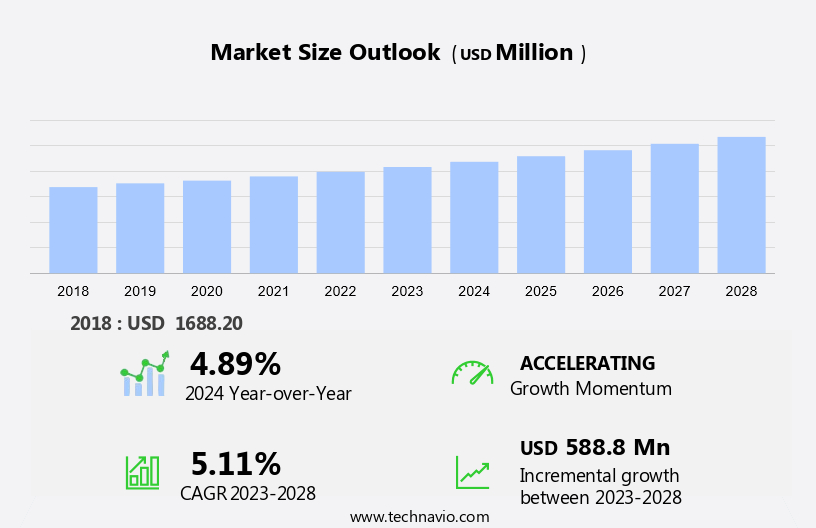
The bariatric surgical devices market size is estimated to grow by USD 588.8 million at a CAGR of 5.11% between 2023 and 2028. One major trend in the market is the surge in medical tourism for bariatric surgery, as patients travel internationally to access more affordable procedures. Another trend is the increasing use of robotic-assisted bariatric surgery, which offers advantages such as minimally invasive procedures and improved precision. However, the high cost of bariatric surgery remains a significant challenge for many patients, limiting access to this life-changing procedure. Despite this, the market is expected to continue growing due to the increasing prevalence of obesity and the proven effectiveness of bariatric surgery in improving overall health and quality of life.
What will be the Size of the Market During the Forecast Period?
For More Highlights About this Report, Request Free Sample
Market Dynamic and Customer Landscape
The market is driven by the increasing prevalence of obesity and its associated comorbidities, making bariatric surgery a popular medical approach for weight loss. This market encompasses various equipment and devices used in bariatric procedures, including gastrointestinal devices such as reversible implants (adjustable gastric bands) and intragastric balloons, as well as pharmaceutical devices. Bariatric surgery is used to treat obesity and its related conditions, including hypertension and gastrointestinal diseases. Advanced endoscopic techniques, robotic procedures, and minimally invasive approaches have gained popularity in recent years, reducing wound complications and improving patient outcomes. The market is expected to grow significantly due to the increasing number of hospitals, specialty centers, and ambulatory surgical centers offering these procedures. Artificial Intelligence is also being integrated into bariatric surgery to improve patient care and outcomes. Laparoscopic surgery and revision surgery are common procedures in this market, with the former being a minimally invasive approach that reduces hospital stays and recovery time. The use of these devices in weight loss procedures is essential for managing obesity, a public health problem that affects millions worldwide. In conclusion, the market is a growing industry that plays a crucial role in addressing the global obesity epidemic and its associated comorbidities. The market is expected to continue expanding due to advancements in technology, increasing demand for minimally invasive procedures, and the growing number of bariatric surgery centers. Our researchers analyzed the data with 2023 as the base year, along with the key drivers, trends, and challenges. A holistic analysis of drivers will help companies refine their marketing strategies to gain a competitive advantage.
Key Market Driver
The surge in medical tourism for bariatric surgery is notably driving market growth. Obesity, a major public health problem, necessitates effective solutions to manage comorbidities and promote weight loss. Bariatric surgery, a medical approach for obese individuals, employs various equipment and devices to facilitate the procedure. These include laparoscopic tools for minimally invasive approaches, and pharmaceutical devices for adjustable gastric banding. Bariatric surgery devices are used in procedures like sleeve gastrectomy, gastric bypass, and mini-gastric bypass. Complication rates for these procedures include wound complications, hospital stays, pain, internal hernias, gastroesophageal reflux disease, dumping syndrome, ulcers, malnutrition, inflammatory bowel disease, and incisions. Advanced endoscopic techniques, such as reversible implants, and robotic procedures, are also used to enhance safety and efficiency. Metabolic surgery devices play a crucial role in managing gastrointestinal diseases and improving patient outcomes. They help address comorbidities related to hypertension, diabetes, and cardiovascular diseases. Advanced technologies, like artificial intelligence, are being integrated into these devices to optimize treatment plans and improve patient care. Exercise and diet remain essential components of post-surgery recovery, with devices offering support and guidance in these areas. Thus, such factors are driving the growth of the market during the forecast period.
Significant Market Trends
The growing use of robotic-assisted bariatric surgery is the key trend in the market. Obesity, a public health problem affecting millions worldwide, often leads to comorbidities such as hypertension, diabetes, and cardiovascular diseases. Bariatric surgery, a medical approach to weight loss, employs various equipment and devices to facilitate the procedure. These include laparoscopic instruments for minimally invasive approaches, pharmaceutical devices for anesthesia and pain management, and advanced endoscopic techniques for reversible implants like adjustable gastric bands. Bariatric surgery devices include those for sleeve gastrectomy, gastric bypass, mini-gastric bypass, and other gastrointestinal procedures. Complication rates and mortality rates associated with these surgeries include wound complications, hospital stays, pain, internal hernias, gastroesophageal reflux disease, dumping syndrome, ulcers, malnutrition, and inflammatory bowel disease. Newer technologies like robotic procedures and artificial intelligence are being explored to enhance the safety and efficacy of these procedures. Exercise and diet remain crucial components of post-surgery recovery. Key gastrointestinal diseases addressed by these devices include obesity-related conditions and other digestive system disorders. Thus, such trends will shape the growth of the market during the forecast period.
Major Market Challenge
The high cost of bariatric surgery is the major challenge that affects the growth of the market. Obesity, a global public health problem, necessitates effective solutions to address the associated comorbidities, including hypertension, diabetes, cardiovascular diseases, and gastrointestinal diseases. Bariatric surgery, a medical approach for weight loss, employs various equipment and devices to facilitate minimally invasive procedures, such as laparoscopic sleeve gastrectomy, gastric bypass, mini-gastric bypass, and adjustable gastric banding. These procedures aim to reduce the size of the stomach or alter the digestive system to limit food intake. Despite their benefits, bariatric surgeries carry risks, including wound complications, hospital stays, pain, internal hernias, gastroesophageal reflux disease, dumping syndrome, ulcers, malnutrition, and inflammatory bowel disease. Advanced endoscopic techniques, reversible implants, and robotic procedures are emerging to minimize complications and improve recovery. Pharmaceutical devices, such as appetite suppressants and dietary supplements, complement surgical treatments. Artificial Intelligence is increasingly being integrated into medical devices to optimize patient care and outcomes. Exercise and diet remain essential components of overall weight management. Despite the risks and challenges, the market for bariatric surgical devices continues to grow, driven by the increasing prevalence of obesity and its associated comorbidities. Hence, the above factors will impede the growth of the market during the forecast period.
Exclusive Customer Landscape
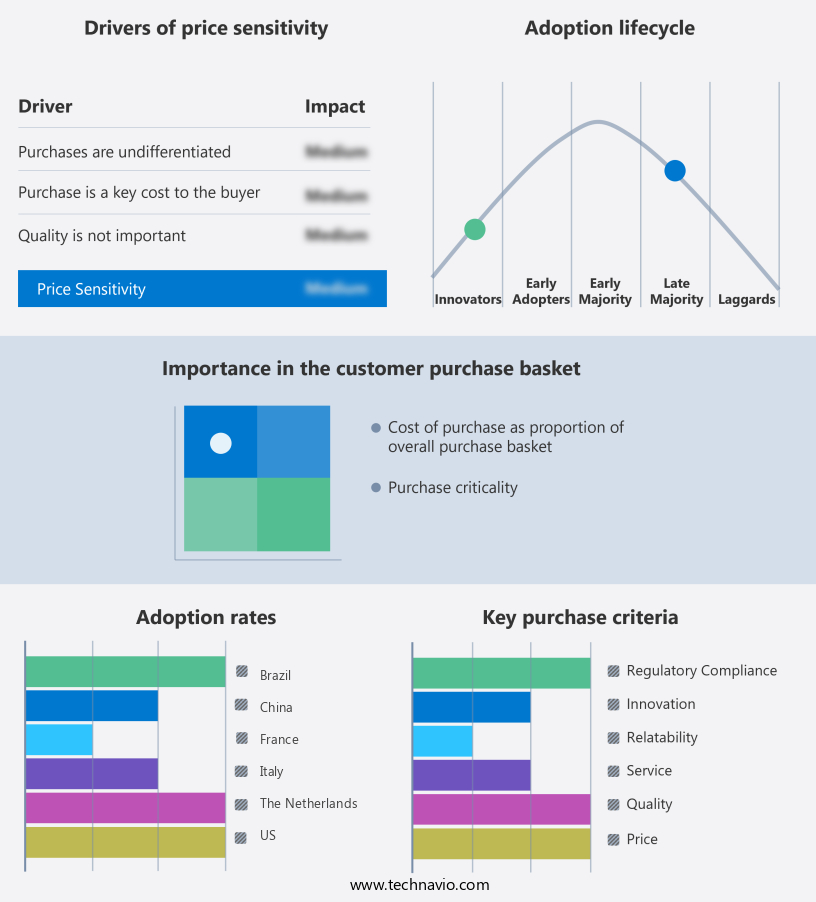
The market forecasting report includes the adoption lifecycle of the market, covering from the innovator’s stage to the laggard’s stage. It focuses on adoption rates in different regions based on penetration. Furthermore, the report also includes key purchase criteria and drivers of price sensitivity to help companies evaluate and develop their market growth analysis strategies.
Customer Landscape
Key Companies & Market Insights
Companies are implementing various strategies, such as strategic alliances, partnerships, mergers and acquisitions, geographical expansion, and product/service launches, to enhance their presence in the market.
B.Braun SE - The company offers bariatic surgical devices for Adipositas Permagna which provides a wide range of around 100 instruments for abdominal surgery.
The market research and growth report also includes detailed analyses of the competitive landscape of the market and information about key companies, including:
- B.Braun SE
- Boston Scientific Corp.
- Conmed Corp.
- Cousin Biotech
- GERATI Healthcare Pvt. Ltd.
- Gimmi Gmbh
- Grena Ltd.
- Hayden
- Intuitive Surgical Inc.
- Johnson and Johnson Services Inc.
- Mediflex Surgical Products
- Medtronic Plc
- Olympus Corp.
- ReShape Lifesciences Inc.
- Spatz FGIA Inc.
- Standard Bariatics
- STERIS plc
- The Cooper Companies Inc.
- W. L. Gore and Associates Inc.
- Western Trading Company
Qualitative and quantitative analysis of companies has been conducted to help clients understand the wider business environment as well as the strengths and weaknesses of key market players. Data is qualitatively analyzed to categorize companies as pure play, category-focused, industry-focused, and diversified; it is quantitatively analyzed to categorize companies as dominant, leading, strong, tentative, and weak.
Market Segmentation
By Device
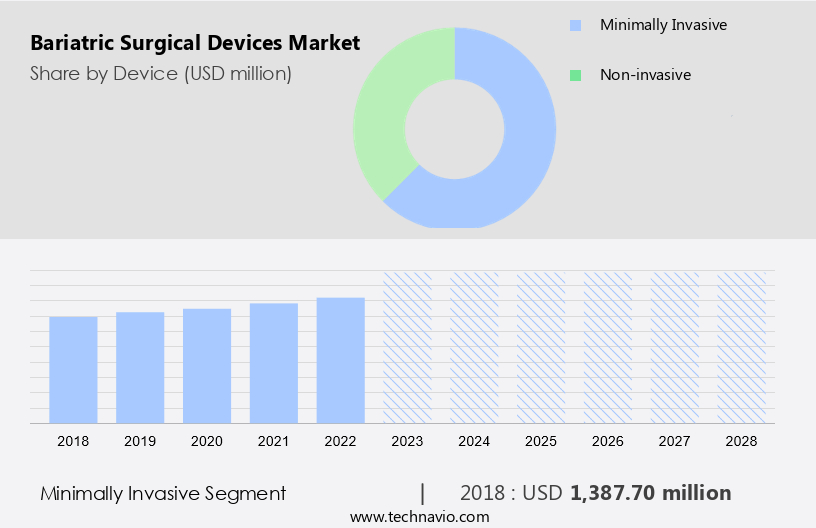
The minimally invasive segment is estimated to witness significant growth during the forecast period. Obesity, a public health problem affecting millions worldwide, often results in various comorbidities such as hypertension, diabetes, and cardiovascular diseases. Bariatric surgery, a medical approach to weight loss, employs various equipment and devices to facilitate the procedure.
Get a glance at the market share of various regions Download the PDF Sample
The minimally invasive segment accounted for USD 1.39 billion in 2018. These include laparoscopic tools for minimally invasive approaches, and pharmaceutical devices for adjustable gastric banding. However, bariatric surgery comes with risks such as wound complications, hospital stays, pain, internal hernias, gastroesophageal reflux disease, dumping syndrome, ulcers, malnutrition, and inflammatory bowel disease. Advanced endoscopic techniques, reversible implants, and robotic procedures are recent developments to mitigate these complications. Gastrointestinal diseases like sleeve gastrectomy, gastric bypass, mini-gastric bypass, and adjustable gastric banding are common bariatric surgical procedures. Medical devices play a crucial role in the treatment of these conditions, improving patient recovery and reducing mortality rates. The use of artificial intelligence in bariatric surgery devices is a promising development, enhancing the diagnostic and therapeutic capabilities of these tools. While bariatric surgery offers significant benefits, it is essential to consider the risks and adopt a holistic approach to weight management, incorporating exercise, diet, and lifestyle modifications.
Regional Analysis
For more insights on the market share of various regions Download PDF Sample now!
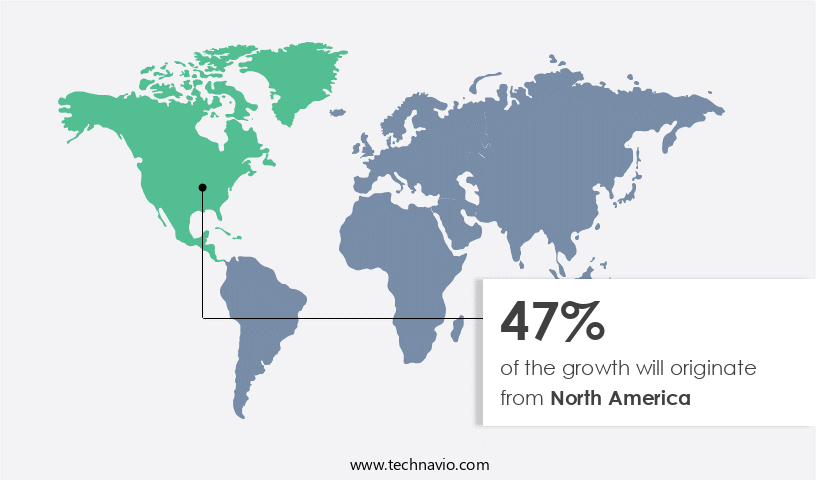
North America is estimated to contribute 47% to the growth of the global market during the market forecast period. Technavio’s analysts have elaborately explained the regional trends and drivers that shape the market during the forecast period.
Machine learning algorithms are increasingly being integrated into bariatric surgical devices to enhance precision and efficiency in treating chronic disorders such as cardiovascular disease, neoplasms, kidney-related ailments, diabetes mellitus, and gastrointestinal disorders. Healthcare products companies are investing in the development of advanced surgical systems, including robotic-assisted bariatric surgery, to address the growing demand for minimally invasive procedures. Skilled surgeons utilize high-definition cameras, surgical instruments, and consoles to perform laparoscopic surgery and revision procedures, such as adjustable gastric bands and intragastric balloons. Hospitals, specialty centers, and ambulatory surgical centers are adopting these technologies to improve patient outcomes and reduce recovery time. Type 2 diabetes patients particularly benefit from bariatric surgery as it leads to significant weight loss and improved insulin sensitivity. Robotic systems enable surgeons to perform complex procedures with greater accuracy and control, resulting in fewer complications and shorter hospital stays.
Segment Overview
The market report provides comprehensive data (region-wise segment analysis), with forecasts and estimates in "USD million" for the period 2024-2028, as well as historical data from 2018-2022 for the following segments.
- Device Outlook
- Minimally invasive
- Non-invasive
- Type Outlook
- Sleeve gastrectomy
- Gastric bypass
- Revision bariatric surgery
- Non-invasive bariatric surgery
- Others
- Region Outlook
- North America
- The U.S.
- Canada
- Europe
- U.K.
- Germany
- France
- Rest of Europe
- APAC
- China
- India
- Middle East & Africa
- Saudi Arabia
- South Africa
- Rest of the Middle East & Africa
- South America
- Argentina
- Brazil
- Chile
- North America
You may also be interested in:
- Weight Management Devices Market Analysis North America, APAC, Europe, Middle East and Africa, South America - US, China, UK, Japan, Germany - Size and Forecast
- Laparoscopic Devices Market Analysis North America, Europe, Asia, Rest of World (ROW) - US, Germany, UK, China, Canada - Size and Forecast
- Surgical Instrument Tracking System Market By Component, Technology and Geography - Forecast And analysis
Market Analyst Overview
Obesity is a growing public health problem that often leads to various comorbidities such as hypertension, diabetes, cardiovascular diseases, and gastrointestinal diseases. Bariatric surgery, a medical approach to combat obesity, has gained significant popularity due to its effectiveness in promoting weight loss and managing related health conditions. The market for bariatric surgical devices caters to the demand for equipment and devices used in these weight loss procedures. Bariatric surgery devices include laparoscopic instruments for minimally invasive approaches, pharmaceutical devices like adjustable gastric bands, and advanced endoscopic techniques such as sleeve gastrectomy, gastric bypass, mini-gastric bypass, and reversible implants. These procedures aim to reduce the size of the stomach, alter digestion, or restrict food intake to promote weight loss.
However, bariatric surgery comes with potential complications such as wound complications, hospital stays, pain, internal hernias, gastroesophageal reflux disease, dumping syndrome, ulcers, malnutrition, and inflammatory bowel disease. To mitigate these risks, medical device manufacturers are focusing on developing advanced technologies like robotic procedures and artificial intelligence to improve surgical precision and reduce complication rates and mortality. Additionally, the integration of exercise and diet in the recovery process plays a crucial role in ensuring successful weight loss and overall health improvement.
|
Market Scope |
|
|
Report Coverage |
Details |
|
Page number |
200 |
|
Base year |
2023 |
|
Historic period |
2018-2022 |
|
Forecast period |
2024-2028 |
|
Growth momentum & CAGR |
Accelerate at a CAGR of 5.11% |
|
Market growth 2024-2028 |
USD 588.8 million |
|
Market structure |
Fragmented |
|
YoY growth 2023-2024(%) |
4.89 |
|
Regional analysis |
North America, Europe, Asia, and Rest of World (ROW) |
|
Performing market contribution |
North America at 47% |
|
Key countries |
US, Brazil, France, China, Italy, and The Netherlands |
|
Competitive landscape |
Leading Companies, Market Positioning of Companies, Competitive Strategies, and Industry Risks |
|
Key companies profiled |
B.Braun SE, Boston Scientific Corp., Conmed Corp., Cousin Biotech, GERATI Healthcare Pvt. Ltd., Gimmi Gmbh, Grena Ltd., Hayden, Intuitive Surgical Inc., Johnson and Johnson Services Inc., Mediflex Surgical Products, Medtronic Plc, Olympus Corp., ReShape Lifesciences Inc., Spatz FGIA Inc., Standard Bariatics, STERIS plc, The Cooper Companies Inc., W. L. Gore and Associates Inc., and Western Trading Company |
|
Market dynamics |
Parent market analysis, Market growth inducers and obstacles, Fast-growing and slow-growing segment analysis, COVID-19 impact and recovery analysis and future consumer dynamics, Market condition analysis for forecast period |
|
Customization purview |
If our report has not included the data that you are looking for, you can reach out to our analysts and get segments customized. |
What are the Key Data Covered in this Market Research Report?
- CAGR of the market during the forecast period
- Detailed information on factors that will drive the market growth and forecasting between 2024 and 2028
- Precise estimation of the size of the market and its contribution of the market in focus to the parent market
- Accurate predictions about upcoming market growth and trends and changes in consumer behaviour
- Growth of the market across North America, Europe, Asia, and Rest of World (ROW)
- Thorough analysis of the market’s competitive landscape and detailed information about companies
- Comprehensive analysis of factors that will challenge the growth of market companies
 RIA -
RIA -