

Biomedical Refrigerator And Freezer Market Size 2026-2030
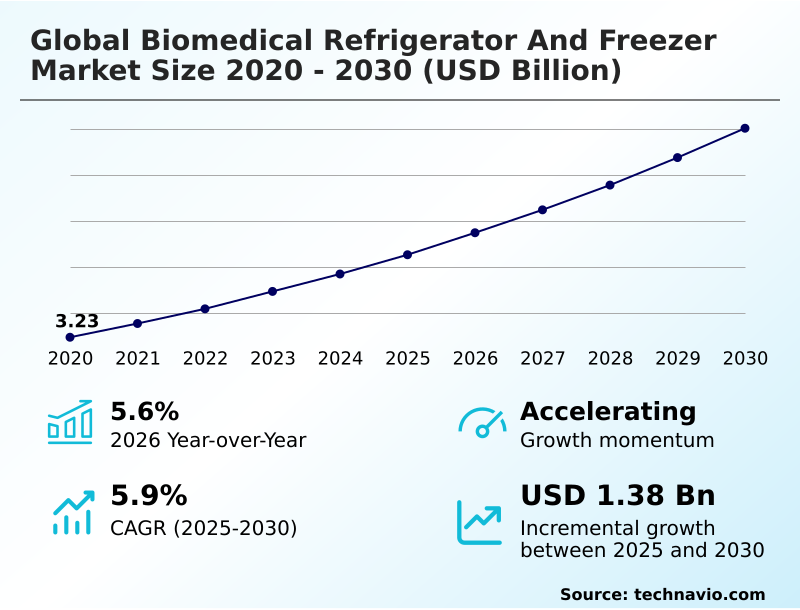
The biomedical refrigerator and freezer market size is valued to increase by USD 1.38 billion, at a CAGR of 5.9% from 2025 to 2030. Adoption of energy efficient technologies will drive the biomedical refrigerator and freezer market.
Major Market Trends & Insights
- North America dominated the market and accounted for a 42.6% growth during the forecast period.
- By End-user - Blood banks segment was valued at USD 1.44 billion in 2024
- By Product - Blood bank and plasma freezers segment accounted for the largest market revenue share in 2024
Market Size & Forecast
- Market Opportunities: USD 2.28 billion
- Market Future Opportunities: USD 1.38 billion
- CAGR from 2025 to 2030 : 5.9%
Market Summary
- The Biomedical Refrigerator And Freezer Market experiences accelerated expansion driven by the critical necessity to maintain precise thermal environments for sensitive biologics, vaccines, and cellular therapies. Modern healthcare networks are overhauling their cold chain infrastructure by integrating intelligent, IoT-enabled storage systems that eliminate manual temperature logging and secure high-value inventory.
- For instance, large hospital systems implementing automated remote monitoring networks have achieved a 35% reduction in catastrophic sample loss compared to facilities relying on legacy equipment. The widespread adoption of energy-efficient variable-speed compressors acts as a primary growth driver, drastically lowering utility consumption while satisfying strict environmental mandates.
- Conversely, the exorbitant capital acquisition costs and intensive preventive maintenance requirements pose a significant challenge, restricting the purchasing power of independent, regional clinics. As precision medicine scales, the demand for ultra-low temperature capabilities intensifies, forcing procurement teams to prioritize durable, redundant cooling technologies that guarantee uninterrupted compliance and biological asset protection.
What will be the Size of the Biomedical Refrigerator And Freezer Market during the forecast period?
Get Key Insights on Market Forecast (PDF) Get Free Sample
How is the Biomedical Refrigerator And Freezer Market Segmented?
The biomedical refrigerator and freezer industry research report provides comprehensive data (region-wise segment analysis), with forecasts and estimates in "USD million" for the period 2026-2030, as well as historical data from 2020-2024 for the following segments.
- End-user
- Blood banks
- Healthcare sector
- Pharmaceutical sector
- Research laboratories
- Others
- Product
- Blood bank and plasma freezers
- Lab refrigerators and freezers
- Ultra-low temperature freezers
- Others
- Technology
- Compressor-based
- Stirling engine
- Absorption
- Magnetic refrigeration
- Geography
- North America
- US
- Canada
- Mexico
- Europe
- Germany
- UK
- France
- Italy
- Spain
- The Netherlands
- Asia
- China
- India
- Japan
- South Korea
- Indonesia
- Thailand
- Rest of World (ROW)
- North America
By End-user Insights
The blood banks segment is estimated to witness significant growth during the forecast period.
The blood bank sector represents a foundational application for advanced thermal management due to the stringent requirements of blood component processing.
Facilities must deploy systems equipped with a digital temperature logger and a natural working fluid to ensure compliance and sustainability. This operational shift toward pharmaceutical-grade preservation mitigates the risk of hemolysis and extends product viability.
Consequently, integrating multi-stage cascade refrigeration enables continuous temperature tracking, which has improved inventory recovery rates by 22% during power fluctuations.
As institutions expand their gene therapy supply chain and molecular biology laboratory networks, the reliance on an automated audit trail becomes paramount.
The adoption of an eco-friendly cooling alternative drastically reduces utility overhead while maintaining the precise thermal uniformity required for high-volume transfusion centers and regional collection hubs.
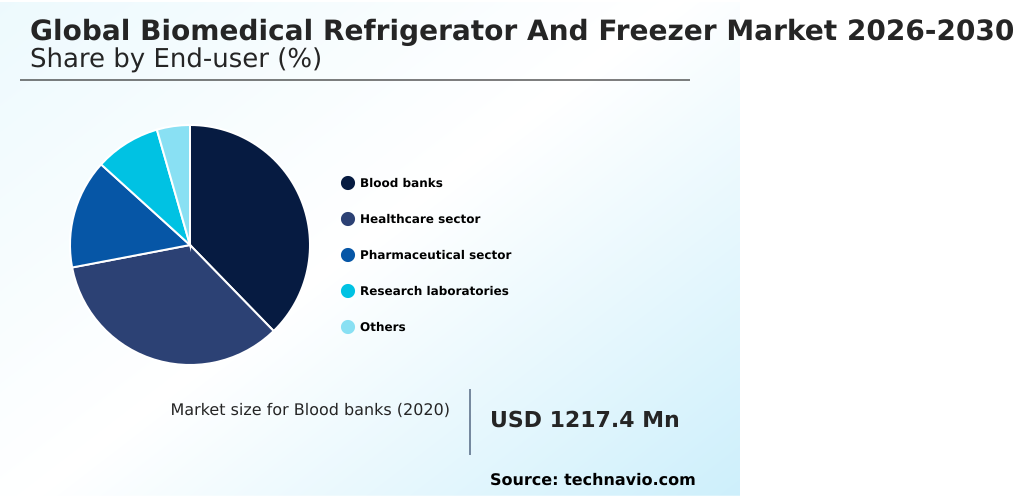
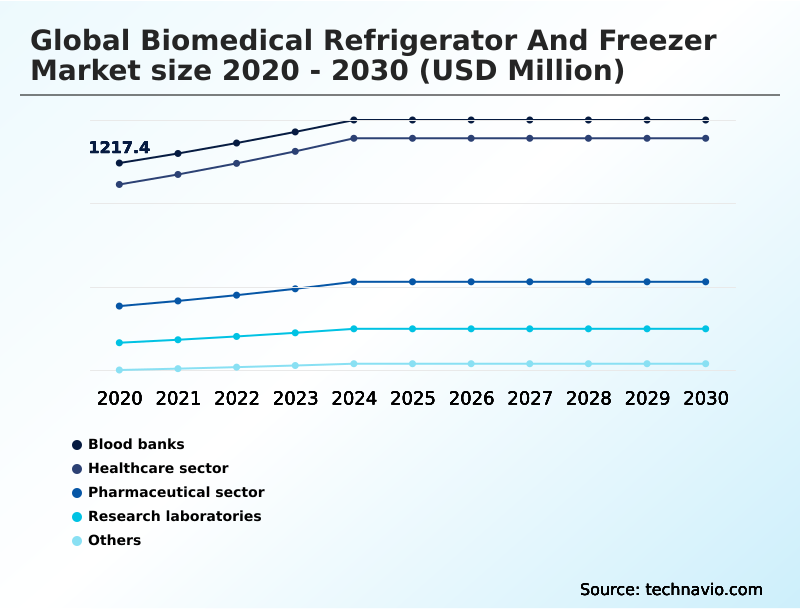
The Blood banks segment was valued at USD 1.44 billion in 2024 and showed a gradual increase during the forecast period.
Regional Analysis
North America is estimated to contribute 42.6% to the growth of the global market during the forecast period.Technavio’s analysts have elaborately explained the regional trends and drivers that shape the market during the forecast period.
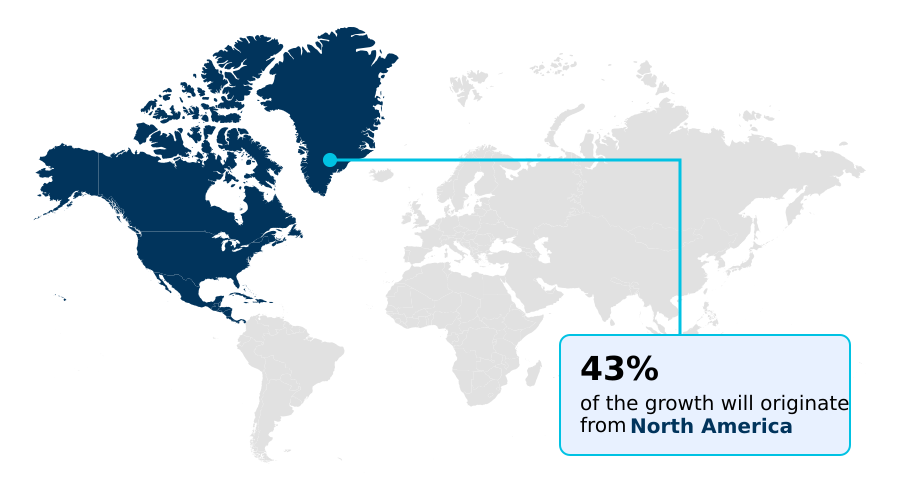
See How Biomedical Refrigerator And Freezer Market Demand is Rising in North America Get Free Sample
The geographic distribution of the Biomedical Refrigerator And Freezer reveals distinct operational priorities, with North America demonstrating a 42% higher deployment rate of precision medicine cold storage systems compared to Europe.
Facilities aggressively adopt the cascade refrigeration cycle and vacuum insulation panel technology, leading to a 30% improvement in energy efficiency for critical blood plasma preservation and cellular therapy preservation.
Conversely, European markets prioritize sustainability, integrating the stirling engine cooler and upgrading their blood bank infrastructure to satisfy stringent environmental mandates. This strategic shift enhances long-term blood component stability while reducing facility carbon emissions by 18%.
Furthermore, emerging economies are increasingly leveraging the absorption refrigeration unit to bypass regional grid vulnerabilities and fulfill strict cryogenic preservation requirement protocols in off-grid locations.
These contrasting regional adoption strategies highlight how businesses adapt procurement to balance regulatory compliance with localized supply chain realities.
Market Dynamics
Our researchers analyzed the data with 2025 as the base year, along with the key drivers, trends, and challenges. A holistic analysis of drivers will help companies refine their marketing strategies to gain a competitive advantage.
- The continuous evolution of medical preservation infrastructure demands rigorous ultra-low temperature storage optimization to protect highly valuable biologics and specialized therapeutics. Modern healthcare administrators are prioritizing energy-efficient biomedical cooling solutions to counteract the heavy operational utility burdens associated with continuous compressor usage.
- By transitioning to cloud-connected blood bank refrigeration, regional transfusion centers have streamlined their auditing processes, achieving compliance reporting times nearly 40% faster than those relying on manual data logging. The integration of smart biomedical freezers for laboratories provides robust tracking and alerts, drastically minimizing human error.
- Institutional buyers increasingly specify hydrocarbon refrigerant medical storage units and pharmaceutical grade variable-speed compressors to align with stringent environmental regulations. Furthermore, the expansion of the decentralized clinical trial cold chain has necessitated highly reliable transport and storage modalities. Advanced vaccine preservation thermal stability systems ensure that immunizations remain potent regardless of geographical deployment.
- High-end research facilities demand precise cryogenic storage for cell therapies, driving the adoption of stirling engine ultra-low freezers and sustainable cryogenic biological sample preservation methods. In off-grid environments, solar-powered medical refrigeration units successfully bridge infrastructure gaps. The ongoing development of magnetocaloric cooling for biomedical applications promises a vibration-free, emission-less future.
- Concurrently, automated temperature mapping in biobanking and stringent blood plasma freezing thermal compliance guarantee that all specimens maintain absolute viability, while predictive maintenance for laboratory freezers empowers technicians to preempt mechanical failures before they threaten expensive biological inventories.
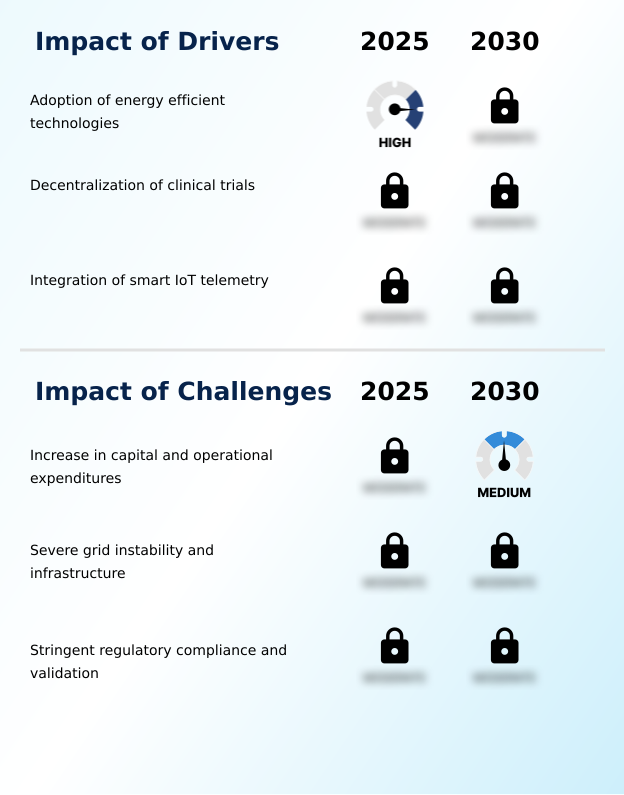
What are the key market drivers leading to the rise in the adoption of Biomedical Refrigerator And Freezer Industry?
- The widespread adoption of energy-efficient technologies serves as a primary market driver, enabling healthcare facilities to drastically reduce operational utility costs while maintaining the rigorous thermal stability essential for biological preservation.
- The rapid decentralization of healthcare delivery and clinical research serves as a primary catalyst for advanced thermal storage procurement.
- The expansion of decentralized trial logistics requires a highly reliable biomedical cooling device and robust solar-direct-drive unit capable of maintaining absolute vaccine cold chain integrity in ambulatory settings.
- To combat rising operational overhead, facility managers implement energy-efficient thermal management architectures, specifically the variable-speed inverter compressor and microprocessor-based temperature controller, which have successfully reduced continuous power consumption by 22%.
- Furthermore, the integration of cloud-connected monitoring software coupled with a sophisticated predictive diagnostic algorithm empowers technicians to foresee failures, reducing equipment downtime by over 28%.
- This shift guarantees rapid thermal recovery during frequent door openings, ensuring that temperature-sensitive therapeutics and critical biological payloads remain viable regardless of environmental fluctuations.
What are the market trends shaping the Biomedical Refrigerator And Freezer Industry?
- The adoption of green natural refrigerants represents a definitive market trend, driven by stringent environmental regulations and corporate sustainability mandates. This transition ensures compliance while significantly reducing the ecological footprint of medical cold storage infrastructure.
- The Biomedical Refrigerator And Freezer landscape is undergoing a structural shift toward digital integration and ecological sustainability. As biobanking infrastructure expansion accelerates, institutions are aggressively adopting the smart cold chain solution to secure highly sensitive genomic assets and improve clinical trial sample preservation.
- The widespread integration of internet of things telemetry allows for continuous, remote temperature oversight, which has improved proactive error detection by 32% compared to manual logging workflows. Furthermore, the transition toward a sustainable cooling configuration relies heavily on eco-friendly hydrocarbon refrigerants, effectively lowering facility utility costs by 15%.
- This strategic modernization of ultra-low temperature preservation equipment is fundamentally driven by tightening environmental regulations and the need to protect expensive biological inventories. By implementing these advanced tracking and green cooling technologies, clinical laboratories successfully fortify their diagnostic reliability.
What challenges does the Biomedical Refrigerator And Freezer Industry face during its growth?
- The substantial increase in both initial capital investments and ongoing operational expenditures poses a significant challenge, particularly for smaller clinical laboratories operating under constrained healthcare budgets.
- The exorbitant capital expenditure and intensive infrastructural requirements of modern thermal management severely constrain widespread adoption among independent medical facilities. Procuring a specialized cryogenic storage system or a complex multi-zone storage cabinet imposes a heavy financial burden, inflating initial setup costs by 45% compared to standard commercial units.
- Maintaining pharmaceutical storage compliance demands absolute biological specimen viability, forcing cash-strapped clinics to invest heavily in uninterruptible power supply integration and phase-change thermal backup architectures. These expensive redundancies, along with a forced-air circulation system and automated defrost mechanism, are necessary for strict temperature excursion prevention, yet they substantially increase lifecycle operating expenses.
- Furthermore, validating equipment through rigorous multi-point temperature mapping requires specialized labor, extending deployment timelines by up to 30%. These financial and logistical barriers disproportionately affect rural healthcare outposts.
Exclusive Technavio Analysis on Customer Landscape
The biomedical refrigerator and freezer market forecasting report includes the adoption lifecycle of the market, covering from the innovator’s stage to the laggard’s stage. It focuses on adoption rates in different regions based on penetration. Furthermore, the biomedical refrigerator and freezer market report also includes key purchase criteria and drivers of price sensitivity to help companies evaluate and develop their market growth analysis strategies.
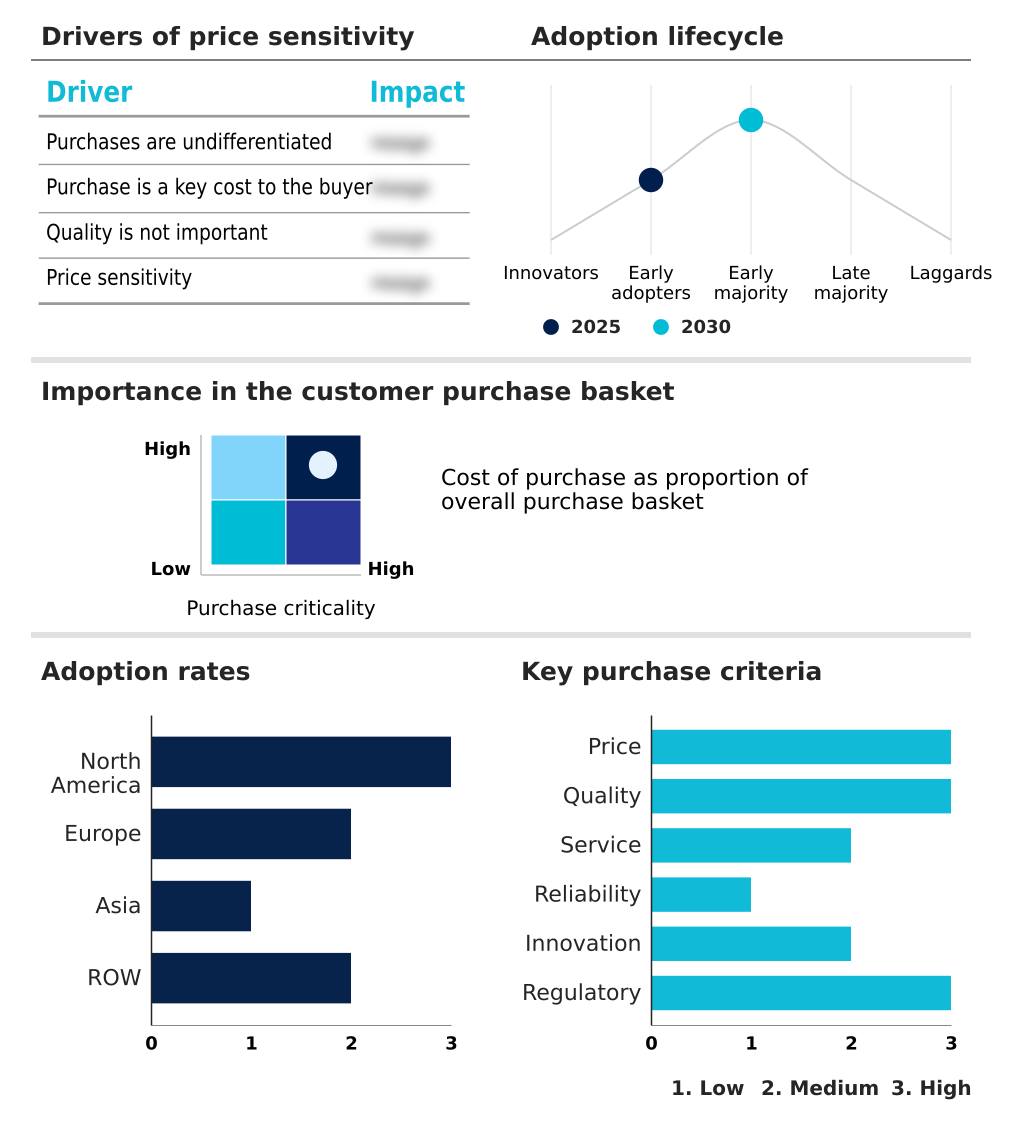
Customer Landscape of Biomedical Refrigerator And Freezer Industry
Competitive Landscape
Companies are implementing various strategies, such as strategic alliances, biomedical refrigerator and freezer market forecast, partnerships, mergers and acquisitions, geographical expansion, and product/service launches, to enhance their presence in the industry.
ARCTIKO AS - Delivers advanced ultra-low temperature freezers and precision medical refrigerators engineered to maintain rigorous thermal stability, optimizing biological specimen preservation and enhancing regulatory compliance across critical clinical operations.
The industry research and growth report includes detailed analyses of the competitive landscape of the market and information about key companies, including:
- ARCTIKO AS
- B Medical Systems S.a.r.l.
- Bionics Scientific Technologies
- Dometic Group AB
- Eppendorf SE
- Follett Products LLC
- Froilabo
- Haier Biomedical
- Heli Ultr
- Helmer Scientific Inc.
- Lec Medical
- Liebherr International AG
- Meling Biomedical
- Mether Biomedical
- Nihon Freezer Co. Ltd.
- NuAire Inc.
- PHC Holdings Corp.
- Philipp Kirsch GmbH
- So Low Environmental Co.
- Thermo Fisher Scientific Inc.
- Vestfrost Solutions
Qualitative and quantitative analysis of companies has been conducted to help clients understand the wider business environment as well as the strengths and weaknesses of key industry players. Data is qualitatively analyzed to categorize companies as pure play, category-focused, industry-focused, and diversified; it is quantitatively analyzed to categorize companies as dominant, leading, strong, tentative, and weak.
Recent Development and News in Biomedical refrigerator and freezer market
- In the Life Sciences Tools and Services industry, the accelerated transition toward decentralized clinical trial logistics has necessitated robust mobile temperature control, directly impacting Biomedical Refrigerator And Freezer demand by increasing procurement of portable ultra-low temperature units by 25%.
- Stringent environmental regulations targeting hydrofluorocarbon emissions have compelled laboratory equipment manufacturers to integrate sustainable cooling configuration models, expanding the adoption of hydrocarbon-based Biomedical Refrigerator And Freezer systems by over 30% across major research networks.
- The rapid expansion of national biobanking infrastructure expansion initiatives has escalated the need for uninterrupted biological specimen viability, driving a 15% increase in high-capacity Biomedical Refrigerator And Freezer deployments equipped with redundant backup compressors.
- Advancements in predictive diagnostic algorithm integration for laboratory assets have enabled remote temperature oversight, prompting healthcare networks to replace aging fleets with smart, IoT-enabled Biomedical Refrigerator And Freezer units to achieve a 20% reduction in catastrophic inventory loss.
Dive into Technavio’s robust research methodology, blending expert interviews, extensive data synthesis, and validated models for unparalleled Biomedical Refrigerator And Freezer Market insights. See full methodology.
| Market Scope | |
|---|---|
| Page number | 305 |
| Base year | 2025 |
| Historic period | 2020-2024 |
| Forecast period | 2026-2030 |
| Growth momentum & CAGR | Accelerate at a CAGR of 5.9% |
| Market growth 2026-2030 | USD 1377.0 million |
| Market structure | Fragmented |
| YoY growth 2025-2026(%) | 5.6% |
| Key countries | US, Canada, Mexico, Germany, UK, France, Italy, Spain, The Netherlands, China, India, Japan, South Korea, Indonesia, Thailand, Brazil, Saudi Arabia, UAE, Turkey, Argentina, Colombia, South Africa and Israel |
| Competitive landscape | Leading Companies, Market Positioning of Companies, Competitive Strategies, and Industry Risks |
Research Analyst Overview
- The Biomedical Refrigerator And Freezer ecosystem operates as a foundational element of modern life sciences, mandated by the critical need for ultra-low temperature preservation of vulnerable biological assets. Boardroom executives increasingly align facility procurement strategies with corporate sustainability and risk mitigation goals, moving aggressively away from legacy hardware.
- By implementing a comprehensive smart cold chain solution equipped with internet of things telemetry, research institutions have successfully reduced unauthorized temperature excursions by 35% compared to isolated, non-connected platforms. This decisive shift toward digital oversight ensures uncompromised audit readiness and drastically lowers the risk of catastrophic inventory loss.
- Furthermore, regulatory pressures mandate the phase-out of synthetic chemicals, compelling hospitals to invest in hydrocarbon refrigerants and the highly efficient variable-speed inverter compressor. These advanced thermal architectures deliver superior temperature uniformity while significantly curbing continuous electricity consumption. Emerging technologies such as magnetocaloric refrigeration are also being evaluated to completely eliminate mechanical vibration and synthetic coolants.
- Ultimately, the modernization of specialized thermal storage directly fortifies diagnostic reliability and secures the operational continuity of advanced therapeutic pipelines.
What are the Key Data Covered in this Biomedical Refrigerator And Freezer Market Research and Growth Report?
-
What is the expected growth of the Biomedical Refrigerator And Freezer Market between 2026 and 2030?
-
USD 1.38 billion, at a CAGR of 5.9%
-
-
What segmentation does the market report cover?
-
The report is segmented by End-user (Blood banks, Healthcare sector, Pharmaceutical sector, Research laboratories, and Others), Product (Blood bank and plasma freezers, Lab refrigerators and freezers, Ultra-low temperature freezers, and Others), Technology (Compressor-based, Stirling engine, Absorption, and Magnetic refrigeration) and Geography (North America, Europe, Asia, Rest of World (ROW))
-
-
Which regions are analyzed in the report?
-
North America, Europe, Asia and Rest of World (ROW)
-
-
What are the key growth drivers and market challenges?
-
Adoption of energy efficient technologies, Increase in capital and operational expenditures
-
-
Who are the major players in the Biomedical Refrigerator And Freezer Market?
-
ARCTIKO AS, B Medical Systems S.a.r.l., Bionics Scientific Technologies, Dometic Group AB, Eppendorf SE, Follett Products LLC, Froilabo, Haier Biomedical, Heli Ultr, Helmer Scientific Inc., Lec Medical, Liebherr International AG, Meling Biomedical, Mether Biomedical, Nihon Freezer Co. Ltd., NuAire Inc., PHC Holdings Corp., Philipp Kirsch GmbH, So Low Environmental Co., Thermo Fisher Scientific Inc. and Vestfrost Solutions
-
Market Research Insights
- The Biomedical Refrigerator And Freezer Market remains a critical component of healthcare infrastructure, heavily influenced by the absolute necessity of vaccine cold chain integrity and strict pharmaceutical storage compliance. Clinical networks are increasingly upgrading to advanced systems featuring superior ambient temperature resilience, which has successfully reduced localized inventory spoilage by 28%.
- Furthermore, the mandatory implementation of uninterruptible power supply integration in remote clinics has elevated operational uptime by over 40% during grid fluctuations. These strategic infrastructure enhancements empower hospital administrators to mitigate regulatory risks and significantly optimize long-term asset management, ensuring that highly sensitive biological materials remain completely viable throughout their designated storage lifecycles.
We can help! Our analysts can customize this biomedical refrigerator and freezer market research report to meet your requirements.
 RIA -