


Bus Infotainment System Market Size 2024-2028
The bus infotainment system market size is forecast to increase by USD 155.3 million, at a CAGR of 6.76% between 2023 and 2028.
- The market is witnessing significant growth as original equipment manufacturers (OEMs) explore new revenue streams by integrating smartphone support features into their in-vehicle infotainment systems. This trend is driven by the increasing consumer preference for seamless connectivity and personalized entertainment experiences. However, this integration comes with challenges, as the advanced infotainment systems may lead to driver distractions, posing safety concerns. OEMs must strike a balance between offering innovative features and ensuring road safety. Moreover, the market's competitive landscape is intensifying, with players investing in research and development to differentiate their offerings and cater to evolving consumer demands.
- Companies seeking to capitalize on market opportunities should focus on developing user-friendly interfaces, ensuring seamless connectivity, and addressing safety concerns effectively. Navigating these challenges requires strategic planning and a deep understanding of consumer preferences and market trends.
What will be the Size of the Bus Infotainment System Market during the forecast period?

Explore in-depth regional segment analysis with market size data - historical 2018-2022 and forecasts 2024-2028 - in the full report.
Request Free Sample
Bus infotainment systems continue to evolve, integrating advanced technologies to enhance the travel experience for passengers. These systems go beyond traditional audio systems and include user interfaces (UI) with touchscreen interfaces, OLED displays, and interactive displays. Power management, remote diagnostics, and wireless charging are essential features, ensuring seamless operation. Entertainment content, passenger information systems, and maintenance services are key applications. OTA updates enable continuous improvement, while digital signage and advertising platforms offer targeted advertising opportunities. Integration of 4G LTE, cloud computing, and mobile device integration provide connectivity and access to streaming services.
Passenger feedback systems and UX design prioritize user experience. Thermal management and hardware components ensure reliable performance, while network infrastructure and security systems maintain data privacy. Installation services and system integration are crucial for seamless implementation. The bus infotainment market remains dynamic, with ongoing developments in UI, support services, and network connectivity shaping its future.
How is this Bus Infotainment System Industry segmented?
The bus infotainment system industry research report provides comprehensive data (region-wise segment analysis), with forecasts and estimates in "USD million" for the period 2024-2028, as well as historical data from 2018-2022 for the following segments.
- Application
- Transit buses
- Coaches
- Transfer buses
- Geography
- Europe
- Russia
- APAC
- China
- India
- Japan
- South America
- Brazil
- Rest of World (ROW)
- Europe
By Application Insights
The transit buses segment is estimated to witness significant growth during the forecast period.
Transit buses, an essential component of short-distance public transportation in cities, come in various subsegments, including double-decker, articulated, low-floor, and mini-buses. The seating capacity for low-floor and mini-buses is approximately 50 passengers, while double-decker or articulated buses can accommodate up to 80 passengers. These buses are designed with large doors for easy boarding and exiting, no luggage space, and bench or bucket-type seats, typically without headrests. Bus interiors feature roll signs or light-emitting diode (LED) displays indicating the destination name or the next stop, bus stop request buttons, and adequate standing-passenger capacity. Modern bus infotainment systems have become increasingly sophisticated, integrating user interface (UI) designs for seamless interaction.
Support services ensure efficient system functioning, while audio systems provide clear announcements for passenger information. OLED displays offer enhanced visual clarity for GPS navigation and interactive displays. Over-the-air (OTA) updates enable continuous software improvements. Digital signage and passenger information systems keep passengers informed, while remote diagnostics and power management systems optimize energy usage. Entertainment content, such as on-demand video and music, enhances the user experience (UX). Passenger feedback systems gather valuable data for continuous improvement. Wireless charging, USB charging ports, and 4G LTE connectivity keep passengers connected. Thermal management ensures optimal temperature control. System integration, cloud computing, and mobile device integration offer flexibility and convenience.
Headrest monitors, overhead monitors, and streaming services provide entertainment options. Targeted advertising platforms and data analytics offer insights for potential revenue streams. Network infrastructure and security systems ensure reliable connectivity and data protection. Installation services ensure smooth integration of these advanced features into buses. Maintenance services ensure optimal performance and longevity. Touchscreen interfaces, wireless connectivity, and security systems contribute to an overall harmonious user experience.

The Transit buses segment was valued at USD 172.90 million in 2018 and showed a gradual increase during the forecast period.
Regional Analysis
APAC is estimated to contribute 75% to the growth of the global market during the forecast period.Technavio’s analysts have elaborately explained the regional trends and drivers that shape the market during the forecast period.

The bus infotainment systems market is experiencing significant growth due to increasing demand for advanced features in public transportation. User experience (UX) plays a crucial role in the market, with touchscreen interfaces, USB charging ports, and on-demand video becoming standard expectations. OLED displays and interactive displays offer enhanced visual quality, while audio systems provide clear and immersive sound. GPS navigation and wireless connectivity enable real-time passenger information and entertainment content. Bus manufacturers integrate hardware components, such as 4G LTE and thermal management systems, to ensure seamless functionality. Cloud computing and mobile device integration allow for over-the-air (OTA) updates, remote diagnostics, and data analytics.
Entertainment content, including streaming services and targeted advertising, caters to passenger preferences. Passenger feedback systems and wireless charging stations improve the overall user experience. Bus infotainment systems also include maintenance services, installation services, and security systems for network infrastructure and passenger wi-fi management. System integration and power management are essential for optimal performance. The market is driven by the growing demand for advanced features in buses, particularly in emerging markets like India, China, Thailand, and Indonesia. Companies focus on offering features like wheelchair accessibility, air-conditioning, and passenger information systems to meet the needs of these markets. Volvo, for instance, provides advanced features in its buses, such as the B12BLE model, which includes visual and audio next-stop passenger information systems.
Market Dynamics
Our researchers analyzed the data with 2023 as the base year, along with the key drivers, trends, and challenges. A holistic analysis of drivers will help companies refine their marketing strategies to gain a competitive advantage.
What are the key market drivers leading to the rise in the adoption of Bus Infotainment System Industry?
- The integration of smartphone support features in in-vehicle infotainment systems is a significant market driver, enhancing the overall user experience and convenience.
- The in-vehicle connectivity trend has significantly influenced the development of bus infotainment systems, aiming to provide passengers with an immersive and harmonious experience. With the increasing use of personal mobile devices, passengers now expect similar user interfaces in bus infotainment systems. While many infotainment features, such as media content, navigation systems, and social networking applications, are already accessible on mobile devices, Wi-Fi management systems or internet connectivity devices can complement these existing systems. The growth of bus infotainment systems is driven by the demand for enhanced entertainment and information access during travel. Passengers can use these systems to stream media content, navigate their routes, and stay connected with their social networks, all while on the go.
- The integration of Wi-Fi management systems allows passengers to access the internet, enabling them to work, study, or entertain themselves during long journeys. This technological advancement in bus infotainment systems is a response to the evolving needs and expectations of passengers.
What are the market trends shaping the Bus Infotainment System Industry?
- In-vehicle infotainment systems are increasingly serving as a significant new revenue source for Original Equipment Manufacturers (OEMs), marking a notable market trend in the advertisement sector. This trend is driven by the growing demand for connected and personalized in-car experiences, enabling OEMs to monetize their offerings through targeted advertisements.
- Rear-seat infotainment systems offer automotive original equipment manufacturers (OEMs) distinct opportunities, as the needs of rear-seat passengers differ significantly from those of drivers. Passengers, particularly those traveling long distances, require extensive infotainment systems. The market for these systems is driven by several factors, including user-friendly interfaces (UI), support services, audio systems, OLED displays, wireless charging, video systems, GPS navigation, and interactive displays.
- For the younger demographic, streaming content, movies, and digital TV are key value propositions. These systems also present significant opportunities for advertisers and OEMs seeking recurring revenue. Content delivery is facilitated through secondary sources like smartphones or tablets, ensuring a seamless and immersive experience. Over-the-air (OTA) updates enable continuous improvement and innovation.
What challenges does the Bus Infotainment System Industry face during its growth?
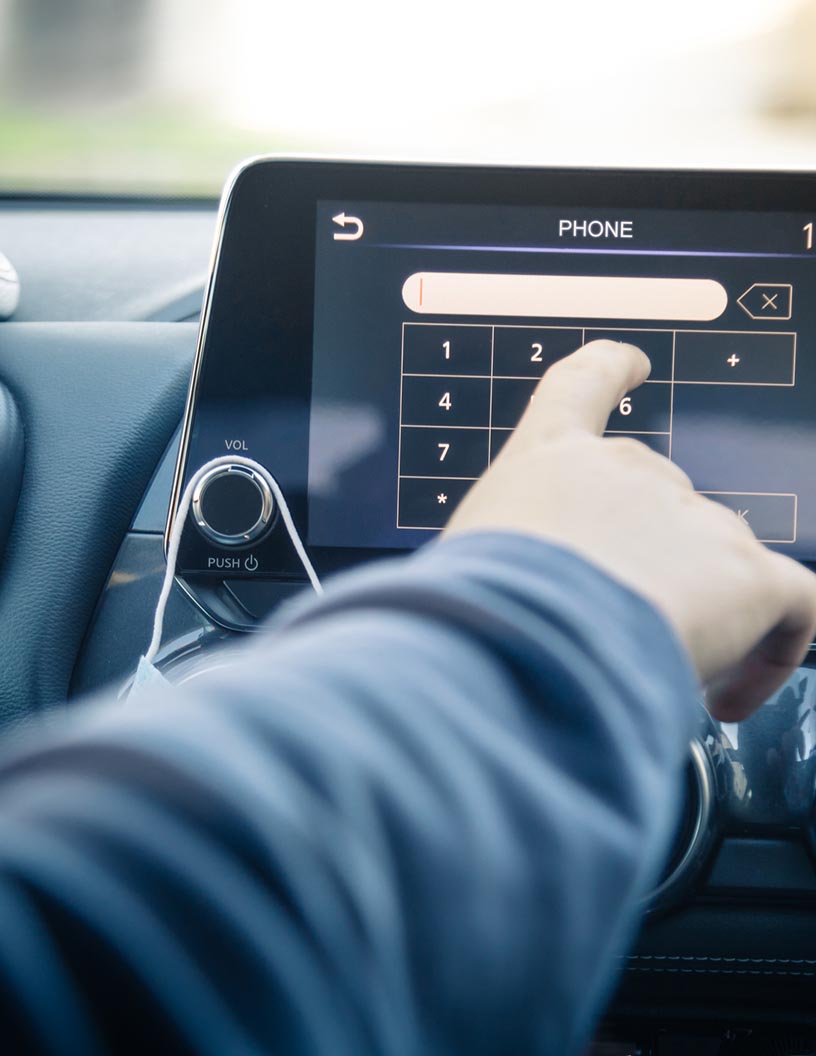
- The integration of infotainment systems in the automotive industry presents a significant challenge, as it may increase the risk of driver distractions and hinder industry growth.
- Modern bus infotainment systems provide advanced features such as digital signage, remote diagnostics, power management, entertainment content, passenger information systems, maintenance services, touchscreen interfaces, USB charging ports, on-demand video, and LED displays. While these systems offer convenience and enhanced passenger experience, they can also pose distractions for bus drivers. Drivers may need to use hand-held devices or touchscreens to access information, which can lead to cognitive distraction and negatively impact driving performance. The consequences of such distractions include delayed braking, slow reaction time to safety clues, and failure to react to visual clues during accidents.
- The design of the infotainment system plays a crucial role in minimizing distractions and ensuring passenger safety. Effective use of voice-activated operations, intuitive interfaces, and clear information presentation can help mitigate these risks. Bus operators must prioritize safety features and user experience in the design and implementation of infotainment systems.
Exclusive Customer Landscape
The bus infotainment system market forecasting report includes the adoption lifecycle of the market, covering from the innovator’s stage to the laggard’s stage. It focuses on adoption rates in different regions based on penetration. Furthermore, the bus infotainment system market report also includes key purchase criteria and drivers of price sensitivity to help companies evaluate and develop their market growth analysis strategies.

Customer Landscape
Key Companies & Market Insights
Companies are implementing various strategies, such as strategic alliances, bus infotainment system market forecast, partnerships, mergers and acquisitions, geographical expansion, and product/service launches, to enhance their presence in the industry.
ACTIA Group - This company specializes in advanced bus infotainment systems, integrating electronic vehicle management, equipment auxiliaries, telecommunications, mobile telephony, broadcast, transmission border/solar, satellite communication, and smart grid energy technology. Their offerings enhance passenger experience and optimize operational efficiency.
The industry research and growth report includes detailed analyses of the competitive landscape of the market and information about key companies, including:
- ACTIA Group
- Axinom GmbH
- Azimut Emotion Bus Solutions.
- Continental AG
- Integrabus
- Luminator Technology Group
- Micro Star Intl Co Ltd.
- Robert Bosch GmbH
- VIA TECHNOLOGIES Inc.
- ZF Friedrichshafen AG
Qualitative and quantitative analysis of companies has been conducted to help clients understand the wider business environment as well as the strengths and weaknesses of key industry players. Data is qualitatively analyzed to categorize companies as pure play, category-focused, industry-focused, and diversified; it is quantitatively analyzed to categorize companies as dominant, leading, strong, tentative, and weak.
Recent Development and News in Bus Infotainment System Market
- In January 2024, leading bus manufacturer Volvo Buses announced the launch of their new bus model, the Volvo 9900A, featuring an advanced infotainment system with real-time traffic information, a passenger information display system, and a Wi-Fi hotspot (Volvo Press Release, 2024). In March 2025, technology giant Samsung and automotive supplier Magna International unveiled a strategic partnership to develop and integrate Samsung's Exynos Auto V7 automotive processor into Magna's infotainment systems for buses and commercial vehicles (Samsung Newsroom, 2025). In April 2025, technology company Qualcomm announced a USD100 million investment in its subsidiary, Qualcomm Technologies, to accelerate the development of next-generation infotainment systems for buses and other commercial vehicles (Qualcomm Investor Relations, 2025). In May 2025, the European Union approved new regulations mandating the installation of advanced infotainment systems in all new buses, including real-time traffic information, passenger information displays, and Wi-Fi connectivity (European Commission Press Release, 2025).
Research Analyst Overview
- The market is witnessing significant advancements, with a focus on enhancing passenger comfort and safety. Fleet management companies are investing in system upgrades to provide personalized experiences, utilizing analytics dashboards, virtual reality (VR), and augmented reality (AR) for passenger entertainment. Compliance with regulatory standards is a priority, driving the integration of driver monitoring, communication systems, and emergency services. Real-time data analysis through machine learning (ML) and predictive analytics is essential for route optimization and driver assistance systems. Customizable solutions cater to unique fleet requirements, offering energy efficiency, voice recognition, reporting tools, and accessibility features.
- AI and digital cockpits are revolutionizing bus infotainment systems, ensuring regulatory compliance and enhancing passenger safety. Data visualization tools facilitate efficient decision-making and improve overall operational efficiency.
Dive into Technavio’s robust research methodology, blending expert interviews, extensive data synthesis, and validated models for unparalleled Bus Infotainment System Market insights. See full methodology.
|
Market Scope |
|
|
Report Coverage |
Details |
|
Page number |
149 |
|
Base year |
2023 |
|
Historic period |
2018-2022 |
|
Forecast period |
2024-2028 |
|
Growth momentum & CAGR |
Accelerate at a CAGR of 6.76% |
|
Market growth 2024-2028 |
USD 155.3 million |
|
Market structure |
Concentrated |
|
YoY growth 2023-2024(%) |
6.51 |
|
Key countries |
China, India, Brazil, Japan, and Russia |
|
Competitive landscape |
Leading Companies, Market Positioning of Companies, Competitive Strategies, and Industry Risks |
What are the Key Data Covered in this Bus Infotainment System Market Research and Growth Report?
- CAGR of the Bus Infotainment System industry during the forecast period
- Detailed information on factors that will drive the growth and forecasting between 2024 and 2028
- Precise estimation of the size of the market and its contribution of the industry in focus to the parent market
- Accurate predictions about upcoming growth and trends and changes in consumer behaviour
- Growth of the market across APAC, Europe, South America, Middle East and Africa, and North America
- Thorough analysis of the market’s competitive landscape and detailed information about companies
- Comprehensive analysis of factors that will challenge the bus infotainment system market growth of industry companies
We can help! Our analysts can customize this bus infotainment system market research report to meet your requirements.