



Canned Food Manufacturing Market Size 2024-2028
The canned food manufacturing market size is forecast to increase by USD 26.19 billion at a CAGR of 5% between 2023 and 2028.
- The market is experiencing significant growth due to several key drivers. One major factor is the increasing preference for convenient and long-lasting food options, particularly among busy consumers and those in need of emergency relief supplies. Another trend is the rising demand for healthier choices, with an emphasis on fresh produce and responsible sourcing.
- Similarly, sustainability and environmental concerns are also shaping the market, as consumers seek out eco-friendly packaging and production methods. Food waste reduction is a critical issue, with canned food offering a solution by extending the shelf life of perishable items. Overall, these trends are expected to continue driving market growth in the coming years.
What will be the Size of the Market During the Forecast Period?
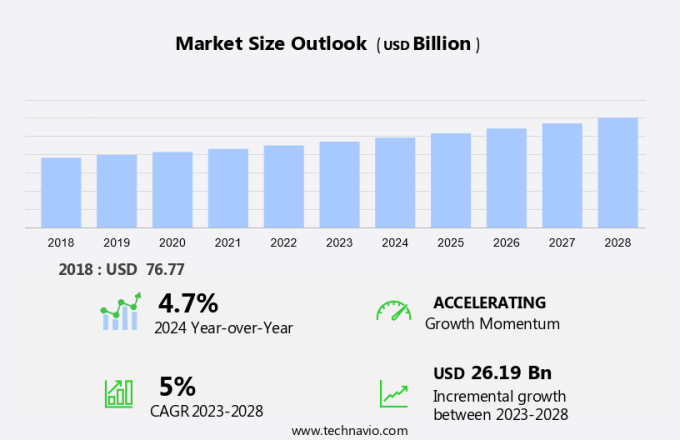
- The market is a significant sector within the global food industry, characterized by its ability to provide nutritious and convenient food solutions for consumers. This market caters to a wide range of dietary preferences and requirements, including healthy canned food, low-sodium canned food, vegetarian canned food, nonperishable food, vegan canned food, low-carb canned food, gourmet canned food, glutenfree canned food options. Canned food's popularity stems from its numerous benefits, such as extended shelf life, affordability, and convenience. These factors have contributed to the growth of the market, making it a vital segment in the food industry. One of the key trends driving the market is the increasing focus on food waste reduction.
- With a growing global population and changing consumer preferences, there is a greater emphasis on minimizing food waste and ensuring food security. Canned food's long shelf life makes it an ideal solution for reducing food waste, as it can be stored for extended periods without spoilage. Another trend influencing the market is the growing demand for healthy and convenient food options. Consumers are increasingly seeking nutritious and convenient food solutions, particularly in their busy lifestyles. Canned food manufacturers are responding to this trend by introducing healthier options, such as low-sodium, vegetarian, vegan, and gluten-free canned foods.
- Moreover, the market is witnessing growth in the production of gourmet and specialty canned foods. These products cater to consumers seeking unique and flavorful food experiences, offering a wider range of options beyond traditional canned foods. The market also plays a crucial role in emergency food supplies. In times of natural disasters or other emergencies, canned food is often the most reliable and accessible food source. The ability to provide essential nutrients and energy during emergencies makes the market an essential sector in ensuring food security and disaster preparedness.
- In conclusion, the market is a dynamic and growing sector within the food industry. Its ability to provide nutritious, convenient, and long-lasting food solutions has made it a vital segment in the food industry. The market's focus on food waste reduction, healthy options, and gourmet and specialty foods is driving its growth and innovation.
How is this market segmented and which is the largest segment?
The market research report provides comprehensive data (region-wise segment analysis), with forecasts and estimates in "USD billion" for the period 2024-2028, as well as historical data from 2018-2022 for the following segments.
- Distribution Channel
- Offline
- Online
- Product Type
- Canned fruits and vegetables
- Canned meat and poultry
- Canned seafood
- Canned soups and stews
- Others
- Geography
- North America
- US
- Europe
- Germany
- UK
- France
- Spain
- APAC
- China
- India
- Japan
- South Korea
- South America
- Brazil
- Middle East and Africa
- North America
By Distribution Channel Insights
- The offline segment is estimated to witness significant growth during the forecast period.
The offline distribution channel is essential in the canned food manufacturing industry, providing product accessibility and enhancing brand visibility in various retail formats such as supermarkets, hypermarkets, convenience stores, specialty food shops, and wholesale outlets. By establishing a significant presence in these retailers, canned food products cater to a broad consumer base, encompassing various demographics and geographic locations. Manufacturers frequently collaborate with distributors and wholesalers to broaden their reach, ensuring consistent supply and streamlined product distribution through retail networks.
In the offline segment, effective product promotion, strategic shelf placement, and eye-catching in-store displays are vital. Retailers work closely with manufacturers to create visually engaging presentations that captivate consumers, leading to increased sales through appealing merchandising, promotional discounts, and periodic in-store tastings. Technological advancements in canning processes have led to improved product quality, longer shelf life, and enhanced consumer appeal for canned fruits and fish. Health-conscious consumers increasingly prefer canned food options due to their convenience, affordability, and nutritional value. As a result, the market continues to grow, with manufacturers focusing on innovation, sustainability, and consumer preferences to meet the evolving demands of the market.

Get a glance at the market report of share of various segments Request Free Sample
The offline segment was valued at USD 44.63 billion in 2018 and showed a gradual increase during the forecast period.
Regional Analysis
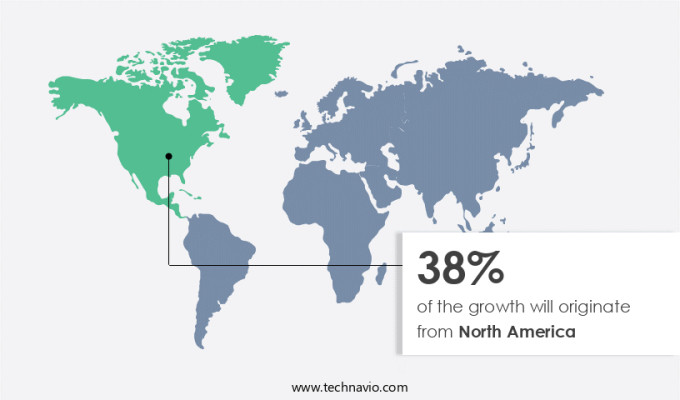
- North America is estimated to contribute 38% to the growth of the global market during the forecast period.
Technavio's analysts have elaborately explained the regional trends and drivers that shape the market during the forecast period.
For more insights on the market share of various regions Request Free Sample
The North American market holds substantial potential for the canned food industry due to rising demand in plant-based and health-conscious consumer segments. In the United States, around 5%-8% of the population, equating to approximately 18.7 million people, follow vegetarian or vegan diets. Canada exhibits a similar trend, with an estimated 2 million vegans as of 2022. This growing preference for plant-based eating presents significant opportunities for canned food manufacturers to expand their product lines, focusing on offerings that cater to vegetarian and vegan consumers.
Moreover, there has been a significant increase in the importation of fruits and vegetables into the US, with a reported 10% rise in their value in 2022. Canned food manufacturers can capitalize on this trend by importing and processing these fruits and vegetables for the production of their canned goods. Transportation plays a crucial role in the canned food manufacturing industry, ensuring the timely delivery of raw materials and finished products. Anchovies, for instance, are a popular canned food item and are often imported from countries like Peru and Chile. Efficient transportation networks are essential to maintain the freshness and quality of these ingredients during transit. In terms of packaging, the canned food industry is continuously innovating to meet evolving consumer preferences. Sustainable and eco-friendly packaging options, such as biodegradable cans, are gaining popularity as consumers become more conscious of their environmental impact. Canned food manufacturers must stay updated on these trends to remain competitive in the market.
Additionally, there has been a notable increase in the importation of fruits and vegetables into the US, with a reported 10% rise in their value in 2022. Efficient transportation networks are crucial for maintaining the freshness and quality of these ingredients during transit. In terms of packaging, sustainability and eco-friendliness are becoming increasingly important to consumers. Canned food manufacturers must stay updated on these trends to remain competitive in the market.
Market Dynamics
Our researchers analyzed the data with 2023 as the base year, along with the key drivers, trends, and challenges. A holistic analysis of drivers will help companies refine their marketing strategies to gain a competitive advantage.
What are the key market drivers leading to the rise in adoption of Canned Food Manufacturing Market?
Increasing awareness of healthy eating is the key driver of the market.
- In today's busy world, consumers are increasingly prioritizing convenient and nutritious food options. Among these, canned vegetables have gained popularity due to their accessibility and retention of essential nutrients. These include vitamins, minerals, and fiber, making canned vegetables a practical choice for individuals seeking to maintain a balanced diet. Canned vegetables offer several advantages, particularly in terms of convenience and cost-effectiveness. With a longer shelf life and minimal preparation required, they provide a viable alternative to fresh produce for those with time constraints.
- Moreover, the availability of preservative-free canned vegetables caters to the growing demand for healthier options. Ethnic varieties of canned vegetables have also gained traction, broadening the market's appeal. These offer consumers the opportunity to explore diverse culinary traditions while maintaining the benefits of canned vegetables. The market for canned vegetables is expected to continue growing, as more consumers recognize their value in addressing the demands of modern life.
What are the market trends shaping the Canned Food Manufacturing Market?
Rising interest in plant-based food items is the upcoming trend in the market.
- The market is experiencing a notable trend as more consumers, particularly in the United States and other countries like Canada, Germany, India, and Brazil, embrace plant-based diets. In 2023, around 5-8% of the US population, equating to millions of individuals, identified as vegetarian or vegan.
- Additionally, this figure represents a significant market opportunity for canned food manufacturers catering to this demographic. Similarly, the vegan population in countries such as India and Brazil is expanding, with 24% and 10 million vegans, respectively. This global shift toward plant-based eating underscores the growing demand for canned food options that cater to this dietary preference.
What challenges does Canned Food Manufacturing Market face during the growth?
Sustainability and environmental concerns associated with canned food items is a key challenge affecting the market growth.
- The canned food manufacturing industry confronts a pressing issue with the rising concerns over the sustainability and environmental impact of canned food products, such as canned chicken, canned corn, canned peaches, canned chili, canned sauces, canned salmon, canned green beans, canned fruit cocktail, canned pineapple, canned beef, canned tuna, canned peas, canned beans, canned rice, canned pasta, canned tomatoes, canned soup, specifically in relation to the application of preservatives and additives, as well as packaging. Consumers are growing more conscious of the safety and long-term health implications of preservatives, such as sodium benzoate and sulfites, commonly used in canned vegetables and meats. These additives have been linked to potential allergic reactions and other detrimental health effects, causing unease among consumers.
- Moreover, the interaction between preservatives and certain ingredients can result in the formation of harmful by-products, like benzene, a known carcinogen, exacerbating health concerns. Another concern for the industry is the high sodium content in numerous canned food items, which has raised eyebrows regarding its impact on heart health and blood pressure. To address these issues, there is a growing emphasis on responsible sourcing and reducing food waste. Companies are focusing on using fresh produce and implementing sustainable production methods to cater to the evolving consumer preferences and regulatory requirements.
Exclusive Customer Landscape
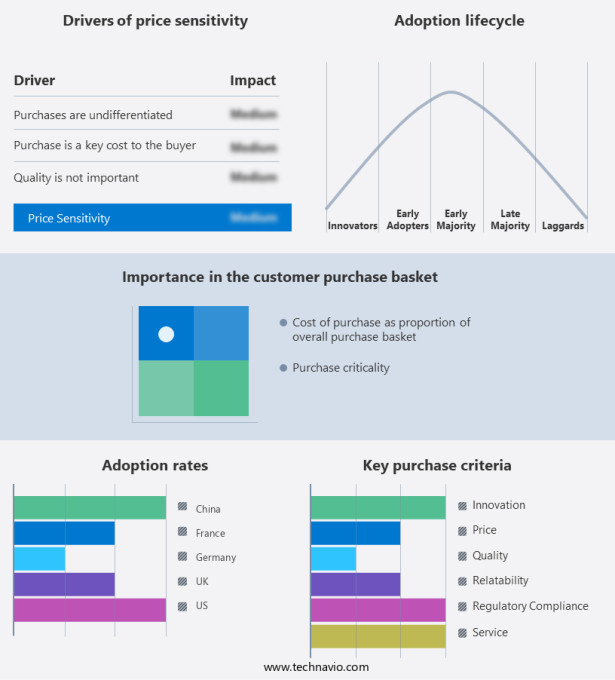
The market forecasting report includes the adoption lifecycle of the market, covering from the innovator's stage to the laggard's stage. It focuses on adoption rates in different regions based on penetration. Furthermore, the market report also includes key purchase criteria and drivers of price sensitivity to help companies evaluate and develop their market growth analysis strategies.
Customer Landscape
Key Companies & Market Insights
Companies are implementing various strategies, such as strategic alliances, market forecast, partnerships, mergers and acquisitions, geographical expansion, and product/service launches, to enhance their presence in the market.
B and G Foods Inc. - This company excels in canned food manufacturing by placing a strong emphasis on food safety, sourcing superior ingredients, and adhering to stringent ethical guidelines.
The market research and growth report includes detailed analyses of the competitive landscape of the market and information about key companies, including:
- B and G Foods Inc.
- Baxters Food Group Ltd.
- Better Foods Inc.
- BONDUELLE SA
- Campbell Soup Co.
- Del Monte Foods Inc.
- General Mills Inc.
- Goya Foods Inc.
- Greenyard NV
- Hormel Foods Corp.
- LA DORIA S.P.A.
- Ocean Spray Cranberries Inc.
- OTS Holdings Ltd.
- Scout
- Seneca Foods Corp.
- Tesco Plc
- The Kraft Heinz Co.
- Werling and Sons Inc.
- Whole Foods Market Services Inc.
Qualitative and quantitative analysis of companies has been conducted to help clients understand the wider business environment as well as the strengths and weaknesses of key market players. Data is qualitatively analyzed to categorize companies as pure play, category-focused, industry-focused, and diversified; it is quantitatively analyzed to categorize companies as dominant, leading, strong, tentative, and weak.
Research Analyst Overview
Canned food manufacturing is a significant sector in the global food industry, catering to the demand for convenient, long-lasting food solutions. This market is driven by several factors, including the need for quick meal solutions, environmental sustainability, and health-conscious consumers. Technological advancements have played a crucial role in enhancing the production process, ensuring the preservation of essential nutrients and minerals. Fruits, vegetables, canned fish, and canned seafood are popular choices in this market, with organic options gaining traction due to their health benefits and responsible sourcing. Ready-to-eat meals, preservative-free canned food, and ethnic varieties are other growing segments. The canned food market also caters to various industries, including camping, emergency preparedness, and relief supplies.
Sustainable fishing practices and minimal food waste are essential considerations in the supply chain, ensuring the availability of high-quality raw materials. Transportation and packaging are critical components of the canned food manufacturing process, with advancements in these areas contributing to improved product quality and consumer convenience. Overall, the canned food market continues to evolve, meeting the diverse needs of consumers while maintaining the long shelf life and affordability that make canned food an essential staple.
|
Market Scope |
|
|
Report Coverage |
Details |
|
Page number |
211 |
|
Base year |
2023 |
|
Historic period |
2018-2022 |
|
Forecast period |
2024-2028 |
|
Growth momentum & CAGR |
Accelerate at a CAGR of 5% |
|
Market growth 2024-2028 |
USD 26.19 billion |
|
Market structure |
Fragmented |
|
YoY growth 2023-2024(%) |
4.7 |
|
Key countries |
US, China, Germany, UK, France, Spain, Japan, Brazil, South Korea, and India |
|
Competitive landscape |
Leading Companies, Market Positioning of Companies, Competitive Strategies, and Industry Risks |
What are the Key Data Covered in this Market Research and Growth Report?
- CAGR of the market during the forecast period
- Detailed information on factors that will drive the market growth and forecasting between 2024 and 2028
- Precise estimation of the size of the market and its contribution of the market in focus to the parent market
- Accurate predictions about upcoming market growth and trends and changes in consumer behaviour
- Growth of the market across North America, Europe, APAC, South America, and Middle East and Africa
- Thorough analysis of the market's competitive landscape and detailed information about companies
- Comprehensive analysis of factors that will challenge the growth of market companies
We can help! Our analysts can customize this market research report to meet your requirements. Get in touch