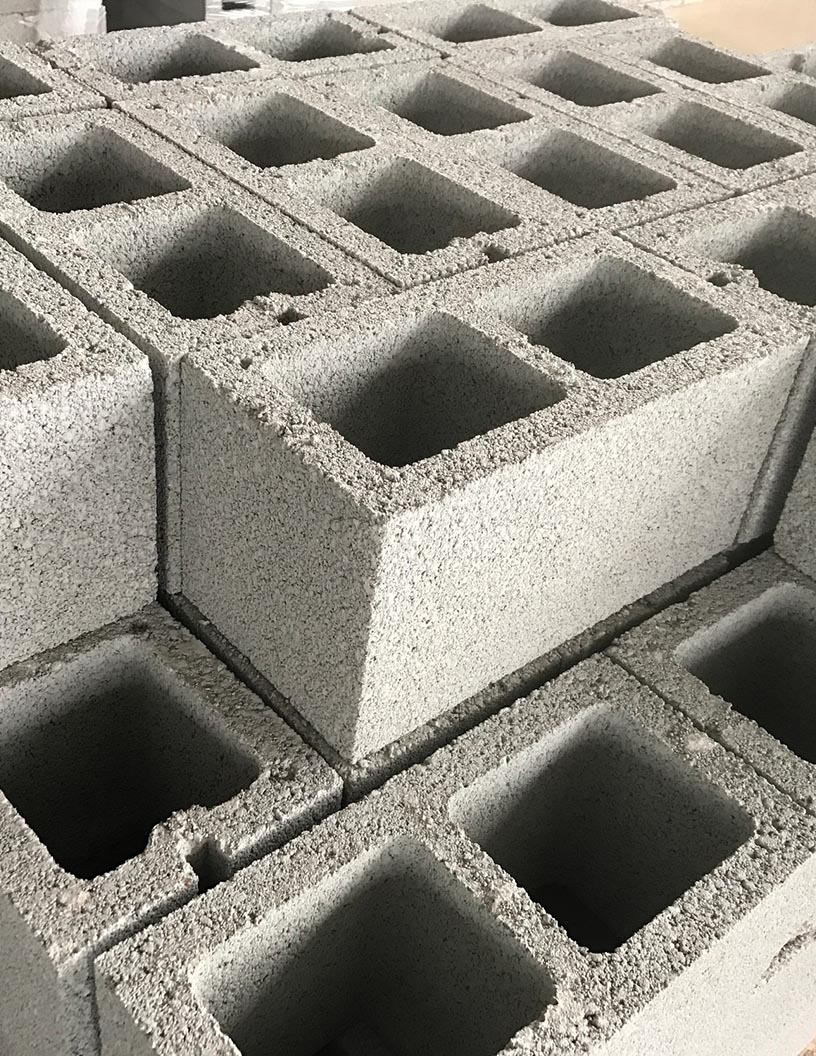


Cellular Concrete Market Size 2024-2028
The cellular concrete market size is forecast to increase by USD 650.7 million at a CAGR of 4.59% between 2023 and 2028. The market is experiencing significant growth due to several key drivers. The increase in construction activities, driven by urbanization and rising disposable income, is a major factor fueling market expansion. In addition, the shortage of construction labor in developed countries is leading to increased adoption of precast wall systems and division panels as cost-effective alternatives. These systems offer numerous benefits, including insulation, noise control, moisture resistance, and energy efficiency, making them ideal for green homes and environmentally-conscious projects. Engineering, procurement, and construction firms are recognizing the economic advantages of cellular concrete, particularly during challenging economic conditions. As the market continues to evolve, it is essential for industry players to stay informed about the latest trends and challenges to remain competitive. Cellular concrete, also known as aerated or foam concrete, is increasingly being used for thermal and acoustic insulation in both residential and commercial buildings.
What will be the Size of the Market During the Forecast Period?
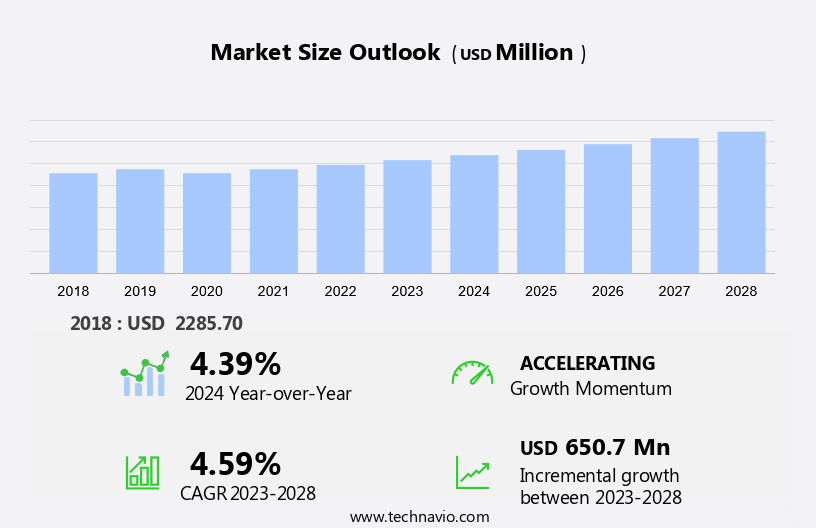
The market in the North American construction sector has been experiencing steady growth due to its unique properties and benefits. This material, also known as aerated or foamed concrete, is widely used for thermal and acoustic insulation in various applications. Un-reinforced wall blocks, hollow blocks, insulation plates, and reinforced wall systems are some of the popular applications of cellular concrete in the construction industry. Its lightweight nature makes it an ideal choice for roof and floor materials, as well as division panels, in both residential and commercial buildings.
Additionally, cellular concrete's insulation properties contribute significantly to energy savings and environmental sustainability. It is an eco-friendly alternative to traditional insulation materials, making it a preferred choice for green homes and buildings. The use of cellular concrete in green building certifications is on the rise, further boosting its market growth. However, there are certain market hindrances that may affect the adoption rate of cellular concrete. These include the higher initial cost compared to traditional materials, limited awareness among construction professionals, and the availability of alternative insulation materials. The cellular concrete manufacturing process involves the use of cement-silica, cement-pozzolan, or lime-pozzolan, along with gas-forming chemicals and foaming agents.
Moreover, this results in a material with excellent moisture resistance and energy benefits. The market for cellular concrete is segmented into residential and commercial applications. In residential buildings, it is commonly used for partition walls and insulation material to ensure noise control and cost-effective construction. In commercial buildings, precast wall systems are increasingly being adopted for their durability and energy efficiency. In conclusion, the market in the North American construction industry is driven by its unique properties, energy benefits, and environmental sustainability. While market hindrances such as higher initial cost and limited awareness persist, the growing demand for eco-friendly and cost-effective insulation solutions is expected to continue fueling its growth.
Market Segmentation
The market research report provides comprehensive data (region-wise segment analysis), with forecasts and estimates in "USD million" for the period 2024-2028, as well as historical data from 2018-2022 for the following segments.
- End-user
- Non-residential
- Residential
- Geography
- APAC
- China
- India
- Europe
- Germany
- France
- North America
- US
- South America
- Middle East and Africa
- APAC
By End-user Insights
The non-residential segment is estimated to witness significant growth during the forecast period.Cellular concrete, a self-compacting material, has gained significant traction in the construction industry due to its unique property of flowing out of a pump outlet to fill molds without the need for compaction. This attribute enables it to be transported and poured over long distances and heights, making it an ideal choice for large-scale commercial projects such as offices, hospitals, schools, retail stores, and malls. The adoption of cellular concrete is particularly high in developing countries like China and India, where there is a growth in construction activities. The increasing number of commercial building projects is expected to fuel the growth of The market.
Moreover, cellular concrete offers several benefits including moisture resistance, noise control, insulation, and energy efficiency, making it an environment-friendly and cost-effective solution for green homes and energy-efficient buildings. Engineering, procurement, and construction companies are increasingly recognizing the advantages of using precast wall systems made of cellular concrete for their projects. The economic conditions have also played a role in the growing popularity of cellular concrete, as it offers a cost-effective alternative to traditional construction methods. Overall, The market is poised for steady growth in the coming years.
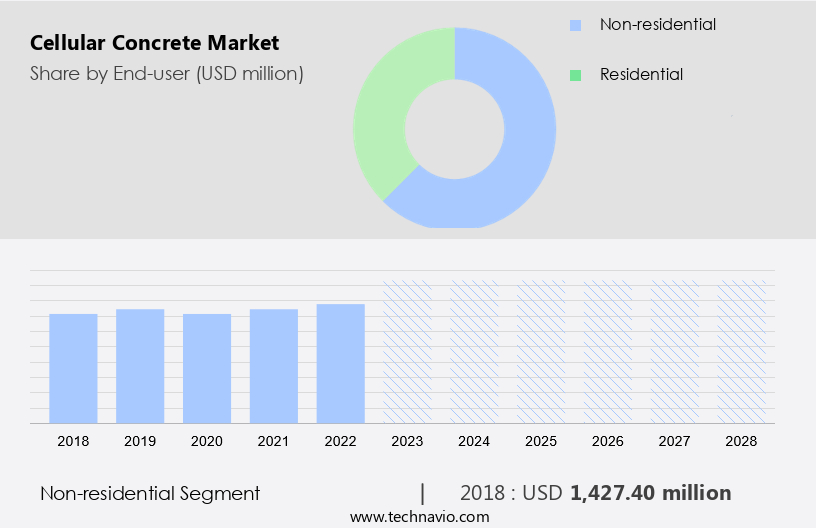
Get a glance at the market share of various segments Request Free Sample
The non-residential segment was valued at USD 1.43 billion in 2018 and showed a gradual increase during the forecast period.
Regional Insights
APAC is estimated to contribute 42% to the growth of the global market during the forecast period. Technavio's analysts have elaborately explained the regional trends and drivers that shape the market during the forecast period.
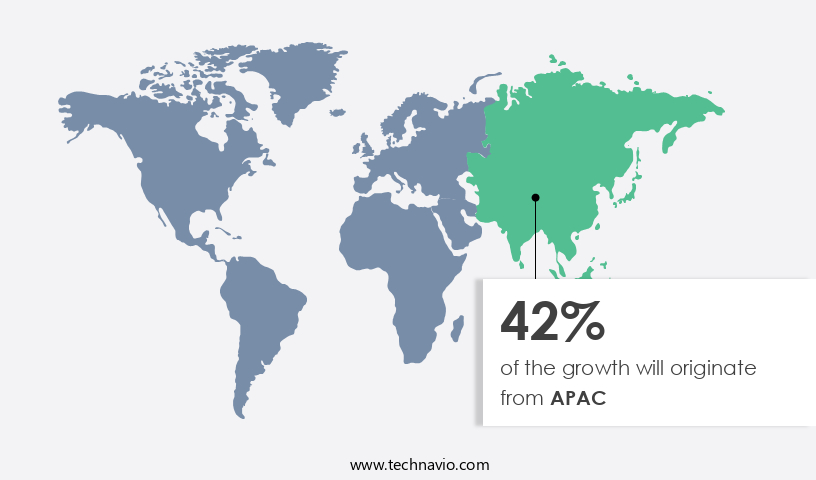
For more insights on the market share of various regions Request Free Sample
The market in Asia Pacific held a substantial share in the global market in 2023, driven by the growth in construction activities in the region. The construction industry in Asia Pacific is projected to expand significantly during the forecast period. India and China are the primary contributors to the construction market revenue in the region, fueled by urbanization. For instance, India is undergoing a significant economic transformation, with over half of the population projected to be urban in the coming decades. Urban expansion is anticipated to account for 73% of the total population growth by 2036. The Indian government's policy to encourage private sector involvement in infrastructure development has attracted numerous private players to the industry through public-private partnerships (PPPs).
Additionally, cellular concrete, also known as autoclaved aerated concrete (AAC), is increasingly being used as a building material in commercial constructions due to its benefits such as dead weight reduction, backfill replacement, geotechnical applications, fire resistance, termite resistance, and heat insulation. Building components like blocks and floor panels made of cellular concrete offer these advantages, making them a popular choice for commercial buildings. The use of cellular concrete in construction is expected to continue growing as urbanization increases and the demand for sustainable and efficient building materials rises.
Our researchers analyzed the data with 2023 as the base year, along with the key drivers, trends, and challenges. A holistic analysis of drivers will help companies refine their marketing strategies to gain a competitive advantage.
Market Driver
The increase in construction activities is the key driver of the market. The global construction industry is experiencing a resurgence, particularly in regions such as India, China, the US, Brazil, Malaysia, Russia, Hungary, and Vietnam. These countries are prioritizing infrastructure development, with a focus on projects like the renovation of coastal areas and the establishment of industrial hubs in Vietnam, and the expansion of the M6 Motorway in Southern Sydney, Australia.
Additionally, cellular concrete, a versatile building material, is poised to benefit significantly from this construction boom. Its applications include wall panels for soundproofing and void filling in non-load bearing residential structures. Manufacturing technologies continue to advance, making cellular concrete an increasingly attractive option for green construction materials in infrastructure projects. The demand for cellular concrete screeds is also on the rise due to their cost-effectiveness and ease of use. Overall, the market is expected to grow steadily in the coming years, offering opportunities for businesses and investors alike.
Market Trends
The rapid urbanization and rising disposable income is the upcoming trend in the market. The construction sector in various countries, including India, Vietnam, Malaysia, China, and Qatar, is experiencing significant growth due to economic advancements and increasing urbanization. This trend is leading to an expansion in the demand for lightweight construction materials, such as cellular concrete, for use in thermal and acoustic insulation in both residential and commercial projects.
Furthermore, the global population continues to rise, with an estimated 8.04 billion people living in urban areas by 2024, further fueling the need for infrastructure development. Unreinforced wall blocks, hollow blocks, insulation plates, and reinforced walls made of cellular concrete are increasingly being used for roofing and flooring applications due to their excellent insulation properties. However, market growth may be hindered by the high initial investment required for the production of cellular concrete and the availability of alternative, less expensive insulation materials. To capitalize on this trend, industry players must focus on innovation and cost-effective production methods to remain competitive in the market.
Market Challenge
The shortage of construction labor in developed countries is a key challenge affecting the market growth. In the developed markets of the US, Europe, and Australia, the construction industry is grappling with a persistent labor shortage issue. The pandemic-induced downsizing of the workforce, which led to mass layoffs of construction workers, particularly site laborers, has exacerbated the problem. This trend has affected the construction sector in numerous developed countries, making it challenging for firms and contractors to secure a sufficient workforce for their projects. Multilevel buildings, including those in the low and medium density segments, are increasingly adopting cellular concrete as a viable alternative to traditional construction methods. Cellular concrete, also known as aerated or foam concrete, offers several advantages, including time-saving construction activities, improved acoustic properties, and enhanced thermal insulation properties.
Furthermore, its freeze-thaw resistance makes it an ideal choice for infrastructure end-users. Green building certifications, such as LEED and BREEAM, have been instrumental in promoting the use of cellular concrete due to its eco-friendly production process and reduced carbon footprint. The versatility of cellular concrete in various applications, from residential to commercial, has led to an increase in its volumetric shares in the construction market. As the construction industry continues to evolve, cellular concrete is poised to play a significant role in addressing the labor shortage issue while offering numerous benefits to building owners and developers.
Exclusive Customer Landscape
The market forecasting report includes the adoption lifecycle of the market, covering from the innovator's stage to the laggard's stage. It focuses on adoption rates in different regions based on penetration. Furthermore, the report also includes key purchase criteria and drivers of price sensitivity to help companies evaluate and develop their market growth analysis strategies.
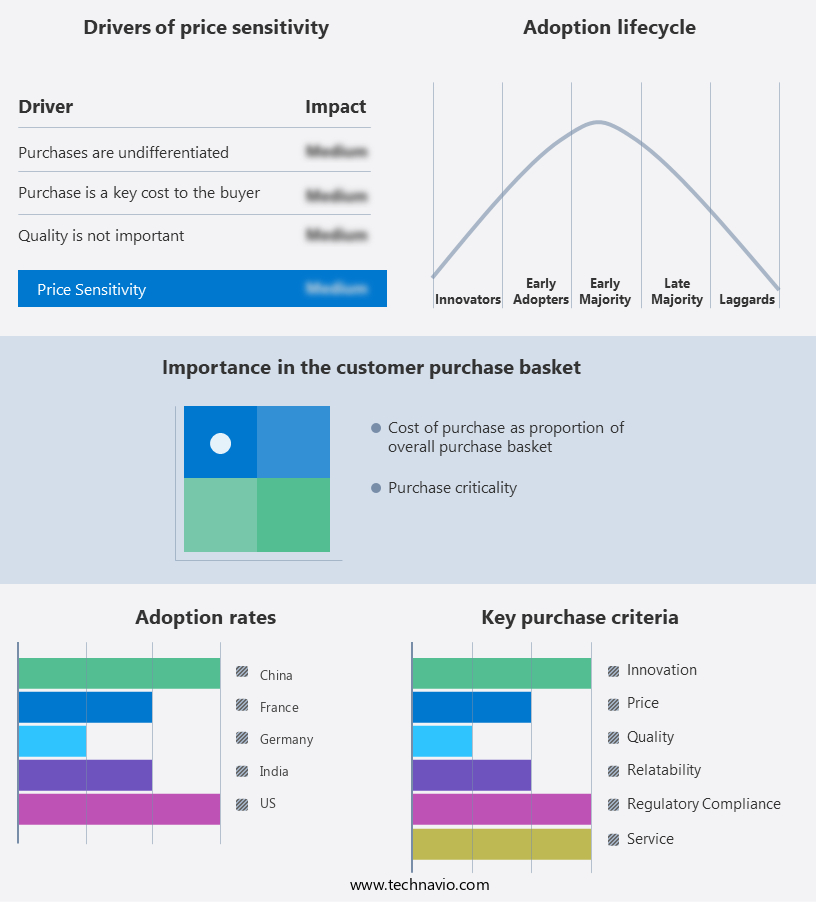
Customer Landscape
Key Companies & Market Insights
Companies are implementing various strategies, such as strategic alliances, partnerships, mergers and acquisitions, geographical expansion, and product/service launches, to enhance their presence in the market.
Cell-Crete Corp: The company is involved in offering lightweight cellular concrete which is being used as the lightweight backfill and flowable fill material having good amount of strength, durability, placement capacity and consistency during the construction of buildings.
The market research and growth report includes detailed analyses of the competitive landscape of the market and information about key companies, including:
- Acico Group
- Aerix Industries
- Aircrete Europe
- Broco Industries
- Canadian Cellular Concrete Services Inc.
- Cellucrete Corp.
- Cellular Concrete Technologies
- Conco
- DLVEWS
- Edilportale.com SpA
- GEOFILL LLC
- Lafarge
- Laston Italiana Spa
- Vicon Nano Science Eco Construction Systems
- Ytong
Qualitative and quantitative analysis of companies has been conducted to help clients understand the wider business environment as well as the strengths and weaknesses of key market players. Data is qualitatively analyzed to categorize companies as pure play, category-focused, industry-focused, and diversified; it is quantitatively analyzed to categorize companies as dominant, leading, strong, tentative, and weak.
Research Analyst Overview
The market is witnessing significant growth in the construction sector due to its lightweight properties and excellent insulation capabilities. This material is widely used for thermal and acoustic insulation in both residential and commercial buildings. The use of un-reinforced wall blocks, hollow blocks, insulation plates, and reinforced wall systems in roofs, floors, and partition walls has gained popularity due to their cost-effective nature and environmental benefits. The market's growth is driven by the increasing demand for energy-efficient and eco-friendly building materials in the construction industry. Cellular concrete's ability to provide noise control, moisture resistance, and fire resistance makes it an ideal choice for green homes and infrastructure projects.
However, the market faces hindrances due to economic conditions and investment restrictions in the transportation sector. The use of cellular concrete in high-speed railways and infrastructure construction is increasing due to its time-saving manufacturing technologies and volumetric shares in the infrastructure end-user segment. The market's growth is also driven by the use of Portland cement, cement-silica, cement-pozzolan, lime-pozzolan, gas-forming chemicals, and foaming agents in the production of various building components such as blocks, floor panels, wall panels, and screeds. The low density and medium density segment's acoustic and thermal insulation properties make it a preferred choice for multilevel buildings and urbanization projects.
In conclusion, the market is expected to grow significantly due to its cost-effective, time-saving, and environmentally friendly properties. Its use in various applications such as infrastructure construction, road construction, and geotechnical applications is increasing, making it a promising market for the future. The use of cellular concrete in Un-reinforced wall blocks, Hollow blocks, Smart City, Insulation plates, Luxury Hotel, Reinforced wall, Roof, construction materials, floor materials, Division panels, and Insulation material is increasing due to their cost-effective nature and noise control properties.
|
Market Scope |
|
|
Report Coverage |
Details |
|
Page number |
129 |
|
Base year |
2023 |
|
Historic period |
2018-2022 |
|
Forecast period |
2024-2028 |
|
Growth momentum & CAGR |
Accelerate at a CAGR of 4.59% |
|
Market growth 2024-2028 |
USD 650.7 million |
|
Market structure |
Fragmented |
|
YoY growth 2023-2024(%) |
4.39 |
|
Regional analysis |
APAC, Europe, North America, South America, and Middle East and Africa |
|
Performing market contribution |
APAC at 42% |
|
Key countries |
US, China, India, France, and Germany |
|
Competitive landscape |
Leading Companies, Market Positioning of Companies, Competitive Strategies, and Industry Risks |
|
Key companies profiled |
Acico Group, Aerix Industries, Aircrete Europe, Broco Industries, Canadian Cellular Concrete Services Inc., Cell-Crete Corp., Cellucrete Corp., Cellular Concrete Technologies, Conco, DLVEWS, Edilportale.com SpA, GEOFILL LLC, Lafarge, Laston Italiana Spa, Vicon Nano Science Eco Construction Systems, and Ytong |
|
Market dynamics |
Parent market analysis, market growth inducers and obstacles, market forecast, fast-growing and slow-growing segment analysis, COVID-19 impact and recovery analysis and future consumer dynamics, market condition analysis for the forecast period |
|
Customization purview |
If our market report has not included the data that you are looking for, you can reach out to our analysts and get segments customized. |
What are the Key Data Covered in this Market Research and Growth Report?
- CAGR of the market during the forecast period
- Detailed information on factors that will drive the market growth and forecasting between 2024 and 2028
- Precise estimation of the size of the market and its contribution of the market in focus to the parent market
- Accurate predictions about upcoming market growth and trends and changes in consumer behaviour
- Growth of the market across APAC, Europe, North America, South America, and Middle East and Africa
- Thorough analysis of the market's competitive landscape and detailed information about companies
- Comprehensive analysis of factors that will challenge the growth of market companies
We can help! Our analysts can customize this market research report to meet your requirements. Get in touch
 RIA -
RIA -