



The chemical, biological, radiological, and nuclear defense (CBRND) market share is expected to increase by USD 5.16 billion from 2021 to 2026, and the market’s growth momentum will accelerate at a CAGR of 6.43%.
This chemical, biological, radiological, and nuclear defense (CBRND) market research report provides valuable insights on the post COVID-19 impact on the market, which will help companies evaluate their business approaches. Furthermore, this report extensively covers chemical, biological, radiological, and nuclear defense (CBRND) market segmentation by product (CBRN protection, CBRN detection, CBRN decontamination, and CBRN simulation and training) and geography (North America, Europe, APAC, Middle East and Africa, and South America). The chemical, biological, radiological, and nuclear defense (CBRND) market report also offers information on several market vendors, including 3M Co., AirBoss of America Corp., Alfred Karcher SE and Co. KG, Avon Rubber Plc, Bruker Corp., Chemring Group Plc, Ecolab Inc., Elbit Systems Ltd., Environics Oy, Kromek Group Plc, Leidos Holdings Inc., MSA Safety Inc., Northrop Grumman Corp., QinetiQ Group Plc, Rheinmetall AG, Saab AB, Smiths Detection Group Ltd., Thales Group, Thermo Fisher Scientific Inc., and Teledyne Technologies Inc. among others.
What will the Chemical, Biological, Radiological, and Nuclear Defense (CBRND) Market Size be During the Forecast Period?
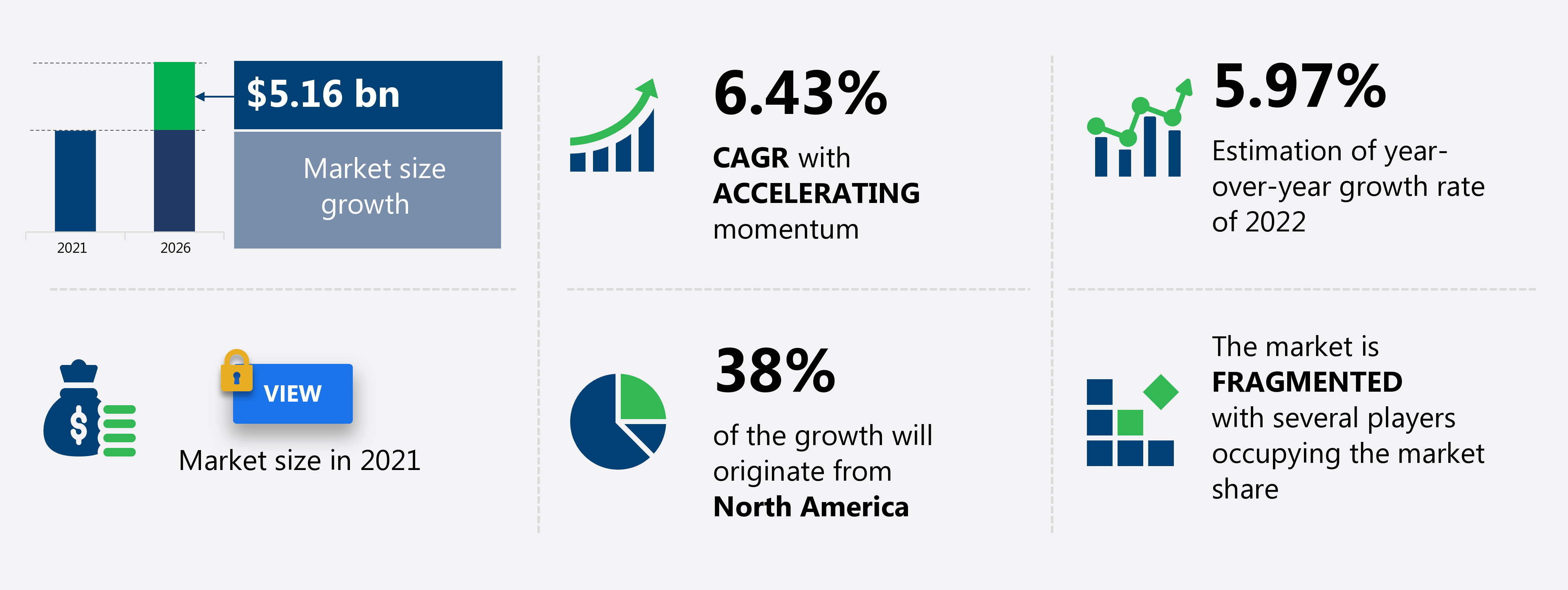
Download the Free Report Sample to Unlock the Chemical, biological, radiological, and nuclear defense (CBRND) Market Size for the Forecast Period and Other Important Statistics
Chemical, Biological, Radiological, and Nuclear Defense (CBRND) Market: Key Drivers, Trends, and Challenges
Based on our research output, there has been a negative impact on the market growth during and post COVID-19 era. The growing chemical and biological warfare by militants is notably driving the chemical, biological, radiological, and nuclear defense (CBRND) market growth, although factors such as soldier protection system funding constraints may impede the market growth. Our research analysts have studied the historical data and deduced the key market drivers and the COVID-19 pandemic impact on the chemical, biological, radiological, and nuclear defense (CBRND) industry. The holistic analysis of the drivers will help in deducing end goals and refining marketing strategies to gain a competitive edge.
Key Chemical, Biological, Radiological, and Nuclear Defense (CBRND) Market Driver
One of the key factors driving growth in the chemical, biological, radiological, and nuclear defense (CBRND) market is the growing chemical and biological warfare by militants. Countries are witnessing growing instances of asymmetric warfare that are creating global tensions. Internal and external security threats affect a country's growth and development and its international relations with other countries. Over the past few years, there has been an increase in the number of conflicts globally. The growing tension among the nations has led to many civilian causalities owing to the usage of CBRN weapons by militants. This has led to an increase in the demand for CBRN defensive products such as personal protection equipment, detection systems, vehicle-mounted improvised explosive devices (IEDs) detection systems, detonators, and decontamination devices. The losses in terms of life and equipment have triggered the enhancement of CBRND for troops. Thus, despite budgetary constraints, regions such as North America and Europe are investing in improving CBRND for both troops and vehicles.
Key Chemical, Biological, Radiological, and Nuclear Defense (CBRND) Market Trend
The development of chlorobutyl skin in gas masks is another factor supporting the chemical, biological, radiological, and nuclear defense (CBRND) market share growth. The masks that are currently used in chemical warfare do not provide the utmost protection against a variety of toxic agents and gasses that are used in wars or terror attacks. Chemical weapons such as nerve agents, once inhaled, can directly attack the respiratory systems of the soldiers and be fatal. Thus, even a small exposure to the contaminated air can pose a significant risk to the soldiers. Many new innovations are taking place in the market to address these challenges. Chlorobutyl provides high resistance to flex-fatigue, effective heat tolerance, and allows good adhesion. In addition, it is also nearly impermeable to chemical and biological agents and has a longer shelf life compared to the current gas filters.
Key Chemical, Biological, Radiological, and Nuclear Defense (CBRND) Market Challenge
The soldier protection system funding constraints will be a major challenge for the chemical, biological, radiological, and nuclear defense (CBRND) market during the forecast period. North America had the highest share of the market because of its high defense budget; however, sequestration measures in the US are expected to have an adverse effect on the market. The Budget Control Act passed by the US Congress in 2011 aims to reduce the overall military spending by $487 billion over the next ten years. Due to the challenging budgetary environment, the US military sector needs to reduce costs while procuring, maintaining, enhancing, and developing effective soldier protection systems. The decrease in the defense budget is expected to slow down or prohibit the development of various equipment used by military, police, and law enforcement personnel. This indicates that defense budgetary constraints pose a strong challenge to the growth of the vendors in the CBRND market.
This chemical, biological, radiological, and nuclear defense (CBRND) market analysis report also provides detailed information on other upcoming trends and challenges that will have a far-reaching effect on the market growth. The actionable insights on the trends and challenges will help companies evaluate and develop growth strategies for 2022-2026.
Parent Market Analysis
Technavio categorizes the global chemical, biological, radiological, and nuclear defense (CBRND) market as a part of the global aerospace and defense market within the global capital goods market. Our research report has extensively covered external factors influencing the parent market growth potential in the coming years, which will determine the levels of growth of the chemical, biological, radiological, and nuclear defense (CBRND) market during the forecast period.
Who are the Major Chemical, Biological, Radiological, and Nuclear Defense (CBRND) Market Vendors?
The report analyzes the market’s competitive landscape and offers information on several market vendors, including:
- 3M Co.
- AirBoss of America Corp.
- Alfred Karcher SE and Co. KG
- Avon Rubber Plc
- Bruker Corp.
- Chemring Group Plc
- Ecolab Inc.
- Elbit Systems Ltd.
- Environics Oy
- Kromek Group Plc
- Leidos Holdings Inc.
- MSA Safety Inc.
- Northrop Grumman Corp.
- QinetiQ Group Plc
- Rheinmetall AG
- Saab AB
- Smiths Detection Group Ltd.
- Thales Group
- Thermo Fisher Scientific Inc.
- Teledyne Technologies Inc.
This statistical study of the chemical, biological, radiological, and nuclear defense (CBRND) market encompasses successful business strategies deployed by the key vendors. The chemical, biological, radiological, and nuclear defense (CBRND) market is fragmented and the vendors are deploying growth strategies such as diversification of geographical markets, in tandem with the product offerings to compete in the market.
Product Insights and News
-
airbossofamerica.com - The company manufactures and distributes personal protection and safety products, primarily for CBRN hazards. It also manufactures and distributes anti-vibration and noise dampening automotive parts.
-
The company provides threat prevention products, patient isolation, and threat mitigation products.
To make the most of the opportunities and recover from post COVID-19 impact, market vendors should focus more on the growth prospects in the fast-growing segments, while maintaining their positions in the slow-growing segments.
The chemical, biological, radiological, and nuclear defense (CBRND) market forecast report offers in-depth insights into key vendor profiles. The profiles include information on the production, sustainability, and prospects of the leading companies.
Chemical, Biological, Radiological, and Nuclear Defense (CBRND) Market Value Chain Analysis
Our report provides extensive information on the value chain analysis for the chemical, biological, radiological, and nuclear defense (CBRND) market, which vendors can leverage to gain a competitive advantage during the forecast period. The end-to-end understanding of the value chain is essential in profit margin optimization and evaluation of business strategies. The data available in our value chain analysis segment can help vendors drive costs and enhance customer services during the forecast period.
Which are the Key Regions for Chemical, Biological, Radiological, and Nuclear Defense (CBRND) Market?
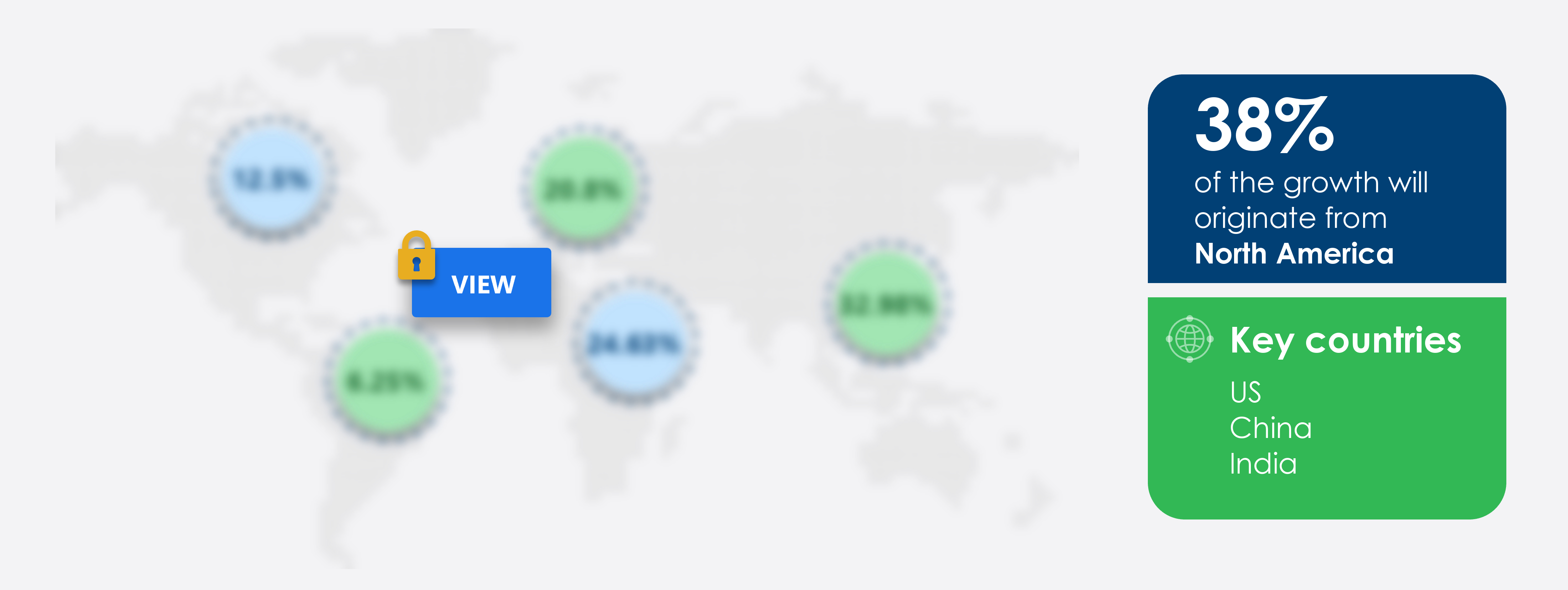
For more insights on the market share of various regions Request for a FREE sample now!
38% of the market’s growth will originate from North America during the forecast period. The US is the key market for chemical, biological, radiological, and nuclear defense (CBRND) in North America. Market growth in this region will be slower than the growth of the market in the South American, APAC, and MEA regions.
The growing development of biological and chemical agents for use in warfare is driving the US to develop excessive personal protection equipment such as gas masks for armed personnel. This will facilitate the chemical, biological, radiological, and nuclear defense (CBRND) market growth in North America over the forecast period. This market research report entails detailed information on the competitive intelligence, marketing gaps, and regional opportunities in store for vendors, which will assist in creating efficient business plans.
COVID Impact and Recovery Analysis
In 2020, the chemical, biological, radiological, and nuclear defense (CBRND) market in North America witnessed a slow growth, owing to the outbreak of COVID-19. The outbreak hampered the supply chain for chemical, biological, radiological, and nuclear defense (CBRND) and its manufacturing in 2020. However, in 2021, the vaccination drives led the governments to lift the lockdown and travel restrictions from the region. The manufacturing sector began to operate at full capacity, which is expected to drive the regional market.
What are the Revenue-generating Product Segments in the Chemical, Biological, Radiological, and Nuclear Defense (CBRND) Market?
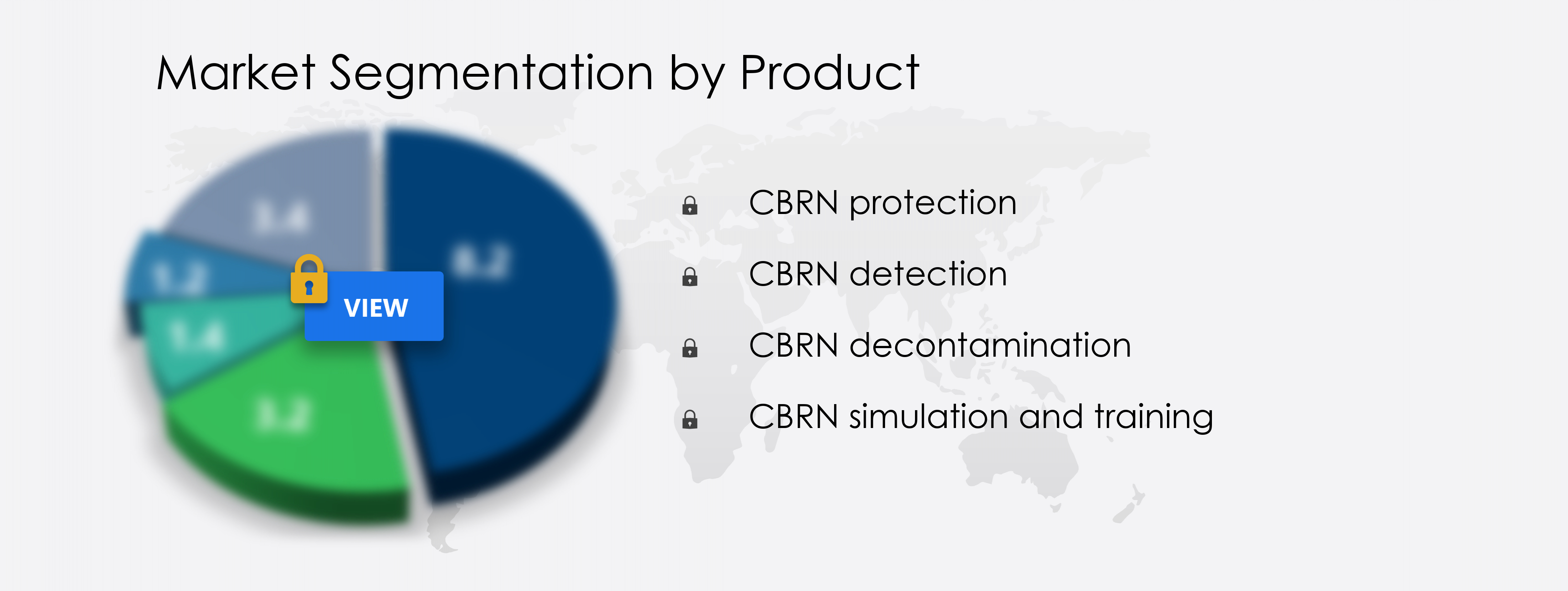
To gain further insights on the market contribution of various segments Request for a FREE sample
The chemical, biological, radiological, and nuclear defense (CBRND) market share growth by the CBRN protection segment will be significant during the forecast period. Countries like the US, the UK, Turkey, Saudi Arabia, Oman, India, South Korea, and Egypt are making massive investments in the procurement and development of CBRN force protection equipment to bolster their defense and homeland security personnel protection against extremist attacks from hostile countries. In addition, improving economic conditions and increasing territorial disputes between China and Vietnam, India and Pakistan, and North Korea and South Korea will likely result in an increased procurement of CBRN protection equipment that will strengthen their defense capabilities during the forecast
This report provides an accurate prediction of the contribution of all the segments to the growth of the chemical, biological, radiological, and nuclear defense (CBRND) market size and actionable market insights on post COVID-19 impact on each segment.
|
Chemical, Biological, Radiological, and Nuclear Defense (CBRND) Market Scope |
|
|
Report Coverage |
Details |
|
Page number |
120 |
|
Base year |
2021 |
|
Forecast period |
2022-2026 |
|
Growth momentum & CAGR |
Accelerate at a CAGR of 6.43% |
|
Market growth 2022-2026 |
$ 5.16 billion |
|
Market structure |
Fragmented |
|
YoY growth (%) |
5.97 |
|
Regional analysis |
North America, Europe, APAC, Middle East and Africa, and South America |
|
Performing market contribution |
North America at 38% |
|
Key consumer countries |
US, China, India, UK, and Russia |
|
Competitive landscape |
Leading companies, Competitive strategies, Consumer engagement scope |
|
Key companies profiled |
3M Co., AirBoss of America Corp., Alfred Karcher SE and Co. KG, Avon Rubber Plc, Bruker Corp., Chemring Group Plc, Ecolab Inc., Elbit Systems Ltd., Environics Oy, Kromek Group Plc, Leidos Holdings Inc., MSA Safety Inc., Northrop Grumman Corp., QinetiQ Group Plc, Rheinmetall AG, Saab AB, Smiths Detection Group Ltd., Thales Group, Thermo Fisher Scientific Inc., and Teledyne Technologies Inc. |
|
Market dynamics |
Parent market analysis, Market growth inducers and obstacles, Fast-growing and slow-growing segment analysis, COVID 19 impact and recovery analysis and future consumer dynamics, Market condition analysis for the forecast period |
|
Customization purview |
If our report has not included the data that you are looking for, you can reach out to our analysts and get segments customized. |
What are the Key Data Covered in this Chemical, Biological, Radiological, and Nuclear Defense (CBRND) Market Report?
- CAGR of the market during the forecast period 2022-2026
- Detailed information on factors that will drive chemical, biological, radiological, and nuclear defense (CBRND) market growth during the next five years
- Precise estimation of the chemical, biological, radiological, and nuclear defense (CBRND) market size and its contribution to the parent market
- Accurate predictions on upcoming trends and changes in consumer behavior
- The growth of the chemical, biological, radiological, and nuclear defense (CBRND) industry across North America, Europe, APAC, Middle East and Africa, and South America
- A thorough analysis of the market’s competitive landscape and detailed information on vendors
- Comprehensive details of factors that will challenge the growth of chemical, biological, radiological, and nuclear defense (CBRND) market vendors
We can help! Our analysts can customize this report to meet your requirements. Get in touch
 RIA -
RIA - 
