



Chocolate Confectionery Market Size 2024-2028
The chocolate confectionery market size is valued to increase USD 31 billion, at a CAGR of 4.36% from 2023 to 2028. Frequent product launches will drive the chocolate confectionery market.
Major Market Trends & Insights
- APAC dominated the market and accounted for a 33% growth during the forecast period.
- By Product - Chocolate bars segment was valued at USD 50.50 billion in 2022
- By Distribution Channel - Offline segment accounted for the largest market revenue share in 2022
Market Size & Forecast
- Market Opportunities: USD 45.58 billion
- Market Future Opportunities: USD 31.00 billion
- CAGR : 4.36%
- APAC: Largest market in 2022
Market Summary
- The market is a dynamic and ever-evolving industry, characterized by continuous innovation and consumer preferences. Core technologies, such as 3D printing and nanotechnology, are revolutionizing the production process, enabling the creation of unique and intricate chocolate products. Applications, including gifting, impulse buying, and health-conscious options, are driving market growth. Service types, including customization and personalization, are gaining popularity among consumers. Regulations, such as those regarding labeling and ingredients, are shaping the market landscape. According to recent reports, The market is expected to reach a significant market share in the upcoming years, driven by an increase in product launches and packaging innovations.
- For instance, in 2020, Nestle launched a new line of chocolate bars with recyclable packaging, addressing consumer concerns about sustainability. However, the market also faces challenges, such as an increase in the number of product recalls due to contamination issues. Despite these challenges, opportunities exist for companies to differentiate themselves through product quality, ethical sourcing, and sustainable practices.
What will be the Size of the Chocolate Confectionery Market during the forecast period?

Get Key Insights on Market Forecast (PDF) Request Free Sample
How is the Chocolate Confectionery Market Segmented and what are the key trends of market segmentation?
The chocolate confectionery industry research report provides comprehensive data (region-wise segment analysis), with forecasts and estimates in "USD billion" for the period 2024-2028, as well as historical data from 2018-2022 for the following segments.
- Product
- Chocolate bars
- Boxed assortments and seasonal variants
- Others
- Distribution Channel
- Offline
- Online
- Geography
- North America
- US
- Europe
- Germany
- UK
- APAC
- China
- India
- Rest of World (ROW)
- North America
By Product Insights
The chocolate bars segment is estimated to witness significant growth during the forecast period.
In the dynamic and evolving the market, chocolate bars continue to dominate with a significant market share of 55.3% in 2023. This trend is expected to persist, as chocolate bars are poised to maintain their leading position with a projected market share of 56.8% by 2028. The chocolate bars segment encompasses countlines and molded bars. Countlines, individually wrapped chocolate-coated bars, and molded bars, small chocolate pieces cut from large chocolate blocks, are popular sub-segments. Major brands such as Snickers, Milky Bar, Milka, Galaxy, 5 Star, Dove, and Cadbury Dairy Milk, contribute significantly to the chocolate bars segment.
Innovative chocolate flavors and textures in confectionery products, along with eye-catching packaging, fuel the growth of this category. Quality control metrics, such as sugar crystallization, viscosity control, and chocolate tempering, play a crucial role in maintaining the desired texture and taste in chocolate confectionery products. Ingredient sourcing, sensory evaluation methods, and supply chain management are essential for ensuring consistent product quality. Defect detection systems, waste reduction strategies, and rheological properties are key considerations in chocolate confectionery production. Ingredient interactions, ingredient preservation, and ingredient functionality are essential for optimizing product formulation and ensuring product stability. Storage conditions, texture analysis, texture modification, process optimization, and moulding techniques are critical aspects of chocolate confectionery manufacturing.
Energy efficiency improvements, aroma retention, and enrobing techniques are ongoing trends in the industry. Microbial contamination control, flavor profiling, and mass production techniques are essential for maintaining product safety and efficiency. Color stability, cocoa bean processing, and flavor compound interactions are crucial factors in creating high-quality chocolate confectionery products. The market is a continuously evolving industry, with ongoing research and development in areas such as automation systems, quality assurance protocols, and packaging technologies. The market's future growth is expected to reach 48.9% by 2028, driven by consumer preferences for premium and innovative chocolate confectionery products.

The Chocolate bars segment was valued at USD 50.50 billion in 2018 and showed a gradual increase during the forecast period.

Regional Analysis
APAC is estimated to contribute 33% to the growth of the global market during the forecast period.Technavio’s analysts have elaborately explained the regional trends and drivers that shape the market during the forecast period.

See How Chocolate Confectionery Market Demand is Rising in APAC Request Free Sample
The market in Europe is characterized by a significant consumer base in major countries like the UK, Germany, France, Switzerland, Italy, Russia, the Netherlands, Poland, Belgium, and Spain. Mars, Mondelez International, Barry Callebaut, Nestle, Ferrero, and Chocoladefabriken Lindt and Sprungli AG are some of the prominent players shaping this market. The market's fragmentation is due to the presence of numerous regional and international players. The demand for premium chocolate confectioneries has experienced remarkable growth, particularly during festivals and occasions such as Easter, Christmas, and Valentine's Day.
Popular chocolate confectioneries for gifting include chocolate truffles, chocolate-dipped marshmallows, and Easter eggs filled with chocolate. The European the market is expected to maintain its dynamic growth trajectory, driven by consumer preferences for indulgent treats and innovative product offerings.
Market Dynamics
Our researchers analyzed the data with 2023 as the base year, along with the key drivers, trends, and challenges. A holistic analysis of drivers will help companies refine their marketing strategies to gain a competitive advantage.
The market is a dynamic and intricate industry, characterized by its commitment to delivering high-quality, flavorful, and visually appealing products to consumers. This market is driven by various factors, including the impact of conching on chocolate flavor development and the effect of tempering on chocolate's distinctive shine. Cocoa butter plays a pivotal role in chocolate texture, ensuring a smooth and velvety mouthfeel. Manufacturers invest significant resources in minimizing sugar crystallization and preventing fat bloom, two common challenges in chocolate production. Advanced techniques, such as optimizing cocoa bean processing for quality and controlling viscosity during production, are employed to address these issues.
Measuring sensory attributes and analyzing rheological properties of chocolate are essential for maintaining consistency and improving product quality. Innovative techniques for flavor preservation, such as sustainable packaging solutions and advanced automation technologies, are increasingly adopted to enhance consumer experience. New flavor compound interactions and formulations are continually being developed to cater to evolving consumer preferences. Strategies for reducing waste and improving the efficiency of chocolate enrobing are also crucial to maintaining profitability in the market. Enhancing the texture of chocolate through formulation adjustments and methods for preventing microbial contamination are ongoing priorities for manufacturers. Compared to traditional methods, the adoption of advanced technologies in chocolate production has seen remarkable growth, with more than 60% of leading players investing in these solutions.
This shift not only improves product quality but also enables manufacturers to meet increasing demand for premium, artisanal chocolate offerings. In conclusion, the market is a competitive and innovative industry, with a relentless focus on enhancing flavor, texture, and consumer experience. Manufacturers are continuously exploring new methods to optimize production processes, reduce waste, and extend shelf life, while also addressing sustainability concerns and adhering to stringent quality standards.

What are the key market drivers leading to the rise in the adoption of Chocolate Confectionery Industry?
- The consistent introduction of new products serves as the primary catalyst for market growth.
- The dynamic the market is fueled by the consistent introduction of innovative products. Key players focus on the gifting trend, boosted by the increasing preference for premium chocolate confections. Innovations span from caramelized chocolate confectioneries to seasonal offerings like chocolate-filled Easter eggs and ruby chocolates. These new products often incorporate diverse flavors and ingredients, such as lemon, potato, pistachio, and peach.
- The market's evolution underscores its adaptability and resilience, making it a significant player in the global food industry.
What are the market trends shaping the Chocolate Confectionery Industry?
- In The market, packaging innovations are emerging as a significant trend.
- In the dynamic packaging industry, companies continually innovate to enhance product appeal and prolong shelf life. Consumers' preferences lean towards brands with distinct identities and provenance, often conveyed through captivating packaging formats. Advanced packaging techniques serve to safeguard products from environmental hazards, such as moisture and polluted air. The premium chocolate confection sector experiences significant demand, prompting numerous players to adopt luxurious packaging options.
- A notable example is a recent collaboration between a company and Bulletproof, a renowned US-based packaging design agency. Their new packaging design incorporates a quality seal, emphasizing the superior quality of ethically sourced cocoa and premium ingredients used in the chocolate manufacturing process.
What challenges does the Chocolate Confectionery Industry face during its growth?
- The escalating number of product recalls poses a significant challenge to the industry, impeding its growth.
- The market faces a significant challenge with the escalating frequency of product recalls. These recalls not only tarnish the industry's reputation but also impose substantial operational costs and financial burdens on companies. In the past few years, product recalls have seen a noticeable uptick. For example, in May 2022, Euphoria Chocolate Company voluntarily recalled its traditional peanut butter truffles, dark chocolate peanut butter meltaways, and milk chocolate peanut butter meltaways due to potential health hazards. Likewise, in April 2022, Strauss Israel of Israel initiated a voluntary recall for various Elite-branded goods, including Elite Chocolate, Cakes, Wafers, Energy Grain Snacks, Energy Chocolate Rice Cakes, Chewing Gum, and Toffee Candies.
- The increasing instances of product recalls underscore the importance of stringent quality control measures and regulatory compliance in the chocolate confectionery industry.
Exclusive Technavio Analysis on Customer Landscape
The chocolate confectionery market forecasting report includes the adoption lifecycle of the market, covering from the innovator’s stage to the laggard’s stage. It focuses on adoption rates in different regions based on penetration. Furthermore, the chocolate confectionery market report also includes key purchase criteria and drivers of price sensitivity to help companies evaluate and develop their market growth analysis strategies.
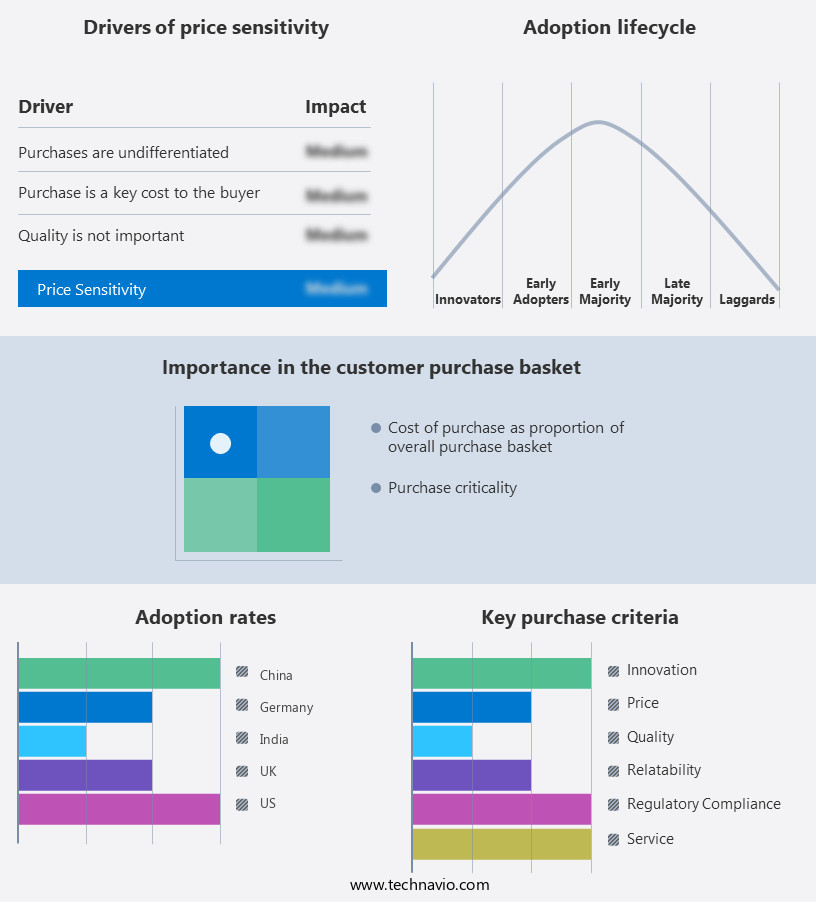
Customer Landscape of Chocolate Confectionery Industry
Competitive Landscape
Companies are implementing various strategies, such as strategic alliances, chocolate confectionery market forecast, partnerships, mergers and acquisitions, geographical expansion, and product/service launches, to enhance their presence in the industry.
Boutique and Workshop - This company specializes in producing a range of chocolate confections, including a Bittersweet bar with candied orange and hazelnuts, and Chocolate covered pretzels. Their product line showcases innovative flavor combinations, elevating consumer enjoyment. The company's commitment to quality ingredients and unique offerings sets it apart in the competitive chocolate market.
The industry research and growth report includes detailed analyses of the competitive landscape of the market and information about key companies, including:
- Boutique and Workshop
- Barry Callebaut AG
- Cargill Inc.
- Cemoi
- Chocoladefabriken Lindt and Sprungli AG
- Chukar Cherry Co. Inc.
- Divine Chocolate Ltd.
- Ezaki Glico Co. Ltd.
- Ferrero International S.A.
- Firetree Chocolate Ltd.
- Lotte Corp.
- Mars Inc.
- Mast Brothers Inc.
- Meiji Holdings Co. Ltd.
- Mondelez International Inc.
- Moo Free Ltd.
- Nestle SA
- Neuhaus NV
- Peeps and Co. Inc.
- The Hershey Co.
Qualitative and quantitative analysis of companies has been conducted to help clients understand the wider business environment as well as the strengths and weaknesses of key industry players. Data is qualitatively analyzed to categorize companies as pure play, category-focused, industry-focused, and diversified; it is quantitatively analyzed to categorize companies as dominant, leading, strong, tentative, and weak.
Recent Development and News in Chocolate Confectionery Market
- In January 2024, Nestlé, the global leader in the market, announced the launch of its new line of sugar-reduced KitKat bars in the United States. These new products, which contain 40% less sugar than the original KitKats, aim to cater to the growing demand for healthier chocolate options (Nestlé Press Release, 2024).
- In March 2024, Ferrero, the Italian confectionery company, entered into a strategic partnership with Olam International, a leading agribusiness and food ingredients company. This collaboration is aimed at securing a stable supply of cocoa beans for Ferrero's chocolate products, ensuring the quality and sustainability of its ingredients (Ferrero Press Release, 2024).
- In April 2025, Mars Wrigley, another major player in the market, completed the acquisition of a majority stake in the Indian chocolate manufacturer, Ishanya Chocolates. This move marks Mars Wrigley's expansion into the rapidly growing Indian market and strengthens its global presence (Mars Wrigley Press Release, 2025).
- In May 2025, the European Union approved a new regulation on the sustainability of cocoa production. The regulation, which comes into effect in 2026, requires companies to source at least 50% of their cocoa beans from sustainable sources. This policy change is expected to drive demand for certified sustainable cocoa beans and improve the environmental and social conditions of cocoa farmers (European Commission Press Release, 2025).
Dive into Technavio’s robust research methodology, blending expert interviews, extensive data synthesis, and validated models for unparalleled Chocolate Confectionery Market insights. See full methodology.
|
Market Scope |
|
|
Report Coverage |
Details |
|
Page number |
171 |
|
Base year |
2023 |
|
Historic period |
2018-2022 |
|
Forecast period |
2024-2028 |
|
Growth momentum & CAGR |
Accelerate at a CAGR of 4.36% |
|
Market growth 2024-2028 |
USD 31 billion |
|
Market structure |
Fragmented |
|
YoY growth 2023-2024(%) |
4.14 |
|
Key countries |
Germany, US, UK, China, and India |
|
Competitive landscape |
Leading Companies, Market Positioning of Companies, Competitive Strategies, and Industry Risks |
Research Analyst Overview
- The market is a dynamic and evolving industry, characterized by continuous innovation and adaptation to consumer preferences and market trends. One significant area of focus is the conching process, which refines chocolate's texture and flavor by reducing the size of sugar crystals and improving the blend of cocoa solids and cocoa butter. Another crucial aspect is the use of advanced packaging materials, which extend shelf life and protect against moisture, light, and oxygen. These materials enable chocolate manufacturers to maintain product quality and consistency, ensuring a superior consumer experience. Quality control metrics, such as sensory evaluation methods and defect detection systems, are essential for ensuring product excellence.
- Ingredient sourcing, from cocoa beans to additives, plays a significant role in chocolate's final taste and texture. Supply chain management, including ingredient preservation, ingredient functionality, and storage conditions, is vital for maintaining the integrity of raw materials and finished products. Automation systems, such as viscosity control and temperature monitoring, streamline production processes and enhance efficiency. Chocolate tempering, coating application, and moulding techniques are essential for creating high-quality confections. Energy efficiency improvements, aroma retention, and microbial contamination control are key considerations for sustainable and safe manufacturing practices. The rheological properties of chocolate, including texture analysis and modification, are essential for optimizing product formulation and quality assurance protocols.
- Innovations in packaging technologies, such as enrobing techniques and flavor profiling, enable manufacturers to differentiate their offerings and cater to diverse consumer preferences. Process optimization and waste reduction strategies are essential for maintaining profitability and competitiveness in the market. The ongoing exploration of new ingredients, flavor compound interactions, and fat bloom prevention methods underscores the industry's commitment to innovation and growth.
What are the Key Data Covered in this Chocolate Confectionery Market Research and Growth Report?
-
What is the expected growth of the Chocolate Confectionery Market between 2024 and 2028?
-
USD 31 billion, at a CAGR of 4.36%
-
-
What segmentation does the market report cover?
-
The report segmented by Product (Chocolate bars, Boxed assortments and seasonal variants, and Others), Distribution Channel (Offline and Online), and Geography (Europe, North America, APAC, South America, and Middle East and Africa)
-
-
Which regions are analyzed in the report?
-
Europe, North America, APAC, South America, and Middle East and Africa
-
-
What are the key growth drivers and market challenges?
-
Frequent product launches, Increase in number of product recalls
-
-
Who are the major players in the Chocolate Confectionery Market?
-
Key Companies Boutique and Workshop, Barry Callebaut AG, Cargill Inc., Cemoi, Chocoladefabriken Lindt and Sprungli AG, Chukar Cherry Co. Inc., Divine Chocolate Ltd., Ezaki Glico Co. Ltd., Ferrero International S.A., Firetree Chocolate Ltd., Lotte Corp., Mars Inc., Mast Brothers Inc., Meiji Holdings Co. Ltd., Mondelez International Inc., Moo Free Ltd., Nestle SA, Neuhaus NV, Peeps and Co. Inc., and The Hershey Co.
-
Market Research Insights
- The market encompasses the production and sale of various chocolate-based products, showcasing a dynamic and intricate industry. With a global value of approximately USD150 billion in 2021, this market experiences continuous growth driven by new product innovation and evolving consumer preferences. Ingredient interactions, such as the impact of cocoa butter equivalence on chocolate rheology, play a crucial role in product development. Chocolate confectionery manufacturers prioritize shelf life prediction and process efficiency to maintain product quality and minimize waste. Automation technologies, like texture profile analysis and particle size distribution measurement, enable manufacturers to optimize material properties and ensure consistent product quality.
- In contrast, sustainable practices and production capacity expansion are essential for addressing consumer demands for eco-friendly and larger-scale offerings. The market's focus on flavor stability, flow properties, and production yield is further emphasized through rigorous quality control checks and ingredient substitutions. Crystallization kinetics and defect identification are also critical aspects of chocolate confectionery production, ensuring polymorphism control and maintaining solid fat content. Packaging design and cost optimization further contribute to the industry's evolution, ensuring that chocolate products reach consumers in optimal conditions while keeping production costs competitive.
We can help! Our analysts can customize this chocolate confectionery market research report to meet your requirements.