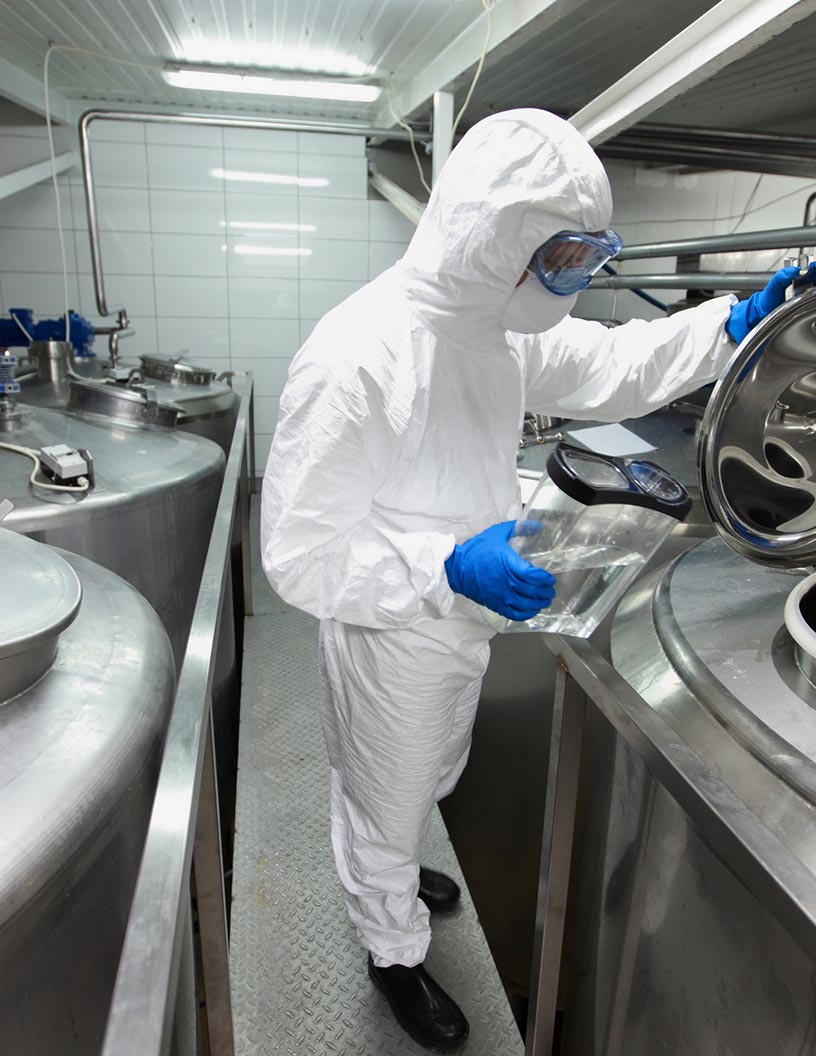


Coverall Market Size 2024-2028
The coverall market size is forecast to increase by USD 2.31 billion at a CAGR of 8.09% between 2023 and 2028.
- The market is witnessing significant growth due to various trends and challenges. One of the key growth factors is the increasing number of accidents in hazardous work environments, leading to a higher demand for protective coveralls. Additionally, the adoption of e-commerce platforms by coverall companies is expanding their reach and making it more convenient for customers to purchase coveralls. Eco-friendly and sustainable materials, such as polypropylene and blends, are increasingly gaining traction In the market due to their comfort, breathability, and reduced environmental impact. However, a lack of awareness and adherence to regulations poses a challenge to market growth. Companies must prioritize educating their customers about the importance of using appropriate coveralls in hazardous work environments and ensure compliance with relevant regulations to maintain market competitiveness. The market is expected to continue its growth trajectory, driven by these factors and others.
What will be the Size of the Coverall Market During the Forecast Period?

- The market encompasses a range of garments designed to shield the body from hazardous conditions and substances. These garments include coveralls for the head, body, and toes, crafted from various fabrics such as lightweight cotton, breathable polyester, vinyl, Tyvek, and blends. The market caters to diverse industries, with applications in healthcare, industrial activity, and hazardous chemical handling. Coveralls serve as a crucial component of worker protection, providing a barrier against hazardous chemicals and substances. Frontline workers in various sectors rely on these garments to ensure their safety and well-being.
How is this Coverall Industry segmented and which is the largest segment?
The coverall industry research report provides comprehensive data (region-wise segment analysis), with forecasts and estimates in "USD billion" for the period 2024-2028, as well as historical data from 2018-2022 for the following segments.
- Type
- Durable
- Disposable
- Distribution Channel
- Offline
- Online
- Geography
- North America
- Canada
- US
- Europe
- Germany
- UK
- APAC
- South America
- Middle East and Africa
- North America
By Type Insights
- The durable segment is estimated to witness significant growth during the forecast period.
In various industries, including oil and gas refining, durable coveralls serve a crucial role in minimizing workplace accidents and fatalities. Workers encounter hazardous conditions, such as thermal and fire hazards, which can result in severe burns or fatalities. To mitigate these risks, coveralls made from denim, cotton, and linen are commonly used due to their durability and longevity. However, disposable coveralls, often made from PVC or mixed fabrics, offer chemical protection and flame retardant properties. These coveralls are essential for workers in industries with hazardous materials, such as agriculture, construction, mining, manufacturing services, and healthcare.
Ensuring head-to-toe protection, coveralls safeguard against hazardous substances, germs, bacteria, and extreme temperatures. Lightweight and breathable materials, such as cotton and polyester, are increasingly popular for their comfort and wearability. As industries continue to industrialize, the demand for ergonomic, reusable, and lightweight coveralls will persist. Smart technologies, including sensors and wearable devices, are also integrated into coveralls for real-time monitoring and increased safety.
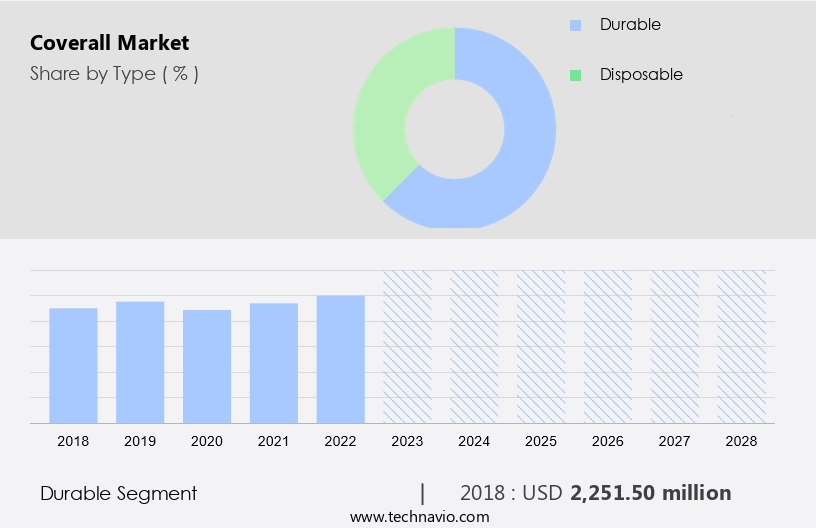
Get a glance at the market report of share of various segments Request Free Sample
The durable segment was valued at USD 2.25 billion in 2018 and showed a gradual increase during the forecast period.
Regional Analysis
- North America is estimated to contribute 33% to the growth of the global market during the forecast period.
Technavio's analysts have elaborately explained the regional trends and drivers that shape the market during the forecast period.
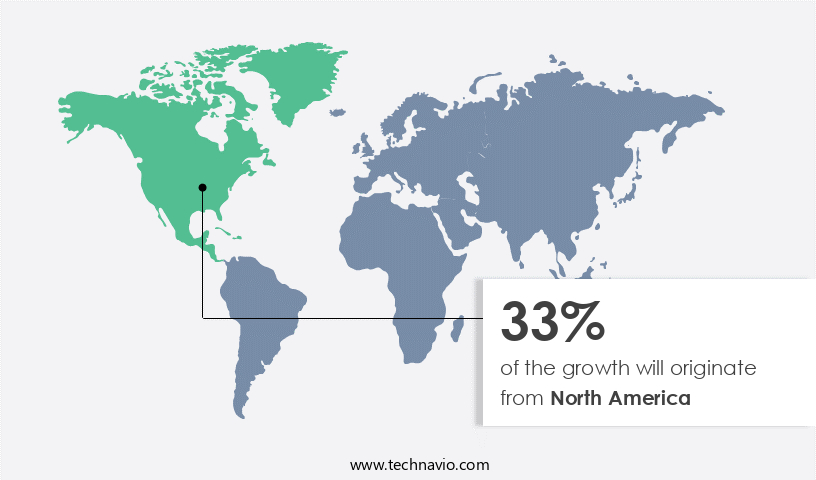
For more insights on the market size of various regions, Request Free Sample
The North American coveralls market is experiencing growth due to the increasing employment rates and economic development In the region. A significant factor contributing to this growth is the growth in infrastructure projects, such as the Hudson Yards project in Manhattan and the 78 project, which are currently underway In the US. These projects require extensive labor and the use of protective coveralls to ensure worker safety in hazardous conditions and against hazardous materials, including chemicals, germs, and bacteria. In 2022, there were 5,486 fatal work injuries In the US, highlighting the importance of proper protection In the workplace. Coveralls come in various types, including protective suits for full-length or short-sleeved use, made from lightweight and breathable materials such as cotton, polyester, vinyl, Tyvek, and blends.
They offer different levels of protection, including chemical and flame retardant resistance, and are available through various sales channels, including online stores and specialty stores. The market for coveralls also caters to industries such as agriculture, construction, mining, manufacturing services, and healthcare, with a focus on ergonomic design, durability, and comfort. With the increasing focus on safety, hygiene, and sustainability, there is a growing demand for eco-friendly and recycled materials in coveralls. Smart technologies, such as sensors and wearable devices, are also being integrated into coveralls for real-time monitoring and convenience.
Market Dynamics
Our researchers analyzed the data with 2023 as the base year, along with the key drivers, trends, and challenges. A holistic analysis of drivers will help companies refine their marketing strategies to gain a competitive advantage.
What are the key market drivers leading to the rise In the adoption of Coverall Industry?
Increasing number of accidents due to hazardous work environments is the key driver of the market.
- The global market for coveralls is experiencing significant growth due to the increasing prioritization of worker safety in various industries. Hazardous conditions, such as extreme temperatures, chemical exposure, and the presence of germs and bacteria, are common in manufacturing, chemical, O and G, and construction industries. These hazards can lead to workplace accidents, illnesses, and fatalities, making the demand for protective coveralls a necessity. Protective coveralls come in various types, including full-length, short-sleeved, and head-to-toe protection suits. They are made from lightweight and breathable fabrics, such as cotton, polyester, vinyl, Tyvek, and PVC, providing chemical protection and flame retardant properties.
- Ergonomic coveralls are also available, ensuring comfort and ease of movement. The sales channel for coveralls includes online stores and specialty stores. Durable coveralls are suitable for industrialization and heavy-duty work, while disposable coveralls offer convenience of use and lower laundering costs. Coveralls provide protection against hazardous materials, hazardous chemicals, and other potential risks, such as dust, debris, and water. Smart technologies, such as sensors and wearable devices, are being integrated into coveralls for real-time monitoring and improved safety. Eco-friendly and sustainable materials, such as biodegradable materials and recycled materials, are also gaining popularity In the market. Thus, The market is expected to grow due to the increasing awareness of workplace safety and the need to protect workers from hazardous conditions and substances. The market offers various types of coveralls made from different fabrics and materials, catering to the specific needs of various industries. Smart technologies and sustainable materials are also driving innovation In the market.
What are the market trends shaping the Coverall Industry?
Use of e-commerce by coverall companies is the upcoming market trend.
- Protective clothing, including body covers, headgear, and toe protection, is essential in various industries to ensure worker safety and hygiene. Lightweight and breathable fabrics, such as cotton and polyester, are commonly used for coveralls due to their comfort and durability. However, for hazardous conditions involving hazardous materials, chemicals, germs, and bacteria, protective suits made of Tyvek, vinyl, or PVC fabric offer superior protection. Industrialization has led to an increased need for protective coveralls in sectors like agriculture, construction, mining, manufacturing services, and healthcare. Ergonomic and reusable coveralls are popular choices for safety personnel due to their convenience and cost-effectiveness. Durable disposable coveralls are also available for single-use protective gear in high-risk environments.
- The market for protective coveralls is diverse, with sales channels including online stores and specialty stores. The demand for lightweight, breathable, and eco-friendly materials, such as blends of polypropylene and recycled materials, is increasing due to concerns over occupational risks and sustainability. Smart technologies, such as sensors and wearable devices, offer real-time monitoring and enhance worker protection. The growth of e-commerce and the increasing adoption of protective coveralls by various industries are driving the market forward.
What challenges does the Coverall Industry face during its growth?
Lack of awareness and adherence to regulations is a key challenge affecting the industry growth.
- The protective clothing market In the US has seen significant growth due to the increasing awareness of workplace safety and the need for head-to-toe protection against hazardous materials, extreme temperatures, and other hazardous conditions. Coveralls, including full-length and short-sleeved models, are a crucial part of this market. These protective garments are made from various materials such as lightweight cotton, breathable polyester, vinyl, Tyvek, and PVC fabric. They offer different types of protection, including chemical resistance, flame retardancy, and blood-borne pathogen protection. Coveralls are essential in industries such as agriculture, construction, mining, manufacturing services, and healthcare, where workers are exposed to hazardous substances, germs, bacteria, and other occupational risks.
- Safety personnel In these industries require durable and disposable coveralls for their work environments, which may include water, wind, painting, cleanrooms, and extreme temperatures. Ergonomic coveralls made from eco-friendly and sustainable materials, such as blends of polypropylene and recycled materials, are gaining popularity due to their comfort, breathability, and potential cost savings from reduced laundering costs. Smart technologies, such as sensors and wearable devices, are also being integrated into coveralls for real-time monitoring and potential risk reduction. However, there are potential risks associated with the use of disposable coveralls, such as potential exposure to dust and debris during removal, and the convenience of use and potential costs should be considered. It is essential for end-users to conduct proper research and adhere to regulations regarding the type of protection required and the training of workers In the proper use, repair, and maintenance of coveralls.
Exclusive Customer Landscape
The coverall market forecasting report includes the adoption lifecycle of the market, market growth and forecasting, covering from the innovator's stage to the laggard's stage. It focuses on adoption rates in different regions based on penetration. Furthermore, the coverall market report also includes key purchase criteria and drivers of price sensitivity to help companies evaluate and develop their market growth analysis strategies.
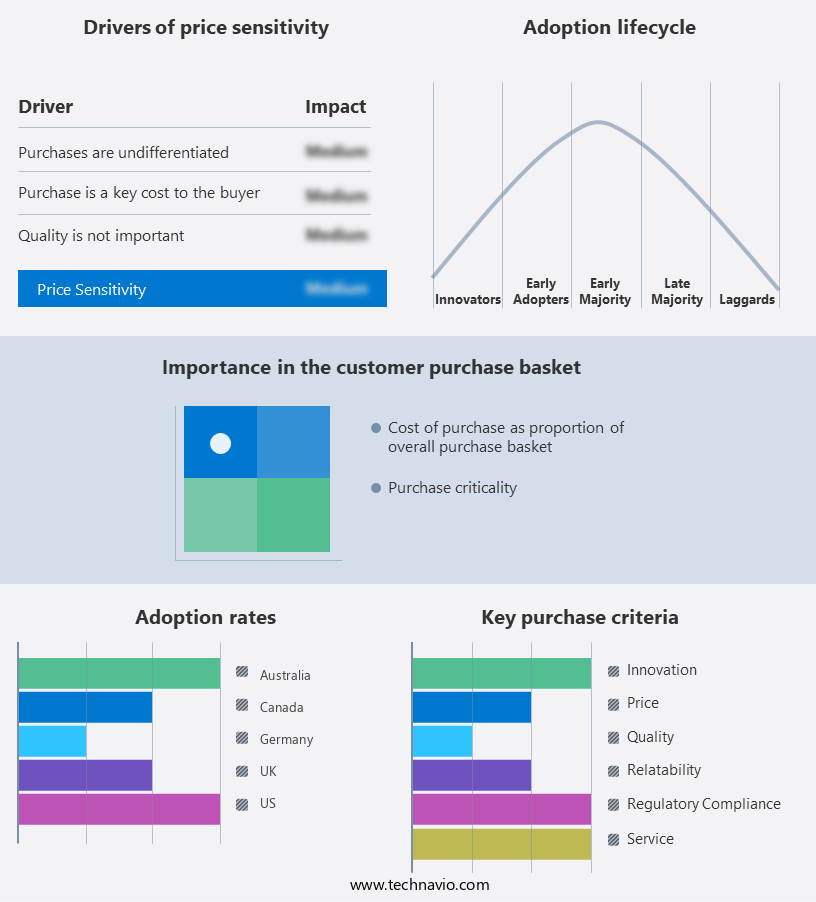
Customer Landscape
Key Companies & Market Insights
Companies are implementing various strategies, such as strategic alliances, coverall market forecast, partnerships, mergers and acquisitions, geographical expansion, and product/service launches, to enhance their presence In the industry.
The industry research and growth report includes detailed analyses of the competitive landscape of the market and information about key companies, including:
- 3M Co.
- Alliance linen
- Anbu Safety Industrial Co. Ltd.
- Ansell Ltd.
- ASATEX AG
- Ballyclare Ltd.
- Cortex Products India Pvt. Ltd.
- Derekduck Industries Corp.
- DuPont de Nemours Inc.
- Honeywell International Inc.
- Kimberly Clark Corp.
- National Textile and Apparel Inc.
- Plasti Surge Industries Pvt. Ltd.
- Samarth Industries
- Sioen Industries NV
- Trimax Coverall Sdn Bhd
- Universal Overall Co.
- UVEX WINTER HOLDING GmbH and Co. KG
- Wearce
- Workwear Outfitters
Qualitative and quantitative analysis of companies has been conducted to help clients understand the wider business environment as well as the strengths and weaknesses of key industry players. Data is qualitatively analyzed to categorize companies as pure play, category-focused, industry-focused, and diversified; it is quantitatively analyzed to categorize companies as dominant, leading, strong, tentative, and weak.
Research Analyst Overview
The market encompasses a wide range of garments designed to shield individuals from various hazards in diverse work environments. These coveralls are essential in safeguarding the human body from hazardous materials and conditions. The primary focus of this market is to provide comprehensive protection for the body, head, and toes, ensuring the safety and well-being of workers. Lightweight and breathable fabrics, such as cotton and polyester, are commonly used In the production of protective coveralls. These materials offer optimal comfort and flexibility, enabling workers to perform their tasks efficiently and effectively. Other fabric types, like vinyl and Tyvek, offer additional benefits, such as chemical protection and flame retardancy.
The protective clothing market caters to various industries, including agriculture, construction, mining, manufacturing services, and healthcare. Workers In these sectors are exposed to a range of hazards, including hazardous chemicals, extreme temperatures, water, wind, and debris. Protective coveralls are crucial in mitigating the risks associated with these hazards, ensuring the health and safety of the workforce. The demand for protective coveralls is driven by the increasing industrialization and the need for worker protection. Ergonomic design, durability, and convenience are key factors influencing the sales channel preferences of consumers. Reusable coveralls offer cost-effective solutions for industries with high laundering costs, while disposable coveralls provide a convenient and single-use alternative.
The protective clothing market is continually evolving, with advancements in materials and technologies. Eco-friendly and sustainable materials, such as biodegradable and recycled fabrics, are gaining popularity due to their environmental benefits. Smart technologies, including sensors and wearable devices, enable real-time monitoring and enhance the overall functionality of protective coveralls. The potential risks associated with protective coveralls include potential exposure to dust, debris, and other hazardous substances. It is essential to ensure that the coveralls provide adequate protection against these risks while maintaining comfort and breathability. The use of mixed fabrics and advanced technologies can help mitigate these risks while offering enhanced protection and functionality.
Thus, the market plays a vital role in safeguarding workers from hazardous materials and conditions. The market caters to various industries and offers a range of solutions, including lightweight, breathable coveralls, disposable coveralls, and advanced technologies. Continual innovation and the adoption of eco-friendly materials are key trends driving the growth of this market.
|
Market Scope |
|
|
Report Coverage |
Details |
|
Page number |
165 |
|
Base year |
2023 |
|
Historic period |
2018-2022 |
|
Forecast period |
2024-2028 |
|
Growth momentum & CAGR |
Accelerate at a CAGR of 8.09% |
|
Market growth 2024-2028 |
USD 2.31 billion |
|
Market structure |
Fragmented |
|
YoY growth 2023-2024(%) |
7.32 |
|
Key countries |
US, Canada, Germany, UK, and Australia |
|
Competitive landscape |
Leading Companies, Market Positioning of Companies, Competitive Strategies, and Industry Risks |
What are the Key Data Covered in this Coverall Market Research and Growth Report?
- CAGR of the Coverall industry during the forecast period
- Detailed information on factors that will drive the growth and forecasting between 2024 and 2028
- Precise estimation of the size of the market and its contribution of the industry in focus to the parent market
- Accurate predictions about upcoming growth and trends and changes in consumer behaviour
- Growth of the market across North America, Europe, APAC, South America, and Middle East and Africa
- Thorough analysis of the market's competitive landscape and detailed information about companies
- Comprehensive analysis of factors that will challenge the coverall market growth of industry companies
We can help! Our analysts can customize this coverall market research report to meet your requirements.
 RIA -
RIA -