
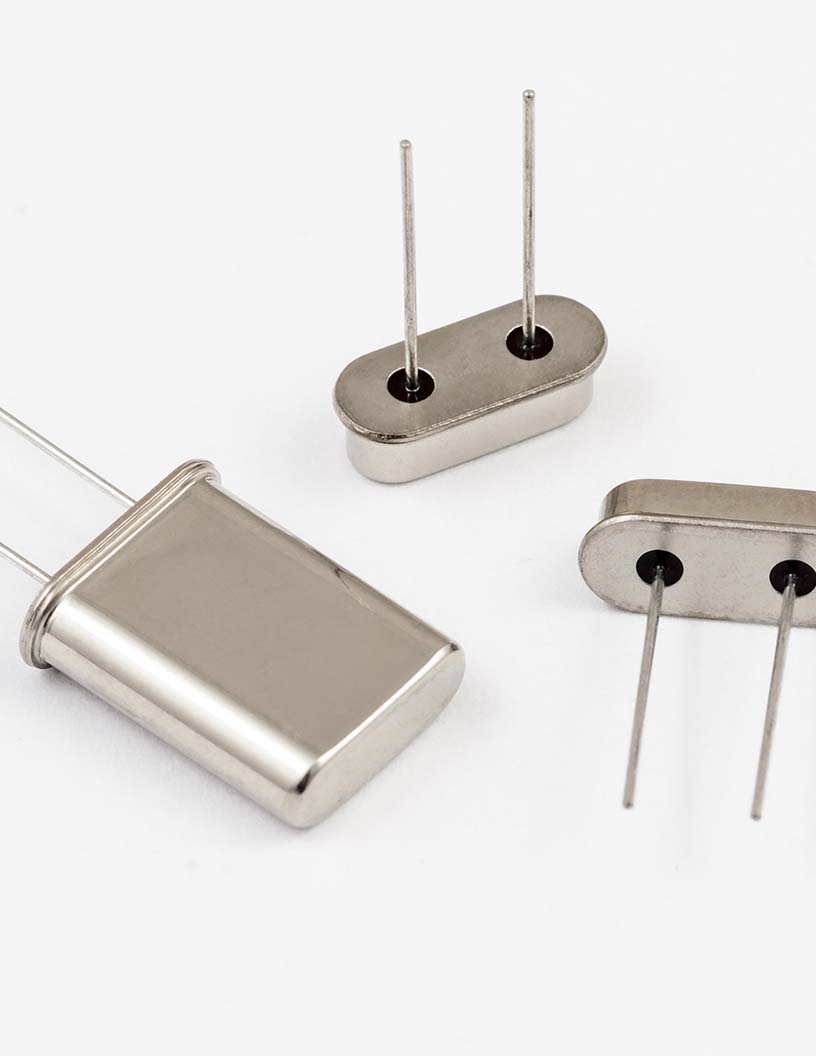


Crystal Oscillator Market Size 2024-2028
The crystal oscillator market size is forecast to increase by USD 953.33 million, at a CAGR of 5.14% between 2023 and 2028.
- The market is experiencing significant growth and innovation, driven by the increasing integration of crystal oscillators with System-on-Chip (SoC) solutions. This trend is enabling the development of more compact and efficient electronic devices. Another key driver is the progress in the field of high-frequency crystal oscillators, which are increasingly being adopted in various industries for their superior performance and precision. Additionally, the rising demand for Micro-Electro-Mechanical Systems (MEMS) oscillators is fueling market expansion. However, the market faces challenges, including the need for higher frequency stability and the increasing competition from alternative frequency generation technologies such as quartz oscillators and TCXOs.
- Companies seeking to capitalize on market opportunities must focus on delivering high-performance, cost-effective crystal oscillator solutions that meet the evolving demands of their industries. Navigating these challenges effectively will require continuous innovation and strategic partnerships.
What will be the Size of the Crystal Oscillator Market during the forecast period?

Explore in-depth regional segment analysis with market size data - historical 2018-2022 and forecasts 2024-2028 - in the full report.
Request Free Sample
The market is characterized by continuous evolution and dynamic market activities, driven by the ever-evolving needs of various sectors. This market encompasses various components and processes, including data acquisition, wafer fabrication, failure rate analysis, frequency tuning, and quality assurance. These elements are integral to the manufacturing process of crystal oscillators, which are essential in consumer electronics, computer systems, automotive electronics, military applications, and more. In the realm of consumer electronics, crystal oscillators play a pivotal role in clock generation, ensuring precise timing for various functions. In the manufacturing process, modeling tools and testing procedures are employed to optimize production yield and signal purity.
Environmental tolerance, vibration resistance, and shock resistance are crucial factors in ensuring the reliability of these components in various applications. The automotive sector demands crystal oscillators with high temperature tolerance and robustness, while computer systems require oscillators with low phase noise and high frequency stability. In the aerospace industry, oscillators must meet stringent RoHS compliance and frequency drift requirements. Surface mount technology and thin film deposition are essential in the production of modern oscillators. Supply chain management, lead time optimization, and inventory management are also critical aspects of the market. Crystal oscillators are indispensable in wireless communication systems, high performance computing, industrial automation, and data centers.
As technology advances, oscillator designs are becoming more complex, with a focus on minimizing harmonic distortion, power consumption, and oscillator aging. Design optimization, simulation software, and calibration methods are essential tools in this regard. Crystal growth techniques and chip scale packaging are also evolving to meet the demands of high frequency applications and miniaturization. In conclusion, the market is a dynamic and evolving landscape, with ongoing developments in technology, manufacturing processes, and applications. The market's continuous growth is driven by the ever-increasing demand for precise timing and frequency control in various sectors, from consumer electronics to industrial automation and aerospace.
How is this Crystal Oscillator Industry segmented?
The crystal oscillator industry research report provides comprehensive data (region-wise segment analysis), with forecasts and estimates in "USD million" for the period 2024-2028, as well as historical data from 2018-2022 for the following segments.
- Type
- Surface mount
- Thru hole
- Application
- Consumer electronics
- Telecom and networking
- Military and defense
- Automotive
- Others
- Geography
- North America
- US
- APAC
- China
- Japan
- South Korea
- Taiwan
- Rest of World (ROW)
- North America
.
By Type Insights
The surface mount segment is estimated to witness significant growth during the forecast period.
Surface mount crystal oscillators play a vital role in electronic devices and systems, delivering precise timing signals for clocking and synchronization functions. The expanding use of electronics in industries such as consumer electronics, telecommunications, automotive, industrial automation, and the Internet of Things (IoT) fuels the demand for these components. As data processing, communication, and synchronization functions in electronic systems necessitate higher data rates, bandwidths, and processing speeds, there is a growing need for surface mount crystal oscillators that can operate at higher frequencies while ensuring superior frequency stability, phase noise, and jitter performance. Manufacturers focus on enhancing the output power and frequency tuning capabilities of these oscillators to cater to the evolving needs of various applications.
Wafer fabrication processes and quality assurance measures are crucial in maintaining the reliability and consistency of these components. Modeling tools and testing procedures are employed to optimize the manufacturing process and ensure production yield. Environmental tolerance, including temperature compensation and vibration resistance, is essential for oscillators used in automotive electronics and industrial applications. Surface mount technology facilitates automated assembly and reduces lead times. Design optimization and inventory management are essential aspects of the supply chain for these components. In high-performance computing, aerospace, and military applications, oscillators require stringent frequency stability, frequency drift, and ROHS compliance. Timing circuits and packaging options cater to diverse requirements, from chip scale packaging in data centers to metal and ceramic packages in low-frequency applications.
Calibration methods and frequency synthesis techniques are employed to ensure signal purity and minimize harmonic distortion and spurious emissions. Power consumption and temperature compensation are critical considerations for oscillators used in wireless communication systems and medical devices. The market for surface mount crystal oscillators continues to evolve, driven by advancements in technology and the increasing demand for precise timing signals in a wide range of applications.

The Surface mount segment was valued at USD 1816.23 million in 2018 and showed a gradual increase during the forecast period.
Regional Analysis
APAC is estimated to contribute 53% to the growth of the global market during the forecast period. Technavio's analysts have elaborately explained the regional trends and drivers that shape the market during the forecast period.

The market in the Asia Pacific (APAC) region is experiencing significant growth due to the region's dominance in electronics manufacturing. Countries like China, Japan, South Korea, Taiwan, and Southeast Asian nations host major hubs for electronics production. The burgeoning electronics industry in APAC, fueled by rising consumer demand for smartphones, tablets, wearables, and smart home devices, as well as automotive electronics, drives the need for crystal oscillators in timing and synchronization applications. Moreover, the adoption of advanced technologies such as 4G LTE, 5G, and the Internet of Things (IoT) in the APAC region is leading to increased demand for high-performance crystal oscillators.
These oscillators are essential components in RF transceivers, baseband processors, and frequency synthesizers for wireless connectivity, data transmission, and timing synchronization in mobile devices. Manufacturing processes, including wafer fabrication, modeling tools, testing procedures, and production yield, play a crucial role in crystal oscillator production. Ensuring signal purity, environmental tolerance, and frequency stability are essential for meeting the stringent requirements of various applications, such as automotive electronics, computer systems, military applications, and aerospace industries. Surface mount technology, clock generation, harmonic distortion, power consumption, temperature compensation, and high frequency applications are some of the critical factors influencing crystal oscillator design and manufacturing.
Supply chain management, inventory management, and component sourcing are also essential aspects of the market. Crystal oscillators are used in various industries, including consumer electronics, industrial automation, high performance computing, and data centers. They are also integral components in medical devices, frequency synthesis, and wireless communication systems. Quality assurance, design optimization, and inventory management are essential for maintaining production yield and ensuring the reliability and accuracy of crystal oscillators. Additionally, factors such as phase noise, chip scale packaging, operating temperature, and packaging options impact crystal oscillator performance and selection. In summary, the market in the APAC region is witnessing robust growth due to the region's dominance in electronics manufacturing and the increasing demand for high-performance crystal oscillators in various applications, including wireless communication, automotive electronics, and industrial automation.
Market Dynamics
Our researchers analyzed the data with 2023 as the base year, along with the key drivers, trends, and challenges. A holistic analysis of drivers will help companies refine their marketing strategies to gain a competitive advantage.
What are the key market drivers leading to the rise in the adoption of Crystal Oscillator Industry?
- The integration of crystal oscillators into System-on-Chip (SoC) solutions is a significant trend driving market growth. This convergence of technologies enhances the performance and functionality of electronic devices, making it a mandatory development for industry professionals.
- Crystal oscillators are essential components in various electronic systems, including industrial automation, data centers, medical devices, and RF design. SoC solutions, which integrate all necessary components of a system onto a single semiconductor chip, have revolutionized the use of crystal oscillators. This integration eliminates the need for separate oscillator components on the printed circuit board, resulting in space savings and the development of more compact devices. Industrial automation applications require high-precision and stable oscillators to ensure accurate control and synchronization of processes. Phase noise and spurious emissions are critical factors in oscillator selection for these applications.
- SoC solutions with integrated crystal oscillators provide improved phase noise and reduced spurious emissions, making them an ideal choice for industrial automation. Data centers and frequency synthesis systems require oscillators with low phase noise and high stability to ensure accurate clocking and synchronization of various components. Integrated crystal oscillators in SoC solutions offer these benefits, contributing to the efficiency and reliability of data centers. Medical devices, particularly those with low-frequency applications, require precise and stable oscillators for accurate timing and synchronization. Metal and ceramic packages provide the necessary temperature stability for these applications. SoC solutions with integrated crystal oscillators offer these packages, ensuring the required performance and reliability.
- Quality control and calibration methods are crucial in various industries, including medical devices and RF design. Integrated crystal oscillators in SoC solutions offer improved calibration capabilities and facilitate easier quality control processes. In conclusion, the integration of crystal oscillators into SoC solutions offers numerous benefits, including space savings, improved performance, and easier quality control processes. Applications such as industrial automation, data centers, medical devices, and RF design can all benefit from this integration.
What are the market trends shaping the Crystal Oscillator Industry?
- High-frequency crystal oscillators are currently experiencing significant development, representing a notable market trend. This advancement is driven by the increasing demand for high-performance electronic devices and communication systems.
- High-frequency crystal oscillators are essential components in various applications that demand precise electrical signals at frequencies beyond the capabilities of standard crystal oscillators. These oscillators are indispensable in sectors such as telecommunications, wireless communication, radar systems, instrumentation, and test equipment. The technology behind high-frequency crystal oscillators is continually evolving, driven by research and development efforts in crystal cutting techniques, resonator materials, and oscillator circuit designs. These advancements aim to enhance the oscillators' performance at higher frequencies while maintaining stability, phase noise, and reliability. The development of high-frequency crystal oscillators is intricately linked to the progression of emerging technologies and applications.
- For instance, in consumer electronics, the increasing demand for faster data acquisition and processing in devices like smartphones and laptops necessitates the use of high-frequency crystal oscillators. Similarly, in manufacturing processes, modeling tools and testing procedures rely on these oscillators to ensure production yield and signal purity. Moreover, high-frequency crystal oscillators find extensive applications in industries like automotive electronics and computer systems, where environmental tolerance and frequency tuning are critical. As the market for these industries expands, so does the demand for high-performance oscillators. Quality assurance and failure rate are essential considerations in the manufacturing process to ensure the oscillators meet the stringent requirements of their respective applications.
What challenges does the Crystal Oscillator Industry face during its growth?
- The increasing demand for MEMS (Micro-Electromechanical Systems) oscillators poses a significant challenge to the industry's growth trajectory. MEMS oscillators are essential components in various applications, including telecommunications, automotive, and consumer electronics. As the market for these products expands, the pressure on manufacturers to meet the rising demand for high-performance, cost-effective, and miniaturized oscillators intensifies. Consequently, the industry must innovate and adapt to meet these demands, ensuring sustainable growth and competitiveness.
- MEMS (Micro-Electro-Mechanical Systems) oscillators are compact and efficient electronic devices that generate precise and stable oscillating signals. Utilizing microfabrication techniques, MEMS oscillators create miniature mechanical structures on a silicon substrate, enabling high-frequency oscillations with minimal power consumption and superior frequency stability. This technology is increasingly sought after due to the growing demand for miniaturized components in various industries, including military applications, wireless communication, and aerospace. MEMS oscillators' small form factor makes them suitable for integration into space-constrained designs, such as smartphones, wearables, and IoT devices. Moreover, their power efficiency is advantageous for battery-powered and energy-conserving applications.
- Surface mount technology (SMT) is commonly used in MEMS oscillator manufacturing, allowing for a more compact design and improved supply chain management. Thin film deposition techniques are employed to create the necessary electrical connections, ensuring a robust and reliable product. Harmonic distortion and frequency drift are critical performance factors for oscillators, and MEMS technology offers significant improvements in both areas. Frequency stability and temperature compensation are also essential for maintaining precise timing in various applications. As the market for high-frequency applications continues to expand, MEMS oscillators' role becomes increasingly significant. Simulation software is used extensively in the design and development process to optimize performance and ensure compliance with industry standards, such as RoHS (Restriction of Hazardous Substances).
- In conclusion, MEMS oscillators represent a promising solution for manufacturers seeking miniature, power-efficient, and high-performance oscillators for their electronic designs. Their role in various industries, including military, wireless communication, and aerospace, is expected to grow as the demand for compact and efficient components continues to increase.
Exclusive Customer Landscape
The crystal oscillator market forecasting report includes the adoption lifecycle of the market, covering from the innovator's stage to the laggard's stage. It focuses on adoption rates in different regions based on penetration. Furthermore, the crystal oscillator market report also includes key purchase criteria and drivers of price sensitivity to help companies evaluate and develop their market growth analysis strategies.

Customer Landscape
Key Companies & Market Insights
Companies are implementing various strategies, such as strategic alliances, crystal oscillator market forecast, partnerships, mergers and acquisitions, geographical expansion, and product/service launches, to enhance their presence in the industry.
Abracon LLC - This company specializes in the production and distribution of premium syrups, including Madagascar bourbon vanilla bean, caramel, and French vanilla varieties.
The industry research and growth report includes detailed analyses of the competitive landscape of the market and information about key companies, including:
- Abracon LLC
- CTS Corp.
- Daishinku Corp.
- Diodes Inc.
- ECS Inc.
- Greenray Industries Inc.
- HOSONIC TECHNOLOGY GROUP CO. LTD.
- KYOCERA Corp.
- MegaChips Corp.
- Microchip Technology Inc.
- Murata Manufacturing Co. Ltd.
- Nihon Dempa Kogyo Co. Ltd.
- Q Tech Corp.
- Rakon Ltd.
- River Eletec Corp.
- Seiko Epson Corp.
- SIWARD Crystal Technology Co. Ltd.
- Texas Instruments Inc.
- The Swatch Group Ltd.
- TXC Corp.
Qualitative and quantitative analysis of companies has been conducted to help clients understand the wider business environment as well as the strengths and weaknesses of key industry players. Data is qualitatively analyzed to categorize companies as pure play, category-focused, industry-focused, and diversified; it is quantitatively analyzed to categorize companies as dominant, leading, strong, tentative, and weak.
Recent Development and News in Crystal Oscillator Market
- In February 2023, Texas Instruments, a leading semiconductor company, introduced a new series of high-performance crystal oscillators, the MSP-CSC010, designed for industrial, automotive, and communication applications. These oscillators offer low power consumption and high frequency stability, making them suitable for various industries (Texas Instruments Press Release, 2023).
- In May 2024, Murata Electronics and Vesper Technologies, a leading micro-electromechanical systems (MEMS) sensor company, announced a strategic partnership to integrate Murata's crystal oscillators with Vesper's ultrasonic sensors. This collaboration aims to create advanced sensor solutions for automotive, industrial, and consumer applications (Murata Electronics Press Release, 2024).
- In August 2024, STMicroelectronics, a global semiconductor leader, completed the acquisition of Sensirion's crystal oscillator business. This acquisition expanded STMicroelectronics' product portfolio and strengthened its position in the market (STMicroelectronics Press Release, 2024).
Research Analyst Overview
- The market encompasses various applications, from time keeping in consumer electronics to frequency reference in military systems. Quartz crystals remain the primary technology, with resonance frequency determining their suitability for diverse applications. Compliance testing and performance verification are crucial in ensuring the reliability and accuracy of oscillator circuits. Custom designs and application-specific oscillators cater to industry standards, including energy efficiency and military specifications. Technical documentation and design for testability are essential for oscillator component lifecycle management. Advanced packaging and design for reliability are key trends, as industry standards evolve. Oscillator circuit design prioritizes timing accuracy, low power design, and design for manufacturing.
- Piezoelectric effect and reliability analysis are integral to failure analysis and improving oscillator performance. Automated testing and IEC standards streamline manufacturing processes, while digital PLLs offer enhanced flexibility. Quality factor (Q) and frequency stability are crucial performance metrics, with ongoing research focusing on improving these aspects. Overall, the market continues to evolve, driven by technological advancements and evolving industry requirements.
Dive into Technavio's robust research methodology, blending expert interviews, extensive data synthesis, and validated models for unparalleled Crystal Oscillator Market insights. See full methodology.
|
Market Scope |
|
|
Report Coverage |
Details |
|
Page number |
163 |
|
Base year |
2023 |
|
Historic period |
2018-2022 |
|
Forecast period |
2024-2028 |
|
Growth momentum & CAGR |
Accelerate at a CAGR of 5.14% |
|
Market growth 2024-2028 |
USD 953.33 million |
|
Market structure |
Fragmented |
|
YoY growth 2023-2024(%) |
4.48 |
|
Key countries |
US, China, Taiwan, South Korea, and Japan |
|
Competitive landscape |
Leading Companies, Market Positioning of Companies, Competitive Strategies, and Industry Risks |
What are the Key Data Covered in this Crystal Oscillator Market Research and Growth Report?
- CAGR of the Crystal Oscillator industry during the forecast period
- Detailed information on factors that will drive the growth and forecasting between 2024 and 2028
- Precise estimation of the size of the market and its contribution of the industry in focus to the parent market
- Accurate predictions about upcoming growth and trends and changes in consumer behaviour
- Growth of the market across APAC, North America, Europe, Middle East and Africa, and South America
- Thorough analysis of the market's competitive landscape and detailed information about companies
- Comprehensive analysis of factors that will challenge the crystal oscillator market growth of industry companies
We can help! Our analysts can customize this crystal oscillator market research report to meet your requirements.