


Decorative Paper Market Size 2026-2030
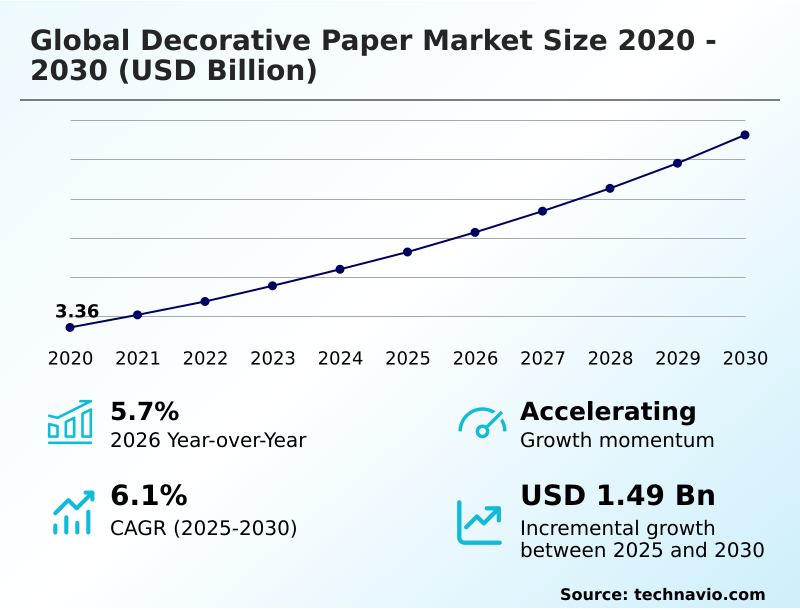
The decorative paper market size is valued to increase by USD 1.49 billion, at a CAGR of 6.1% from 2025 to 2030. Rising demand for engineered wood and sustainable surfacing alternatives will drive the decorative paper market.
Major Market Trends & Insights
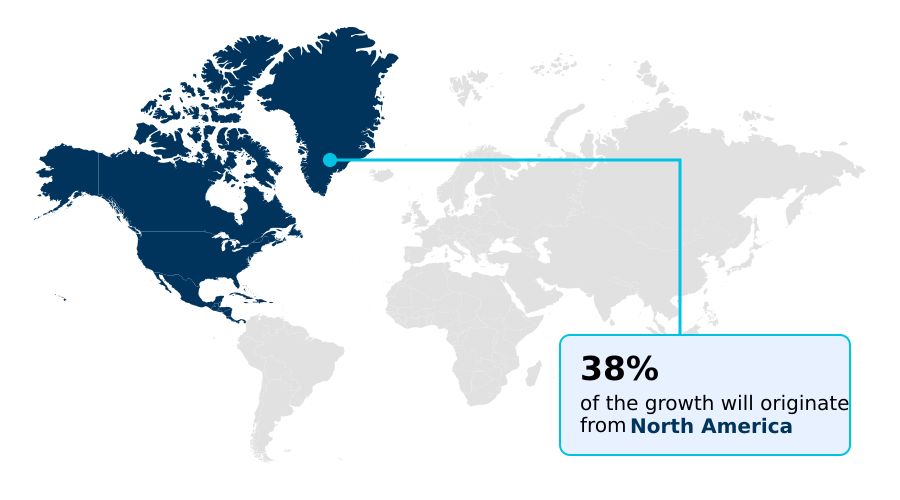
- North America dominated the market and accounted for a 37.5% growth during the forecast period.
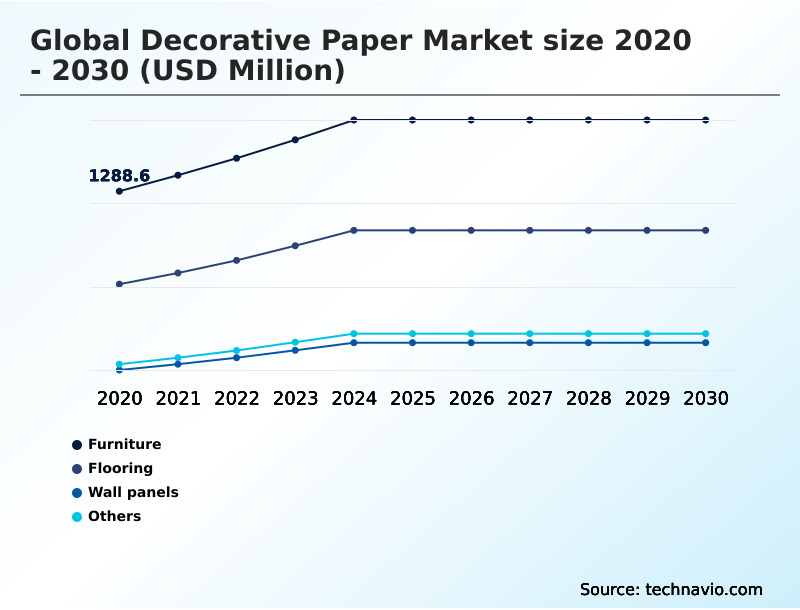
- By Application - Furniture segment was valued at USD 1.58 billion in 2024
- By Distribution Channel - Offline segment accounted for the largest market revenue share in 2024
Market Size & Forecast
- Market Opportunities: USD 2.45 billion
- Market Future Opportunities: USD 1.49 billion
- CAGR from 2025 to 2030 : 6.1%
Market Summary
- The decorative paper market is defined by its critical role in the furniture, flooring, and interior design industries, providing aesthetic and functional surfaces for a wide range of applications. This industry functions through the transformation of specialized base papers, which are printed and then saturated with resins to create durable laminates.
- These laminates are bonded to substrates like medium density fiberboard (MDF) and particleboard. A key driver is the increasing preference for engineered wood solutions as a sustainable and cost-effective alternative to solid wood. This trend is coupled with technological advancements in digital printing, which allow for greater design flexibility and customization.
- However, the market grapples with challenges such as fluctuating raw material costs and complex global supply chains. For instance, a furniture manufacturer aiming to launch a new line of cabinets must navigate these dynamics carefully.
- They must source decorative papers that meet specific design trends and technical specifications, such as scratch resistance and color stability, while also managing the procurement risks associated with resin and pulp price volatility to maintain profitability and ensure timely delivery to retailers.
- This balancing act between design innovation, cost management, and supply chain resilience is central to the market's operational reality.
What will be the Size of the Decorative Paper Market during the forecast period?
Get Key Insights on Market Forecast (PDF) Get Free Sample
How is the Decorative Paper Market Segmented?
The decorative paper industry research report provides comprehensive data (region-wise segment analysis), with forecasts and estimates in "USD million" for the period 2026-2030, as well as historical data from 2020-2024 for the following segments.
- Application
- Furniture
- Flooring
- Wall panels
- Others
- Distribution channel
- Offline
- Online
- Product type
- Print base paper
- Absorbent kraft paper
- Decorative laminates paper
- Specialty decorative paper
- Geography
- North America
- US
- Canada
- Mexico
- Europe
- Germany
- Italy
- France
- APAC
- China
- India
- Japan
- South America
- Brazil
- Argentina
- Middle East and Africa
- Saudi Arabia
- UAE
- South Africa
- Rest of World (ROW)
- North America
By Application Insights
The furniture segment is estimated to witness significant growth during the forecast period.
The furniture segment is the primary consumer for the decorative paper market, driven by a structural shift away from solid wood toward cost-effective engineered wood panels.
Applications in modular furniture and flat pack systems rely on melamine impregnated papers for durable and aesthetic surfaces.
The demand for sustainable surfacing alternatives is met with products that offer high fidelity wood grains, achieved through advanced printing on substrates like medium density fiberboard.
This trend is reinforced by circular economy principles, with manufacturers innovating with recycled cellulose fibers and water based ink systems to appeal to eco-conscious consumers.
Adoption of high pressure laminates with advanced haptic textures has improved material yield by over 8%, expanding applications into premium furniture lines previously reserved for natural veneers.
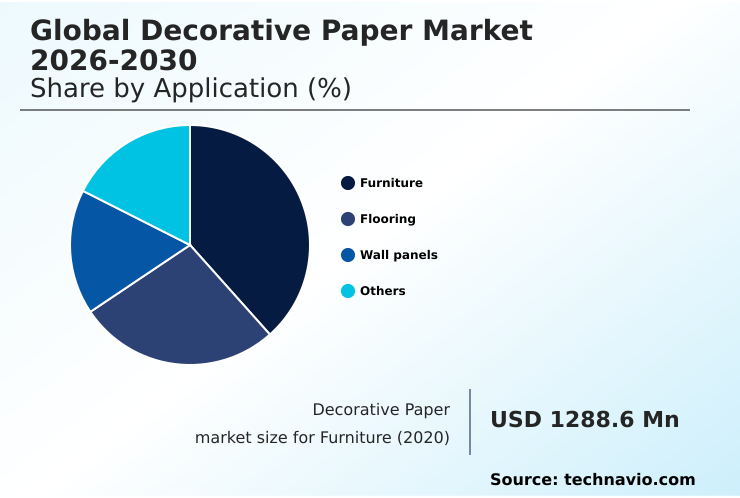
The Furniture segment was valued at USD 1.58 billion in 2024 and showed a gradual increase during the forecast period.
Regional Analysis
North America is estimated to contribute 37.5% to the growth of the global market during the forecast period.Technavio’s analysts have elaborately explained the regional trends and drivers that shape the market during the forecast period.
See How Decorative Paper Market Demand is Rising in North America Get Free Sample
The geographic landscape is characterized by distinct regional dynamics, with North America and Europe leading in demand for premium aesthetic finishes and fire retardant papers for architectural cladding, together accounting for over 60% of the market for high-performance applications.
North America alone is projected to contribute approximately 37% of the market’s incremental growth. In APAC, rapid urbanization fuels high-volume production of particleboard and impregnation base papers for organized furniture retail.
South America is emerging as a key supplier of raw materials, focusing on sustainable forestry for cellulose fibers.
Meanwhile, the Middle East shows a strong preference for specialty surfaces with anti-fingerprint coatings and high lightfastness and chemical resistance for luxury hospitality projects. This regional specialization impacts sourcing for products like overlay paper and release paper globally.
Market Dynamics
Our researchers analyzed the data with 2025 as the base year, along with the key drivers, trends, and challenges. A holistic analysis of drivers will help companies refine their marketing strategies to gain a competitive advantage.
- Strategic positioning in the current market requires a deep understanding of evolving end-user demands and manufacturing technologies. The growing preference for decorative paper for modular furniture is reshaping production priorities, emphasizing flexibility and durability. A key enabler of this shift is the advancement in digital printing for bespoke decors, which allows for unparalleled customization.
- Simultaneously, the industry is addressing the challenges in decorative paper logistics through strategic regional supply chain localization benefits, a move that has been shown to reduce transit times by over 20% compared to cross-continental sourcing. This localization is critical when considering the impact of raw material volatility.
- The push for sustainable decorative surfacing alternatives is accelerating the adoption of low emission resins for interiors and promoting the use of bio-based resins in decorative laminates. This focus on environmental compliance in paper manufacturing is leading to broader water based ink systems adoption and a drive towards a zero waste manufacturing in decor industry.
- Technologically, advancements in rotogravure printing technology continue to refine high-volume production, while the core value proposition of cost-effective engineered wood surfacing remains a primary driver. Understanding the integral role of absorbent kraft paper and the diverse applications of specialty decorative paper is crucial.
- Success hinges on balancing these factors, from creating synchronized texture decorative panel solutions and enhancing durability with overlay papers to formulating melamine impregnated paper for cabinetry used in high pressure laminates for flooring. The ultimate goal is to mitigate risks associated with AI integration in decor design and supply chain disruptions.
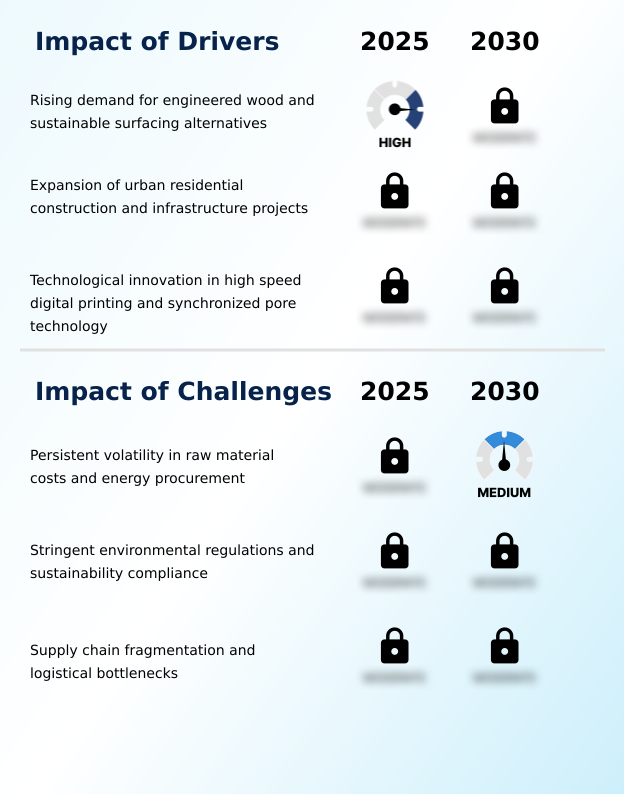
What are the key market drivers leading to the rise in the adoption of Decorative Paper Industry?
- Market growth is principally driven by the rising demand for engineered wood products and the increasing consumer preference for sustainable surfacing alternatives.
- The expansion of urban residential construction and commercial office spaces is a robust catalyst for the decorative paper market.
- A pronounced shift toward cost-effective engineered wood surfacing and sustainable building materials is driving massive consumption of laminate flooring and luxury vinyl tile.
- The use of low pressure melamine boards in these projects has been shown to reduce overall material costs by up to 20% compared to traditional wood.
- Wood based panels featuring printed decor papers with high fidelity wood grains are preferred for their cost-to-performance ratio, meeting stringent green building standards. The adoption of advanced technical surface technologies ensures these materials offer both aesthetic appeal and high durability.
- This deep macroeconomic linkage ensures that as construction projects increase, so does the demand for these versatile and efficient surfacing solutions, with some suppliers seeing a 30% increase in order throughput.
What are the market trends shaping the Decorative Paper Industry?
- A primary market trend is the accelerating integration of digital printing technologies and artificial intelligence into the design process. This convergence is reshaping product development and mass customization capabilities.
- A profound technological shift is underway as digital inkjet systems enable unprecedented mass customization, allowing manufacturers to move beyond traditional rotogravure printing. This transition supports decentralized manufacturing models and facilitates the regionalization of supply chains, with some producers reporting a 25% reduction in lead times for custom orders.
- The integration of AI in decor design is accelerating new product development, enabling the creation of specialty decorative paper that aligns with fast-moving interior design trends. For instance, AI-driven analysis of consumer data has improved pattern relevance, boosting adoption rates by 15% in the organized furniture retail sector.
- Furthermore, advancements in synchronized pore technology are enhancing surface realism to meet the demands of smart building technologies, providing customizable designs that were previously unachievable at scale.
What challenges does the Decorative Paper Industry face during its growth?
- The industry's growth and pricing stability face a significant challenge from the persistent volatility in raw material and energy procurement costs.
- Sustained raw material costs volatility, particularly for cellulose fibers and thermosetting resins, presents a primary challenge. These fluctuations have led to an average 10% increase in procurement expenses for some manufacturers. Concurrently, increasingly stringent environmental regulations and sustainability compliance mandates require significant capital investment.
- Transitioning to new materials to meet indoor air quality standards can increase R&D spending by up to 18%. Supply chain fragmentation, exacerbated by disruptions in maritime logistics, creates another layer of complexity. These delays have forced producers to increase safety stock levels by 25%, tying up working capital.
- Maintaining product quality, such as high opacity in papers, while navigating these cost pressures and logistical bottlenecks remains a critical operational hurdle, impacting overall profitability and market stability.
Exclusive Technavio Analysis on Customer Landscape
The decorative paper market forecasting report includes the adoption lifecycle of the market, covering from the innovator’s stage to the laggard’s stage. It focuses on adoption rates in different regions based on penetration. Furthermore, the decorative paper market report also includes key purchase criteria and drivers of price sensitivity to help companies evaluate and develop their market growth analysis strategies.
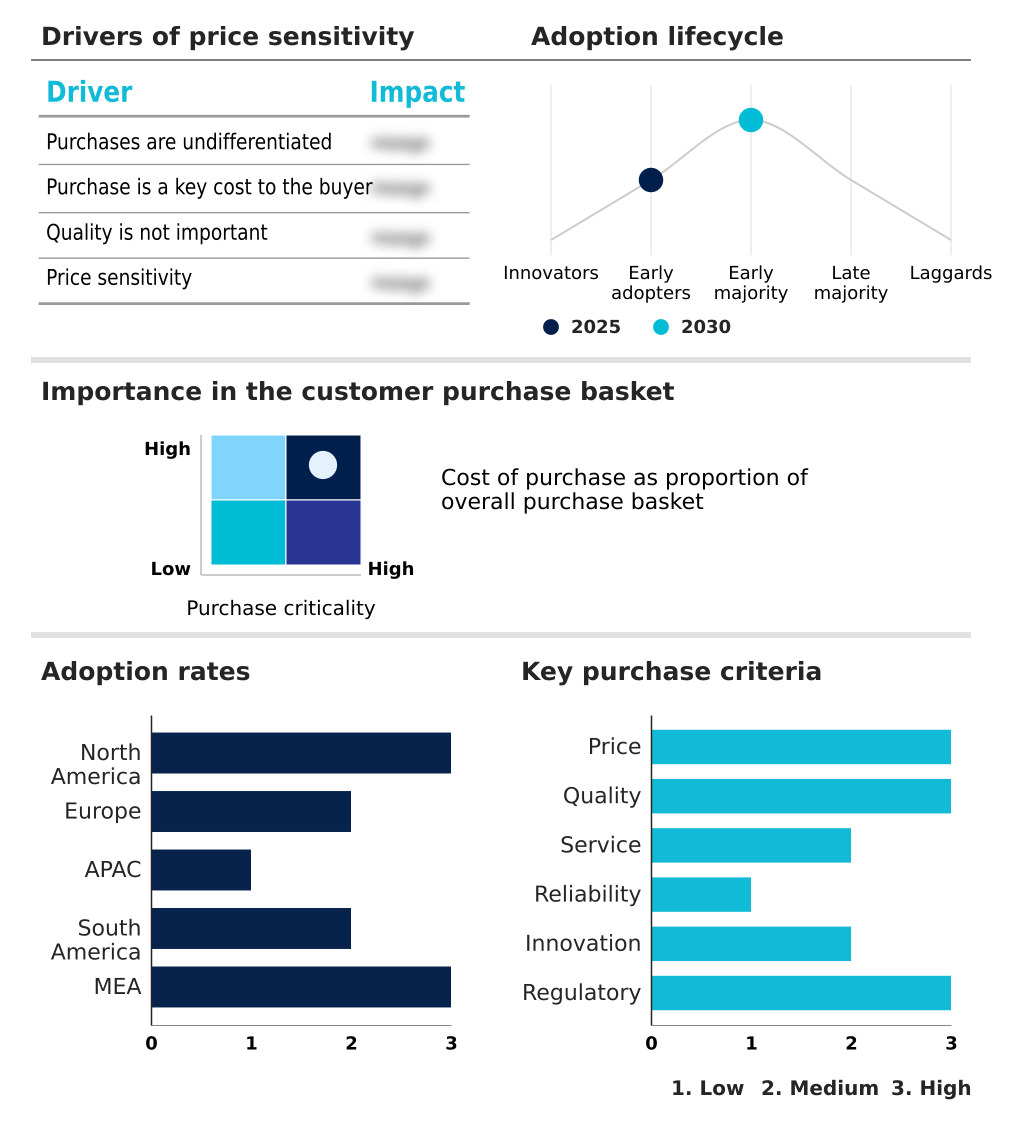
Customer Landscape of Decorative Paper Industry
Competitive Landscape
Companies are implementing various strategies, such as strategic alliances, decorative paper market forecast, partnerships, mergers and acquisitions, geographical expansion, and product/service launches, to enhance their presence in the industry.
BMK GmbH - Key offerings include specialized decorative, overlay, and impregnated papers, including melamine-treated solutions, designed for various industrial and surfacing applications.
The industry research and growth report includes detailed analyses of the competitive landscape of the market and information about key companies, including:
- BMK GmbH
- Chiyoda Europa NV
- Dai Nippon Printing Co. Ltd.
- DPI Belgium
- DREWSEN SPEZIALPAPIERE GmbH
- Felix Schoeller Holding GmbH
- Hansol Paper Ltd.
- Impress Surfaces GmbH
- Interprint GmbH
- Kaemmerer Paper GmbH
- Kami Paper Pty Ltd
- Koehler Paper SE
- Lamigraf S.A.
- Lessebo Paper AB
- Mativ Holdings Inc.
- Pudumjee Paper Products Ltd
- Pura Group
- Sappi Ltd.
- SURTECO GmbH
- Xianhe Co Ltd
Qualitative and quantitative analysis of companies has been conducted to help clients understand the wider business environment as well as the strengths and weaknesses of key industry players. Data is qualitatively analyzed to categorize companies as pure play, category-focused, industry-focused, and diversified; it is quantitatively analyzed to categorize companies as dominant, leading, strong, tentative, and weak.
Recent Development and News in Decorative paper market
- In August 2025, Arauco introduced new synchronized texture decorative panel solutions and sustainable melamine surfaced products for residential and commercial furniture applications in Latin America.
- In July 2025, Formica Corporation earned the USDA Certified Biobased Product Label for its laminate products, demonstrating a focus on sustainable raw materials and renewable fiber content.
- In June 2025, Felix Schoeller Group expanded its specialty paper solutions portfolio for furniture and interior applications, including recyclable decorative base papers designed to support circular economy objectives.
- In May 2025, SURTECO Group strengthened its international decorative surface solutions business through expanded sales and distribution activities across South America, supporting furniture and wood panel producers.
Dive into Technavio’s robust research methodology, blending expert interviews, extensive data synthesis, and validated models for unparalleled Decorative Paper Market insights. See full methodology.
| Market Scope | |
|---|---|
| Page number | 297 |
| Base year | 2025 |
| Historic period | 2020-2024 |
| Forecast period | 2026-2030 |
| Growth momentum & CAGR | Accelerate at a CAGR of 6.1% |
| Market growth 2026-2030 | USD 1486.9 million |
| Market structure | Fragmented |
| YoY growth 2025-2026(%) | 5.7% |
| Key countries | US, Canada, Mexico, Germany, Italy, France, UK, Spain, The Netherlands, China, India, Japan, South Korea, Indonesia, Australia, Brazil, Argentina, Chile, Saudi Arabia, UAE, South Africa, Turkey and Israel |
| Competitive landscape | Leading Companies, Market Positioning of Companies, Competitive Strategies, and Industry Risks |
Research Analyst Overview
- The decorative paper market is undergoing a significant transformation, driven by innovations in technical surface technologies. Boardroom-level decisions are now centered on investing in advanced production assets to maintain a competitive edge. For example, the strategic adoption of digital inkjet systems over traditional rotogravure printing has been shown to reduce new design-to-market cycles by up to 40%.
- This shift necessitates a deep understanding of core components, from the print base paper and its required high opacity to the absorbent kraft paper saturated with phenolic resins. The final product—whether high pressure laminates or low pressure melamine boards for wood based panels—depends on the quality of melamine formaldehyde resins and other thermosetting resins.
- Achieving superior surface realism and haptic textures through synchronized pore technology is now standard. Manufacturers are integrating specialty decorative paper with anti-fingerprint coatings and sourcing fire retardant papers for commercial projects.
- The entire value chain, including finish foils, thermoplastic foils, overlay paper, and release paper for laminate flooring and luxury vinyl tile on medium density fiberboard or particleboard, is being re-evaluated for sustainability compliance. This involves using water based ink systems and exploring bio-based resins, all while ensuring the dimensional stability of cellulose fibers in impregnation base papers.
What are the Key Data Covered in this Decorative Paper Market Research and Growth Report?
-
What is the expected growth of the Decorative Paper Market between 2026 and 2030?
-
USD 1.49 billion, at a CAGR of 6.1%
-
-
What segmentation does the market report cover?
-
The report is segmented by Application (Furniture, Flooring, Wall panels, and Others), Distribution Channel (Offline, and Online), Product Type (Print base paper, Absorbent kraft paper, Decorative laminates paper, and Specialty decorative paper) and Geography (North America, Europe, APAC, South America, Middle East and Africa)
-
-
Which regions are analyzed in the report?
-
North America, Europe, APAC, South America and Middle East and Africa
-
-
What are the key growth drivers and market challenges?
-
Rising demand for engineered wood and sustainable surfacing alternatives, Persistent volatility in raw material costs and energy procurement
-
-
Who are the major players in the Decorative Paper Market?
-
BMK GmbH, Chiyoda Europa NV, Dai Nippon Printing Co. Ltd., DPI Belgium, DREWSEN SPEZIALPAPIERE GmbH, Felix Schoeller Holding GmbH, Hansol Paper Ltd., Impress Surfaces GmbH, Interprint GmbH, Kaemmerer Paper GmbH, Kami Paper Pty Ltd, Koehler Paper SE, Lamigraf S.A., Lessebo Paper AB, Mativ Holdings Inc., Pudumjee Paper Products Ltd, Pura Group, Sappi Ltd., SURTECO GmbH and Xianhe Co Ltd
-
Market Research Insights
- The market's dynamism is fueled by a convergence of design and manufacturing trends. The push for sustainable surfacing alternatives has led to a 15% increase in the adoption of products aligned with circular economy principles.
- In urban residential construction, the demand for customizable designs and modular furniture has driven manufacturers to adopt mass customization, which has improved material utilization by over 10%. The regionalization of supply chains is a strategic response to supply chain fragmentation and raw material costs volatility, with decentralized manufacturing hubs reducing dependency on volatile maritime logistics.
- This shift supports the organized furniture retail sector's need for faster turnarounds. Concurrently, stringent environmental regulations and the demand for high fidelity wood grains in commercial office spaces are accelerating the use of sustainable building materials and advanced flat pack systems, which must comply with indoor air quality standards.
We can help! Our analysts can customize this decorative paper market research report to meet your requirements.
 RIA -
RIA -