
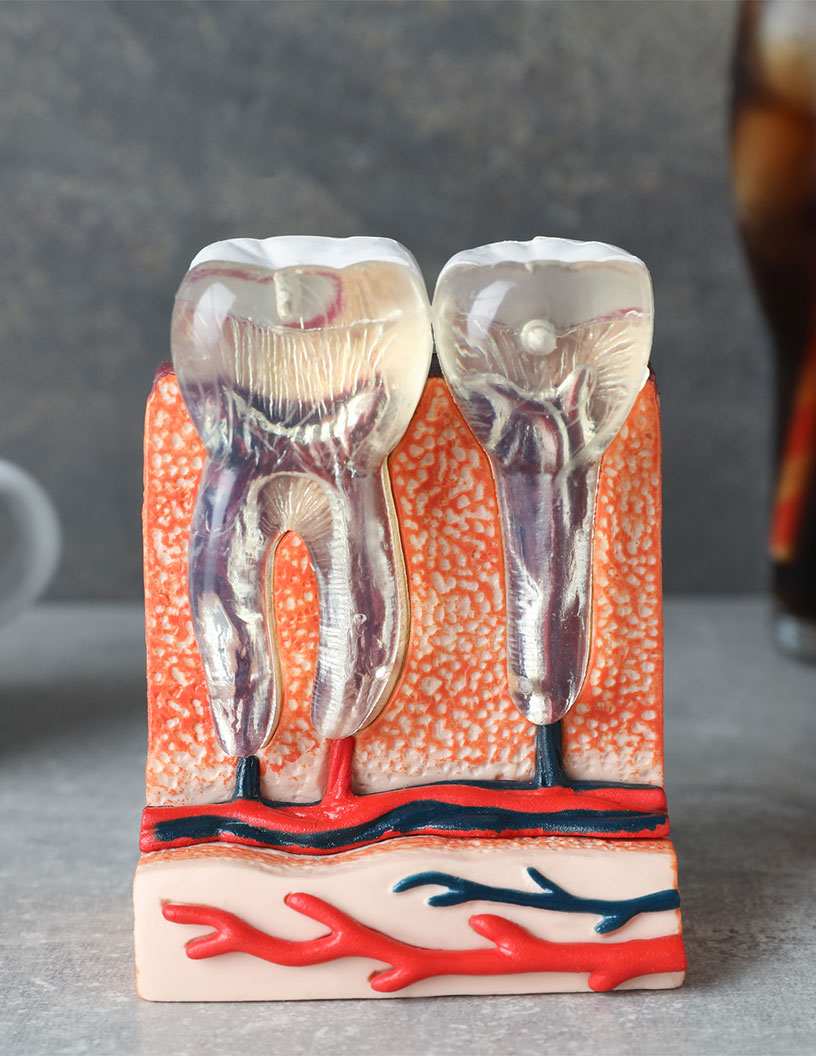


Dental Regeneration Market Size 2024-2028
The dental regeneration market size is forecast to increase by USD 1.63 billion, at a CAGR of 6.02% between 2023 and 2028.
- The market is experiencing significant growth due to the rising prevalence of dental diseases and the increasing trend of dental tourism. The escalating incidence of dental conditions, such as tooth decay and gum diseases, necessitates advanced dental treatments. Dental regeneration technologies, which involve the restoration of damaged dental tissues using biological materials, offer promising solutions to address these health concerns. However, the market faces challenges, including the shortage of skilled dental surgeons. The intricacy of dental regeneration procedures demands specialized expertise, making it essential for dental clinics to invest in continuous training and education for their staff. Additionally, the increasing popularity of dental tourism, particularly in countries with lower costs, poses competition for local dental practices.
- To capitalize on market opportunities and navigate these challenges effectively, dental clinics must focus on enhancing their service quality, investing in advanced technologies, and building a strong brand reputation. By addressing these issues, the market participants can differentiate themselves and cater to the growing demand for advanced dental care solutions.
What will be the Size of the Dental Regeneration Market during the forecast period?

Explore in-depth regional segment analysis with market size data - historical 2018-2022 and forecasts 2024-2028 - in the full report.
Request Free Sample
The market continues to evolve, driven by advancements in biotechnology and material science. Maxillofacial regeneration, encompassing the restoration of bones and soft tissues in the facial region, is a significant area of focus. Implant osseointegration, the process by which dental implants fuse with the jawbone, is enhanced through the use of biomaterials with superior biocompatibility. Biomaterials, such as hydroxyapatite coatings and calcium phosphate cement, play a crucial role in promoting osseointegration. Growth factors, including fibroblast growth factors and bone morphogenetic proteins, are delivered to stimulate cell signaling pathways and facilitate tissue regeneration. The regeneration of various dental tissues, including dentin, cementum, and periodontal tissues, is an ongoing pursuit.
Oral tissue engineering and 3D bioprinting dentistry offer promising solutions for creating functional, biocompatible tissue substitutes. Guided tissue regeneration and guided bone regeneration techniques ensure the proper alignment and organization of regenerated tissues. Biomaterials, therapeutic proteins, and gene therapy dentistry are integral components of these regenerative approaches. The continuous unfolding of market activities and evolving patterns in dental regeneration reflect the dynamic nature of this field. The integration of stem cell differentiation, extracellular matrix, and drug delivery systems further expands the potential applications across various sectors, such as craniofacial and alveolar bone regeneration.
How is this Dental Regeneration Industry segmented?
The dental regeneration industry research report provides comprehensive data (region-wise segment analysis), with forecasts and estimates in "USD billion" for the period 2024-2028, as well as historical data from 2018-2022 for the following segments.
- End-user
- Dental clinics
- Hospitals
- Others
- Type
- Hard tissue
- Soft tissue
- Geography
- North America
- US
- Europe
- Germany
- UK
- APAC
- China
- Japan
- Rest of World (ROW)
- North America
By End-user Insights
The dental clinics segment is estimated to witness significant growth during the forecast period.
Dental clinics serve as the primary market for dental regeneration treatments, catering to both routine dental services and advanced regenerative procedures. Collaborations between dental clinics and insurance companies facilitate coverage for dental treatments, thereby reducing the financial burden on individuals. The integration of advanced technologies, such as 3D printing and digital dentistry, in dental clinics has significantly boosted revenue generation. Technological innovations in the field of dental regeneration include the use of enamel matrix proteins to stimulate natural tooth growth, stem cell differentiation for tissue engineering, and hydroxyapatite coatings for improved biocompatibility. Moreover, the application of growth factors, such as fibroblast growth factors and bone morphogenetic proteins, in guided tissue and bone regeneration processes has shown promising results.
The development of drug delivery systems and tissue engineering scaffolds has further enhanced the potential for dental regeneration. Despite these advancements, the high cost of dental regeneration procedures and inadequate reimbursement policies remain significant challenges. The adoption of gene therapy dentistry, regenerative endodontics, and craniofacial regeneration is also gaining traction in the market. The use of calcium phosphate cement and bioactive glass ceramics as bone graft substitutes and the application of cell signaling pathways to stimulate tissue growth are other emerging trends. Overall, the market is characterized by continuous innovation and the integration of various technologies to address the unmet needs in dentistry.

The Dental clinics segment was valued at USD 2.56 billion in 2018 and showed a gradual increase during the forecast period.
Regional Analysis
North America is estimated to contribute 38% to the growth of the global market during the forecast period. Technavio's analysts have elaborately explained the regional trends and drivers that shape the market during the forecast period.

The market in North America is experiencing significant growth due to several factors. The increasing geriatric population and rising number of edentulous individuals, coupled with growing awareness about the importance of oral health, are major drivers for market expansion. Advanced digital dentistry procedures, such as 3D bioprinting and gene therapy, are gaining popularity, leading to increased adoption. Partnerships between companies and distributors are also on the rise, enhancing market growth. Prevalent dental diseases, particularly in the US, are fueling the market's growth. Advanced medical and healthcare facilities in countries like the US and Canada provide a fertile ground for the application of innovative dental regeneration technologies.
These include the use of enamel matrix proteins, stem cell differentiation, and growth factors delivery systems for hard and soft tissue regeneration. Hydroxyapatite coatings, calcium phosphate cement, and bone graft substitutes are essential components of bone tissue engineering, while guided tissue and bone morphogenetic proteins facilitate periodontal and alveolar bone regeneration. Fibroblast growth factors and therapeutic proteins are crucial for oral tissue engineering, while drug delivery systems ensure efficient and targeted administration. The market is further propelled by the development of tissue engineering scaffolds and bioactive glass ceramics, which offer improved biocompatibility and enhanced osseointegration for dental implants.
In conclusion, the market in North America is witnessing substantial growth due to the increasing prevalence of dental diseases, the growing awareness about oral health, and the adoption of advanced digital dentistry procedures. The use of enamel matrix proteins, stem cell differentiation, growth factors, hydroxyapatite coatings, calcium phosphate cement, bone graft substitutes, fibroblast growth factors, therapeutic proteins, and drug delivery systems are driving the market's expansion. Partnerships between companies and distributors are also contributing to the market's growth.
Market Dynamics
Our researchers analyzed the data with 2023 as the base year, along with the key drivers, trends, and challenges. A holistic analysis of drivers will help companies refine their marketing strategies to gain a competitive advantage.
What are the key market drivers leading to the rise in the adoption of Dental Regeneration Industry?
- The increasing prevalence of dental diseases serves as the primary driver for the growth of the market.
- The market is experiencing significant growth due to the increasing prevalence of dental issues, such as dental caries, coronal discolorations, arrested root formation, and cavities (tooth decay). According to the World Health Organization, approximately 520 million children and 2 billion adults worldwide suffer from caries in their primary and permanent teeth, respectively. In the US, over 21% of adults have untreated caries. Advancements in dental regeneration technologies, including the use of enamel matrix proteins, stem cell differentiation, and growth factors delivery, are facilitating hard tissue regeneration. These techniques enable the regeneration of both hard (enamel and dentin) and soft (gingival) tissues, addressing the root cause of dental problems rather than just treating their symptoms.
- Moreover, the application of hydroxyapatite coatings and other biomaterials enhances the efficacy of dental regeneration procedures. These advancements offer promising solutions for regenerative endodontics, which aims to regenerate the pulp and root structures of damaged teeth. By addressing the underlying causes of dental issues, the market is poised for continued growth.
What are the market trends shaping the Dental Regeneration Industry?
- Dental tourism is an emerging market trend, with an increasing number of individuals traveling to obtain affordable and high-quality dental care. This growing trend presents significant opportunities for dental professionals and businesses in the industry.
- Dental regeneration, encompassing gene therapy in dentistry, cementum and dentin regeneration, and soft tissue regeneration, is a rapidly evolving field in healthcare. Key advancements include the use of cell signaling pathways, guided bone regeneration, and 3D bioprinting dentistry. These innovations offer promising solutions for the restoration of damaged dental structures and tissues. The global market for dental regeneration is driven by several factors, including the increasing prevalence of dental diseases, growing awareness of dental health, and technological advancements. The affordability of dental procedures in certain countries, such as Mexico, Brazil, India, Israel, Hungary, and Thailand, has led to an influx of dental tourists from developed countries like the US, Australia, the UK, and Germany.
- This competition among dental tourism service providers is propelling the market forward. Innovative companies are focusing on developing advanced dental regeneration technologies, such as tissue engineering and biomaterials, to cater to the growing demand for minimally invasive and effective dental treatments. These advancements are expected to further fuel market growth in the coming years. In conclusion, the market is witnessing significant growth due to the increasing prevalence of dental diseases, technological advancements, and the affordability of dental procedures in certain countries. The use of gene therapy, 3D bioprinting, and tissue engineering are key trends driving market growth.
What challenges does the Dental Regeneration Industry face during its growth?
- The scarcity of proficient dental surgeons poses a significant challenge to the expansion of the industry.
- Dental regeneration, which includes maxillofacial regeneration and periodontal regeneration, is a promising field in dental medicine. Despite the high success rate of dental regeneration treatments such as implant osseointegration, guided tissue regeneration, and oral tissue engineering, traditional crowns and bridges remain the preferred choice for many dental practitioners due to a lack of proper education and training. Biocompatibility of biomaterials and the use of therapeutic proteins are crucial factors driving the advancement of dental regeneration. Calcium phosphate cement is a commonly used biomaterial in dental regeneration due to its ability to mimic the mineral composition of natural teeth.
- The international migration of dental care professionals from developing countries to developed ones poses a challenge in ensuring that dentists are adequately trained to diagnose, select, and plan appropriate procedures for dental regeneration based on an individual's oral health. Proper education and training are essential to increase the adoption of dental regeneration treatments and improve patient outcomes.
Exclusive Customer Landscape
The dental regeneration market forecasting report includes the adoption lifecycle of the market, covering from the innovator's stage to the laggard's stage. It focuses on adoption rates in different regions based on penetration. Furthermore, the dental regeneration market report also includes key purchase criteria and drivers of price sensitivity to help companies evaluate and develop their market growth analysis strategies.

Customer Landscape
Key Companies & Market Insights
Companies are implementing various strategies, such as strategic alliances, dental regeneration market forecast, partnerships, mergers and acquisitions, geographical expansion, and product/service launches, to enhance their presence in the industry.
3M Co. - This company pioneers dental restoration through nanotechnology, delivering superior handling and aesthetics with the 3M Filtek Z350 XT Universal Restorative. Its innovative solutions enhance dental regeneration, setting new industry standards.
The industry research and growth report includes detailed analyses of the competitive landscape of the market and information about key companies, including:
- 3M Co.
- Alliance Dental Care
- Aspen Dental Management Inc.
- Astellas Pharma Inc.
- Axis Endodontic
- CAMLOG Biotechnologies GmbH
- Delta Dental Plans Association
- Dentsply Sirona Inc.
- Heartland Endodontics and Periodontics
- Henry Schein Inc.
- Institut Straumann AG
- Integra Lifesciences Corp.
- Keystone Dental Inc.
Qualitative and quantitative analysis of companies has been conducted to help clients understand the wider business environment as well as the strengths and weaknesses of key industry players. Data is qualitatively analyzed to categorize companies as pure play, category-focused, industry-focused, and diversified; it is quantitatively analyzed to categorize companies as dominant, leading, strong, tentative, and weak.
Recent Development and News in Dental Regeneration Market
- In January 2024, Colossus Dental Technologies, a leading dental regeneration solutions provider, announced the launch of their innovative Bio3D Regeneration System, which utilizes 3D bioprinting technology to create personalized dental implants. (Colossus Dental Technologies Press Release)
- In March 2024, 3Shape and Dentsply Sirona, two major dental technology companies, entered into a strategic partnership to integrate 3Shape's digital dental solutions with Dentsply Sirona's dental units and software. (3Shape Press Release)
- In July 2024, Geistlich Pharma, a Swiss dental regenerative materials manufacturer, secured a USD100 million investment from EQT, a leading European private equity firm, to expand its product portfolio and global reach. (Bloomberg)
- In May 2025, the U.S. Food and Drug Administration (FDA) granted approval for the commercial use of Biodentical Materials Corporation's Bio-Oss Collagen, a collagen-based dental regenerative material, marking a significant milestone in the adoption of biocompatible dental implant solutions. (FDA Press Release)
Research Analyst Overview
- The market encompasses innovative advancements in regenerative medicine, particularly in the realm of advanced wound care and surgical techniques. Histological analysis and imaging techniques are essential tools in evaluating the progression of tissue regeneration, such as angiogenesis stimulation and receptor-ligand interactions. Microfluidic devices and bioreactor technology facilitate the proliferation of cells, including those involved in the mineralization process during tooth loss and bone defects. The immune system response plays a crucial role in inflammation modulation, ensuring successful tissue remodeling and the preservation of oral health.
- Sophisticated cell adhesion molecules and osseoconductive biomaterials contribute to the formation of new bone tissue. Mechanical testing and analysis of biomechanical properties are integral to understanding the effectiveness of these approaches in the context of dental implants and the wound healing process. Clinical trials employ rigorous protocols to assess the degradation kinetics and efficacy of regenerative therapies, ultimately advancing the field of dental regeneration.
Dive into Technavio's robust research methodology, blending expert interviews, extensive data synthesis, and validated models for unparalleled Dental Regeneration Market insights. See full methodology.
|
Market Scope |
|
|
Report Coverage |
Details |
|
Page number |
148 |
|
Base year |
2023 |
|
Historic period |
2018-2022 |
|
Forecast period |
2024-2028 |
|
Growth momentum & CAGR |
Accelerate at a CAGR of 6.02% |
|
Market growth 2024-2028 |
USD 1.63 billion |
|
Market structure |
Concentrated |
|
YoY growth 2023-2024(%) |
5.55 |
|
Key countries |
US, Germany, UK, China, and Japan |
|
Competitive landscape |
Leading Companies, Market Positioning of Companies, Competitive Strategies, and Industry Risks |
What are the Key Data Covered in this Dental Regeneration Market Research and Growth Report?
- CAGR of the Dental Regeneration industry during the forecast period
- Detailed information on factors that will drive the growth and forecasting between 2024 and 2028
- Precise estimation of the size of the market and its contribution of the industry in focus to the parent market
- Accurate predictions about upcoming growth and trends and changes in consumer behaviour
- Growth of the market across North America, Europe, Asia, and Rest of World (ROW)
- Thorough analysis of the market's competitive landscape and detailed information about companies
- Comprehensive analysis of factors that will challenge the dental regeneration market growth of industry companies
We can help! Our analysts can customize this dental regeneration market research report to meet your requirements.