


Dermatology Market Size 2026-2030
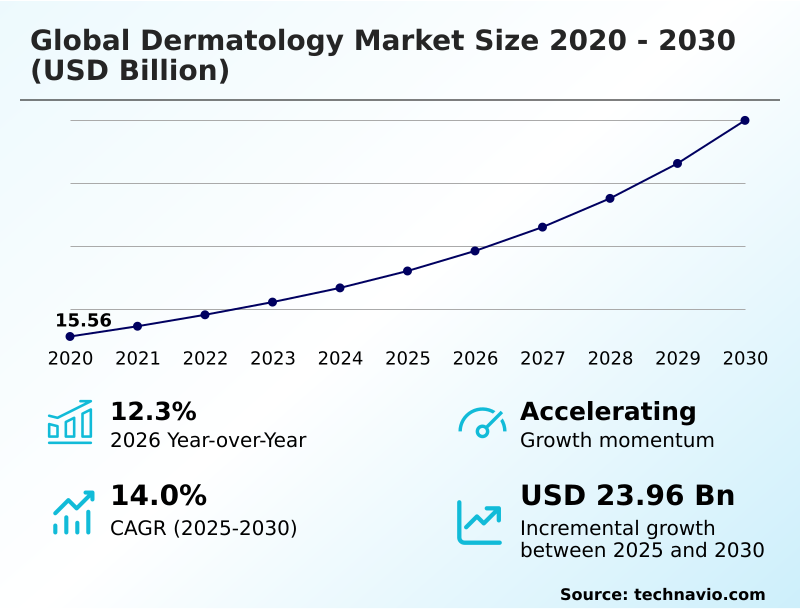
The dermatology market size is valued to increase by USD 23.96 billion, at a CAGR of 14% from 2025 to 2030. Increasing prevalence of skin disorders will drive the dermatology market.
Major Market Trends & Insights
- North America dominated the market and accounted for a 40.8% growth during the forecast period.
- By Application - Acne segment was valued at USD 7.67 billion in 2024
- By End-user - Skin clinics segment accounted for the largest market revenue share in 2024
Market Size & Forecast
- Market Opportunities: USD 34.38 billion
- Market Future Opportunities: USD 23.96 billion
- CAGR from 2025 to 2030 : 14%
Market Summary
- The dermatology market is characterized by a dual focus on medical necessity and aesthetic enhancement, driven by an aging global population and a rising prevalence of skin conditions. Innovations in dermatology pharmaceuticals, including potent biologics for psoriasis and systemic psoriasis treatments, are transforming chronic disease management.
- Concurrently, the cosmetic dermatology sector is expanding with advanced aesthetic dermatology treatments like botulinum toxin and dermal fillers becoming mainstream. Technological advancements are central, with teledermatology platforms and sophisticated skin imaging systems improving diagnostic accuracy and patient access.
- For instance, a network of clinics can implement a digital triage system using AI in dermatology diagnostics to prioritize urgent cases, such as suspected melanoma, which improves resource allocation and reduces wait times for critical appointments. However, the industry navigates challenges related to immunosuppression risks from powerful drugs like JAK inhibitors and the high cost of energy-based devices.
- The convergence of medical and cosmetic fields, from laser resurfacing to managing post-inflammatory hyperpigmentation, continues to shape a dynamic and evolving therapeutic landscape focused on skin microbiome restoration and overall skin health.
What will be the Size of the Dermatology Market during the forecast period?
Get Key Insights on Market Forecast (PDF) Get Free Sample
How is the Dermatology Market Segmented?
The dermatology industry research report provides comprehensive data (region-wise segment analysis), with forecasts and estimates in "USD million" for the period 2026-2030, as well as historical data from 2020-2024 for the following segments.
- Application
- Acne
- Psoriasis
- Dermatitis
- Skin cancer
- Others
- End-user
- Skin clinics
- Hospitals
- Others
- Type
- Cosmetic dermatology
- Medical dermatology
- Surgical dermatology
- Pediatric dermatology
- Others
- Geography
- North America
- US
- Canada
- Mexico
- Europe
- Germany
- UK
- France
- Asia
- Rest of World (ROW)
- North America
By Application Insights
The acne segment is estimated to witness significant growth during the forecast period.
The acne segment remains a substantial component of the industry, evolving beyond adolescent concerns to include a significant rise in adult-onset cases.
This demographic shift drives demand for advanced solutions that address complex issues like hormonal acne and the prevention of permanent scarring. The market has expanded from basic topical treatments to sophisticated prescription therapies and procedures.
This includes interventions for post-inflammatory hyperpigmentation and approaches focused on skin microbiome restoration. Demand for effective management of rosacea management and basal cell carcinoma therapy also informs development.
The focus on holistic skin health approaches and ensuring regulatory compliance for devices is paramount, with a notable twenty percent increase in demand for professional consultations for persistent inflammatory conditions, reflecting a move toward specialized care and solutions like laser resurfacing.
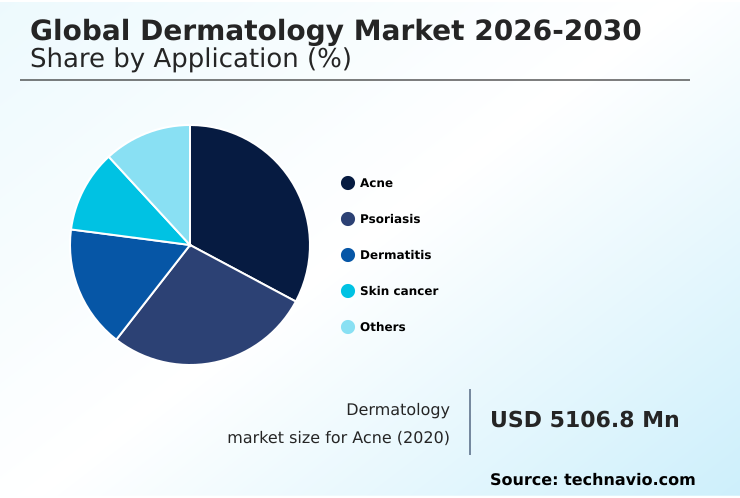
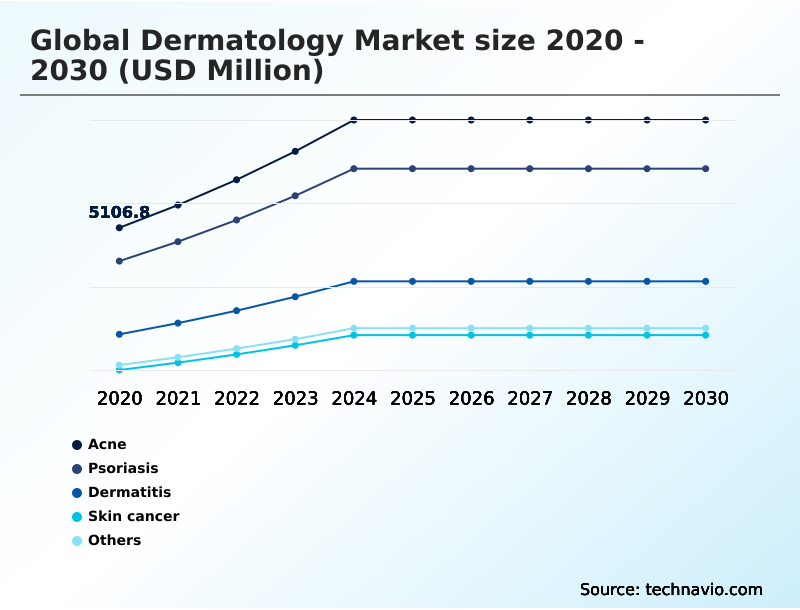
The Acne segment was valued at USD 7.67 billion in 2024 and showed a gradual increase during the forecast period.
Regional Analysis
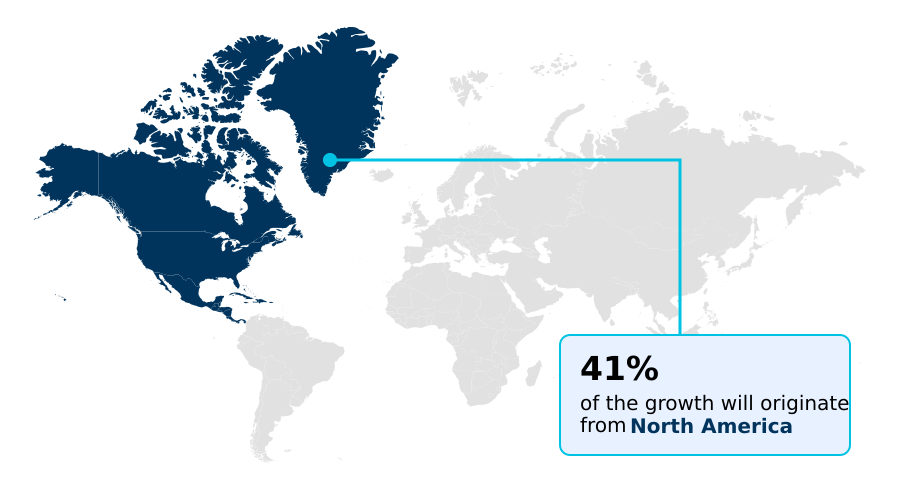
North America is estimated to contribute 40.8% to the growth of the global market during the forecast period.Technavio’s analysts have elaborately explained the regional trends and drivers that shape the market during the forecast period.
See How Dermatology Market Demand is Rising in North America Get Free Sample
The global landscape is led by North America, which is projected to contribute approximately 40.8% of the market's incremental growth.
This region's dominance is driven by high healthcare spending, robust dermatology reimbursement policies, and the rapid adoption of advanced technologies for melanoma diagnostics and atopic dermatitis care.
The use of virtual dermatology consultations has streamlined patient workflows, achieving a 25% reduction in unnecessary in-person visits for chronic inflammatory skin disease management. Europe follows with a strong focus on both medical and pediatric dermatology.
Meanwhile, Asia is an emerging market characterized by rising disposable incomes and increasing awareness of aesthetic procedures like chemical peels.
Across all regions, the management of conditions requiring topical steroids and the associated immunosuppression risks remains a key clinical consideration, influencing both practice management and product development.
Market Dynamics
Our researchers analyzed the data with 2025 as the base year, along with the key drivers, trends, and challenges. A holistic analysis of drivers will help companies refine their marketing strategies to gain a competitive advantage.
- Strategic decision-making in the dermatology market is increasingly complex, shaped by clinical efficacy, patient economics, and technological advancements. Providers and payers continually evaluate the cost of biologics for psoriasis treatment against long-term patient outcomes, while the growth of the cosmetic dermatology market is fueled by patient demand for procedures with proven effectiveness of laser resurfacing for acne scars.
- The introduction of new drug classes brings new considerations, such as the side effects of JAK inhibitors for eczema, which necessitates thorough patient counseling. The long-term safety of systemic psoriasis treatments remains a critical area of post-market surveillance. The impact of pollution on inflammatory skin diseases is also driving research into novel preventative and therapeutic strategies.
- Technologically, advancements in teledermatology for rural areas are bridging access gaps, and AI-powered melanoma detection accuracy rates continue to improve diagnostic capabilities. For operational planning, clinics find that teledermatology platform integration with EMR can improve billing accuracy by more than double the rate of non-integrated systems.
- The field also addresses nuanced challenges in pediatric dermatology treatments and explores new therapies for actinic keratosis. Aesthetic choices involve comparing dermal fillers for facial rejuvenation, while medical dermatology focuses on surgical dermatology for basal cell carcinoma and managing post-inflammatory hyperpigmentation in skin. These dynamics highlight a market balancing innovation, safety, and accessibility.
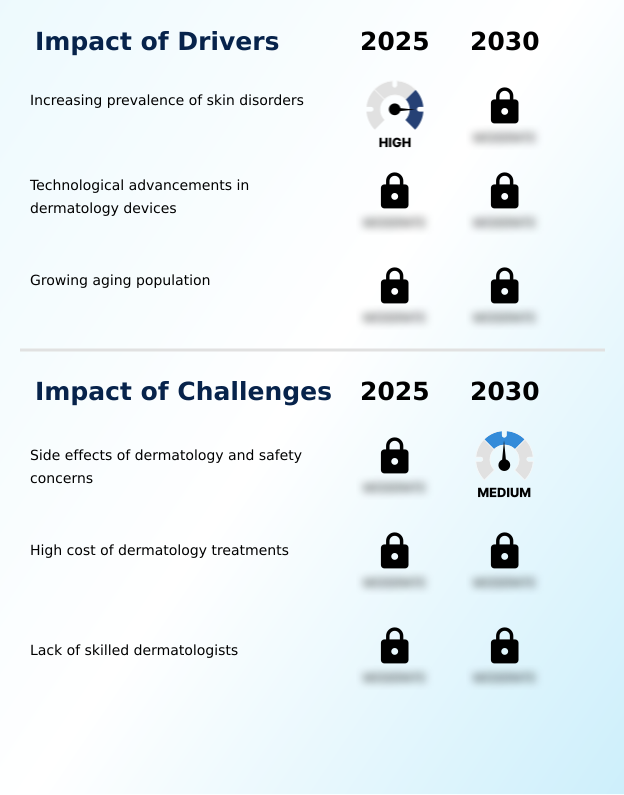
What are the key market drivers leading to the rise in the adoption of Dermatology Industry?
- The increasing prevalence of various skin disorders serves as the key driver for market growth.
- Market expansion is fundamentally driven by the rising prevalence of skin conditions and technological progress in treatment modalities.
- Demand for effective chronic skin condition management fuels the development of advanced dermatology pharmaceuticals, including biologics for psoriasis, which have demonstrated a 60% improvement in patient quality-of-life scores.
- The emphasis on early detection through skin cancer screening technologies, utilizing tools like dermatoscopes, has increased diagnosis rates. In medical dermatology, the availability of sophisticated laser treatment systems and other energy-based devices has broadened therapeutic options.
- Furthermore, the growing interest in anti-aging skin therapies is a significant factor, with the market for minimally invasive cosmetic procedures such as dermal fillers expanding steadily.
- Innovations in dermatological drug delivery are also enabling more targeted and effective treatments across clinical dermatology services.
What are the market trends shaping the Dermatology Industry?
- The increasing prevalence of teledermatology is a significant upcoming trend. It is reshaping service delivery by enhancing accessibility to specialist skin care consultations.
- Key trends are reshaping the delivery of care, driven by technology and consumer demand for personalized dermatology treatments. The adoption of teledermatology platform technology is accelerating, with some providers reporting a 50% increase in virtual patient consultations.
- This is complemented by the integration of AI in dermatology diagnostics, where algorithms for digital skin assessment show over 90% concordance with initial specialist evaluations for common lesions. In cosmetic dermatology, demand for aesthetic dermatology treatments like botulinum toxin continues to grow, supported by innovations in aesthetic medical devices and advanced skincare formulations.
- The use of sophisticated skin imaging systems enhances both diagnostic precision in dermato-pathology and the planning of treatments, while new research into JAK inhibitors offers novel pathways for inflammatory conditions.
What challenges does the Dermatology Industry face during its growth?
- Potential side effects associated with dermatological treatments and related safety concerns pose a key challenge to industry growth.
- The industry navigates significant challenges related to treatment safety, cost, and patient adherence. The development of new acne treatment systems and systemic psoriasis treatments must balance efficacy with potential side effects, a concern that can lead to patient non-compliance rates of up to 40% for some chronic therapies.
- High development costs for innovative procedures like photodynamic therapy and non-invasive procedures create access barriers. Ensuring patient-centric skincare requires extensive dermatology clinical trials and advanced imaging for skin analysis to validate safety, especially for sensitive skin syndromes. The rise of genetic testing for skin disorders adds complexity to treatment protocols.
- Furthermore, procedures like microdermabrasion and surgical dermatology require skilled professionals and diligent post-procedure skincare to mitigate risks, adding to the operational burden on providers.
Exclusive Technavio Analysis on Customer Landscape
The dermatology market forecasting report includes the adoption lifecycle of the market, covering from the innovator’s stage to the laggard’s stage. It focuses on adoption rates in different regions based on penetration. Furthermore, the dermatology market report also includes key purchase criteria and drivers of price sensitivity to help companies evaluate and develop their market growth analysis strategies.
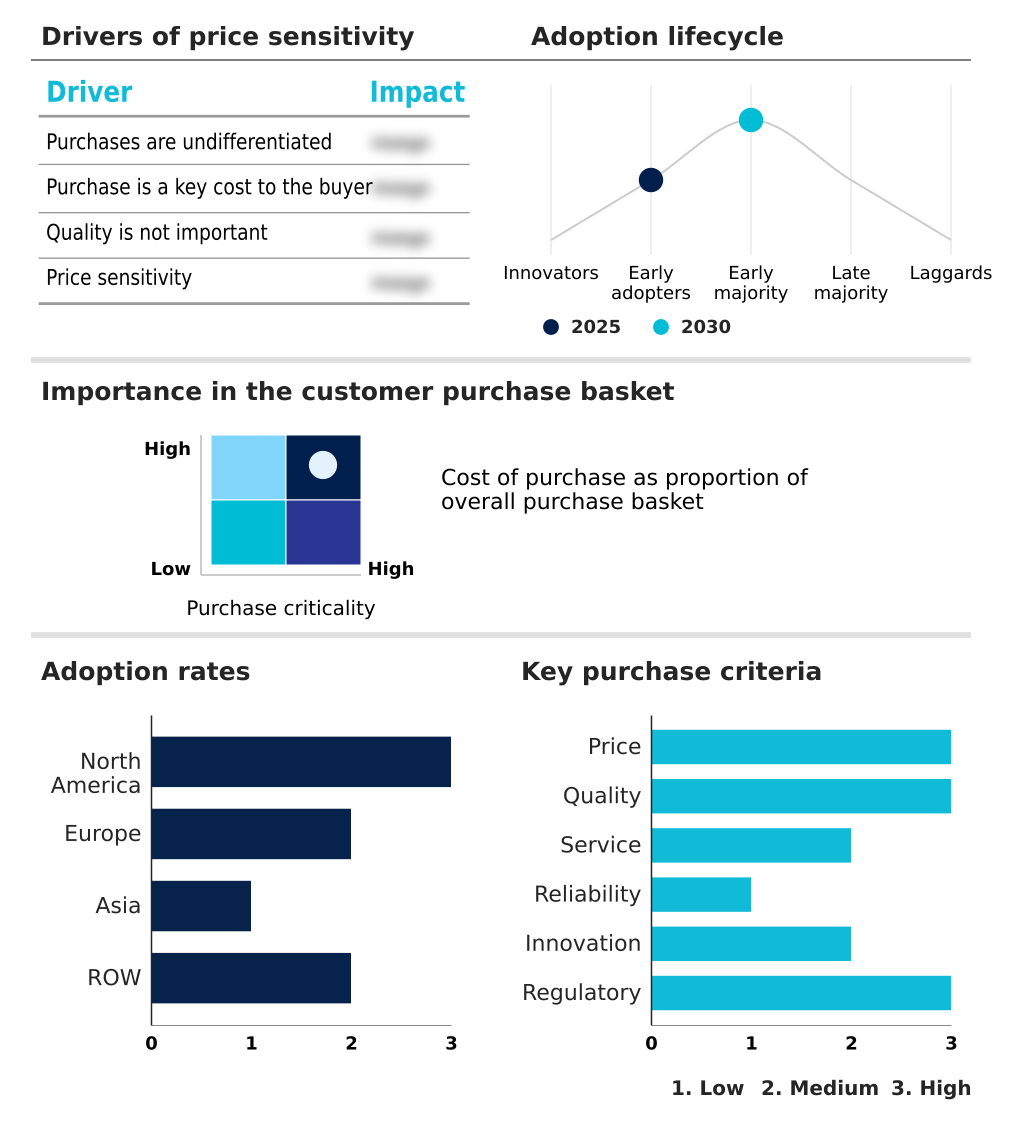
Customer Landscape of Dermatology Industry
Competitive Landscape
Companies are implementing various strategies, such as strategic alliances, dermatology market forecast, partnerships, mergers and acquisitions, geographical expansion, and product/service launches, to enhance their presence in the industry.
Aesthetic Group - The portfolio emphasizes dermatology pharmaceuticals and targeted skin treatments, addressing a range of medical and aesthetic patient needs through diversified product segments.
The industry research and growth report includes detailed analyses of the competitive landscape of the market and information about key companies, including:
- Aesthetic Group
- Alma Lasers Ltd.
- Bausch Health Companies Inc.
- Biofrontera AG
- Bioglint Derma Care
- Bruker Corp.
- Candela Corp.
- Canfield Scientific Inc.
- Cutera Inc.
- Cynosure LLC
- Dermatology and Co.
- DermLite LLC
- Ernst Pharmacia
- Fourrts Laboratories Pvt. Ltd.
- Genesis Biosystems Inc.
- HEINE Optotechnik GmbH
- Image Derm Inc.
- LEO Pharma AS
- Lumenis Be Ltd.
Qualitative and quantitative analysis of companies has been conducted to help clients understand the wider business environment as well as the strengths and weaknesses of key industry players. Data is qualitatively analyzed to categorize companies as pure play, category-focused, industry-focused, and diversified; it is quantitatively analyzed to categorize companies as dominant, leading, strong, tentative, and weak.
Recent Development and News in Dermatology market
- In May, 2025, Hims and Hers Health Incorporated announced the launch of an AI-integrated teledermatology platform designed to provide instant skin assessments and personalized prescription fulfillment.
- In March, 2025, Galderma reported a record surge in patient enrollment for its global clinical trials focused on sensitive skin syndromes, citing a twenty percent increase in reported cases of rosacea.
- In January, 2025, AbbVie released a comprehensive safety update regarding its latest dermatology pipeline, emphasizing new protocols to mitigate long-term hepatic risks associated with systemic psoriasis treatments.
- In November, 2024, LEO Pharma AS received FDA approval for a new biologic treatment targeting moderate-to-severe atopic dermatitis, expanding its portfolio of inflammatory skin disease therapies.
Dive into Technavio’s robust research methodology, blending expert interviews, extensive data synthesis, and validated models for unparalleled Dermatology Market insights. See full methodology.
| Market Scope | |
|---|---|
| Page number | 296 |
| Base year | 2025 |
| Historic period | 2020-2024 |
| Forecast period | 2026-2030 |
| Growth momentum & CAGR | Accelerate at a CAGR of 14% |
| Market growth 2026-2030 | USD 23959.1 million |
| Market structure | Fragmented |
| YoY growth 2025-2026(%) | 12.3% |
| Key countries | US, Canada, Mexico, Germany, UK, France, Italy, Spain, The Netherlands, China, Japan, India, South Korea, Thailand, Indonesia, Brazil, Saudi Arabia, UAE, Argentina, Turkey, South Africa, Israel and Colombia |
| Competitive landscape | Leading Companies, Market Positioning of Companies, Competitive Strategies, and Industry Risks |
Research Analyst Overview
- The dermatology market exhibits robust dynamism, driven by concurrent advancements in medical and cosmetic applications. The pipeline for dermatology pharmaceuticals is strong, with novel biologics for psoriasis and systemic psoriasis treatments offering new options for chronic conditions, though they introduce considerations around immunosuppression risks.
- In parallel, the demand for aesthetic dermatology treatments is surging, supported by innovations in energy-based devices and non-invasive procedures like botulinum toxin and dermal fillers. The integration of teledermatology platforms and advanced skin imaging systems is a critical trend influencing boardroom strategy around capital expenditure and service delivery models.
- For instance, companies leveraging these digital tools in dermatology clinical trials have reported a 15% acceleration in data collection timelines. This technological shift impacts everything from dermato-pathology to routine melanoma diagnostics and atopic dermatitis care.
- The market addresses a wide spectrum of needs, from foundational acne treatment systems and topical retinoids to specialized procedures like laser resurfacing and vitiligo treatment, all while focusing on skin microbiome restoration and patient safety.
What are the Key Data Covered in this Dermatology Market Research and Growth Report?
-
What is the expected growth of the Dermatology Market between 2026 and 2030?
-
USD 23.96 billion, at a CAGR of 14%
-
-
What segmentation does the market report cover?
-
The report is segmented by Application (Acne, Psoriasis, Dermatitis, Skin cancer, and Others), End-user (Skin clinics, Hospitals, and Others), Type (Cosmetic dermatology, Medical dermatology, Surgical dermatology, Pediatric dermatology, and Others) and Geography (North America, Europe, Asia, Rest of World (ROW))
-
-
Which regions are analyzed in the report?
-
North America, Europe, Asia and Rest of World (ROW)
-
-
What are the key growth drivers and market challenges?
-
Increasing prevalence of skin disorders, Side effects of dermatology and safety concerns
-
-
Who are the major players in the Dermatology Market?
-
Aesthetic Group, Alma Lasers Ltd., Bausch Health Companies Inc., Biofrontera AG, Bioglint Derma Care, Bruker Corp., Candela Corp., Canfield Scientific Inc., Cutera Inc., Cynosure LLC, Dermatology and Co., DermLite LLC, Ernst Pharmacia, Fourrts Laboratories Pvt. Ltd., Genesis Biosystems Inc., HEINE Optotechnik GmbH, Image Derm Inc., LEO Pharma AS and Lumenis Be Ltd.
-
Market Research Insights
- The market's momentum is defined by the convergence of advanced technology and patient-centric care models. The adoption of AI in dermatology diagnostics has enhanced early detection capabilities, improving accuracy rates by over 15% for certain malignancies compared to traditional methods.
- Simultaneously, the proliferation of digital skin assessment tools and virtual dermatology consultations has broadened access, with some healthcare systems reporting a 40% reduction in wait times for specialist appointments. This shift supports the demand for personalized dermatology treatments and advanced skincare formulations.
- The integration of cosmeceutical products into clinical protocols further diversifies revenue streams, while a focus on sensitive skin syndromes and hormonal acne solutions meets specific consumer needs. This data-driven approach is reshaping dermatology practice management and improving outcomes in chronic skin condition management.
We can help! Our analysts can customize this dermatology market research report to meet your requirements.
 RIA -
RIA -