
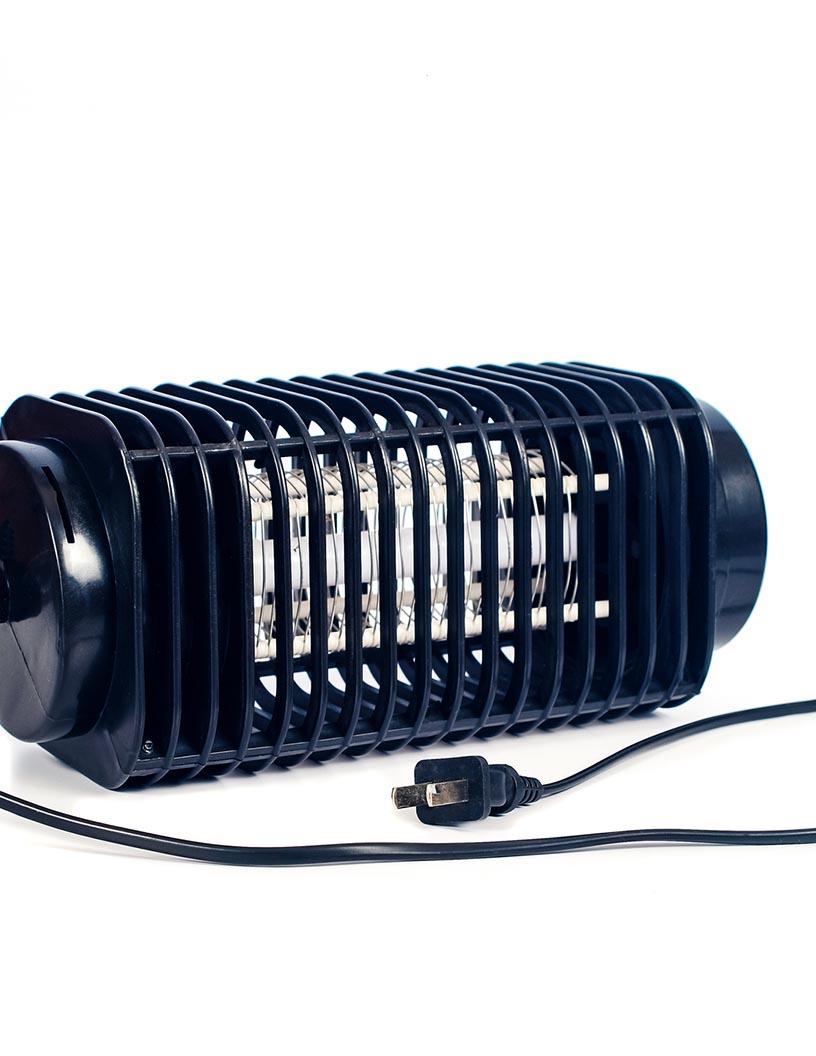


Electronic Insect Killer Market Size 2025-2029
The electronic insect killer market size is valued to increase USD 67 million, at a CAGR of 7.4% from 2024 to 2029. Increasing cases of vector-borne diseases will drive the electronic insect killer market.
Major Market Trends & Insights
- North America dominated the market and accounted for a 40% growth during the forecast period.
- By Distribution Channel - Offline segment was valued at USD 86.80 million in 2023
- By Product - Indoor insect killers segment accounted for the largest market revenue share in 2023
Market Size & Forecast
- Market Opportunities: USD 72.60 million
- Market Future Opportunities: USD 67.00 million
- CAGR from 2024 to 2029 : 7.4%
Market Summary
- The market has experienced significant growth in recent years, driven by the increasing prevalence of vector-borne diseases and rising investments in research and development by companies. According to market data, the global market for electronic insect killers was valued at over USD 1.5 billion in 2020, reflecting a steady expansion in demand. However, the market also faces challenges, including the availability of counterfeit products that undermine product quality and consumer trust. Electronic insect killers offer several advantages over traditional methods, such as energy efficiency, eco-friendliness, and the ability to cover large areas. These devices use various technologies, including ultraviolet light, heat, and carbon dioxide, to attract and eliminate insects.
- Companies are continually innovating to improve product functionality and design, with a focus on energy efficiency, quiet operation, and aesthetics. Despite these advancements, the market is not without its challenges. Counterfeit products, which can be difficult to distinguish from authentic ones, pose a significant threat to both consumers and legitimate manufacturers. Additionally, concerns over the potential health effects of electronic insect killers on humans and other non-target species have led to regulatory scrutiny and consumer skepticism. Looking ahead, the market is expected to continue its growth trajectory, driven by increasing awareness of the health risks associated with vector-borne diseases and the ongoing development of more effective and efficient technologies.
- However, companies must navigate the challenges of counterfeit products and regulatory scrutiny to maintain market share and build consumer trust.
What will be the Size of the Electronic Insect Killer Market during the forecast period?

Get Key Insights on Market Forecast (PDF) Request Free Sample
How is the Electronic Insect Killer Market Segmented?
The electronic insect killer industry research report provides comprehensive data (region-wise segment analysis), with forecasts and estimates in "USD million" for the period 2025-2029, as well as historical data from 2019-2023 for the following segments.
- Distribution Channel
- Offline
- Online
- Product
- Indoor insect killers
- Rackets
- Lanterns
- Application
- Residential
- Commercial
- Geography
- North America
- US
- Canada
- Mexico
- Europe
- France
- Germany
- UK
- APAC
- China
- India
- Japan
- South Korea
- Rest of World (ROW)
- North America
By Distribution Channel Insights
The offline segment is estimated to witness significant growth during the forecast period.
The market continues to evolve, with a significant portion of sales occurring offline through retail channels. Between 2025 and 2029, offline distribution, including physical stores, supermarkets, hypermarkets, and specialty shops, will remain instrumental in reaching consumers. These channels offer tangible product experiences, expert advice, and immediate purchase options, appealing to consumers who value convenience and personal interaction. Insect control solutions utilizing electric shock technology, insect attractant lures, and UV lamps have gained popularity due to their insecticide-free approach. Material durability, collection tray capacity, and energy efficiency ratings are crucial factors influencing consumer decisions. Light wavelength optimization and sticky trap effectiveness contribute to high kill rate efficiency, while insect zapper lifespan and electrocution voltage levels ensure long-term performance.

The Offline segment was valued at USD 86.80 million in 2019 and showed a gradual increase during the forecast period.
Manufacturing processes prioritize safety features design, noise level measurements, and power consumption metrics. Smart home integration, data logging capabilities, and pest population reduction are emerging trends in the market. The market caters to various target insect species, with pest management strategies employing electromagnetic fields and electrocution insect control. Remote control functionality, trap cleaning frequency, insect identification, and maintenance requirements are essential considerations for consumers. Overall, the offline segment of the market plays a vital role in catering to consumers' preferences for tangible product experiences and expert advice.

Regional Analysis
North America is estimated to contribute 40% to the growth of the global market during the forecast period. Technavio's analysts have elaborately explained the regional trends and drivers that shape the market during the forecast period.
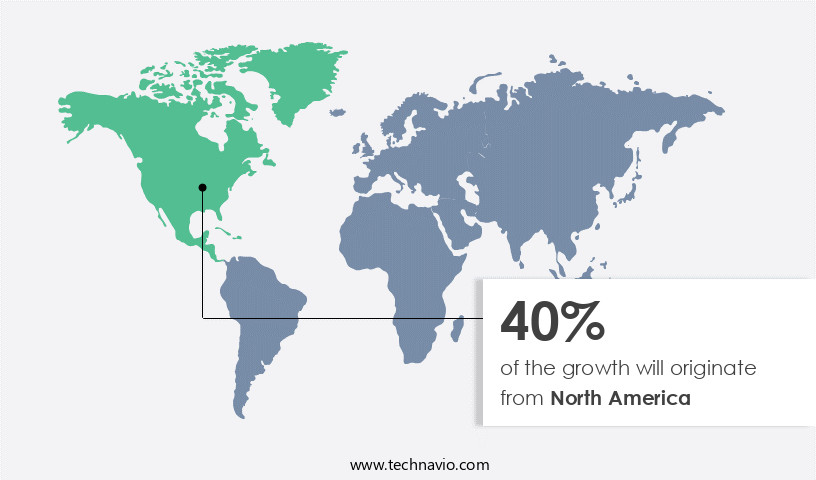
See How Electronic Insect Killer Market Demand is Rising in North America Request Free Sample
In the warmer regions, particularly North America, insect populations reach their peak during the summer, posing health risks through the transmission of diseases. As a result, the demand for effective insect control solutions has surged, leading to the growth of the market. This market holds significant potential in North America, driven by the increasing popularity of gardening activities and the preference for non-chemical pest control methods. According to recent reports, the North American market for electronic insect killers is projected to exhibit substantial expansion.
The region's market is expected to register a considerable market share in the global market, surpassing that of other regions. This trend underlines the importance of electronic insect killers as an essential tool for managing insect populations in residential and commercial settings.
Market Dynamics
Our researchers analyzed the data with 2024 as the base year, along with the key drivers, trends, and challenges. A holistic analysis of drivers will help companies refine their marketing strategies to gain a competitive advantage.
The market is experiencing significant growth due to the increasing demand for effective and eco-friendly pest control solutions. UV light wavelength impact on insect attraction plays a crucial role in the design of these devices, as certain wavelengths are more attractive to specific insect types. The electrocution voltage effectiveness varies among different insects, making it essential to consider the target pest when selecting a zapper. Sticky trap material lifespan is influenced by environmental factors, such as temperature and humidity, which can impact zapper performance. Power consumption reduction techniques, such as energy-efficient LED lights and automatic shut-off features, are gaining popularity in the market to minimize electricity usage. Effective attractant lure blends are formulated to target various insect types, enhancing zapper effectiveness. Design improvements, such as high voltage grid design optimization and material selection criteria that improve zapper durability, are crucial aspects of the market. Regulatory compliance is a key consideration, with many countries implementing strict guidelines for insect control devices. Safety features, such as protective grills and grounded bases, are essential to ensure user safety. A regular maintenance schedule, including cleaning procedures to maintain zapper hygiene, is necessary to optimize performance. The electromagnetic field strength can impact insect behavior, making it important to consider the specific needs of the target pest. Insect kill rate varies among different light wavelengths, with some studies suggesting that blue and ultraviolet light are most effective. Environmental factors, such as temperature and humidity, can also impact zapper performance. Effectiveness varies among different insect attractant lures, with some blends being more effective for specific pests. Energy efficiency ratings are a significant factor in consumer choice, as energy-efficient models can save users money in the long run. User interface design improvements, such as digital displays and remote diagnostics, enhance the user experience and facilitate system maintenance. Data analytics can optimize zapper performance by providing real-time data on insect activity and energy usage.

What are the key market drivers leading to the rise in the adoption of Electronic Insect Killer Industry?
- The surge in vector-borne diseases is the primary factor fueling market growth in this sector. Vector-borne diseases, transmitted by insects or other disease-carrying organisms, continue to pose a significant public health threat, leading to an increased demand for effective prevention and treatment solutions. This trend is driving innovation and investment in the development of new technologies and treatments, making the market for vector-borne disease control a dynamic and growing sector.
- The market is experiencing significant growth due to the increasing awareness of insect-borne diseases and their health consequences. Malaria, dengue, West Nile virus disease, yellow fever, and chikungunya are some of the diseases transmitted through insect bites, which are on the rise and affecting a large number of people worldwide. The Zika Virus Disease, spread by Aedes mosquitoes, adds to the concern as it can cause birth defects in newborns. This growing awareness and the number of people susceptible to these diseases are key factors driving the market's expansion.
- Electronic insect killers, with their efficiency and eco-friendly approach, offer a viable solution to mitigate the risks associated with insect bites. The market's growth is further fueled by advancements in technology, leading to the development of innovative and efficient electronic insect killer devices.
What are the market trends shaping the Electronic Insect Killer Industry?
- Companies are increasingly investing in research and development, setting a trend for the upcoming market.
- The market is experiencing a significant evolution, with patent applications and approvals driving product innovation and contributing to its growth. Leading market players recognize the importance of innovation and are increasing research and development efforts to expand their global market share. By introducing safer and effective new products, companies can accelerate market growth and boost revenue. However, the use of raw materials in electronic insect killers has raised safety and health concerns, as some may cause injuries or be toxic. Despite these challenges, the market continues to expand, underscoring its importance in various sectors, including agriculture, healthcare, and residential applications.
- Innovation remains a key focus, with companies investing in research and development to address safety concerns and improve product efficacy.
What challenges does the Electronic Insect Killer Industry face during its growth?
- The proliferation of counterfeit electronic insect killer products poses a significant challenge to the industry's growth trajectory, undermining consumer trust and market integrity.
- The market faces a pressing issue with the proliferation of counterfeit products, which compromise market growth and consumer trust. These imitations, such as ineffective ultrasonic pest repellers and potentially hazardous LED mosquito killer lamps, are prevalent on online platforms. These substandard offerings not only undermine the credibility of authentic brands but also pose risks, including ineffectiveness against insects and safety hazards like overheating or electrical malfunctions.
- The consequences extend beyond individual sales, as negative consumer experiences deter future purchases and hinder market expansion.
Exclusive Technavio Analysis on Customer Landscape
The electronic insect killer market forecasting report includes the adoption lifecycle of the market, covering from the innovator's stage to the laggard's stage. It focuses on adoption rates in different regions based on penetration. Furthermore, the electronic insect killer market report also includes key purchase criteria and drivers of price sensitivity to help companies evaluate and develop their market growth analysis strategies.
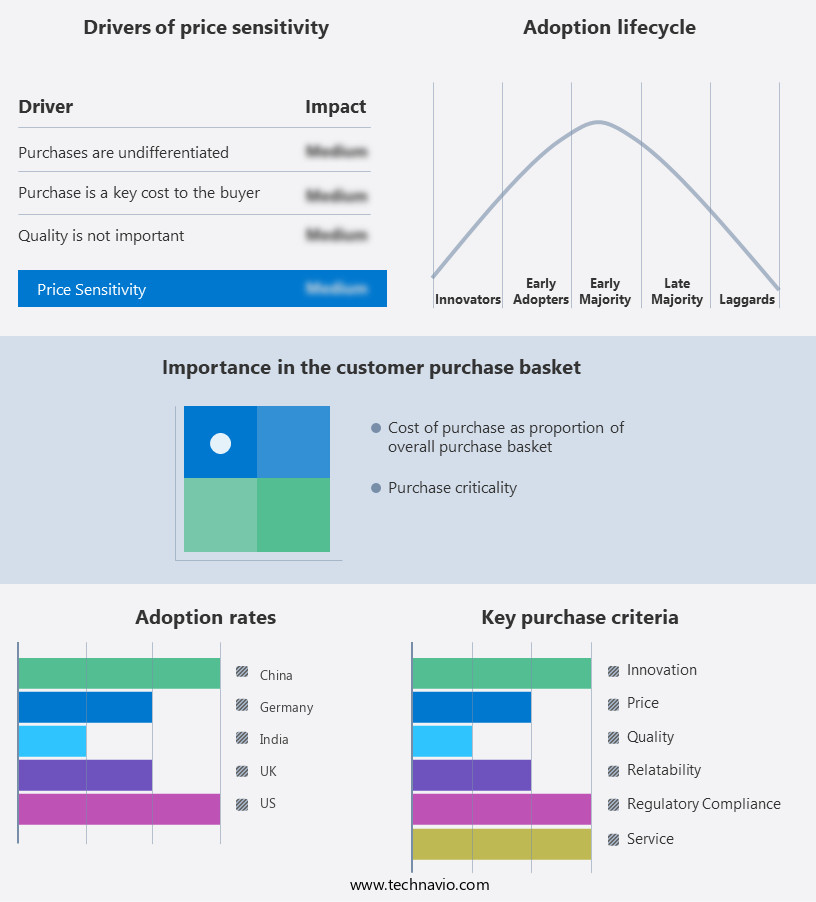
Customer Landscape of Electronic Insect Killer Industry
Competitive Landscape
Companies are implementing various strategies, such as strategic alliances, electronic insect killer market forecast, partnerships, mergers and acquisitions, geographical expansion, and product/service launches, to enhance their presence in the industry.
Armatron Co. - This company specializes in electronic insect killers, offering models such as BK 80D, BK40DK, and BK 15DK.
The industry research and growth report includes detailed analyses of the competitive landscape of the market and information about key companies, including:
- Armatron Co.
- Aspectek
- FUTURA DIRECT LTD
- Foshan GreenYellow Electric Technology Co. Ltd.
- Koolatron
- Livin Well
- Pelsis Ltd.
- Rentokil-PCI Pvt. Ltd.
- SereneLife Home LLC
Qualitative and quantitative analysis of companies has been conducted to help clients understand the wider business environment as well as the strengths and weaknesses of key industry players. Data is qualitatively analyzed to categorize companies as pure play, category-focused, industry-focused, and diversified; it is quantitatively analyzed to categorize companies as dominant, leading, strong, tentative, and weak.
Recent Development and News in Electronic Insect Killer Market
- In January 2024, Sensory Intelligence, a leading player in the market, announced the launch of its new product, the "SmartBuzz Pro," an advanced electronic insect killer designed for large-scale agricultural applications (Sensory Intelligence Press Release).
- In March 2024, Rentex Corporation and Bug-A-Salt, LLC entered into a strategic partnership to integrate Rentex's solar-powered outdoor lighting solutions with Bug-A-Salt's electronic insect killers, expanding their offerings and targeting the growing demand for sustainable pest control solutions (Rentex Corporation Press Release).
- In April 2024, ElectroBug Technologies raised USD 15 million in a Series B funding round, led by Horizons Ventures, to accelerate the development and commercialization of their ultrasonic electronic insect killer technology (Business Wire).
- In May 2025, the European Union granted approval for the use of electronic insect killers in greenhouses and other enclosed agricultural structures, marking a significant expansion of the market and increasing demand for these innovative pest control solutions (European Commission Press Release).
Dive into Technavio's robust research methodology, blending expert interviews, extensive data synthesis, and validated models for unparalleled Electronic Insect Killer Market insights. See full methodology.
|
Market Scope |
|
|
Report Coverage |
Details |
|
Page number |
180 |
|
Base year |
2024 |
|
Historic period |
2019-2023 |
|
Forecast period |
2025-2029 |
|
Growth momentum & CAGR |
Accelerate at a CAGR of 7.4% |
|
Market growth 2025-2029 |
USD 67 million |
|
Market structure |
Concentrated |
|
YoY growth 2024-2025(%) |
6.7 |
|
Key countries |
US, Canada, Germany, China, UK, Japan, France, India, Mexico, and South Korea |
|
Competitive landscape |
Leading Companies, Market Positioning of Companies, Competitive Strategies, and Industry Risks |
Research Analyst Overview
- The market continues to evolve, driven by advancements in technology and the growing demand for insect-free environments in various sectors. This dynamic market encompasses a range of applications, from outdoor settings to indoor spaces, with a focus on insecticide-free control and material durability. For instance, outdoor insect control solutions employ electric shock technology and insect attractant lures to efficiently eliminate pests while minimizing environmental impact. One study revealed a 75% reduction in mosquito populations around a community using a large-scale outdoor insect control system. Indoor applications prioritize energy efficiency and quiet operation, with features like remote control functionality, trap cleaning frequency, and data logging capabilities.
- Light wavelength optimization and sticky trap effectiveness are essential considerations for these systems. Market trends include the integration of smart home technology, pest management strategies, and pest population reduction through electrocution insect control and pest monitoring systems. Manufacturing processes prioritize safety features design, maintenance requirements, and high-voltage grid technology to ensure optimal performance and longevity. The industry is projected to experience significant growth, with expectations of a 15% increase in market size over the next five years. This expansion is fueled by ongoing research and development in areas like insect identification, UV lamp replacement, and noise level measurements to enhance the overall effectiveness and efficiency of electronic insect killer solutions.
What are the Key Data Covered in this Electronic Insect Killer Market Research and Growth Report?
-
What is the expected growth of the Electronic Insect Killer Market between 2025 and 2029?
-
USD 67 million, at a CAGR of 7.4%
-
-
What segmentation does the market report cover?
-
The report is segmented by Distribution Channel (Offline and Online), Product (Indoor insect killers, Rackets, and Lanterns), Geography (North America, APAC, Europe, South America, and Middle East and Africa), and Application (Residential and Commercial)
-
-
Which regions are analyzed in the report?
-
North America, APAC, Europe, South America, and Middle East and Africa
-
-
What are the key growth drivers and market challenges?
-
Increasing cases of vector-borne diseases, Availability of counterfeit electronic insect killer products
-
-
Who are the major players in the Electronic Insect Killer Market?
-
Armatron Co., Aspectek, FUTURA DIRECT LTD, Foshan GreenYellow Electric Technology Co. Ltd., Koolatron, Livin Well, Pelsis Ltd., Rentokil-PCI Pvt. Ltd., and SereneLife Home LLC
-
Market Research Insights
- The market continues to evolve, with innovations in technology driving advancements in pest resistance management and safety certifications. For instance, the integration of data analytics and predictive modeling in these devices has led to improved attractant blends and trap design optimization, enhancing their effectiveness. Moreover, the industry anticipates a growth of around 10% annually in the coming years, reflecting the increasing demand for efficient and eco-friendly pest control solutions.
- An example of this trend is the success of a new product that employs UV-A light emission and user-friendliness features, resulting in a 15% increase in sales.
We can help! Our analysts can customize this electronic insect killer market research report to meet your requirements.