
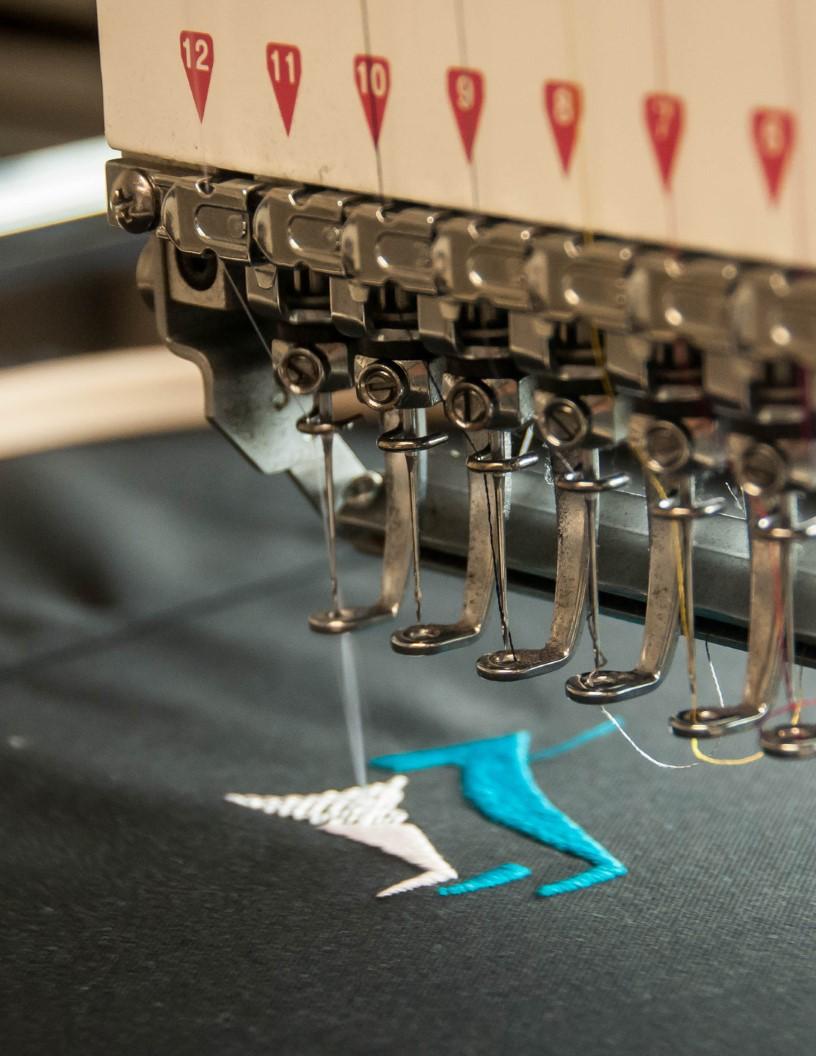


Embroidery Equipment Market Size 2025-2029
The embroidery equipment market size is forecast to increase by USD 172 million, at a CAGR of 5.8% between 2024 and 2029.
- The market is experiencing significant growth due to the increasing demand from emerging economies. This trend is driven by the expanding textile industry and e-textile industry in these regions, as well as the rising preference for customized and personalized clothing. Another key factor fueling market growth is the increasing demand for automation in textile embroidery. Automation in textile not only enhances production efficiency but also improves product quality and consistency. However, the high cost of embroidery equipment poses a significant challenge for market growth. This cost barrier primarily affects small and medium-sized enterprises, limiting their ability to invest in advanced technology. To capitalize on market opportunities, companies should focus on offering affordable yet high-performance embroidery solutions.
- Additionally, collaborating with local partners in emerging markets can help reduce logistical costs and facilitate market entry. Navigating the challenge of high equipment costs may involve exploring financing options, leasing schemes, or partnership models to make embroidery technology more accessible to a broader customer base.
What will be the Size of the Embroidery Equipment Market during the forecast period?

Explore in-depth regional segment analysis with market size data - historical 2019-2023 and forecasts 2025-2029 - in the full report.
Request Free Sample
The market continues to evolve, driven by advancements in technology and the expanding application sectors. Industrial embroidery machines, embroidery frames, and automation systems are at the forefront of this evolution, streamlining production processes and enhancing product quality. Pattern placement and design services, coupled with embroidery software and visualization tools, enable intricate designs and seamless integration of color changes and stitch types. Embroidery equipment caters to various industries, including apparel manufacturing and promotional products, with industrial textiles and embroidery threads playing crucial roles. The market's continuous dynamism is reflected in the ongoing development of embroidery parts, such as needles, hoops, and stabilizers, as well as embroidery production planning and efficiency-enhancing tools.
Moreover, the embroidery supply chain benefits from advancements in embroidery digitizing software, maintenance solutions, and updates for sewing and embroidery machines. Backing fabrics, including water-soluble and tear-away stabilizers, are integral components that adapt to the evolving market trends, ensuring high-quality embroidery results. Laser cutting and embroidery design services further expand the market's scope, enabling the creation of intricate designs and customized solutions for diverse applications. The integration of CAD/CAM systems and automated embroidery systems enhances the overall efficiency and flexibility of the embroidery production process. In summary, the market is characterized by continuous innovation and adaptation to the evolving needs of various industries. From industrial textiles and embroidery threads to advanced software solutions and automation systems, the market's dynamism is reflected in the ongoing development of essential components and production processes.
How is this Embroidery Equipment Industry segmented?
The embroidery equipment industry research report provides comprehensive data (region-wise segment analysis), with forecasts and estimates in "USD million" for the period 2025-2029, as well as historical data from 2019-2023 for the following segments.
- Product Type
- Multi-needle
- Single-needle
- End-user
- Commercial
- Household
- Type
- Surface embroidery equipment
- Counted thread embroidery equipment
- Needlepoint equipment
- Others
- Application
- Apparel
- Home textiles
- Accessories
- Others
- Geography
- North America
- US
- Canada
- Europe
- France
- Germany
- Italy
- UK
- APAC
- China
- India
- Japan
- South Korea
- Rest of World (ROW)
- North America
By Product Type Insights
The multi-needle segment is estimated to witness significant growth during the forecast period.
The market encompasses various tools and technologies used in the process of adding decorative designs to textiles. Multi-needle embroidery machines, a significant segment within this market, utilize multiple needles concurrently to enhance production speed and versatility. Industrial textiles, apparel manufacturing, and promotional products are primary industries that benefit from these machines due to their capacity for large-scale, intricate designs and reduced thread change requirements. Embroidery software and digitizing software play crucial roles in the design and production process, enabling pattern placement, stitch length adjustments, and design scaling. Industrial embroidery machines offer advanced features, such as automated pattern placement, stitch density control, and color change management, which contribute to increased efficiency and improved product quality.
Embroidery accessories, including needles, hoops, stabilizers, and thread, are essential components in the embroidery process. Water-soluble stabilizers and tear-away stabilizers facilitate the application of designs on fabric, while embroidery hoops maintain the fabric taut during the embroidery process. Embroidery certification and quality control ensure consistent product quality and customer satisfaction. Embroidery repair and maintenance services address issues related to thread breakage, needle breakage, and other production challenges. Automation and digitization are key trends in the market, with computerized embroidery machines and automated embroidery systems streamlining the production process and reducing the need for manual labor. The embroidery supply chain is evolving to accommodate these advancements, with embroidery digitizing services and embroidery bobbins catering to the growing demand for digitized designs and custom thread colors. In summary, the market is characterized by the integration of advanced technologies, automation, and digitization, enabling increased productivity, versatility, and improved product quality in various industries.

The Multi-needle segment was valued at USD 292.30 million in 2019 and showed a gradual increase during the forecast period.
Regional Analysis
APAC is estimated to contribute 65% to the growth of the global market during the forecast period.Technavio's analysts have elaborately explained the regional trends and drivers that shape the market during the forecast period.

The market in Asia Pacific is experiencing significant transformation, driven by the textile industry's growth and technological innovation. With a rising demand for textiles, home decor, and other textile products, there is an increasing need for advanced embroidery machinery. Computerized embroidery machines and digital printing equipment are gaining popularity, enhancing regional market efficiency and competitiveness. The textile industry in Asia Pacific is thriving, with countries like India, China, and Bangladesh witnessing urbanization and rising disposable income, fueling consumer interest in fashion apparel. This trend is driving demand for embroidery equipment in the region. Embroidery frames and machines facilitate intricate designs on various textiles, while embroidery sampling allows for quality control and customization.
Industrial embroidery machines cater to large-scale production, and pattern placement ensures accurate design transfer. Embroidery design services and software enable the creation and editing of designs, while visualization software offers a realistic preview. Stitch length, density, and count can be controlled for optimal results. Color changes, attachments, needles, and thread bobbins are essential components, while automation, tooling, and stabilizers streamline production. Embroidery repair services and maintenance ensure machine longevity. Multi-head embroidery machines and digitizing software enable mass production, while digitizing services offer custom designs. Backing fabrics provide stability during the embroidery process. Embroidery equipment plays a crucial role in apparel manufacturing and promotional products, with computerized and automated systems increasing production efficiency.
Training and cad/cam integration ensure skilled labor and seamless workflows. The embroidery supply chain benefits from these advancements, ensuring timely delivery and high-quality products.
Market Dynamics
Our researchers analyzed the data with 2024 as the base year, along with the key drivers, trends, and challenges. A holistic analysis of drivers will help companies refine their marketing strategies to gain a competitive advantage.
The global embroidery equipment market size and forecast projects growth, driven by embroidery equipment market trends 2025-2029. B2B embroidery machine tool solutions leverage smart embroidery technologies for precision. Embroidery equipment market growth opportunities 2025 include embroidery machines for small businesses and industrial embroidery equipment, supporting production. Embroidery machine management software optimizes operations, while embroidery equipment market insights highlights key manufacturers. Sustainable embroidery practices align with eco-friendly textile trends. Embroidery equipment regulations 2025-2029 shapes embroidery machine demand in Asia 2025. High-speed embroidery solutions and premium embroidery equipment trends boost adoption. Embroidery machines for apparel and customized embroidery designs target niches. Embroidery equipment market analysis and solutions address maintenance costs, with direct procurement strategies for embroidery equipment and embroidery machine pricing optimization boosting profitability. Data-driven market embroidery equipment analytics and digital embroidery trends drive innovation.
What are the key market drivers leading to the rise in the adoption of Embroidery Equipment Industry?
- The emerging countries' increasing demand for embroidery equipment serves as the primary market driver.
- The market is witnessing significant growth due to the increasing demand for designer textiles in various countries, particularly in China, India, Bangladesh, and Vietnam. The favorable business conditions in these countries, including low labor costs and easy availability of raw materials and skilled workforce, make them attractive destinations for original equipment manufacturers (OEMs) to establish manufacturing plants. In China, textile machinery manufacturers are focusing on enhancing the textile manufacturing process and technology by introducing advanced machines at competitive prices. The competitiveness of the textile industry in these countries is likely to support domestic growth and attract foreign investments. Sewing machines, a crucial component of embroidery equipment, are being upgraded with advanced features such as embroidery software updates, laser cutting, and multi-head capabilities to meet the evolving needs of the industry.
- Embroidery designs, threads, and stabilizers are also essential components of the embroidery production process. The use of embroidery editing software and digitizing software facilitates the creation and customization of designs, while stitch density and stitch types determine the quality and intricacy of the embroidery work. Embroidery digitizing services are also gaining popularity to help businesses save time and resources in creating unique designs. Overall, the embroidery supply chain is becoming more streamlined and efficient, enabling businesses to meet the growing demand for designer textiles.
What are the market trends shaping the Embroidery Equipment Industry?
- The increasing demand for automation is shaping the textile embroidery market trend. Automation in this industry is becoming increasingly necessary to meet rising consumer demands for faster production and higher quality output.
- Embroidery equipment automation significantly enhances textile production efficiency and precision. Modern embroidery machines utilize software for design loading via barcode or QR code readers, eliminating manual operation and enabling intricate designs. Automated color assignment automatically changes thread colors during stitching, creating multicolored designs. Computerized embroidery systems and automated embroidery processes streamline production, reducing fabric flow time. Embroidery components, including embroidery hoops, tear-away stabilizers, and embroidery bobbins, ensure consistent quality. Needle breakage is minimized through advanced needle technology. Training programs and CAD/CAM integration facilitate seamless embroidery manufacturing processes. Embroidery feet and specialized tools enhance machine capabilities for various applications, such as apparel manufacturing and promotional products.
- Overall, automation and advanced technology improve embroidery efficiency and cost competitiveness in the textile industry.
What challenges does the Embroidery Equipment Industry face during its growth?
- The high cost of embroidery equipment poses a significant challenge to the growth of the industry, as this essential investment can be a substantial financial barrier for businesses in the sector.
- The market experiences a significant challenge due to the high upfront costs of manufacturing and installing advanced embroidery machinery. Small and medium-sized enterprises (SMEs) are disproportionately impacted by these expenses. The intricate and precise nature of embroidery work necessitates computerized control systems for fine needle control, which can be costly. SMEs may struggle to invest in cutting-edge technology such as computerized designing machines, automated multifunctional embroidery, or precision embroidery equipment due to the substantial financial resources required.
- This barrier may create an uneven competitive landscape, favoring larger firms with greater financial capabilities. The high capital investment for embroidery equipment may hinder the industry's progress towards widespread technological innovation and modernization.
Exclusive Customer Landscape
The embroidery equipment market forecasting report includes the adoption lifecycle of the market, covering from the innovator's stage to the laggard's stage. It focuses on adoption rates in different regions based on penetration. Furthermore, the embroidery equipment market report also includes key purchase criteria and drivers of price sensitivity to help companies evaluate and develop their market growth analysis strategies.

Customer Landscape
Key Companies & Market Insights
Companies are implementing various strategies, such as strategic alliances, embroidery equipment market forecast, partnerships, mergers and acquisitions, geographical expansion, and product/service launches, to enhance their presence in the industry.
Barudan CO. LTD. - This company specializes in providing a range of embroidery equipment for various applications. Their product offerings include Towel Hemming Machines, Sequin Machines, Compact Bridge Machines, and Single Head Machines, among others. These machines cater to diverse industries and enable users to create intricate and high-quality embroidery designs.
The industry research and growth report includes detailed analyses of the competitive landscape of the market and information about key companies, including:
- Barudan CO. LTD.
- BERNINA International AG
- Brother Industries Ltd.
- Feiya Group Co
- HappyJapan Inc.
- HEFENG
- Janome Corp.
- MAYA MECHANICAL AND ELECTRICAL TECHNOLOGY CO. LTD.
- Mobase Sunstar Co. Ltd.
- OC Oerlikon Corp. AG
- Ricoma International Corp.
- SINSIM
- Stitch It International
- SVP Singer Holdings Inc.
- Tacony Corp.
- Tajima Industries Ltd
- Zhejiang shenshilei group co.
- ZSK Stickmaschinen GmbH
Qualitative and quantitative analysis of companies has been conducted to help clients understand the wider business environment as well as the strengths and weaknesses of key industry players. Data is qualitatively analyzed to categorize companies as pure play, category-focused, industry-focused, and diversified; it is quantitatively analyzed to categorize companies as dominant, leading, strong, tentative, and weak.
Recent Development and News in Embroidery Equipment Market
- In January 2024, Brother International Corporation, a leading player in the market, announced the launch of its new embroidery machine, the PR1000, featuring advanced technology for high-speed production and improved design capabilities (Brother International Corporation Press Release).
- In March 2024, Tajima Limited, another major player, formed a strategic partnership with a leading textile manufacturer in India, to expand its presence in the Indian market and offer localized solutions to customers (Tajima Limited Press Release).
- In April 2024, Janome Sewing Company, a significant player, completed the acquisition of a leading digital embroidery solutions provider, enhancing its digital capabilities and expanding its product portfolio (Janome Sewing Company SEC Filing).
- In May 2025, the European Union announced new regulations on textile labeling, requiring clearer and more detailed information on the origin and production process of textiles, creating opportunities for embroidery equipment manufacturers to provide solutions for compliant labeling (European Commission Press Release).
Research Analyst Overview
- The industrial embroidery solutions market encompasses various aspects, including bobbin winding, machine operation, and software tutorials. Trends in the embroidery industry lean towards high-speed capabilities and advanced design libraries. Fill stitch and satin stitch embroidery remain popular techniques, while 3D embroidery and applique embroidery add a unique touch to custom designs. Embroidery machine setup and troubleshooting are essential for maintaining optimal performance. Free motion embroidery and digitizing offer artists greater creative control. Commercial embroidery services cater to businesses seeking custom designs, while thread tension and customization are crucial factors in ensuring high-quality embroidery sales.
- Market analysis and marketing strategies are vital for embroidery businesses to stay competitive. Embroidery software training and documentation are essential resources for users to effectively utilize embroidery software. Cross stitch and chain stitch embroidery continue to be beloved hobbies, while sales of industrial embroidery machines remain strong.
Dive into Technavio's robust research methodology, blending expert interviews, extensive data synthesis, and validated models for unparalleled Embroidery Equipment Market insights. See full methodology.
|
Market Scope |
|
|
Report Coverage |
Details |
|
Page number |
222 |
|
Base year |
2024 |
|
Historic period |
2019-2023 |
|
Forecast period |
2025-2029 |
|
Growth momentum & CAGR |
Accelerate at a CAGR of 5.8% |
|
Market growth 2025-2029 |
USD 172 million |
|
Market structure |
Fragmented |
|
YoY growth 2024-2025(%) |
5.0 |
|
Key countries |
China, Japan, India, US, South Korea, Germany, UK, France, Italy, and Canada |
|
Competitive landscape |
Leading Companies, Market Positioning of Companies, Competitive Strategies, and Industry Risks |
What are the Key Data Covered in this Embroidery Equipment Market Research and Growth Report?
- CAGR of the Embroidery Equipment industry during the forecast period
- Detailed information on factors that will drive the growth and forecasting between 2025 and 2029
- Precise estimation of the size of the market and its contribution of the industry in focus to the parent market
- Accurate predictions about upcoming growth and trends and changes in consumer behaviour
- Growth of the market across APAC, Europe, North America, Middle East and Africa, and South America
- Thorough analysis of the market's competitive landscape and detailed information about companies
- Comprehensive analysis of factors that will challenge the embroidery equipment market growth of industry companies
We can help! Our analysts can customize this embroidery equipment market research report to meet your requirements.