

Enteric Empty Capsules Sales Market Size 2026-2030
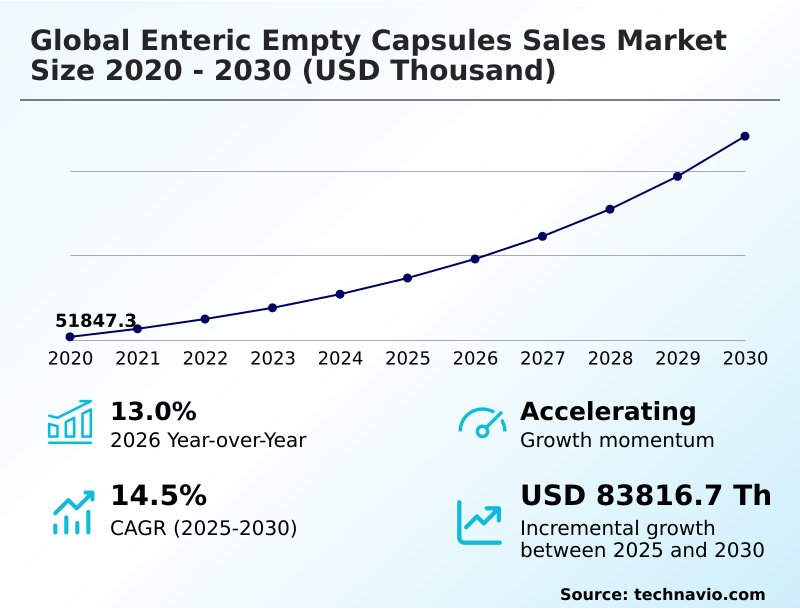
The Enteric Empty Capsules Sales Market size was valued at USD 86.62 million in 2025, growing at a CAGR of 14.5% during the forecast period 2026-2030.
Major Market Trends & Insights
- North America dominated the market and accounted for a 40.9% growth during the forecast period.
- By End-user - Pharmaceutical segment was valued at USD 32.91 million in 2024
- By Application - Antibiotic and antibacterial drugs segment accounted for the largest market revenue share in 2024
Market Size & Forecast
- Historic Market Opportunities 2020-2024:
- Market Future Opportunities 2025-2030: USD 83.82 million
- CAGR from 2025 to 2030 : 14.5%
Market Summary
- The enteric empty capsules sales market is defined by a pronounced shift toward value-added, functional dosage forms that improve therapeutic outcomes. For instance, a nutraceutical company can improve product efficacy claims by over 15% by switching from standard capsules to enteric variants for probiotic protection, ensuring viable organisms reach the intestines.
- This transition, which can reduce manufacturing complexity by eliminating a separate coating step, exemplifies a key market driver: the rising consumer demand for high-performance supplements and clean-label products. However, this innovation pathway is not without hurdles. A primary challenge is navigating the complex and often divergent international regulatory landscape for pharmaceutical excipients.
- For example, rules governing opacifiers in Europe versus North America force manufacturers to maintain dual inventories, increasing operational costs by as much as 10% for global product lines and complicating supply chain management for drug delivery systems.
What will be the Size of the Enteric Empty Capsules Sales Market during the forecast period?
Get Key Insights on Market Forecast (PDF) Request Free Sample
How is the Enteric Empty Capsules Sales Market Segmented?
The enteric empty capsules sales industry research report provides comprehensive data (region-wise segment analysis), with forecasts and analysis for the period 2026-2030, as well as historical data from 2020-2024 for the following segments.
- End-user
- Pharmaceutical
- Health supplements
- Others
- Application
- Antibiotic and antibacterial drugs
- Antacid and antiflatulent preparations
- Others
- Product
- Gelatin-based enteric capsules
- Hydroxypropyl methylcellulose enteric capsules
- Others
- Geography
- North America
- US
- Canada
- Mexico
- Europe
- Germany
- UK
- France
- Asia
- Rest of World (ROW)
- North America
How is the Enteric Empty Capsules Sales Market Segmented by End-user?
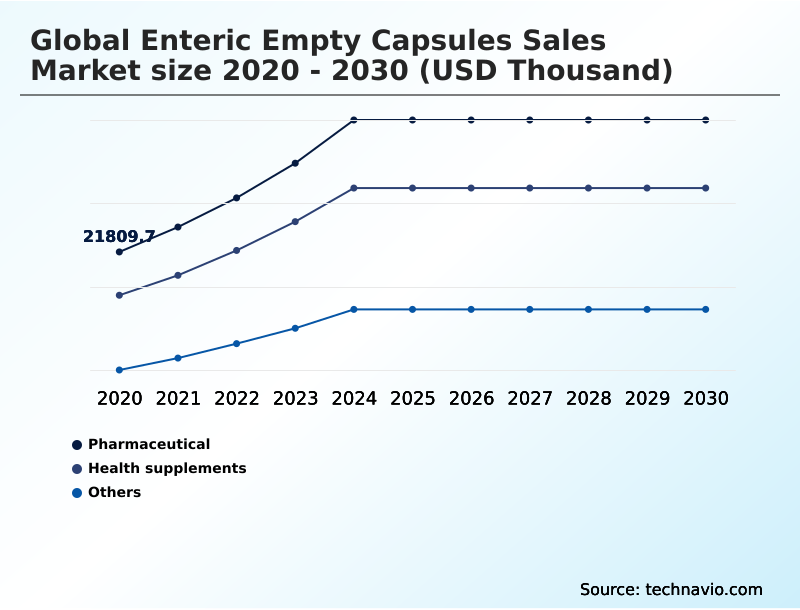
The pharmaceutical segment is estimated to witness significant growth during the forecast period.
The pharmaceutical segment accounts for over 60% of the enteric empty capsules sales market, driven by complex active pharmaceutical ingredients (APIs) and the need for modified-release profiles.
A major operational shift involves moving from secondary enteric coating to using intrinsic enteric capsules, a change that can reduce manufacturing lead times by up to 25%. This evolution is critical for simplifying production and accelerating speed-to-market for new drugs.
Consequently, formulators are prioritizing one-stop solution providers that offer both advanced vegetarian capsules and polymer science expertise.
This trend toward vertical integration ensures better excipient compatibility and supports the stringent Quality by Design (QbD) framework, optimizing the drug development process for acid-labile compounds and other moisture-sensitive ingredients.
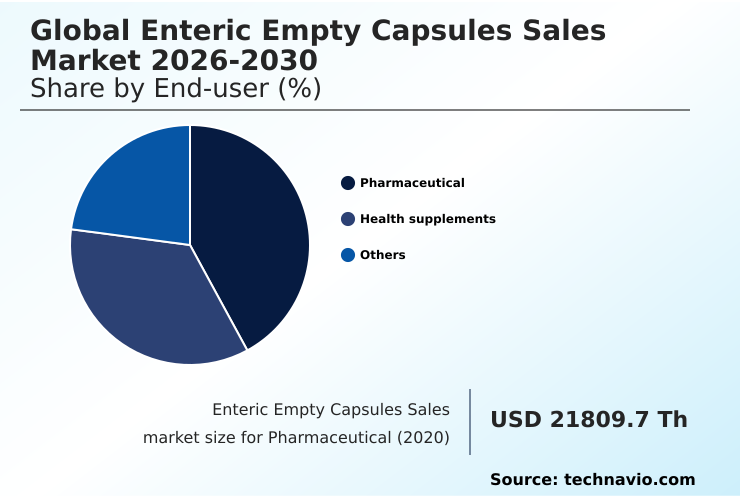
The Pharmaceutical segment was valued at USD 32.91 million in 2024 and showed a gradual increase during the forecast period.
How demand for the Enteric Empty Capsules Sales market is rising in the leading region?
North America is estimated to contribute 40.9% to the growth of the global market during the forecast period.Technavio’s analysts have elaborately explained the regional trends and drivers that shape the market during the forecast period.
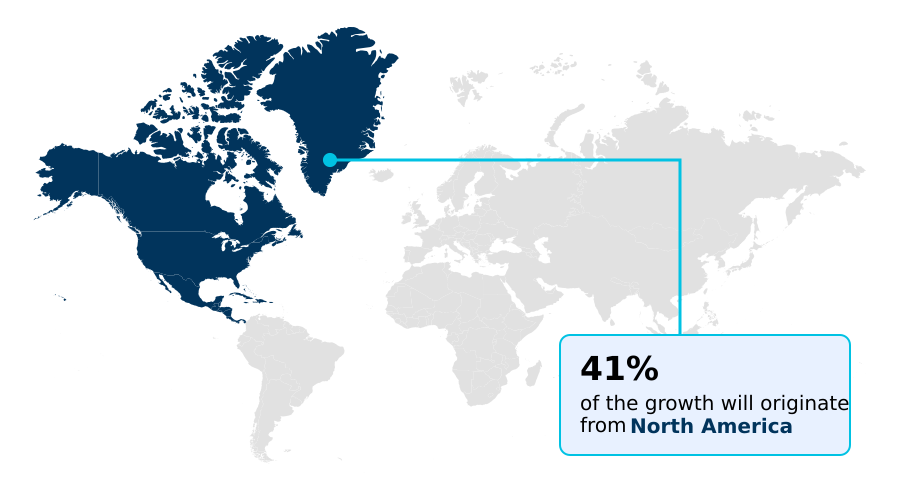
See How Enteric Empty Capsules Sales Market demand is rising in North America Request Free Sample
The global enteric empty capsules sales market exhibits distinct regional growth patterns, with Europe poised to expand at the highest rate of 15.4%, closely followed by North America at 15.2%.
This growth in developed regions is driven by advanced pharmaceutical sectors, high R&D spending, and stringent regulatory compliance for patient compliance.
In North America, the US market is more than five times larger than Canada's, dominating regional demand due to its large nutraceutical and pharmaceutical industries that prioritize product stability.
In contrast, Asia's market, growing at 13.5%, is characterized by high-volume manufacturing and increasing adoption of Good Manufacturing Practice (GMP) standards.
This geographic divergence requires suppliers to tailor their strategies, focusing on technical collaboration and innovative drug delivery systems in the West while optimizing for scale and cost containment in the East.
What are the key Drivers, Trends, and Challenges in the Enteric Empty Capsules Sales Market?
Our researchers analyzed the data with 2025 as the base year, along with the key drivers, trends, and challenges. A holistic analysis of drivers will help companies refine their marketing strategies to gain a competitive advantage.
- When developing new products, formulators frequently grapple with the hpmc vs gelatin enteric capsules debate, a decision that has significant implications for both performance and market positioning. The enteric capsule manufacturing process for gelatin often requires secondary functional coatings, adding complexity and cost, whereas HPMC-based intrinsic enteric capsules streamline production.
- This is particularly crucial for the best capsules for probiotic delivery, where maintaining organism viability through the gastric environment is paramount; HPMC variants can offer a 10–15% more predictable dissolution profile compared to some cross-linked gelatin alternatives.
- For companies producing acid-resistant capsules for supplements, the choice impacts clean-label marketing, as vegetarian HPMC aligns better with consumer demand for plant-based, non-GMO products. The underlying delayed release capsules technology is constantly evolving, with a clear trend toward polymer-based solutions that offer superior protection for moisture-sensitive ingredients and enhance therapeutic efficacy.
- The capital investment for a traditional coating line can be more than double the cost of integrating a process designed for inherently gastro-resistant formulation, highlighting the economic drivers behind the technological shift. This focus on advanced oral drug delivery underscores the industry's move toward more sophisticated, patient-centric dosage forms.
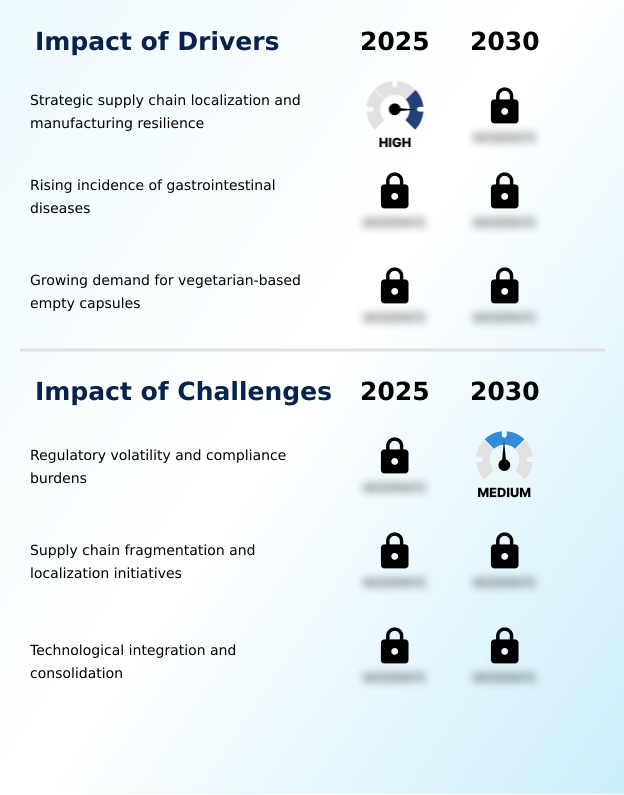
What are the key market drivers leading to the rise in the adoption of Enteric Empty Capsules Sales Industry?
- Strategic supply chain localization and a focus on manufacturing resilience are key drivers propelling market growth and reshaping regional competitive landscapes.
- A primary driver for the enteric empty capsules sales market is the imperative to de-risk supply chains, which has catalyzed a move toward manufacturing resilience and reduced dependency on distant hubs.
- This strategic localization improves supply chain stability by over 50% during global disruptions. Pharmaceutical manufacturers are increasingly prioritizing domestic sourcing partners for oral drug delivery to ensure continuity, secure shorter lead times, and align with initiatives favoring local production.
- Consequently, major capsule companies are executing aggressive capital expansions to establish regional footprints. This transforms the competitive landscape from an import-reliant model to one of regional self-sufficiency, fostering a robust ecosystem for technical support and innovation in targeted drug delivery.
What are the market trends shaping the Enteric Empty Capsules Sales Industry?
- A primary trend reshaping the market is the strategic shift toward supply chain localization and manufacturing onshoring. This move aims to enhance supply security and mitigate risks from global logistics disruptions.
- A decisive trend in the enteric empty capsules sales market is the strategic onshoring of production, reversing decades of reliance on trans-oceanic supply chains. This shift toward supply chain localization is driven by the need to ensure manufacturing resilience and reduce lead times, which can be cut by up to 40% with domestic facilities.
- By establishing local production, manufacturers of oral solid dosage forms can offer enhanced technical collaboration and faster prototyping for complex gastro-resistant formulation. This trend is particularly critical for high-value APIs requiring stringent regulatory oversight.
- The move aligns with the clean-label movement, as North American consumers show a growing preference for products with transparent, domestic origins, influencing procurement strategies for both pharmaceutical and nutraceutical applications.
What challenges does the Enteric Empty Capsules Sales Industry face during its growth?
- Regulatory volatility and the increasing burden of compliance, particularly with divergent international standards for excipients, present a significant challenge to industry growth.
- Navigating regulatory volatility is a primary challenge, adding up to 15% to compliance costs for certain global product lines in the enteric empty capsules sales market. A key issue is the divergence in frameworks for pharmaceutical excipients like titanium dioxide, which is restricted as a food additive in the European Union but remains approved for medicinal products.
- This ambiguity creates a dual-inventory burden, forcing manufacturers to develop and maintain parallel TiO2-free capsules for the nutraceutical sector while supplying traditional opacifier and colorant versions for pharmaceutical clients. This dichotomy increases operational complexity by over 20% and demands rigorous quality control to prevent cross-contamination, extending development timelines for drug delivery systems and hindering rapid speed-to-market.
Exclusive Technavio Analysis on Customer Landscape
The enteric empty capsules sales market forecasting report includes the adoption lifecycle of the market, covering from the innovator’s stage to the laggard’s stage. It focuses on adoption rates in different regions based on penetration. Furthermore, the enteric empty capsules sales market report also includes key purchase criteria and drivers of price sensitivity to help companies evaluate and develop their market growth analysis strategies.
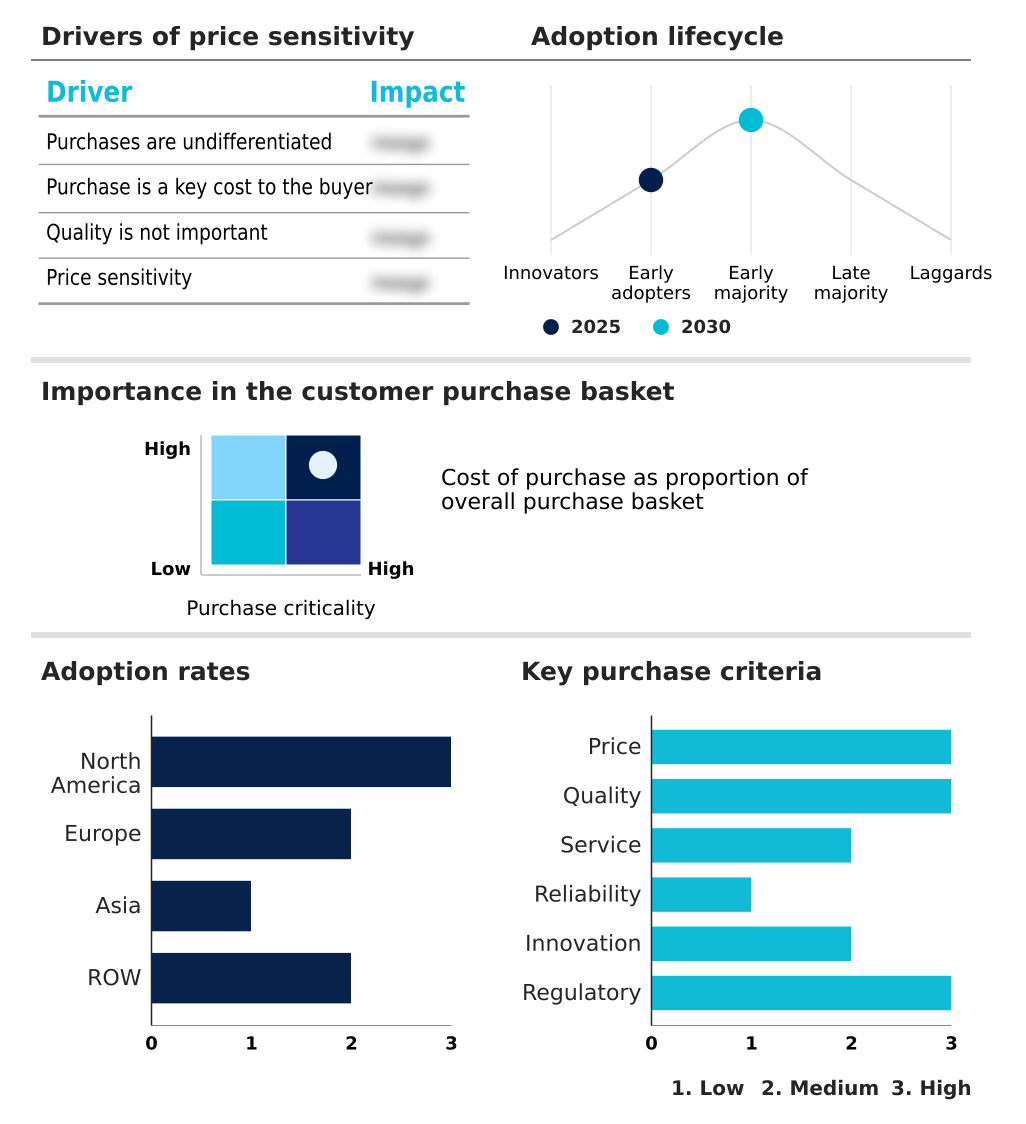
Customer Landscape of Enteric Empty Capsules Sales Industry
Competitive Landscape
Companies are implementing various strategies, such as strategic alliances, enteric empty capsules sales market forecast, partnerships, mergers and acquisitions, geographical expansion, and product/service launches, to enhance their presence in the industry.
ACG - Key offerings include advanced enteric and delayed-release capsule technologies engineered for precise pharmaceutical and nutraceutical applications, focusing on bioavailability enhancement.
The industry research and growth report includes detailed analyses of the competitive landscape of the market and information about key companies, including:
- ACG
- Ajix Inc.
- Anhui Huangshan Ltd.
- Bright Pharma Caps Inc.
- Dah Feng Capsule Co. Ltd.
- Healthcaps India Ltd.
- Lonza Group Ltd.
- Medicaps Limited
- Natural Capsules Ltd.
- Nectar Lifesciences Ltd.
- Qualicaps Co. Ltd.
- Roquette Freres SA
- Roxlor LLC
- Shanxi Guangsheng Co. Ltd.
- Snail Pharma Industry Co. Ltd.
- Suheung Co. Ltd.
- Sunil Healthcare Ltd.
Qualitative and quantitative analysis of companies has been conducted to help clients understand the wider business environment as well as the strengths and weaknesses of key industry players. Data is qualitatively analyzed to categorize companies as pure play, category-focused, industry-focused, and diversified; it is quantitatively analyzed to categorize companies as dominant, leading, strong, tentative, and weak.
Market Intelligence Radar: High-Impact Developments & Growth Signals
- In the Pharmaceuticals industry, increasingly stringent regulations on excipients, such as the scrutiny over titanium dioxide in Europe, are compelling a shift toward TiO2-free capsules and clean-label excipients, directly impacting material sourcing and formulation strategies in the enteric empty capsules sales market.
- A strategic push for supply chain localization and manufacturing resilience to mitigate geopolitical risks is leading to significant capital investment in regional production facilities, altering the competitive dynamics from an import-reliant model to one of regional self-sufficiency for oral solid dosage forms.
- The rapid growth of biologics and other acid-sensitive large molecules in drug development pipelines is heightening the demand for advanced drug delivery systems, such as intrinsic enteric capsules, that ensure product stability and targeted intestinal release.
- Heightened focus on Environmental, Social, and Governance (ESG) criteria is accelerating the transition from traditional gelatin-based capsules to plant-based alternatives like HPMC and pullulan capsules, aligning with sustainability goals and evolving consumer preferences in the nutraceutical applications sector.
Dive into Technavio’s robust research methodology, blending expert interviews, extensive data synthesis, and validated models for unparalleled Enteric Empty Capsules Sales Market insights. See full methodology.
| Market Scope | |
|---|---|
| Page number | 281 |
| Base year | 2025 |
| Historic period | 2020-2024 |
| Forecast period | 2026-2030 |
| Growth momentum & CAGR | Accelerate at a CAGR of 14.5% |
| Market growth 2026-2030 | USD 83816.7 thousand |
| Market structure | Fragmented |
| YoY growth 2025-2026(%) | 13.0% |
| Key countries | US, Canada, Mexico, Germany, UK, France, Italy, Spain, The Netherlands, China, Japan, India, South Korea, Indonesia, Thailand, Brazil, Saudi Arabia, Turkey, South Africa, Argentina, UAE, Colombia and Israel |
| Competitive landscape | Leading Companies, Market Positioning of Companies, Competitive Strategies, and Industry Risks |
Research Analyst Overview
- The market ecosystem for enteric empty capsules sales is a multi-layered value chain, with the pharmaceutical segment representing over 40% of total demand. It begins with raw material suppliers providing polymers like HPMC and pharmaceutical-grade gelatin. These materials are procured by capsule manufacturers, who engineer dosage form solutions with specific delayed-release mechanisms.
- These manufacturers work closely with their end-users—pharmaceutical and nutraceutical companies—to ensure excipient compatibility and performance within high-speed capsule filling machines. The entire process is governed by regulatory bodies such as the FDA and EMA, which enforce pharmacopeial standards and GMP.
- The adoption of vegetarian capsules is growing 1.5 times faster than that of gelatin, driven by consumer preferences and the need for formulations compatible with a wider range of active pharmaceutical ingredients (APIs). Supporting entities, including logistics providers and R&D labs, are critical for ensuring supply chain security and continuous innovation.
What are the Key Data Covered in this Enteric Empty Capsules Sales Market Research and Growth Report?
-
What is the expected growth of the Enteric Empty Capsules Sales Market between 2026 and 2030?
-
The Enteric Empty Capsules Sales Market is expected to grow by USD 83.82 million during 2026-2030, registering a CAGR of 14.5%. Year-over-year growth in 2026 is estimated at 13.0%%. This acceleration is shaped by strategic supply chain localization and manufacturing resilience, which is intensifying demand across multiple end-use verticals covered in the report.
-
-
What segmentation does the market report cover?
-
The report is segmented by End-user (Pharmaceutical, Health supplements, and Others), Application (Antibiotic and antibacterial drugs, Antacid and antiflatulent preparations, and Others), Product (Gelatin-based enteric capsules, Hydroxypropyl methylcellulose enteric capsules, and Others) and Geography (North America, Europe, Asia, Rest of World (ROW)). Among these, the Pharmaceutical segment is estimated to witness significant growth during the forecast period, driven by rising adoption across key application areas. Each segment includes detailed qualitative and quantitative analysis, along with historical data from 2020-2024 and forecasts through 2030 with year-over-year growth rates.
-
-
Which regions are analyzed in the report?
-
The report covers North America, Europe, Asia and Rest of World (ROW). North America is estimated to contribute 40.9% to market growth during the forecast period. Country-level analysis includes US, Canada, Mexico, Germany, UK, France, Italy, Spain, The Netherlands, China, Japan, India, South Korea, Indonesia, Thailand, Brazil, Saudi Arabia, Turkey, South Africa, Argentina, UAE, Colombia and Israel, with dedicated market size tables and year-over-year growth for each.
-
-
What are the key growth drivers and market challenges?
-
The primary driver is strategic supply chain localization and manufacturing resilience, which is accelerating investment and industry demand. The main challenge is regulatory volatility and compliance burdens, creating operational barriers for key market participants. The report quantifies the impact of each driver and challenge across 2026 and 2030 with comparative analysis.
-
-
Who are the major players in the Enteric Empty Capsules Sales Market?
-
Key vendors include ACG, Ajix Inc., Anhui Huangshan Ltd., Bright Pharma Caps Inc., Dah Feng Capsule Co. Ltd., Healthcaps India Ltd., Lonza Group Ltd., Medicaps Limited, Natural Capsules Ltd., Nectar Lifesciences Ltd., Qualicaps Co. Ltd., Roquette Freres SA, Roxlor LLC, Shanxi Guangsheng Co. Ltd., Snail Pharma Industry Co. Ltd., Suheung Co. Ltd. and Sunil Healthcare Ltd.. The report provides qualitative and quantitative analysis categorizing companies as dominant, leading, strong, tentative, and weak based on their market positioning. Company profiles include business segment analysis, SWOT assessment, key offerings, and recent strategic developments.
-
Market Research Insights
- The competitive landscape in enteric empty capsules sales saw significant consolidation in 2025, with major players making strategic investments to enhance supply chain security; these investments represented over 75% of the year’s total capital expenditure in the sector.
- Key vendors like ACG are expanding their manufacturing footprint in North America to support localized production, a move designed to reduce lead times for oral solid dosage forms. Simultaneously, integration is reshaping the value chain, as seen with Roquette's formation of a unified Health and Pharma Solutions group following its acquisition of IFF Pharma Solutions.
- This creates a one-stop solution for customers needing both advanced polymers and dosage form solutions. Lonza also bolstered its regional capabilities, expanding its production of specialized vegetarian capsules. These actions collectively address the industry's need for manufacturing resilience and advanced formulation flexibility.
We can help! Our analysts can customize this enteric empty capsules sales market research report to meet your requirements.
 RIA -
RIA -