



Europe Affordable Luxury Market Size 2025-2029
The affordable luxury market in Europe size is forecast to increase by USD 3.66 billion at a CAGR of 2.9% between 2024 and 2029.
- In the affordable luxury market, consumer behavior is evolving, with a growing preference for personalized experiences and authenticity. Omnichannel retailing is gaining traction, allowing consumers to seamlessly transition between online and offline shopping channels. However, the presence of counterfeit products poses a significant challenge, necessitating innovative solutions. Blockchain technology offers a potential solution, enabling secure and transparent transactions. Influencers and social media are increasingly shaping consumer decisions, with brands leveraging influencer marketing and social media platforms to reach their audience. Artificial intelligence and big data are being used to analyze consumer behavior and preferences, enabling personalized marketing and product recommendations. E-commerce continues to dominate the retail landscape, with brands investing in advanced technologies to enhance the shopping experience and differentiate themselves from competitors.
What will be the Size of the market During the Forecast Period?
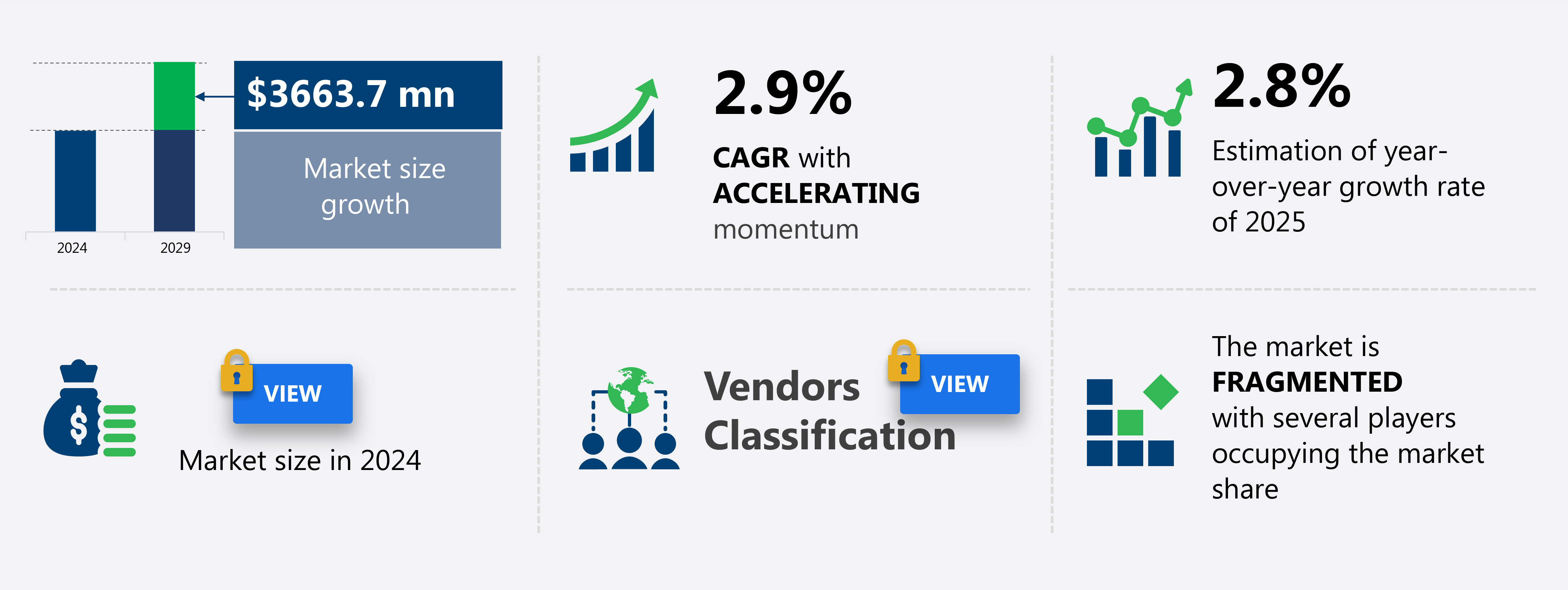
- The affordable luxury market continues to evolve, driven by digital transformation and online shopping trends. Artificial intelligence and augmented reality technologies enhance consumer experiences with virtual try-ons and personalized recommendations. Big data analytics fuel targeted marketing efforts on e-commerce platforms, reaching high-net-worth individuals and the affluent middle class. Urbanization and brand heritage resonate with consumers, driving growth In the market. However, counterfeit goods remain a challenge, requiring increased focus on authentication and security. Cyclical headwinds and international tourism disruptions have caused some luxury spend growth fluctuations. New store openings, luxury hotel expansions, and property acquisitions indicate continued investment In the sector. Consumer preferences for authentic experiences and social media marketing further shape the market landscape. Despite these trends, real estate challenges persist, requiring strategic planning and adaptability. Augmented reality is also gaining popularity In the luxury hotel industry, providing immersive experiences for guests.
How is this market segmented and which is the largest segment?
The market research report provides comprehensive data (region-wise segment analysis), with forecasts and estimates in "USD million" for the period 2025-2029, as well as historical data from 2019-2023 for the following segments.
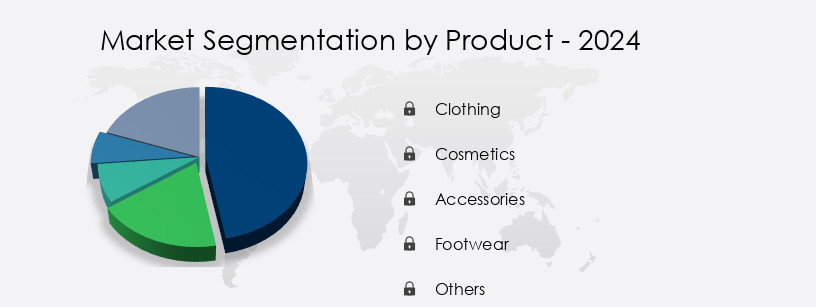
- Product
- Clothing
- Cosmetics
- Accessories
- Footwear
- Others
- Distribution Channel
- Offline
- Online
- End-user
- Women
- Men
- Children
- Geography
- Europe
- Germany
- UK
- France
- Italy
- Europe
By Product Insights
- The clothing segment is estimated to witness significant growth during the forecast period.
The European affordable luxury clothing market caters to consumers seeking high-quality apparel at reasonable prices. This segment appeals to individuals who value fine craftsmanship, fashion trends, and superior construction but have budget constraints. Affordable luxury clothing brands in Europe prioritize luxurious fabrics, such as cotton, silk, and cashmere, to deliver a premium experience. Digital transformation In the form of online shopping, artificial intelligence, and big data analytics enhance the consumer experience. Virtual try-ons and personalized recommendations cater to affluent middle class and high-net-worth individuals. Urbanization and the rise of affluent cities have expanded the consumption area for these brands.
Brands also focus on sustainability, using eco-friendly materials and offering second-hand luxury products through re-commerce platforms. Online retailers, including clothing and apparel, footwear, perfumes and cosmetics, leather goods, and watches, dominate the market. The market faces challenges, including cyclical headwinds, real estate challenges, and luxury hotel expansion. Consumer preferences for athleisure wear, younger generations, and health-conscious choices influence investment trends. Social media marketing and luxury zones in downtown areas boost brand presence and experience.
Get a glance at the market report of share of various segments Request Free Sample
Market Dynamics
Our Europe Affordable Luxury Market researchers analyzed the data with 2024 as the base year, along with the key drivers, trends, and challenges. A holistic analysis of drivers will help companies refine their marketing strategies to gain a competitive advantage.
What are the key market drivers leading to the rise in adoption of Europe Affordable Luxury Market?
Changing consumer behavior is the key driver of the market.
- The European affordable luxury market has experienced significant growth due to shifting consumer preferences and behavior. Consumers are increasingly seeking value for money In their luxury purchases, leading to the rise of affordable luxury brands. These brands offer high-quality products and experiences at accessible price points, appealing to both the affluent middle class and high-net-worth individuals. Digital transformation plays a crucial role in this market, with online shopping and e-commerce platforms becoming increasingly popular. Artificial intelligence, augmented reality, and big data analytics enable personalized shopping experiences, virtual try-ons, and customized luxury offerings. Social media marketing is also a key strategy for reaching consumers and building brand experience.
Consumer preferences for sustainable, eco-friendly, and second-hand luxury products are also influencing the market. Online retailers dominate the clothing and apparel, footwear, perfumes and cosmetics, leather goods, watches, and jewelry sectors. Customization and direct sales are becoming more common, with consumers seeking unique and personalized experiences. Market dynamics include cyclical headwinds, luxury spend growth, store openings, and post-pandemic acceleration. Real estate challenges, luxury hotel expansion, and property acquisitions are also impacting the market. Urbanization and the growth of affluent cities and luxury zones are creating new consumption areas. The younger generation, including Gen X, millennials, and baby boomers, are driving demand for athleisure wear, sustainable products, and health-conscious offerings.
Augmented reality and digital channels are essential for reaching these consumers and providing immersive shopping experiences. The European affordable luxury market is dynamic and evolving, driven by changing consumer preferences, digital transformation, and the rise of affordable luxury brands. The market offers significant opportunities for investment and growth in sectors such as clothing and apparel, footwear, perfumes and cosmetics, leather goods, watches, and jewelry.
What are the market trends shaping the Europe Affordable Luxury Market?
Growing adoption of omnichannel retailing is the upcoming trend In the market.
- Affordable luxury market dynamics are shaped by several factors. Digital transformation plays a significant role, with online shopping becoming increasingly popular due to the convenience it offers. Artificial Intelligence, Augmented Reality, and Big Data Analytics are revolutionizing the industry, enabling virtual try-ons, personalized recommendations, and customized luxury experiences. Social media marketing and e-commerce platforms are essential channels for reaching high-net-worth individuals and the affluent middle class. Urbanization and brand heritage influence consumer preferences, driving demand for clothing and apparel, footwear, perfumes & cosmetics, leather goods, and watches & jewelry. Counterfeit goods pose a challenge, but online retailers are addressing this through direct sales and increased focus on sustainability and eco-friendly materials.
New store openings, consumer confidence, and international tourism contribute to luxury spend growth. Post-pandemic acceleration, resort market expansion, and real estate challenges are current investment trends. Affluent cities and luxury zones attract younger generations, who are health-conscious and environmentally aware, and prefer sustainable products. Augmented reality and digital channels are the future of luxury shopping, catering to millionaires and offering high-end shopping experiences.
What challenges does the European Affordable Luxury Market face during the growth?
The presence of counterfeit products is a key challenge affecting the market growth.
- The affordable luxury market, encompassing sectors like clothing and apparel, footwear, perfumes and cosmetics, leather goods, watches, and jewelry, experiences significant growth due to increasing consumer preferences for personalized, customized luxury experiences. Digital transformation and online shopping have become integral to this market, with artificial intelligence and augmented reality enhancing the consumer journey. Big data analytics enable online retailers to offer virtual try-ons and tailored recommendations, catering to the evolving needs of high-net-worth individuals and the affluent middle class. Counterfeit goods pose a significant challenge to the market, with e-commerce platforms providing easy access to these imitations. Consumers often find it difficult to distinguish between genuine and counterfeit products, leading to a loss of trust and market share for luxury brands.
To counteract this, companies invest in advertising and promotional campaigns, emphasizing brand heritage and sustainability. They also explore direct sales and rental trends, targeting affluent cities and luxury zones. Urbanization and the post-pandemic acceleration have led to an expansion of the resort market and luxury hotel presence, as well as property acquisitions and new store openings. Consumer confidence, international tourism, and the younger generation's growing interest in health-conscious and eco-friendly products further fuel market growth. Brands catering to high-end shopping districts and tourists offer sustainable products made from eco-friendly materials, appealing to environmentally conscious and socially responsible consumers.
Exclusive Customer Landscape
The market forecasting report includes the adoption lifecycle of the market, covering from the innovator's stage to the laggard's stage. It focuses on adoption rates in different regions based on penetration. Furthermore, the market report also includes key purchase criteria and drivers of price sensitivity to help companies evaluate and develop their market growth analysis strategies.

Customer Landscape
Key Companies & Market Insights
Companies are implementing various strategies, such as strategic alliances, market forecast , partnerships, mergers and acquisitions, geographical expansion, and product/service launches, to enhance their presence In the market.
BA and SH - The company offers luxury fashion at affordable prices, featuring a range of jumpsuits, tops, and bottomwear.
The market research and growth report includes detailed analyses of the competitive landscape of the market and information about key companies, including:
- BA and SH
- Balzac Paris
- Burberry Group Plc
- EXQUISITE Luxury
- Geox S.p.A
- Guccio Gucci SpA
- IC Group AS
- LES BOUTIQUES LONGCHAMP
- LOreal SA
- MakersValley
- Prada S.p.A
- Royal RepubliQ
- s.Oliver Bernd Freier GmbH and Co. KG
- SISLEY
- SMCP Group
- Stella McCartney Ltd.
- Tessilform S.p.a
- YOOX NET A PORTER GROUP S.p.A.
- Zara
- ZV France SAS
Qualitative and quantitative analysis of companies has been conducted to help clients understand the wider business environment as well as the strengths and weaknesses of key market players. Data is qualitatively analyzed to categorize companies as pure play, category-focused, industry-focused, and diversified; it is quantitatively analyzed to categorize companies as dominant, leading, strong, tentative, and weak.
Research Analyst Overview
The affordable luxury market continues to evolve, driven by various market dynamics and consumer trends. Digital transformation and online shopping have become integral parts of the luxury experience, with artificial intelligence and augmented reality technologies enhancing the consumer journey. Big data analytics enables personalized and customized luxury experiences, catering to the unique preferences of high-net-worth individuals and the affluent middle class. Urbanization and the rise of affluent cities have led to the expansion of luxury presence in consumption areas. Brands are increasingly focusing on providing high-end shopping experiences, leveraging social media marketing and e-commerce platforms to reach a wider audience.
The younger generation, including Gen X, millennials, and baby boomers, are embracing luxury brands, with a growing interest in sustainable products and eco-friendly materials. Counterfeit goods remain a challenge for the luxury industry, with consumers seeking authenticity and brand heritage. Online retailers have emerged as significant players In the market, offering direct sales and virtual try-ons, allowing consumers to experience luxury from the comfort of their homes. Clothing and apparel, footwear, perfumes & cosmetics, leather goods, and watches & jewelry continue to dominate the luxury landscape. The luxury market is experiencing cyclical headwinds, with luxury spend growth facing challenges due to various factors, including store openings and post-pandemic acceleration.
Real estate challenges and luxury hotel expansion are also impacting the industry, with property acquisitions and rental trends shaping the future of luxury real estate. Affluence remains a key driver of luxury consumption, with consumer confidence and international tourism playing crucial roles In the market's growth. International luxury brands are increasingly pitching downtown luxury experiences, aiming to cater to evolving consumer preferences. Brand experience remains a critical factor In the luxury market, with investment trends and rental trends shaping the future of luxury zones. Athleisure wear and health-conscious offerings have gained popularity, reflecting the changing consumer preferences. The rise of augmented reality and digital channels has opened new opportunities for luxury brands to engage with consumers, offering customized and personalized experiences.
Second-hand luxury products and re-commerce platforms have also emerged as significant players In the market, catering to the growing demand for affordable luxury options. The affordable luxury market is undergoing significant changes, driven by digital transformation, consumer preferences, and urbanization. Brands that can adapt to these trends and offer personalized, sustainable, and authentic experiences will thrive in this dynamic market.
|
Market Scope |
|
|
Report Coverage |
Details |
|
Page number |
197 |
|
Base year |
2024 |
|
Historic period |
2019-2023 |
|
Forecast period |
2025-2029 |
|
Growth momentum & CAGR |
Accelerate at a CAGR of 2.9% |
|
Market growth 2025-2029 |
USD 3.66 billion |
|
Market structure |
Fragmented |
|
YoY growth 2024-2025(%) |
2.8 |
|
Key countries |
France, Germany, UK, Italy, and Rest of Europe |
|
Competitive landscape |
Leading Companies, Market Positioning of Companies, Competitive Strategies, and Industry Risks |
What are the Key Data Covered in this Market Research and Growth Report?
- CAGR of the market during the forecast period
- Detailed information on factors that will drive the market growth and forecasting between 2025 and 2029
- Precise estimation of the size of the market and its contribution of the market in focus to the parent market
- Accurate predictions about upcoming market growth and trends and changes in consumer behaviour
- Growth of the market across Europe
- Thorough analysis of the market's competitive landscape and detailed information about companies
- Comprehensive analysis of factors that will challenge the growth of market companies
We can help! Our analysts can customize this market research report to meet your requirements. Get in touch