
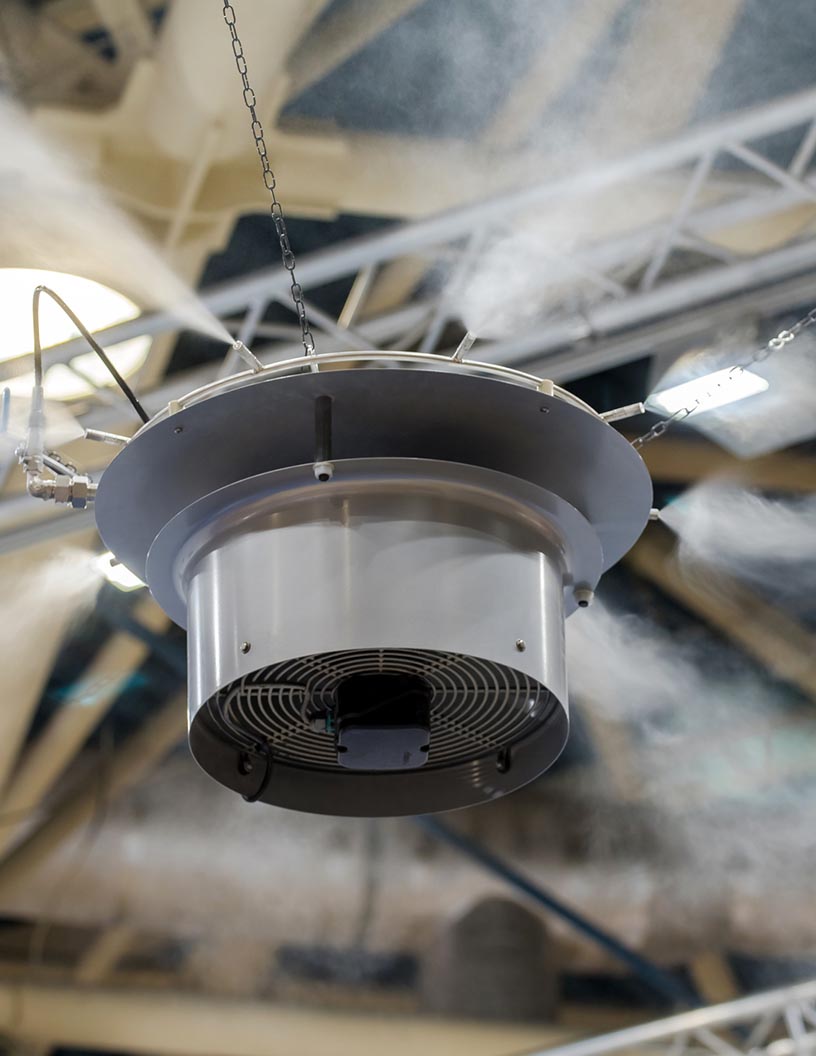


Evaporative Cooling Market Size 2024-2028
The evaporative cooling market size is forecast to increase by USD 1.81 billion at a CAGR of 6.78% between 2023 and 2028.
- The market is experiencing significant growth, driven by key factors such as the increasing residential construction activity in both developed and developing economies. This trend is fueled by the rising demand for energy-efficient and cost-effective cooling solutions. Additionally, the market is witnessing an increased adoption of omnichannel distribution and multi-channel marketing strategies by market players to expand their customer base and reach. However, the market is also facing challenges from stringent government standards and regulations, particularly in regions with high environmental concerns. These regulations are driving up costs for manufacturers and may limit the market growth in certain areas. Overall, the market is expected to continue its growth trajectory, driven by these key trends and challenges.
What will the size of the market be during the forecast period?

- Evaporative cooling is an effective and energy-efficient alternative to traditional air conditioning systems, especially in areas with high temperatures and air humidity. With climate change leading to rising temperatures and increased exposure to heat, the demand for evaporative coolers is on the rise. These systems use water and a fan to create a cooling effect by evaporating water into water vapor, which absorbs heat from the surrounding air. Compared to air conditioning systems that rely on refrigerants with a negative carbon footprint, evaporative cooling systems have a net benefit as they use water, a naturally occurring resource. The cost of operating an evaporative cooler is lower than that of air conditioning systems due to their energy-efficient technologies.
Evaporative coolers come in various types, including direct evaporative cooling and heat-load replacement systems. Direct evaporative cooling uses outside air to cool the building, while heat-load replacement systems use liquid water to cool the air before circulating it inside the building. Evaporative coolers are commonly used in buildings and warehouses to maintain a comfortable temperature and relative humidity. Despite being a niche market, the evaporative cooling industry is expected to grow due to its energy efficiency and cost-effectiveness. The market is driven by factors such as increasing awareness of energy-efficient technologies and the need to reduce operational costs.
How is this market segmented and which is the largest segment?
The market research report provides comprehensive data (region-wise segment analysis), with forecasts and estimates in "USD million" for the period 2024-2028, as well as historical data from 2017-2022 for the following segments.
- Type
- Indirect evaporative cooling
- Direct evaporative cooling
- Two stage evaporative cooling
- Application
- Industrial
- Confinement farming
- Residential
- Others
- Geography
- North America
- US
- Europe
- Germany
- UK
- APAC
- China
- India
- South America
- Middle East and Africa
- North America
By Type Insights
- The indirect evaporative cooling segment is estimated to witness significant growth during the forecast period.
Amidst the escalating issue of climate change and the subsequent rise in temperatures, the demand for cooling solutions that offer a negative carbon footprint is on the rise. Evaporative coolers, also known as air coolers or swamp coolers, have emerged as an affordable and energy-efficient alternative to traditional air conditioning systems. These cooling systems function by passing air over a wetted pad, allowing the water to evaporate and absorb heat from the surrounding air. Evaporative cooling systems consist of a fan, pump, and water tank. The fan draws in hot air from the room and passes it over the wetted pad, where water vapor is produced through the evaporation process.
The cooled air is then circulated back into the room, providing relief from the heat. The pump ensures a constant water supply to the pad. Compared to air conditioning systems, evaporative coolers offer several advantages. They are more energy-efficient, as they use less electricity and do not require refrigerants. Additionally, they offer better indoor air quality, as they do not recirculate indoor air like air conditioning systems. They also provide fresh air intake and ventilation, which is beneficial for maintaining good indoor air quality and creating secure workspaces. Despite their advantages, evaporative coolers are not suitable for areas with high air humidity or extreme temperatures, as they rely on the evaporation of water to cool the air.
However, for buildings, warehouses, commercial kitchens, and other structures with moderate heat-loads, evaporative cooling systems can offer a net benefit in terms of cost and energy efficiency. When considering an investment in an evaporative cooling system, it is essential to consider the components' energy efficiency and affordability. Canstar Blue's research indicates that direct evaporative cooling systems can offer significant cost savings, as they do not require the energy-intensive process of compressing refrigerants. Additionally, the use of liquid water and water vapor in the cooling process makes evaporative cooling a more environmentally friendly alternative to traditional air conditioning systems. In conclusion, evaporative cooling systems offer a cost-effective and energy-efficient alternative to traditional air conditioning systems, making them an attractive option for buildings and structures with moderate heat-loads.
By using the natural process of evaporation to cool the air, these systems provide a negative carbon footprint and contribute to better indoor air quality. However, it is essential to consider the surrounding air quality, temperature, and air humidity when deciding whether an evaporative cooling system is the best option for a particular application.

Get a glance at the market report of share of various segments Request Free Sample
The Indirect evaporative cooling segment was valued at USD 1.70 billion in 2018 and showed a gradual increase during the forecast period.
Regional Analysis
- APAC is estimated to contribute 37% to the growth of the global market during the forecast period.
Technavio's analysts have elaborately explained the regional trends and drivers that shape the market during the forecast period.

For more insights on the market share of various regions Request Free Sample
In residential settings, evaporative cooling systems have gained popularity due to their ability to meet comfort standards while adhering to system requirements. These systems, which include direct and indirect evaporative cooling technologies, operate based on operational performance criteria. The industrial sector, particularly in power generation, oil and gas, construction, and manufacturing, heavily relies on advanced evaporative cooling solutions for facility cooling. The data center cooling solutions are also embracing evaporative cooling technologies, with data center providers aiming for carbon neutral and zero sustainability. Cooling technologies, such as air-based cooling and hybrid systems, are increasingly being adopted due to their cutting-edge energy efficiency.
The Internet of Things (IoT) is revolutionizing the cooling industry, with sensors and connections providing real-time data for optimal maintenance and improved overall energy demand. Despite the rising earnings in the market, the high upfront costs, particularly for data centers, remain a hurdle. Traditional air-based cooling systems can be expensive solutions, but indirect evaporative cooling and liquid cooling offer more cost-effective alternatives. The International Energy Agency reports that the economic benefits of energy efficiency in cooling systems can outweigh the initial investment. As the demand for cooling technologies continues to grow, the need for sustainable, energy-efficient solutions becomes increasingly important.
Market Dynamics
Our researchers analyzed the data with 2023 as the base year, along with the key drivers, trends, and challenges. A holistic analysis of drivers will help companies refine their marketing strategies to gain a competitive advantage.
What are the key market drivers leading to the rise in adoption of Evaporative Cooling Market?
Growing residential construction activity is the key driver of the market.
- The market has experienced notable expansion in the past few years, particularly in developed countries like the United States. This growth can be attributed to several factors, including the rise in modern residential construction, improved economic conditions, and increasing consumer disposable income. New housing projects and purchases are on the rise in the US, despite the slow pace of growth. Evaporative cooling systems, such as fans and pumps that utilize water and air to reduce temperatures, have gained popularity in new residential establishments. The expanding construction sector will further fuel the demand for these energy-efficient cooling options in the US and globally, as buildings, warehouses, commercial kitchens, and other structures seek to provide secure workspaces and maintain optimal indoor air quality in the face of climate change and rising temperatures.
- Evaporative cooling systems offer a net benefit through their low operational costs and minimal carbon footprint, making them an attractive alternative to traditional air conditioning systems. Additionally, these systems provide fresh air intake and ventilation, improving surrounding air quality and contributing to better indoor air quality. As the market for evaporative cooling systems continues to grow, investment in energy-efficient components and technologies will be crucial to meet the increasing demand. Evaporative cooling systems, which work by directly evaporating water to cool the air, offer a cost-effective and energy-efficient solution for temperature and air humidity control, making them a niche yet essential market segment for buildings and industries facing heat-load replacement and high outside air temperatures.
What are the market trends shaping the Evaporative Cooling Market?
Increased adoption of omnichannel distribution and multi-channel marketing is the upcoming trend in the market.
- The market has gained traction in recent years due to the increasing exposure to rising temperatures caused by climate change. Evaporative coolers offer an affordable and energy-efficient alternative to traditional air conditioning systems, making them a net benefit for both residential and commercial consumers. These cooling systems work by passing air through water, which then evaporates and cools the surrounding air. The operational costs of evaporative coolers are significantly lower than those of air conditioning systems, making them an attractive option for businesses and individuals looking to reduce their energy consumption and carbon footprint. Evaporative cooling systems consist of essential components such as a fan, pump, and water tank.
- Despite their basic design, evaporative coolers offer energy-efficient technologies, such as direct evaporative cooling, which can maintain optimal temperature and air humidity levels. As the demand for affordable cooling options grows, the market for evaporative cooling systems is expected to expand, with the online retail segment witnessing faster growth due to its convenience and cost savings. Canstar Blue, a consumer research organization, reports that evaporative cooling systems are gaining popularity due to their ability to provide fresh air intake and maintain good indoor air quality, making them a preferred choice for those concerned about the surrounding air quality and their health.
What challenges does Evaporative Cooling Market face during the growth?
Stringent government standards and regulations is a key challenge affecting the market growth.
- Amidst the pressing issue of climate change and the subsequent rise in temperatures, the demand for cooling solutions that offer a negative carbon footprint is on the rise. Evaporative coolers, a cost-effective and energy-efficient alternative to traditional air conditioning systems, have gained popularity as affordable cooling options for both residential and commercial applications. These systems use a fan, pump, and water to create a cooling effect by passing air over liquid water or water vapor, resulting in a net benefit for both the user and the environment. As governments worldwide implement regulations to mitigate the impact of climate change and reduce energy consumption, the demand for energy-efficient technologies continues to grow.
- Evaporative cooling systems, with their ability to use outside air for cooling and maintain good indoor air quality, align with these objectives. Moreover, these systems offer secure workspaces by maintaining a comfortable temperature and relative humidity, making them suitable for various industries such as buildings, warehouses, and commercial kitchens. The market is a niche market that caters to the need for affordable and energy-efficient cooling solutions. The components of these systems, including fans, pumps, and water, are essential for their operation. While operational costs are lower compared to traditional air conditioning systems, regular maintenance is necessary to ensure their longevity.
Exclusive Customer Landscape
The market forecasting report includes the adoption lifecycle of the market, covering from the innovator's stage to the laggard's stage. It focuses on adoption rates in different regions based on penetration. Furthermore, the market report also includes key purchase criteria and drivers of price sensitivity to help companies evaluate and develop their market growth analysis strategies.

Customer Landscape
Key Companies & Market Insights
Companies are implementing various strategies, such as strategic alliances, market forecast, partnerships, mergers and acquisitions, geographical expansion, and product/service launches, to enhance their presence in the market.
The market research and growth report includes detailed analyses of the competitive landscape of the market and information about key companies, including:
- Amsted Industries Inc.
- ATE Pvt. Ltd.
- CAREL INDUSTRIES S.p.A.
- Celsius Design Ltd.
- Colt Group Ltd.
- Condair Group AG
- Delta Cooling Towers Inc.
- EcoCooling
- Energy Wise Solutions
- ENEXIO Management GmbH
- EVAPCO Inc.
- Hessaire Products Inc.
- Honeywell International Inc.
- Longhua Technology Group Co., Ltd.
- Munters Group AB
- NewAir
- Premiair Appliances Ltd.
- SPX Technologies Inc.
- Symphony Ltd
- United Metal Products Inc.
Qualitative and quantitative analysis of companies has been conducted to help clients understand the wider business environment as well as the strengths and weaknesses of key market players. Data is qualitatively analyzed to categorize companies as pure play, category-focused, industry-focused, and diversified; it is quantitatively analyzed to categorize companies as dominant, leading, strong, tentative, and weak.
Research Analyst Overview
Evaporative cooling is an effective and energy-efficient alternative to traditional air conditioning systems, especially in areas with high temperatures and exposure to climate change. Evaporative coolers use water and a fan to cool the surrounding air by evaporating water and releasing water vapor into the atmosphere. This process not only cools the air but also improves indoor air quality by circulating fresh air and providing ventilation. The market for evaporative cooling systems is growing due to the rising temperatures and the need for affordable cooling options with a lower carbon footprint. These systems are particularly popular in buildings such as warehouses, commercial kitchens, and secure workspaces where high temperatures can impact productivity and safety.
Moreover, evaporative cooling systems have lower operational costs compared to air conditioning systems as they use less energy. Moreover, they are more energy-efficient and have a net benefit as they add moisture to the air, which can be beneficial in dry climates. The evaporative cooling system consists of essential components like a fan, pump, and water. Direct evaporative cooling systems use outside air for cooling, while indirect evaporative cooling systems use liquid water for cooling. The cost of these systems varies depending on the size and complexity of the installation. Canstar Blue, a consumer research organization, reports that evaporative cooling systems are gaining popularity due to their energy efficiency and affordability.
However, the market for evaporative cooling systems is still a niche market, with potential for growth as more businesses and individuals seek sustainable and cost-effective cooling solutions. The temperature and air humidity play a crucial role in the efficiency of evaporative cooling systems. Proper maintenance and regular cleaning of the cooling pads are essential to ensure the system operates at optimal performance. Additionally, the surrounding air quality and fresh air intake are essential factors to consider when installing an evaporative cooling system.
|
Market Scope |
|
|
Report Coverage |
Details |
|
Page number |
161 |
|
Base year |
2023 |
|
Historic period |
2018-2022 |
|
Forecast period |
2024-2028 |
|
Growth momentum & CAGR |
Accelerate at a CAGR of 6.78% |
|
Market growth 2024-2028 |
USD 1.81 billion |
|
Market structure |
Fragmented |
|
YoY growth 2023-2024(%) |
6.23 |
|
Key countries |
US, Germany, China, India, and UK |
|
Competitive landscape |
Leading Companies, Market Positioning of Companies, Competitive Strategies, and Industry Risks |
What are the Key Data Covered in this Market Research and Growth Report?
- CAGR of the market during the forecast period
- Detailed information on factors that will drive the market growth and forecasting between 2024 and 2028
- Precise estimation of the size of the market and its contribution of the market in focus to the parent market
- Accurate predictions about upcoming market growth and trends and changes in consumer behaviour
- Growth of the market across North America, Europe, APAC, South America, and Middle East and Africa
- Thorough analysis of the market's competitive landscape and detailed information about companies
- Comprehensive analysis of factors that will challenge the growth of market companies
We can help! Our analysts can customize this market research report to meet your requirements. Get in touch