
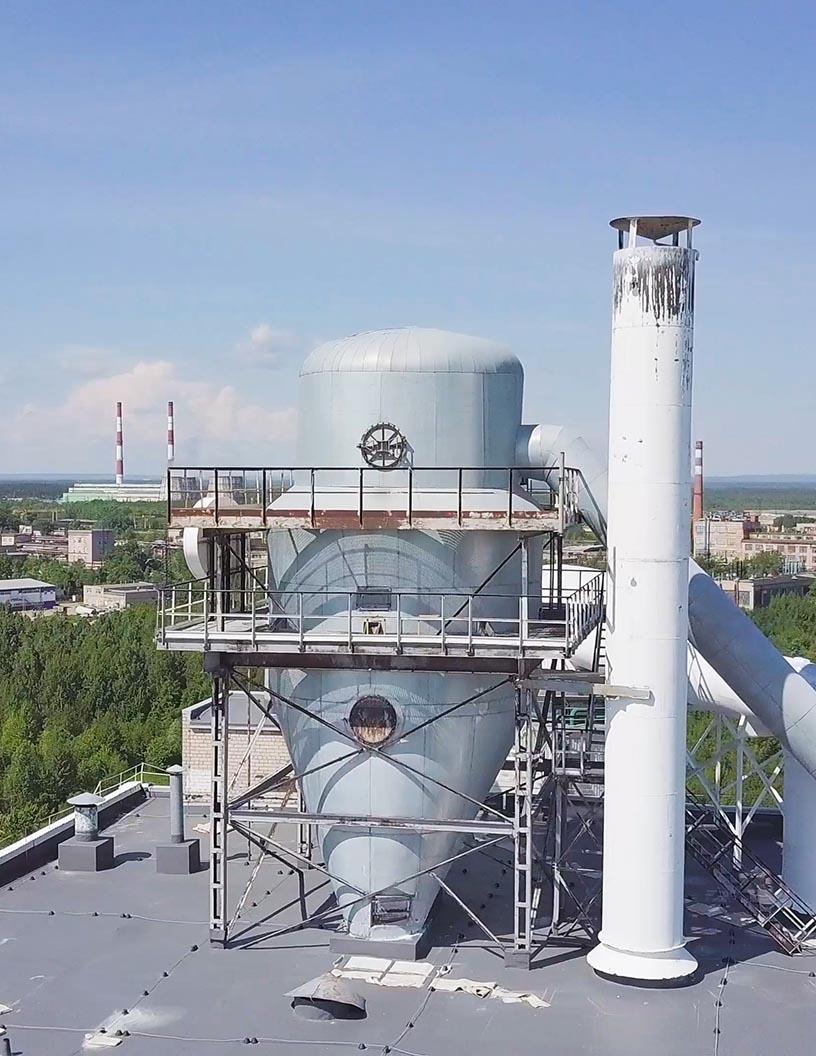


Field Erected Cooling Tower Market Size 2024-2028
The field erected cooling tower market size is forecast to increase by USD 186 million at a CAGR of 1.9% between 2023 and 2028.
- The market is witnessing significant growth due to the increasing number of nuclear power plants and the incorporation of the Internet of Things (IoT) technology. The nuclear power sector is expanding, leading to a higher demand for field erected cooling towers. These towers are essential for heat exchange processes in power generation, as they help in cooling down the hot water or recirculation pumps used in nuclear reactors. Moreover, the adoption of IoT sensors in cooling towers is a major trend, as it enables remote monitoring and predictive maintenance, reducing downtime and increasing efficiency.
- The demand for re-engineered or refurbished field erected cooling towers is also increasing due to the cost-effectiveness they offer compared to new constructions. Industrial processes in sectors such as oil refining, food and beverage, and HVAC also require large quantities of cool water or hot water, making field erected cooling towers indispensable. Natural gas and heat transfer fluids are used in these towers for heat exchange, ensuring efficient energy transfer. The construction of field erected cooling towers can be done using materials such as concrete or fiberglass, depending on the specific requirements of the application.
What will be the Size of the Field Erected Cooling Tower Market During the Forecast Period?

- The market encompasses the production and installation of large, industrial cooling towers that function as heat exchange devices, effectively lowering the temperature of waste heat produced during manufacturing processes. These towers are essential for mitigating the harmful effects of overheating and subsequent loss, which can lead to dehydration, unconsciousness, and other negative consequences for both goods and the environment.
- By collecting excess heat from industrial processes and releasing it into the surrounding air through a water stream, cooling towers significantly increase the efficiency of cooling systems and contribute to overall industrial productivity. The market continues to grow, driven by the increasing demand for energy efficiency and environmental sustainability in manufacturing processes.
How is this Field Erected Cooling Tower Industry segmented and which is the largest segment?
The field erected cooling tower industry research report provides comprehensive data (region-wise segment analysis), with forecasts and estimates in "USD million" for the period 2024-2028, as well as historical data from 2018-2022 for the following segments.
- Application
- Wet
- Dry
- Hybrid
- Geography
- APAC
- China
- India
- Japan
- North America
- US
- Europe
- Germany
- South America
- Middle East and Africa
- APAC
By Application Insights
- The wet segment is estimated to witness significant growth during the forecast period.
Field erected cooling towers are essential heat exchange devices used in various industries for cooling purposes. These towers utilize the natural evaporation process, where hot water from condensers is sprayed over packing, mixing with cool, dry air. The temperature difference facilitates heat transfer, resulting in hot air rising within the tower while cool water falls down, with some water evaporating and escaping as water vapor. Field erected cooling towers offer significant advantages, including energy savings and environmental friendliness, as they rely on natural air circulation instead of mechanical fans. These towers are widely used in chemical plants, oil refineries, thermal stations, HVAC systems, nuclear power plants, and other industrial processes that require cooling systems.
The cooling tower systems increase cooling efficiency by circulating water and heat transfer fluid through the tower, while recirculation pumps help maintain optimum water temperature levels. Towertech, a leading provider of cooling tower solutions, offers a one-stop solution for various industries, using heat resistant, lightweight materials to ensure durability and resistance to corrosion. The water flow capacity and erection time are critical factors in the manufacturing process, making it essential to consider the specific requirements of each industrial application. Field erected cooling towers can operate with various water sources, including sea water, chemical water, and brackish water, making them adaptable to diverse industrial environments.

Get a glance at the market report of share of various segments Request Free Sample
The wet segment was valued at USD 762.50 million in 2018 and showed a gradual increase during the forecast period.
Regional Analysis
- APAC is estimated to contribute 46% to the growth of the global market during the forecast period.
Technavio's analysts have elaborately explained the regional trends and drivers that shape the market during the forecast period.

For more insights on the market size of various regions, Request Free Sample
The market in APAC is experiencing significant growth due to the increasing demand for power generation. Population growth, urbanization, and rising disposable income are driving the need for more commercial and industrial buildings, leading to increased power consumption. In response, enterprises and governments in the region are expanding and constructing new power plants to meet this demand. The cooling towers are essential components of power plants as they help collect excess heat and transfer it to the surrounding air through a water stream, increasing the cooling system's efficiency. These towers are heat exchange devices that use recirculation pumps and heat transfer fluids to lower the temperature of the water and prevent overheating.
They are also crucial for various industrial processes, including chemical plants, oil refineries, thermal stations, HVAC systems, and nuclear power plants. Field erected cooling towers are designed to be durable, rigid, and resistant to weather damage, making them ideal for long-term use. They are also lightweight and have high water flow capacity, reducing erection time. The market for these towers is expected to continue growing due to the increasing demand for power and the need for efficient cooling systems in various industries.
Market Dynamics
Our researchers analyzed the data with 2023 as the base year, along with the key drivers, trends, and challenges. A holistic analysis of drivers will help companies refine their marketing strategies to gain a competitive advantage.
What are the key market drivers leading to the rise in the adoption of Field Erected Cooling Tower Industry?
Growing number of nuclear power plants is the key driver of the market.
- Nuclear power plants generate electricity through the nuclear fission reaction and the Rankine cycle, converting water into steam to spin a generator and turbine. This process does not involve combustion, resulting in lower greenhouse gas emissions compared to traditional power generation methods. The affordability of uranium, the fuel used in nuclear reactions, makes nuclear power an attractive energy source for various countries. For instance, India's Nuclear Power Corporation plans to install 18 new nuclear reactors, increasing the country's atomic power capacity to 22,480 MWe by 2031-32. Cooling towers play a crucial role in nuclear power plants, as they help collect excess heat from the power generation process.
- These cooling towers function as heat exchange devices, using a water stream to lower the temperature of the heat transfer fluid by absorbing the heat from the hot air produced during the power generation process. The recirculation pump circulates the water through the tower, while the heat transfer fluid moves through the heat exchanger, allowing the heat to be transferred from the fluid to the water. Cooling tower systems are essential for maintaining the optimum levels of heat transfer and cooling efficiency in industrial processes, including chemical plants, oil refineries, thermal stations, and HVAC systems. These structures are designed to be heat resistant, lightweight, and corrosion resistant, with high water flow capacity and a quick erection time.
What are the market trends shaping the Field Erected Cooling Tower Industry?
Incorporation of IoT with field erected cooling towers is the upcoming market trend.
- Field erected cooling towers are essential heat exchange devices used in various industries to produce goods and manage manufacturing processes by collecting excess heat and lowering its temperature through the circulation of a water stream. These towers are particularly important in industrial settings where heat can cause overheating, leading to potential harm and loss. IoT technology is increasingly being incorporated into cooling tower systems to enhance their efficiency and monitoring capabilities. IoT-enabled cooling towers allow for automatic monitoring of temperature levels and trigger alerts when temperatures deviate from optimum levels. This technology also enables real-time analysis of water flow capacity, heat transfer fluid temperature, and air circulation, ensuring cooling efficiency and minimizing the risk of structural deformation due to weather damage.
- Cooling tower systems are installed in a range of industries, including chemical plants, oil refineries, thermal stations, HVAC systems, and nuclear power plants. IoT technology can significantly benefit these industries by reducing the need for constant monitoring, minimizing the potential for unconscious damage, and increasing overall cooling system performance. Field erected cooling towers are typically made from heat-resistant, lightweight materials to ensure durability and rigidity. IoT-enabled cooling towers can be considered a one-stop solution for industries seeking to optimize their cooling processes and minimize the risk of damage or loss due to overheating.
What challenges does the Field Erected Cooling Tower Industry face during its growth?
Growing demand for re-engineered or refurbished field erected cooling towers is a key challenge affecting the industry growth.
- Field erected cooling towers are essential heat exchange devices used in various industries, including chemical plants, oil refineries, thermal stations, HVAC systems, and nuclear power plants, to collect excess heat and lower the temperature of the water stream. When these towers malfunction, enterprises face the harmful effects of overheating and potential loss. While some small- and medium-sized enterprises may consider refurbishing or repairing their existing cooling towers, the process, known as re-engineering, involves cleaning and upscaling various components such as water basins, fan stacks, cooling fill, drift eliminators, dry cooling exchangers, and mixing modules. Re-engineered cooling towers undergo rigorous testing to ensure safety and adherence to regulatory standards.
- Despite the initial investment, the long-term benefits of a new cooling tower include increased cooling system efficiency, improved air circulation, and optimal water temperature levels. Cooling tower systems, made from heat-resistant and lightweight materials, can withstand weather damage and are durable and rigid, preventing structural deformation. A one-stop solution provider like Towertech can offer a range of cooling tower solutions, including heat transfer fluids, recirculation pumps, and cold water supply systems, ensuring optimal performance and minimal harm to the environment.
Exclusive Customer Landscape
The field erected cooling tower market forecasting report includes the adoption lifecycle of the market, covering from the innovator's stage to the laggard's stage. It focuses on adoption rates in different regions based on penetration. Furthermore, the field erected cooling tower market report also includes key purchase criteria and drivers of price sensitivity to help companies evaluate and develop their market growth analysis strategies.

Customer Landscape
Key Companies & Market Insights
Companies are implementing various strategies, such as strategic alliances, field erected cooling tower market forecast, partnerships, mergers and acquisitions, geographical expansion, and product/service launches, to enhance their presence in the industry.
Babcock and Wilcox Enterprises Inc. - The company offers a wide range of erected cooling towers such as concrete cooling towers, global cooling tower and many more.
The industry research and growth report includes detailed analyses of the competitive landscape of the market and information about key companies, including:
- Artech Cooling Towers Pvt. Ltd.
- Composite Cooling Solutions LP
- Cyrco Inc.
- Delta Cooling Towers P. Ltd.
- ENEXIO Management GmbH
- EVAPCO Inc.
- John Cockerill
- Marley Flow Control Pty Ltd.
- MESAN Group
- Paharpur Cooling Towers Ltd.
- SPX Technologies Inc.
- Thermax Ltd.
- Tower Tech Cooling Systems Pvt. Ltd.
- WATCO Group Pte Ltd.
Qualitative and quantitative analysis of companies has been conducted to help clients understand the wider business environment as well as the strengths and weaknesses of key industry players. Data is qualitatively analyzed to categorize companies as pure play, category-focused, industry-focused, and diversified; it is quantitatively analyzed to categorize companies as dominant, leading, strong, tentative, and weak.
Research Analyst Overview
The industrialization process relies heavily on machines producing goods through various manufacturing processes. However, the heat effects generated during these processes can have detrimental consequences if not properly managed. Unchecked heat can lead to dehydration, unconsciousness, and even harm to personnel and the environment. To mitigate these risks, cooling towers have emerged as essential heat exchange devices. Cooling towers collect excess heat from industrial processes and transfer it to the surrounding air through a water stream. This process lowers the temperature of the heat exchange fluid, preventing overheating and potential loss. The cooling tower systems increase the cooling system's efficiency by recirculating water and using a recirculation pump to distribute the heat transfer fluid.
Heat transfer fluids, such as water, are essential in the cooling process. Cooling towers are designed to maintain water temperature at optimum levels to ensure the efficient transfer of heat. The towers' structural integrity is crucial to their functionality, making them heat resistant, lightweight, and corrosion resistant. The cooling tower market caters to various industries, including chemical plants, oil refineries, thermal stations, HVAC systems, and nuclear power plants. These industries require large volumes of water for cooling purposes, making cooling tower systems a one-stop solution. Air circulation plays a vital role in cooling tower efficiency. Proper air circulation ensures that the hot air rises and mixes with the cooler air, allowing for effective heat transfer.
In addition, cooling towers are designed to withstand weather damage and are built to be durable and rigid, preventing structural deformation. Cooling towers are installed to collect excess heat and cool it down before it is released into the environment. The water flow capacity of cooling towers is crucial to their efficiency, as they must be able to handle large volumes of water to effectively cool the heat transfer fluid. Cooling towers are designed to work with different types of water, including sea water, chemical water, and brackish water. The towers' design allows them to handle the unique properties of each type of water, ensuring efficient cooling and minimizing the risk of damage.
|
Market Scope |
|
|
Report Coverage |
Details |
|
Page number |
135 |
|
Base year |
2023 |
|
Historic period |
2018-2022 |
|
Forecast period |
2024-2028 |
|
Growth momentum & CAGR |
Accelerate at a CAGR of 1.9% |
|
Market growth 2024-2028 |
USD 186 million |
|
Market structure |
Fragmented |
|
YoY growth 2023-2024(%) |
1.9 |
|
Key countries |
US, China, Japan, Germany, and India |
|
Competitive landscape |
Leading Companies, Market Positioning of Companies, Competitive Strategies, and Industry Risks |
What are the Key Data Covered in this Field Erected Cooling Tower Market Research and Growth Report?
- CAGR of the Field Erected Cooling Tower industry during the forecast period
- Detailed information on factors that will drive the market growth and forecasting between 2024 and 2028
- Precise estimation of the size of the market and its contribution of the industry in focus to the parent market
- Accurate predictions about upcoming growth and trends and changes in consumer behaviour
- Growth of the market across APAC, North America, Europe, South America, and Middle East and Africa
- Thorough analysis of the market's competitive landscape and detailed information about companies
- Comprehensive analysis of factors that will challenge the field erected cooling tower market growth of industry companies
We can help! Our analysts can customize this field erected cooling tower market research report to meet your requirements.