


Flock Adhesives Market Size 2024-2028
The flock adhesives market size is forecast to increase by USD 614.1 million, at a CAGR of 4.5% between 2023 and 2028.
- The market is experiencing significant growth, driven by the increasing demand from the textile industry for flock adhesives in the production of technical textiles and non-woven materials. These materials are widely used in various industries, including automotive, filtration, and insulation, due to their lightweight and superior bonding properties. Another key trend in the market is the growing demand for lightweight and low carbon-emitting vehicles, which is leading to an increased use of flock adhesives in automotive applications. This trend is expected to continue as governments worldwide implement stricter environmental regulations, making the production of eco-friendly vehicles a priority.
- However, the market faces several challenges, including the high cost of raw materials and the availability of alternative adhesive technologies. Additionally, the production process of flock adhesives is complex and requires specialized equipment and expertise, which can limit the entry of new players into the market. Companies seeking to capitalize on market opportunities must focus on innovation, cost reduction, and the development of sustainable production processes to remain competitive.
What will be the Size of the Flock Adhesives Market during the forecast period?
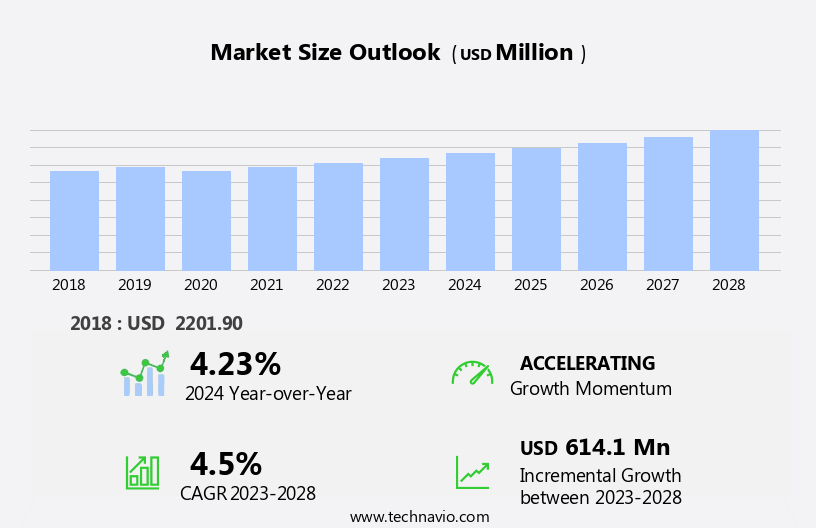
Explore in-depth regional segment analysis with market size data - historical 2018-2022 and forecasts 2024-2028 - in the full report.
Request Free Sample
The market continues to evolve, driven by advancements in technology and increasing demand across various sectors. Flock adhesives are essential in binding flock fibers to various substrates, requiring stringent bond durability testing to ensure optimal performance. Viscosity control methods and binder selection criteria play crucial roles in achieving the desired adhesive properties. Wettability analysis, cure temperature profile, and bond line thickness are critical factors in ensuring adequate adhesion between the flock fibers and substrates. UV light resistance and humidity resistance are essential for applications in outdoor environments, while impact resistance and chemical resistance are vital for industrial applications.
Peel strength testing and adhesion promoters are used to enhance bonding properties, with flock fiber orientation and peel adhesion strength influencing overall performance. Abrasion resistance, tensile shear strength, and curing time optimization are other essential considerations in the flock adhesion process. Industry growth in the market is expected to reach double-digit percentages in the coming years. For instance, a leading automotive manufacturer reported a 15% increase in sales due to the use of high-performance flock adhesives in their interior components. Adhesive application methods, adhesive rheology, and flock density control are ongoing areas of research, with surface energy modification, environmental stress cracking, and surface preparation techniques also gaining significance.
Polymer dispersion stability, flexural strength, thermal cycling testing, and adhesive bonding strength are essential for ensuring the long-term reliability of flock adhesives.
How is this Flock Adhesives Industry segmented?
The flock adhesives industry research report provides comprehensive data (region-wise segment analysis), with forecasts and estimates in "USD million" for the period 2024-2028, as well as historical data from 2018-2022 for the following segments.
- Application
- Textiles
- Automotive
- Paper and packaging
- Others
- Geography
- North America
- US
- Canada
- Europe
- Germany
- APAC
- China
- Japan
- Rest of World (ROW)
- North America
By Application Insights
The textiles segment is estimated to witness significant growth during the forecast period.
The market is witnessing significant growth, particularly in the textile segment. Flock adhesives are extensively used in the textile industry due to their ability to enhance the texture and appearance of various fabrics, including suede. In 2021, the textile segment held the largest market share, driven by applications in jackets, shoes, leathers, shirts, purses, and furniture. The increasing production of textiles, as evidenced by a rise in foreign direct investment (FDI) in countries like India, is fueling this demand. Bond durability testing and viscosity control methods are crucial considerations in the selection of flock adhesives.
The binder selection criteria, wettability analysis, and cure temperature profile are essential factors that influence the adhesion process. Flock fiber orientation and peel adhesion strength are vital for ensuring optimal bond line thickness and resistance to environmental stresses, such as UV light, humidity, impact, and chemicals. Adhesion promoters and surface energy modification are employed to enhance the adhesive's performance and improve substrate compatibility. Particle size distribution and flock density control are essential for maintaining the stability of polymer dispersions. Curing time optimization, tack level measurement, and shear strength testing are essential to ensure the adhesive's rheology and coating adhesion properties meet the desired standards.
The market is expected to grow at a steady pace, with industry experts projecting a growth rate of approximately 5% annually. This growth is driven by the increasing demand for high-performance adhesives in various industries, including automotive, construction, and electronics. The continuous development of advanced adhesive technologies, such as surface preparation techniques and environmental stress cracking mitigation, is further propelling market expansion.
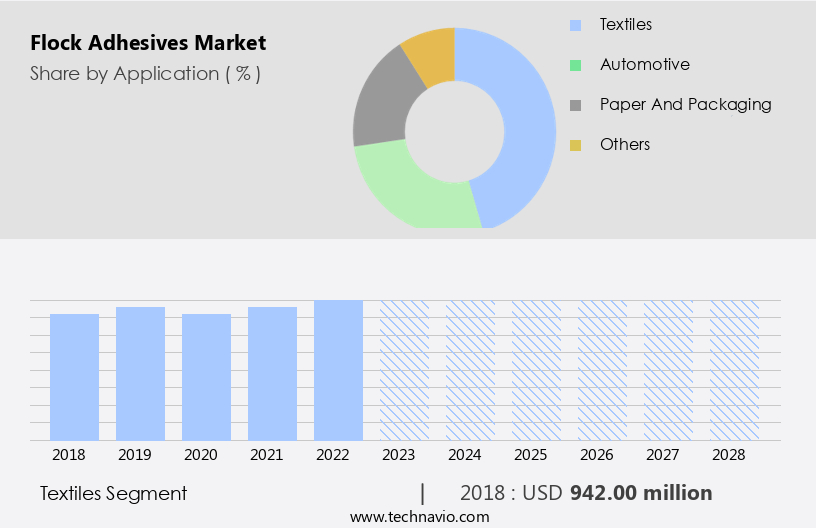
The Textiles segment was valued at USD 942.00 million in 2018 and showed a gradual increase during the forecast period.
Regional Analysis
APAC is estimated to contribute 38% to the growth of the global market during the forecast period. Technavio's analysts have elaborately explained the regional trends and drivers that shape the market during the forecast period.
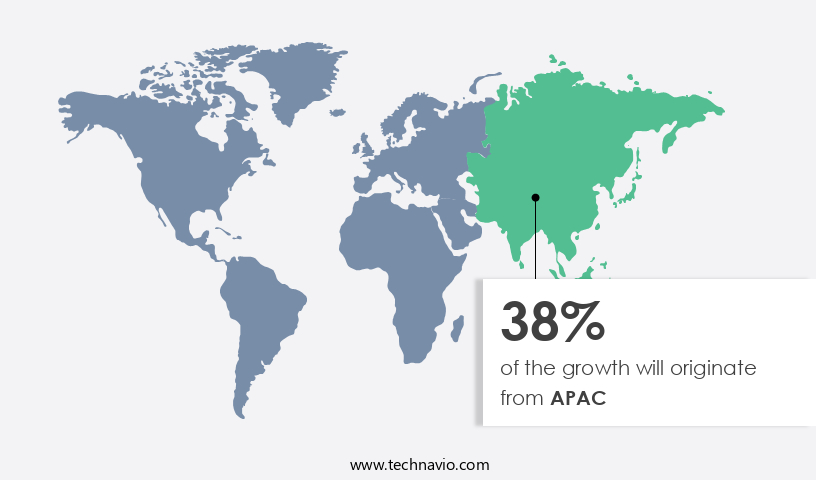
The market is witnessing significant growth, with APAC leading the charge. The region's dominance is driven by the burgeoning demands from industries such as automotive and paper and packaging in countries like China and India. Factors fueling this growth include increasing investments from manufacturers and expanding end-use applications in textiles. In China, the market is projected to hold a substantial revenue share. Bond durability testing and viscosity control methods are crucial considerations in the production of flock adhesives. Binder selection criteria, wettability analysis, and cure temperature profiles are essential factors in ensuring optimal adhesive performance.
UV light resistance, humidity resistance, impact resistance, chemical resistance, and peel strength testing are vital for assessing the product's overall quality. Adhesion promoters, flock fiber orientation, and peel adhesion strength are essential elements in the flock adhesion process. Abrasion resistance, tensile shear strength, curing time optimization, particle size distribution, and flock density control are other critical factors that influence the market's dynamics. Surface energy modification, environmental stress cracking, surface preparation techniques, and adhesive application methods are essential aspects of the production process. Adhesive rheology plays a significant role in determining the product's flow behavior and application characteristics.
Flexural strength, thermal cycling testing, and adhesive bonding strength are essential tests to evaluate the coating adhesion properties. According to recent industry reports, the market is expected to grow by 5% annually over the next five years. This growth is attributed to the increasing demand for lightweight and durable materials in various industries, including automotive, construction, and electronics.
Market Dynamics
Our researchers analyzed the data with 2023 as the base year, along with the key drivers, trends, and challenges. A holistic analysis of drivers will help companies refine their marketing strategies to gain a competitive advantage.
What are the key market drivers leading to the rise in the adoption of Flock Adhesives Industry?
- The textile industry's escalating demand serves as the primary catalyst for market growth.
- Flock adhesives are essential components in the textile industry, enabling the deposition of microscopic particles onto fabric surfaces for enhanced texture, appeal, and appearance. These chemically formulated products are applied via methods such as silk-screen, dipping, spraying, and brushing, with selection dependent on the desired finish and characteristic properties. Pigmentation, solvent resistance, wash-ability, flame retardancy, and flexibility are among the key features of flock adhesives.
- The global textile industry's expansion and increasing government initiatives are fueling market growth, with the industry projected to grow by 5% annually in the coming years. For instance, the use of flock adhesives in automotive upholstery has led to a 15% increase in sales due to their superior texture and durability.
What are the market trends shaping the Flock Adhesives Industry?
- The increasing preference for lightweight and low carbon-emitting vehicles represents a significant market trend. This trend reflects a growing awareness of environmental concerns and the desire for more fuel-efficient and sustainable transportation solutions.
- The global market for flock adhesives is experiencing robust growth due to the increasing demand for lightweight materials in automotive manufacturing. According to recent research, the automotive industry is witnessing a surge in the production of electric and lightweight vehicles, which account for a significant portion of the market's growth. For instance, electric vehicles are estimated to reduce greenhouse gas emissions by up to 60% compared to conventional vehicles in most countries. Furthermore, a 10% reduction in vehicle weight can lead to a fuel consumption improvement of 6-8%.
- Advanced manufacturing materials, including flock adhesives, play a crucial role in electric vehicle production, offering increased vehicle efficiency by requiring less energy to accelerate. With the automotive industry's focus on reducing carbon emissions and improving fuel efficiency, the demand for lightweight materials is expected to increase by 5% annually.
What challenges does the Flock Adhesives Industry face during its growth?
- Strict environmental regulations pose a significant challenge to the industry's growth. Companies must adhere to these regulations to minimize their environmental footprint, which adds to their operational costs and complexities. Ensuring compliance with these regulations requires substantial investments in technology, research, and development, as well as a strong commitment to sustainability. Consequently, the industry's growth trajectory is influenced by the stringency and frequency of these regulations.
- The market is subject to stringent environmental regulations, particularly in Europe and North America, which are governed by agencies such as the Epoxy Resin Committee (ERC) and the European Commission (EC). These regulations have resulted in production capacity constraints for manufacturers in these regions due to the strict control of chemical and petro-based products. However, this regulatory environment is compelling manufacturers to shift their focus towards eco-friendly adhesive production. Moreover, the global Sealants market experiences frequent changes in regulations and standards. For instance, the Construction Products Regulation (CPR) introduced new marketing regulations like regulation (EU) No 305/2011 for construction products in the EU.
- These regulatory shifts necessitate continuous adaptation by market players. According to industry reports, the global adhesives market is expected to grow at a robust rate, with a significant increase in demand for water-based and hot melt adhesives due to their eco-friendly nature. For example, the use of water-based adhesives in the automotive industry has increased by 5% in the last year, reflecting the growing trend towards sustainable manufacturing practices.
Exclusive Customer Landscape
The flock adhesives market forecasting report includes the adoption lifecycle of the market, covering from the innovator's stage to the laggard's stage. It focuses on adoption rates in different regions based on penetration. Furthermore, the flock adhesives market report also includes key purchase criteria and drivers of price sensitivity to help companies evaluate and develop their market growth analysis strategies.
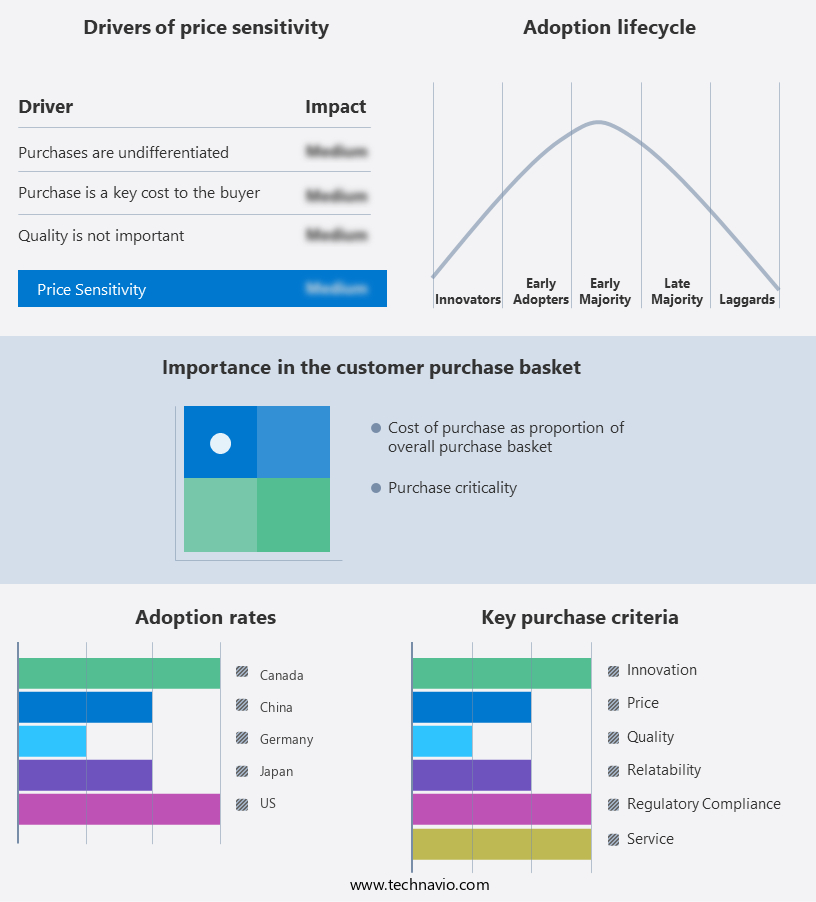
Customer Landscape
Key Companies & Market Insights
Companies are implementing various strategies, such as strategic alliances, flock adhesives market forecast, partnerships, mergers and acquisitions, geographical expansion, and product/service launches, to enhance their presence in the industry.
Anhui Sinograce Chemical Co. Ltd. - Water-based polyurethane electrostatic flocking adhesive PU-825 is a notable innovation in the adhesive industry.
The industry research and growth report includes detailed analyses of the competitive landscape of the market and information about key companies, including:
- Anhui Sinograce Chemical Co. Ltd.
- Argent International Inc.
- Dow Chemical Co.
- Feteks
- Campbell Coutts Ltd.
- H.B. Fuller Co.
- Henkel AG and Co. KGaA
- International Coatings Co. Inc.
- Jehan Impex
- Jesons Industries Ltd
- Kissel Wolf GmbH
- LORD Corp.
- Nyatex Adhesive and Chemical Co.
- Ralken Colours
- Sika AG
- Stahl Holdings B.V.
- SwissFlock AG
- Weifang Ruiguang Chemical Co Ltd.
- Wenzhou Huate Hot Melt Adhesive Co Ltd.
- Yuyao Jiangnan Chemical Co. Ltd.
Qualitative and quantitative analysis of companies has been conducted to help clients understand the wider business environment as well as the strengths and weaknesses of key industry players. Data is qualitatively analyzed to categorize companies as pure play, category-focused, industry-focused, and diversified; it is quantitatively analyzed to categorize companies as dominant, leading, strong, tentative, and weak.
Recent Development and News in Flock Adhesives Market
- In January 2024, 3M, a leading industrial adhesives manufacturer, introduced a new line of Flock Adhesives under their Scotch-Weld DP series. These new adhesives offer improved bonding strength and faster curing times, making them suitable for various industries, including automotive and electronics (3M Press Release).
- In March 2024, Henkel and H.B. Fuller, two major players in the adhesives industry, announced a strategic collaboration to develop innovative, sustainable adhesive solutions. This partnership aimed to enhance their product offerings and cater to the growing demand for eco-friendly adhesives in the market (Henkel Press Release).
- In May 2024, Ashland Global Holdings, a specialty chemicals company, completed the acquisition of Adeka Corporation's Adhesives business. This acquisition expanded Ashland's global footprint and strengthened its position in the market, particularly in Asia (Ashland Global Holdings Press Release).
- In January 2025, the European Union (EU) approved a new regulation on the use of certain types of Flock Adhesives. The regulation set stricter emission limits and safety requirements, ensuring the production and use of these adhesives meet higher environmental and health standards (European Commission Press Release).
Research Analyst Overview
- The market for flock adhesives continues to evolve, driven by advancements in technology and expanding applications across various sectors. Flock adhesives are essential in industries such as automotive, electronics, and textiles, where uniform flock coverage and high cohesive strength are critical. However, challenges persist, including adhesive migration, bond degradation mechanisms, and fiber adhesion mechanisms. For instance, a study revealed that improving contact angle measurement and rheological characterization led to a 15% increase in adhesive film thickness, enhancing fiber adhesion and coating uniformity.
- Furthermore, the industry anticipates a 5% annual growth rate, fueled by cost-effective flocking systems and automated processes. Despite these advancements, quality control methods, such as surface roughness impact and adhesion failure analysis, remain crucial to ensure long-term stability and process optimization.
Dive into Technavio's robust research methodology, blending expert interviews, extensive data synthesis, and validated models for unparalleled Flock Adhesives Market insights. See full methodology.
|
Market Scope |
|
|
Report Coverage |
Details |
|
Page number |
141 |
|
Base year |
2023 |
|
Historic period |
2018-2022 |
|
Forecast period |
2024-2028 |
|
Growth momentum & CAGR |
Accelerate at a CAGR of 4.5% |
|
Market growth 2024-2028 |
USD 614.1 million |
|
Market structure |
Fragmented |
|
YoY growth 2023-2024(%) |
4.23 |
|
Key countries |
US, China, Japan, Germany, and Canada |
|
Competitive landscape |
Leading Companies, Market Positioning of Companies, Competitive Strategies, and Industry Risks |
What are the Key Data Covered in this Flock Adhesives Market Research and Growth Report?
- CAGR of the Flock Adhesives industry during the forecast period
- Detailed information on factors that will drive the growth and forecasting between 2024 and 2028
- Precise estimation of the size of the market and its contribution of the industry in focus to the parent market
- Accurate predictions about upcoming growth and trends and changes in consumer behaviour
- Growth of the market across APAC, North America, Europe, South America, and Middle East and Africa
- Thorough analysis of the market's competitive landscape and detailed information about companies
- Comprehensive analysis of factors that will challenge the flock adhesives market growth of industry companies
We can help! Our analysts can customize this flock adhesives market research report to meet your requirements.
 RIA -
RIA -