
Formula Milk Dispenser Machines Market Analysis North America, Europe, APAC, Middle East and Africa, South America - US, China, Japan, UK, Germany - Size and Forecast 2024-2028

Formula Milk Dispenser Machines Market Analysis North America, Europe, APAC, Middle East and Africa, South America - US, China, Japan, UK, Germany - Size and Forecast 2024-2028

Published: Dec 2023 151 Pages SKU: IRTNTR76742

Market Overview at a Glance

$1 Mn
Market Opportunity
11.28%
CAGR
10.75
YoY growth 2023-2024(%)

Formula Milk Dispenser Machines Market Size 2024-2028

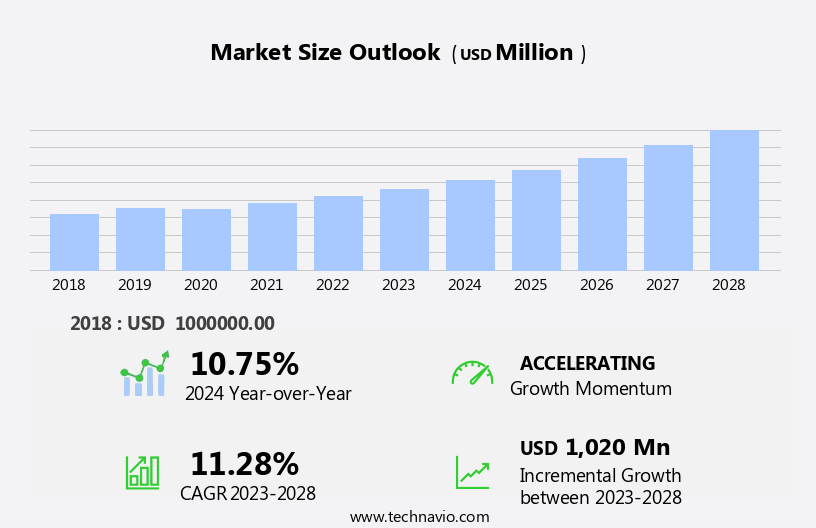
The formula milk dispenser machines market size is forecast to increase by USD 1,020 million, at a CAGR of 11.28% between 2023 and 2028.

  • The market is experiencing significant growth, driven by the increasing adoption and promotion of formula milk. This trend is further bolstered by the rising online sales of formula milk dispenser machines, offering convenience and accessibility to consumers, and also in department stores. Additionally, growing awareness about the benefits of breast milk, particularly in the context of infant nutrition, is fueling demand for alternative solutions. However, challenges persist in the form of stringent regulations governing the production and distribution of formula milk, as well as the high initial investment costs associated with formula milk dispenser machines.
  • Companies seeking to capitalize on market opportunities must navigate these challenges effectively, focusing on innovation, compliance, and cost-effective solutions to meet the evolving needs of consumers.

What will be the Size of the Formula Milk Dispenser Machines Market during the forecast period?
Formula Milk Dispenser Machines Market Size

Explore in-depth regional segment analysis with market size data - historical 2018-2022 and forecasts 2024-2028 - in the full report.  
Request Free Sample

The formula milk dispenser market continues to evolve, driven by dynamic market dynamics and advancements in technology. These machines cater to various sectors, including healthcare institutions and parents, offering nutritional value and convenience. The ongoing unfolding of market activities reveals a focus on certification standards and hygiene, ensuring the highest quality and safety for consumers. Environmental impact is a growing concern, leading to the development of energy-efficient systems and sustainable practices. Consumer insights play a pivotal role in new product development, with app integration, customization options, and ease of use becoming increasingly important. Safety features, such as automatic dispensing and remote monitoring, are essential for healthcare institutions and parents alike.

Product design prioritizes user interface, smart connectivity, and compatibility with feeding bottles. The target audience includes health professionals, parents, and infants with dietary needs, such as lactose intolerance. Market research and brand awareness are crucial for companies, with data tracking, ingredient sourcing, and clinical trials informing product development. Safety regulations and quality control ensure the highest standards, while milk powder measurement and portion control cater to individual needs. Cleaning and maintenance, temperature control, and electrical safety are essential considerations for milk powder dispensers. Retail distribution and supply chain management are also key factors, with online sales and pricing strategies shaping the competitive landscape.

In the ever-evolving formula milk dispenser market, companies must stay informed about the latest trends and consumer preferences to remain competitive. Ongoing innovation in sterilization systems, mineral content, and noise levels will continue to shape the market's future.

How is this Formula Milk Dispenser Machines Industry segmented?

The formula milk dispenser machines industry research report provides comprehensive data (region-wise segment analysis), with forecasts and estimates in "USD million" for the period 2024-2028, as well as historical data from 2018-2022 for the following segments.

  • Type
    • Manual formula milk dispenser machines
    • Smart formula milk dispenser machines
  • Distribution Channel
    • Offline
    • Online
  • Geography
    • North America
      • US
    • Europe
      • Germany
      • UK
    • APAC
      • China
      • Japan
    • Rest of World (ROW)

By Type Insights

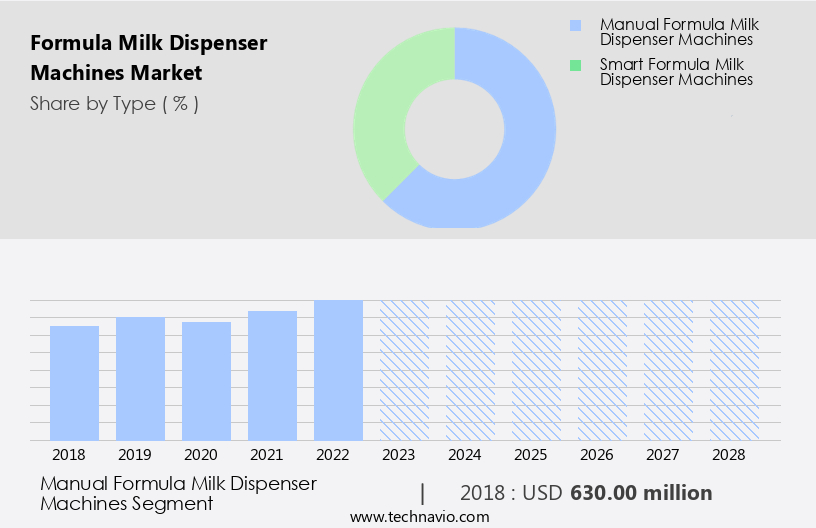
The manual formula milk dispenser machines segment is estimated to witness significant growth during the forecast period.

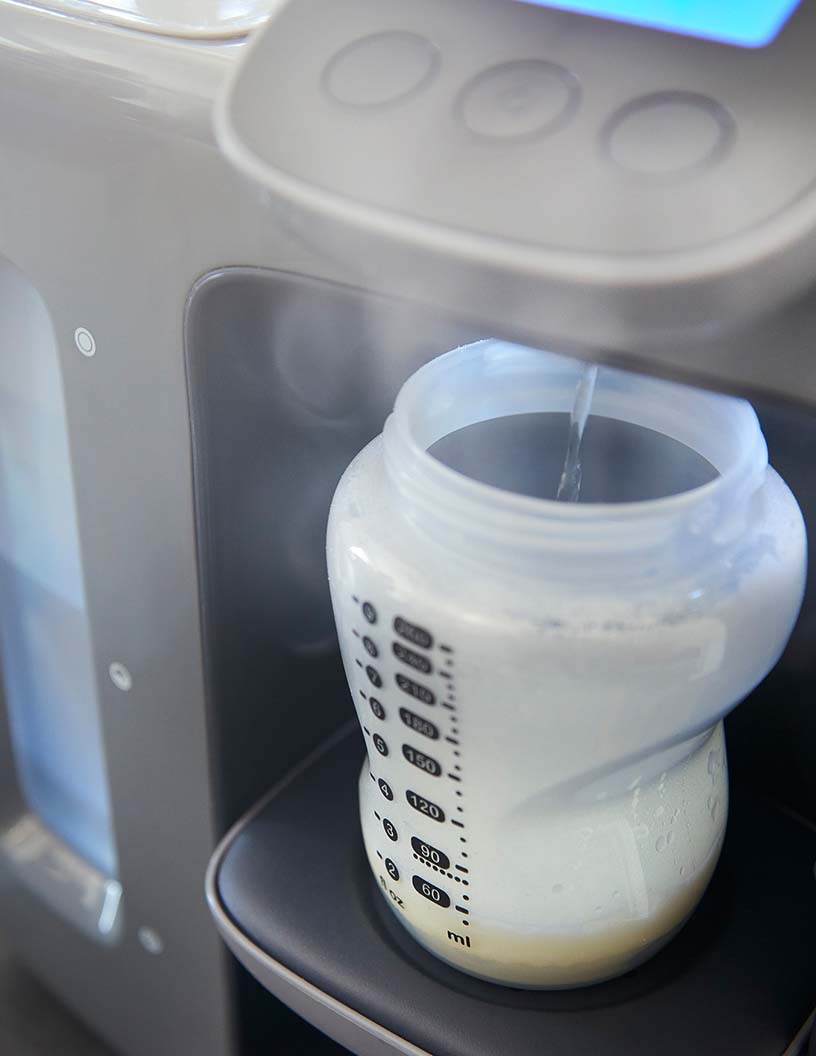
Formula milk dispenser machines have gained popularity due to their convenience and hygiene benefits in preparing infant bottles. These machines, which automatically mix powdered infant formula with water at the desired temperature and consistency, eliminate the need for manual temperature checking. They offer parents time savings, as bottles can be prepared in under a minute. The machines store both water and formula powder, ensuring readiness for feeding times. The increasing internet penetration in developing nations is fueling the demand for formula milk dispenser machines. Hygiene standards and customer reviews are crucial factors influencing consumer choices. Remote monitoring and automatic dispensing features add to the machines' appeal.

Market research indicates a growing preference for brand awareness and sustainable practices among consumers. Healthcare institutions prioritize safety regulations and quality control in their procurement of formula milk dispensers. Milk powder measurement and portion control are essential features for healthcare settings. New product development focuses on energy efficiency, sterilization systems, and nutritional value. Consumer insights drive design innovations, such as user interface, smart connectivity, and app integration. Parenting communities play a significant role in spreading awareness and influencing purchasing decisions. Feeding bottles, pricing strategies, and milk powder storage are other considerations for manufacturers. Sustainability practices, such as material compatibility and temperature control, are essential for long-term use and environmental impact.

Online sales and retail distribution channels expand market reach. Dietary needs, including lactose intolerance, influence product development. Electrical safety, clinical trials, and product testing are crucial for ensuring safety and regulatory compliance. Formula milk dispensers cater to various target audiences, including health professionals and parents, with customization options and noise levels. Vitamin content and infant nutrition are essential considerations for manufacturers. In summary, the formula milk dispenser machine market is evolving to meet the demands of consumers and healthcare institutions. Innovations in design, technology, and sustainability practices are shaping the market's future direction.
Formula Milk Dispenser Machines Market Size

Request Free Sample

The Manual formula milk dispenser machines segment was valued at USD 630.00 million in 2018 and showed a gradual increase during the forecast period.

Regional Analysis

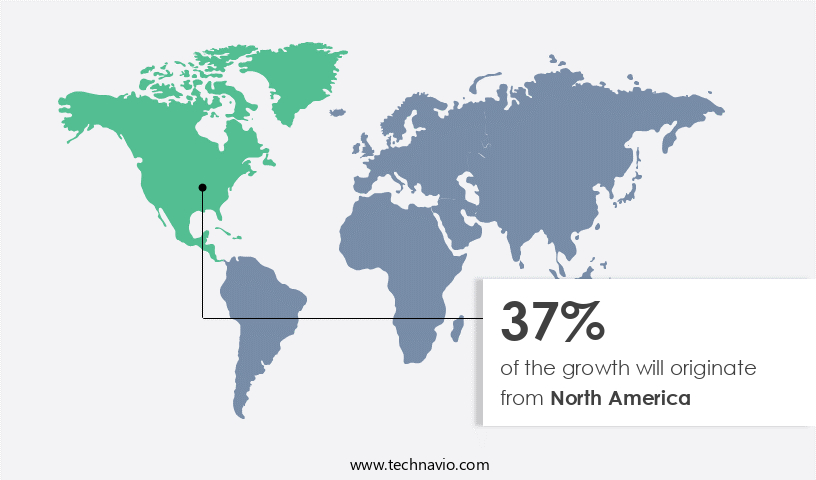
North America is estimated to contribute 37% to the growth of the global market during the forecast period. Technavio's analysts have elaborately explained the regional trends and drivers that shape the market during the forecast period.
Formula Milk Dispenser Machines Market Share by Geography

 Request Free Sample

The market in North America is experiencing moderate growth, fueled by the increasing number of working parents and the availability of high-disposable income. These advanced machines cater to the demand for convenient and hygienic formula milk preparation, aligning with the growing awareness of health and safety standards. The market is witnessing an influx of local players, each striving to offer innovative solutions. The US dominates the regional market, driven by the presence of major healthcare institutions and a large consumer base. Certification standards and hygiene regulations are crucial factors influencing the market. Remote monitoring and automatic dispensing systems are gaining popularity due to their convenience and efficiency.

Consumer reviews and insights play a significant role in brand awareness and market research. Sustainability practices and energy efficiency are becoming increasingly important, as is the integration of apps and safety features. New product development, including customization options and noise reduction, is a key trend. Health professionals and parenting communities are influential in driving demand for these machines, which offer ease of use, vitamin content, and infant nutrition. Milk powder measurement, portion control, cleaning, and maintenance are essential considerations. Safety regulations, milk powder sourcing, and temperature control are essential factors for market entrants. Online sales, retail distribution, and supply chain management are critical aspects of the market's sustainability.

Material compatibility, electrical safety, and bottle warmer integration are also significant concerns. The market's evolution includes clinical trials addressing lactose intolerance and dietary needs. Quality control, milk powder storage, and sterilization systems are essential components of the machines. The market's future lies in smart connectivity, user interface, and data tracking. The market in North America is poised for continued growth, driven by the evolving needs of consumers and the healthcare industry.

Market Dynamics

Our researchers analyzed the data with 2023 as the base year, along with the key drivers, trends, and challenges. A holistic analysis of drivers will help companies refine their marketing strategies to gain a competitive advantage.

What are the key market drivers leading to the rise in the adoption of Formula Milk Dispenser Machines Industry?

  • The significant increase in the adoption and promotion of formula milk serves as the primary driver for market growth in this sector. 
  • The increasing number of working mothers and single parents have led to a significant shift in the feeding habits of newborns. Due to hectic lifestyles and unhealthy eating habits, many lactating mothers find it challenging to breastfeed their infants. In response, the baby food and baby products industry has seen an influx of formula milk dispensers in the market. These machines enable parents to prepare and store formula milk for longer durations, providing them with the flexibility to manage personal errands.
  • The convenience and longer shelf life of formula milk have made it a popular alternative to breast milk among new mothers. As a result, the demand for formula milk dispensers is on the rise, driving market growth in the baby food and baby products sector.

What are the market trends shaping the Formula Milk Dispenser Machines Industry?

  • The rising demand for formula milk dispenser machines is a notable trend in the market. This growth can be attributed to the increasing preference for convenience and hygiene in preparing infant formula.
  • The market has experienced significant growth due to the increasing number of e-commerce players offering baby products, including these machines, online. Working parents are the primary drivers of this demand, as they seek convenience and ease of access. Online shopping offers time-saving and cost-effective advantages compared to traditional brick-and-mortar stores. Moreover, the popularity of smart devices, such as smartphones, for online shopping has increased substantially over the past five years. Certification standards and hygiene are essential considerations in the market. Formula milk dispenser machines must adhere to safety regulations and maintain high hygiene standards. Environmental impact is also a concern, with many manufacturers focusing on eco-friendly packaging designs.
  • Market research plays a crucial role in brand awareness and customer reviews. Automatic dispensing and remote monitoring features are becoming increasingly popular, offering added convenience for parents. Data tracking and ingredient sourcing are also essential aspects of the market, with manufacturers prioritizing transparency and traceability. Healthcare institutions are significant consumers of formula milk dispenser machines due to their ability to maintain strict hygiene standards and ensure consistent ingredient quality. In conclusion, the market is experiencing substantial growth due to the convenience and cost-effectiveness of online shopping, increasing demand from working parents, and the adoption of advanced features such as automatic dispensing and remote monitoring.
  • Certification standards, hygiene, environmental impact, and data tracking are essential considerations for manufacturers, while customer reviews and market research play a crucial role in brand awareness.

What challenges does the Formula Milk Dispenser Machines Industry face during its growth?

  • Enhancing public understanding of the advantages of breast milk is a significant factor influencing the expansion of the industry. 
  • The market has gained significant attention due to the increasing awareness of the nutritional value of breastfeeding for newborns. However, for mothers who cannot breastfeed or choose not to, formula milk preparation remains an essential alternative. Advanced formula milk dispenser machines offer sterilization systems, ensuring the highest level of hygiene for the baby. Energy efficiency is another key consideration for consumers, as these machines often run for extended periods. Consumer insights reveal a preference for machines with customization options, such as adjustable mineral content and app integration. Safety features, including noise levels and product design, are also crucial factors.
  • The target audience for these machines includes parents and caregivers, who seek convenience and peace of mind. Parenting communities play a significant role in driving demand, as members share their experiences and recommendations. Formula milk powder preparation can be time-consuming and messy, making formula milk dispensers an attractive solution. The market is expected to grow as manufacturers continue to innovate, offering features that cater to the evolving needs of consumers. Overall, the formula milk dispenser machine market presents a promising opportunity for businesses that prioritize consumer insights, product design, and safety.

Exclusive Customer Landscape

The formula milk dispenser machines market forecasting report includes the adoption lifecycle of the market, covering from the innovator's stage to the laggard's stage. It focuses on adoption rates in different regions based on penetration. Furthermore, the formula milk dispenser machines market report also includes key purchase criteria and drivers of price sensitivity to help companies evaluate and develop their market growth analysis strategies.
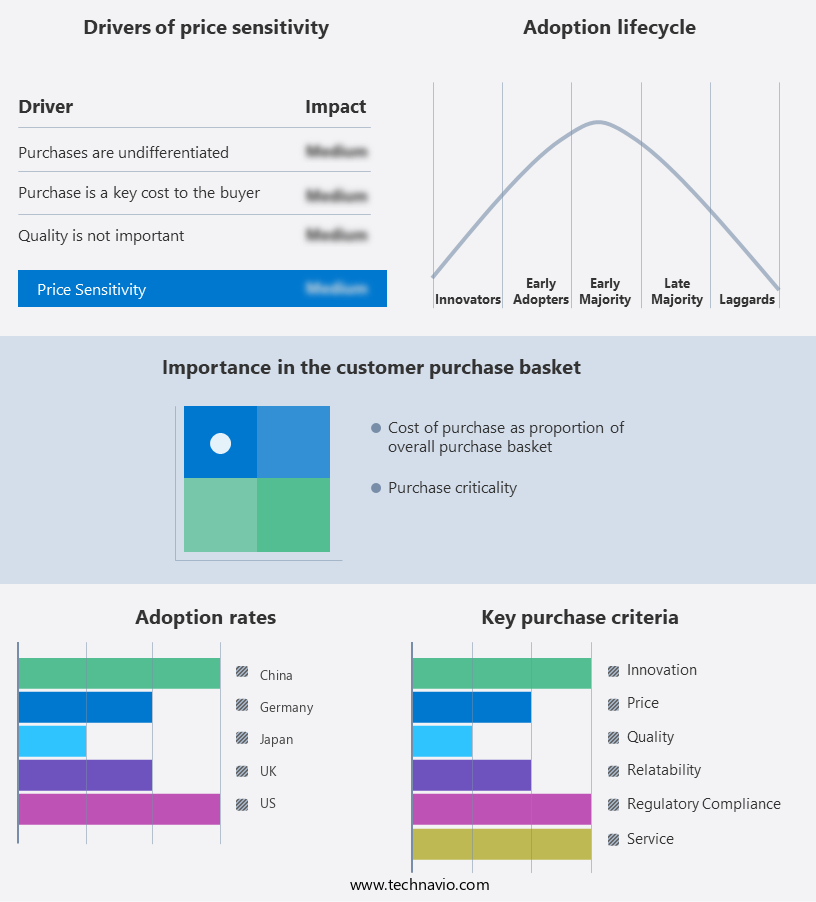
Formula Milk Dispenser Machines Market Share by Geography

 Customer Landscape

Key Companies & Market Insights

Companies are implementing various strategies, such as strategic alliances, formula milk dispenser machines market forecast, partnerships, mergers and acquisitions, geographical expansion, and product/service launches, to enhance their presence in the industry.

Baby Brezza - The company specializes in advanced formula milk dispensing technology, featuring machines like the Formula Pro Advanced. 

The industry research and growth report includes detailed analyses of the competitive landscape of the market and information about key companies, including:

  • Baby Brezza
  • BabyExo
  • Babymoov
  • BEABA SAS
  • Brunimat GmbH
  • Handi Craft Co. Inc.
  • Koninklijke Philips N.V.
  • LivingEZ
  • Mayborn Group Ltd.
  • Newell Brands Inc.
  • Ping An Insurance Group Co. of China Ltd.
  • Shenzhen Qianhai Zoome Technology Co. Ltd.
  • Wuxi Swif International Trade Co. Ltd.

Qualitative and quantitative analysis of companies has been conducted to help clients understand the wider business environment as well as the strengths and weaknesses of key industry players. Data is qualitatively analyzed to categorize companies as pure play, category-focused, industry-focused, and diversified; it is quantitatively analyzed to categorize companies as dominant, leading, strong, tentative, and weak.

Recent Development and News in Formula Milk Dispenser Machines Market

  • In February 2023, Danone, a leading player in the formula milk market, announced the launch of its new Aptamil Prodigy Formula Milk Dispenser Machine in collaboration with Nestle Nescafe Dolce Gusto. This innovative product combines Danone's expertise in infant nutrition with Nestle's advanced dispensing technology, offering parents a convenient and hygienic solution for preparing infant formula (Danone Press Release, 2023).
  • In April 2024, Philips, a global technology leader, entered into a strategic partnership with Tetra Pak, a leading food processing and packaging solutions company, to integrate Philips' advanced microfiltration technology into Tetra Pak's formula milk dispensing systems. This collaboration aims to improve the quality and safety of formula milk dispensed through Tetra Pak machines (Philips Press Release, 2024).
  • In July 2024, Babymoov, a French baby products manufacturer, raised €15 million in a Series C funding round led by Partech Ventures. The company plans to use the funds to expand its production capacity and accelerate the development and launch of new formula milk dispenser machines (Partech Ventures Press Release, 2024).
  • In October 2025, the European Commission approved the use of Ultra-High Temperature (UHT) treated formula milk in dispensing machines, marking a significant regulatory shift in the market. This approval is expected to boost the adoption of formula milk dispenser machines, as they offer a more convenient and hygienic alternative to traditional powdered formula (European Commission Press Release, 2025).

Research Analyst Overview

  • The formula milk dispenser market exhibits dynamic trends with various innovations and advancements. Soy-based formula and anti-reflux formula dispensers continue to gain popularity among health-conscious consumers. Smart home integration and water filtration systems are becoming essential features in modern formula milk dispensers. Premature infant and hydrolyzed formula dispensers cater to specific customer segments, while digital dispensing records and sanitization features ensure safety and hygiene. RFID technology and machine learning enable personalized marketing and feeding plans, while predictive analytics and data analytics optimize growth tracking.
  • Influencer marketing and social media campaigns expand market reach. Voice control, weight monitoring, and sensitive stomach formula options further cater to diverse consumer needs. Smart dispensing technology and feeding schedule optimization employ artificial intelligence to enhance user experience.

Dive into Technavio's robust research methodology, blending expert interviews, extensive data synthesis, and validated models for unparalleled Formula Milk Dispenser Machines Market insights. See full methodology.

Market Scope

Report Coverage

Details

Page number

151

Base year

2023

Historic period

2018-2022

Forecast period

2024-2028

Growth momentum & CAGR

Accelerate at a CAGR of 11.28%

Market growth 2024-2028

USD 1,020 million

Market structure

Concentrated

YoY growth 2023-2024(%)

10.75

Key countries

US, China, Japan, UK, and Germany

Competitive landscape

Leading Companies, Market Positioning of Companies, Competitive Strategies, and Industry Risks

Request Free Sample

What are the Key Data Covered in this Formula Milk Dispenser Machines Market Research and Growth Report?

  • CAGR of the Formula Milk Dispenser Machines industry during the forecast period
  • Detailed information on factors that will drive the growth and forecasting between 2024 and 2028
  • Precise estimation of the size of the market and its contribution of the industry in focus to the parent market
  • Accurate predictions about upcoming growth and trends and changes in consumer behaviour
  • Growth of the market across North America, Europe, APAC, Middle East and Africa, and South America
  • Thorough analysis of the market's competitive landscape and detailed information about companies
  • Comprehensive analysis of factors that will challenge the formula milk dispenser machines market growth of industry companies

We can help! Our analysts can customize this formula milk dispenser machines market research report to meet your requirements.

Get in touch

1 Executive Summary

  • 1.1 Market overview
    • Exhibit 01: Executive Summary – Chart on Market Overview
    • Exhibit 02: Executive Summary – Data Table on Market Overview
    • Exhibit 03: Executive Summary – Chart on Global Market Characteristics
    • Exhibit 04: Executive Summary – Chart on Market by Geography
    • Exhibit 05: Executive Summary – Chart on Market Segmentation by Type
    • Exhibit 06: Executive Summary – Chart on Market Segmentation by Distribution Channel
    • Exhibit 07: Executive Summary – Chart on Incremental Growth
    • Exhibit 08: Executive Summary – Data Table on Incremental Growth
    • Exhibit 09: Executive Summary – Chart on Vendor Market Positioning

2 Market Landscape

  • 2.1 Market ecosystem
    • Exhibit 10: Parent market
    • Exhibit 11: Market Characteristics

3 Market Sizing

  • 3.1 Market definition
    • Exhibit 12: Offerings of vendors included in the market definition
  • 3.2 Market segment analysis
    • Exhibit 13: Market segments
  • 3.3 Market size 2023
    • 3.4 Market outlook: Forecast for 2023-2028
      • Exhibit 14: Chart on Global - Market size and forecast 2023-2028 ($ million)
      • Exhibit 15: Data Table on Global - Market size and forecast 2023-2028 ($ million)
      • Exhibit 16: Chart on Global Market: Year-over-year growth 2023-2028 (%)
      • Exhibit 17: Data Table on Global Market: Year-over-year growth 2023-2028 (%)

    4 Historic Market Size

    • 4.1 Global formula milk dispenser machines market 2018 - 2022
      • Exhibit 18: Historic Market Size – Data Table on global formula milk dispenser machines market 2018 - 2022 ($ million)
    • 4.2 Type Segment Analysis 2018 - 2022
      • Exhibit 19: Historic Market Size – Type Segment 2018 - 2022 ($ million)
    • 4.3 Distribution Channel Segment Analysis 2018 - 2022
      • Exhibit 20: Historic Market Size – Distribution Channel Segment 2018 - 2022 ($ million)
    • 4.4 Geography Segment Analysis 2018 - 2022
      • Exhibit 21: Historic Market Size – Geography Segment 2018 - 2022 ($ million)
    • 4.5 Country Segment Analysis 2018 - 2022
      • Exhibit 22: Historic Market Size – Country Segment 2018 - 2022 ($ million)

    5 Five Forces Analysis

    • 5.1 Five forces summary
      • Exhibit 23: Five forces analysis - Comparison between 2023 and 2028
    • 5.2 Bargaining power of buyers
      • Exhibit 24: Chart on Bargaining power of buyers – Impact of key factors 2023 and 2028
    • 5.3 Bargaining power of suppliers
      • Exhibit 25: Bargaining power of suppliers – Impact of key factors in 2023 and 2028
    • 5.4 Threat of new entrants
      • Exhibit 26: Threat of new entrants – Impact of key factors in 2023 and 2028
    • 5.5 Threat of substitutes
      • Exhibit 27: Threat of substitutes – Impact of key factors in 2023 and 2028
    • 5.6 Threat of rivalry
      • Exhibit 28: Threat of rivalry – Impact of key factors in 2023 and 2028
    • 5.7 Market condition
      • Exhibit 29: Chart on Market condition - Five forces 2023 and 2028

    6 Market Segmentation by Type

    • 6.1 Market segments
      • Exhibit 30: Chart on Type - Market share 2023-2028 (%)
      • Exhibit 31: Data Table on Type - Market share 2023-2028 (%)
    • 6.2 Comparison by Type
      • Exhibit 32: Chart on Comparison by Type
      • Exhibit 33: Data Table on Comparison by Type
    • 6.3 Manual formula milk dispenser machines - Market size and forecast 2023-2028
      • Exhibit 34: Chart on Manual formula milk dispenser machines - Market size and forecast 2023-2028 ($ million)
      • Exhibit 35: Data Table on Manual formula milk dispenser machines - Market size and forecast 2023-2028 ($ million)
      • Exhibit 36: Chart on Manual formula milk dispenser machines - Year-over-year growth 2023-2028 (%)
      • Exhibit 37: Data Table on Manual formula milk dispenser machines - Year-over-year growth 2023-2028 (%)
    • 6.4 Smart formula milk dispenser machines - Market size and forecast 2023-2028
      • Exhibit 38: Chart on Smart formula milk dispenser machines - Market size and forecast 2023-2028 ($ million)
      • Exhibit 39: Data Table on Smart formula milk dispenser machines - Market size and forecast 2023-2028 ($ million)
      • Exhibit 40: Chart on Smart formula milk dispenser machines - Year-over-year growth 2023-2028 (%)
      • Exhibit 41: Data Table on Smart formula milk dispenser machines - Year-over-year growth 2023-2028 (%)
    • 6.5 Market opportunity by Type
      • Exhibit 42: Market opportunity by Type ($ million)
      • Exhibit 43: Data Table on Market opportunity by Type ($ million)

    7 Market Segmentation by Distribution Channel

    • 7.1 Market segments
      • Exhibit 44: Chart on Distribution Channel - Market share 2023-2028 (%)
      • Exhibit 45: Data Table on Distribution Channel - Market share 2023-2028 (%)
    • 7.2 Comparison by Distribution Channel
      • Exhibit 46: Chart on Comparison by Distribution Channel
      • Exhibit 47: Data Table on Comparison by Distribution Channel
    • 7.3 Offline - Market size and forecast 2023-2028
      • Exhibit 48: Chart on Offline - Market size and forecast 2023-2028 ($ million)
      • Exhibit 49: Data Table on Offline - Market size and forecast 2023-2028 ($ million)
      • Exhibit 50: Chart on Offline - Year-over-year growth 2023-2028 (%)
      • Exhibit 51: Data Table on Offline - Year-over-year growth 2023-2028 (%)
    • 7.4 Online - Market size and forecast 2023-2028
      • Exhibit 52: Chart on Online - Market size and forecast 2023-2028 ($ million)
      • Exhibit 53: Data Table on Online - Market size and forecast 2023-2028 ($ million)
      • Exhibit 54: Chart on Online - Year-over-year growth 2023-2028 (%)
      • Exhibit 55: Data Table on Online - Year-over-year growth 2023-2028 (%)
    • 7.5 Market opportunity by Distribution Channel
      • Exhibit 56: Market opportunity by Distribution Channel ($ million)
      • Exhibit 57: Data Table on Market opportunity by Distribution Channel ($ million)

    8 Customer Landscape

    • 8.1 Customer landscape overview
      • Exhibit 58: Analysis of price sensitivity, lifecycle, customer purchase basket, adoption rates, and purchase criteria

    9 Geographic Landscape

    • 9.1 Geographic segmentation
      • Exhibit 59: Chart on Market share by geography 2023-2028 (%)
      • Exhibit 60: Data Table on Market share by geography 2023-2028 (%)
    • 9.2 Geographic comparison
      • Exhibit 61: Chart on Geographic comparison
      • Exhibit 62: Data Table on Geographic comparison
    • 9.3 North America - Market size and forecast 2023-2028
      • Exhibit 63: Chart on North America - Market size and forecast 2023-2028 ($ million)
      • Exhibit 64: Data Table on North America - Market size and forecast 2023-2028 ($ million)
      • Exhibit 65: Chart on North America - Year-over-year growth 2023-2028 (%)
      • Exhibit 66: Data Table on North America - Year-over-year growth 2023-2028 (%)
    • 9.4 Europe - Market size and forecast 2023-2028
      • Exhibit 67: Chart on Europe - Market size and forecast 2023-2028 ($ million)
      • Exhibit 68: Data Table on Europe - Market size and forecast 2023-2028 ($ million)
      • Exhibit 69: Chart on Europe - Year-over-year growth 2023-2028 (%)
      • Exhibit 70: Data Table on Europe - Year-over-year growth 2023-2028 (%)
    • 9.5 APAC - Market size and forecast 2023-2028
      • Exhibit 71: Chart on APAC - Market size and forecast 2023-2028 ($ million)
      • Exhibit 72: Data Table on APAC - Market size and forecast 2023-2028 ($ million)
      • Exhibit 73: Chart on APAC - Year-over-year growth 2023-2028 (%)
      • Exhibit 74: Data Table on APAC - Year-over-year growth 2023-2028 (%)
    • 9.6 Middle East and Africa - Market size and forecast 2023-2028
      • Exhibit 75: Chart on Middle East and Africa - Market size and forecast 2023-2028 ($ million)
      • Exhibit 76: Data Table on Middle East and Africa - Market size and forecast 2023-2028 ($ million)
      • Exhibit 77: Chart on Middle East and Africa - Year-over-year growth 2023-2028 (%)
      • Exhibit 78: Data Table on Middle East and Africa - Year-over-year growth 2023-2028 (%)
    • 9.7 South America - Market size and forecast 2023-2028
      • Exhibit 79: Chart on South America - Market size and forecast 2023-2028 ($ million)
      • Exhibit 80: Data Table on South America - Market size and forecast 2023-2028 ($ million)
      • Exhibit 81: Chart on South America - Year-over-year growth 2023-2028 (%)
      • Exhibit 82: Data Table on South America - Year-over-year growth 2023-2028 (%)
    • 9.8 US - Market size and forecast 2023-2028
      • Exhibit 83: Chart on US - Market size and forecast 2023-2028 ($ million)
      • Exhibit 84: Data Table on US - Market size and forecast 2023-2028 ($ million)
      • Exhibit 85: Chart on US - Year-over-year growth 2023-2028 (%)
      • Exhibit 86: Data Table on US - Year-over-year growth 2023-2028 (%)
    • 9.9 China - Market size and forecast 2023-2028
      • Exhibit 87: Chart on China - Market size and forecast 2023-2028 ($ million)
      • Exhibit 88: Data Table on China - Market size and forecast 2023-2028 ($ million)
      • Exhibit 89: Chart on China - Year-over-year growth 2023-2028 (%)
      • Exhibit 90: Data Table on China - Year-over-year growth 2023-2028 (%)
    • 9.10 UK - Market size and forecast 2023-2028
      • Exhibit 91: Chart on UK - Market size and forecast 2023-2028 ($ million)
      • Exhibit 92: Data Table on UK - Market size and forecast 2023-2028 ($ million)
      • Exhibit 93: Chart on UK - Year-over-year growth 2023-2028 (%)
      • Exhibit 94: Data Table on UK - Year-over-year growth 2023-2028 (%)
    • 9.11 Germany - Market size and forecast 2023-2028
      • Exhibit 95: Chart on Germany - Market size and forecast 2023-2028 ($ million)
      • Exhibit 96: Data Table on Germany - Market size and forecast 2023-2028 ($ million)
      • Exhibit 97: Chart on Germany - Year-over-year growth 2023-2028 (%)
      • Exhibit 98: Data Table on Germany - Year-over-year growth 2023-2028 (%)
    • 9.12 Japan - Market size and forecast 2023-2028
      • Exhibit 99: Chart on Japan - Market size and forecast 2023-2028 ($ million)
      • Exhibit 100: Data Table on Japan - Market size and forecast 2023-2028 ($ million)
      • Exhibit 101: Chart on Japan - Year-over-year growth 2023-2028 (%)
      • Exhibit 102: Data Table on Japan - Year-over-year growth 2023-2028 (%)
    • 9.13 Market opportunity by geography
      • Exhibit 103: Market opportunity by geography ($ million)
      • Exhibit 104: Data Tables on Market opportunity by geography ($ million)

    10 Drivers, Challenges, and Trends

    • 10.1 Market drivers
      • 10.2 Market challenges
        • 10.3 Impact of drivers and challenges
          • Exhibit 105: Impact of drivers and challenges in 2023 and 2028
        • 10.4 Market trends

          11 Vendor Landscape

          • 11.1 Overview
            • 11.2 Vendor landscape
              • Exhibit 106: Overview on Criticality of inputs and Factors of differentiation
            • 11.3 Landscape disruption
              • Exhibit 107: Overview on factors of disruption
            • 11.4 Industry risks
              • Exhibit 108: Impact of key risks on business

            12 Vendor Analysis

            • 12.1 Vendors covered
              • Exhibit 109: Vendors covered
            • 12.2 Market positioning of vendors
              • Exhibit 110: Matrix on vendor position and classification
            • 12.3 Baby Brezza
              • Exhibit 111: Baby Brezza - Overview
              • Exhibit 112: Baby Brezza - Product / Service
              • Exhibit 113: Baby Brezza - Key offerings
            • 12.4 BabyExo
              • Exhibit 114: BabyExo - Overview
              • Exhibit 115: BabyExo - Product / Service
              • Exhibit 116: BabyExo - Key offerings
            • 12.5 Babymoov
              • Exhibit 117: Babymoov - Overview
              • Exhibit 118: Babymoov - Product / Service
              • Exhibit 119: Babymoov - Key offerings
            • 12.6 BEABA SAS
              • Exhibit 120: BEABA SAS - Overview
              • Exhibit 121: BEABA SAS - Product / Service
              • Exhibit 122: BEABA SAS - Key offerings
            • 12.7 Brunimat GmbH
              • Exhibit 123: Brunimat GmbH - Overview
              • Exhibit 124: Brunimat GmbH - Product / Service
              • Exhibit 125: Brunimat GmbH - Key offerings
            • 12.8 Handi Craft Co. Inc.
              • Exhibit 126: Handi Craft Co. Inc. - Overview
              • Exhibit 127: Handi Craft Co. Inc. - Product / Service
              • Exhibit 128: Handi Craft Co. Inc. - Key offerings
            • 12.9 Koninklijke Philips N.V.
              • Exhibit 129: Koninklijke Philips N.V. - Overview
              • Exhibit 130: Koninklijke Philips N.V. - Business segments
              • Exhibit 131: Koninklijke Philips N.V. - Key news
              • Exhibit 132: Koninklijke Philips N.V. - Key offerings
              • Exhibit 133: Koninklijke Philips N.V. - Segment focus
            • 12.10 LivingEZ
              • Exhibit 134: LivingEZ - Overview
              • Exhibit 135: LivingEZ - Product / Service
              • Exhibit 136: LivingEZ - Key offerings
            • 12.11 Mayborn Group Ltd.
              • Exhibit 137: Mayborn Group Ltd. - Overview
              • Exhibit 138: Mayborn Group Ltd. - Product / Service
              • Exhibit 139: Mayborn Group Ltd. - Key offerings
            • 12.12 Newell Brands Inc.
              • Exhibit 140: Newell Brands Inc. - Overview
              • Exhibit 141: Newell Brands Inc. - Business segments
              • Exhibit 142: Newell Brands Inc. - Key news
              • Exhibit 143: Newell Brands Inc. - Key offerings
              • Exhibit 144: Newell Brands Inc. - Segment focus
            • 12.13 Ping An Insurance Group Co. of China Ltd.
              • Exhibit 145: Ping An Insurance Group Co. of China Ltd. - Overview
              • Exhibit 146: Ping An Insurance Group Co. of China Ltd. - Business segments
              • Exhibit 147: Ping An Insurance Group Co. of China Ltd. - Key offerings
              • Exhibit 148: Ping An Insurance Group Co. of China Ltd. - Segment focus
            • 12.14 Shenzhen Qianhai Zoome Technology Co. Ltd.
              • Exhibit 149: Shenzhen Qianhai Zoome Technology Co. Ltd. - Overview
              • Exhibit 150: Shenzhen Qianhai Zoome Technology Co. Ltd. - Product / Service
              • Exhibit 151: Shenzhen Qianhai Zoome Technology Co. Ltd. - Key offerings
            • 12.15 Wuxi Swif International Trade Co. Ltd.
              • Exhibit 152: Wuxi Swif International Trade Co. Ltd. - Overview
              • Exhibit 153: Wuxi Swif International Trade Co. Ltd. - Product / Service
              • Exhibit 154: Wuxi Swif International Trade Co. Ltd. - Key offerings

            13 Appendix

            • 13.1 Scope of the report
              • 13.2 Inclusions and exclusions checklist
                • Exhibit 155: Inclusions checklist
                • Exhibit 156: Exclusions checklist
              • 13.3 Currency conversion rates for US$
                • Exhibit 157: Currency conversion rates for US$
              • 13.4 Research methodology
                • Exhibit 158: Research methodology
                • Exhibit 159: Validation techniques employed for market sizing
                • Exhibit 160: Information sources
              • 13.5 List of abbreviations
                • Exhibit 161: List of abbreviations

              Research Methodology

              Technavio presents a detailed picture of the market by way of study, synthesis, and summation of data from multiple sources. The analysts have presented the various facets of the market with a particular focus on identifying the key industry influencers. The data thus presented is comprehensive, reliable, and the result of extensive research, both primary and secondary.

              INFORMATION SOURCES

              Primary sources

              • Manufacturers and suppliers
              • Channel partners
              • Industry experts
              • Strategic decision makers

              Secondary sources

              • Industry journals and periodicals
              • Government data
              • Financial reports of key industry players
              • Historical data
              • Press releases

              DATA ANALYSIS

              Data Synthesis

              • Collation of data
              • Estimation of key figures
              • Analysis of derived insights

              Data Validation

              • Triangulation with data models
              • Reference against proprietary databases
              • Corroboration with industry experts

              REPORT WRITING

              Qualitative

              • Market drivers
              • Market challenges
              • Market trends
              • Five forces analysis

              Quantitative

              • Market size and forecast
              • Market segmentation
              • Geographical insights
              • Competitive landscape

              Interested in this report?

              Get your sample now to see our research methodology and insights!

              Download Now

              Frequently Asked Questions

              Formula Milk Dispenser Machines market growth will increase by $ 1,020 mn during 2024-2028.

              The Formula Milk Dispenser Machines market is expected to grow at a CAGR of 11.28% during 2024-2028.

              Formula Milk Dispenser Machines market is segmented by Type( Manual formula milk dispenser machines, Smart formula milk dispenser machines) Distribution Channel( Offline, Online)

              Baby Brezza, BabyExo, Babymoov, BEABA SAS, Brunimat GmbH, Handi Craft Co. Inc., Koninklijke Philips N.V., LivingEZ, Mayborn Group Ltd., Newell Brands Inc., Ping An Insurance Group Co. of China Ltd., Shenzhen Qianhai Zoome Technology Co. Ltd., Wuxi Swif International Trade Co. Ltd. are a few of the key vendors in the Formula Milk Dispenser Machines market.

              North America will register the highest growth rate of 37% among the other regions. Therefore, the Formula Milk Dispenser Machines market in North America is expected to garner significant business opportunities for the vendors during the forecast period.

              US, China, Japan, UK, Germany

              • Increase in adoption and promotion of formula milkHectic lifestyle and unhealthy eating habits have led to improper health conditions in mothers is the driving factor this market.
              • which consequently affects the quality of breast milk. This has made it difficult for a new mother to breastfeed her children. This unhealthy lifestyle has disrupted breastfeeding by new mothers. Many lactating mothers is the driving factor this market.
              • particularly working women and others who are in single-parent households is the driving factor this market.
              • are opting for formula milk for newborns instead of breast milk. Vendors operating in the baby food and baby products industry are regularly introducing baby formula milk. This formula milk can be stored for a longer duration after it's prepared. This also enables parents to have a longer window for personal errands. Such formula milk is claimed by vendors to be equally healthy and nutritious as breast milk. This increased adoption of formula milk and will grow the need for formula milk dispenser machines is the driving factor this market.
              • hence fueling the the global formula milk dispenser machines market during the forecast period. is the driving factor this market.

              The Formula Milk Dispenser Machines market vendors should focus on grabbing business opportunities from the Manual formula milk dispenser machines segment as it accounted for the largest market share in the base year.