
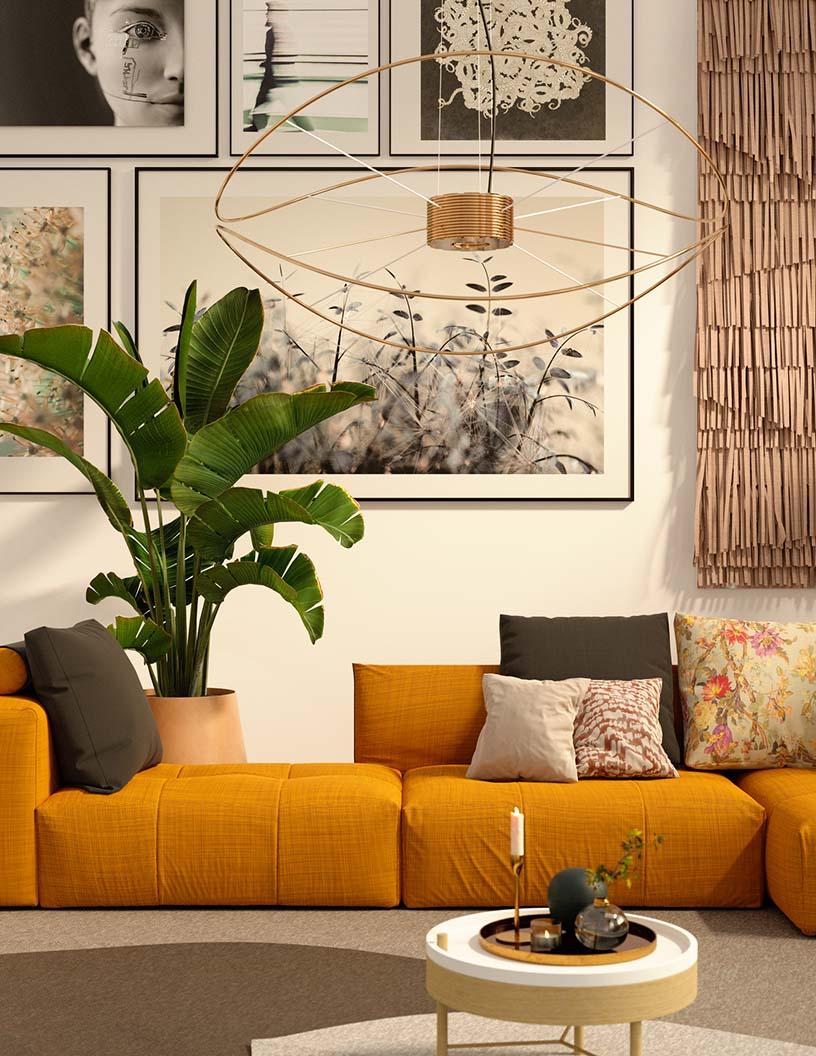


Furniture And Home Furnishing Market Size 2025-2029
The furniture and home furnishing market size is forecast to increase by USD 78.5 billion, at a CAGR of 2.2% between 2024 and 2029.
- The Furniture and Home Furnishings market is experiencing significant shifts driven by evolving consumer demographics in emerging economies and the increasing demand for personalized furniture solutions. These trends reflect the growing importance of individual expression and comfort in living spaces, particularly as disposable income rises in developing markets. However, market participants face challenges from global economic factors, including supply chain disruptions and raw material price volatility.
- Navigating these challenges will require strategic sourcing, agile supply chain management, and innovative product offerings tailored to diverse consumer preferences. Companies that successfully address these trends and overcome economic obstacles will be well-positioned to capitalize on the expanding market opportunities in the Furniture and Home Furnishings sector.
What will be the Size of the Furniture And Home Furnishing Market during the forecast period?

Explore in-depth regional segment analysis with market size data - historical 2019-2023 and forecasts 2025-2029 - in the full report.
Request Free Sample
The market continues to evolve, with dynamic trends shaping various sectors. Custom furniture, manufactured using advanced processes, is gaining popularity, catering to unique consumer preferences. Smart furniture integrating technology into everyday pieces is another emerging trend, enhancing functionality and convenience. Brand loyalty remains a critical factor in retail sales, with interior design influencing consumer choices. Dining chairs, end tables, coffee tables, and dining tables are staples, while lighting fixtures and decorative accessories add aesthetic value. Customer service and upholstery fabrics ensure comfort and durability, with UV resistance and fire retardant properties becoming essential. Modular furniture offers flexibility in design and space utilization, while furniture restoration and wood/metal finishing maintain the value of antique pieces.
Recycled materials are increasingly used to promote sustainability, aligning with evolving consumer behavior. Competitive advantage lies in efficient supply chain management and offering a wide range of sustainable materials. Furniture assembly, distribution channels, and consumer preferences continue to shift, requiring adaptability in the industry. Upholstery fabrics, lighting fixtures, and decorative accessories undergo constant innovation, reflecting the continuous dynamism of the market.
How is this Furniture And Home Furnishing Industry segmented?
The furniture and home furnishing industry research report provides comprehensive data (region-wise segment analysis), with forecasts and estimates in "USD billion" for the period 2025-2029, as well as historical data from 2019-2023 for the following segments.
- Application
- Indoor
- Outdoor
- Distribution Channel
- Offline
- Online
- Material
- Wood
- Metal
- Others
- Product Type
- Living room furniture
- Bedroom furniture
- Kitchen and dining furniture
- Others
- Geography
- North America
- US
- Canada
- Europe
- France
- Germany
- UK
- APAC
- Australia
- China
- India
- Japan
- South Korea
- Rest of World (ROW)
- North America
By Application Insights
The indoor segment is estimated to witness significant growth during the forecast period.
The indoor the market experiences substantial growth, with a focus on creating comfortable and visually appealing spaces. Consumers prioritize their living rooms, bedrooms, and dining rooms, driving sales of sofas, beds, tables, and decorative accessories. The shift towards remote work and home-centric lifestyles intensifies the demand for versatile and creative furniture solutions. Minimalist interior design trends further boost the popularity of indoor furnishings. Manufacturing processes continually evolve, incorporating smart technology and sustainable materials. Custom furniture and modular designs cater to individual preferences and space constraints. Upholstery fabrics, lighting fixtures, and decorative accessories undergo advancements, offering UV resistance, fire retardancy, and eco-friendly alternatives.
Customer service remains crucial, with furniture repair, wood finishing, and metal finishing services ensuring product longevity. Furniture assembly and distribution channels streamline the purchasing process, enabling online sales to thrive. Furniture restoration and the use of recycled materials contribute to the industry's sustainability efforts. Brand loyalty plays a significant role, as consumers seek quality and durability. Competitive advantage lies in offering customizable, functional, and aesthetically pleasing furniture, catering to diverse consumer needs and preferences.

The Indoor segment was valued at USD 523.90 billion in 2019 and showed a gradual increase during the forecast period.
Regional Analysis
North America is estimated to contribute 33% to the growth of the global market during the forecast period.Technavio’s analysts have elaborately explained the regional trends and drivers that shape the market during the forecast period.

The market in the Asia Pacific region is experiencing significant growth due to urbanization and rising disposable income in emerging economies. Government initiatives such as the Smart Cities Mission, Swachh Bharat Mission, Sardar Patel National Urban Housing Mission, Atal Mission for Rejuvenation and Urban Transformation, and Heritage City Development and Augmentation Yojana in India are driving demand for new furniture sales. China, a major producer and exporter of furniture globally, is focused on export-driven industrial production and high foreign investments. Manufacturing processes in the furniture industry are evolving with the integration of technology, leading to the production of smart furniture.
Custom furniture and modular designs cater to the unique needs of consumers, fostering brand loyalty. Retail sales are further boosted by the convenience of online shopping and excellent customer service. Interior design trends include the use of sustainable materials, such as recycled materials, and a focus on fire retardant and UV resistance. Furniture repair and restoration services ensure the longevity of pieces, while wood and metal finishing add to their aesthetic appeal. Supply chain management and efficient furniture assembly processes are essential for maintaining a competitive advantage. The market for furniture and home furnishings comprises various distribution channels, including retail stores, e-commerce platforms, and direct sales.
Consumer behavior is influenced by factors such as design preferences, budget, and lifestyle. The use of decorative accessories, lighting fixtures, and dining chairs, coffee tables, and dining tables adds to the overall home décor. In conclusion, the market in the Asia Pacific region is witnessing growth due to urbanization, rising disposable income, and government initiatives. Technological advancements, sustainable materials, and evolving consumer preferences are shaping the market trends.
Market Dynamics
Our researchers analyzed the data with 2024 as the base year, along with the key drivers, trends, and challenges. A holistic analysis of drivers will help companies refine their marketing strategies to gain a competitive advantage.
In the dynamic and ever-evolving the market, consumers seek stylish, functional, and sustainable solutions to enhance their living spaces. This market encompasses an extensive range of products, including sofas, beds, tables, chairs, rugs, curtains, lighting, and decorative accents. Manufacturers prioritize eco-friendly materials, ergonomic designs, and customizable options to cater to diverse preferences. Retailers leverage omnichannel strategies, offering both in-store and online shopping experiences. Consumers increasingly value affordability, convenience, and personalized service. Trends like multifunctional pieces, smart home technology integration, and minimalist aesthetics continue shaping this vibrant industry. Overall, the market is a thriving sector that continually responds to evolving consumer needs and preferences.
What are the key market drivers leading to the rise in the adoption of Furniture And Home Furnishing Industry?
- In emerging economies, the shifting consumer demographics serve as the primary catalyst for market growth.
- The market is experiencing significant growth due to shifting consumer demographics, particularly in emerging economies. By 2050, it is estimated that approximately 2.4 billion people will reside in urban and semi-urban areas, with a 90% increase in Asia and Africa. This demographic shift is driving the demand for new furniture and home furnishing products. Moreover, increasing wages and income levels worldwide, notably in countries such as China and India, contribute to the market's expansion. As a result, consumers in these regions are investing in furniture and home furnishings to enhance their living spaces. Furthermore, consumers' preferences for eco-friendly and sustainable products are propelling the market forward.
- Furniture manufacturers are responding to this trend by producing items made from recycled materials, such as reclaimed wood and recycled metal. Additionally, the demand for fire-retardant and UV-resistant furniture is on the rise, as consumers prioritize safety and durability. Modular furniture and easy-to-assemble pieces are also gaining popularity due to their convenience and flexibility. Wood finishing and metal finishing techniques are being refined to create harmonious and immersive designs that appeal to consumers. Furniture repair services are also becoming increasingly important, as consumers seek to extend the life of their existing furniture pieces. Overall, the market is expected to continue growing, driven by these market dynamics.
What are the market trends shaping the Furniture And Home Furnishing Industry?
- The increasing preference for customized furniture and home decor is a notable trend in the current market. This demand for personalized pieces reflects consumers' desire for unique, one-of-a-kind items that reflect their individual styles and tastes.
- The home décor sector within the market is experiencing a shift towards consumer-centric approaches, driven by the increasing demand for personalized products. Modern consumers prioritize unique and customized solutions that align with their individual interests, lifestyles, and aesthetic preferences. This trend is prevalent across various product categories, including furniture, textiles, and design items. Consumers' growing desire for self-expression and personalization is attracting them to customizable alternatives. In response, furniture manufacturers and retailers are expanding their offerings to cater to this demand. They provide customers with a wide range of choices, enabling them to select materials, colors, finishes, and even add personal touches such as monograms or custom engravings.
- Effective supply chain management plays a crucial role in delivering customized products to consumers in a timely and cost-effective manner. Furniture restoration and the use of sustainable materials are also gaining popularity as consumers become more environmentally conscious. Understanding these market dynamics and catering to the evolving needs of consumers can provide a competitive advantage for businesses in the furniture and home furnishing industry.
What challenges does the Furniture And Home Furnishing Industry face during its growth?
- The industry's growth is significantly influenced by high exposure to global economic factors, making it a crucial challenge that professionals must navigate.
- The market faces significant challenges due to the influence of economic conditions. Factors such as consumer spending capacity, income levels, and employment rates are crucial determinants of market performance. A downturn in the global economy or specific regions like APAC, North America, and Europe can negatively impact the market. When economies experience depression and low disposable incomes, furniture and home furnishing purchases decrease. Custom furniture, manufacturing processes, and smart furniture trends continue to evolve, offering opportunities for growth.
- Brand loyalty and interior design trends, such as dining chairs, remain essential drivers of retail sales. Despite these challenges, the furniture and home furnishing industry remains an immersive and harmonious market, emphasizing quality and functionality.
Exclusive Customer Landscape
The furniture and home furnishing market forecasting report includes the adoption lifecycle of the market, covering from the innovator’s stage to the laggard’s stage. It focuses on adoption rates in different regions based on penetration. Furthermore, the furniture and home furnishing market report also includes key purchase criteria and drivers of price sensitivity to help companies evaluate and develop their market growth analysis strategies.

Customer Landscape
Key Companies & Market Insights
Companies are implementing various strategies, such as strategic alliances, furniture and home furnishing market forecast, partnerships, mergers and acquisitions, geographical expansion, and product/service launches, to enhance their presence in the industry.
Ashley Global Retail LLC - This company specializes in innovative furniture and home furnishing solutions, featuring the Gachester panel bed with mirrored dresser and nightstand, sofa, couches, love seats, and reclining furnishings. Our offerings enhance living spaces with style and functionality.
The industry research and growth report includes detailed analyses of the competitive landscape of the market and information about key companies, including:
- Ashley Global Retail LLC
- Baker Interiors Group
- Bernhardt Furniture Co.
- Ethan Allen Interiors Inc.
- Flexsteel Industries Inc.
- Godrej and Boyce Manufacturing Co. Ltd.
- Herman Miller Inc.
- Hooker Furniture Corp.
- Inter IKEA Holding B.V.
- Kartell SpA
- LaZBoy Inc.
- Minotti SpA
- Oppein Home Group Inc.
- Raymour and Flanigan Furniture and Mattresses
- Restoration Hardware Inc.
- Stanley Lifestyles Ltd.
- Williams Sonoma Inc.
Qualitative and quantitative analysis of companies has been conducted to help clients understand the wider business environment as well as the strengths and weaknesses of key industry players. Data is qualitatively analyzed to categorize companies as pure play, category-focused, industry-focused, and diversified; it is quantitatively analyzed to categorize companies as dominant, leading, strong, tentative, and weak.
Recent Development and News in Furniture And Home Furnishing Market
- In January 2024, IKEA, the global furniture retailer, announced the launch of its new line of sustainable furniture, called "Bjalik," made from recycled plastic. The collection, which includes chairs, tables, and storage units, is part of IKEA's commitment to using 100% renewable and recycled materials by 2030 (IKEA Press Release, 2024).
- In March 2024, Wayfair, the leading online furniture retailer, entered into a strategic partnership with Amazon.Com to sell Wayfair products directly on Amazon's platform. This collaboration expanded Wayfair's reach to Amazon's vast customer base and strengthened its online presence (Amazon Business Wire, 2024).
- In May 2024, Ethan Allen Interiors Inc., a major furniture manufacturer and retailer, completed the acquisition of Hooker Furniture Corporation for approximately USD212 million. This acquisition expanded Ethan Allen's product offerings and solidified its position as a leading furniture company in the North American market (Ethan Allen Interiors Inc. Press Release, 2024).
- In February 2025, the European Union passed a new regulation on eco-design requirements for furniture. The regulation aims to reduce the environmental impact of furniture production by setting minimum energy efficiency standards and encouraging the use of recycled materials (European Commission Press Release, 2025).
Research Analyst Overview
- The furniture and home furnishings market encompasses various segments, including website design, design trends, media consoles, antique furniture, storage solutions, marketing strategies, inventory management, returns/refunds, modern furniture, bathroom furniture, international trade, furniture hardware, mass production, spring systems, social media marketing, luxury furniture, advertising campaigns, minimalist furniture, direct-to-consumer sales, online advertising, outdoor furniture, children's furniture, foam padding, export/import, product testing, furniture logistics, finish treatments, handcrafted furniture, patio furniture, particle board, vintage furniture, contemporary furniture, safety standards, customer reviews, quality control, influencer marketing, color trends, e-commerce platform, custom design, and traditional furniture. Market trends reflect a growing emphasis on minimalist designs, with modern and contemporary furniture gaining popularity.
- Social media marketing and influencer collaborations are crucial for reaching consumers, while direct-to-consumer sales and e-commerce platforms dominate the sales landscape. Inventory management and logistics are essential for businesses, with furniture hardware, spring systems, and foam padding playing key roles in product functionality. Safety standards and quality control ensure customer satisfaction, while international trade and export/import facilitate global access to various furniture styles. Antique and vintage furniture continue to attract collectors and those seeking unique pieces, while mass-produced furniture caters to budget-conscious consumers. Design trends include colorful accents, natural materials, and multifunctional pieces. Marketing strategies focus on social media advertising, content marketing, and customer engagement, with product testing and finish treatments ensuring durability and aesthetic appeal.
- Custom design and handcrafted furniture cater to the luxury market, while particle board and affordable options cater to budget-conscious consumers. Bathroom furniture, storage solutions, and outdoor furniture are increasingly popular segments, with safety standards and functionality being key considerations. Furniture logistics and returns/refunds processes are essential for maintaining customer satisfaction. Overall, the furniture and home furnishings market is dynamic, with trends shifting towards minimalist designs, e-commerce sales, and multifunctional pieces. Effective marketing strategies, inventory management, and quality control are crucial for businesses to succeed.
Dive into Technavio’s robust research methodology, blending expert interviews, extensive data synthesis, and validated models for unparalleled Furniture And Home Furnishing Market insights. See full methodology.
|
Market Scope |
|
|
Report Coverage |
Details |
|
Page number |
217 |
|
Base year |
2024 |
|
Historic period |
2019-2023 |
|
Forecast period |
2025-2029 |
|
Growth momentum & CAGR |
Accelerate at a CAGR of 2.2% |
|
Market growth 2025-2029 |
USD 78.5 billion |
|
Market structure |
Fragmented |
|
YoY growth 2024-2025(%) |
2.1 |
|
Key countries |
US, China, Japan, Canada, India, UK, Germany, South Korea, Australia, and France |
|
Competitive landscape |
Leading Companies, Market Positioning of Companies, Competitive Strategies, and Industry Risks |
What are the Key Data Covered in this Furniture And Home Furnishing Market Research and Growth Report?
- CAGR of the Furniture And Home Furnishing industry during the forecast period
- Detailed information on factors that will drive the growth and forecasting between 2025 and 2029
- Precise estimation of the size of the market and its contribution of the industry in focus to the parent market
- Accurate predictions about upcoming growth and trends and changes in consumer behaviour
- Growth of the market across APAC, North America, Europe, Middle East and Africa, and South America
- Thorough analysis of the market’s competitive landscape and detailed information about companies
- Comprehensive analysis of factors that will challenge the furniture and home furnishing market growth of industry companies
We can help! Our analysts can customize this furniture and home furnishing market research report to meet your requirements.