
Gear Pump Market Analysis, Size, and Forecast 2026-2030: APAC (China, India, and Japan), North America (US, Canada, and Mexico), Europe (Germany, Italy, and France), South America (Brazil, Argentina, and Chile), Middle East and Africa (Saudi Arabia, Turkey, and South Africa), and Rest of World (ROW)

Gear Pump Market Analysis, Size, and Forecast 2026-2030:
APAC (China, India, and Japan), North America (US, Canada, and Mexico), Europe (Germany, Italy, and France), South America (Brazil, Argentina, and Chile), Middle East and Africa (Saudi Arabia, Turkey, and South Africa), and Rest of World (ROW)

Published: Oct 2026 314 Pages SKU: IRTNTR72066

Market Overview at a Glance

$524.1 Mn
Market Opportunity
4.6%
CAGR 2025 - 2030
41.1%
APAC Growth
$943.4 Mn
Heavy industry sector segment 2024

Gear Pump Market Size 2026-2030

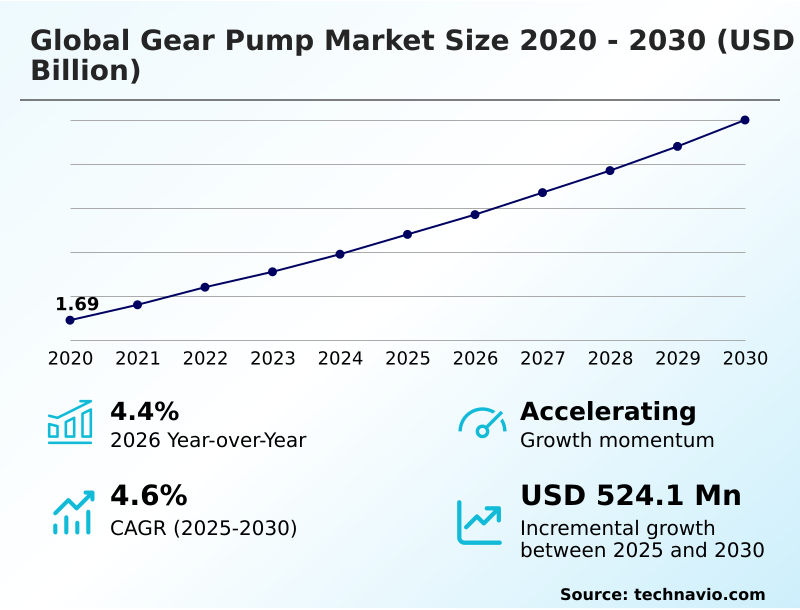
The gear pump market size is valued to increase by USD 524.1 million, at a CAGR of 4.6% from 2025 to 2030. Surging expansion of global mobile hydraulic equipment fleet will drive the gear pump market.

Major Market Trends & Insights

  • APAC dominated the market and accounted for a 41.1% growth during the forecast period.
  • By End-user - Heavy industry sector segment was valued at USD 943.4 million in 2024
  • By Type - External gear pump segment accounted for the largest market revenue share in 2024

Market Size & Forecast

  • Market Opportunities: USD 916.8 million
  • Market Future Opportunities: USD 524.1 million
  • CAGR from 2025 to 2030 : 4.6%

Market Summary

  • The Gear Pump Market demonstrates robust commercial expansion as industrial sectors increasingly prioritize high-precision fluid transfer and energy-efficient hydraulic power generation. Modern supply chain operations within chemical processing rely heavily on these systems to safely meter highly viscous and corrosive resins, ensuring process continuity while preventing hazardous chemical leakage.
  • Facilities upgrading to modern electro-hydraulic systems experience a 15% reduction in parasitic energy losses compared to legacy fixed-displacement architectures, significantly enhancing overall operational margins. The rapid expansion of mobile hydraulic equipment fleets acts as a critical demand driver, compelling machinery builders to procure compact, high-power-density fluid handling components for severe-duty excavation and agricultural applications.
  • Conversely, the industry faces substantial constraints stemming from volatile raw material costs, as sudden pricing surges in high-grade stainless steel and ductile iron directly compress manufacturing margins and disrupt procurement cycles. By balancing high volumetric efficiency demands with structural cost controls, fluid technology developers continually refine their product architectures to maintain competitive viability across diverse industrial landscapes.

What will be the Size of the Gear Pump Market during the forecast period?
Get Key Insights on Market Forecast (PDF) Get Free Sample

How is the Gear Pump Market Segmented?

The gear pump industry research report provides comprehensive data (region-wise segment analysis), with forecasts and estimates in "USD million" for the period 2026-2030, as well as historical data from 2020-2024 for the following segments.

  • End-user
    • Heavy industry sector
    • Agriculture and forestry
    • Automotive
    • Others
  • Type
    • External gear pump
    • Internal gear pump
  • Capacity
    • Between 100-300 bar
    • Less than 100 bar
    • Above 300 bar
  • Material
    • Cast iron
    • Stainless steel
    • Bronze
    • Others
  • Geography
    • APAC
      • China
      • India
      • Japan
      • South Korea
      • Australia
      • Indonesia
    • North America
      • US
      • Canada
      • Mexico
    • Europe
      • Germany
      • Italy
      • France
      • UK
      • Spain
      • The Netherlands
    • South America
      • Brazil
      • Argentina
      • Chile
    • Middle East and Africa
      • Saudi Arabia
      • Turkey
      • South Africa
      • UAE
      • Israel

By End-user Insights

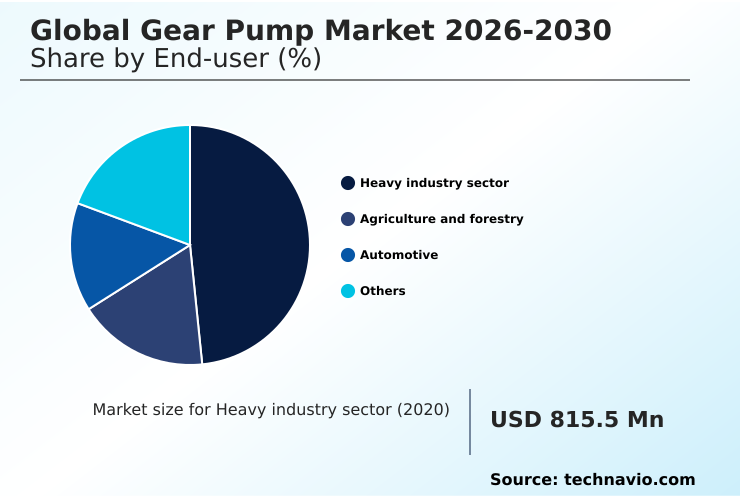
The heavy industry sector segment is estimated to witness significant growth during the forecast period.

The heavy industry sector demands continuous chemical processing and robust operational infrastructure to handle corrosive reagents safely. Heavy industrial machinery heavily relies on robust external gear hydraulic pumps to maintain precise flow delivery across severe-duty production lines.

Utilizing precision machined metallic housings ensures long-term operational continuity under extreme structural stress. By integrating these advanced fluid power systems, plant operators have successfully reduced catastrophic process interruptions, resulting in a 22% improvement in overall equipment effectiveness.

This continuous reliance on high-pressure transfer technologies drives operators to upgrade legacy equipment with more resilient pump architectures, significantly enhancing overall productivity across rigorous automated factory floors.
Get Free Sample

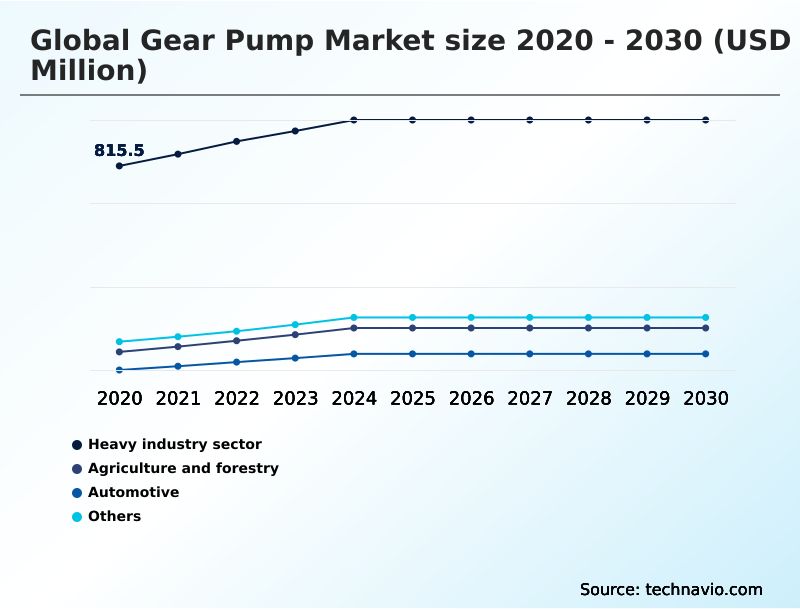
The Heavy industry sector segment was valued at USD 943.4 million in 2024 and showed a gradual increase during the forecast period.
Get Free Sample

Regional Analysis

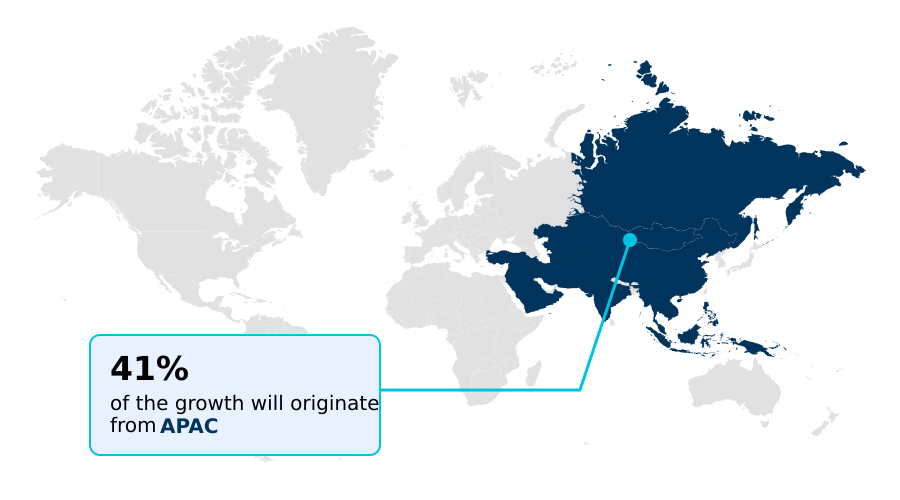
APAC is estimated to contribute 41.1% to the growth of the global market during the forecast period.Technavio’s analysts have elaborately explained the regional trends and drivers that shape the market during the forecast period.
See How Gear Pump Market Demand is Rising in APAC Get Free Sample

The regional dynamics of fluid handling adoption reveal distinct strategic priorities, as APAC outpaces Europe in scaling mobile machinery integration by a 14% higher volume margin.

This divergence stems from rapid infrastructure development in Asian commercial centers, requiring extensive deployments of high pressure fluid transfer solutions and multi stage tandem assemblies for construction equipment.

Conversely, European facilities prioritize zero leakage safety standards and urban noise abatement, compelling a 25% faster adoption rate of smart electro hydraulic controls and specialized low noise helical geometries.

By transitioning to these regulated configurations, European processors reduce hazardous containment risks, achieving a 12% improvement in environmental compliance scores compared to conventional setups.

These regional shifts highlight how stringent environmental regulations versus rapid industrial capacity expansion strictly dictate regional procurement velocity.

Market Dynamics

Our researchers analyzed the data with 2025 as the base year, along with the key drivers, trends, and challenges. A holistic analysis of drivers will help companies refine their marketing strategies to gain a competitive advantage.

  • Optimizing fluid conveyance infrastructure is vital for industrial operators executing high pressure fluid transfer operations across modern manufacturing environments. To guarantee operational stability, chemical engineers focus on achieving pulse free metering of viscous fluids, effectively preventing material degradation during heavy extrusion cycles.
  • Strategic equipment upgrades involve condition monitoring diagnostic sensors integration into casings, enabling teams to track mechanical wear in real-time. Concurrently, equipment manufacturers specify robust external gear pumps machinery to support high-torque off-highway applications. Meanwhile, internal gear pumps chemical processing units are overwhelmingly favored for safely handling abrasive resins and corrosive solvents.
  • Facilities modernizing their architectures are prioritizing energy efficient electro hydraulic drive controls, which consume notably less power than traditional continuously running fixed-displacement setups. Proactively mitigating hydraulic fluid cavitation risks significantly extends component longevity and reduces unplanned downtime.
  • Advancing environmental regulations demand the use of low noise helical gear tooth profiles and applying diamond like carbon wear coatings to improve friction resistance. Furthermore, plant managers remain deeply committed to preventing toxic chemical leakage in systems using sealless magnetic couplings. Simultaneously, the battery electric equipment powertrains transition forces a complete redesign of mobile hydraulic loops.
  • Amidst these complex technical shifts, managing volatile stainless steel raw material costs remains a persistent logistical hurdle for global procurement teams. Nevertheless, maintaining continuous positive displacement fluid flow is strictly necessary for industrial viability.
  • Manufacturers respond by deploying compact multi stage tandem assemblies and refining internal mechanical tolerances for achieving precise volumetric efficiency under pressure, ensuring that industrial fluid handling networks deliver unparalleled resilience.
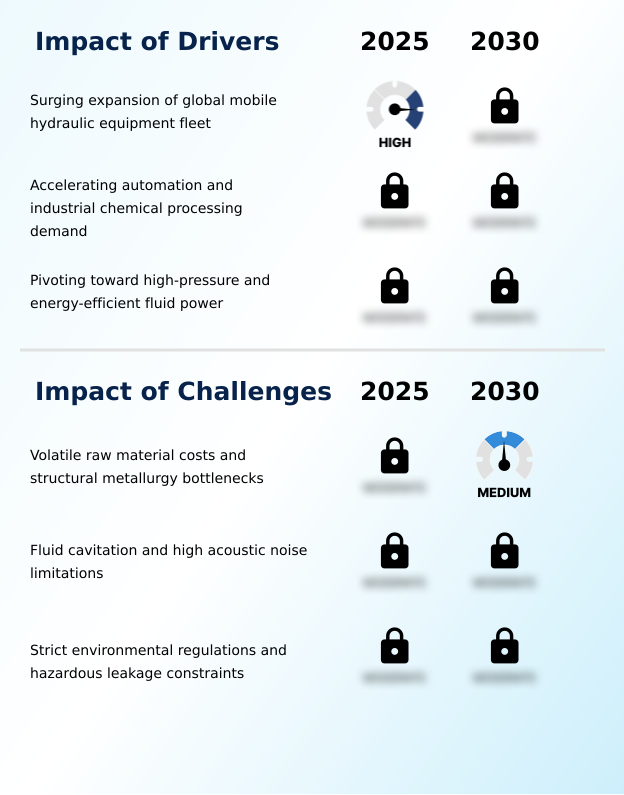
What are the key market drivers leading to the rise in the adoption of Gear Pump Industry?

  • The surging expansion of the global mobile hydraulic equipment fleet acts as a primary catalyst driving sustained demand across the market.

  • The aggressive expansion of the mobile hydraulic equipment sector acts as a primary catalyst accelerating structural demand for high-performance fluid handling assemblies.
  • Because infrastructure development projects require immense lifting capabilities, manufacturers must deploy reliable internal gear positive displacement mechanisms capable of enduring high mechanical stress.
  • This necessity drives the rapid integration of automated lubrication systems, which condense power generation and increase equipment operational throughput by 20%.
  • Simultaneously, the demand for precise high viscosity media transport in severe processing environments promotes the utilization of advanced rotor geometries, optimizing total volumetric displacement efficiency by 14%.
  • By leveraging these advanced mechanisms across extreme temperature environments, machinery builders ensure reliable pressure delivery, lowering hydraulic energy waste by 12% and maximizing mechanical productivity.

What are the market trends shaping the Gear Pump Industry?

  • The integration of IoT biometric sensors and predictive health monitoring has emerged as a prominent trend shaping industrial fluid handling operations. This technological advancement enables real-time diagnostic evaluation, enhancing operational reliability and minimizing unexpected mechanical failures.

  • The shift toward electro hydraulic electrification represents a transformative trend redefining fluid control architectures across modern industrial operations. Driven by stringent sustainability mandates, manufacturers are actively replacing mechanical power take-offs with variable speed electric drives. This strategic transition directly reduces parasitic power losses, improving hydraulic thermal management and system energy efficiency by 22%.
  • Furthermore, the rising demand for reliable off highway equipment compels the integration of predictive health monitoring sensors into baseline machinery configurations. Implementing this advanced predictive maintenance software effectively mitigates mechanical failures, achieving a 15% reduction in unplanned equipment downtime. These technological shifts ensure robust fluid transfer performance while strictly aligning with evolving industrial sustainability requirements and autonomous operational frameworks.

What challenges does the Gear Pump Industry face during its growth?

  • Volatile raw material costs combined with structural metallurgy bottlenecks present critical challenges that continuously restrain industrial supply chain growth and compress operational margins.

  • Managing severe fluid degradation in abrasive fluid environments presents a substantial structural challenge that critically limits equipment lifespans. As production lines process increasingly viscous chemical media, localized pressure drops frequently trigger micro-implosions, forcing operators to redesign pressure balanced side plates to prevent internal component erosion.
  • This continuous exposure to high mechanical stress diminishes fluid transfer efficiency, ultimately reducing total process output by 15% in specialty chemical synthesis. Additionally, navigating extreme volatility in cast iron housing metallurgy supply chains creates significant cost bottlenecks, elevating average production unit expenses by 18%.
  • To mitigate these structural constraints while ensuring strict hazardous chemical containment, manufacturers must continuously engineer expensive magnetic drive couplings. This necessary structural adaptation inadvertently increases initial capital acquisition costs by 22%, severely compressing operational profit margins.

Exclusive Technavio Analysis on Customer Landscape

The gear pump market forecasting report includes the adoption lifecycle of the market, covering from the innovator’s stage to the laggard’s stage. It focuses on adoption rates in different regions based on penetration. Furthermore, the gear pump market report also includes key purchase criteria and drivers of price sensitivity to help companies evaluate and develop their market growth analysis strategies.
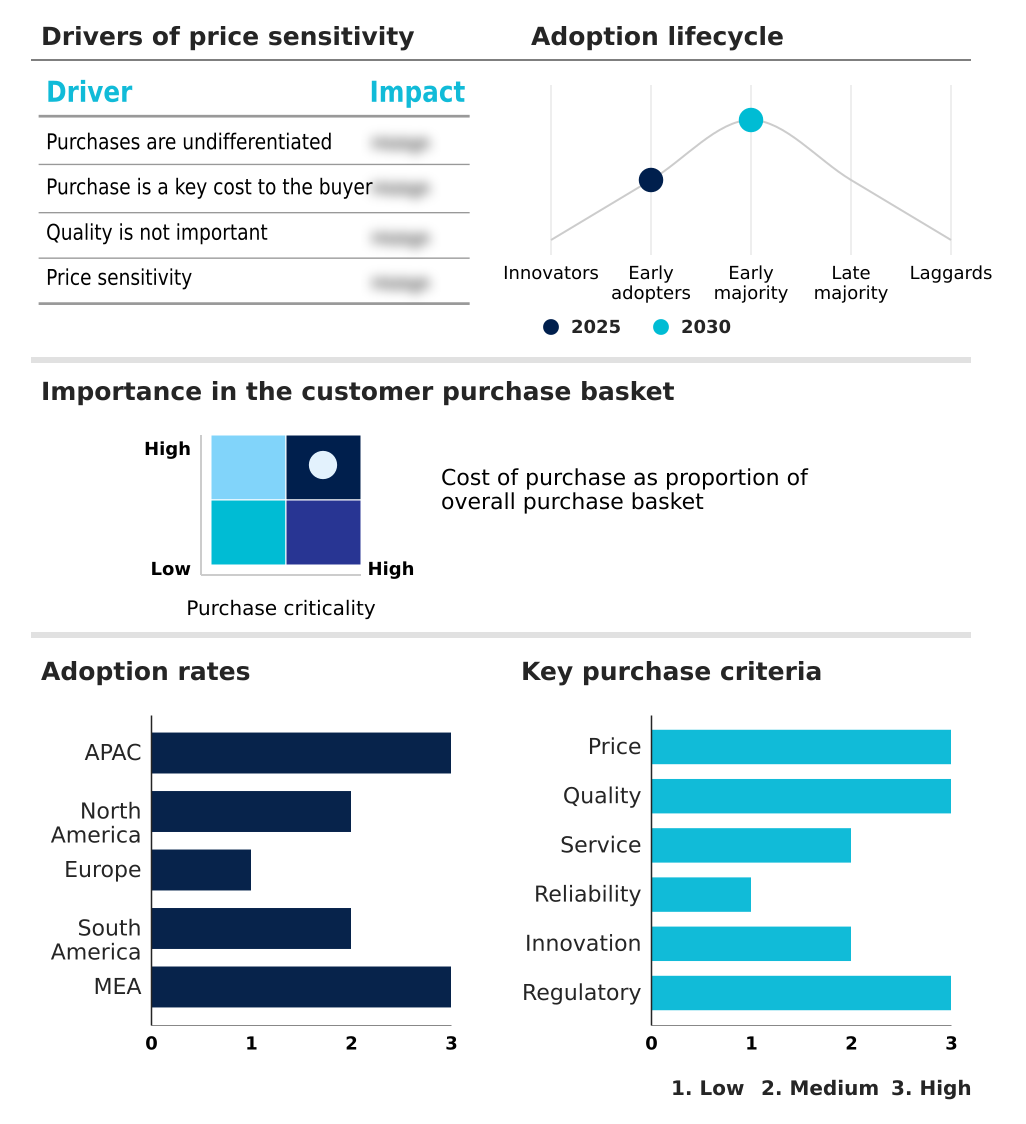
Customer Landscape of Gear Pump Industry

Competitive Landscape

Companies are implementing various strategies, such as strategic alliances, gear pump market forecast, partnerships, mergers and acquisitions, geographical expansion, and product/service launches, to enhance their presence in the industry.

Bosch Rexroth AG - The vendor supplies high-performance external and internal positive displacement solutions optimized for demanding industrial and mobile hydraulic applications, ensuring precise fluid control and reliable high-pressure power transmission.

The industry research and growth report includes detailed analyses of the competitive landscape of the market and information about key companies, including:

  • Bosch Rexroth AG
  • Bucher Hydraulics GmbH
  • CASAPPA SpA
  • CIRCOR International Inc.
  • Danfoss AS
  • DESMI AS
  • Eckerle Technologies GmbH
  • Graco Inc.
  • HAWE Hydraulik SE
  • HYDAC International GmbH
  • Ingersoll Rand Inc.
  • KRACHT GmbH
  • Liquiflo Equipment Co.
  • MAAG Group
  • Marzocchi Pompe S.p.A.
  • Micropump Inc.
  • Northern Pump
  • Oberdorfer Pumps
  • Parker Hannifin Corp.
  • PSG

Qualitative and quantitative analysis of companies has been conducted to help clients understand the wider business environment as well as the strengths and weaknesses of key industry players. Data is qualitatively analyzed to categorize companies as pure play, category-focused, industry-focused, and diversified; it is quantitatively analyzed to categorize companies as dominant, leading, strong, tentative, and weak.

Recent Development and News in Gear pump market

  • In the Industrial Machinery and Supplies and Components industry, the widespread integration of predictive maintenance software across automated factory floors has optimized heavy equipment lifecycles, directly impacting Gear Pump demand by increasing the requirement for smart units that reduce maintenance downtime by up to 18%.
  • The transition toward electric off highway equipment has eliminated traditional combustion engine noise, directly impacting Gear Pump demand by compelling manufacturers to adopt low-noise hydraulic thermal management systems that achieve a 10-decibel reduction in mechanical vibration.
  • Stringent zero leakage safety standards enacted by EU REACH regulations for hazardous chemical containment have altered infrastructure, directly impacting Gear Pump demand by accelerating the adoption of magnetically coupled sealless pump architectures capable of 99% containment efficiency.
  • Expanding plastics recycling operations and specialty chemical synthesis processes have introduced highly abrasive fluid environments to material handling lines, directly impacting Gear Pump demand by driving a 25% increase in specification for specialized continuous heavy duty cycles utilizing advanced ceramic surface treatments.

Dive into Technavio’s robust research methodology, blending expert interviews, extensive data synthesis, and validated models for unparalleled Gear Pump Market insights. See full methodology.

Market Scope
Page number 314
Base year 2025
Historic period 2020-2024
Forecast period 2026-2030
Growth momentum & CAGR Accelerate at a CAGR of 4.6%
Market growth 2026-2030 USD 524.1 million
Market structure Fragmented
YoY growth 2025-2026(%) 4.4%
Key countries China, India, Japan, South Korea, Australia, Indonesia, US, Canada, Mexico, Germany, Italy, France, UK, Spain, The Netherlands, Brazil, Argentina, Chile, Saudi Arabia, Turkey, South Africa, UAE and Israel
Competitive landscape Leading Companies, Market Positioning of Companies, Competitive Strategies, and Industry Risks

Request Free Sample

Research Analyst Overview

  • Strategic decision-making across fluid power manufacturing is increasingly influenced by the aggressive integration of digital health monitoring sensors into legacy hardware frameworks. By transitioning from reactive maintenance to intelligent, data-driven oversight, corporate boards are fundamentally shifting procurement budgets toward smart fluid handling assets that offer long-term operational transparency.
  • This trend directly influences product development strategies, compelling manufacturers to incorporate digital diagnostic telemetry into their baseline equipment. Consequently, operators utilizing these digitized systems report a 25% reduction in catastrophic mechanical failures, safeguarding continuous production lines from costly unplanned stoppages.
  • The requirement for automated lubrication networks further validates the shift toward precision engineered systems that guarantee exact fluid delivery under rigorous conditions. Upgrading to advanced polymer wear surfaces significantly enhances component durability while reducing internal friction losses. As environmental standards tighten, integrating sealed magnetic couplings ensures compliance by eliminating mechanical seal leaks.
  • These calculated structural enhancements maximize overall operational efficiency, ensuring that modern flow control investments deliver sustained resilience across demanding applications.

What are the Key Data Covered in this Gear Pump Market Research and Growth Report?

  • What is the expected growth of the Gear Pump Market between 2026 and 2030?

    • USD 524.1 million, at a CAGR of 4.6%

  • What segmentation does the market report cover?

    • The report is segmented by End-user (Heavy industry sector, Agriculture and forestry, Automotive, and Others), Type (External gear pump, and Internal gear pump), Capacity (Between 100-300 bar, Less than 100 bar, and Above 300 bar), Material (Cast iron, Stainless steel, Bronze, and Others) and Geography (APAC, North America, Europe, South America, Middle East and Africa)

  • Which regions are analyzed in the report?

    • APAC, North America, Europe, South America and Middle East and Africa

  • What are the key growth drivers and market challenges?

    • Surging expansion of global mobile hydraulic equipment fleet, Volatile raw material costs and structural metallurgy bottlenecks

  • Who are the major players in the Gear Pump Market?

    • Bosch Rexroth AG, Bucher Hydraulics GmbH, CASAPPA SpA, CIRCOR International Inc., Danfoss AS, DESMI AS, Eckerle Technologies GmbH, Graco Inc., HAWE Hydraulik SE, HYDAC International GmbH, Ingersoll Rand Inc., KRACHT GmbH, Liquiflo Equipment Co., MAAG Group, Marzocchi Pompe S.p.A., Micropump Inc., Northern Pump, Oberdorfer Pumps, Parker Hannifin Corp. and PSG

Market Research Insights

  • The Gear Pump Market demonstrates robust structural evolution as industrial plant infrastructure integrates sophisticated mechanisms to optimize heavy manufacturing processes. As facilities automate operations, the strategic deployment of advanced electro-hydraulic controls has reduced process energy consumption by 18%.
  • Simultaneously, mitigating chemical leak risks has accelerated the adoption of sealless magnetic drive architectures, improving overall environmental compliance safety scores by 24% across extraction operations. By utilizing digitized diagnostic software, operators can anticipate mechanical failures, thereby reducing unplanned equipment downtime by 30%.
  • These operational enhancements ensure continuous fluid transport while significantly lowering the total cost of ownership for modern industrial processors.

We can help! Our analysts can customize this gear pump market research report to meet your requirements.

Get in touch

1. Executive Summary

1.1 Market overview

Executive Summary - Chart on Market Overview
Executive Summary - Data Table on Market Overview
Executive Summary - Chart on Global Market Characteristics
Executive Summary - Chart on Market by Geography
Executive Summary - Chart on Market Segmentation by End-user
Executive Summary - Chart on Market Segmentation by Type
Executive Summary - Chart on Market Segmentation by Capacity
Executive Summary - Chart on Market Segmentation by Material
Executive Summary - Chart on Incremental Growth
Executive Summary - Data Table on Incremental Growth
Executive Summary - Chart on Company Market Positioning

2. Technavio Analysis

2.1 Analysis of price sensitivity, lifecycle, customer purchase basket, adoption rates, and purchase criteria

2.2 Criticality of inputs and Factors of differentiation

Chart on Overview on criticality of inputs and factors of differentiation

2.3 Factors of disruption

Chart on Overview on factors of disruption

2.4 Impact of drivers and challenges

Chart on Impact of drivers and challenges in 2025 and 2030

3. Market Landscape

3.1 Market ecosystem

Chart on Parent Market
Data Table on - Parent Market

3.2 Market characteristics

Chart on Market characteristics analysis

3.3 Value chain analysis

Chart on Value chain analysis

4. Market Sizing

4.1 Market definition

Data Table on Offerings of companies included in the market definition

4.2 Market segment analysis

Market segments

4.3 Market size 2025

4.4 Market outlook: Forecast for 2025-2030

Chart on Global - Market size and forecast 2025-2030 ($ million)
Data Table on Global - Market size and forecast 2025-2030 ($ million)
Chart on Global Market: Year-over-year growth 2025-2030 (%)
Data Table on Global Market: Year-over-year growth 2025-2030 (%)

5. Historic Market Size

5.1 Global Gear Pump Market 2020 - 2024

Historic Market Size - Data Table on Global Gear Pump Market 2020 - 2024 ($ million)

5.2 End-user segment analysis 2020 - 2024

Historic Market Size - End-user Segment 2020 - 2024 ($ million)

5.3 Type segment analysis 2020 - 2024

Historic Market Size - Type Segment 2020 - 2024 ($ million)

5.4 Capacity segment analysis 2020 - 2024

Historic Market Size - Capacity Segment 2020 - 2024 ($ million)

5.5 Material segment analysis 2020 - 2024

Historic Market Size - Material Segment 2020 - 2024 ($ million)

5.6 Geography segment analysis 2020 - 2024

Historic Market Size - Geography Segment 2020 - 2024 ($ million)

5.7 Country segment analysis 2020 - 2024

Historic Market Size - Country Segment 2020 - 2024 ($ million)

6. Qualitative Analysis

6.1 Impact of AI on global gear pump market

6.2 Impact of geopolitical conflicts on global gear pump market

7. Five Forces Analysis

7.1 Five forces summary

Five forces analysis - Comparison between 2025 and 2030

7.2 Bargaining power of buyers

Bargaining power of buyers - Impact of key factors 2025 and 2030

7.3 Bargaining power of suppliers

Bargaining power of suppliers - Impact of key factors in 2025 and 2030

7.4 Threat of new entrants

Threat of new entrants - Impact of key factors in 2025 and 2030

7.5 Threat of substitutes

Threat of substitutes - Impact of key factors in 2025 and 2030

7.6 Threat of rivalry

Threat of rivalry - Impact of key factors in 2025 and 2030

7.7 Market condition

Chart on Market condition - Five forces 2025 and 2030

8. Market Segmentation by End-user

8.1 Market segments

Chart on End-user - Market share 2025-2030 (%)
Data Table on End-user - Market share 2025-2030 (%)

8.2 Comparison by End-user

Chart on Comparison by End-user
Data Table on Comparison by End-user

8.3 Heavy industry sector - Market size and forecast 2025-2030

Chart on Heavy industry sector - Market size and forecast 2025-2030 ($ million)
Data Table on Heavy industry sector - Market size and forecast 2025-2030 ($ million)
Chart on Heavy industry sector - Year-over-year growth 2025-2030 (%)
Data Table on Heavy industry sector - Year-over-year growth 2025-2030 (%)

8.4 Agriculture and forestry - Market size and forecast 2025-2030

Chart on Agriculture and forestry - Market size and forecast 2025-2030 ($ million)
Data Table on Agriculture and forestry - Market size and forecast 2025-2030 ($ million)
Chart on Agriculture and forestry - Year-over-year growth 2025-2030 (%)
Data Table on Agriculture and forestry - Year-over-year growth 2025-2030 (%)

8.5 Automotive - Market size and forecast 2025-2030

Chart on Automotive - Market size and forecast 2025-2030 ($ million)
Data Table on Automotive - Market size and forecast 2025-2030 ($ million)
Chart on Automotive - Year-over-year growth 2025-2030 (%)
Data Table on Automotive - Year-over-year growth 2025-2030 (%)

8.6 Others - Market size and forecast 2025-2030

Chart on Others - Market size and forecast 2025-2030 ($ million)
Data Table on Others - Market size and forecast 2025-2030 ($ million)
Chart on Others - Year-over-year growth 2025-2030 (%)
Data Table on Others - Year-over-year growth 2025-2030 (%)

8.7 Market opportunity by End-user

Market opportunity by End-user ($ million)
Data Table on Market opportunity by End-user ($ million)

9. Market Segmentation by Type

9.1 Market segments

Chart on Type - Market share 2025-2030 (%)
Data Table on Type - Market share 2025-2030 (%)

9.2 Comparison by Type

Chart on Comparison by Type
Data Table on Comparison by Type

9.3 External gear pump - Market size and forecast 2025-2030

Chart on External gear pump - Market size and forecast 2025-2030 ($ million)
Data Table on External gear pump - Market size and forecast 2025-2030 ($ million)
Chart on External gear pump - Year-over-year growth 2025-2030 (%)
Data Table on External gear pump - Year-over-year growth 2025-2030 (%)

9.4 Internal gear pump - Market size and forecast 2025-2030

Chart on Internal gear pump - Market size and forecast 2025-2030 ($ million)
Data Table on Internal gear pump - Market size and forecast 2025-2030 ($ million)
Chart on Internal gear pump - Year-over-year growth 2025-2030 (%)
Data Table on Internal gear pump - Year-over-year growth 2025-2030 (%)

9.5 Market opportunity by Type

Market opportunity by Type ($ million)
Data Table on Market opportunity by Type ($ million)

10. Market Segmentation by Capacity

10.1 Market segments

Chart on Capacity - Market share 2025-2030 (%)
Data Table on Capacity - Market share 2025-2030 (%)

10.2 Comparison by Capacity

Chart on Comparison by Capacity
Data Table on Comparison by Capacity

10.3 Between 100-300 bar - Market size and forecast 2025-2030

Chart on Between 100-300 bar - Market size and forecast 2025-2030 ($ million)
Data Table on Between 100-300 bar - Market size and forecast 2025-2030 ($ million)
Chart on Between 100-300 bar - Year-over-year growth 2025-2030 (%)
Data Table on Between 100-300 bar - Year-over-year growth 2025-2030 (%)

10.4 Less than 100 bar - Market size and forecast 2025-2030

Chart on Less than 100 bar - Market size and forecast 2025-2030 ($ million)
Data Table on Less than 100 bar - Market size and forecast 2025-2030 ($ million)
Chart on Less than 100 bar - Year-over-year growth 2025-2030 (%)
Data Table on Less than 100 bar - Year-over-year growth 2025-2030 (%)

10.5 Above 300 bar - Market size and forecast 2025-2030

Chart on Above 300 bar - Market size and forecast 2025-2030 ($ million)
Data Table on Above 300 bar - Market size and forecast 2025-2030 ($ million)
Chart on Above 300 bar - Year-over-year growth 2025-2030 (%)
Data Table on Above 300 bar - Year-over-year growth 2025-2030 (%)

10.6 Market opportunity by Capacity

Market opportunity by Capacity ($ million)
Data Table on Market opportunity by Capacity ($ million)

11. Market Segmentation by Material

11.1 Market segments

Chart on Material - Market share 2025-2030 (%)
Data Table on Material - Market share 2025-2030 (%)

11.2 Comparison by Material

Chart on Comparison by Material
Data Table on Comparison by Material

11.3 Cast iron - Market size and forecast 2025-2030

Chart on Cast iron - Market size and forecast 2025-2030 ($ million)
Data Table on Cast iron - Market size and forecast 2025-2030 ($ million)
Chart on Cast iron - Year-over-year growth 2025-2030 (%)
Data Table on Cast iron - Year-over-year growth 2025-2030 (%)

11.4 Stainless steel - Market size and forecast 2025-2030

Chart on Stainless steel - Market size and forecast 2025-2030 ($ million)
Data Table on Stainless steel - Market size and forecast 2025-2030 ($ million)
Chart on Stainless steel - Year-over-year growth 2025-2030 (%)
Data Table on Stainless steel - Year-over-year growth 2025-2030 (%)

11.5 Bronze - Market size and forecast 2025-2030

Chart on Bronze - Market size and forecast 2025-2030 ($ million)
Data Table on Bronze - Market size and forecast 2025-2030 ($ million)
Chart on Bronze - Year-over-year growth 2025-2030 (%)
Data Table on Bronze - Year-over-year growth 2025-2030 (%)

11.6 Others - Market size and forecast 2025-2030

Chart on Others - Market size and forecast 2025-2030 ($ million)
Data Table on Others - Market size and forecast 2025-2030 ($ million)
Chart on Others - Year-over-year growth 2025-2030 (%)
Data Table on Others - Year-over-year growth 2025-2030 (%)

11.7 Market opportunity by Material

Market opportunity by Material ($ million)
Data Table on Market opportunity by Material ($ million)

12. Customer Landscape

12.1 Customer landscape overview

Analysis of price sensitivity, lifecycle, customer purchase basket, adoption rates, and purchase criteria

13. Geographic Landscape

13.1 Geographic segmentation

Chart on Market share by geography 2025-2030 (%)
Data Table on Market share by geography 2025-2030 (%)

13.2 Geographic comparison

Chart on Geographic comparison
Data Table on Geographic comparison

13.3 APAC - Market size and forecast 2025-2030

Chart on APAC - Market size and forecast 2025-2030 ($ million)
Data Table on APAC - Market size and forecast 2025-2030 ($ million)
Chart on APAC - Year-over-year growth 2025-2030 (%)
Data Table on APAC - Year-over-year growth 2025-2030 (%)
Chart on Regional Comparison - APAC
Data Table on Regional Comparison - APAC

13.3.1 China - Market size and forecast 2025-2030

Chart on China - Market size and forecast 2025-2030 ($ million)
Data Table on China - Market size and forecast 2025-2030 ($ million)
Chart on China - Year-over-year growth 2025-2030 (%)
Data Table on China - Year-over-year growth 2025-2030 (%)

13.3.2 India - Market size and forecast 2025-2030

Chart on India - Market size and forecast 2025-2030 ($ million)
Data Table on India - Market size and forecast 2025-2030 ($ million)
Chart on India - Year-over-year growth 2025-2030 (%)
Data Table on India - Year-over-year growth 2025-2030 (%)

13.3.3 Japan - Market size and forecast 2025-2030

Chart on Japan - Market size and forecast 2025-2030 ($ million)
Data Table on Japan - Market size and forecast 2025-2030 ($ million)
Chart on Japan - Year-over-year growth 2025-2030 (%)
Data Table on Japan - Year-over-year growth 2025-2030 (%)

13.3.4 South Korea - Market size and forecast 2025-2030

Chart on South Korea - Market size and forecast 2025-2030 ($ million)
Data Table on South Korea - Market size and forecast 2025-2030 ($ million)
Chart on South Korea - Year-over-year growth 2025-2030 (%)
Data Table on South Korea - Year-over-year growth 2025-2030 (%)

13.3.5 Australia - Market size and forecast 2025-2030

Chart on Australia - Market size and forecast 2025-2030 ($ million)
Data Table on Australia - Market size and forecast 2025-2030 ($ million)
Chart on Australia - Year-over-year growth 2025-2030 (%)
Data Table on Australia - Year-over-year growth 2025-2030 (%)

13.3.6 Indonesia - Market size and forecast 2025-2030

Chart on Indonesia - Market size and forecast 2025-2030 ($ million)
Data Table on Indonesia - Market size and forecast 2025-2030 ($ million)
Chart on Indonesia - Year-over-year growth 2025-2030 (%)
Data Table on Indonesia - Year-over-year growth 2025-2030 (%)

13.4 North America - Market size and forecast 2025-2030

Chart on North America - Market size and forecast 2025-2030 ($ million)
Data Table on North America - Market size and forecast 2025-2030 ($ million)
Chart on North America - Year-over-year growth 2025-2030 (%)
Data Table on North America - Year-over-year growth 2025-2030 (%)
Chart on Regional Comparison - North America
Data Table on Regional Comparison - North America

13.4.1 US - Market size and forecast 2025-2030

Chart on US - Market size and forecast 2025-2030 ($ million)
Data Table on US - Market size and forecast 2025-2030 ($ million)
Chart on US - Year-over-year growth 2025-2030 (%)
Data Table on US - Year-over-year growth 2025-2030 (%)

13.4.2 Canada - Market size and forecast 2025-2030

Chart on Canada - Market size and forecast 2025-2030 ($ million)
Data Table on Canada - Market size and forecast 2025-2030 ($ million)
Chart on Canada - Year-over-year growth 2025-2030 (%)
Data Table on Canada - Year-over-year growth 2025-2030 (%)

13.4.3 Mexico - Market size and forecast 2025-2030

Chart on Mexico - Market size and forecast 2025-2030 ($ million)
Data Table on Mexico - Market size and forecast 2025-2030 ($ million)
Chart on Mexico - Year-over-year growth 2025-2030 (%)
Data Table on Mexico - Year-over-year growth 2025-2030 (%)

13.5 Europe - Market size and forecast 2025-2030

Chart on Europe - Market size and forecast 2025-2030 ($ million)
Data Table on Europe - Market size and forecast 2025-2030 ($ million)
Chart on Europe - Year-over-year growth 2025-2030 (%)
Data Table on Europe - Year-over-year growth 2025-2030 (%)
Chart on Regional Comparison - Europe
Data Table on Regional Comparison - Europe

13.5.1 Germany - Market size and forecast 2025-2030

Chart on Germany - Market size and forecast 2025-2030 ($ million)
Data Table on Germany - Market size and forecast 2025-2030 ($ million)
Chart on Germany - Year-over-year growth 2025-2030 (%)
Data Table on Germany - Year-over-year growth 2025-2030 (%)

13.5.2 Italy - Market size and forecast 2025-2030

Chart on Italy - Market size and forecast 2025-2030 ($ million)
Data Table on Italy - Market size and forecast 2025-2030 ($ million)
Chart on Italy - Year-over-year growth 2025-2030 (%)
Data Table on Italy - Year-over-year growth 2025-2030 (%)

13.5.3 France - Market size and forecast 2025-2030

Chart on France - Market size and forecast 2025-2030 ($ million)
Data Table on France - Market size and forecast 2025-2030 ($ million)
Chart on France - Year-over-year growth 2025-2030 (%)
Data Table on France - Year-over-year growth 2025-2030 (%)

13.5.4 UK - Market size and forecast 2025-2030

Chart on UK - Market size and forecast 2025-2030 ($ million)
Data Table on UK - Market size and forecast 2025-2030 ($ million)
Chart on UK - Year-over-year growth 2025-2030 (%)
Data Table on UK - Year-over-year growth 2025-2030 (%)

13.5.5 Spain - Market size and forecast 2025-2030

Chart on Spain - Market size and forecast 2025-2030 ($ million)
Data Table on Spain - Market size and forecast 2025-2030 ($ million)
Chart on Spain - Year-over-year growth 2025-2030 (%)
Data Table on Spain - Year-over-year growth 2025-2030 (%)

13.5.6 The Netherlands - Market size and forecast 2025-2030

Chart on The Netherlands - Market size and forecast 2025-2030 ($ million)
Data Table on The Netherlands - Market size and forecast 2025-2030 ($ million)
Chart on The Netherlands - Year-over-year growth 2025-2030 (%)
Data Table on The Netherlands - Year-over-year growth 2025-2030 (%)

13.6 South America - Market size and forecast 2025-2030

Chart on South America - Market size and forecast 2025-2030 ($ million)
Data Table on South America - Market size and forecast 2025-2030 ($ million)
Chart on South America - Year-over-year growth 2025-2030 (%)
Data Table on South America - Year-over-year growth 2025-2030 (%)
Chart on Regional Comparison - South America
Data Table on Regional Comparison - South America

13.6.1 Brazil - Market size and forecast 2025-2030

Chart on Brazil - Market size and forecast 2025-2030 ($ million)
Data Table on Brazil - Market size and forecast 2025-2030 ($ million)
Chart on Brazil - Year-over-year growth 2025-2030 (%)
Data Table on Brazil - Year-over-year growth 2025-2030 (%)

13.6.2 Argentina - Market size and forecast 2025-2030

Chart on Argentina - Market size and forecast 2025-2030 ($ million)
Data Table on Argentina - Market size and forecast 2025-2030 ($ million)
Chart on Argentina - Year-over-year growth 2025-2030 (%)
Data Table on Argentina - Year-over-year growth 2025-2030 (%)

13.6.3 Chile - Market size and forecast 2025-2030

Chart on Chile - Market size and forecast 2025-2030 ($ million)
Data Table on Chile - Market size and forecast 2025-2030 ($ million)
Chart on Chile - Year-over-year growth 2025-2030 (%)
Data Table on Chile - Year-over-year growth 2025-2030 (%)

13.7 Middle East and Africa - Market size and forecast 2025-2030

Chart on Middle East and Africa - Market size and forecast 2025-2030 ($ million)
Data Table on Middle East and Africa - Market size and forecast 2025-2030 ($ million)
Chart on Middle East and Africa - Year-over-year growth 2025-2030 (%)
Data Table on Middle East and Africa - Year-over-year growth 2025-2030 (%)
Chart on Regional Comparison - Middle East and Africa
Data Table on Regional Comparison - Middle East and Africa

13.7.1 Saudi Arabia - Market size and forecast 2025-2030

Chart on Saudi Arabia - Market size and forecast 2025-2030 ($ million)
Data Table on Saudi Arabia - Market size and forecast 2025-2030 ($ million)
Chart on Saudi Arabia - Year-over-year growth 2025-2030 (%)
Data Table on Saudi Arabia - Year-over-year growth 2025-2030 (%)

13.7.2 Turkey - Market size and forecast 2025-2030

Chart on Turkey - Market size and forecast 2025-2030 ($ million)
Data Table on Turkey - Market size and forecast 2025-2030 ($ million)
Chart on Turkey - Year-over-year growth 2025-2030 (%)
Data Table on Turkey - Year-over-year growth 2025-2030 (%)

13.7.3 South Africa - Market size and forecast 2025-2030

Chart on South Africa - Market size and forecast 2025-2030 ($ million)
Data Table on South Africa - Market size and forecast 2025-2030 ($ million)
Chart on South Africa - Year-over-year growth 2025-2030 (%)
Data Table on South Africa - Year-over-year growth 2025-2030 (%)

13.7.4 UAE - Market size and forecast 2025-2030

Chart on UAE - Market size and forecast 2025-2030 ($ million)
Data Table on UAE - Market size and forecast 2025-2030 ($ million)
Chart on UAE - Year-over-year growth 2025-2030 (%)
Data Table on UAE - Year-over-year growth 2025-2030 (%)

13.7.5 Israel - Market size and forecast 2025-2030

Chart on Israel - Market size and forecast 2025-2030 ($ million)
Data Table on Israel - Market size and forecast 2025-2030 ($ million)
Chart on Israel - Year-over-year growth 2025-2030 (%)
Data Table on Israel - Year-over-year growth 2025-2030 (%)

13.8 Market opportunity by geography

Market opportunity by geography ($ million)
Data Tables on Market opportunity by geography ($ million)

14. Drivers, Challenges, and Opportunity

14.1 Market drivers

Surging expansion of global mobile hydraulic equipment fleet
Accelerating automation and industrial chemical processing demand
Pivoting toward high-pressure and energy-efficient fluid power

14.2 Market challenges

Volatile raw material costs and structural metallurgy bottlenecks
Fluid cavitation and high acoustic noise limitations
Strict environmental regulations and hazardous leakage constraints

14.3 Impact of drivers and challenges

Impact of drivers and challenges in 2025 and 2030

14.4 Market opportunities

Integration of IoT biometric sensors and predictive health monitoring
Shift toward electro-hydraulic electrification and low-noise operations
Adoption of advanced surface coatings and composite polymers

15. Competitive Landscape

15.1 Overview

15.2

Overview on criticality of inputs and factors of differentiation

15.3 Landscape disruption

Overview on factors of disruption

15.4 Industry risks

Impact of key risks on business

16. Competitive Analysis

16.1 Companies profiled

Companies covered

16.2 Company ranking index

16.3 Market positioning of companies

Matrix on companies position and classification

16.4 Bosch Rexroth AG

Bosch Rexroth AG - Overview
Bosch Rexroth AG - Product / Service
Bosch Rexroth AG - Key offerings
SWOT

16.5 Bucher Hydraulics GmbH

Bucher Hydraulics GmbH - Overview
Bucher Hydraulics GmbH - Product / Service
Bucher Hydraulics GmbH - Key offerings
SWOT

16.6 CASAPPA SpA

CASAPPA SpA - Overview
CASAPPA SpA - Product / Service
CASAPPA SpA - Key offerings
SWOT

16.7 CIRCOR International Inc.

CIRCOR International Inc. - Overview
CIRCOR International Inc. - Product / Service
CIRCOR International Inc. - Key offerings
SWOT

16.8 Danfoss AS

Danfoss AS - Overview
Danfoss AS - Product / Service
Danfoss AS - Key offerings
SWOT

16.9 DESMI AS

DESMI AS - Overview
DESMI AS - Product / Service
DESMI AS - Key offerings
SWOT

16.10 Eckerle Technologies GmbH

Eckerle Technologies GmbH - Overview
Eckerle Technologies GmbH - Product / Service
Eckerle Technologies GmbH - Key offerings
SWOT

16.11 Graco Inc.

Graco Inc. - Overview
Graco Inc. - Business segments
Graco Inc. - Key news
Graco Inc. - Key offerings
Graco Inc. - Segment focus
SWOT

16.12 HAWE Hydraulik SE

HAWE Hydraulik SE - Overview
HAWE Hydraulik SE - Product / Service
HAWE Hydraulik SE - Key offerings
SWOT

16.13 HYDAC International GmbH

HYDAC International GmbH - Overview
HYDAC International GmbH - Product / Service
HYDAC International GmbH - Key offerings
SWOT

16.14 Ingersoll Rand Inc.

Ingersoll Rand Inc. - Overview
Ingersoll Rand Inc. - Business segments
Ingersoll Rand Inc. - Key offerings
Ingersoll Rand Inc. - Segment focus
SWOT

16.15 KRACHT GmbH

KRACHT GmbH - Overview
KRACHT GmbH - Product / Service
KRACHT GmbH - Key offerings
SWOT

16.16 Liquiflo Equipment Co.

Liquiflo Equipment Co. - Overview
Liquiflo Equipment Co. - Product / Service
Liquiflo Equipment Co. - Key offerings
SWOT

16.17 MAAG Group

MAAG Group - Overview
MAAG Group - Product / Service
MAAG Group - Key offerings
SWOT

16.18 Marzocchi Pompe S.p.A.

Marzocchi Pompe S.p.A. - Overview
Marzocchi Pompe S.p.A. - Product / Service
Marzocchi Pompe S.p.A. - Key offerings
SWOT

17. Appendix

17.1 Scope of the report

Market definition
Objectives
Notes and caveats

17.2 Inclusions and exclusions checklist

Inclusions checklist
Exclusions checklist

17.3 Currency conversion rates for US$

17.4 Research methodology

17.5 Data procurement

Information sources

17.6 Data validation

17.7 Validation techniques employed for market sizing

17.8 Data synthesis

17.9 360 degree market analysis

17.10 List of abbreviations

Research Methodology

Technavio presents a detailed picture of the market by way of study, synthesis, and summation of data from multiple sources. The analysts have presented the various facets of the market with a particular focus on identifying the key industry influencers. The data thus presented is comprehensive, reliable, and the result of extensive research, both primary and secondary.

INFORMATION SOURCES

Primary sources

  • Manufacturers and suppliers
  • Channel partners
  • Industry experts
  • Strategic decision makers

Secondary sources

  • Industry journals and periodicals
  • Government data
  • Financial reports of key industry players
  • Historical data
  • Press releases

DATA ANALYSIS

Data Synthesis

  • Collation of data
  • Estimation of key figures
  • Analysis of derived insights

Data Validation

  • Triangulation with data models
  • Reference against proprietary databases
  • Corroboration with industry experts

REPORT WRITING

Qualitative

  • Market drivers
  • Market challenges
  • Market trends
  • Five forces analysis

Quantitative

  • Market size and forecast
  • Market segmentation
  • Geographical insights
  • Competitive landscape

Interested in this report?

Get your sample now to see our research methodology and insights!

Download Now

Frequently Asked Questions

Gear Pump market growth will increase by USD 524.1 million during 2026-2030.

The Gear Pump market is expected to grow at a CAGR of 4.6% during 2026-2030.

Gear Pump market is segmented by End-user (Heavy industry sector, Agriculture and forestry, Automotive, Others) Type (External gear pump, Internal gear pump) Capacity (Between 100-300 bar, Less than 100 bar, Above 300 bar) Material (Cast iron, Stainless steel, Bronze, Others)

Bosch Rexroth AG, Bucher Hydraulics GmbH, CASAPPA SpA, CIRCOR International Inc., Danfoss AS, DESMI AS, Eckerle Technologies GmbH, Graco Inc., HAWE Hydraulik SE, HYDAC International GmbH, Ingersoll Rand Inc., KRACHT GmbH, Liquiflo Equipment Co., MAAG Group, Marzocchi Pompe S.p.A., Micropump Inc., Northern Pump, Oberdorfer Pumps, Parker Hannifin Corp., PSG are a few of the key vendors in the Gear Pump market.

APAC will register the highest growth rate of 41.1% among the other regions. Therefore, the Gear Pump market in APAC is expected to garner significant business opportunities for the vendors during the forecast period.

China, India, Japan, South Korea, Australia, Indonesia, US, Canada, Mexico, Germany, Italy, France, UK, Spain, The Netherlands, Brazil, Argentina, Chile, Saudi Arabia, Turkey, South Africa, UAE, Israel

  • Surging expansion of global mobile hydraulic equipment fleet is the driving factor this market.

The Gear Pump market vendors should focus on grabbing business opportunities from the End-user segment as it accounted for the largest market share in the base year.
RIA - Research AI Assistant
Ask RIA