



Gemcitabine Hydrochloride Market Size 2024-2028
The gemcitabine hydrochloride market size is forecast to increase by USD 323.8 million, at a CAGR of 7.08% between 2023 and 2028.
- The market is experiencing significant growth due to the increasing cancer population, which is serving as a major driving factor. Strong research and development activities are also fueling the pipeline of new healthcare treatments, contributing to market expansion. In developed countries, the growing popularity of alternate therapies for cancer treatment is another trend influencing market growth. These alternative therapies offer patients more options for effective cancer treatment, particularly in cases where traditional methods have proven ineffective. Overall, the market is poised for continued growth, driven by these key factors.
What will be the Size of the Gemcitabine Hydrochloride Market During the Forecast Period?

- The market represents a significant and growing segment within the global oncology therapeutics landscape. This synthetic pyrimidine nucleoside is primarily utilized for the treatment of various types of cancer, including pancreatic, lung, cervical, breast, and castration-resistant prostate cancer, particularly In the context of metastatic or advanced stages. Gemcitabine functions by inhibiting DNA replication and subsequently impeding tumor growth. Market dynamics for Gemcitabine Hydrochloride are driven by the rising prevalence of cancer cases worldwide, increasing demand for effective and less toxic treatment options, and ongoing research and development efforts.
- The market is also influenced by the growing adoption of Gemcitabine Hydrochloride as a monotherapy and in combination with platinum agents, such as in platinum doublet regimens. Despite its therapeutic benefits, the market faces challenges due to potential side effects associated with its use. Pipeline analysis indicates a strong future for Gemcitabine Hydrochloride, with ongoing clinical trials and potential indications in various cancer types. The market's overall size and direction reflect the ongoing commitment to advancing cancer care and improving patient outcomes.
How is this Gemcitabine Hydrochloride Industry segmented and which is the largest segment?
The gemcitabine hydrochloride industry research report provides comprehensive data (region-wise segment analysis), with forecasts and estimates in "USD million" for the period 2024-2028, as well as historical data from 2018-2022 for the following segments.
- Type
- Generic
- Branded
- Geography
- North America
- Canada
- US
- Europe
- Germany
- UK
- Asia
- China
- Rest of World (ROW)
- North America
By Type Insights
- The generic segment is estimated to witness significant growth during the forecast period.
The market is experiencing growth due to the increasing prevalence of various types of cancer, such as lung, cervical, breast, prostate, pancreatic, and metastatic pancreatic cancer, In the global population. Gemcitabine Hydrochloride, an antimetabolite antineoplastic agent, works by inhibiting DNA replication and promoting apoptosis (cell death). Ipsen's Onivyde, a Gemcitabine Hydrochloride-based treatment, has been approved by the FDA for the treatment of metastatic pancreatic cancer and squamous cell lung cancer. Other indications include small lung cancer and breast cancer. Clinical trials and product developments continue to expand treatment options for cancer patients. The Lung Cancer Foundation and healthcare professionals are crucial stakeholders In the market, as they provide patient support programs and recommend treatment options.
The regulatory framework ensures the safety and efficacy of these treatments. The non-smoker and female populations are significant consumer groups due to their higher cancer risk. Side effects of Gemcitabine Hydrochloride include nausea, fatigue, and neutropenia. The market is segmented by indication, route of administration, and region. Domestic and localized revenue pockets exist in developed markets while emerging markets offer significant growth opportunities. Digital channels and retail pharmacies are essential distribution channels for these treatments. The market is expected to grow, driven by the increasing cancer cases and the availability of affordable generic versions of Gemcitabine Hydrochloride.
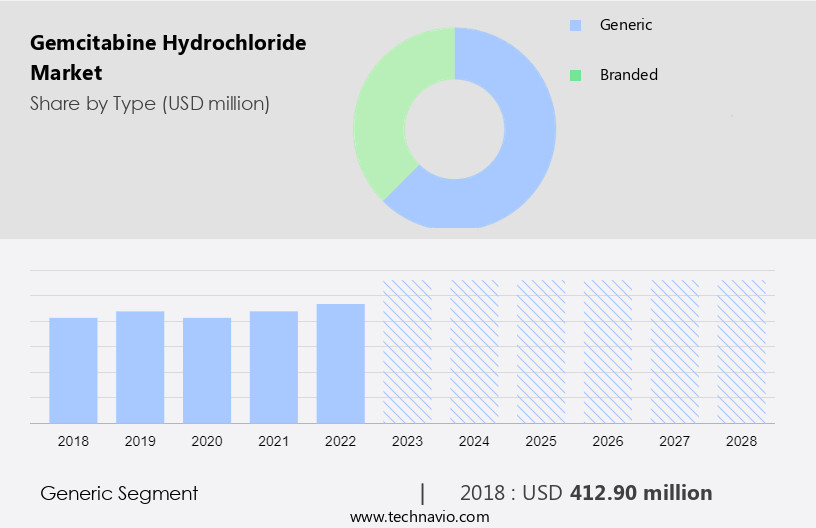
Get a glance at the market report of share of various segments Request Free Sample
The generic segment was valued at USD 412.90 million in 2018 and showed a gradual increase during the forecast period.
Regional Analysis
- Asia is estimated to contribute 36% to the growth of the global market during the forecast period.
Technavio's analysts have elaborately explained the regional trends and drivers that shape the market during the forecast period.
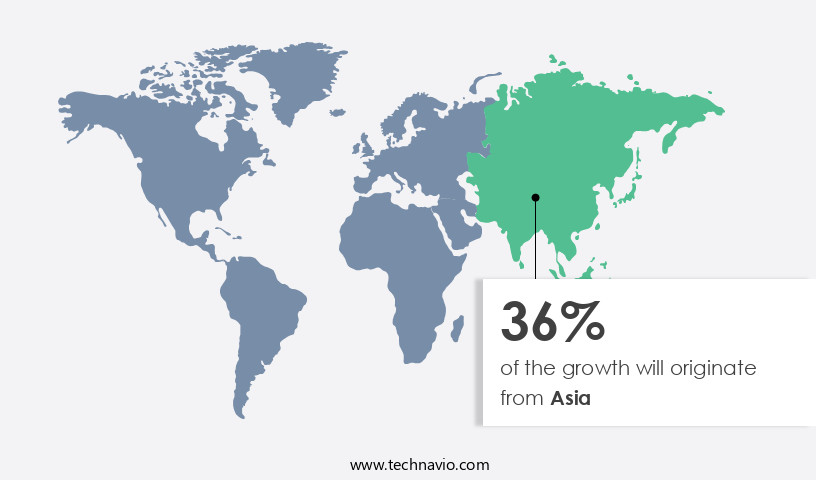
For more insights on the market size of various regions, Request Free Sample
The market in North America is primarily driven by the high prevalence of cancer, particularly In the US, where it is the most common disease. Key cancer indications include lung, breast cancer, cervical, pancreatic, prostate, and squamous cell lung cancers. Notable companies, such as Ipsen and their Onivyde brand, contribute significantly to the market. Gemcitabine, an antimetabolite antineoplastic agent and synthetic pyrimidine nucleoside, works by inhibiting DNA replication and promoting apoptosis.
It is approved by the FDA for the treatment of various cancers, including metastatic pancreatic cancer and non-small cell lung cancer. The market is further fueled by ongoing clinical trials, product developments, and the availability of treatment options for cancer patients. Patient support programs and the regulatory framework also play a crucial role. The non-smoker and female populations are significant consumer groups due to the higher prevalence of certain cancers among these demographics. Side effects of Gemcitabine Hydrochloride may include nausea, fatigue, and neutropenia. The market's revenue pockets include domestic and localized indications, with various routes of administration.
Market Dynamics
Our researchers analyzed the data with 2023 as the base year, along with the key drivers, trends, and challenges. A holistic analysis of drivers will help companies refine their marketing strategies to gain a competitive advantage.
What are the key market drivers leading to the rise In the adoption of Gemcitabine Hydrochloride Industry?
Increasing cancer population is the key driver of the market.
- Gemcitabine Hydrochloride is an antimetabolite antineoplastic agent used In the treatment of various types of cancer, including lung, cervical, breast, pancreatic, and prostate cancers, particularly In the setting of metastatic pancreatic cancer and squamous cell lung cancer. The market growth is driven by the increasing prevalence of cancer, with an estimated 1.8 million new cases diagnosed In the US in 2020, resulting in approximately 606,520 deaths. The major types of cancer include lung, breast, and pancreatic cancer. Product developments and clinical trials are ongoing to expand the treatment options for patients. Ipsen's Onivyde, a Gemcitabine-based combination therapy, has been FDA approved for the treatment of metastatic pancreatic cancer.
- The side effects of Gemcitabine Hydrochloride, such as myelosuppression and hepatotoxicity, need to be closely monitored. The regulatory framework for Gemcitabine Hydrochloride includes its use in platinum agent regimens, such as the platinum doublet regimens, which are widely used in oncology. Patient support programs are essential for managing the side effects and ensuring adherence to treatment. The non-smoker and female populations are significant markets for Gemcitabine Hydrochloride due to their higher cancer prevalence. Pipeline analysis indicates that Gemcitabine Hydrochloride's revenue pockets lie in its indication expansion and the exploration of new routes of administration. Digital channels, healthcare professionals, retail pharmacies, and domestic and localized markets are essential channels for reaching patients and increasing market penetration.
What are the market trends shaping the Gemcitabine Hydrochloride Industry?
Strong R&D activities fueling pipeline is the upcoming market trend.
- The market is witnessing significant growth due to the increasing prevalence of various types of cancer, such as lung, cervical, breast, prostate, pancreatic, and metastatic pancreatic cancer. Ipsen's Onivyde, a gemcitabine-based anticancer drug, has gained FDA approval for the treatment of metastatic pancreatic cancer and squamous cell lung cancer. The non-smoker and female populations are particularly vulnerable to these cancers, making the need for effective treatment options more pressing. Clinical trials and product developments are ongoing to expand the indication of gemcitabine hydrochloride in small lung cancer and other types of cancer. The synthetic pyrimidine nucleoside works by inhibiting DNA replication and promoting apoptosis, making it an essential antimetabolite antineoplastic agent in oncology.
- The regulatory framework is supportive of the development and availability of these treatments, with the FDA approving gemcitabine hydrocloride under the brand name Gemzar for various indications. Patient support programs and digital channels are essential in raising awareness and providing access to these treatments for patients. The patent expiry of branded oncology products has led to increased competition and revenue pockets for generic players. Side effects associated with gemcitabine hydrochloride, such as nausea, fatigue, and neutropenia, are manageable with proper medical supervision. The market dynamics are driven by the high unmet medical needs, investment in medical diagnostics, and the availability of effective treatment options.
What challenges does the Gemcitabine Hydrochloride Industry face during its growth?
The growing popularity of alternate therapies for cancer in developed countries is a key challenge affecting the industry growth.
- The market is experiencing significant developments due to the increasing prevalence of various types of cancer, such as lung, cervical, breast, prostate, pancreatic, and metastatic pancreatic cancer, In the non-smoker and female populations. Ipsen's Onivyde, an antimetabolite antineoplastic agent, is a notable product in this market, used for treating various types of cancer, including squamous cell lung and small lung cancer. Clinical trials and product developments are ongoing to expand the treatment options for cancer patients. The regulatory framework is supportive of the use of Gemcitabine, which is a synthetic pyrimidine nucleoside that interferes with DNA replication and promotes apoptosis.
- Despite these advancements, the market growth may be hindered by the increasing preference for alternate therapies, such as gene therapy and gene mutation technology, which have the potential to eradicate the need for chemotherapy drugs like Gemcitabine. Researchers are extensively conducting R&D activities to understand the disease etiology better and develop novel treatments with fewer side effects. The pipeline analysis reveals several promising therapies under research. Healthcare professionals and retail pharmacies are essential channels for the distribution and administration of Gemcitabine, primarily through intravenous infusion. The FDA has approved Gemcitabine under the brand name Gemzar for various indications. The market's revenue pockets lie In the oncology agents' use for treating various types of cancer.
Exclusive Customer Landscape
The gemcitabine hydrochloride market forecasting report includes the adoption lifecycle of the market, covering from the innovator's stage to the laggard's stage. It focuses on adoption rates in different regions based on penetration. Furthermore, the gemcitabine hydrochloride market report also includes key purchase criteria and drivers of price sensitivity to help companies evaluate and develop their market growth analysis strategies.
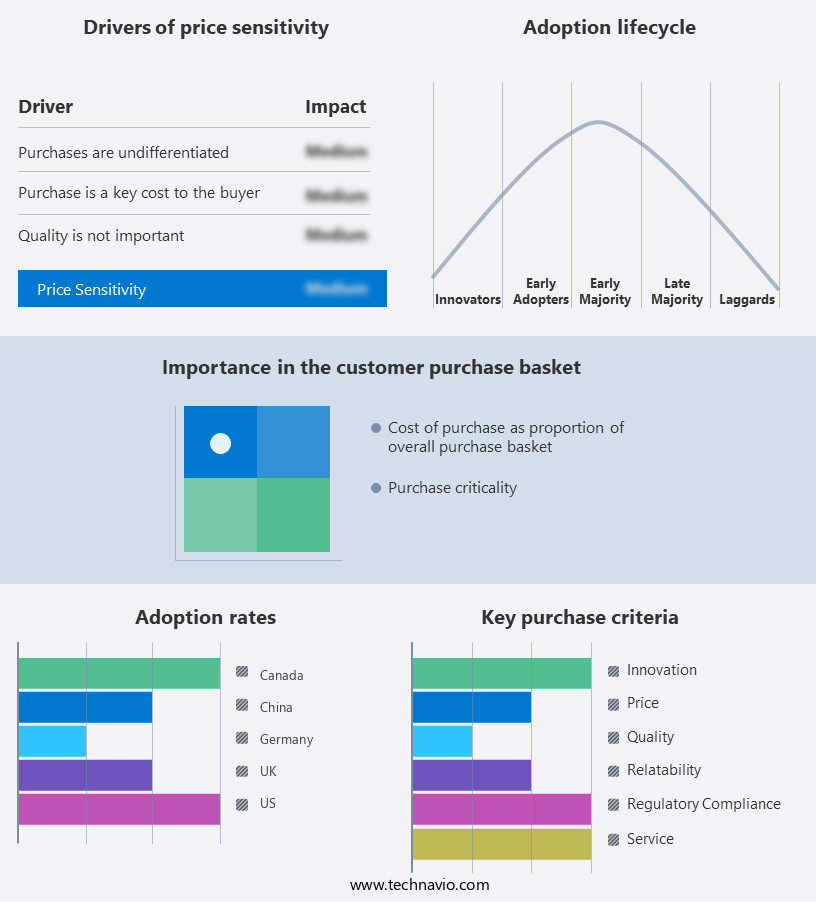
Customer Landscape
Key Companies & Market Insights
Companies are implementing various strategies, such as strategic alliances, gemcitabine hydrochloride market forecast, partnerships, mergers and acquisitions, geographical expansion, and product/service launches, to enhance their presence In the industry.
The industry research and growth report includes detailed analyses of the competitive landscape of the market and information about key companies, including:
- Apotex Inc.
- Biocon Ltd.
- Cipla Inc.
- Dr Reddys Laboratories Ltd.
- Eli Lilly and Co.
- Emcure Pharmaceuticals Ltd.
- Fresenius Kabi AG
- Ingenus Pharmaceuticals LLC
- Intas Pharmaceuticals Ltd.
- Jiangsu Hansoh Pharmaceutical Group Co. Ltd.
- Lianyungang Jinkang Pharmaceutical Technology Co. Ltd.
- Merck KGaA
- Nichi Iko Pharmaceutical Co. Ltd.
- Pfizer Inc.
- Shilpa Medicare Ltd.
- Sun Pharmaceutical Industries Ltd.
- Teva Pharmaceutical Industries Ltd.
- Viatris Inc.
- ZHEJIANG HISUN PHARMACEUTICAL Co. Ltd.
Qualitative and quantitative analysis of companies has been conducted to help clients understand the wider business environment as well as the strengths and weaknesses of key industry players. Data is qualitatively analyzed to categorize companies as pure play, category-focused, industry-focused, and diversified; it is quantitatively analyzed to categorize companies as dominant, leading, strong, tentative, and weak.
Research Analyst Overview
The market encompasses the global demand for an antimetabolite antineoplastic agent used In the treatment of various types of cancer. This synthetic pyrimidine nucleoside functions by inhibiting DNA replication and promoting apoptosis, or programmed cell death, in cancer cells. The prevalence of cancer continues to be a significant global health concern, with numerous ongoing clinical trials and product developments aimed at improving treatment options. Gemcitabine hydrochloride has shown efficacy In the treatment of several cancer indications, including pancreatic, cervical, breast, lung, and ovarian cancers. The regulatory framework for the approval and commercialization of oncology agents is stringent, ensuring the safety and efficacy of these treatments.
In recent years, there have been several FDA approvals for gemcitabine hydrochloride, including for the treatment of metastatic pancreatic cancer and non-small cell lung cancer. The gemcitabine hydrocloride market is driven by the increasing number of cancer cases worldwide and the growing demand for effective treatment options. The market is also influenced by the development of new indication expansions and route of administration, such as intravenous and oral formulations. The patient support programs and digital channels play a crucial role in raising awareness and facilitating access to these treatments. Healthcare professionals are key influencers In the decision-making process for cancer treatments, and they rely on accurate and reliable information to make informed decisions.
Further, the side effects associated with gemcitabine hydrochloride, like those of other anticancer agents, can limit its widespread use. However, advancements in treatment regimens, such as platinum agent combinations and platinum doublet regimens, have shown promise in mitigating these side effects while maintaining efficacy. The market is diverse, with various revenue pockets in different regions and indications. While the United States is a significant market, there are also opportunities in emerging markets due to the growing burden of cancer and increasing healthcare spending. The pipeline analysis of gemcitabine hydrochloride reveals several ongoing clinical trials and research initiatives aimed at expanding its indications and improving its efficacy.
|
Market Scope |
|
|
Report Coverage |
Details |
|
Page number |
132 |
|
Base year |
2023 |
|
Historic period |
2018-2022 |
|
Forecast period |
2024-2028 |
|
Growth momentum & CAGR |
Accelerate at a CAGR of 7.08% |
|
Market Growth 2024-2028 |
USD 323.8 million |
|
Market structure |
Fragmented |
|
YoY growth 2023-2024(%) |
6.49 |
|
Key countries |
US, Germany, Canada, China, and UK |
|
Competitive landscape |
Leading Companies, Market Positioning of Companies, Competitive Strategies, and Industry Risks |
What are the Key Data Covered in this Gemcitabine Hydrochloride Market Research and Growth Report?
- CAGR of the Gemcitabine Hydrochloride industry during the forecast period
- Detailed information on factors that will drive the market growth and forecasting between 2024 and 2028
- Precise estimation of the size of the market and its contribution of the industry in focus to the parent market
- Accurate predictions about upcoming growth and trends and changes in consumer behaviour
- Growth of the market across North America, Europe, Asia, and Rest of World (ROW)
- Thorough analysis of the market's competitive landscape and detailed information about companies
- Comprehensive analysis of factors that will challenge the gemcitabine hydrochloride market growth of industry companies
We can help! Our analysts can customize this gemcitabine hydrochloride market research report to meet your requirements.