


Gene Synthesis Services Market Analysis North America, APAC, Europe, South America, Middle East and Africa - US, China, Germany, France, Japan - Size and Forecast 2024-2028

Gene Synthesis Services Market Analysis North America, APAC, Europe, South America, Middle East and Africa - US, China, Germany, France, Japan - Size and Forecast 2024-2028

Published: Jul 2024 143 Pages SKU: IRTNTR73193

Market Overview at a Glance

$3.09 B
Market Opportunity
24.17%
CAGR
17.51
YoY growth 2023-2024(%)

Gene Synthesis Services Market Size 2024-2028

The gene synthesis services market size is forecast to increase by USD 3.09 billion at a CAGR of 24.17% between 2023 and 2028.

  • The market is experiencing significant growth due to its cost-effective and time-saving advantages over traditional cloning methods. The advent of clustered regularly interspaced short palindromic repeats (CRISPR)/CRISPR-associated protein-9 (Cas9) technology has revolutionized gene synthesis, making it more accessible and efficient for researchers. However, the increasing complexity of the gene synthesis process poses challenges for market growth. The market trend is towards the development of advanced technologies and automation solutions to streamline the process and reduce errors. Despite these challenges, the market is expected to continue its growth trajectory, driven by the increasing demand for gene synthesis services in various applications, including biotechnology, pharmaceuticals, and agriculture.
  • What will be the Size of the Gene Synthesis Services Market During the Forecast Period?

    Gene Synthesis Services Market Size

     Request Free Sample

  • The market encompasses the production of functional genes, genetic networks, and whole genomes using DNA. This market is driven by the increasing demand for advanced analytical techniques, such as DNA microarrays and next-generation sequencing, which rely on large-scale gene synthesis for their operation. The market is also fueled by the continuous advancements in gene assembly technologies, error correction methods, and new chemistry in enzymology. Whole genome synthesis and the production of complex gene constructs using plasmid vectors and ligation are key offerings in this market. The market is characterized by a focus on high oligo quality and quantity to minimize errors, deletions, and insertions.
  • Gene synthesis technologies continue to evolve, with ongoing research in SCR (Site-Directed RNA Synthesis) and gene assembly methods to improve efficiency and accuracy. Overall, the market is a dynamic and innovative sector withIn the broader biotechnology industry.
  • How is this Gene Synthesis Services Industry segmented and which is the largest segment?

    The gene synthesis services industry research report provides comprehensive data (region-wise segment analysis), with forecasts and estimates in "USD million" for the period 2024-2028, as well as historical data from 2018-2022 for the following segments.

    • End-user
      • Academic
      • Commercial
    • Geography
      • North America
        • US
      • APAC
        • China
        • Japan
      • Europe
        • Germany
        • France
      • South America
        • Middle East and Africa

        By End-user Insights

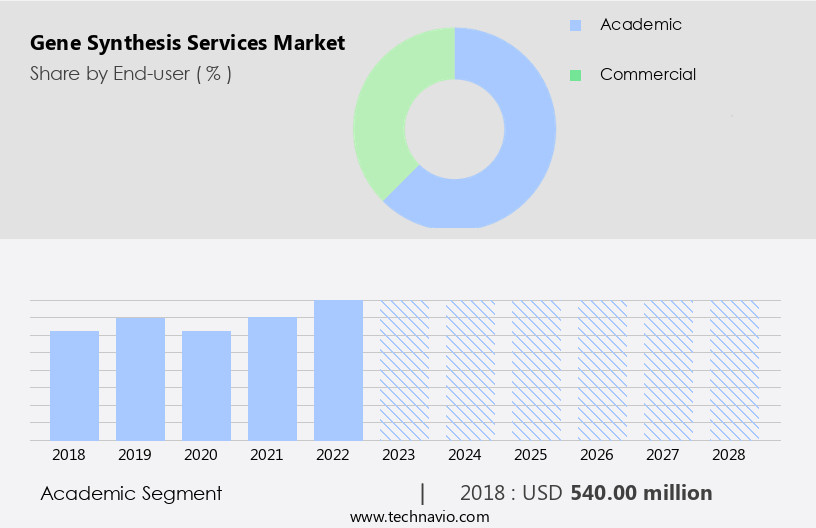
        • The academic segment is estimated to witness significant growth during the forecast period.

        The market experiences growth due to the expanding biomedical research sector in universities and research institutions. The importance of multidisciplinary and interdisciplinary genetics research for treating complex diseases and disorders fuels this growth. Molecular oncology research, specifically in cancer biology and immuno-oncology, significantly contributes to the market revenue. companies offer optimized services including DNA and RNA oligos, custom sequencing, and gene synthesis for standard, complex, gene strand, and gene expression. Notable universities specializing in molecular biology and genetics, such as Harvard University, the University of Cambridge, Stanford University, and the Massachusetts Institute of Technology, are key contributors to the market through their research studies.

        Gene synthesis services encompass various applications, including functional genes, genetic networks, whole genomes, and DNA replication using prokaryotic and eukaryotic replication machineries. Technologies such as enzymatic assembly, chemical synthesis, cloning, sequencing, error filtration, and analytical techniques like DNA microarrays and gene assembly technologies are employed. Error correction methods and biotechnology advancements, including large-scale gene synthesis, DNA microchips, new chemistry, enzymology, and next-generation sequencing, further expand the market. Gene synthesis capabilities and export control regulations, including synthetic DNA, recombinant DNA, gene sequences, gene structure, gene expression, and gene function, are essential considerations for the industry. Biosafety and biosecurity, as well as dual-use technology concerns regarding pathogens and biological weapons, also impact the market landscape.
        Gene Synthesis Services Market Size

        Get a glance at the  Gene Synthesis Services Industry report of share of various segments Request Free Sample

        The Academic segment was valued at USD 540.00 billion in 2018 and showed a gradual increase during the forecast period.

        Regional Analysis

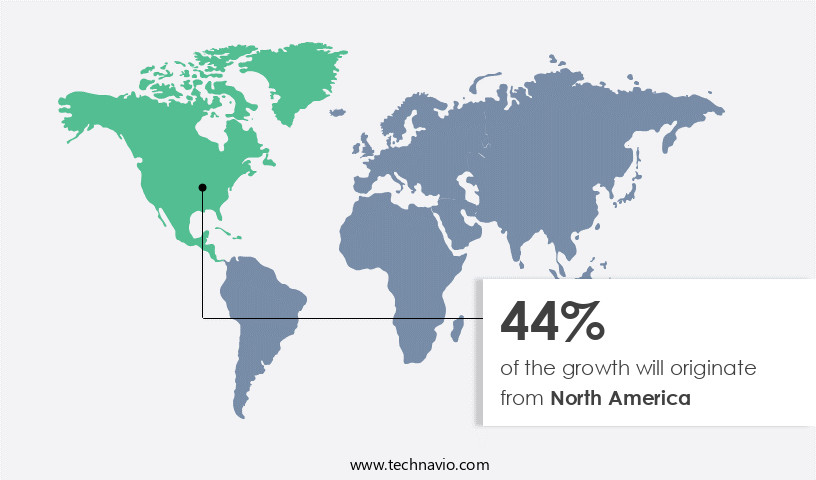
        • North America is estimated to contribute 44% to the growth of the global market during the forecast period.

        Technavio’s analysts have elaborately explained the regional trends and drivers that shape the market during the forecast period.
        Gene Synthesis Services Market Share by Geography

        For more insights on the market share of various regions, Request Free Sample

        The market In the Americas is experiencing growth due to escalating research expenditures, the presence of prominent biopharmaceutical companies, and a strong focus on biomedical research within universities and institutions. In this region, applications of gene synthesis span from antibody engineering to protein modification and mutation. Countries like the United States are technology pioneers, making the region a significant investor in healthcare R&D. For instance, the National Institutes of Health (NIH) In the US allocates approximately USD30.1 billion annually for medical research via grants. Gene synthesis services are integral to various applications, including functional genes, genetic networks, and whole genomes.

        Technologies such as enzymatic assembly, chemical synthesis, cloning, sequencing, error filtration, and analytical techniques are employed. Gene assembly technologies, error correction methods, and biotechnology advancements, including large-scale gene synthesis, DNA microchips, and next-generation sequencing, contribute to market expansion. The importance of gene synthesis is underscored by its role in synthetic genes, protein production, structural characterization, codon optimization, gene regulation, and gene expression studies. Despite advancements, challenges such as errors, deletions, insertions, base substitutions, and DNA replication complexities remain. Ensuring biosafety, biosecurity, and adherence to export control regulations are crucial aspects of the gene synthesis industry.

        Market Dynamics

        Our  researchers analyzed the data with 2023 as the base year, along with the key drivers, trends, and challenges. A holistic analysis of drivers will help companies refine their marketing strategies to gain a competitive advantage.

        What are the key market drivers leading to the rise In the adoption of Gene Synthesis Services Industry?

        Cost-effective and time-saving than traditional cloning is the key driver of the market.

      • The market is experiencing significant growth due to the advantages offered by gene synthesis over traditional cloning methods. Gene synthesis enables the creation of functional genes from scratch, allowing for the manipulation of genetic networks and whole genomes without the need for a template. This process is particularly useful for creating genes with specific modifications, such as the removal of restriction sites or codon optimization for improved gene expression. Moreover, gene synthesis is more cost-effective and time-efficient than cloning, making it an attractive option for researchers and biotechnology companies. For instance, gene synthesis has been instrumental In the creation of synthetic genes for protein production and structural characterization, as well as In the development of new chemical entities and gene regulation technologies.
      • Error rate is a critical factor in gene synthesis, and various error filtration methods and analytical techniques, such as DNA microarrays and next-generation sequencing, are used to ensure accuracy. Error correction methods, such as enzymatic ligation and polymerase chain assembly, also play a crucial role in producing high-quality genes. The gene synthesis industry is continuously evolving, with new technologies, such as chip synthesis technology, polymerase chain assembly, and ligation-independent cloning methods, being developed to improve the efficiency and accuracy of gene synthesis. Biosafety and biosecurity concerns, including the potential misuse of gene synthesis capabilities for dual-use technology, such as the creation of pathogens or biological weapons, have led to export control regulations and stringent quality control measures.
      • In conclusion, gene synthesis services offer numerous advantages over traditional cloning methods, including flexibility, cost-effectiveness, and time-efficiency. The continued development of new gene synthesis technologies and the increasing demand for gene synthesis services in various industries, including biotechnology, pharmaceuticals, and agriculture, are expected to drive the growth of the market.
      • What are the market trends shaping the Gene Synthesis Services Industry?

        Advent of clustered regularly interspaced short palindromic repeats (CRISPR)/CRISPR-associated protein-9 (Cas9) is the upcoming market trend.

      • Gene synthesis, a crucial aspect of biotechnology, involves the production of functional genes using various techniques such as enzymatic assembly and chemical synthesis. Whole genomes, bacterial or otherwise, can be synthesized using these methods to produce synthetic DNA. Error filtration techniques, including analytical methods like DNA sequencing and error correction methods, are employed to minimize errors such as deletions, insertions, and base substitutions during the DNA replication process. Advancements in gene synthesis technologies, including new chemistry, enzymology, and next-generation sequencing, have led to large-scale gene synthesis capabilities. Gene assembly technologies like ligation, plasmid vector, gene construct, and gene assembly are employed to create gene constructs with high oligo quality and quantity.
      • PCR amplification and chip synthesis technology are used for polymerase chain assembly and large-scale gene synthesis. Functional genes can be produced using these methods for various applications, including protein production and structural characterization. Codon optimization and gene regulation techniques are employed to optimize gene expression and function. Gene synthesis capabilities have significant implications for biotechnology, particularly In the areas of biosafety, biosecurity, and dual-use technology. Export control regulations and ethical considerations surrounding the use of synthetic genes, recombinant DNA, and gene sequences are ongoing concerns In the gene synthesis industry.
      • What challenges does the Gene Synthesis Services Industry face during its growth?

        Increasing complexity of gene synthesis process is a key challenge affecting the industry growth.

      • The market encompasses the production of Functional genes using various techniques such as enzymatic assembly and chemical synthesis. The quality of synthesized genes is crucial, as errors such as Deletions, Insertions, and Base substitutions can impact Gene expression, Gene function, and Protein production. Errors can result from DNA replication using Prokaryotic replication machineries or Eukaryotic replication machineries, which have different Error rates and Fidelity levels. Gene synthesis technologies have advanced to include Gene assembly technologies, Error correction methods, and Analytical techniques like DNA microarrays and Gene chips. These technologies enable the creation of large-scale Gene constructs, Gene expression vectors, and Plasmid vectors.
      • Oligo quality and Oligo quantity are essential factors in Gene synthesis, influencing PCR amplification and Chip synthesis technology. The complexity of Gene sequences, including repetitive and long sequences, presents challenges for companies. For instance, repeats like palindromic, tandem, and inverted repeats can complicate annealing and oligos ligation during assembly. companies must navigate various Gene assembly methods like Ligation, SLIC, RED recombination, and SCR to optimize Gene synthesis for specific customer requirements. Biosafety and Biosecurity concerns, including Dual-use technology and Pathogens, necessitate Export control regulations and stringent quality control measures. The Gene synthesis industry continues to evolve, driven by advancements in Enzymology, Next generation sequencing, and Codon optimization for Gene regulation.
      • Gene synthesis capabilities remain a critical differentiator for Biotechnology companies, as they enable Structural characterization, Protein production, and Gene function research.
      • Exclusive Customer Landscape

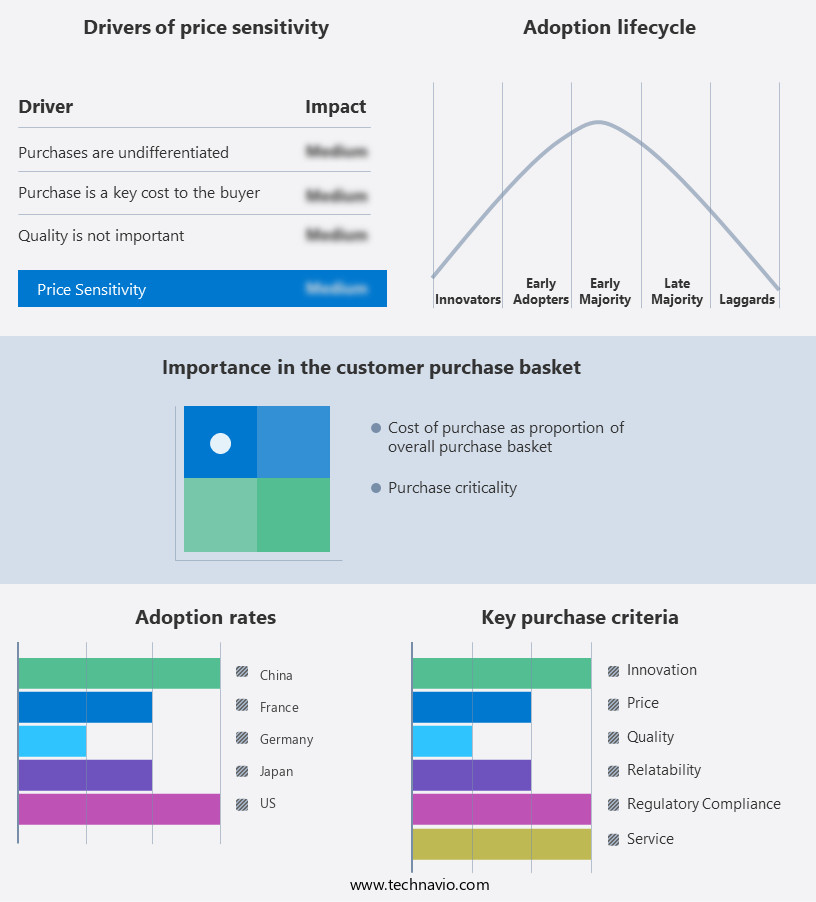
        The gene synthesis services market forecasting report includes the adoption lifecycle of the market, covering from the innovator’s stage to the laggard’s stage. It focuses on adoption rates in different regions based on penetration. Furthermore, the gene synthesis services market report also includes key purchase criteria and drivers of price sensitivity to help companies evaluate and develop their market growth analysis strategies.
        Gene Synthesis Services Market Share by Geography

         Customer Landscape

        Key Companies & Market Insights

        Companies are implementing various strategies, such as strategic alliances, gene synthesis services market forecast, partnerships, mergers and acquisitions, geographical expansion, and product/service launches, to enhance their presence In the industry.

        BBI Life Sciences Corp. - The company specializes in custom gene synthesis technology, providing versatile solutions for various research applications. This technology finds extensive use in fields such as genetics, gene expression regulation, and gene and drug discovery. Its applicability makes it an indispensable tool for scientific research.

        The industry research and growth report includes detailed analyses of the competitive landscape of the market and information about key companies, including:

        • BBI Life Sciences Corp.
        • Bio Basic Inc.
        • BioCat GmbH
        • Biomatik
        • Bioneer Corp.
        • Creative Biogene
        • CUSABIO TECHNOLOGY LLC
        • DNA TwoPointO Inc.
        • Eurofins Scientific SE
        • GeneCopoeia Inc.
        • GENEWIZ Inc.
        • GenScript Biotech Corp.
        • Integrated DNA Technologies Inc.
        • Kaneka Corp.
        • Macrogen Inc.
        • NZYTech
        • OriGene Technologies Inc.
        • Synbio Technologies
        • Thermo Fisher Scientific Inc.
        • Twist Bioscience Corp.

        Qualitative and quantitative analysis of companies has been conducted to help clients understand the wider business environment as well as the strengths and weaknesses of key industry players. Data is qualitatively analyzed to categorize companies as pure play, category-focused, industry-focused, and diversified; it is quantitatively analyzed to categorize companies as dominant, leading, strong, tentative, and weak.

        Research Analyst Overview

        Gene synthesis refers to the process of creating functional genes or genetic networks from scratch using various techniques. This process involves the production of DNA sequences, which can be used for various applications In the field of biotechnology. Two primary methods for gene synthesis are enzymatic assembly and chemical synthesis. Enzymatic assembly, also known as DNA replication or polymerase chain assembly, utilizes enzymes to build DNA sequences from oligonucleotides. This method relies on the error-prone nature of the enzymes involved, leading to a certain level of error rate. Error filtration techniques are employed to remove errors and improve the fidelity of the synthesized DNA.

        On the other hand, chemical synthesis, also known as solid-phase synthesis, involves the stepwise assembly of nucleotides to create DNA sequences. This method offers higher accuracy compared to enzymatic assembly but is more complex and time-consuming. Gene synthesis technologies have evolved significantly over the years, leading to the development of new methods and techniques. For instance, next-generation sequencing has revolutionized the field by enabling the rapid and cost-effective sequencing of large genomes. Similarly, chip synthesis technology has enabled the large-scale production of DNA sequences using DNA microchips. The gene synthesis industry has grown significantly in recent years due to the increasing demand for synthetic genes for various applications.

        These applications include protein production, structural characterization, codon optimization, gene regulation, and gene expression studies. Gene synthesis is also used In the production of vaccines, therapeutics, and industrial enzymes. Despite the numerous benefits of gene synthesis, there are concerns regarding the potential misuse of this technology. The synthesis of functional genes and genetic networks raises ethical and security concerns, particularly In the context of dual-use technology. The production of pathogens or biological weapons using gene synthesis capabilities is a significant concern, leading to the implementation of export control regulations. Biosafety and biosecurity are critical considerations In the gene synthesis industry.

        Proper containment and safety measures must be implemented to prevent the accidental release or intentional misuse of synthetic genes or genetic networks. Additionally, there is a need for robust error filtration and quality control measures to ensure the accuracy and reliability of synthesized DNA sequences. In conclusion, gene synthesis is a critical technology In the field of biotechnology, enabling the production of functional genes and genetic networks for various applications. The industry has seen significant growth in recent years due to the increasing demand for synthetic genes. However, there are concerns regarding the potential misuse of this technology and the need for robust biosafety and biosecurity measures.

        Ongoing research and development efforts are focused on improving the accuracy, efficiency, and cost-effectiveness of gene synthesis technologies while addressing these concerns.

        Market Scope

        Report Coverage

        Details

        Page number

        143

        Base year

        2023

        Historic period

        2018-2022

        Forecast period

        2024-2028

        Growth momentum & CAGR

        Accelerate at a CAGR of 24.17%

        Market growth 2024-2028

        USD 3094.3 million

        Market structure

        Fragmented

        YoY growth 2023-2024(%)

        17.51

        Key countries

        US, China, Germany, France, and Japan

        Competitive landscape

        Leading Companies, Market Positioning of Companies, Competitive Strategies, and Industry Risks

        Request Free Sample

        What are the Key Data Covered in this Gene Synthesis Services Market Research and Growth Report?

        • CAGR of the Gene Synthesis Services industry during the forecast period
        • Detailed information on factors that will drive the growth and forecasting between 2024 and 2028
        • Precise estimation of the size of the market and its contribution of the industry in focus to the parent market
        • Accurate predictions about upcoming growth and trends and changes in consumer behaviour
        • Growth of the market across North America, APAC, Europe, South America, and Middle East and Africa
        • Thorough analysis of the market’s competitive landscape and detailed information about companies
        • Comprehensive analysis of factors that will challenge the gene synthesis services market growth of industry companies

        We can help! Our analysts can customize this gene synthesis services market research report to meet your requirements.

        Get in touch


        Table of Contents not available.

        Research Methodology

        Technavio presents a detailed picture of the market by way of study, synthesis, and summation of data from multiple sources. The analysts have presented the various facets of the market with a particular focus on identifying the key industry influencers. The data thus presented is comprehensive, reliable, and the result of extensive research, both primary and secondary.

        INFORMATION SOURCES

        Primary sources

        • Manufacturers and suppliers
        • Channel partners
        • Industry experts
        • Strategic decision makers

        Secondary sources

        • Industry journals and periodicals
        • Government data
        • Financial reports of key industry players
        • Historical data
        • Press releases

        DATA ANALYSIS

        Data Synthesis

        • Collation of data
        • Estimation of key figures
        • Analysis of derived insights

        Data Validation

        • Triangulation with data models
        • Reference against proprietary databases
        • Corroboration with industry experts

        REPORT WRITING

        Qualitative

        • Market drivers
        • Market challenges
        • Market trends
        • Five forces analysis

        Quantitative

        • Market size and forecast
        • Market segmentation
        • Geographical insights
        • Competitive landscape

        Interested in this report?

        Get your sample now to see our research methodology and insights!

        Download Now

        Frequently Asked Questions

        Gene Synthesis Services market growth will increase by $ 3094.3 mn during 2024-2028.

        The Gene Synthesis Services market is expected to grow at a CAGR of 24.17% during 2024-2028.

        Gene Synthesis Services market is segmented by End-user( Academic, Commercial)

        BBI Life Sciences Corp., Bio Basic Inc., BioCat GmbH, Biomatik, Bioneer Corp., Creative Biogene, CUSABIO TECHNOLOGY LLC, DNA TwoPointO Inc., Eurofins Scientific SE, GeneCopoeia Inc., GENEWIZ Inc., GenScript Biotech Corp., Integrated DNA Technologies Inc., Kaneka Corp., Macrogen Inc., NZYTech, OriGene Technologies Inc., Synbio Technologies, Thermo Fisher Scientific Inc., Twist Bioscience Corp. are a few of the key vendors in the Gene Synthesis Services market.

        North America will register the highest growth rate of 44% among the other regions. Therefore, the Gene Synthesis Services market in North America is expected to garner significant business opportunities for the vendors during the forecast period.

        US, China, Germany, France, Japan

        • Cost-effective and time-saving than traditional cloningThe usability is the driving factor this market.
        • timeliness is the driving factor this market.
        • and cost-effectiveness of the gene synthesis process is the driving factor this market.
        • when compared with the traditional cloning process is the driving factor this market.
        • drive the growth of the global gene synthesis services market. For instance is the driving factor this market.
        • US scientists have cloned the first endangered species by duplicating the genes of an animal that died over 30 years ago. Biotechnology and genomic data can really make a difference to conservation efforts on the ground and save several endangered species. Gene synthesis allows end-users to add or remove restriction sites from a DNA sequence is the driving factor this market.
        • which improves flexibility. Contrary to the traditional cloning process is the driving factor this market.
        • gene synthesis does not require a template to synthesize genes. The synthesized genes can be optimized according to the quality standard required by the end-user. Gene synthesis is also faster than cloning is the driving factor this market.
        • which is associated with more steps than gene synthesis. Hence is the driving factor this market.
        • the cost and time required for gene synthesis are low. is the driving factor this market.

        The Gene Synthesis Services market vendors should focus on grabbing business opportunities from the Academic segment as it accounted for the largest market share in the base year.