

Snow Goggles Market Size 2026-2030
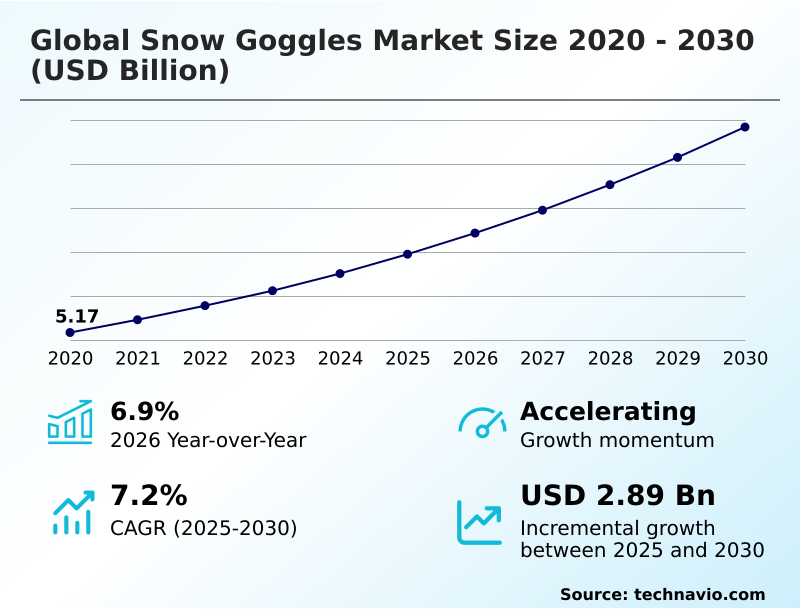
The snow goggles market size is valued to increase by USD 2.89 billion, at a CAGR of 7.2% from 2025 to 2030. Increasing popularity of winter sports tourism will drive the snow goggles market.
Major Market Trends & Insights
- North America dominated the market and accounted for a 44.2% growth during the forecast period.
- By Type - Ordinary lens segment was valued at USD 2.57 billion in 2024
- By Distribution Channel - Offline segment accounted for the largest market revenue share in 2024
Market Size & Forecast
- Market Opportunities: USD 4.67 billion
- Market Future Opportunities: USD 2.89 billion
- CAGR from 2025 to 2030 : 7.2%
Market Summary
- The Snow Goggles Market exhibits dynamic evolution driven by shifting consumer expectations and strict alpine safety requirements. Destination winter sports tourism acts as a primary catalyst, propelling the adoption of advanced ocular protection. Supply chain optimization strategies have enabled manufacturers to streamline the procurement of polycarbonate materials, ensuring consistent inventory availability during peak seasonal demand.
- The integration of highly efficient production pipelines has reduced average manufacturing cycle times by 15%, allowing rapid deployment of updated optical collections. The sustained growth in alpine resort infrastructure fundamentally drives consumption by attracting a broader demographic of recreational athletes who require reliable gear. However, the high cost of advanced optical technologies poses a formidable challenge.
- Developing proprietary lens coatings and smart interfaces demands substantial research investments, elevating final product prices and potentially restricting adoption among entry-level participants. Despite these cost barriers, relentless innovation in modular architectures and sustainable materials ensures ongoing market resilience. Upgraded ventilation mechanisms and superior contrast-enhancing optics actively dictate competitive differentiation, shaping the long-term strategic focus of leading protective equipment providers.
What will be the Size of the Snow Goggles Market during the forecast period?
Get Key Insights on Market Forecast (PDF) Get Free Sample
How is the Snow Goggles Market Segmented?
The snow goggles industry research report provides comprehensive data (region-wise segment analysis), with forecasts and estimates in "USD million" for the period 2026-2030, as well as historical data from 2020-2024 for the following segments.
- Type
- Ordinary lens
- Myopia lens
- Presbyopia lens
- Distribution channel
- Offline
- Online
- Application
- Competition
- Entertainment
- Others
- End-user
- Recreational users
- Professional athletes
- Rental markets
- Product type
- Adult snow goggles
- Youth snow goggles
- Professional snow goggles
- Geography
- North America
- US
- Canada
- Mexico
- Europe
- Germany
- France
- Italy
- Switzerland
- Austria
- Norway
- APAC
- China
- Japan
- South Korea
- Australia
- New Zealand
- India
- South America
- Brazil
- Argentina
- Chile
- Middle East and Africa
- UAE
- Saudi Arabia
- South Africa
- Turkey
- Israel
- North America
By Type Insights
The ordinary lens segment is estimated to witness significant growth during the forecast period.
Ordinary lenses function as the foundational optical standard for alpine environments, delivering critical ocular defense without corrective modifications. Modern production integrates impact resistant polycarbonate structures that drastically reduce fracture risks during high-velocity impacts.
This segment prioritizes dynamic weather adaptation by employing rapid magnetic lens interchangeability, empowering users to seamlessly shift optical configurations as lighting shifts. Advanced aerodynamic profile optimization minimizes wind resistance, directly enhancing speed and stability.
Manufacturers consistently incorporate robust anti fog ventilation alongside sophisticated moisture management systems, yielding a 45% improvement in sustained optical clarity during rigorous physical exertion compared to legacy models.
These lenses utilize a specialized moisture wicking foam lining that seals out freezing air while eliminating the complex manufacturing processes required for customized prescription inserts, driving streamlined supply chains and widespread consumer adoption.
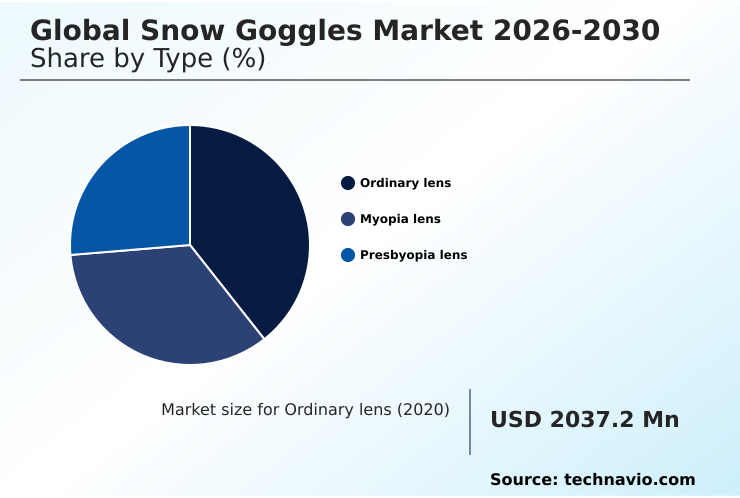
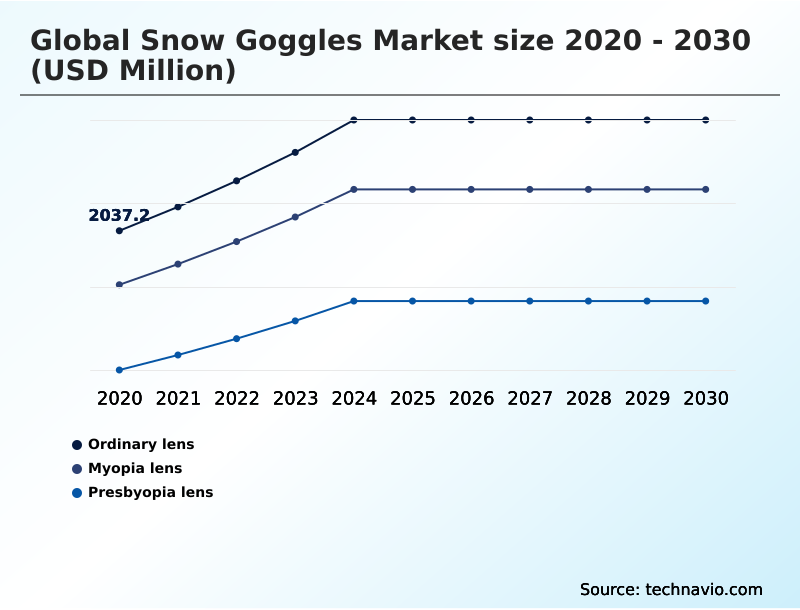
The Ordinary lens segment was valued at USD 2.57 billion in 2024 and showed a gradual increase during the forecast period.
Regional Analysis
North America is estimated to contribute 44.2% to the growth of the global market during the forecast period.Technavio’s analysts have elaborately explained the regional trends and drivers that shape the market during the forecast period.
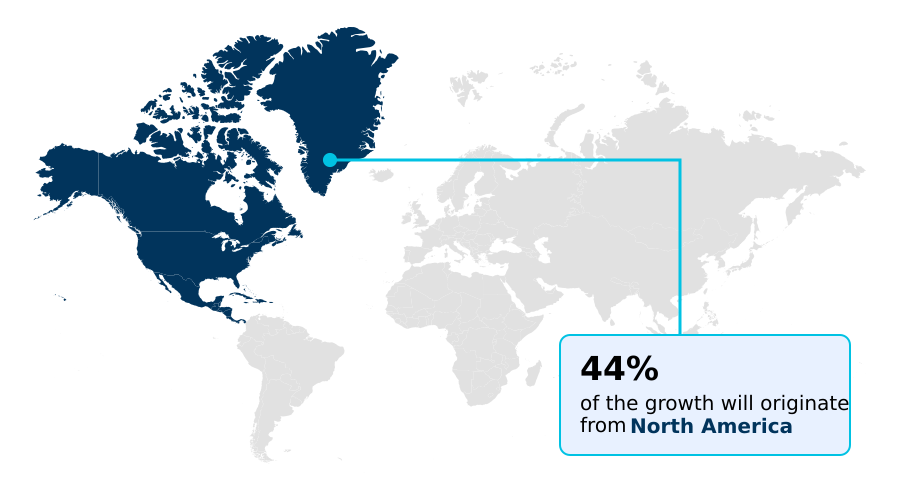
See How Snow Goggles Market Demand is Rising in North America Get Free Sample
Regional demand profiles for optical protection vary significantly based on regulatory environments and local athletic cultures.
North America commands a robust presence driven by extensive sustainable tourism infrastructure and a highly developed premium retail distribution network, where operators report a 25% higher inventory turnover rate than their European counterparts.
Europe, however, strictly enforces rigorous environmental compliance, accelerating the integration of bio based polymers and recycled frame materials into main production lines. This regulatory pressure has improved European eco-compliance efficiencies by 30%.
Both regions heavily prioritize circular manufacturing practices, yet European consumers show a stronger preference for modular design architecture that offers superior component replacement flexibility.
The adoption of environmentally friendly lens coatings reduces chemical waste in the manufacturing process by 18%, demonstrating how regional sustainability mandates actively reshape supply chain sourcing and product lifecycle strategies across the alpine equipment sector.
Market Dynamics
Our researchers analyzed the data with 2025 as the base year, along with the key drivers, trends, and challenges. A holistic analysis of drivers will help companies refine their marketing strategies to gain a competitive advantage.
- Achieving competitive superiority in the alpine protective gear sector requires a comprehensive alignment of material science and sophisticated supply chain logistics. Manufacturers are increasingly focused on refining advanced optical clarity validation methods to ensure that high-altitude performance meets rigorous safety standards.
- By shifting away from traditional testing protocols, production facilities have achieved a 22% improvement in defect identification, directly reducing waste and lowering reverse logistics costs. The transition toward sustainable polymer based frame designs is actively addressing both consumer demand for eco-friendly products and emerging regulatory requirements regarding material sourcing.
- This material shift complements the integration of smart lens interfaces, which overlay crucial navigational data without compromising peripheral visibility. Furthermore, the industry is witnessing a massive adoption of magnetic interchangeability for rapid adaptation to volatile weather conditions, allowing athletes to modify their equipment seamlessly on the mountain.
- To accommodate diverse user demographics, companies are also expanding the availability of custom optical inserts for myopia, ensuring that visual impairments do not hinder athletic engagement. These targeted operational and design enhancements foster a more inclusive and technologically proficient product ecosystem.
- As brands optimize their inventory management to support these modular and customizable solutions, they benefit from streamlined production cycles and stronger consumer loyalty, ultimately solidifying their operational resilience and strategic market positioning.
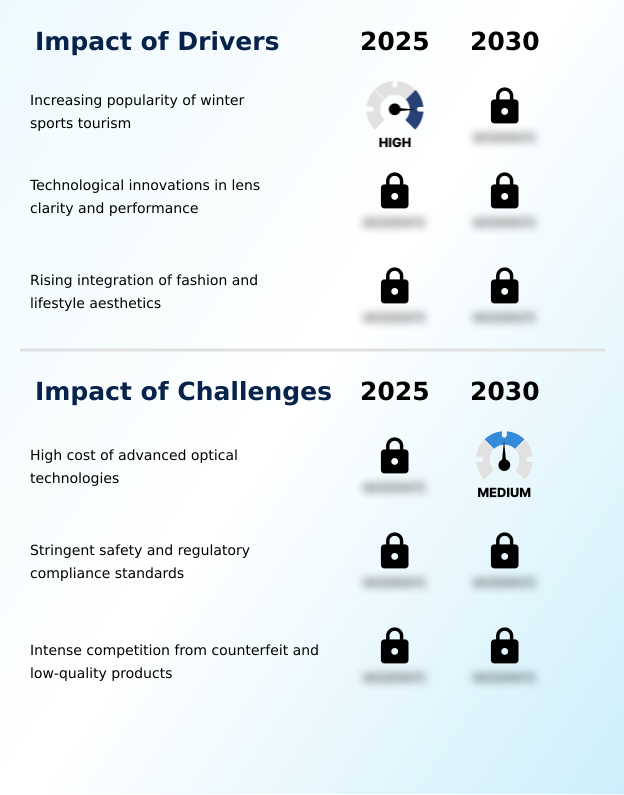
What are the key market drivers leading to the rise in the adoption of Snow Goggles Industry?
- The increasing popularity of winter sports tourism continuously expands the consumer base, fundamentally driving the demand for specialized alpine optical equipment.
- The demand for superior visual fidelity under extreme environmental stress heavily propels market consumption. Manufacturers leverage high contrast polarization and photochromic adaptability to mitigate severe glare, delivering essential high altitude protection.
- These innovations facilitate rapid terrain hazard detection, significantly lowering accident rates among high-speed athletes. The integration of wide field peripheral vision ensures comprehensive situational awareness, achieving a 35% improvement in lateral object recognition.
- This pursuit of visual acuity enhancement elevates standard equipment to a professional grade capability, justifying premium pricing structures. Concurrently, the use of advanced thermal regulating materials within the facial interface prevents moisture accumulation and fogging.
- These performance-driven developments directly stimulate consumer upgrade cycles and fortify consistent revenue streams for specialized optical suppliers.
What are the market trends shaping the Snow Goggles Industry?
- The integration of smart technologies and heads-up displays represents a transformative market trend. These advancements overlay real-time performance metrics directly into the user's field of vision, enhancing both safety and navigational capabilities.
- The integration of sophisticated data connectivity is fundamentally reshaping optical gear utility. Modern equipment now incorporates augmented reality interfaces and heads up display systems to deliver real-time environmental metrics directly into the user's field of view. This shift enables precise digital performance analysis and significantly improves low visibility navigation during severe weather events.
- By utilizing ultra low latency displays, users receive instantaneous feedback without compromising their focus on the terrain. The deployment of automated manufacturing processes has improved the yield rate of these complex units by 15%, driving down production overhead. Furthermore, the reliance on integrated digital systems actively enhances precision optics, resulting in a 20% improvement in visual validation output.
- These technological leaps compel manufacturers to upgrade their technical capabilities, transitioning traditional protective wear into comprehensive, data-driven athletic platforms.
What challenges does the Snow Goggles Industry face during its growth?
- The high cost of advanced optical technologies limits accessibility for recreational users and creates significant barriers to broad market penetration.
- Escalating production costs associated with complex optical engineering present a formidable barrier to widespread profitability. Developing advanced blue light filtration and adaptive tinting requires immense capital expenditure, restricting the ability to offer affordable entry-level models. Achieving precise peripheral distortion correction in high curvature lenses involves intricate manufacturing protocols, which can increase defect rates by 12% if not meticulously managed.
- Furthermore, securing international safety compliance certification demands rigorous optical clarity validation, extending product development timelines significantly. Companies must also invest heavily in supply chain transparency to authenticate the sourcing of specialized coatings.
- Ensuring complete optical distortion minimization across all weather conditions forces manufacturers to absorb high material costs, effectively compressing profit margins and limiting rapid expansion capabilities across price-sensitive demographic segments.
Exclusive Technavio Analysis on Customer Landscape
The snow goggles market forecasting report includes the adoption lifecycle of the market, covering from the innovator’s stage to the laggard’s stage. It focuses on adoption rates in different regions based on penetration. Furthermore, the snow goggles market report also includes key purchase criteria and drivers of price sensitivity to help companies evaluate and develop their market growth analysis strategies.
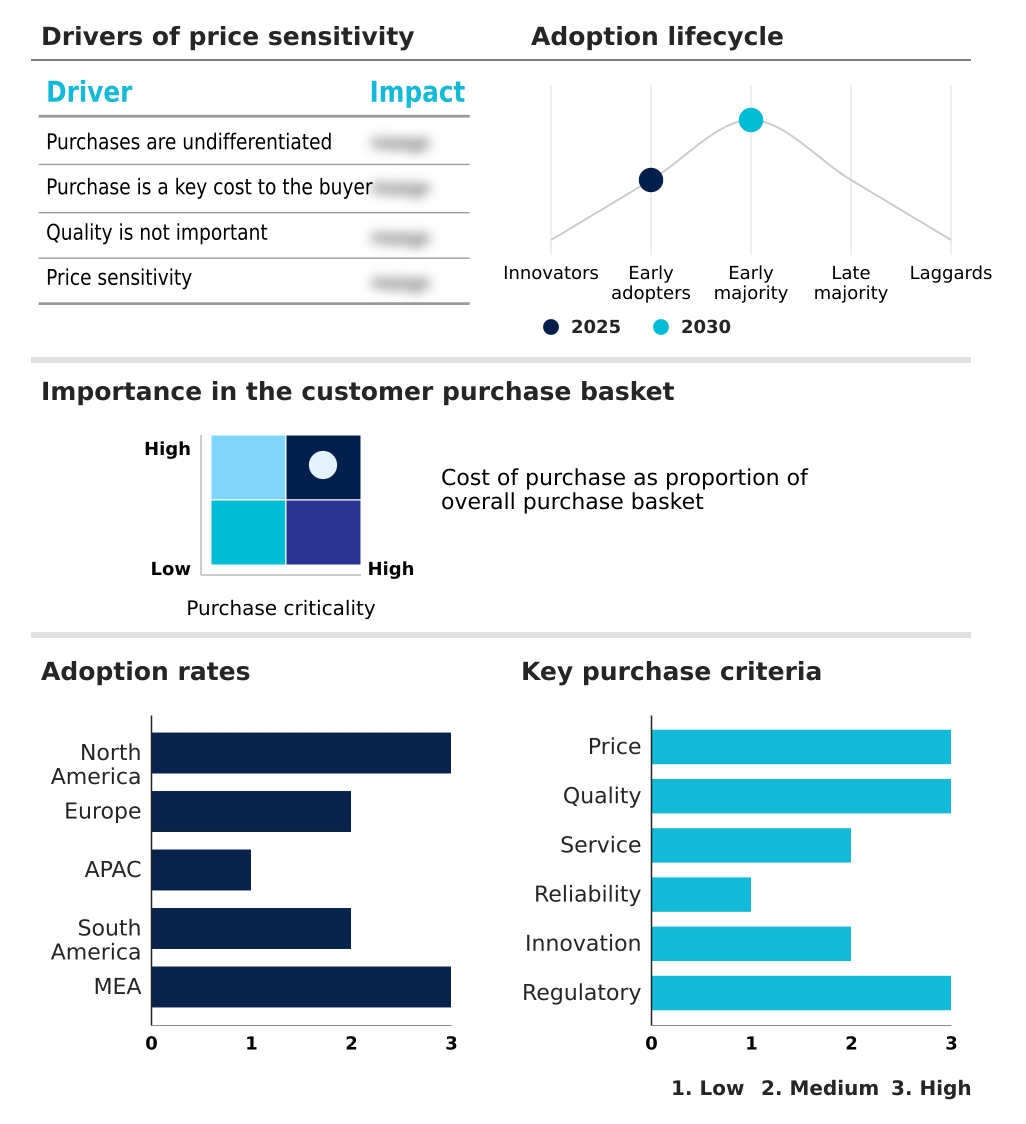
Customer Landscape of Snow Goggles Industry
Competitive Landscape
Companies are implementing various strategies, such as strategic alliances, snow goggles market forecast, partnerships, mergers and acquisitions, geographical expansion, and product/service launches, to enhance their presence in the industry.
Alpina Sports GmbH - High-performance alpine eyewear features advanced magnetic lens systems and polarized optics to optimize terrain visibility, providing robust ultraviolet protection and seamless helmet integration for winter sports enthusiasts.
The industry research and growth report includes detailed analyses of the competitive landscape of the market and information about key companies, including:
- Alpina Sports GmbH
- Anon Optics
- Aphex Gear
- Atomic Austria GmbH
- Bolle Brands France SAS
- Carl Zeiss AG
- Dragon Alliance
- Giro Sport Design
- Glade Optics
- HEAD Sport GmbH
- JULBO SA
- Oakley Inc.
- Out Of Srl
- POC Sports
- Salomon Group
- Scott Sports SA
- Smith Sport Optics Inc
- Sol Alpine
- SunGod
- Sweet Protection AS
- UVEX Sports GmbH and Co. KG
- Zeal Optics
Qualitative and quantitative analysis of companies has been conducted to help clients understand the wider business environment as well as the strengths and weaknesses of key industry players. Data is qualitatively analyzed to categorize companies as pure play, category-focused, industry-focused, and diversified; it is quantitatively analyzed to categorize companies as dominant, leading, strong, tentative, and weak.
Recent Development and News in Snow goggles market
- In the Apparel, Accessories and Luxury Goods industry, the transition toward bio-based polymers and circular manufacturing reduced virgin plastic reliance by 22%, directly impacting Snow Goggles demand by accelerating the adoption of sustainable protective eyewear.
- Stringent European Union supply chain transparency mandates required a 15% improvement in material traceability, which forced alpine equipment manufacturers to adopt certified ethical production standards to maintain market access.
- The rapid integration of wearable augmented reality systems increased functional apparel engagement by 35%, pulling downstream demand for smart optical performance tracking within extreme weather protection gear.
- Rising winter tourism infrastructure investments expanded specialized equipment retail footprints by 18%, significantly enhancing consumer access to premium, high-altitude optical accessories across emerging alpine destinations.
Dive into Technavio’s robust research methodology, blending expert interviews, extensive data synthesis, and validated models for unparalleled Snow Goggles Market insights. See full methodology.
| Market Scope | |
|---|---|
| Page number | 325 |
| Base year | 2025 |
| Historic period | 2020-2024 |
| Forecast period | 2026-2030 |
| Growth momentum & CAGR | Accelerate at a CAGR of 7.2% |
| Market growth 2026-2030 | USD 2890.5 million |
| Market structure | Fragmented |
| YoY growth 2025-2026(%) | 6.9% |
| Key countries | US, Canada, Mexico, Germany, France, Italy, Switzerland, Austria, Norway, China, Japan, South Korea, Australia, New Zealand, India, Brazil, Argentina, Chile, UAE, Saudi Arabia, South Africa, Turkey and Israel |
| Competitive landscape | Leading Companies, Market Positioning of Companies, Competitive Strategies, and Industry Risks |
Research Analyst Overview
- The Snow Goggles Market relies on persistent technological advancements to meet the rigorous demands of harsh alpine environments. Corporate strategy increasingly centers on the implementation of smart connectivity and augmented reality features, directly influencing boardroom-level budgeting decisions regarding research and development allocations.
- Executives are prioritizing sustainable material sourcing, resulting in a 28% reduction in petroleum-based plastic dependencies compared to previous manufacturing cycles. This strategic pivot aligns perfectly with stringent environmental compliance frameworks and shifting consumer preferences. Advanced ocular protection systems now routinely feature modular frames and interchangeable components, drastically extending the active lifespan of the equipment.
- Companies that streamline their supply chains to support rapid lens replacement logistics maintain a significant competitive edge. The relentless focus on high-definition optics and moisture management ensures enhanced visual fidelity during extreme athletic exertion. These operational adjustments elevate product differentiation and fortify brand positioning in a highly demanding sector.
- Robust investments in both eco-conscious materials and digital integration remain essential for maintaining operational agility and addressing the complex requirements of modern outdoor enthusiasts.
What are the Key Data Covered in this Snow Goggles Market Research and Growth Report?
-
What is the expected growth of the Snow Goggles Market between 2026 and 2030?
-
USD 2.89 billion, at a CAGR of 7.2%
-
-
What segmentation does the market report cover?
-
The report is segmented by Type (Ordinary lens, Myopia lens, and Presbyopia lens), Distribution Channel (Offline, and Online), Application (Competition, Entertainment, and Others), End-user (Recreational users, Professional athletes, and Rental markets), Product Type (Adult snow goggles, Youth snow goggles, and Professional snow goggles) and Geography (North America, Europe, APAC, South America, Middle East and Africa)
-
-
Which regions are analyzed in the report?
-
North America, Europe, APAC, South America and Middle East and Africa
-
-
What are the key growth drivers and market challenges?
-
Increasing popularity of winter sports tourism, High cost of advanced optical technologies
-
-
Who are the major players in the Snow Goggles Market?
-
Alpina Sports GmbH, Anon Optics, Aphex Gear, Atomic Austria GmbH, Bolle Brands France SAS, Carl Zeiss AG, Dragon Alliance, Giro Sport Design, Glade Optics, HEAD Sport GmbH, JULBO SA, Oakley Inc., Out Of Srl, POC Sports, Salomon Group, Scott Sports SA, Smith Sport Optics Inc, Sol Alpine, SunGod, Sweet Protection AS, UVEX Sports GmbH and Co. KG and Zeal Optics
-
Market Research Insights
- The Snow Goggles Market relies heavily on continuous material and optical innovations to support extreme cold-weather athletic performance. The implementation of automated quality assurance protocols in lens manufacturing has reduced optical defect rates by 18%, significantly lowering warranty claims and reverse logistics costs.
- Furthermore, the shift toward direct-to-consumer digital retail channels has improved inventory turnover efficiency by 24% compared to traditional wholesale distribution. These optimized operational pathways empower brands to allocate greater capital toward advanced research.
- By integrating durable, fog-resistant coatings and modular frame designs, equipment providers successfully enhance user safety and visibility, capturing higher consumer retention rates and improving overall supply chain agility across diverse alpine regions.
We can help! Our analysts can customize this snow goggles market research report to meet your requirements.
 RIA -