


Glycobiology Market Analysis North America, Europe, Asia, Rest of World (ROW) - US, Germany, UK, Canada, China - Size and Forecast 2024-2028

Glycobiology Market Analysis North America, Europe, Asia, Rest of World (ROW) - US, Germany, UK, Canada, China - Size and Forecast 2024-2028

Published: Jun 2024 174 Pages SKU: IRTNTR72392

Market Overview at a Glance

$2.22 B
Market Opportunity
18.52%
CAGR
15.18
YoY growth 2023-2024(%)

Glycobiology Market Size 2024-2028

The glycobiology market size is forecast to increase by USD 2.22 billion at a CAGR of 18.52% between 2023 and 2028.

  • The market Insights: Trends, Growth Factors, and Challenges the market is experiencing significant growth due to the increasing prevalence of diseases, particularly cancer, that require advanced diagnostic and therapeutic solutions. The intricate structure of glycans, a crucial component of glycobiology, offers immense potential for the development of novel therapeutics and diagnostics. This market analysis report delves into the key growth factors driving the market, including the rising incidence of diseases that can be addressed through glycobiology. Additionally, the report explores the latest advancements in glycobiology research and development, which are revolutionizing the healthcare industry. However, challenges such as the high cost of glycan analysis and the complexities involved in glycan structure research remain significant barriers to market growth.
  • Despite these challenges, the potential benefits of glycobiology in disease diagnosis and treatment are immense, making it a promising area of research and investment.
  • What will be the Size of the Glycobiology Market During the Forecast Period?

    Glycobiology Market Size

     Request Free Sample

  • The market encompasses the production and application of technologies for the analysis and manipulation of glycans, which are complex carbohydrate structures found on the surfaces of living things. This market includes the development and utilization of glycan-binding proteins, glycan antigens, anti-glycan antibodies, lectin inhibitors, glycosidase inhibitors, and glycosides. The demand for these products and services is driven by the increasing recognition of the role of glycans in various biological processes and their potential applications in diagnostics, therapeutics, and research. Advancements in technology, such as high-performance liquid chromatography (HPLC), mass spectrometry (MS), and capillary electrophoresis (CE), have significantly contributed to the growth of the market.
  • Corporate expansion, rising analysis spending by administration groups, biotechnology firms, and pharmaceutical firms, and glycomics research efforts are also fueling market growth. Proteomics examination learnings have highlighted the importance of glycans in protein function and interaction, further increasing interest in this field. Overall, the market is poised for continued growth as the scientific community continues to unravel the intricacies of carbohydrate structures and their functions.
  • How is this Glycobiology Industry segmented and which is the largest segment?

    The glycobiology industry research report provides comprehensive data (region-wise segment analysis), with forecasts and estimates in "USD million" for the period 2024-2028, as well as historical data from 2018-2022 for the following segments.

    • Application
      • Drug discovery and development
      • Disease diagnostics
      • Others
    • Product
      • Enzymes
      • Instruments
      • Reagents
      • Kits
    • Geography
      • North America
        • Canada
        • US
      • Europe
        • Germany
        • UK
      • Asia
        • China
      • Rest of World (ROW)

      By Application Insights

      • The drug discovery and development segment is estimated to witness significant growth during the forecast period.

      Glycobiology, a subdiscipline of biology, focuses on the study of glycans, complex carbohydrates, and their associated proteins and enzymes. These carbohydrates play essential roles in various biological processes, acting as structural components, energy sources, and mediators of cellular interactions. Glycans can be found as simple monosaccharides or complex structures attached to proteins or lipids. They are involved in protein folding, stability, solubility, and transport. Additionally, glycans are present on the surface of all cell types, serving as targets for specific recognition by other biomolecules, including glycan-binding proteins, glycan antigens, anti-glycan antibodies, lectin inhibitors, polysaccharides, glycosidase inhibitors, and glycosides. The importance of glycobiology extends to the development of drugs for chronic diseases, nanomedicine, glycan nanostructures, molecular diagnosis, antiviral therapeutics, vaccine development, drug delivery systems, and biomolecular therapeutics.

      Technologies such as High-Performance Liquid Chromatography (HPLC), Mass Spectrometry (MS), Capillary Electrophoresis (CE), and proteomics examinations have significantly advanced glycomics research efforts. The global glycomics market is experiencing growth due to increasing healthcare spending, the diagnostic industry's expansion, and the potential of glycobiology in drug development for diseases like diabetes and obesity.
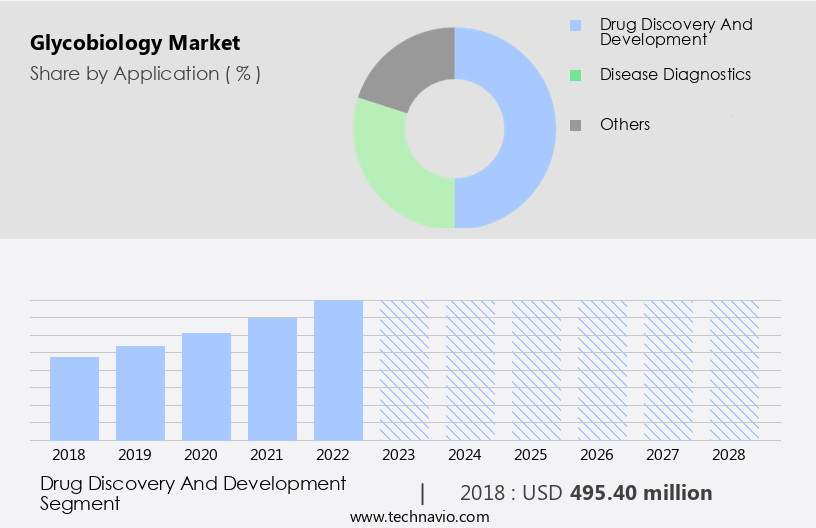
      Glycobiology Market Size

      Get a glance at the  Glycobiology Industry report of share of various segments Request Free Sample

      The Drug discovery and development segment was valued at USD 495.40 billion in 2018 and showed a gradual increase during the forecast period.

      Regional Analysis

      • North America is estimated to contribute 41% to the growth of the global market during the forecast period.

      Technavio’s analysts have elaborately explained the regional trends and drivers that shape the market during the forecast period.
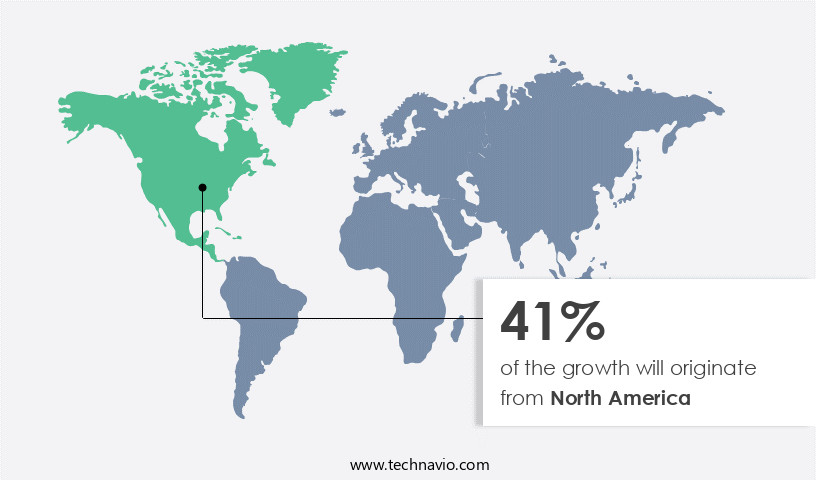
      Glycobiology Market Share by Geography

      For more insights on the market share of various regions, Request Free Sample

      The market in North America is significantly large, driven by the presence of prominent pharmaceutical and biopharmaceutical companies and advanced healthcare infrastructure. The application of glycans in cancer research, particularly in breast, esophageal, pancreatic, gynecological, and rare cancers, is a major growth factor. In the US, approximately 237,000 breast cancer cases are diagnosed annually. The increasing incidence of chronic diseases, such as diabetes and obesity, and rising healthcare spending are further fueling market growth. Technologies like High-Performance Liquid Chromatography (HPLC), Mass Spectrometry (MS), and Capillary Electrophoresis (CE) are crucial for glycomics research. Pharmaceutical, biotechnology, and CROs are investing significantly in glycobiology for drug development, vaccine creation, and diagnostics.

      Glycan nanostructures, glycosides, glycosaminoglycans (like Hyaluronan), and glycosidase inhibitors are key areas of focus. Market growth is expected to continue due to increasing analysis spending, administration group interest, and biomolecular therapeutics development.

      Market Dynamics

      Our  researchers analyzed the data with 2023 as the base year, along with the key drivers, trends, and challenges. A holistic analysis of drivers will help companies refine their marketing strategies to gain a competitive advantage.

      What are the key market drivers leading to the rise In the adoption of Glycobiology Industry?

      Growing prevalence of cancer is the key driver of the market.

    • The market encompasses the production, research, and application of glycans, glycan-binding proteins, glycan antigens, anti-glycan antibodies, lectin inhibitors, polysaccharides, glycosidase inhibitors, glycosides, glycomes, proteomes, and various other related technologies. This market holds significant potential due to its application in chronic diseases, drug development, and nanomedicine. Glycans, a crucial component of carbohydrates, play a vital role in various biological processes in living things. The increasing prevalence of chronic diseases such as diabetes and obesity, along with rising healthcare spending, has led to a surge in research and development efforts In the glycomics sector. This, in turn, is expected to drive the growth of the market during the forecast period.
    • The application of glycobiology in cancer research, particularly in understanding the metastatic and neoplastic properties of tumor cells, is gaining significant attention. Pharmaceutical and biotechnology firms are increasingly investing in glycobiology research to develop new drugs, diagnostics, and drug delivery systems. For instance, glycans play a crucial role In the development of therapeutic monoclonal antibodies, which are used In the treatment of various diseases, including cancer. Additionally, glycan nanostructures are being explored for their potential use in antiviral therapeutics and vaccine development. The application of advanced technologies such as High-Performance Liquid Chromatography (HPLC), Mass Spectrometry (MS), and Capillary Electrophoresis (CE) in glycomics research is expected to further boost market growth.
    • Furthermore, the increasing use of glycobiology in molecular diagnosis, clinical trials, and biomolecular therapeutics is also anticipated to contribute to market expansion. Despite the numerous opportunities, challenges remain, including the high cost of glycobiology research and the complex nature of glycan structures. However, the potential benefits of glycobiology in addressing various healthcare challenges make it an attractive area for investment and research. In conclusion, the market is expected to witness significant growth during the forecast period due to its application in various sectors, including cancer research, drug development, and diagnostics. The increasing investment in glycomics research and the development of advanced technologies are expected to further drive market growth.
    • However, challenges such as high research costs and complex glycan structures remain. Despite these challenges, the potential benefits of glycobiology make it an attractive area for investment and research.
    • What are the market trends shaping the Glycobiology Industry?

      Advancements in field of glycobiology is the upcoming market trend.

    • The market: An Essential Role in Health and Disease Research The intricate nature of glycosylated biomolecules necessitates advanced analytical methodologies to unravel their functionally significant structural features. Among these, Mass Spectrometry (MS) has emerged as the most crucial analytical method in glycomics and glycoproteomics investigations. MS, with its diverse ionization techniques, MS, and detection strategies, plays a pivotal role in revealing the complex glycan structures. Besides MS, microscale separation techniques, such as Capillary Electrophoresis (CE) and High-Performance Liquid Chromatography (HPLC), and carbohydrate microchemistry have gained significant importance in glycomics research. These analytical methods have enabled the identification and characterization of glycan antigens, glycan-binding proteins, anti-glycan antibodies, lectin inhibitors, glycosidase inhibitors, glycosides, and glycan nanostructures.
    • The importance of glycobiology extends to various sectors, including Chronic diseases, Drug development, Nanomedicine, Molecular diagnosis, Antiviral therapeutics, Vaccine development, and Drug delivery systems. Glycomics research efforts and Proteomics sales have witnessed a substantial increase due to the potential applications of glycosylation in understanding the molecular mechanisms of diseases and developing novel therapeutics. Carbohydrates, a significant component of living things, have been the focus of intensive research in biology, technology, and health-care spending. The Diagnostic industry, Global glycomics, and the market have experienced significant growth due to the increasing awareness of the role of glycosylation in various diseases, such as Diabetes and Obesity.
    • In conclusion, the market is experiencing a surge in research and development, driven by the potential applications of glycosylation in various sectors. The use of advanced analytical methods, such as MS, CE, and HPLC, has facilitated the identification and characterization of glycan structures, paving the way for the development of novel therapeutics and diagnostics. The importance of glycosylation in health and disease is increasingly recognized, leading to an increase in glycomics research efforts and proteomics sales.
    • What challenges does the Glycobiology Industry face during its growth?

      Complex structure of glycansis is a key challenge affecting the industry growth.

    • The market encompasses the development and application of glycans, glycan-binding proteins, glycan antigens, anti-glycan antibodies, lectin inhibitors, glycosidase inhibitors, glycosides, glycomes, proteomes, and various technologies In the healthcare sector. Glycans, complex carbohydrates found on the surface of cells, play a crucial role in various biological processes, including chronic diseases, drug development, and nanomedicine. Their intricate structures, consisting of monosaccharide residues, glycosidic bonds, and non-glycan units, pose challenges for companies in this market. Carbohydrates are essential components of living things, forming the third major class of biomolecules alongside proteins and nucleic acids. However, unlike proteins and nucleic acids, glycans do not have a well-defined secondary or tertiary structure, making their analysis and manipulation more complex.
    • Technologies such as High-Performance Liquid Chromatography (HPLC), Mass Spectrometry (MS), and Capillary Electrophoresis (CE) are employed In the glycomics research efforts of biotechnology, pharmaceutical, and clinical research organizations (CROs). Glycans play a significant role in various industries, including immunology, diagnostics, oncology, and vaccine development. For instance, hyaluronan, a glycosaminoglycan, is used in drug delivery systems and biomolecular therapeutics. In the context of antiviral therapeutics, glycan nanostructures are employed in molecular diagnosis and vaccine development. The rising analysis spending In the healthcare sector, driven by diseases such as diabetes and obesity, is expected to fuel the growth of the market.
    • Proteomics examination learnings and sales, as well as glycomics research efforts, are also contributing to the development of the proteomics sector. The challenges In the market include the complex structure of glycans, which necessitates the use of advanced analytical techniques for their characterization and manipulation. The development of glycan-specific reagents, such as lectin inhibitors and glycosidase inhibitors, is crucial for overcoming these challenges. The application of glycobiology in various industries, coupled with the increasing healthcare spending and the growing importance of personalized medicine, presents significant opportunities for companies in this market.
    • Exclusive Customer Landscape

      The glycobiology market forecasting report includes the adoption lifecycle of the market, covering from the innovator’s stage to the laggard’s stage. It focuses on adoption rates in different regions based on penetration. Furthermore, the glycobiology market report also includes key purchase criteria and drivers of price sensitivity to help companies evaluate and develop their market growth analysis strategies.
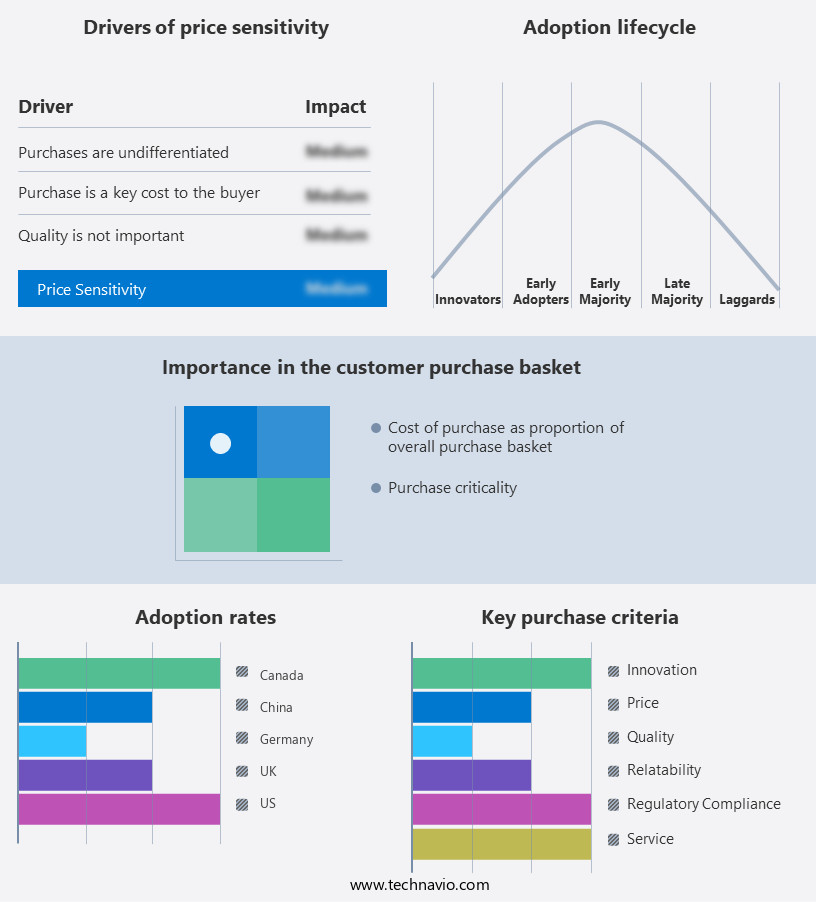
      Glycobiology Market Share by Geography

       Customer Landscape

      Key Companies & Market Insights

      Companies are implementing various strategies, such as strategic alliances, glycobiology market forecast, partnerships, mergers and acquisitions, geographical expansion, and product/service launches, to enhance their presence In the industry.

      Agilent Technologies Inc. - The market encompasses a range of products, including N-glycan workflow solutions featuring specialized glycobiology enzymes. These enzymes facilitate the analysis and modification of complex carbohydrate structures, playing a crucial role in various biochemical processes. By providing these advanced glycobiology tools, the company empowers researchers to delve deeper into the intricacies of glycosylation and uncover new insights into disease mechanisms and potential therapeutic targets.

      The industry research and growth report includes detailed analyses of the competitive landscape of the market and information about key companies, including:

      • Agilent Technologies Inc.
      • Asparia Glycomics
      • Bio Techne Corp.
      • Bruker Corp.
      • CD BioGlyco
      • Chemily Glycoscience
      • Genovis AB
      • ICE S.p.a.
      • Lectenz Bio
      • Ludger Ltd.
      • Merck KGaA
      • New England Biolabs Inc.
      • NZYTech
      • Plexera LLC
      • Shimadzu Corp.
      • Sumitomo Bakelite Co. Ltd.
      • Takara Bio Inc.
      • Thermo Fisher Scientific Inc.
      • Waters Corp.
      • ZBiotech

      Qualitative and quantitative analysis of companies has been conducted to help clients understand the wider business environment as well as the strengths and weaknesses of key industry players. Data is qualitatively analyzed to categorize companies as pure play, category-focused, industry-focused, and diversified; it is quantitatively analyzed to categorize companies as dominant, leading, strong, tentative, and weak.

      Research Analyst Overview

      Glycobiology, a subdiscipline of biology that focuses on the study of carbohydrates, or glycans, and their functions in living organisms, has emerged as a significant area of research and development in various sectors. The importance of glycobiology lies In the role of glycans in numerous biological processes, including cell recognition, signaling, and protein function. Glycan-binding proteins, such as lectins, play a crucial role in recognizing and interacting with specific glycan structures. These interactions are essential in various physiological processes, including immunology and development. Moreover, glycan antigens and anti-glycan antibodies have gained attention In the field of diagnostics, particularly in molecular diagnosis and vaccine development.

      The development of glycosidase inhibitors and glycosides has opened new avenues for therapeutic applications. For instance, glycosidase inhibitors have shown potential In the treatment of chronic diseases, such as diabetes and obesity. Furthermore, glycomes and proteomes have emerged as essential tools In the understanding of complex biological systems. The application of glycobiology in nanomedicine and drug delivery systems has gained significant traction. Glycan nanostructures have shown promise in enhancing the specificity and efficacy of drug delivery systems, making them an attractive option for biotechnology and pharmaceutical firms. The glycomics research efforts and proteomics examination learnings have led to the identification of novel glycan structures and their functions.

      These discoveries have paved the way for the development of new therapeutics, including antiviral therapeutics and biomolecular therapeutics. The global glycomics market is expected to witness significant growth due to the rising analysis spending by administration groups and the increasing focus on research and development In the sector. The proteomics sales have also been on the rise, driven by the growing demand for advanced diagnostic tools and therapeutic applications. The application of glycobiology in various sectors, including oncology, clinical trials, and diagnostics, has led to numerous breakthroughs. For instance, glycans have been identified as potential biomarkers for cancer diagnosis and prognosis.

      Moreover, glycosylation patterns have been shown to play a crucial role In the development and progression of various cancers. The application of glycobiology in drug development has also gained significant attention, with several companies expanding their research and development efforts in this area. For example, Merck has been investing In the development of glycosylated therapeutic proteins for the treatment of various diseases. In conclusion, glycobiology is an essential area of research and development, with significant implications for various sectors, including diagnostics, drug development, and nanomedicine. The application of glycobiology In these areas has led to numerous breakthroughs and is expected to continue driving innovation and growth In the sector.

      The potential of glycobiology In the development of novel therapeutics and diagnostic tools is vast, making it an exciting area of research for scientists and investors alike.

      Market Scope

      Report Coverage

      Details

      Page number

      174

      Base year

      2023

      Historic period

      2018-2022

      Forecast period

      2024-2028

      Growth momentum & CAGR

      Accelerate at a CAGR of 18.52%

      Market growth 2024-2028

      USD 2219.9 million

      Market structure

      Fragmented

      YoY growth 2023-2024(%)

      15.18

      Key countries

      US, Germany, UK, Canada, and China

      Competitive landscape

      Leading Companies, Market Positioning of Companies, Competitive Strategies, and Industry Risks

      Request Free Sample

      What are the Key Data Covered in this Glycobiology Market Research and Growth Report?

      • CAGR of the Glycobiology industry during the forecast period
      • Detailed information on factors that will drive the growth and forecasting between 2024 and 2028
      • Precise estimation of the size of the market and its contribution of the industry in focus to the parent market
      • Accurate predictions about upcoming growth and trends and changes in consumer behaviour
      • Growth of the market across North America, Europe, Asia, and Rest of World (ROW)
      • Thorough analysis of the market’s competitive landscape and detailed information about companies
      • Comprehensive analysis of factors that will challenge the glycobiology market growth of industry companies

      We can help! Our analysts can customize this glycobiology market research report to meet your requirements.

      Get in touch


      Table of Contents not available.

      Research Methodology

      Technavio presents a detailed picture of the market by way of study, synthesis, and summation of data from multiple sources. The analysts have presented the various facets of the market with a particular focus on identifying the key industry influencers. The data thus presented is comprehensive, reliable, and the result of extensive research, both primary and secondary.

      INFORMATION SOURCES

      Primary sources

      • Manufacturers and suppliers
      • Channel partners
      • Industry experts
      • Strategic decision makers

      Secondary sources

      • Industry journals and periodicals
      • Government data
      • Financial reports of key industry players
      • Historical data
      • Press releases

      DATA ANALYSIS

      Data Synthesis

      • Collation of data
      • Estimation of key figures
      • Analysis of derived insights

      Data Validation

      • Triangulation with data models
      • Reference against proprietary databases
      • Corroboration with industry experts

      REPORT WRITING

      Qualitative

      • Market drivers
      • Market challenges
      • Market trends
      • Five forces analysis

      Quantitative

      • Market size and forecast
      • Market segmentation
      • Geographical insights
      • Competitive landscape

      Interested in this report?

      Get your sample now to see our research methodology and insights!

      Download Now

      Frequently Asked Questions

      Glycobiology market growth will increase by $ 2219.9 mn during 2024-2028.

      The Glycobiology market is expected to grow at a CAGR of 18.52% during 2024-2028.

      Glycobiology market is segmented by Application( Drug discovery and development, Disease diagnostics, Others) Product( Enzymes, Instruments, Reagents, Kits)

      Agilent Technologies Inc., Asparia Glycomics, Bio Techne Corp., Bruker Corp., CD BioGlyco, Chemily Glycoscience, Genovis AB, ICE S.p.a., Lectenz Bio, Ludger Ltd., Merck KGaA, New England Biolabs Inc., NZYTech, Plexera LLC, Shimadzu Corp., Sumitomo Bakelite Co. Ltd., Takara Bio Inc., Thermo Fisher Scientific Inc., Waters Corp., ZBiotech are a few of the key vendors in the Glycobiology market.

      North America will register the highest growth rate of 41% among the other regions. Therefore, the Glycobiology market in North America is expected to garner significant business opportunities for the vendors during the forecast period.

      US, Germany, UK, Canada, China

      • Growing prevalence of cancerCancer is a chronic condition characterized by abnormal and uncontrolled growth of the cells. The major etiological factors leading to cancer include genetic mutations is the driving factor this market.
      • environmental factors such as tobacco smoking and pollution is the driving factor this market.
      • and changing dietary patterns. The rising prevalence of these factors has directly contributed to the increased global incidence of cancer. As a result is the driving factor this market.
      • cancer has become the second leading cause of death worldwide. Increased application of glycobiology in cancer research due to the vital role of surface glycans in the metastatic and neoplastic properties of tumor cells is expected to contribute to market growth during the forecast period. Increasing the use of glycans in pharmaceutical R and D and the production of therapeutic monoclonal antibodies is a key factor expected to drive market growth during the forecast period.Cancers such as melanoma is the driving factor this market.
      • prostate cancer is the driving factor this market.
      • kidney cancer is the driving factor this market.
      • liver cancer is the driving factor this market.
      • lung cancer is the driving factor this market.
      • breast cancer is the driving factor this market.
      • uterine cancer is the driving factor this market.
      • thyroid cancer is the driving factor this market.
      • and bladder cancer mainly contribute to the increased number of new cancer cases in the US. Factors such as smoking is the driving factor this market.
      • obesity is the driving factor this market.
      • and a rise in infections increase the incidence of cancers in the US. Cancer can occur in any individual is the driving factor this market.
      • irrespective of age or gender. The rapidly rising incidence of cancer worldwide is expected to drive the growth of the global glycobiology market during the forecast period. is the driving factor this market.

      The Glycobiology market vendors should focus on grabbing business opportunities from the Drug discovery and development segment as it accounted for the largest market share in the base year.