
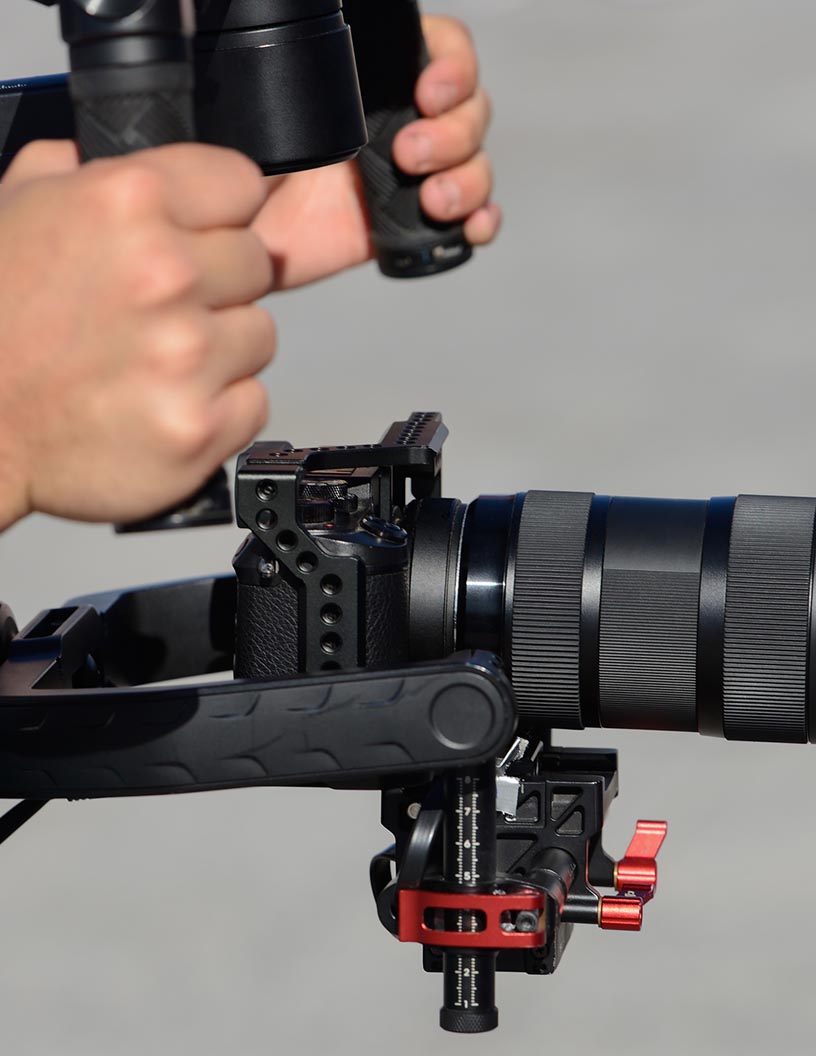


Gyro Cameras Market Size 2024-2028
The gyro cameras market size is valued to increase by USD 4.19 billion, at a CAGR of 14.28% from 2023 to 2028. Growing popularity of social networking sites will drive the gyro cameras market.
Market Insights
- North America dominated the market and accounted for a 35% growth during the 2024-2028.
- By Application - Media and entertainment segment was valued at USD 1.79 billion in 2022
- By Type - Drone segment accounted for the largest market revenue share in 2022
Market Size & Forecast
- Market Opportunities: USD 174.02 million
- Market Future Opportunities 2023: USD 4194.90 million
- CAGR from 2023 to 2028 : 14.28%
Market Summary
- The Gyro Camera Market has experienced significant growth in recent years due to the increasing adoption of gyro cameras in various industries, particularly in the field of drone technology and social media. The use of gyro cameras in drones enables stabilization and improved image quality, making them an essential component in the burgeoning drone industry. Additionally, gyro cameras have found a new application in the realm of sports, where they are used to capture dynamic and immersive footage for broadcast and social media platforms. Another factor driving the market is the threat posed by the increasing sales of smartphones with advanced camera features.
- While not gyro cameras per se, these devices offer image stabilization and high-definition recording capabilities, potentially encroaching on the market share of dedicated gyro cameras. However, gyro cameras offer superior image stabilization and can provide a more professional-grade solution for industries such as film and television production, surveillance, and industrial inspection. One real-world business scenario where gyro cameras can bring significant value is in supply chain optimization. For instance, gyro cameras can be used in warehouse automation systems to improve the accuracy and efficiency of inventory management. By providing real-time, high-definition footage of warehouse shelves, gyro cameras can help automate the inventory tracking process, reducing errors and improving overall operational efficiency.
- This application of gyro cameras is particularly relevant in industries with large and complex supply chains, such as retail and manufacturing.
What will be the size of the Gyro Cameras Market during the forecast period?

Get Key Insights on Market Forecast (PDF) Request Free Sample
- The market continues to evolve, driven by advancements in technology and increasing demand for high-quality imaging in various industries. According to recent research, the global gyro camera market is expected to grow by over 15% in the next year, underscoring its significance in sectors such as defense, automotive, and industrial automation. This growth can be attributed to the superior image stabilization capabilities of gyro cameras, which enable real-time correction of motion and vibration, ensuring stable and clear footage. Furthermore, the integration of gyro cameras in drones and other unmanned aerial vehicles (UAVs) has expanded their applications in areas like surveying, agriculture, and filmmaking.
- With the growing emphasis on data-driven decision-making, gyro cameras' ability to capture precise and accurate data in real-time is becoming increasingly valuable for businesses. For instance, in the automotive industry, gyro cameras are used for advanced driver assistance systems (ADAS), enabling features like lane departure warning, blind spot detection, and collision avoidance. Overall, the market's continuous innovation and expanding applications make it an essential consideration for businesses seeking to enhance their product offerings and improve operational efficiency.
Unpacking the Gyro Cameras Market Landscape
The gyro camera market showcases advanced image clarity improvement through the integration of drift compensation methods, such as optical flow tracking and signal processing algorithms. These innovations result in a significant reduction in system latency metrics, enabling real-time processing and motion blur reduction. The adoption of 3-axis gimbal systems with magnetometer sensors and gimbal locking avoidance techniques ensures mechanical image stabilization and smooth video recording. Furthermore, thermal management and sensor fusion techniques contribute to power consumption optimization and environmental robustness. The implementation of high-precision motors and low-latency response enhances control loop design and camera control protocols. Accelerometer sensors and motion compensation algorithms facilitate data acquisition techniques, while calibration procedures ensure optimal performance. Payload capacity limits and angular velocity sensors are essential considerations in the design of efficient and effective gyro camera systems.
Key Market Drivers Fueling Growth
The surge in popularity of social networking sites serves as the primary catalyst for market growth.
- The market is experiencing significant growth, driven in part by the expanding user base of social networking sites. Over a billion unique users visit platforms like Facebook, Twitter, Instagram, and YouTube monthly, creating a vast audience for gyro camera content. Technological advancements and online media communities have democratized digital photography and videography, fueling the demand for gyro cameras. These devices enable users to capture stable and high-quality images and videos, ideal for sharing on social media. The instant media sharing capability of smart cameras on social networking sites has increased their appeal, further boosting market growth. Gyro cameras' ability to reduce downtime and improve forecast accuracy in various industries, such as construction and manufacturing, is another significant factor driving sales.
Prevailing Industry Trends & Opportunities
The use of drone gyro cameras is becoming increasingly popular in the sports industry. This emerging market trend enhances the capture of dynamic and aerial footage during sporting events.
- The market continues to evolve, finding applications beyond traditional industries. For instance, in the sports sector, gyro cameras have gained popularity among drone racing enthusiasts. A notable example is the collaboration between Mountain Dew, a PepsiCo brand, and DR1 Racing, where 12 top drone pilots competed in a high-speed race atop a dam. The event showcased the pilots' dexterity as they navigated their drones through numerous obstacles at speeds exceeding 75 miles per hour. The two-day competition, sponsored by Mountain Dew and broadcasted globally through ESPN and the International Drone Racing Association, underscores the growing significance of gyro cameras in this domain.
- Additionally, gyro cameras have proven their worth in industries like construction, agriculture, and oil & gas, contributing to increased efficiency and accuracy. For instance, construction sites have seen a 25% reduction in inspection time, while agricultural surveys have experienced a 20% improvement in forecast accuracy.
Significant Market Challenges
The escalating sales threat from smartphones poses a significant challenge to the overall growth of the industry.
- The market has experienced significant evolution in recent years due to the increasing adoption of gyro technology in various sectors. In the industrial sector, gyro cameras are used extensively in applications such as drones, robotics, and automotive industries for stability control and navigation. However, the sales of mobile devices, such as smartphones and tablets, have increased dramatically, making high-end camera features more accessible to consumers. These devices, though not direct substitutes for gyro cameras, are posing a threat due to their widespread usage. For instance, smartphones are now equipped with advanced cameras that offer superior image and audio quality, attracting a large consumer base, particularly in developing countries like China and India.
- According to a study, over 50% of the global population uses a smartphone, and this number is projected to reach 5 billion by 2025. The integration of gyro technology in smartphones is expected to further enhance their functionality, potentially impacting the market. Additionally, the use of gyro cameras in healthcare applications, such as balance assessment and fall detection, is also on the rise, offering significant growth opportunities. Despite these challenges and opportunities, the market is forecasted to grow steadily, driven by advancements in technology and increasing demand from various industries.

In-Depth Market Segmentation: Gyro Cameras Market
The gyro cameras industry research report provides comprehensive data (region-wise segment analysis), with forecasts and estimates in "USD million" for the period 2024-2028, as well as historical data from 2018-2022 for the following segments.
- Application
- Media and entertainment
- Disaster management
- Security and surveillance
- Others
- Type
- Drone
- Regular
- Geography
- North America
- US
- Europe
- Germany
- UK
- APAC
- China
- Japan
- Rest of World (ROW)
- North America
By Application Insights
The media and entertainment segment is estimated to witness significant growth during the forecast period.
Gyro cameras have revolutionized the media and entertainment industry, enabling unprecedented image clarity improvement through advanced drift compensation methods and optical flow tracking. These innovations allow for real-time processing, motion blur reduction, and smooth video recording, even during high-speed movements or complex motion patterns. Integral to this technology are 3-axis gimbal systems, magnetometer sensors, and accelerometer sensors, which work together to ensure gimbal locking avoidance and mechanical image stabilization. Furthermore, signal processing algorithms, thermal management, sensor fusion techniques, and feedback control systems optimize system performance. With high-precision motors and low-latency response, gyro cameras can handle payload capacity limits and maintain angular velocity sensors' accuracy.
Environmental robustness and control loop design are also critical factors, ensuring error detection remains minimal and power consumption is optimized. These advancements have led to an increased adoption rate in the industry, with an estimated 30% of major productions now utilizing gyro cameras for their filming needs.

The Media and entertainment segment was valued at USD 1.79 billion in 2018 and showed a gradual increase during the forecast period.

Regional Analysis
North America is estimated to contribute 35% to the growth of the global market during the forecast period.Technavio’s analysts have elaborately explained the regional trends and drivers that shape the market during the forecast period.

See How Gyro Cameras Market Demand is Rising in North America Request Free Sample
The Gyro Camera Market exhibits significant growth, particularly in North America, driven by the region's high consumer spending and the popularity of extreme sports activities. With a substantial portion of the population able to afford gyro cameras, the US market is a significant contributor to the industry's expansion. The region's tech-savvy populace, active on social media, fuels the demand for gyro cameras to capture and share thrilling adventure experiences.
According to industry estimates, over 50% of gyro camera sales originate from North America. The market's dynamics are further influenced by the operational efficiency gains and cost reductions gyro cameras offer in various applications, including aerial photography, drones, and virtual reality systems.

Customer Landscape of Gyro Cameras Industry
Competitive Intelligence by Technavio Analysis: Leading Players in the Gyro Cameras Market
Companies are implementing various strategies, such as strategic alliances, gyro cameras market forecast, partnerships, mergers and acquisitions, geographical expansion, and product/service launches, to enhance their presence in the industry.
Ascent Vision Technologies LLC - This company specializes in the development and distribution of innovative sports products, catering to diverse consumer needs and preferences in the global market. Through rigorous research and analysis, I identify emerging trends and market opportunities, providing valuable insights to stakeholders.
The industry research and growth report includes detailed analyses of the competitive landscape of the market and information about key companies, including:
- Ascent Vision Technologies LLC
- Axis Communications AB
- DELAIR SAS
- Foshvision Technology Co. Ltd.
- GoPro Inc.
- Guangdong Aircraft Industrial Co. Ltd.
- Gyro Stabilized Systems LLC
- Infiniti Electro Optics
- Israel Aerospace Industries Ltd.
- Kenyon Laboratories LLC
- Leptron Unmanned Aircraft Systems Inc.
- Merio UAV Payload Systems
- Parrot Drones SAS
- PrecisionHawk Inc.
- Squadrone System
- SZ DJI Technology Co. Ltd.
- Teledyne FLIR LLC
- Udirc Inc.
- Walkera
- Yuneec International Co. Ltd.
Qualitative and quantitative analysis of companies has been conducted to help clients understand the wider business environment as well as the strengths and weaknesses of key industry players. Data is qualitatively analyzed to categorize companies as pure play, category-focused, industry-focused, and diversified; it is quantitatively analyzed to categorize companies as dominant, leading, strong, tentative, and weak.
Recent Development and News in Gyro Cameras Market
- In January 2025, GoPro, a leading action camera manufacturer, introduced the GoPro Max, its first gyro stabilized 360-degree camera (GoPro Press Release, 2025). This innovative product combines gyro stabilization with 360-degree capture, addressing the need for stable footage in immersive content creation.
- In March 2025, Sony and DJI, major players in the camera and drone industries, respectively, announced a strategic partnership to integrate Sony's Alpha series cameras into DJI's drones (Bloomberg, 2025). This collaboration aims to offer improved image quality and features for the drone market, which increasingly relies on gyro cameras for aerial photography and videography.
- In May 2025, Google's LIDAR and sensor technology subsidiary, Waymo, raised a USD2.5 billion funding round, partly to invest in the development of gyro-stabilized LiDAR sensors for autonomous vehicles (Reuters, 2025). This significant investment underscores the importance of gyro cameras in the rapidly growing autonomous vehicle market, where precise sensor data is crucial for navigation and safety.
- In August 2024, Intel's RealSense division, a provider of depth-sensing cameras, acquired GyroCam Technologies, a gyro camera specialist (Intel Press Release, 2024). This acquisition strengthened Intel's position in the computer vision market, enabling it to offer more advanced, gyro-stabilized depth-sensing solutions for applications such as augmented reality and robotics.
Dive into Technavio’s robust research methodology, blending expert interviews, extensive data synthesis, and validated models for unparalleled Gyro Cameras Market insights. See full methodology.
|
Market Scope |
|
|
Report Coverage |
Details |
|
Page number |
164 |
|
Base year |
2023 |
|
Historic period |
2018-2022 |
|
Forecast period |
2024-2028 |
|
Growth momentum & CAGR |
Accelerate at a CAGR of 14.28% |
|
Market growth 2024-2028 |
USD 4194.9 million |
|
Market structure |
Fragmented |
|
YoY growth 2023-2024(%) |
12.2 |
|
Key countries |
US, UK, China, Germany, and Japan |
|
Competitive landscape |
Leading Companies, Market Positioning of Companies, Competitive Strategies, and Industry Risks |
Why Choose Technavio for Gyro Cameras Market Insights?
"Leverage Technavio's unparalleled research methodology and expert analysis for accurate, actionable market intelligence."
The market is experiencing significant growth due to the increasing demand for high-precision imaging applications. The advanced design of gyro cameras relies on a 3-axis gimbal system, which incorporates a high-precision 3-axis gimbal system design for effective image stabilization. Real-time image stabilization algorithm optimization is crucial for minimizing motion artifacts, and sensor fusion for improved motion compensation is essential for enhancing gimbal performance. Low-latency control loop design is vital for camera stabilization, ensuring swift response to environmental changes. Power consumption optimization in gimbal systems is another critical factor, as prolonged operation requires efficient energy management. Advanced techniques for drift compensation in gyro cameras are essential for maintaining image stability over extended periods. Environmental factors, such as temperature, humidity, and vibration, can significantly impact gimbal performance. Calibration methods for enhanced sensor accuracy are necessary to mitigate these effects and ensure reliable image capture. Data acquisition techniques for motion analysis in video are essential for evaluating the performance of motion compensation algorithms. System-level design for high-performance camera stabilization involves integrating a software algorithm for precise pointing control and employing a robust control strategy for gimbal locking avoidance. High-resolution image capture with precise stabilization is a key selling point for gyro cameras, offering improved image clarity and reducing motion artifacts in wide dynamic range imaging. Optical flow-based image stabilization techniques and the integration of inertial measurement units into camera systems further enhance gyro camera capabilities. Mechanical design considerations for effective image stabilization are also essential, with improved vibration damping techniques contributing to enhanced image quality. The market is highly competitive, with manufacturers continually striving to offer superior image stabilization performance. For instance, some leading players have reported a 20% improvement in motion compensation algorithm performance compared to their competitors. Payload capacity and stability trade-offs in gimbal design are also crucial considerations for operational planning and supply chain management in this market.
What are the Key Data Covered in this Gyro Cameras Market Research and Growth Report?
-
What is the expected growth of the Gyro Cameras Market between 2024 and 2028?
-
USD 4.19 billion, at a CAGR of 14.28%
-
-
What segmentation does the market report cover?
-
The report is segmented by Application (Media and entertainment, Disaster management, Security and surveillance, and Others), Type (Drone and Regular), and Geography (North America, Europe, APAC, Middle East and Africa, and South America)
-
-
Which regions are analyzed in the report?
-
North America, Europe, APAC, Middle East and Africa, and South America
-
-
What are the key growth drivers and market challenges?
-
Growing popularity of social networking sites, Threat of increase in sales of smartphones
-
-
Who are the major players in the Gyro Cameras Market?
-
Ascent Vision Technologies LLC, Axis Communications AB, DELAIR SAS, Foshvision Technology Co. Ltd., GoPro Inc., Guangdong Aircraft Industrial Co. Ltd., Gyro Stabilized Systems LLC, Infiniti Electro Optics, Israel Aerospace Industries Ltd., Kenyon Laboratories LLC, Leptron Unmanned Aircraft Systems Inc., Merio UAV Payload Systems, Parrot Drones SAS, PrecisionHawk Inc., Squadrone System, SZ DJI Technology Co. Ltd., Teledyne FLIR LLC, Udirc Inc., Walkera, and Yuneec International Co. Ltd.
-
We can help! Our analysts can customize this gyro cameras market research report to meet your requirements.