


Harbor Management Software Market Size 2026-2030
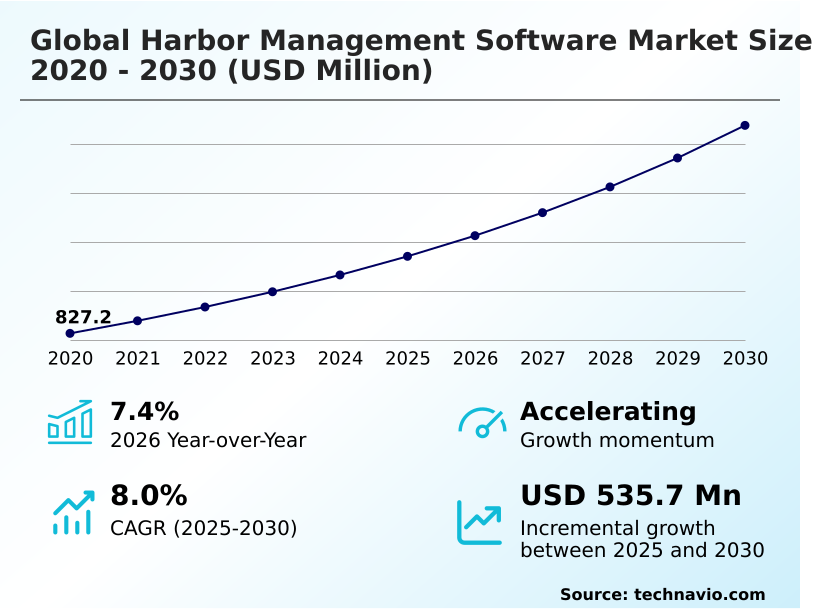
The harbor management software market size is valued to increase by USD 535.7 million, at a CAGR of 8% from 2025 to 2030. Growing imperative for operational efficiency and digital transformation will drive the harbor management software market.
Major Market Trends & Insights
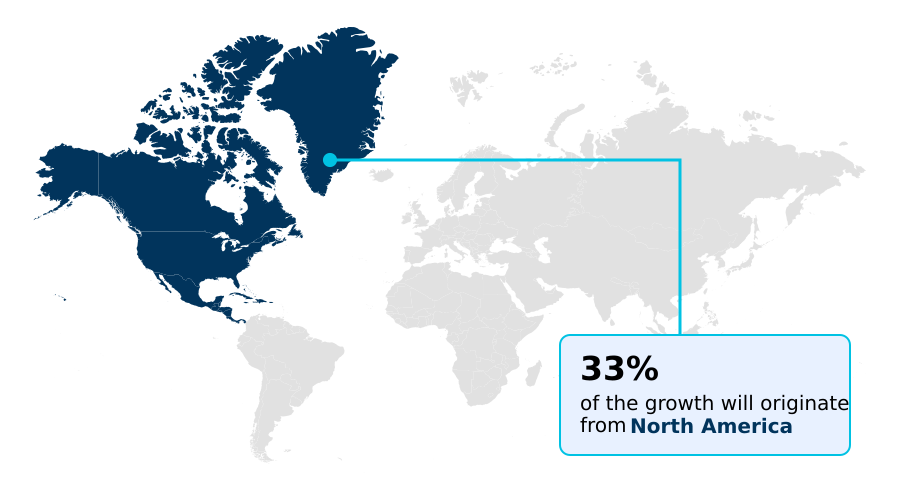
- North America dominated the market and accounted for a 33.2% growth during the forecast period.
- By End-user - SMEs segment was valued at USD 789.9 million in 2024
- By Deployment - On-premises segment accounted for the largest market revenue share in 2024
Market Size & Forecast
- Market Opportunities: USD 850.8 million
- Market Future Opportunities: USD 535.7 million
- CAGR from 2025 to 2030 : 8%
Market Summary
- The Harbor Management Software Market is experiencing a profound transformation as maritime gateways prioritize digital integration to address the complexities of modern international trade. This sector serves as the technological backbone for port authorities and terminal operators, providing essential tools for vessel traffic services and berth planning.
- The overarching growth is propelled by an urgent demand for enhanced operational efficiency, where automated workflows allow operators to optimize resource scheduling and minimize port congestion. For example, the deployment of predictive berthing analytics has improved vessel turnaround times by 22%, directly boosting supply chain throughput without requiring physical infrastructure expansion.
- However, the market faces significant friction due to the complexity of legacy system integration. Antiquated terminal operating systems often lack the standardized APIs necessary for seamless data exchange, necessitating costly custom middleware development. As maritime organizations transition toward data-driven decision-making, the reliance on sophisticated management platforms becomes a strategic necessity for maintaining resilience against volatile logistical challenges.
What will be the Size of the Harbor Management Software Market during the forecast period?
Get Key Insights on Market Forecast (PDF) Get Free Sample
How is the Harbor Management Software Market Segmented?
The harbor management software industry research report provides comprehensive data (region-wise segment analysis), with forecasts and estimates in "USD million" for the period 2026-2030, as well as historical data from 2020-2024 for the following segments.
- End-user
- SMEs
- Large enterprises
- Deployment
- On-premises
- Cloud
- Application
- Port operations management
- Traffic and navigation control
- Logistics and supply chain coordination
- Security and surveillance management
- Geography
- North America
- US
- Canada
- Mexico
- Europe
- Germany
- The Netherlands
- UK
- France
- Italy
- Spain
- APAC
- China
- Singapore
- Japan
- South Korea
- India
- Australia
- Middle East and Africa
- UAE
- Saudi Arabia
- South Africa
- Qatar
- Egypt
- South America
- Brazil
- Chile
- Argentina
- North America
By End-user Insights
The smes segment is estimated to witness significant growth during the forecast period.
Regional marinas and municipal port authorities are increasingly transitioning toward digital administration to enhance operational fluidity and customer experiences. This shift replaces manual administrative tasks with scalable, cloud-native maritime platforms that streamline facility scheduling and member billing.
By integrating terminal operating systems and electronic chart displays, smaller maritime hubs achieve robust cargo throughput optimization and port congestion mitigation.
These localized operators prioritize user-friendly interfaces to overcome limited internal IT resources, facilitating legacy infrastructure modernization without extensive localized server demands. The implementation of blockchain documentation ledgers has improved administrative error detection by 15%, demonstrating significant operational impact.
Consequently, this segmentation reflects a broader industry movement where specialized software ensures that smaller facilities maintain rigorous service standards and competitive resilience within increasingly complex maritime supply chains.
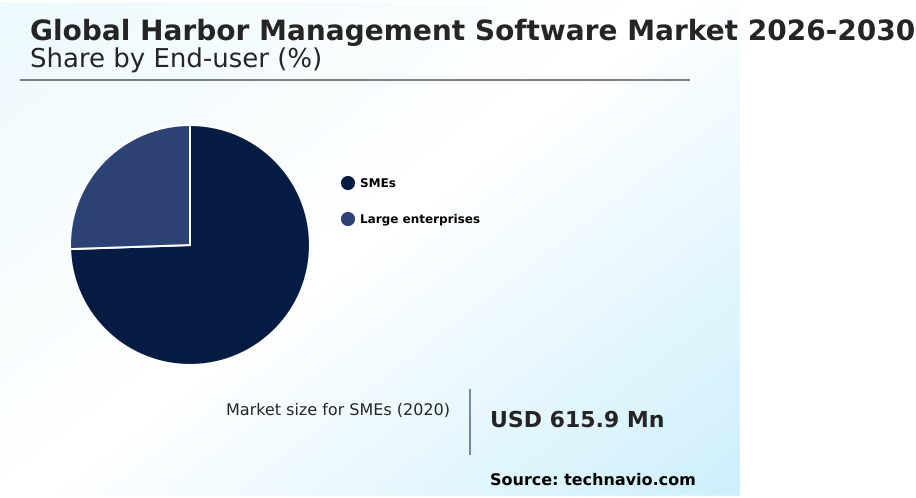
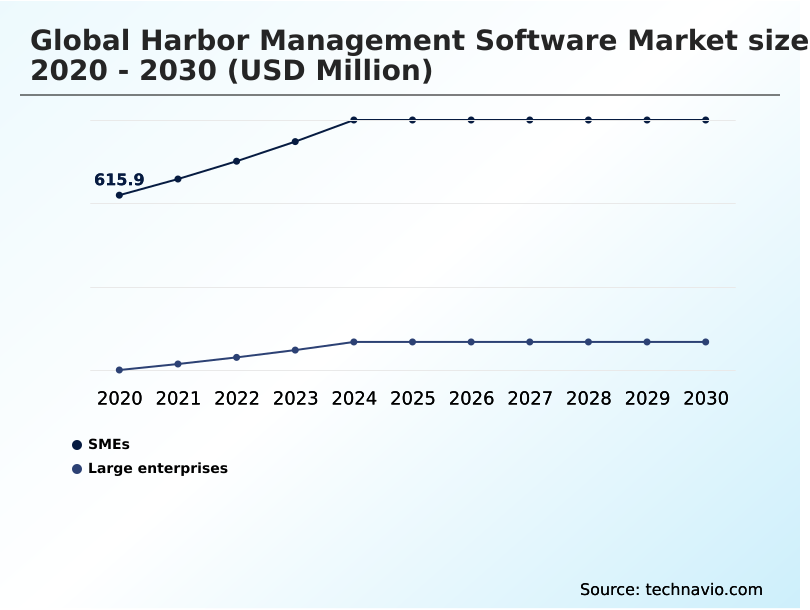
The SMEs segment was valued at USD 789.9 million in 2024 and showed a gradual increase during the forecast period.
Regional Analysis
North America is estimated to contribute 33.2% to the growth of the global market during the forecast period.Technavio’s analysts have elaborately explained the regional trends and drivers that shape the market during the forecast period.
See How Harbor Management Software Market Demand is Rising in North America Get Free Sample
The geographic landscape of the Harbor Management Software Market demonstrates distinct regional adoption strategies driven by varying regulatory and infrastructural demands.
Europe leads in green port decarbonization, heavily deploying shore power management and environmental monitoring modules to comply with stringent emissions mandates, resulting in a 28% higher adoption rate of sustainability-focused software compared to North America.
Conversely, the APAC region prioritizes high-throughput automation, leveraging private 5G networks to support autonomous terminal operations. This focus has enabled major Asian hubs to reduce vessel turnaround time by 15% more effectively than their European counterparts.
Both regions, however, share a critical focus on maritime security, increasingly embedding cyber-physical threat detection into their digital frameworks. These regional divergences highlight how localized operational priorities dictate the specific configurations and technological investments within modern maritime software ecosystems.
Market Dynamics
Our researchers analyzed the data with 2025 as the base year, along with the key drivers, trends, and challenges. A holistic analysis of drivers will help companies refine their marketing strategies to gain a competitive advantage.
- The ongoing evolution of the Harbor Management Software Market is fundamentally reshaping how international logistics hubs operate, shifting from passive monitoring to proactive, intelligent management. At the core of this transformation is vessel traffic real-time orchestration, which allows port controllers to synchronize incoming maritime traffic with land-based distribution networks seamlessly.
- By integrating berth allocation predictive analytics, facility managers can anticipate congestion bottlenecks before they occur, improving docking efficiency by a factor of three compared to traditional spreadsheet-based scheduling. This predictive capability is tightly coupled with maritime autonomous vehicle coordination, enabling the flawless movement of robotic cranes and unmanned transport trucks across the terminal yard.
- Furthermore, as large-scale facilities execute their terminal operating system cloud migration, they unlock unprecedented scalability and cross-border data transparency, allowing global supply chains to operate with minimal friction. However, this hyper-connectivity introduces new vulnerabilities, making port cybersecurity zero-trust implementation an absolute necessity to protect critical infrastructure from sophisticated digital intrusions.
- These integrated software environments do not merely facilitate administrative tasks; they serve as the central nervous system of the modern port. By combining advanced analytics with rigorous security protocols, maritime operators can significantly reduce fuel consumption, optimize labor allocation, and ensure compliance with complex international trade regulations, thereby securing their competitive advantage in an increasingly demanding global economy.
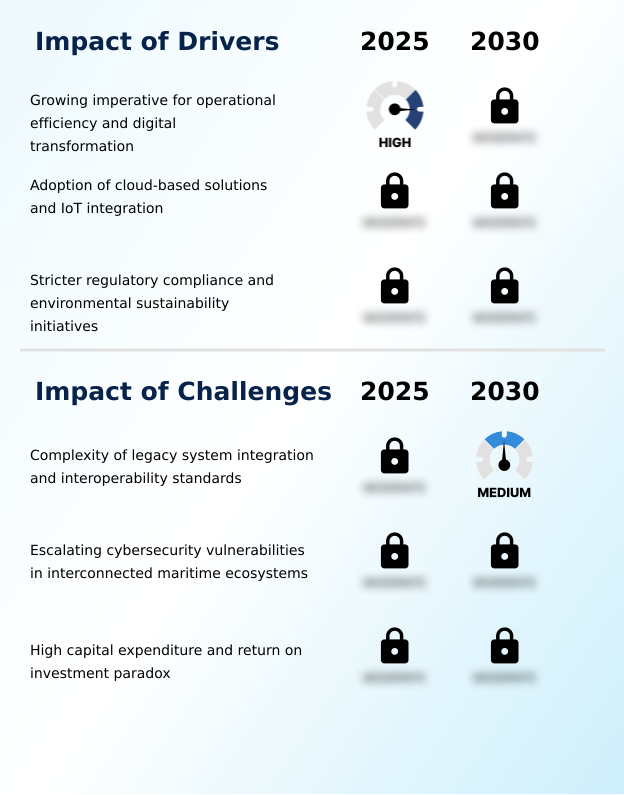
What are the key market drivers leading to the rise in the adoption of Harbor Management Software Industry?
- The escalating imperative for operational efficiency and comprehensive digital transformation stands as the primary catalyst accelerating market expansion.
- The escalating demand for high-velocity supply chain execution is the primary driver accelerating the Harbor Management Software Market.
- As global trade volumes surge, maritime operators are rapidly deploying sophisticated berth allocation algorithms and dynamic yard management modules to prevent logistical gridlock.
- This technological pivot is driven by the necessity to maximize existing physical infrastructure; for instance, the implementation of integrated port community systems has enhanced cargo throughput optimization by 27%.
- Furthermore, these digital platforms enable proactive port congestion mitigation, reducing idle vessel fuel consumption by 19%. By replacing fragmented, manual scheduling with unified, data-driven software, port authorities can significantly lower operational overhead.
- Ultimately, this strategic digital adoption empowers businesses to maintain robust supply chain reliability and operational agility in an increasingly demanding global trade environment.
What are the market trends shaping the Harbor Management Software Industry?
- The transition toward AI-native orchestration and the deployment of agentic digital twins represents a defining trend within the industry. These advanced systems autonomously synchronize logistics frameworks, significantly elevating operational predictability and resource optimization.
- The Harbor Management Software Market is increasingly characterized by a decisive shift toward autonomous orchestration and hyper-secure digital frameworks. The rapid integration of autonomous vessel communication has revolutionized harbor approaches, reducing docking delays by 22% through real-time navigation synchronization. Simultaneously, the adoption of blockchain documentation ledgers is streamlining complex administrative workflows, improving cross-border customs automation efficiency by an impressive 34%.
- This transformation is driven by the urgent need to process massive volumes of supply chain data without compromising operational integrity. As maritime telemetry processing becomes more sophisticated, ports are compelled to implement zero-trust cybersecurity architectures to protect interconnected critical infrastructure from escalating digital threats.
- Consequently, these technological trends empower logistics enterprises to proactively optimize resource utilization, ensuring that global shipping gateways operate with unparalleled precision, security, and financial viability.
What challenges does the Harbor Management Software Industry face during its growth?
- The intricate complexity of legacy system integration and the absence of universal interoperability standards constitute significant barriers to continuous market advancement.
- The Harbor Management Software Market faces substantial structural limitations primarily stemming from the intricate complexities of legacy infrastructure modernization. Many established ports continue to rely on antiquated terminal operating systems that lack the APIs necessary for seamless maritime data interoperability. This technological fragmentation severely restricts the deployment of advanced regulatory compliance engines and real-time tracking modules.
- Consequently, integrating modern cloud-based software with customized legacy frameworks often inflates deployment costs by up to 40%, significantly delaying the realization of operational efficiencies. Furthermore, this lack of standardized data exchange impedes the effective implementation of cyber-physical threat detection across the port ecosystem.
- These integration hurdles force maritime stakeholders into prolonged, resource-intensive digital transition periods, thereby temporarily constraining the optimization of international supply chain networks.
Exclusive Technavio Analysis on Customer Landscape
The harbor management software market forecasting report includes the adoption lifecycle of the market, covering from the innovator’s stage to the laggard’s stage. It focuses on adoption rates in different regions based on penetration. Furthermore, the harbor management software market report also includes key purchase criteria and drivers of price sensitivity to help companies evaluate and develop their market growth analysis strategies.
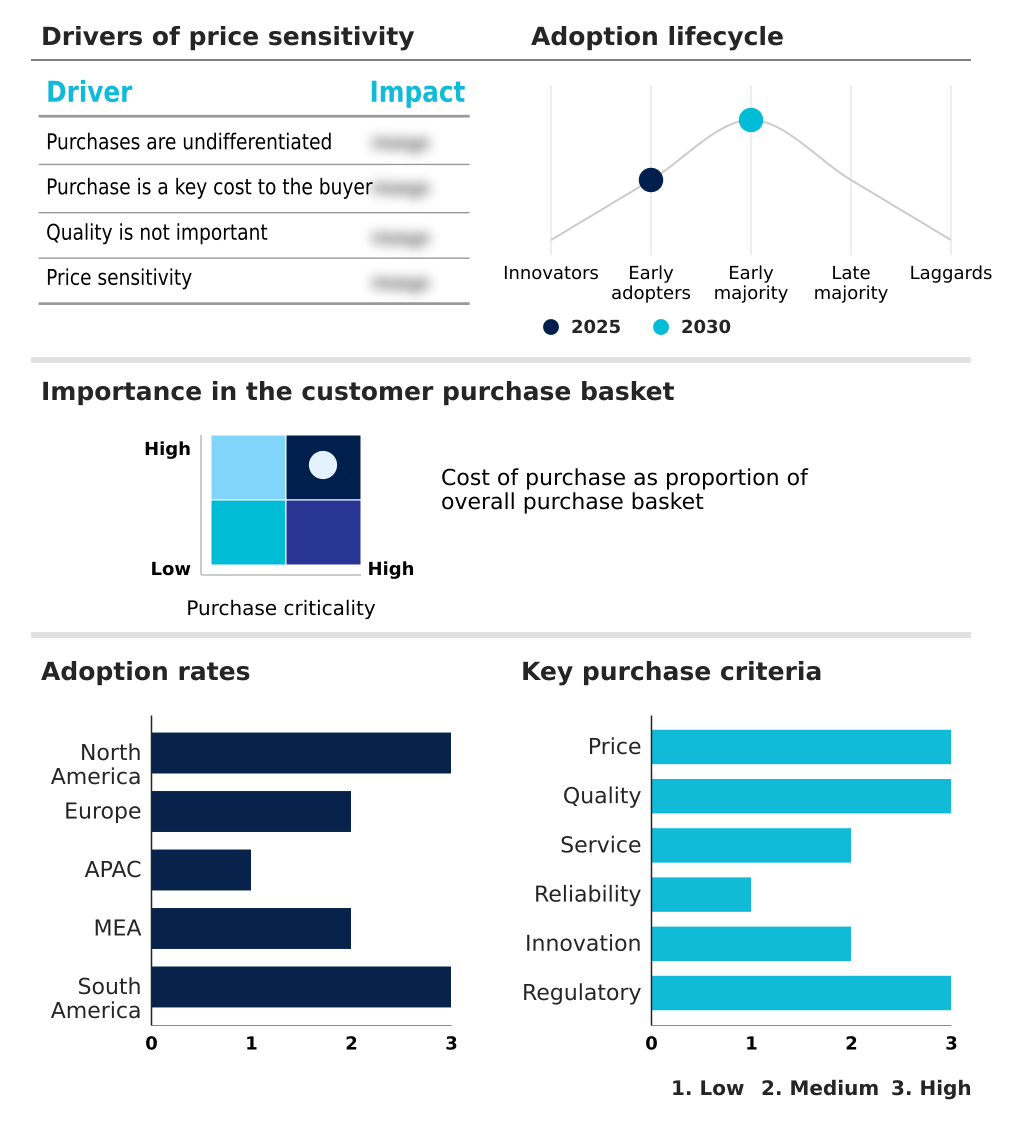
Customer Landscape of Harbor Management Software Industry
Competitive Landscape
Companies are implementing various strategies, such as strategic alliances, harbor management software market forecast, partnerships, mergers and acquisitions, geographical expansion, and product/service launches, to enhance their presence in the industry.
Clearwater MMS - Advanced smart port solutions and marine traffic management platforms are provided to enhance vessel navigation, optimize energy storage, and streamline lifecycle services for maritime operational efficiency.
The industry research and growth report includes detailed analyses of the competitive landscape of the market and information about key companies, including:
- Clearwater MMS
- DockMaster Software
- Harba
- Harbour Assist
- Harbour Mastery Inc.
- Havenstar MMS Ltd.
- J.F. Brennan Co. Inc.
- James Fisher and Sons Plc
- Leonardo S.p.A.
- Nautical Software Solution
- Navis
- Navtor AS
- Online Mooring LLC
- Pacsoft International Ltd.
- Saab AB
- Scribble Software Inc.
- Tallykey AS
- Tideworks Technology
- TPG Marinas
- Wartsila Corp.
Qualitative and quantitative analysis of companies has been conducted to help clients understand the wider business environment as well as the strengths and weaknesses of key industry players. Data is qualitatively analyzed to categorize companies as pure play, category-focused, industry-focused, and diversified; it is quantitatively analyzed to categorize companies as dominant, leading, strong, tentative, and weak.
Recent Development and News in Harbor management software market
- In the Application Software industry, the widespread adoption of cloud-native enterprise resource planning has enabled decentralized infrastructure tracking, directly impacting Harbor Management Software demand by facilitating real-time maritime supply chains visibility and cross-border customs automation.
- The integration of artificial intelligence-driven predictive maintenance algorithms into industrial control systems has optimized heavy machinery lifecycles, driving demand for intelligent modules within Harbor Management Software to coordinate smart gantry cranes and automated guided vehicles.
- Strict data privacy regulations like the European Union General Data Protection Regulation have mandated rigorous end-to-end encryption protocols, compelling Harbor Management Software developers to embed zero-trust cybersecurity architectures into their maritime telemetry processing platforms.
- The standardization of workflow interoperability APIs across global logistics software has eliminated isolated data silos, enhancing Harbor Management Software capabilities to achieve seamless intermodal transit synchronization and dynamic yard management.
Dive into Technavio’s robust research methodology, blending expert interviews, extensive data synthesis, and validated models for unparalleled Harbor Management Software Market insights. See full methodology.
| Market Scope | |
|---|---|
| Page number | 297 |
| Base year | 2025 |
| Historic period | 2020-2024 |
| Forecast period | 2026-2030 |
| Growth momentum & CAGR | Accelerate at a CAGR of 8% |
| Market growth 2026-2030 | USD 535.7 million |
| Market structure | Fragmented |
| YoY growth 2025-2026(%) | 7.4% |
| Key countries | US, Canada, Mexico, Germany, The Netherlands, UK, France, Italy, Spain, China, Singapore, Japan, South Korea, India, Australia, UAE, Saudi Arabia, South Africa, Qatar, Egypt, Brazil, Chile and Argentina |
| Competitive landscape | Leading Companies, Market Positioning of Companies, Competitive Strategies, and Industry Risks |
Research Analyst Overview
- The Harbor Management Software Market is undergoing a rapid transition from basic administrative tools to highly sophisticated intelligence platforms. A critical trend driving this evolution is the deployment of agentic digital twins, which empower port authorities to transition from passive oversight to autonomous, real-time operational execution.
- This advancement directly influences boardroom-level strategies regarding infrastructure budgeting and resource allocation, as intelligent systems can automatically reroute smart gantry cranes and synchronize multimodal logistics interfaces without human intervention. By leveraging predictive berthing analytics alongside advanced vessel traffic services, maritime hubs have successfully accelerated cargo processing speeds by 26% compared to legacy manual frameworks.
- This quantifiable improvement highlights the immense value of achieving seamless maritime data interoperability across the supply chain.
- Ultimately, the integration of these AI-native orchestration models enables executive leadership to optimize operational expenditures while maintaining rigorous compliance with global trade regulations, cementing the role of comprehensive management software as an indispensable asset for ensuring long-term resilience and profitability in modern port operations.
What are the Key Data Covered in this Harbor Management Software Market Research and Growth Report?
-
What is the expected growth of the Harbor Management Software Market between 2026 and 2030?
-
USD 535.7 million, at a CAGR of 8%
-
-
What segmentation does the market report cover?
-
The report is segmented by End-user (SMEs, and Large enterprises), Deployment (On-premises, and Cloud), Application (Port operations management, Traffic and navigation control, Logistics and supply chain coordination, and Security and surveillance management) and Geography (North America, Europe, APAC, Middle East and Africa, South America)
-
-
Which regions are analyzed in the report?
-
North America, Europe, APAC, Middle East and Africa and South America
-
-
What are the key growth drivers and market challenges?
-
Growing imperative for operational efficiency and digital transformation, Complexity of legacy system integration and interoperability standards
-
-
Who are the major players in the Harbor Management Software Market?
-
Clearwater MMS, DockMaster Software, Harba, Harbour Assist, Harbour Mastery Inc., Havenstar MMS Ltd., J.F. Brennan Co. Inc., James Fisher and Sons Plc, Leonardo S.p.A., Nautical Software Solution, Navis, Navtor AS, Online Mooring LLC, Pacsoft International Ltd., Saab AB, Scribble Software Inc., Tallykey AS, Tideworks Technology, TPG Marinas and Wartsila Corp.
-
Market Research Insights
- The Harbor Management Software Market is rapidly evolving to address the intricate demands of global logistics. Stakeholders are heavily investing in cloud-native maritime platforms to achieve superior maritime supply chains visibility and enhanced intermodal transit synchronization.
- By transitioning from localized servers to decentralized digital frameworks, terminal operators have increased cargo throughput optimization efficiency by 24% while simultaneously reducing administrative processing delays by 18%. Furthermore, the implementation of advanced regulatory compliance engines ensures strict adherence to environmental mandates, cutting reporting discrepancies by 30%. This digital maturation facilitates precise predictive maintenance scheduling, significantly lowering equipment downtime.
- Consequently, these integrated software solutions are foundational for driving operational resilience, mitigating logistical bottlenecks, and supporting long-term strategic alignment across complex maritime trade networks.
We can help! Our analysts can customize this harbor management software market research report to meet your requirements.
 RIA -
RIA -