



Home Security System Market Size 2026-2030
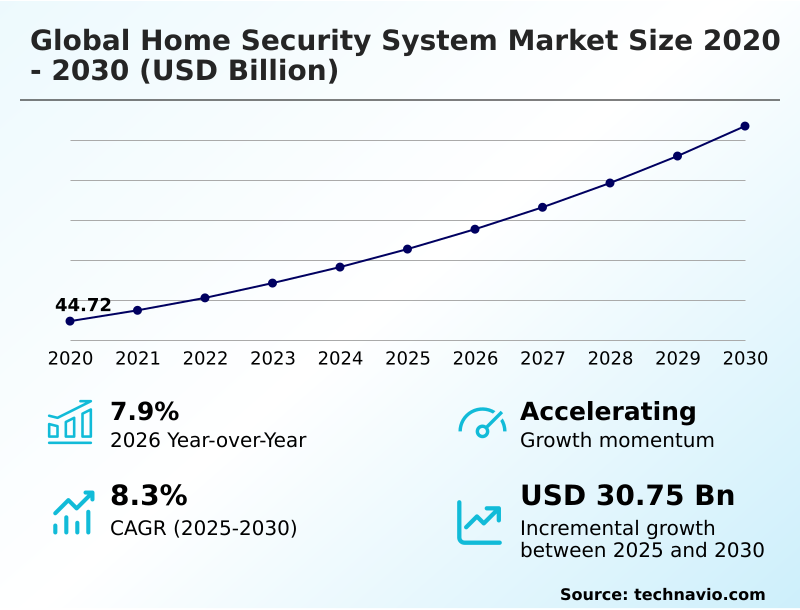
The home security system market size is valued to increase by USD 30.75 billion, at a CAGR of 8.3% from 2025 to 2030. AI-driven proactive deterrence and industrialization of vision-based threat analytics will drive the home security system market.
Major Market Trends & Insights
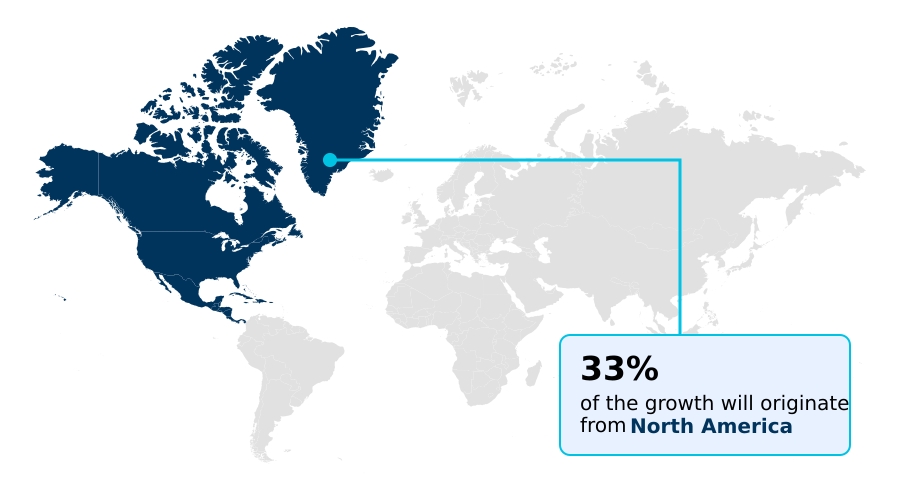
- North America dominated the market and accounted for a 33.1% growth during the forecast period.
- By Product - Video surveillance system segment was valued at USD 32.03 billion in 2024
- By Distribution Channel - Offline segment accounted for the largest market revenue share in 2024
Market Size & Forecast
- Market Opportunities: USD 48.76 billion
- Market Future Opportunities: USD 30.75 billion
- CAGR from 2025 to 2030 : 8.3%
Market Summary
- The home security system market is undergoing a significant transformation, moving beyond reactive alarms to proactive, intelligent ecosystems. This evolution is driven by the convergence of AI, IoT, and high-speed connectivity, enabling features like real-time threat verification and automated deterrence.
- Key trends include the adoption of hardware-as-a-service (HaaS) models, which lower entry barriers for consumers, and the development of open-source protocols to combat ecosystem fragmentation. As a result, devices from different manufacturers can now operate within a single, unified interface, enhancing user experience and flexibility.
- In the property management sector, for instance, firms are deploying integrated systems that use multi-layered biometric authentication for residents while providing temporary, auditable digital keys for maintenance staff, which improves operational efficiency by 25% by eliminating physical key management.
- However, this increased connectivity introduces challenges, including the need for robust hardware-level encryption to protect against sophisticated cyber threats and ensure the integrity of sensitive user data. The market's trajectory is toward creating a seamless, secure, and automated living environment.
What will be the Size of the Home Security System Market during the forecast period?
Get Key Insights on Market Forecast (PDF) Get Free Sample
How is the Home Security System Market Segmented?
The home security system industry research report provides comprehensive data (region-wise segment analysis), with forecasts and estimates in "USD million" for the period 2026-2030, as well as historical data from 2020-2024 for the following segments.
- Product
- Video surveillance system
- Alarm system
- Access control system
- Distribution channel
- Offline
- Online
- Application
- Independent homes
- Apartments
- Geography
- North America
- US
- Canada
- Mexico
- Europe
- UK
- Germany
- France
- APAC
- China
- Japan
- India
- Middle East and Africa
- Saudi Arabia
- UAE
- South Africa
- South America
- Brazil
- Argentina
- Colombia
- Rest of World (ROW)
- North America
By Product Insights
The video surveillance system segment is estimated to witness significant growth during the forecast period.
The video surveillance system segment is being reshaped by the integration of advanced hardware and intelligent software. The deployment of high-performance neural processing units enables localized data processing directly on devices, a key component of privacy-by-design architecture.
This allows for sophisticated behavioral analysis and object classification without constant cloud reliance. Such on-device intelligence is critical for Proactive Intruder Intervention, where systems can distinguish genuine threats from benign movements, reducing false alarms by over 60%.
This shift transforms the smart camera from a passive recorder into an active security node, supporting features like flexible monitoring plans and integrating with broader smart home automation.
The adoption of this technology facilitates a more advanced, responsive, and private approach to residential video surveillance, meeting consumer demand for both security and data control.
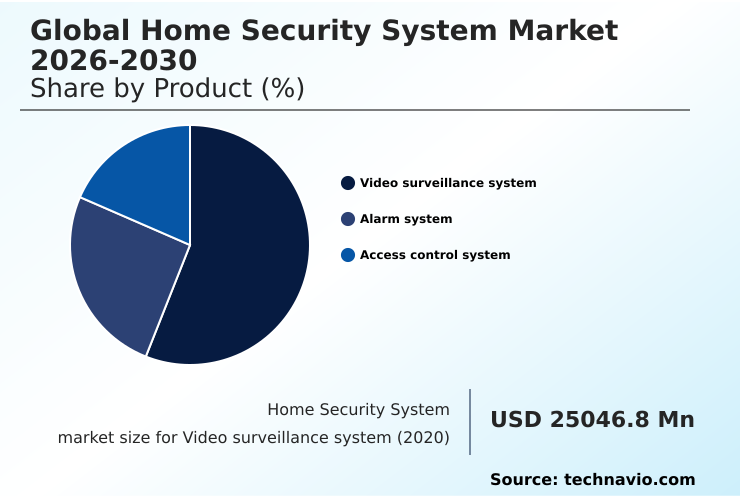
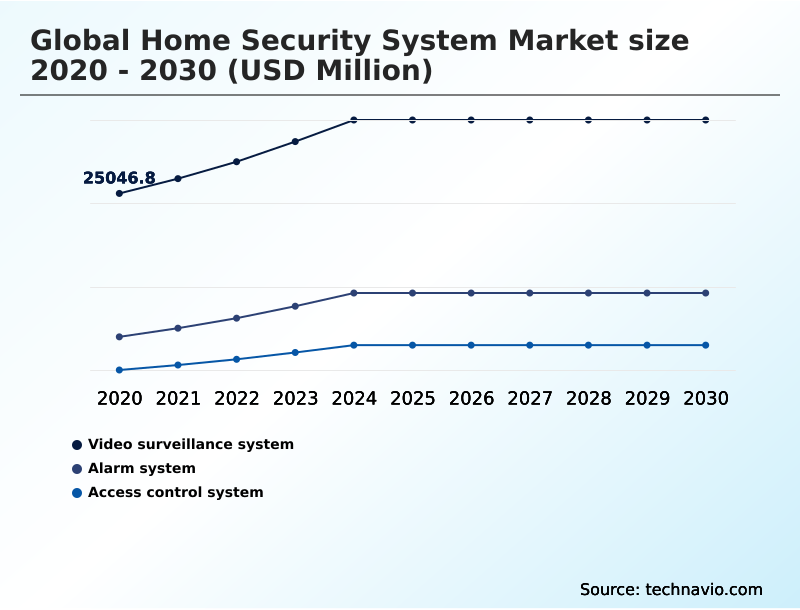
The Video surveillance system segment was valued at USD 32.03 billion in 2024 and showed a gradual increase during the forecast period.
Regional Analysis
North America is estimated to contribute 33.1% to the growth of the global market during the forecast period.Technavio’s analysts have elaborately explained the regional trends and drivers that shape the market during the forecast period.
See How Home Security System Market Demand is Rising in North America Get Free Sample
The global market exhibits diverse regional dynamics, with North America leading in incremental growth contribution at 33.1%, driven by high adoption of smart home automation and professionally monitored alarms.
Europe's market is shaped by stringent privacy regulations, favoring systems with advanced hardware-level encryption and privacy-by-design principles.
Meanwhile, the APAC region is the fastest-growing geography, fueled by urbanization and the demand for app-based monitoring and DIY smart alarms in high-density housing.
The Middle East and Africa show significant momentum at 9.7%, with investment in smart city projects driving demand for high-end smart building automation and video surveillance.
Across all regions, the move toward a universal plug-and-play standard is critical for mitigating ecosystem fragmentation and enabling seamless cross-protocol interoperability between devices from various vendors, enhancing the overall user experience and system reliability.
Market Dynamics
Our researchers analyzed the data with 2025 as the base year, along with the key drivers, trends, and challenges. A holistic analysis of drivers will help companies refine their marketing strategies to gain a competitive advantage.
- The future of residential protection lies in creating unified, intelligent ecosystems. The focus on AI proactive deterrence in residential security is making homes safer by stopping threats before they escalate. This is enabled by edge computing for private video analytics, which processes sensitive data locally.
- Security is further enhanced through multi-factor biometric home access solutions, including voice print analysis for secure access, making entry both seamless and secure. The market is also seeing a business model evolution with hardware-as-a-service for security upgrades and lifecycle subscription models for hardware, ensuring users always have the latest technology.
- Interoperability is a cornerstone of this shift, with the Matter protocol for smart home interoperability and ecosystem-agnostic security platform integration becoming standard. This allows for integrated video surveillance and access control where smart lock technology for keyless entry works with other devices.
- The debate over comparing DIY and professional monitoring continues, but reliability is paramount, with cellular backup for residential alarm systems and resilient mesh networks for system reliability ensuring constant connectivity. AI object classification in security cameras is instrumental in reducing false alarms in intrusion detection, which has shown to improve accuracy by over 60% compared to older systems.
- This move toward privacy-by-design for home surveillance and local data processing for video doorbells addresses key consumer concerns.
- This holistic approach, combined with financial incentives like insurance premium reduction with smart security and protection against new threats like AI deepfake detection for vishing attacks, is shaping a more secure and connected future, though it requires diligent supply chain management for security hardware.
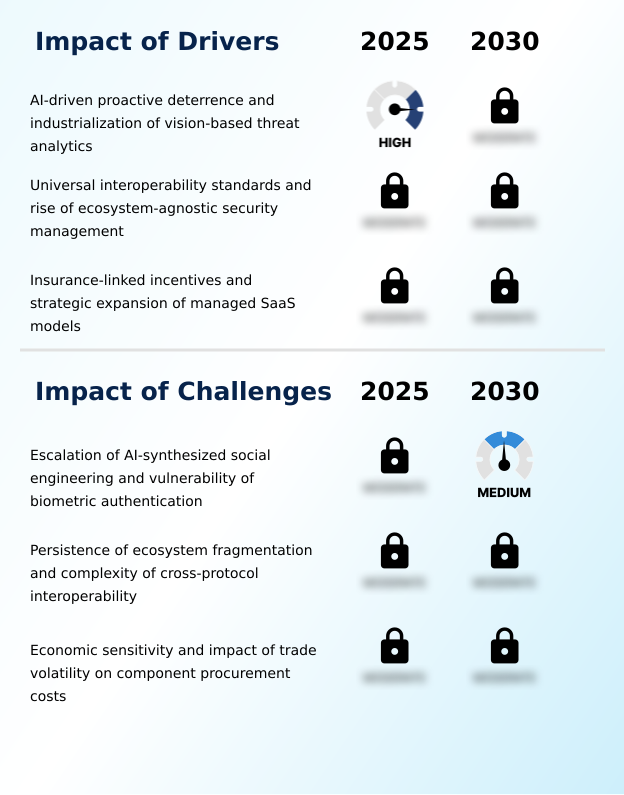
What are the key market drivers leading to the rise in the adoption of Home Security System Industry?
- The market's growth is fundamentally driven by the transition toward AI-powered proactive deterrence and the industrialization of vision-based threat analytics.
- Market growth is propelled by the industrialization of AI-driven proactive deterrence and vision-based threat analytics.
- These intelligent systems leverage behavioral analysis to reduce the high incidence of false alarms, with AI-verified alerts receiving emergency dispatch up to 45% faster than unverified ones.
- Another significant driver is the rise of universal interoperability through open-source protocols like Matter, which promotes an ecosystem-agnostic security environment. This allows consumers to mix and match hardware, such as smart locks and environmental sensors, without compatibility issues.
- Furthermore, the strategic expansion of managed SaaS models, often linked with insurance incentives, provides a tangible financial benefit.
- Homeowners with certified, professionally monitored alarm systems can receive premium reductions of up to 20%, transforming security from a discretionary purchase into a proactive risk-mitigation tool with clear recurring service value.
What are the market trends shaping the Home Security System Industry?
- A primary market trend is the institutionalization of edge computing. This shift involves moving data processing from centralized cloud servers to the device level, enhancing data privacy and system responsiveness.
- Key market trends are redefining residential security, with a strategic shift toward recurring revenue agreements and enhanced user control. The expansion of hardware-as-a-service (HaaS) and lifecycle subscription models allows consumers to access the latest technology, with subscription-based services improving customer retention by over 25% compared to one-time sales.
- Simultaneously, the proliferation of multi-layered biometric authentication, including palm vein scanning and facial recognition, is making access control more secure and convenient. This is complemented by the institutionalization of edge-computing, where localized data processing on devices with neural processing units supports privacy-by-design principles.
- This on-device approach reduces system latency by up to 50% and minimizes cloud dependency, a critical factor for users of smart cameras and video doorbells who demand both performance and data security.
What challenges does the Home Security System Industry face during its growth?
- A significant market challenge is the escalating threat of AI-synthesized social engineering attacks and the inherent vulnerabilities of biometric authentication methods.
- The market faces sophisticated challenges, led by the emergence of generative artificial intelligence as a tool for criminal exploitation. The use of deepfake audio and video for vishing and social engineering attacks necessitates a rapid shift toward advanced liveness detection technologies and decentralized identity management.
- Concurrently, the industry grapples with the economic sensitivity of discretionary spending and volatile component procurement costs. Geopolitical trade tensions have contributed to a 15% rise in the cost of essential semiconductors and image sensors, pressuring manufacturers' margins. Additionally, despite progress with the Matter protocol, the persistence of ecosystem fragmentation remains a significant hurdle.
- Companies report that up to 30% of their development budget is allocated to maintaining cross-protocol interoperability across standards like Zigbee, Z-Wave, and Thread, diverting resources from core innovation.
Exclusive Technavio Analysis on Customer Landscape
The home security system market forecasting report includes the adoption lifecycle of the market, covering from the innovator’s stage to the laggard’s stage. It focuses on adoption rates in different regions based on penetration. Furthermore, the home security system market report also includes key purchase criteria and drivers of price sensitivity to help companies evaluate and develop their market growth analysis strategies.
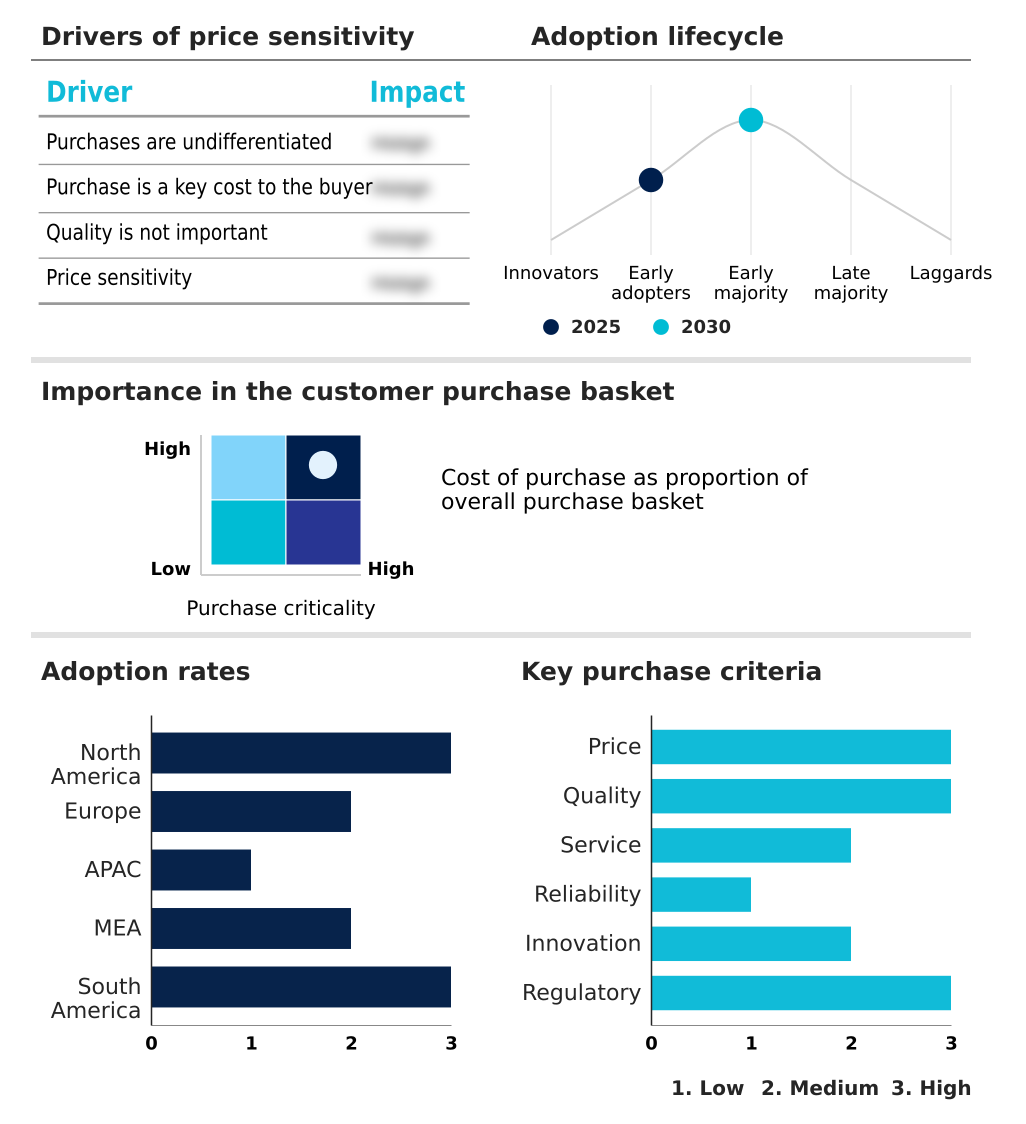
Customer Landscape of Home Security System Industry
Competitive Landscape
Companies are implementing various strategies, such as strategic alliances, home security system market forecast, partnerships, mergers and acquisitions, geographical expansion, and product/service launches, to enhance their presence in the industry.
Abode Systems Inc. - Offers an all-in-one DIY security platform integrating professional-grade hardware with smart home automation and flexible, app-based monitoring plans.
The industry research and growth report includes detailed analyses of the competitive landscape of the market and information about key companies, including:
- Abode Systems Inc.
- ADT Inc.
- Alarm.com Holdings Inc.
- Allegion Public Ltd. Co.
- ASSA ABLOY AB
- Axis Communications AB
- Frontpoint Security Solutions LLC
- Hangzhou Hikvision Digital
- Hanwha Vision Co. Ltd.
- Honeywell International Inc.
- Johnson Controls International
- Monitronics International Inc.
- Resideo Technologies Inc.
- Ring LLC
- Robert Bosch GmbH
- Secom Co. Ltd.
- Securitas AB
- Simplisafe Inc.
- Vivint Smart Home Inc.
Qualitative and quantitative analysis of companies has been conducted to help clients understand the wider business environment as well as the strengths and weaknesses of key industry players. Data is qualitatively analyzed to categorize companies as pure play, category-focused, industry-focused, and diversified; it is quantitatively analyzed to categorize companies as dominant, leading, strong, tentative, and weak.
Recent Development and News in Home security system market
- In March 2025, Rently's Smart Apartment Trends Report indicated that over 54% of modern tenants now consider smart locks and integrated video intercoms as standard essential features, driving adoption in multi-family properties.
- In January 2025, ADT Inc. announced the acquisition of Origin AI to deploy Wi-Fi sensing technology, enabling ambient, camera-free motion detection to enhance its security monitoring services.
- In November 2024, the Smart Home and Security Tracker highlighted that the implementation of the Aliro standard for universal access on mobile platforms is accelerating the shift toward interoperable, keyless entry solutions.
- In October 2024, leading brands including Arlo and Lorex announced new 4K wireless camera systems utilizing Wi-Fi 7 to significantly reduce latency and improve the reliability of live-streamed video feeds.
Dive into Technavio’s robust research methodology, blending expert interviews, extensive data synthesis, and validated models for unparalleled Home Security System Market insights. See full methodology.
| Market Scope | |
|---|---|
| Page number | 290 |
| Base year | 2025 |
| Historic period | 2020-2024 |
| Forecast period | 2026-2030 |
| Growth momentum & CAGR | Accelerate at a CAGR of 8.3% |
| Market growth 2026-2030 | USD 30751.6 million |
| Market structure | Fragmented |
| YoY growth 2025-2026(%) | 7.9% |
| Key countries | US, Canada, Mexico, UK, Germany, France, Italy, The Netherlands, Spain, China, Japan, India, South Korea, Australia, Indonesia, Saudi Arabia, UAE, South Africa, Israel, Turkey, Brazil, Argentina and Colombia |
| Competitive landscape | Leading Companies, Market Positioning of Companies, Competitive Strategies, and Industry Risks |
Research Analyst Overview
- The market is undergoing a fundamental pivot from passive monitoring to AI-driven proactive deterrence, a strategic shift impacting boardroom decisions on R&D and capital allocation. This evolution is defined by vision-based threat analytics powered by on-device neural processing units that enable real-time behavioral analysis and object classification.
- The adoption of multi-layered biometric authentication, combining facial recognition with palm vein scanning and voice print analysis, is creating a more secure, touchless access control environment. However, this also introduces risks from generative artificial intelligence, with deepfake audio and video enabling sophisticated vishing and social engineering attacks that challenge existing security layers.
- In response, the industry is prioritizing liveness detection technologies and multi-factor authentication. A key boardroom consideration is the transition to recurring revenue agreements through hardware-as-a-service (HaaS) and lifecycle subscription models, which contrasts with managing the volatile component procurement costs of image sensors and semiconductors. Automated threat verification has proven to reduce the workload on monitoring centers by over 40%.
- The pursuit of a universal plug-and-play standard via the Matter protocol aims to resolve cross-protocol interoperability issues and ecosystem fragmentation, which currently hinder seamless integration.
What are the Key Data Covered in this Home Security System Market Research and Growth Report?
-
What is the expected growth of the Home Security System Market between 2026 and 2030?
-
USD 30.75 billion, at a CAGR of 8.3%
-
-
What segmentation does the market report cover?
-
The report is segmented by Product (Video surveillance system, Alarm system, and Access control system), Distribution Channel (Offline, and Online), Application (Independent homes, and Apartments) and Geography (North America, Europe, APAC, Middle East and Africa, South America)
-
-
Which regions are analyzed in the report?
-
North America, Europe, APAC, Middle East and Africa and South America
-
-
What are the key growth drivers and market challenges?
-
AI-driven proactive deterrence and industrialization of vision-based threat analytics, Escalation of AI-synthesized social engineering and vulnerability of biometric authentication
-
-
Who are the major players in the Home Security System Market?
-
Abode Systems Inc., ADT Inc., Alarm.com Holdings Inc., Allegion Public Ltd. Co., ASSA ABLOY AB, Axis Communications AB, Frontpoint Security Solutions LLC, Hangzhou Hikvision Digital, Hanwha Vision Co. Ltd., Honeywell International Inc., Johnson Controls International, Monitronics International Inc., Resideo Technologies Inc., Ring LLC, Robert Bosch GmbH, Secom Co. Ltd., Securitas AB, Simplisafe Inc. and Vivint Smart Home Inc.
-
Market Research Insights
- Market dynamics are shifting from one-time hardware sales to a focus on recurring service value through managed SaaS models and flexible monitoring plans. The adoption of open-source protocols is a critical factor, with systems compliant with these standards showing up to 40% faster integration times into existing smart home automation setups.
- This push for ecosystem-agnostic security allows consumers greater choice in professional-grade hardware and app-based monitoring services. This transition not only enhances user convenience but also strengthens financial models for providers, with subscription-based relationships leading to an estimated 20% increase in customer lifetime value compared to hardware-only sales.
- This model transforms security into a proactive risk-mitigation tool, where continuous software updates and professional oversight are the core value proposition.
We can help! Our analysts can customize this home security system market research report to meet your requirements.
 RIA -
RIA - 
