
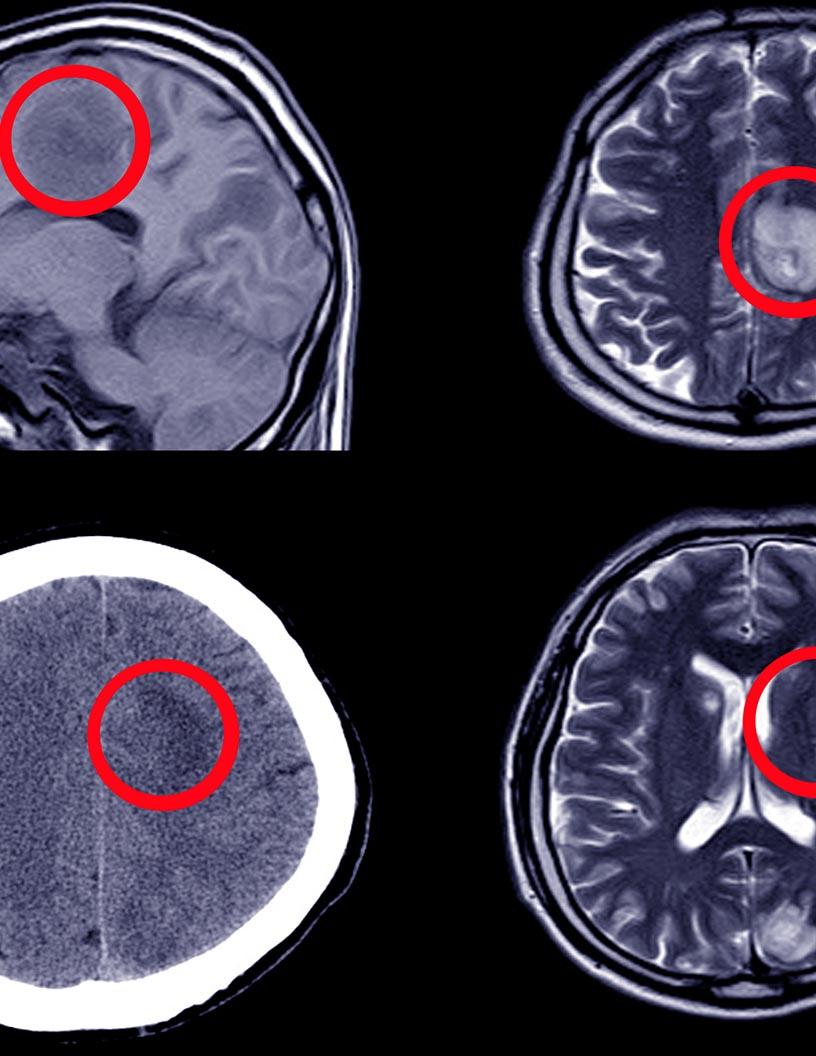


Hydrocephalus Shunts Market Size 2024-2028
The hydrocephalus shunts market size is forecast to increase by USD 101.8 million, at a CAGR of 4.7% between 2023 and 2028.
- The market is driven by the continuous advancements in healthcare infrastructure and technology. Improved healthcare infrastructure facilitates better access to diagnostic and therapeutic services, enabling early detection and treatment of hydrocephalus, thereby increasing the demand for shunts. Technological innovations in shunt design and manufacturing processes lead to more efficient, effective, and patient-friendly solutions, creating growth opportunities for market participants. However, the market faces challenges due to the scarcity of skilled expertise in the field of neurosurgery and the intricacy of shunt procedures.
- The lack of sufficient neurosurgeons and specialized healthcare professionals capable of performing shunt surgeries and managing post-operative care poses a significant barrier to market expansion. Companies seeking to capitalize on market opportunities must focus on addressing this challenge by investing in training programs and collaborating with medical institutions to build a robust workforce. Navigating this challenge effectively will be crucial for market success.
What will be the Size of the Hydrocephalus Shunts Market during the forecast period?

Explore in-depth regional segment analysis with market size data - historical 2018-2022 and forecasts 2024-2028 - in the full report.
Request Free Sample
The market continues to evolve, driven by advancements in shunt technology and the growing need for effective management of hydrocephalus, a condition characterized by the abnormal accumulation of cerebrospinal fluid (CSF) in the brain ventricles. Hydrocephalus shunts are medical devices used to divert CSF from the ventricles to other parts of the body, alleviating pressure and preventing further damage to the brain. Shunt tube materials have seen significant developments, with the use of biocompatible materials gaining popularity due to their ability to minimize shunt infections. Infection treatment remains a critical area of focus, with research ongoing to develop new antimicrobial coatings and materials for shunt tubes.
ICP monitoring techniques have advanced, with continuous CSF pressure monitoring systems gaining traction. These systems enable real-time monitoring of intracranial pressure, allowing for timely intervention in case of shunt malfunctions or complications. Catheter migration detection and fluid dynamics shunts are other areas of active research, with the goal of improving shunt performance and reducing complications. Shunt malfunction diagnosis techniques have also evolved, with neurological assessments and CSF flow dynamics analysis playing a crucial role in identifying and addressing issues. Ventricular shunt occlusion and ventriculoatrial shunts are alternative shunt types used in specific cases, while obstructive hydrocephalus and subcutaneous shunt placement are areas of ongoing research.
Chronic shunt failure, shunt series resistance, shunt longevity factors, and drainage system integrity are all critical aspects of shunt design and performance that continue to be explored. Neurological recovery and head circumference changes are important outcomes that are monitored in hydrocephalus patients, with gravitational drainage effects and shunt complications being key considerations in shunt management. The ongoing dynamism of the market reflects the continuous efforts to improve shunt technology and address the complexities of managing hydrocephalus.
How is this Hydrocephalus Shunts Industry segmented?
The hydrocephalus shunts industry research report provides comprehensive data (region-wise segment analysis), with forecasts and estimates in "USD million" for the period 2024-2028, as well as historical data from 2018-2022 for the following segments.
- Product
- Hydrocephalus valves
- Hydrocephalus catheters
- Geography
- North America
- US
- Canada
- Europe
- France
- Germany
- Italy
- UK
- APAC
- China
- India
- Japan
- South Korea
- Rest of World (ROW)
- North America
By Product Insights
The hydrocephalus valves segment is estimated to witness significant growth during the forecast period.
Hydrocephalus, a chronic neurological condition, arises from the malfunction of the cerebrospinal fluid (CSF) drainage mechanism in the brain. The standard treatment approach involves a shunt system, which comprises two catheters and a one-way valve. This valve manages the amount, flow direction, and pressure of CSF exiting the brain's ventricles. As intracranial pressure increases, the valve opens, allowing excess fluid to drain to a downstream cavity. In 2022, approximately 80% of patients were diagnosed with communicating hydrocephalus, where the obstruction occurs in the subarachnoid space or at the arachnoid granulations. In contrast, 20% of cases involved obstructive hydrocephalus, where the blockage is within the ventricles or aqueduct.
Shunt systems consist of various components, including reservoirs, valves, and tubing. Reservoir refills may be necessary to maintain optimal CSF pressure. Surgical shunt removal and hydrocephalus shunt revision procedures are common interventions. Valve malfunctions may manifest through symptoms such as increased head circumference, neurological deficits, or altered mental status. Programmable valve settings allow for customized CSF drainage based on individual patient needs. Post-operative monitoring is crucial to ensure proper shunt function and neurological recovery. Peritoneal shunt placement and lumboperitoneal shunt procedures are alternative shunt placement methods. Shunt complications, such as infection, catheter migration, and valve malfunction, necessitate prompt diagnosis and treatment.
Infection treatment may involve shunt removal and antibiotics. ICP monitoring techniques and CSF pressure monitoring are essential for managing shunt function and patient care. Fluid dynamics shunts, such as ventriculoatrial and ventriculoperitoneal shunts, have distinct advantages and disadvantages. Ventriculoatrial shunts may be preferred for obstructive hydrocephalus, while ventriculoperitoneal shunts are often used for communicating hydrocephalus. Shunt tube materials, drainage system integrity, and shunt series resistance are critical factors influencing shunt longevity. Complication prevention strategies, such as maintaining proper catheter-tip location and minimizing gravitational drainage effects, are essential to optimize shunt performance and patient outcomes.
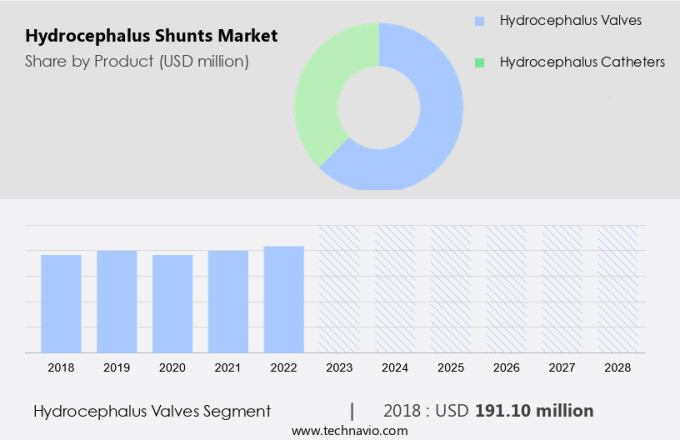
The Hydrocephalus valves segment was valued at USD 191.10 million in 2018 and showed a gradual increase during the forecast period.
Regional Analysis
North America is estimated to contribute 45% to the growth of the global market during the forecast period. Technavio's analysts have elaborately explained the regional trends and drivers that shape the market during the forecast period.
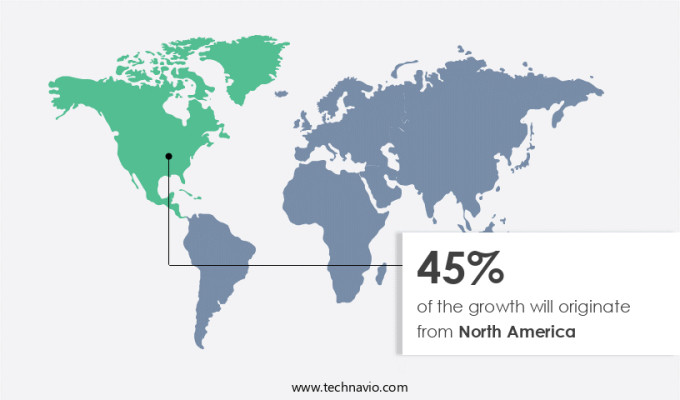
The market is driven by the large number of cases in North America, where hydrocephalus affects over 1 million people. This condition, characterized by the excess production or impaired resorption of cerebrospinal fluid (CSF) in the brain, necessitates surgical intervention using pressure-regulated shunts. The market's growth is fueled by the rising number of brain surgeries, mergers and acquisitions, and advanced product launches. Shunt procedures include reservoir refills, surgical removals, and revisions. Valve malfunctions may cause symptoms such as increased head size, seizures, or decreased alertness. Programmable valve settings offer customized pressure relief. Post-operative monitoring is crucial for neurological assessment and CSF pressure monitoring.
Peritoneal shunts and ventriculoatrial shunts are common types, with catheter-tip location critical for effective drainage. Shunt complications include infection, catheter migration, occlusion, and shunt series resistance. Infection treatment involves antibiotics and shunt removal. ICP monitoring techniques and CSF flow dynamics assessments aid in diagnosis. Longevity factors include shunt materials, drainage system integrity, and neurological recovery. Prevention strategies focus on minimizing complications and optimizing shunt function. Obstructive hydrocephalus, a common form, can be treated with lumboperitoneal shunts or fluid dynamics shunts. Subcutaneous shunt placement and chronic shunt failure are other considerations. Gravitational drainage effects and head circumference changes are important factors.
Intracranial pressure and neurological assessment are crucial for effective treatment.
Market Dynamics
Our researchers analyzed the data with 2023 as the base year, along with the key drivers, trends, and challenges. A holistic analysis of drivers will help companies refine their marketing strategies to gain a competitive advantage.
The market has seen significant growth due to the increasing incidence of hydrocephalus, a condition characterized by the accumulation of cerebrospinal fluid in the ventricles of the brain. Ventricular shunt system failure is a common complication, with causes including shunt infection, obstruction, disconnection, and valve malfunction. Minimally invasive shunt placement techniques, such as endoscopic third ventriculostomy, have emerged as alternatives to traditional open surgery, reducing the risk of complications. Long-term complications after shunt surgery include shunt infection, overdrainage, and underdrainage, which can lead to various neurological symptoms. Advanced imaging techniques, such as magnetic resonance imaging (MRI) and computed tomography (CT), play a crucial role in diagnosing shunt malfunction. Clinical presentation of shunt dysfunction varies widely, from subtle cognitive changes to severe neurological deficits. Factors affecting shunt longevity and function include patient age, shunt design, and the underlying cause of hydrocephalus. Optimal shunt valve settings for patients depend on individual clinical needs, and comparing different shunt materials' properties is essential in selecting the most appropriate shunt for each patient. Surgical approach to shunt revision procedures varies based on the cause of failure and the patient's clinical condition. Prevention strategies for shunt infection include meticulous surgical technique, appropriate use of antibiotics, and patient education on infection symptoms. Post-operative care guidelines for shunt patients include regular follow-up appointments, monitoring for signs of infection, and proper wound care. Managing shunt complications in pediatric patients requires a multidisciplinary approach, involving neurologists, neurosurgeons, and other healthcare professionals. The effectiveness of various shunt types for hydrocephalus varies, with valve type and size being critical factors. Shunt placement's impact on neurological recovery depends on the timing and appropriateness of the intervention. Patient-reported outcomes following shunt surgery provide valuable insights into the quality of life and functional outcomes for patients. Imaging diagnostics play a crucial role in shunt malfunction assessment, and various methods, such as MRI and CT, are used to evaluate shunt system performance. Different shunt types and their applications depend on the underlying cause of hydrocephalus and the patient's clinical condition. Neurological monitoring after shunt implantation is essential for the early detection and management of complications. Techniques for shunt reservoir refill for hydrocephalus shunts are essential for maintaining proper cerebrospinal fluid drainage. The market is expected to grow significantly due to the increasing incidence of hydrocephalus and the development of advanced shunt technologies.
What are the key market drivers leading to the rise in the adoption of Hydrocephalus Shunts Industry?
- The essential factor driving the market is the enhancement of healthcare infrastructure. This improvement not only increases accessibility to quality healthcare services but also boosts the overall efficiency and effectiveness of the healthcare system.
- The market is experiencing significant growth due to advancements in healthcare infrastructure. Governments and private entities worldwide are investing in modernizing healthcare systems, expanding hospital capacities, and equipping facilities with advanced technologies. This progress has facilitated timely interventions for hydrocephalus, leading to increased adoption of shunt systems as a primary treatment solution. The availability of neurosurgical expertise and cutting-edge diagnostic tools in both developed and developing regions is further supporting market growth. Established healthcare systems in North America and Europe are benefiting from these advancements, while emerging economies in Asia and other regions of the world are rapidly improving their medical infrastructure.
- Improved access to quality care and timely diagnosis are crucial factors driving the market. With the increasing focus on patient care and outcomes, the market is expected to continue its growth trajectory in the coming years. Advancements in shunt technology and the development of minimally invasive procedures are also contributing to market growth. These innovations are making shunt procedures safer and more effective, further increasing their adoption rate. In conclusion, the market is poised for continued growth due to the improving healthcare infrastructure, increasing availability of neurosurgical expertise, and advancements in shunt technology.
What are the market trends shaping the Hydrocephalus Shunts Industry?
- The trend in the market is being shaped by technological advances. It is essential to stay informed about the latest innovations to remain competitive.
- The market experiences continuous growth due to technological advancements in shunt systems. These innovations enhance the effectiveness, safety, and dependability of devices used to manage hydrocephalus. New materials, designs, and functionalities have led to the creation of sophisticated shunt systems that minimize complications such as blockages, infections, and over-drainage. One significant development is the introduction of programmable shunts, enabling clinicians to modify valve settings non-invasively, ensuring optimal CSF drainage tailored to individual patients. Furthermore, antimicrobial-coated shunts have emerged to mitigate infection risks, a significant concern in shunt procedures. Refining reservoir refill procedures and improving surgical shunt removal techniques contribute to the market's expansion.
- Ventriculoperitoneal shunts, a common treatment for hydrocephalus, undergo regular revisions due to valve malfunction symptoms. Advanced shunt systems address these challenges, offering a more harmonious balance between adequate CSF drainage and minimizing complications. Post-operative monitoring plays a crucial role in ensuring the successful implementation and long-term management of hydrocephalus shunts. Peritoneal shunt placement, another treatment option, benefits from these advancements, further expanding the market's scope. In conclusion, the market witnesses continuous growth due to the development of advanced shunt systems, addressing complications and improving patient outcomes.
What challenges does the Hydrocephalus Shunts Industry face during its growth?
- The absence of adequately skilled professionals poses a significant challenge to the industry's growth trajectory.
- Hydrocephalus shunts, a vital medical device used to manage the condition, are subject to various complications. Shunt tubes are manufactured using materials such as silicone or polyurethane, which can impact infection risk and durability. Shunt infections, a common complication, require timely treatment to prevent serious health consequences. ICP monitoring techniques and catheter migration detection methods are essential for early identification and intervention of shunt malfunctions. Fluid dynamics shunts, an advanced technology, offer improved flow regulation and reduced risk of occlusion.
- Shunt malfunction diagnosis, often challenging, necessitates the use of imaging studies and clinical assessments. Ventricular shunt occlusion, a severe complication, can lead to increased intracranial pressure and neurological damage. Shunt complications, including infection, catheter migration, and occlusion, necessitate continuous research and development in shunt design and material selection. Ensuring the highest standards of surgical training and maintaining a competent workforce are crucial in mitigating risks and enhancing patient safety.
Exclusive Customer Landscape
The hydrocephalus shunts market forecasting report includes the adoption lifecycle of the market, covering from the innovator's stage to the laggard's stage. It focuses on adoption rates in different regions based on penetration. Furthermore, the hydrocephalus shunts market report also includes key purchase criteria and drivers of price sensitivity to help companies evaluate and develop their market growth analysis strategies.
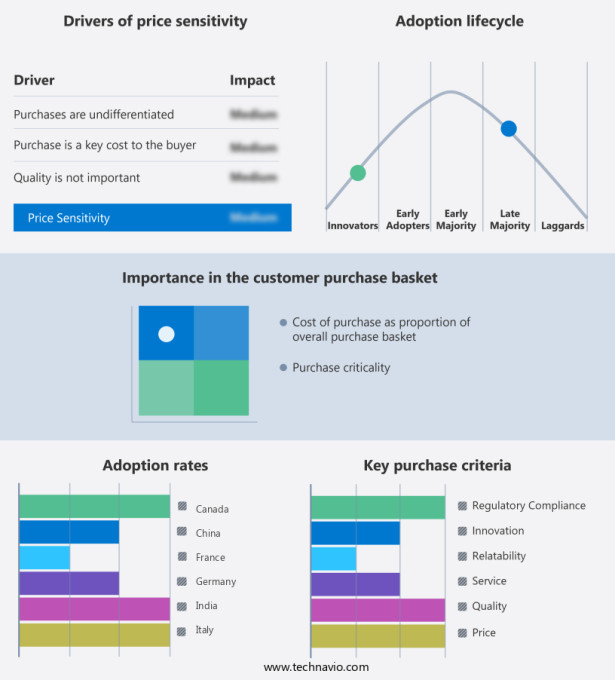
Customer Landscape
Key Companies & Market Insights
Companies are implementing various strategies, such as strategic alliances, hydrocephalus shunts market forecast, partnerships, mergers and acquisitions, geographical expansion, and product/service launches, to enhance their presence in the industry.
B.Braun SE - This research focuses on a global medical device company specializing in hydrocephalus shunts. Their product portfolio encompasses blue valve, Progav 2.0 valve, Gav 2.0 valve, Mininav valve, Shuntassistant 2.0 valve, shunt accessories, Dualswitch valve, and Prosa valve.
The industry research and growth report includes detailed analyses of the competitive landscape of the market and information about key companies, including:
- B.Braun SE
- Beaumont Health
- Christoph Miethke GmbH and Co. KG
- Fuji Systems Co. Ltd.
- G.Surgiwear Ltd.
- HLL Lifecare Ltd.
- HpBio
- Integra LifeSciences Holdings Corp.
- Johnson and Johnson Inc.
- Kaneka Medix Corp.
- Medtronic Plc
- Natus Medical Inc.
- Sophysa
- Spiegelberg GmbH and Co. KG
- Tokibo Co. Ltd.
Qualitative and quantitative analysis of companies has been conducted to help clients understand the wider business environment as well as the strengths and weaknesses of key industry players. Data is qualitatively analyzed to categorize companies as pure play, category-focused, industry-focused, and diversified; it is quantitatively analyzed to categorize companies as dominant, leading, strong, tentative, and weak.
Recent Development and News in Hydrocephalus Shunts Market
- In January 2024, Medtronic plc, a global healthcare solutions company, announced the U.S. Food and Drug Administration (FDA) approval of its new Strata⢠II Valve for its Hydrocephalus Shunt System. This approval marked an advancement in valve technology, offering improved flow control and reducing the risk of overdrainage (Medtronic Press Release, 2024).
- In March 2024, Stryker Corporation entered into a definitive agreement to acquire Kinetic Concepts, Inc., a leading medical technology company specializing in wound care and pain management. This acquisition expanded Stryker's portfolio to include hydrocephalus shunts, positioning the company as a significant player in the neurotechnology market (Stryker Corporation Press Release, 2024).
- In May 2024, Boston Scientific Corporation received CE Mark approval for its new Codman Hakim® Revision Valve. This approval allowed the company to market the valve in Europe, addressing the need for improved shunt valve technology and reducing the risk of complications (Boston Scientific Corporation Press Release, 2024).
- In April 2025, Integra Lifesciences Holdings Corporation announced the acquisition of NeuroVentures Dynamics, LLC, a privately held medical device company specializing in hydrocephalus shunts. This acquisition added innovative shunt technologies to Integra's portfolio, strengthening its presence in the neurotechnology market (Integra Lifesciences Holdings Corporation Press Release, 2025).
Research Analyst Overview
- The market is characterized by ongoing advancements in technology and clinical practices. Re-operation rates remain a significant concern due to infection risk factors and complications arising from shunt system components, such as catheter patency and valve lifespan. Imaging techniques and patient monitoring systems facilitate early detection and management of shunt-related issues. Surgical planning and implantation methods continue to evolve, with a focus on minimally invasive procedures and improved implant biocompatibility. Valve resistance, reservoir design, and fluid dynamics analysis are critical factors in optimizing CSF flow regulation and long-term outcomes. Maintenance procedures, including maintenance schedules and infection prevention measures, are essential for reducing system failure rates and ensuring device durability.
- Complication management strategies, such as infection management and valve resistance adjustment, are vital in mitigating risks and improving patient care. Shunt valve design, tissue response, and pressure transducer accuracy are ongoing areas of research to enhance patient selection criteria and improve overall shunt performance.
Dive into Technavio's robust research methodology, blending expert interviews, extensive data synthesis, and validated models for unparalleled Hydrocephalus Shunts Market insights. See full methodology.
|
Market Scope |
|
|
Report Coverage |
Details |
|
Page number |
160 |
|
Base year |
2023 |
|
Historic period |
2018-2022 |
|
Forecast period |
2024-2028 |
|
Growth momentum & CAGR |
Accelerate at a CAGR of 4.7% |
|
Market growth 2024-2028 |
USD 101.8 million |
|
Market structure |
Fragmented |
|
YoY growth 2023-2024(%) |
4.5 |
|
Key countries |
US, Germany, Japan, UK, Canada, India, China, South Korea, France, and Italy |
|
Competitive landscape |
Leading Companies, Market Positioning of Companies, Competitive Strategies, and Industry Risks |
What are the Key Data Covered in this Hydrocephalus Shunts Market Research and Growth Report?
- CAGR of the Hydrocephalus Shunts industry during the forecast period
- Detailed information on factors that will drive the growth and forecasting between 2024 and 2028
- Precise estimation of the size of the market and its contribution of the industry in focus to the parent market
- Accurate predictions about upcoming growth and trends and changes in consumer behaviour
- Growth of the market across North America, Europe, Asia, and Rest of World (ROW)
- Thorough analysis of the market's competitive landscape and detailed information about companies
- Comprehensive analysis of factors that will challenge the hydrocephalus shunts market growth of industry companies
We can help! Our analysts can customize this hydrocephalus shunts market research report to meet your requirements.